
Music
Arts & Entertainment

Numbers Don't Lie. People Do.
An analytical reflection on the gap between quantifiable data and human interpretation. The writer examines how numbers function as neutral records while the meaning we extract from them reveals more about us than about the data itself.
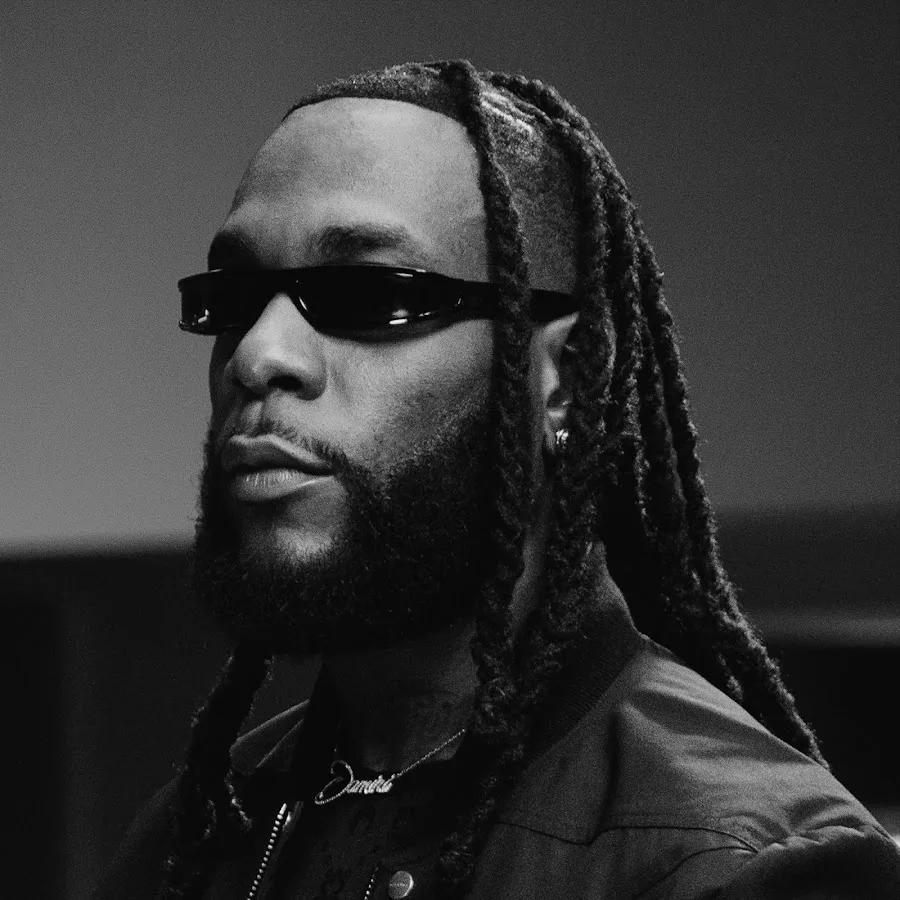
On Depth, Authenticity, and the Artist's Right to Critique
Following Burna Boy's public criticism of Afrobeats as lacking substance, this piece defends the artist's right to hold the culture accountable while examining what he actually meant: a call for more personal storytelling and philosophical coherence among African musicians, rather than generic feel-good escapism.

Proactive Consistency: Lessons From Burna Boy's Rise
Consistency alone does not guarantee growth; what matters is proactive consistency—the willingness to experiment, take risks, and evolve within the discipline of showing up daily. Drawing on Burna Boy's musical trajectory from 2011 to his mainstream breakthrough, the writer argues that real breakthroughs require the convergence of sustained work, artistic evolution, and external momentum.
The Afrobeats Boom and the Problem of Branding: Why Market Share Alone Won't Save African Music
The writer examines the global rise of Afrobeats and its uneven impact across Africa, arguing that Nigeria's dominance stems not from protectionist policies or population size, but from strategic branding and the cultivation of cultural cachet. For artists outside Nigeria, legislative quotas and forced promotion miss the deeper work of positioning African music as aspirational rather than merely available.

Walk Away: Libianca's Quiet Mastery
This piece celebrates Libianca's EP *In A Way* as a watershed moment for Cameroonian representation in global urban pop, while arguing that her true strength lies not in nationalist triumphalism but in intimate, unflinching songwriting about vulnerability, trauma, and human complexity.

The Structure and Logic of Record Labels in Cameroon
The writer examines the distinction between major and independent record labels, explaining how multinational majors like UMG, Sony, and Warner differ fundamentally from the independent labels that dominate Cameroon's music industry. Through this framework, the piece diagnoses endemic tensions between Cameroonian labels and artists—poor contract literacy, inadequate planning, and opaque financial management.

Ko-C's Genesis: An Artist Settled Into His Own Blueprint
A review of Ko-C's album Genesis examines how the Cameroonian rapper moved past internal community debates about his commercial direction and pop leanings to deliver a confident, versatile project. The album showcases an artist uncompromising about his creative path while remaining accessible and thematically grounded.

The Geography of Ambition: Why Artists Should Build at Home
The writer examines how the calculus of artistic migration has inverted in Cameroon over the past generation. Where legendary musicians once traveled abroad to access superior infrastructure and networks, contemporary artists who leave typically abandon creative ambitions altogether—and those who return struggle to rebuild momentum or credibility.

The Artist as Creative Agency: Diversification and Survival in Cameroon's Music Economy
The writer argues that musicians in Cameroon face systemic economic precarity that demands a fundamental shift in how they approach their careers. Rather than relying solely on performance, artists must develop multiple income streams—production, songwriting, event management, or entirely separate ventures—to achieve financial stability and longevity.
Soundsation: Mimie's Debut EP and the Question of Label Support
A critical review of Mimie's first EP project, released amid considerable publicity following a public dispute with her former label. The writer evaluates each track with care, finding genuine artistic merit while questioning whether the surrounding narrative has overshadowed the music's own claim to attention.

On Cameroon's Entertainment Ambitions and Economic Realities
The writer argues that Cameroon's aspiration to become a music exporter is misaligned with its actual comparative advantage, and that the nation's true export has always been talent and human capital rather than cultural products. Drawing on examples from Germany, the US, Bollywood, and Nigeria, the piece traces how specific economic and infrastructural conditions enable entertainment industries to thrive globally—conditions Cameroon largely lacks.
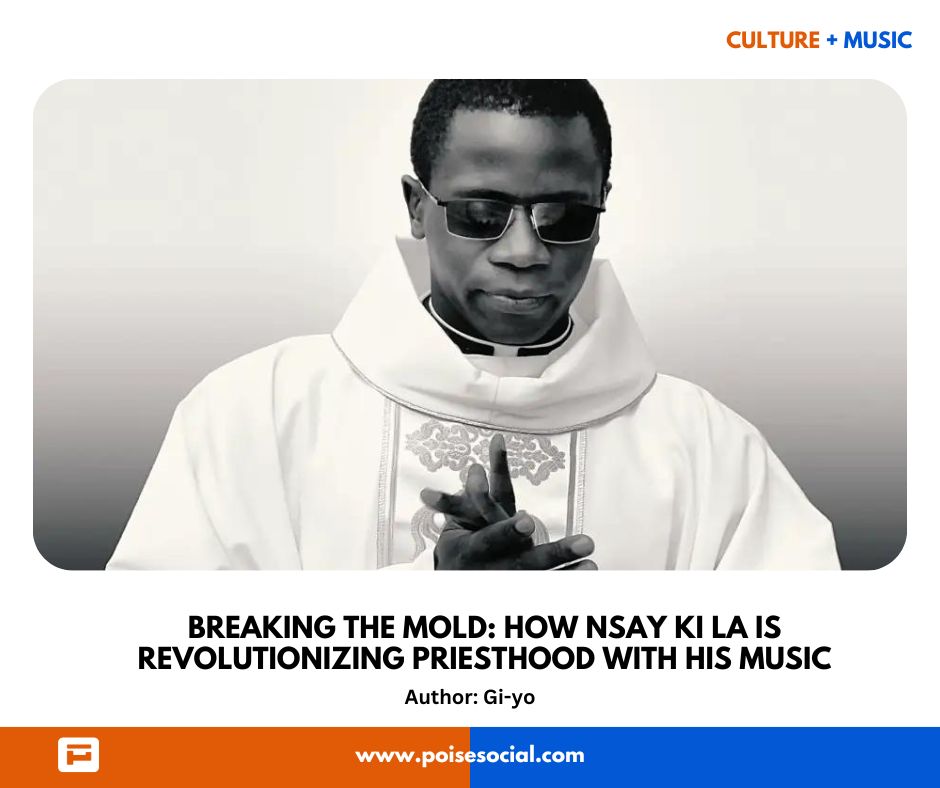
Breaking the Mold: A Priest-Musician in Service of Both Church and Community
Father Nsaikila Wanyu Elvis Njong, known as Nsay Ki La, is a Roman Catholic priest and accomplished musician who creates liturgical and devotional songs rooted in varied genres—from makossa to afrobeats—and in his native Lamnso language. His work spans sacred music, social witness during armed conflict, and an entrepreneurial approach to gospel that refuses to confine worship to tradition alone.

The Backward Step: Cameroon's Music, Patriotism, and the Retreat from Global Conversation
Examining the 2022 success of Krys M's 'Chacun sa chance' and Philbill's 'Bikossa,' the writer argues that Cameroon's biggest songs represent cultural nostalgia rather than innovation, and that this retreat into local-only music reflects a deeper withdrawal from global competition rooted in 25 years of institutional and cultural stagnation.
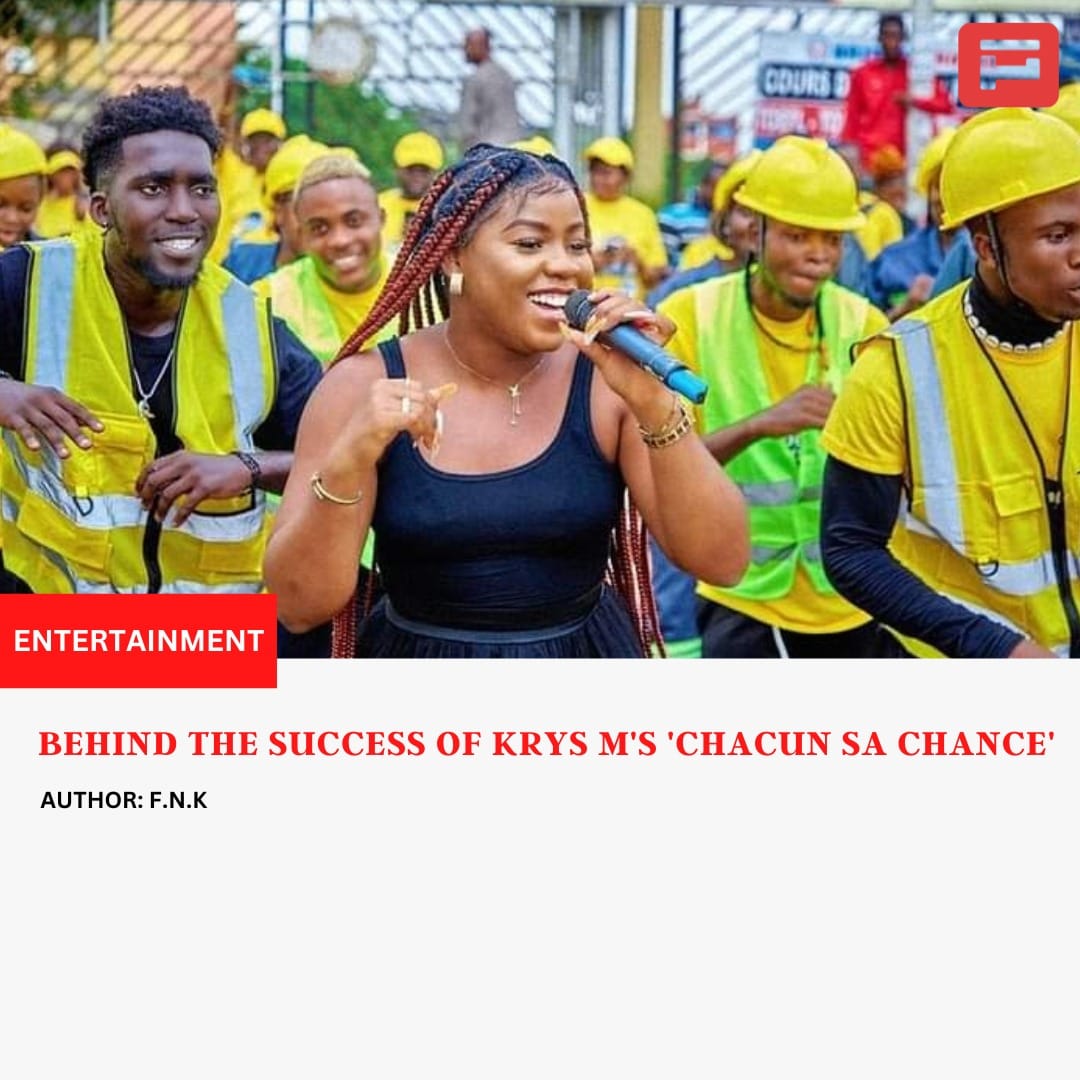
The Nostalgia Trap: Cameroon's Music, Patriotism, and the Cost of Retreat
Examining the viral success of Krys M's 'Chacun sa Chance' and Philbill's 'Bikossa,' the writer argues that Cameroon's biggest songs are retreats into local sound rather than innovations—a symptom of deeper cultural stagnation and a collective turn inward masked by patriotic fervor.
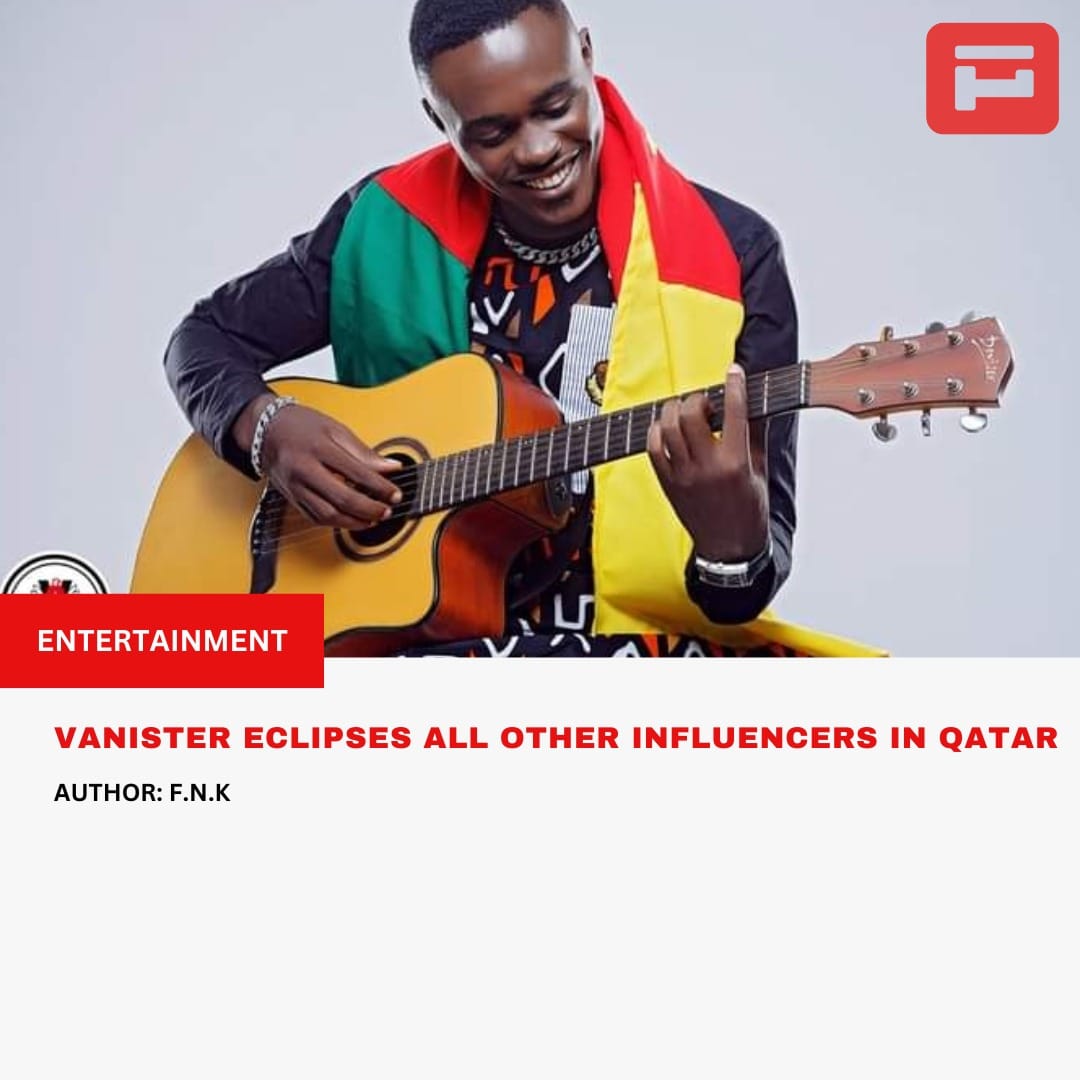
When Real Talent Eclipses the Noise: Vanister at the World Cup
A critical reflection on how an unknown street musician from Akonolinga rose to global prominence during the 2022 World Cup in Qatar, outshining the celebrity influencers officially selected to represent Cameroon. The piece examines why authentic artistry resonated internationally while established Cameroonian personalities retreated into irrelevance.
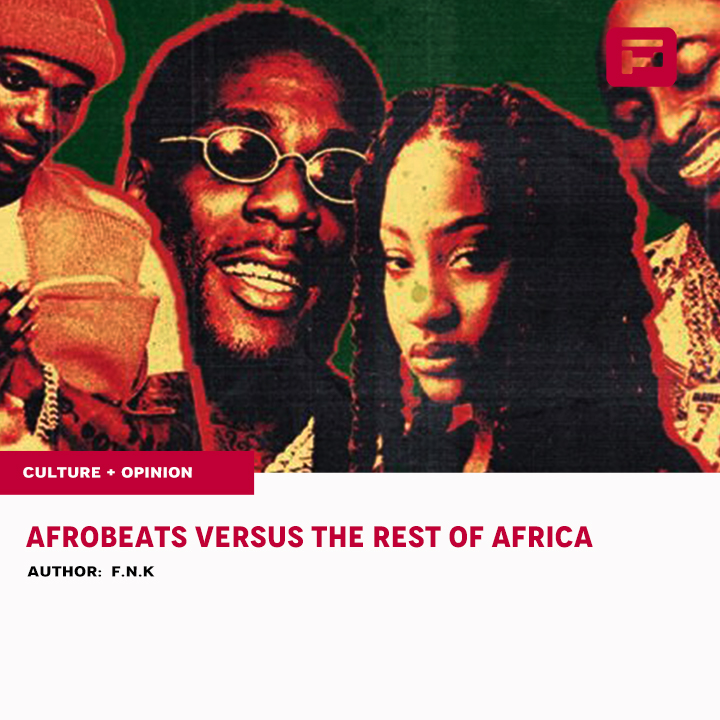
Afrobeats Versus the Rest of Africa: A Question of Branding, Not Quotas
While Afrobeats has become a global phenomenon lifting Nigerian artists to unprecedented heights, the success has cast a shadow over music industries across Africa. The writer argues that legislative efforts to increase local content quotas—whether in Kenya or Cameroon—misdiagnose the problem, which is not access but brand-building and the cultivation of cultural cool.

The Power of Cultural Reference in Cameroonian Hip-Hop
This piece examines how Cameroonian rappers use cultural references—to local history, entertainment figures, political events, and international touchstones—to encode meaning and preserve memory within their work. By tracking references across Tino Foy's EP 'About Time,' the writer shows how such allusions deepen lyrical impact and create a shared archive of lived experience.
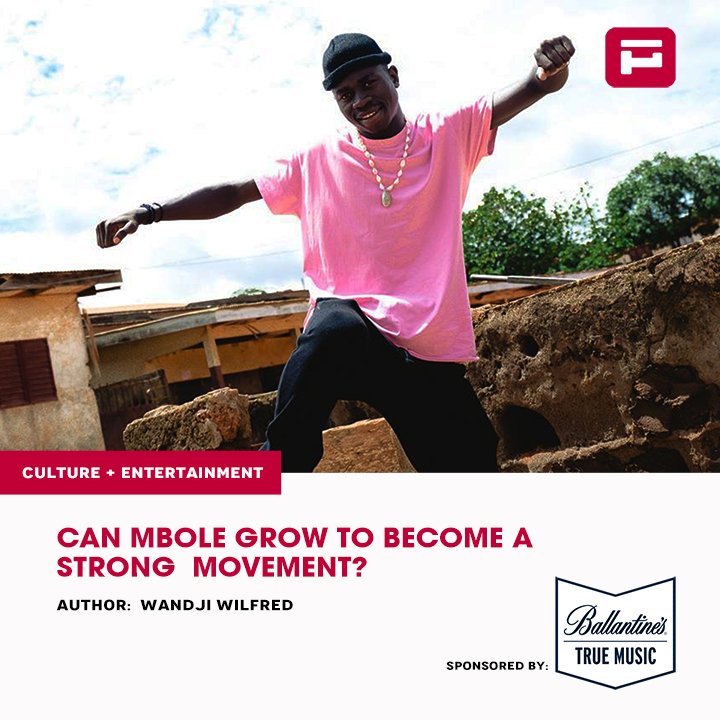
Can Mbole Grow Into a True Movement?
The writer examines Mbole, a decade-old music genre rooted in Yaounde's neighbourhoods, and asks whether it possesses the structural and cultural ingredients to evolve from a grassroots phenomenon into a sustained urban movement. The essay identifies branding, accessibility, and community self-definition as critical to that trajectory.
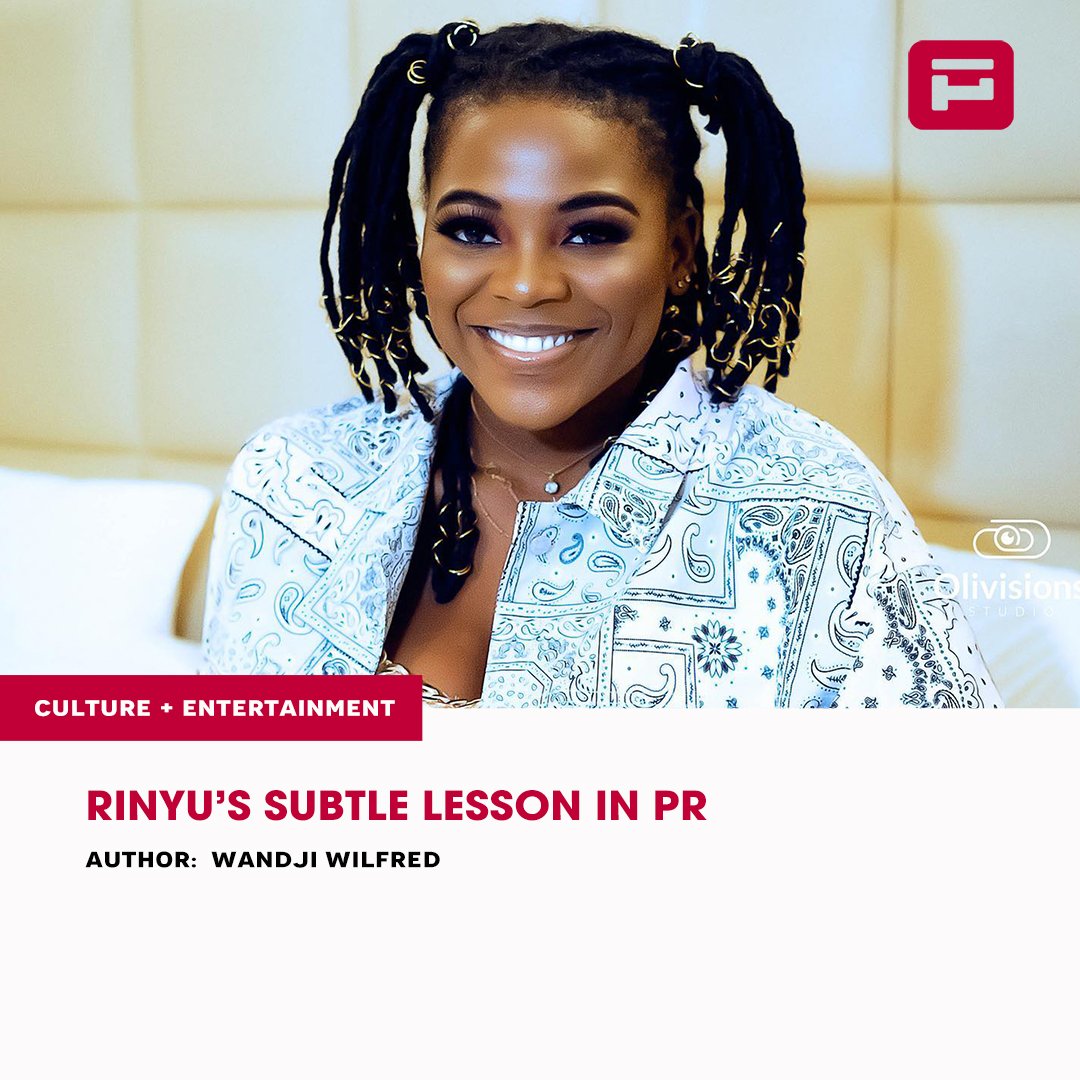
Rinyu's Subtlety: A Lesson in Measured Response
When a misinterpreted comment online threatened to pit two female artists against each other, Rinyu's measured Facebook response—acknowledging the concern, crediting her predecessor, affirming her own singular contribution, and reframing the moment as one of collective industry growth—closed the breach without escalation.
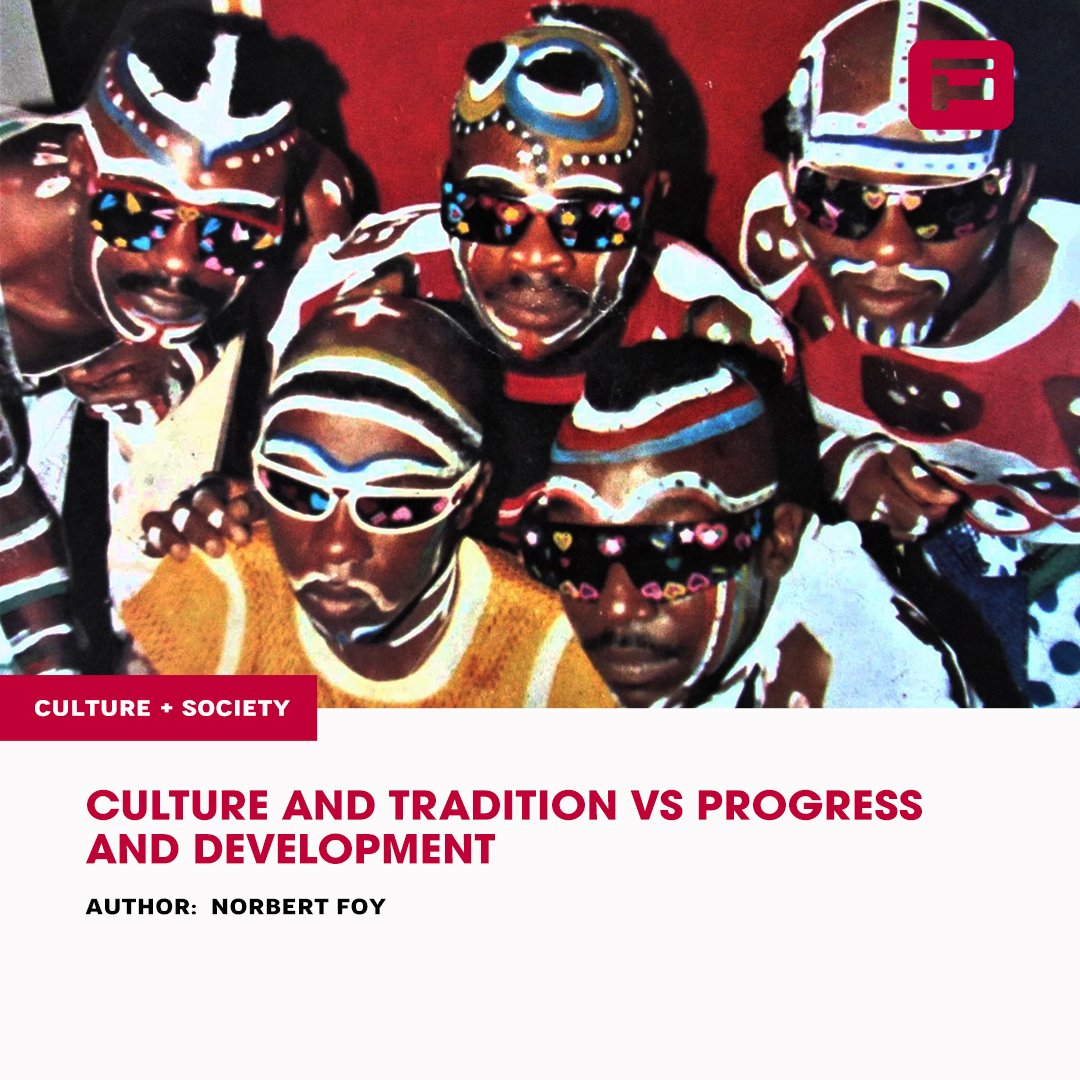
Culture and Tradition: On What It Means to Be Cameroonian
The writer examines the false opposition between cultural preservation and artistic innovation in Cameroon, arguing that culture is a living force shaped by its moment, not a fixed monument to the past. Through examples in music, language, and tradition, the piece challenges the gatekeeping that insists Cameroonian artists must perform Cameroonianness in prescribed ways to be considered authentic.
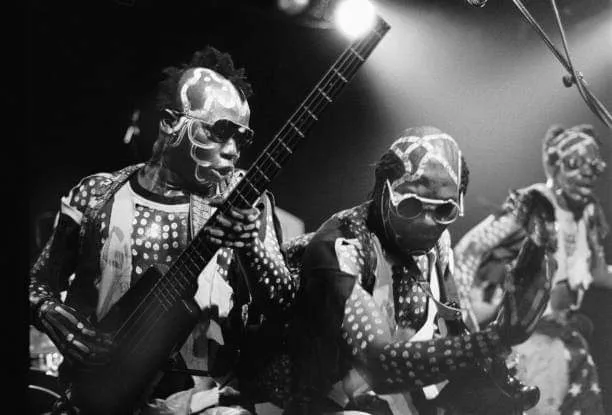
The Burden of Originality
This essay examines the contradictions embedded in how Cameroonians demand 'authenticity' from their own artists—insisting on mother-tongue performance and revival of traditional genres while celebrating foreign artists who sing in English or French without question. The writer argues that conflating culture with tradition, and policing artistic expression through linguistic or stylistic purity, ultimately impoverishes the nation's creative landscape.
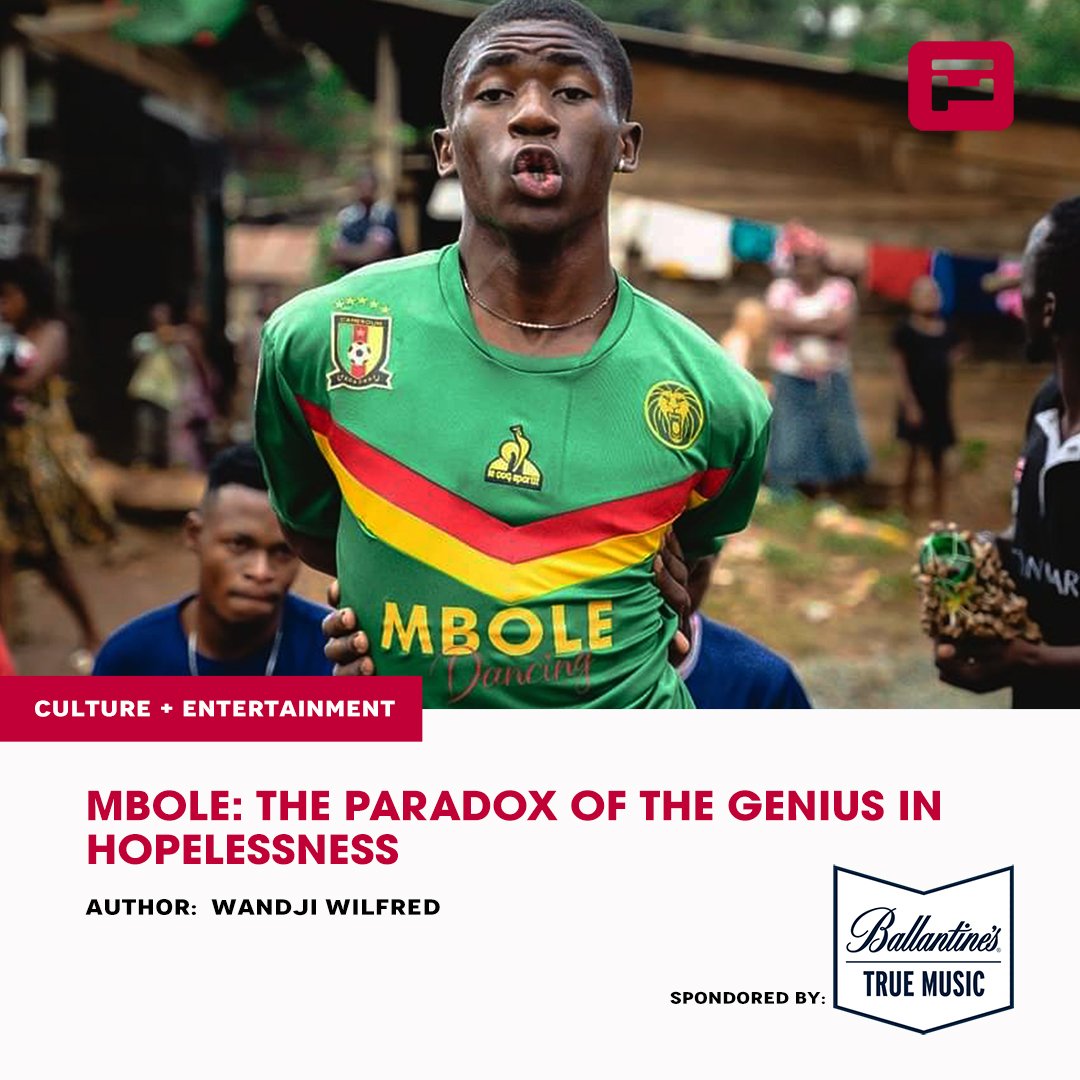
Mbole: The Paradox Of The Genius In Hopelessness
This reflection traces mbole music's emergence from funeral celebrations in Yaounde's poorer neighbourhoods to its recent mainstream recognition, drawing a parallel with hip-hop's origins in the Bronx. The writer argues that while mbole has become a powerful artistic outlet for young people facing social neglect, genius need not be born from desperation—and its full potential remains constrained by insufficient institutional support.

Mic Monsta: The Structure of Ascent
A portrait of the Anglophone Cameroonian rapper Mic Monsta's journey from early promise through industry collapse to deliberate reinvention, anchored in the founding of Kwata Music—a label that has become both his creative home and a platform for emerging artists around him.
Karma Does Not Work the Way You Think
A reflection on why Cameroonian music perpetuates narratives of cosmic justice and redemption—where wrongdoers eventually face comeuppance and the virtuous are rewarded—when the actual world operates by different rules. The writer argues that this mythology, rooted partly in religious faith, reflects and reinforces a passive, wishful mindset that obscures harder truths about power, suffering, and chance.
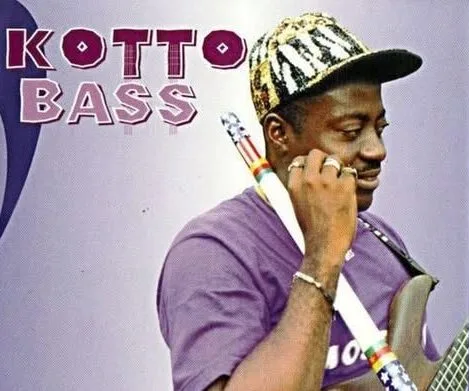
Kotto Bass and the Art of Rooted Fusion
A reflection on Kotto Bass, the Cameroonian bassist and vocalist who, despite a public career of only two years and two albums, became a musical legend by fusing Congolese Soukous with Makossa traditions. The piece traces his trajectory from studio musician to innovator, arguing that his genius lay not in mere imitation but in deep mastery of his own musical heritage.

The Discipline Behind the Craft: Mr Leo's Three-Year Education
The writer reflects on Mr Leo's disciplined practice of writing at least two songs daily over three years—not necessarily as literal fact, but as a case study in how deliberate, sustained effort shapes mastery. The piece traces this regimen to Mr Leo's later success as a songwriter and ghostwriter for several Cameroonian artists, and uses it to argue for the unglamorous work that precedes visible achievement.
Pressure: Is Jovi the Last of a Dying Breed?
The writer traces the evolution of Cameroonian hip-hop from the early 2000s through the early 2010s, examining how a generation shaped by Western rap and R&B channels created space for homegrown artists. The piece asks whether Jovi—an emergent figure—represents the culmination of that lineage or its endpoint as the industry fragmented under technological and economic pressure.
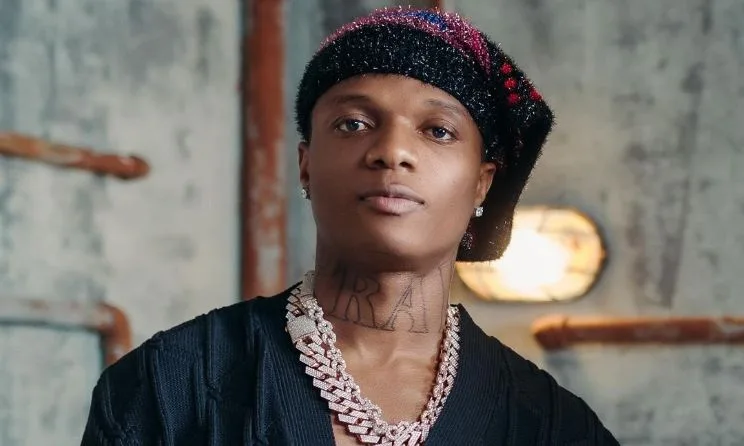
Wizkid's Loss and the Problem with the Grammys
Following Wizkid's loss in the Grammy Award for Best Global Music Album to Angelique Kidjo, the writer examines not the merit of either artist but the structural absurdity of the category itself—a catch-all that bundles radically different musical traditions under a single, reductive label.
Monetizing a Fanbase: Album Sales, Proof, and the Cameroon Music Industry
The writer questions inflated sales claims around a major local album release and uses it as a springboard to examine what transparency in music earnings might teach emerging artists. The piece argues that unverified figures obscure the real economics of music in Cameroon and that artist credibility rests on talent, self-directed marketing, and authentic fan engagement rather than assembled teams.
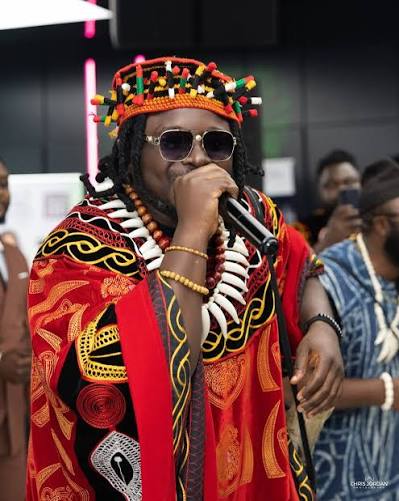
Artists to watch in 2022 : The Guardian of Cameroonian Culture - Witty Minstrel
Poise profiles Witty Minstrel, a Cameroonian artist riding the success of his 2021 hit

The Run-DMC Moment in Cameroon: Why Urban Music's Cultural Power Remains Untapped
This essay examines the Run-DMC–Adidas partnership as a template for artist-brand synergy, then tests it against Ko-C's 2021 endorsement of Chill beer. The writer argues that while the mechanics of cross-market influence are clear, Cameroon's hip-hop culture lacks the depth and originality to generate comparable commercial momentum.
Brand Ambassador Deals in Cameroon: The Ko-C & Run DMC Paradigm
The writer examines Ko-C's brand ambassador deal with Chill beer through the lens of Run-DMC's iconic 1986 partnership with Adidas, asking whether Cameroonian hip-hop culture has yet developed the organic coolness and purchasing power to drive similar commercial momentum.
Monetizing a Fanbase and Music Sales Stats in Cameroon
The writer examines the gap between perceived and actual music sales in Cameroon's entertainment industry, using Jovi's success as a case study. They argue that artists often skip essential steps in building sustainable income—prioritizing appearance over authenticity, overpricing digital releases, and failing to convert social media reach into real sales.
Ulanda: Cameroon's Rising Makossa Sensation
A analytical assessment of emerging Cameroonian artist Ulanda, who entered the music scene in December 2020 with the song 'One Day' and has since released six tracks in rapid succession. The piece examines her approach to makossa—notably sung in Pidgin English rather than the traditional Douala—and evaluates her artistic development across releases spanning love songs, social commentary, and genre fusion.
Sango Edi on the Path of Makossa
A thoughtful review of producer-turned-artist Sango Edi's debut album *Engeleh Nye Poh*, which charts his evolution from behind-the-scenes work to a distinctive makossa-fusion sound. The writer traces his artistic reinvention through key singles and examines how the album balances accessibility with restraint, leaving room for future ambition.
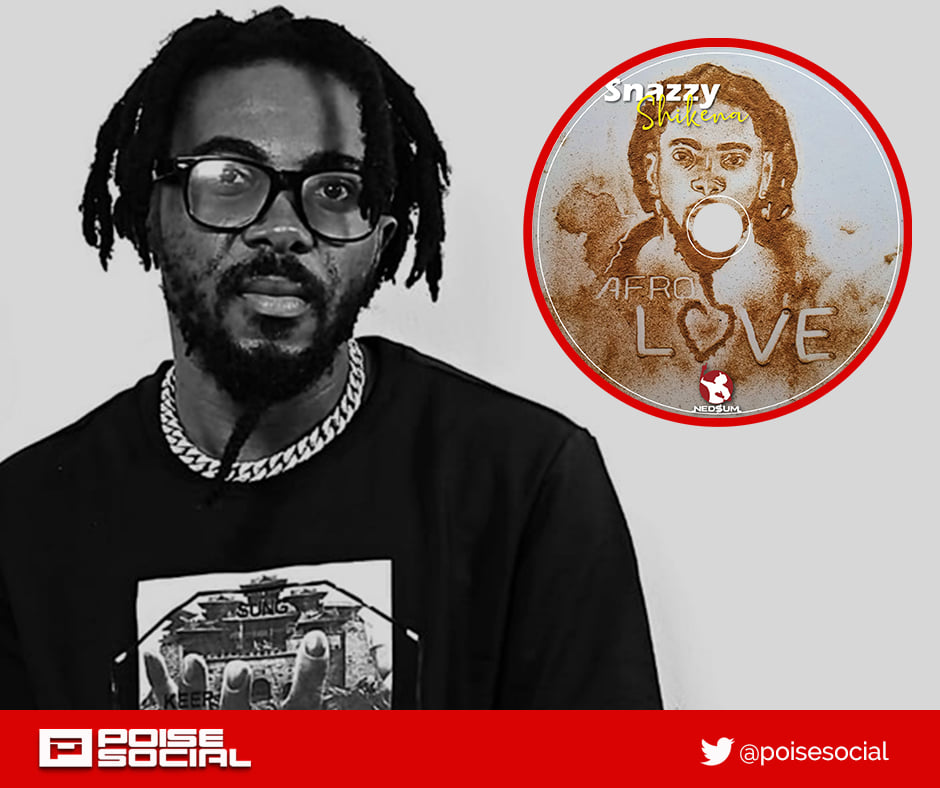
Snazzy Shikena: Afro Love LP, the Artist, and Timing
Poise examines Snazzy Shikena's Afro Love LP, a ten-track project celebrating the African woman, and reflects on the artist's career trajectory as an independent operator in South Africa. The piece reads his work—marked by stylistic range and cross-continental collaboration—as substantial and deliberate, yet constrained by the structural and promotional limits of independence.

What a Singing Contest Can Offer You
Singing competitions have long been a pathway to musical visibility and career opportunity, from historical court auditions to contemporary platforms like American Idol. In Cameroon's local music scene, such contests remain valuable for emerging artists seeking platform, audience access, and the material means to develop their craft.
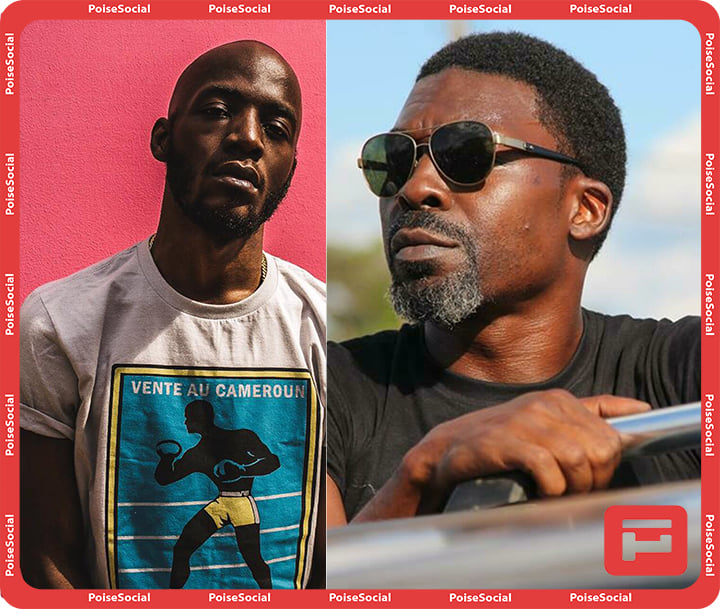
Smoke Without Fire: On Valsero's Call-Out and Jovi's Response
When Valsero publicly criticized Cameroonian artists for their silence on a colleague's legal troubles, singling out their lack of solidarity, Jovi took offense at being named among the cowardly. This essay examines the tension between the two figures—both known for speaking plainly—and argues that Jovi's defensive response obscures the shared concern they actually hold about authenticity and loyalty in Cameroon's artistic community.
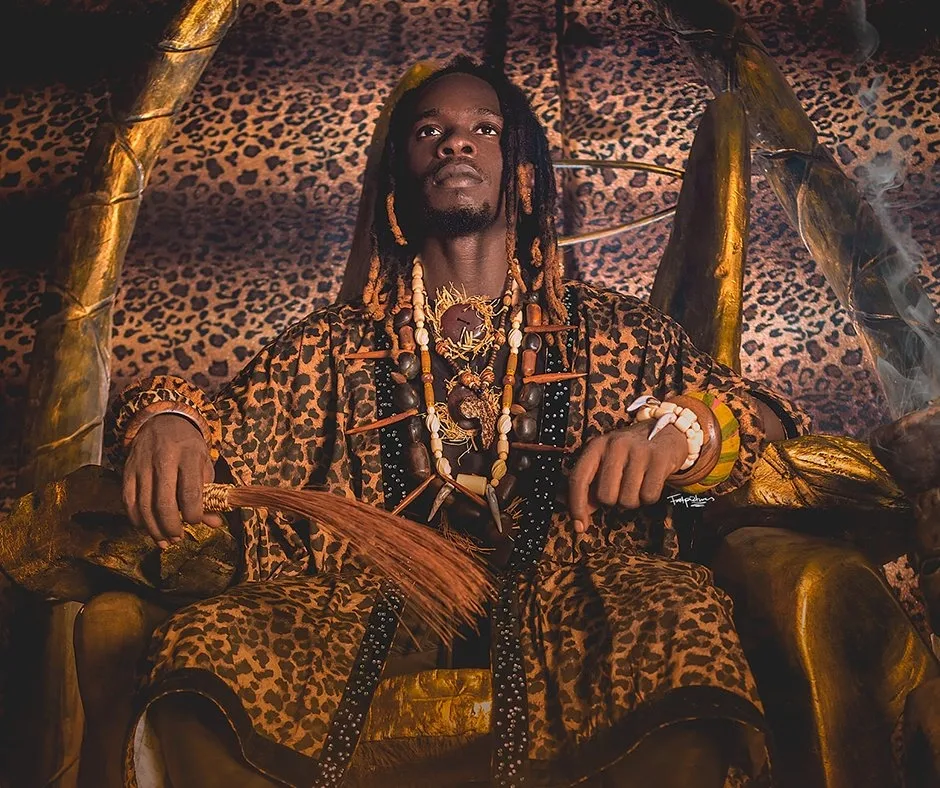
The Lion of Africa: Mr. Leo's Reinvention as Craft
A reflection on Mr. Leo's album *Lion of Africa* and the artistic shift it represents—from Cameroon's Afropop mainstream toward a more ambitious, genre-crossing work rooted in Lamnso language and West African musical traditions. The writer sees in it both a personal reckoning and a quiet rebuke to those who doubted his range.
Valsero: The Lesson in Sacrifice That Many Refuse to Learn
Following a sold-out concert in Paris, the writer reflects on what Valsero's success truly represents—not commercial triumph, but the fruit of sustained integrity and purposeful activism in the face of state repression. The piece examines how consistent content creation and steadfast principles, rather than musical talent alone, built an audience willing to gather in solidarity.

Is the Spirit of Makossa Slowly Dying?
A reflection on the decline of makossa music in contemporary Cameroon, tracing how generational change, globalization, and the rise of Afropop have displaced a genre that once defined the nation's cultural identity. The writer mourns not the music's existence but its loss of centrality and authenticity in the lived experience of young Cameroonians.

Tenor's Accident, Steve Fah, and the Buzz Economy
When a serious car accident involving rapper Tenor dominated Cameroon social media in July 2021, media personalities like Steve Fah quickly mobilized to broadcast commentary on the tragedy. The writer examines this reflexive rush to monetize attention around crisis as symptomatic of a deeper economy—one in which relevance and growth depend on capturing and amplifying every viral moment.
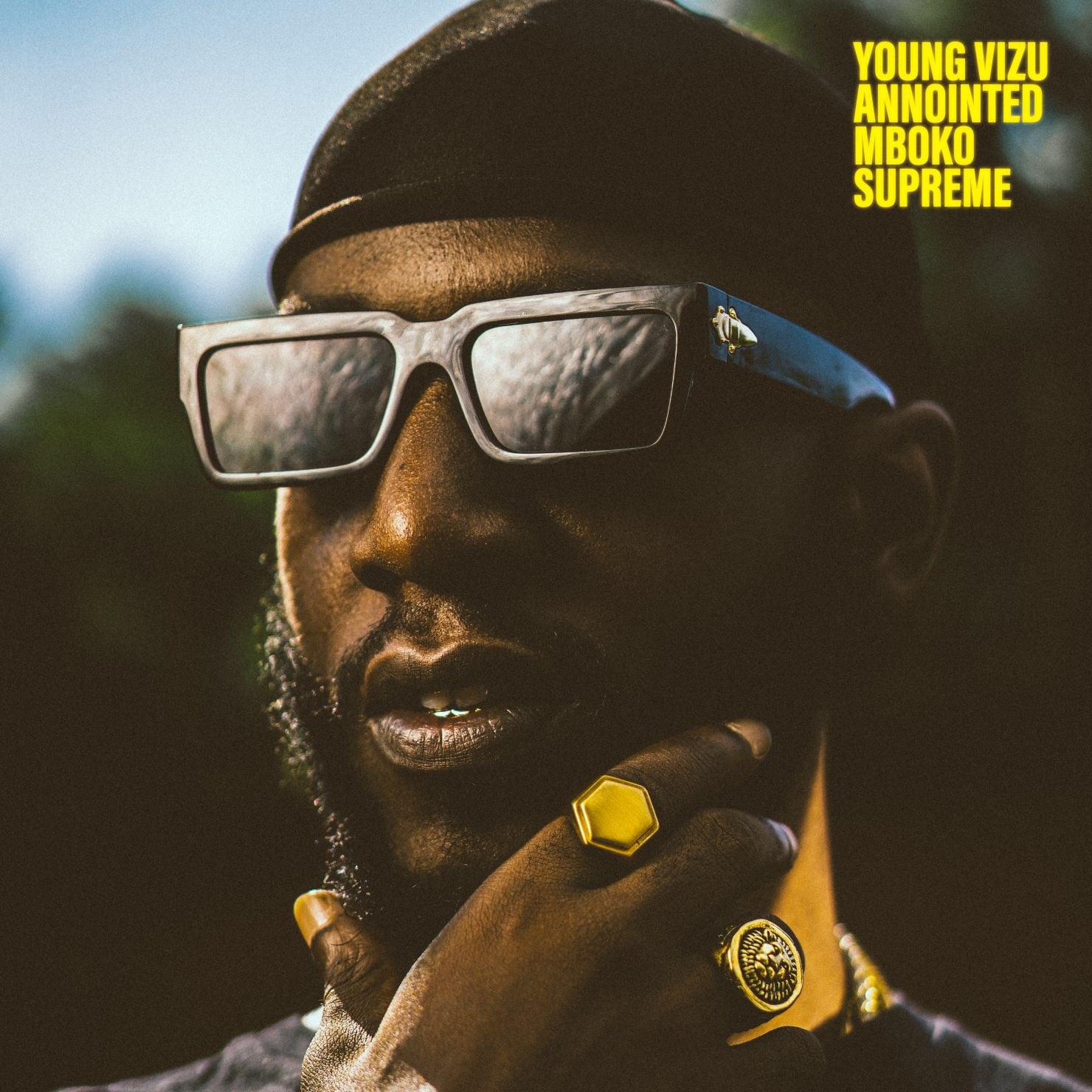
Jovi Releases a Mixtape: But What Is It Exactly?
The writer traces the evolution of the mixtape from its analog origins in the 1990s—homemade cassette compilations—through its centrality in hip-hop as a vehicle for artistic freedom and early-career visibility, to its contemporary blur with EPs and albums in the streaming era. Examining Jovi's new project *Young Vizu Anointed Mboko Supreme*, the piece asks whether genre labels still hold meaning when production and distribution costs have collapsed.
Pressure: Is Jovi the Last of a Dying Breed?
This essay traces the evolution of Cameroonian urban music from the early 2000s to 2021, examining how technological shifts, media fragmentation, and generational taste shaped the landscape. It positions Jovi as a singular figure—an artist who arrived at the exact moment when a dedicated, quality-conscious audience still existed to sustain a traditional album-driven career.

Beyond the Stage: Reimagining Creative Work in Cameroon's Entertainment Economy
The writer argues that Cameroon's creative professionals—musicians, filmmakers, and artists—remain trapped by consumer-era thinking, pursuing only the visible celebrity roles while overlooking diverse, lucrative career paths within the arts. The real economic opportunity lies not in live performance but in publishing, film, and storytelling that commands international attention.
Strategy in the Content Age: When the Music Business Becomes About More Than Noise
The writer argues that while social media has made music into a content business, most Cameroonian artists create noise rather than strategy. True content work—exemplified by Beyoncé's constellation of documentaries, tours, and collaborative projects around a single album—requires intentional positioning and coherent narrative, not merely viral moments.
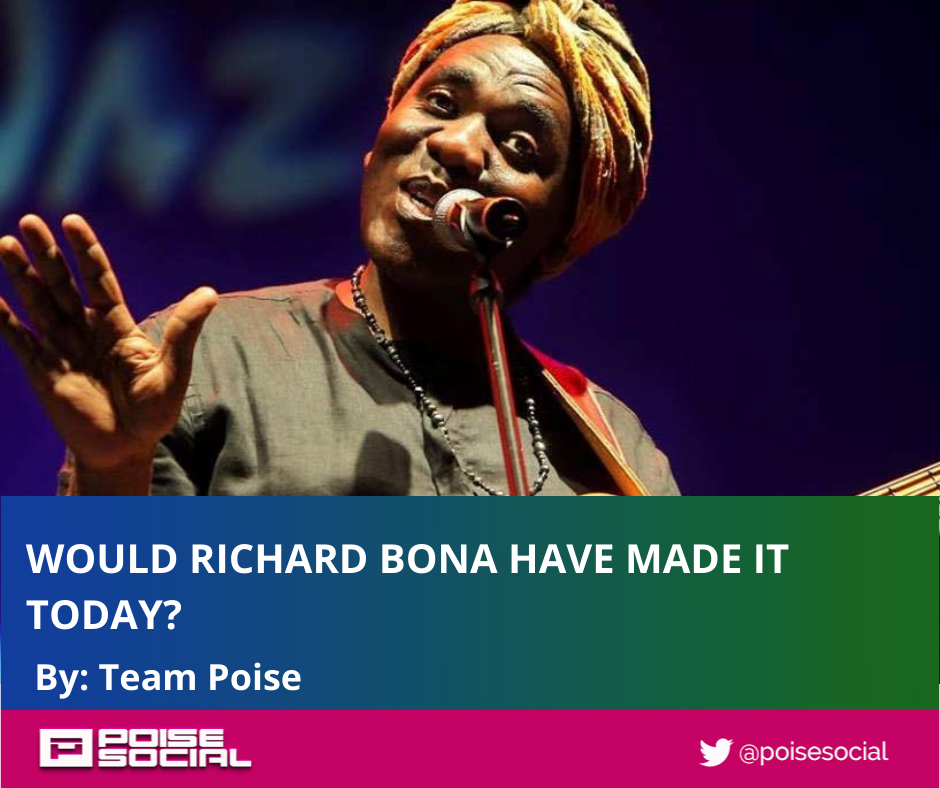
Would Richard Bona Succeed in Today's Ecosystem?
The writer reflects on Richard Bona's career arc—ten albums, no solo music videos, yet international jazz recognition—and asks whether such a path remains possible in 2021. The question turns on a shift from the MTV era (when Bona emerged) to the present era of algorithmic content discovery and visual saturation.
The Dissonance of Local Advocacy: Stanley Enow and the Cameroon Music Industry's Contradictions
The writer examines the contradiction between Stanley Enow's public call for Cameroonian DJs to play more local music and his own career pattern of prioritizing international collaborations over home-based artists. The piece situates this moment within a broader debate about how to support Cameroon's music industry, questioning the authority and credibility of the demand.
Richard Bona and the Cameroonian Genius: A Question of Home
This piece asks whether Richard Bona—a world-class bassist and composer whose career spanned decades in near-obscurity before recent public visibility—might become the emblematic figure of Cameroonian talent forced to flourish abroad. It examines how his life and recent activism challenge his countrymen to reckon with a systemic failure to nurture or honor their own.
Kotto Bass and the Art of Rooted Fusion
A reflection on the brief but consequential career of bassist and vocalist Kotto Bass, who in just two years (1994–1996) created a distinct sound by layering Makossa grooves onto Congolese Soukous standards. The piece uses his example to argue for a deeper principle: that meaningful cross-cultural innovation requires mastery of one's own tradition first.

Blueprint Hakeem and Hip Hop in Bamenda
A celebration of Blueprint Hakeem, a Bamenda-based rapper who has maintained hip-hop's foundational values for eight years as an independent artist, even as Afropop trends dominate Cameroon's urban music landscape. The piece marks the release of his fourth studio album, Sitatunga, and situates him within a lineage of Bamenda hip-hop figures stretching back to the 1990s.

The Importance of Figures: Why Transparent Sales Matter for Cameroonian Music
The writer argues that transparency in music sales data—exemplified by Muzikol's public announcement that Big G Baba sold 5,000 EP copies—is vital for the Cameroonian music industry. By publishing concrete figures, local platforms can demonstrate that independent artists can build sustainable livelihoods directly from their audiences, without relying on global streaming platforms.
Can Gasha Return to Her Former Glory?
A reflective essay on the Cameroonian artist Gasha's rise in 2014 as a distinctive voice in a nascent urban music movement, her absence in the U.S., and the structural challenge of reclaiming prominence in an industry that shifted radically during her absence. The writer examines whether a niche, alternative afropop artist can sustain a career in Cameroon's increasingly consolidated mainstream.
The Duality of Aveiro Djess' New Song
A popular Cameroonian song celebrating hard work and modest labor is both a necessary corrective to social-media vanity and, simultaneously, an inadvertent endorsement of economic stagnation. The writer praises its message while warning that glorifying informal-sector survival wages masks deeper structural failures.

One Month After Kumba: On Platforms, Pressure, and the Work of Actually Showing Up
A month after the Kumba Massacre and the cultural industry's initial mobilization, the writer reflects on the gap between viral gestures and sustained ground action. They argue against blaming entertainers for unmet expectations, while naming those who did show up—not with statements, but with presence and material aid.
The Business of Music: Why Cameroon's Artists Conflate Calling with Career
The writer argues that Cameroonian artists sabotage their own financial success by treating music as a spiritual calling rather than a business. Using Mr Eazi's trajectory from entrepreneur to musician as a counterexample, they contend that emotional attachment to artistry—without disciplined business thinking—leads to stagnation and burnout.
Stanley Enow's New Song and the Machinery of Relevance
The writer examines the sharp public backlash to Stanley Enow's song "Tu Vas Lire L'Heure," acknowledging its lyrical weakness while defending its commercial intent and infectious energy. The piece pivots to argue that the song's real function is not artistic but strategic—a calculated move to sustain a personal brand that has already peaked, and that audiences are complicit in keeping that machinery turning.
DJ Arafat and the Power of Youth to Transform Nations
A reflection on DJ Arafat's role as architect and keeper of the coupé-décalé movement—a Ivorian music genre that became a vehicle for post-conflict youth identity and continental cultural reinvention. The writer traces how Arafat's gift for reinvention kept him relevant across two decades while his peers faded, and argues that his passing marks the end of coupé-décalé's creative golden age.
The Women of Bikutsi: Sexual Perversion or Sexual Liberation?
The writer examines Bikutsi music—particularly K-Tino's explicitly sexual lyrics—as a form of sexual liberation rather than mere perversion. Through personal reflection on discovering the genre's boldness and its treatment by society, the piece argues that the music represents women claiming vocal agency over their own desire and pleasure, even as patriarchal norms punish female artists far more harshly than their male counterparts.
Blueprint Hakeem: The Textbook Rapper
A profile of Cameroonian rapper Tse Nebangu (Blueprint Hakeem), celebrated for his consistency, honesty, and craft-focused approach to hip-hop over a six-year career spanning three albums and over twenty singles. The piece positions him as a model of grounded artistry—prolific without pretense, rooted in the tradition of rap as a means of making sense of daily lived experience.
Rinyu: A Coup de Cœur Musicale
The writer celebrates the discovery of Rinyu, a Cameroonian musician signed to AKUMBA Music, whose fusion of Afropop and Afrojazz joins a lineage of niche, distinctive female artists reshaping the country's musical landscape. The piece praises both her artistry and her label's serious commitment to her development and promotion.
Slay Queens, Urban Acts, and the Spirituality of Success
The writer examines how invocations of divine blessing have become ubiquitous in Afropop and social media culture—from rappers crediting God for their success to 'slay queens' quoting scripture while engaged in morally ambiguous commerce. The piece traces a cultural pattern in which faith serves as explanation for rapid social mobility, mirroring both religious conviction and strategic performance.

The Sacred and the Secular: Faith, Hustle, and Contradiction in Afropop
The writer traces the curious blending of sacred invocation and secular living across Cameroonian and broader African pop culture—from church singers embracing secular hits to scammers cloaking schemes in scripture to Afropop artists who call on God between songs celebrating earthly excess. The piece examines how this paradox reflects deeper African spiritual pragmatism rather than hypocrisy.
Poverty Porn and Urban Music in Cameroon
The writer examines the prevalence of manufactured hardship narratives in contemporary urban music across West Africa and Cameroon—artists from privileged backgrounds invoking poverty, struggle, and 'ghetto' credentials as a genre convention borrowed uncritically from hip-hop's authentic roots.
Freaky Table: The Culture Conversation Cameroon Needed
A celebration of Freaky Table, a YouTube talk show hosted by Joan Ngomba, Kwoh Elonge, and Yana Max, which brings sharp, entertaining analysis to questions of culture, entertainment, and society in Cameroon. The writer sees in the trio's work a natural video counterpart to Poise's own editorial mission.

Diaspora Urban Acts: Does the Formula Work?
The writer examines the viability of Cameroonian musicians promoting themselves to a domestic audience while based abroad, questioning whether geographic distance from home—even in diaspora hotspots like the US or UK—ultimately undermines artistic and commercial success. Through cases like Blanche Bailly and Poker, the piece argues that proximity to Cameroon's creative ecosystem and home-crowd support offer decisive advantages that diaspora-based promotion strategies cannot replicate.
Rap as Existential Confession: On Listening for the Demons
A reflection on why rap music, at its best, resonates so deeply with those who love language—not for technical virtuosity alone, but for its capacity to articulate the internal battles of conscience, identity, and meaning that define human existence. The writer traces this through personal listening history and finds in Poker Ship's 'Young Monsters' a return to rap's essential form: raw testimony without easy answers.
The Music Business Has Become a Content Business
The digital transformation of music consumption—from streaming to social media—has fundamentally altered how the industry operates. Musicians can no longer rely solely on releasing albums and touring; they must now function as content creators, building anticipation and audience loyalty through consistent output across platforms.

Makossa at the Crossroads: A Meditation on Cultural Inheritance
Written on the occasion of Nguea Laroute's death, this reflection traces the decline of makossa music—once Cameroon's cultural ambassador to Africa—and asks what will become of the genre as its elder custodians pass away. The writer argues that while contemporary Cameroonian music absorbs traditional elements, the purity and intentionality of classic makossa risks being lost to generational and technological shifts.
Richard Bona: The Troll King and the New Music Blueprint
During the 2020 pandemic lockdown, bass virtuoso Richard Bona leveraged social media lives to share long-suppressed stories of mistreatment by Cameroon's state—from passport fraud to denial of entry to bury his mother—culminating in the political anthem "Allo Fokou." The piece argues that his viral success demonstrates a hard rule of contemporary music: building an audience now requires not just making songs, but being present as content yourself.
The Weight of a Sound: Jovi, Mboko, and the Cost of Ownership
This essay examines Jovi's relationship to the mboko rap sound he created—a distinctive sonic and thematic identity that has defined his career and influenced Cameroon's hip-hop landscape. It asks whether his fierce guardianship of this creative territory, while understandable, has become a constraint that prevents both his evolution and the genre's natural development.
Play Your Music and Say Nothing: On Dissent, Artists, and Political Voice in Cameroon
The writer examines the cultural pressure placed on Cameroonian artists—exemplified by Charlotte Dipanda's recent political statements—to remain silent on governance and regime change. The piece argues that this silencing reflects deeper pathologies: Stockholm Syndrome acceptance of dysfunction, a particular form of crab mentality that polices intellectual ambition, and deliberate attempts to frame artists as intellectually unqualified to engage politics.
Ngoma and the Brand: Four Lessons in Artistic Strategy
Marking the release of Ngoma's EP 'CAM NO GO' in May 2020, this piece sets aside album review to examine Ngoma as a case study in artist branding. The writer identifies three concrete lessons—quality over quantity, consistency across presentation, and mastery of the minimum—that emerge from Ngoma's deliberate, sparse output and disciplined visual identity.
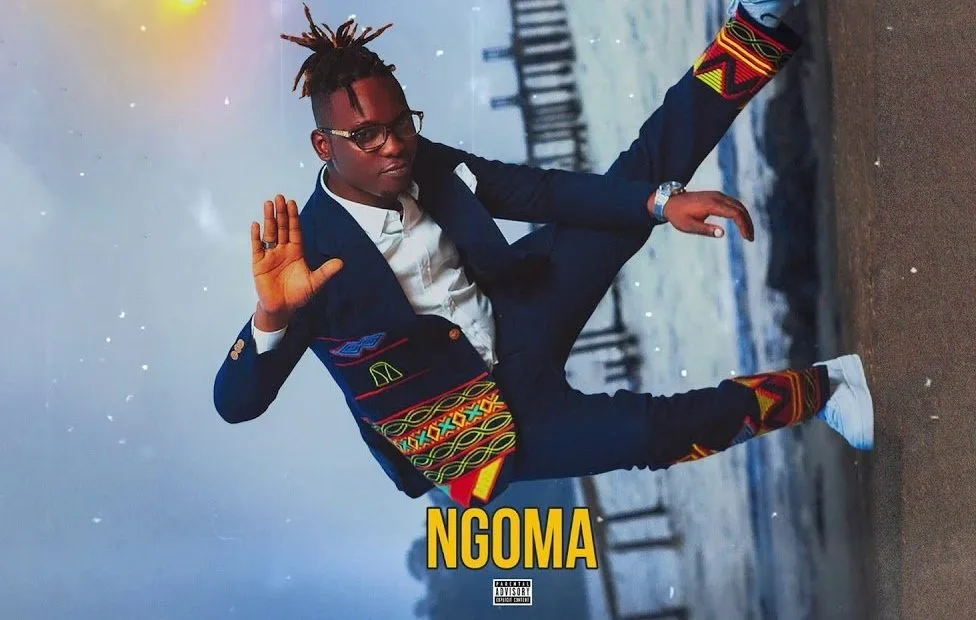
The Art of Restraint: Ngoma and the Case for Quality in Cameroonian Music
This analytical piece examines the artistic brand-building strategy of Ngoma, a Cameroonian rapper who has built recognition through disciplined scarcity—releasing one single per year over four years before unveiling his debut EP 'CAM NO GO' in May 2020. The writer argues that Ngoma's approach to quality over quantity, consistency in presentation, and mastery of foundational brand mechanics offers instructive lessons for other artists working in resource-constrained environments.
What Is an EP? A Brief History and Why It Matters for New Artists
The writer reflects on the recent wave of young Cameroonian musicians releasing EPs—compact musical projects of 3–7 tracks—and explains the format's origins in vinyl technology and its modern role as a low-barrier route to discovery. Using examples like Kehlani and Koffee, the piece argues that EPs are a vital proving ground for independent artists.
Is Lamnso Going to Create the Next Big Cameroonian Music Wave?
The writer surveys five emerging genres of Lamnso-language music—Afropop, Traditional, Hip-Hop, Afro-Folk, and Afro-Alternative—and argues that the musicality and tonality of Lamnso, combined with growing public reception, suggests the North-West region may be on the verge of a significant cultural moment in Cameroonian music.
The Craft of Crowdfunding: What Tilla's Album Campaign Could Have Been
When a Cameroonian musician publicly solicited funds for a new album, the writer examines not whether crowdfunding itself is appropriate, but how it might have been executed with greater narrative force and cultural resonance. The piece uses Tilla's situation as a case study in the gap between impulse and strategy.
On Naming: Vernyuy Tina and the Problem of Genre Classification
The writer reflects on how artists name their music, using Vernyuy Tina's self-categorization as "Afro-Njang" as a case study. The piece argues that existing genre labels—especially umbrella terms like "Afrobeats" or "Afro-pop"—flatten the distinctiveness of Cameroonian and African artists, and that Tina's work is unique enough to warrant its own nomenclature rather than external classification.
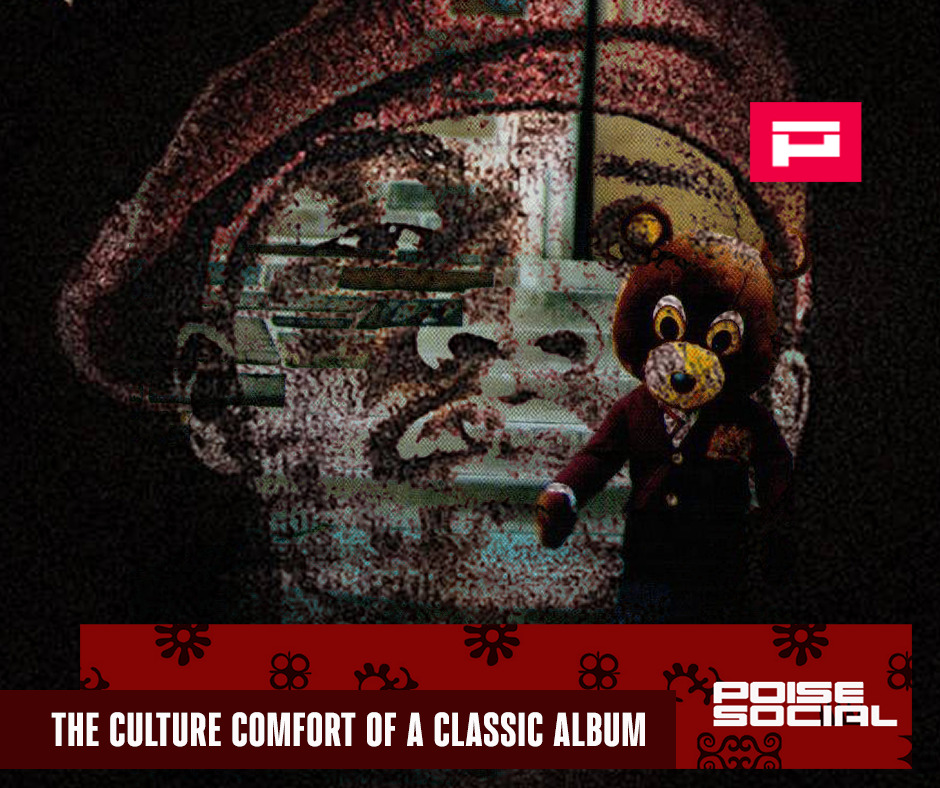
The Culture Comfort of a Classic Album
The writer reflects on how Kanye West's *Late Registration* became a formative anchor during a transformative period of early adulthood in America, offering both sonic and thematic resonance that made space for questioning identity, difference, and belonging. The piece traces how this album, and later engagement with Cameroonian hip-hop through Jovi's work, prompted the writer to make music as a tool for self-discovery and storytelling.
Consistency Alone Is Not Enough: What Burna Boy's Rise Teaches Us About Growth
The writer traces Burna Boy's musical trajectory from 2011 to 2019, arguing that his breakthrough was not simply the result of releasing music consistently, but of proactive consistency—the willingness to experiment, take risks, and evolve while building an audience. True growth requires both steady output and deliberate transformation.
The Details That Stand Apart: On Self-Sabotage in Creative Work
The writer reflects on why emerging musicians often fail to present themselves professionally to gatekeepers and platforms, drawing on a podcast anecdote about the friction between raw talent and basic marketing discipline. The piece argues that attention to detail—in press materials, emails, and personal branding—is not mere polish but a fundamental act of respect for one's own work.
Young Cameroonian Musicians and the Pandemic Moment
The writer examines whether young Cameroonian musicians are seizing the creative and commercial opportunities that emerged during COVID-19 lockdowns, when global artists were innovating online to reach isolated audiences. Noting examples from the US, Nigeria, and elsewhere, the piece finds Cameroon's music scene largely absent from this moment of digital creativity and direct fan engagement.
Manu Dibango Airport: How CY Inter Played Himself
Following Manu Dibango's death in March 2020, musician Richard Bona proposed renaming Douala Airport after the legendary saxophonist. When comedian CY Inter publicly questioned whether Dibango's musical legacy justified such an honor, arguing instead for tangible investments like real estate, the writer responds with a sharp critique of how Cameroon undervalues cultural and intellectual contribution.
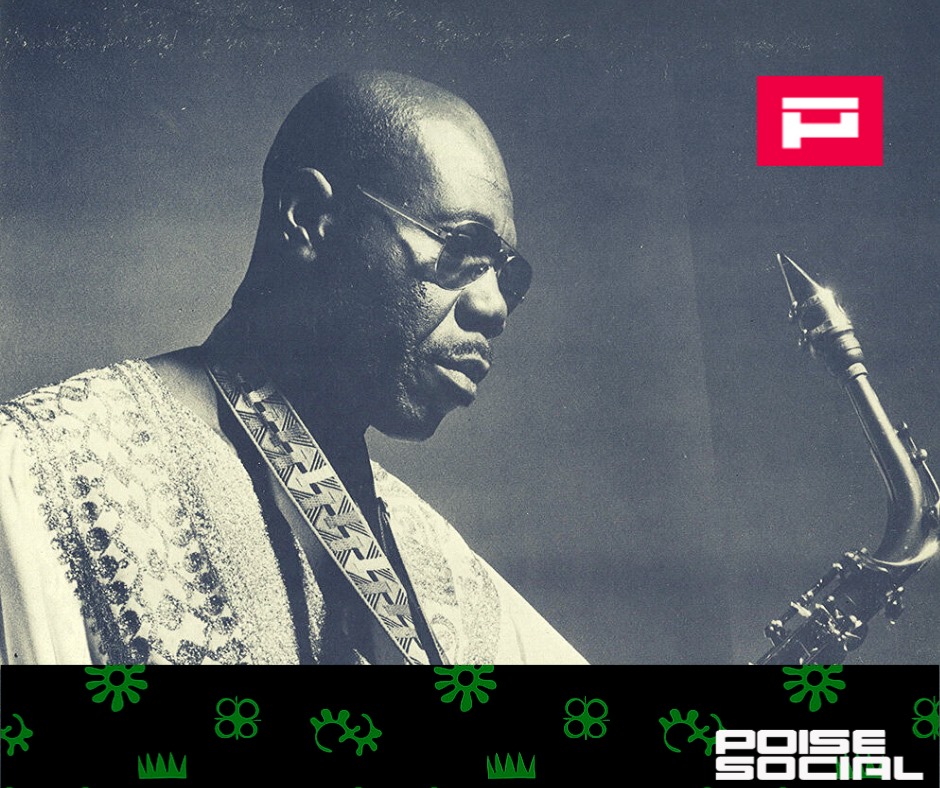
The National Orchestra That Never Was
The writer recounts being named to a government jury tasked with auditioning musicians for Cameroon's proposed national orchestra, only to watch the selection process collapse under ethnic quotas, unsuitable material, and administrative manipulation. The authorities used the jury's presence for legitimacy while ignoring its actual judgments, leaving talent unheard and ambition stillborn.
Koppo and the Cameroonian Hip-Hop Reckoning
A reflective essay traces how Koppo's 2003 album, built on Camfranglais rather than the French or English dominating rap at the time, fundamentally shifted Cameroon's music landscape. By rapping in the language of Cameroonian youth culture itself, Koppo opened a door that subsequent generations of artists have walked through, from Franko to Locko to Jovi.
Bantou Po-Si: Architects of Afropop Before the Genre Had a Name
A personal essay tracing the discovery and legacy of Bantou Po-Si, a Cameroonian rap group that emerged in 2001 with the single 'Nikeles' and secured an early major multinational endorsement. The writer argues they were stylistically and lyrically ahead of their time, with compositions that would fit seamlessly into today's Afropop landscape.
Pascal's Digital Romance: What a Cameroonian Rap Song Reveals About Love in the Internet Age
The writer explores Pascal's song "Douala to Brazaville," which narrates the collision between online intimacy and physical meeting—a guy and girl who build connection through digital channels, meet briefly, and part ways. The piece reads the song as a cultural document that captures something essential about how technology has reshaped the texture of modern relationships.
Diaspora Urban Acts: Does the Formula Work?
The writer examines the economics and viability of Cameroonian musicians pursuing music careers from abroad, particularly those using social media sponsorship to reach home-market audiences. While some diaspora acts succeed, the piece argues that proximity to Cameroon's creative ecosystem and home-crowd momentum remain decisive advantages that dispersed artists struggle to replicate from distance.
Taron X and the Pillar of Rap You Didn't Know About
The writer examines Taron X's song
Will Ewube Be Reborn Under Stevens Music?
A critical reassessment of Cameroon-based artist Ewube's musical reinvention, which the writer views as a necessary departure from ragga-dancehall toward a more commercially viable genre. The piece tracks her earlier work's limitations and celebrates her new EP 'Renaissance' as evidence of artistic maturation and a willingness to compete in a broader creative landscape.
Consistency Alone Is Not Enough: The Lesson of Burna Boy's Breakout
This essay traces Burna Boy's rise from underground artist to global phenomenon, arguing that his success was not simply the result of consistency, but of what the writer calls "proactive consistency"—a willingness to experiment, take risks, and evolve within a sustained output. The piece examines how his earlier uniform sound gave way to the breakthrough album *Outside* and the hit song "Ye," which benefited from both artistic growth and fortunate timing.
The Renaissance of Ewube: On Musical Reinvention and the Courage to Change Course
A critical assessment of Cameroonian artist Ewube's stylistic departure from ragga-dancehall into more mainstream-accessible territory, marked by her EP Renaissance under Stevens Music. The writer argues that this shift—long overdue—represents not failure but necessary evolution, and that true rebirth will be measured by the lasting resonance of her new work.

Sharone Konfor: A Vocalist Beyond the Mainstream
A personal testament to the artistry of Sharone Konfor (Share'On), a Cameroonian vocalist whose technical mastery and emotional depth place her in the lineage of celebrated Afro-Jazz singers. The writer celebrates her ability to translate studio brilliance into live performance and her gift for invoking place and memory through song.
Not to Underestimate the Power of Music: A Conversation with Bonzyz
Poise meets with musician and activist Bonzyz to discuss the role of conscious music in addressing Cameroon's social malaise. The piece argues that music—understood not merely as entertainment but as a carrier of message and consciousness—is an essential tool for building collective hope and social renewal.
Is Motherland Music Shortchanging Itself?
The writer examines Motherland Empire's minimal roster development over six years since Stanley Enow's breakthrough in 2013, using the poor promotion of first signee Daicko as a case study in squandered opportunity. The piece questions why a label led by one of Anglophone Africa's most prominent urban artists has failed to leverage that influence to develop talent, especially in a landscape where competing labels have shown far greater productivity.

Stanley Enow's Reckoning: From Breakthrough to Reinvention
Nearly a decade after his breakthrough with 'Hein Pere,' Stanley Enow faced a critical juncture: a shift from musician to brand had diluted his core product, and collaborations with major regional artists overshadowed rather than elevated him. The writer traces how strategic missteps and an inflexible artistic identity left him vulnerable to emerging peers, before a recent pivot toward afropop and local collaboration suggested a possible turning point.
The Case for Artistic Directors in Cameroonian Music Video Production
The writer argues that Cameroon's entertainment industry, particularly in music video production, lacks trained artistic directors—professionals responsible for the visual and aesthetic direction of a project. This gap leaves the role often absorbed by video directors or filled inadequately, when it should be a distinct position for creative individuals with formal training or self-directed learning in art, design, and technical production.
The Spirit of Molyko: A Crucible of Cameroonian Creative Energy
The writer traces how Molyko, a university district in Buea, became the incubator for Cameroon's modern entertainment industry through the friction and collaboration of student creators. Names like Dr Nkeng and Daphne emerged from this ecosystem of musicians, graphic designers, and event organizers working in rudimentary studios and competing in student-led award shows.
Grand Barack, or the Bastardisation of the Music Industry
The writer reflects on the commodification of a viral internet personality—a 65-year-old welder—into a music performer, reading his elevation as symptomatic of a broader collapse of artistic integrity in Cameroon's music landscape. The piece laments how viral spectacle has come to displace genuine craft and critical voice.
A Joyce Babatunde a Day Keeps the Demons Away
A meditation on the artistry of Joyce Babatunde, an Afrosoul musician whose voice and lyricism operate as a form of spiritual balm. The writer praises her as a poet-musician who restores depth and authenticity to a landscape often dominated by commercial formula.
Ewube and the Soft Power of Alpha Better Records
An examination of how Alpha Better Records, under Salatiel's leadership, has built influence in Cameroonian urban music not through coercion but through consistent collaboration, quality production, and strategic placement across multiple artists and platforms. The writer traces this soft power through Ewube's recent release and the label's broader ecosystem of producers, writers, and featured artists.
Zinnia: The Prophetess Far From Home
A reflection on the paradoxical success of Cameroonian musician Zinnia, whose song
Arafat Desecrated: A Victim of Himself or of Society?
Following the desecration of DJ Arafat's grave in Côte d'Ivoire, this essay examines the event not as mere spectacle but as a symptom of deeper social fracture—young people so alienated from systems of law and opportunity that they deny reality itself. The writer argues that Arafat, a street-born icon for the marginalized, was both a product and a magnifier of this condition.
Aspiring Musicians: From Problems to Practice
This is the second part of a reflection on challenges facing emerging musicians in Cameroon. The writer moves past diagnosis to propose concrete solutions: skill-building, strategic use of social media, forming industry partnerships, maintaining financial independence, and cultivating patience through the long arc of artistic development.
The Chrysalis Trap: Why Cameroonian Aspiring Musicians Remain Unfinished
A musician reflects on the structural and psychological obstacles preventing emerging artists in Cameroon from reaching professional success—complacency, entitlement, underfunding, and fragmented industry collaboration. The piece names these patterns without excuse, and calls for individual accountability as the first step toward transformation.
Miriam Makeba in Cameroon: A Witness to the Queen of African Music
The writer recalls two encounters with Miriam Makeba during her visits to Cameroon in the 1970s—first at a Red Cross ball in 1974, and later in an exclusive interview at Radio Cameroon in Yaounde. The piece preserves her address to journalism students, in which she called on African communicators to see their work as a weapon of cultural liberation and political consciousness.
DJ Arafat and the Reinvention of African Youth
A reflective essay on the life and cultural significance of DJ Arafat, tracing his role in the coupé-décalé movement that emerged from post-conflict Côte d'Ivoire in the early 2000s. The writer argues that Arafat's singular ability to reinvent himself across nearly two decades made him a keeper of the era's creative spirit long after its pioneers had faded.
What Briana Lesley's Return Teaches Us About Honest Work
The writer reflects on the return of musician Briana Lesley to the music scene after a hiatus, anchoring the piece in her experience running a potato and egg business—an entrepreneurial venture that became tabloid fodder. The essay argues that this pivot illuminates a broader cultural blindness: the modern tendency to dismiss unglamorous work while chasing curated social media aesthetics.
Chinjong X Chinjong: The Sound of AfroHouse
A reflection on the production duo Trae and Lonie Chinjong and their fusion of house music with Afropop through Mr Leo's 'Shayo'—a track that broke from Cameroonian musical convention and opened a new sonic door.
On Honest Support and the False Doctrine of Obligation
The writer examines the hollowness of "support your own" rhetoric in Cameroon's music industry, arguing it functions chiefly as emotional manipulation and masks a deeper, largely unspoken obsession with Nigerian market validation. True support, he contends, must be rooted in genuine artistic merit, not in obligation or nationality.
The Soft Power of Alpha Better Records: How Collaboration Shapes Cameroonian Music
This piece examines how Alpha Better Records, under Salatiel's leadership, has built influence in Cameroonian urban music through strategic collaboration rather than coercion. By tracing the label's fingerprint across releases by artists like Ewube and Daphne—through writing, production, mixing, and features—the writer argues that quality and networked presence, not power alone, have become the label's greatest asset.
Ça À Cuit: Reading Beyond the Cautionary Tale
A critical examination of Ko-C's popular song, which frames an unwanted pregnancy as moral failure. The writer argues that the song, while appearing to warn young women, actually masks deeper questions about gender, sexual autonomy, responsibility, and the asymmetrical social judgment applied to men and women.
Two Years of Poise: A Founding Reflection
On PoiseSocial's second anniversary, the founder reflects on the platform's journey from a single post about makossa music to a sustained practice of cultural criticism and personal philosophy. The piece traces the shift from writing as love to writing as accountability, and announces the opening of the platform to additional voices.
Daphne and the Curious Case of Plagiarism: When PR Breaks Down
Following accusations of plagiarism leveled at urban musician Daphne over the song 'Doucement,' the writer examines not the legal merits of the dispute but the mismanagement of its public defense. While evidence presented by Steven's Music appeared to exonerate Daphne, the writer argues that the aggressive and uncoordinated responses from her team, manager, and collaborators damaged her brand far more than the original accusation.
Ambe: Ten Years of Sound and Soul Searching
A career retrospective of the Cameroonian artist Ambe (formerly Denzyl), tracing his evolution from rap-fusion in 2008 through a series of stylistic shifts—makossa, afropop, highlife, experimental afro—across releases spanning Nigeria, South Africa, and Cameroon. The writer argues that while his recent work shows promise, his constant musical reinvention has prevented him from building a sustained audience or achieving mainstream recognition.
The Intellectual Deficit: On Rap's Lost Purpose in Cameroon
The writer examines whether Cameroonian rap maintains its foundational commitment to intellectual engagement and socio-political consciousness. Drawing on rap's origins as an educative movement in 1970s New York, the piece argues that contemporary Cameroonian rappers have largely abandoned this tradition in favour of materialistic and superficial lyrical content.
When Tenor Speaks in Iambic Pentameter
A close reading of Cameroonian rapper Tenor's technical mastery of syllable stress and rhythm, drawing unexpected parallels to Eminem's precision and Shakespeare's iambic pentameter. The piece argues that while technique alone does not make a great artist, Tenor's command of these elements—especially his distinctive manipulation of vowels and accent—deserves recognition as part of a larger artistic achievement.

The Intellectual Inheritance of Rap: Why Cameroon's Rappers Must Remember Their Movement
The writer argues that rap music has drifted from its origins as a pedagogical and political force into a culture of empty materialism and surface-level entertainment. Using examples from hip-hop history—Afrika Bambaataa's Zulu Nation, Jay-Z's invocation of Iran-Contra, Jovi's Kadji beer reference—the piece calls for Cameroonian rappers to embed intellectual rigor and cultural knowledge into their work.

Pullover Tina: On Communication, Timing, and the Art of Artist Monetization
A critical examination of how an emerging artist's merchandise strategy, despite access to genuine fan affection, failed due to poor communication and uninspired execution. The writer argues that the real lesson lies not in the merch itself but in how creative talent is packaged and presented to an audience.

Why Collaboration Remains Difficult Among Cameroonian Artists—And How Jovi Wins
The writer argues that collaboration among Cameroonian entertainers is structurally constrained, not merely a matter of goodwill. Economic precarity, the need for immediate income, and the time investment required for genuine creative partnership make sustained collaboration costly; artists who produce and engineer their own work, like Jovi, sidestep these dependencies and move faster to market.
How Tzy Panchak's 'Na So' Challenge Added Value to Cameroonian Music
A critical reassessment of music-driven social media challenges in Cameroon, arguing that Tzy Panchak's 'Na So' challenge succeeded where others fail by spotlighting genuinely talented new artists—particularly Vernyuy Tina, Cleo Grae, and Vivid—rather than merely distributing cash prizes.
The Real Hustle: On Work, Worth, and What We Choose to See
A reflection on the social ridicule that arose when a Cameroonian musician operated a food business during a hiatus, and the deeper cultural moment it reveals about how social media has warped our relationship to honest labor and visible success.
On Cultural Pride and Pop Music: Eva Sobila's Wedding Song Challenge
A radio personality's plea for Cameroonians to play traditional music at weddings sparked online mockery rather than serious debate. The writer argues that beneath the sass lies a genuine question about cultural visibility and the dominance of Nigerian pop music in Cameroonian social life.
The Timelessness of a Brief Life: What Bob Marley Teaches Us About Legacy
The writer reflects on attending a Bob Marley commemoration festival in Douala and considers why a musician dead for nearly four decades remains so vital to people across continents. Through Marley's music, spiritual practice, and philosophy of mental emancipation, the piece argues that meaningful impact transcends the length of a life.
Is the Spirit of Makossa Slowly Dying Away?
Written in the wake of the deaths of two prominent makossa musicians, this reflection asks whether the genre that opened Cameroon to Africa is fading into historical archive rather than living practice. The writer grieves not the absence of makossa itself, but its displacement by a newer Afropop that, while distinctly Cameroonian, feels to him less rooted in the authenticity and craftsmanship of the 1970s and 80s.

And Then There Was Kameni
A portrait of an emerging Cameroonian vocalist whose command of live performance, unconventional lyricism, and genre-blending style—rooted in Dancehall and Afropop—mark her as a significant new voice in urban music. The writer traces discovery through social media to conviction that her artistry represents a genuine shift in the landscape.
Koppo: The Unsung Hero of a Musical Revolution
A retrospective on how Koppo's early-2000s decision to rap in Camfranglais—a language mixing French, English, and Pidgin—fundamentally altered Cameroonian hip-hop, shifting it from American imitation toward authentic local expression. The piece traces how one album opened a door that subsequent generations of rappers and Afropop artists have walked through, transforming the continent's sound.
The Preemptive Signing: African Artists and the Logic of Major Labels
The post questions whether Universal Music's near-simultaneous signing of Cameroon-based artists Locko and Tenor in 2018 was a strategic move to develop talent or to neutralize emerging competition in a rising market. The writer suggests that fear of independent success—sparked by Maahlox's sold-out concert—may have motivated the label to acquire and effectively shelve these artists rather than let them flourish independently.
Word as Weapon: Young Holiday's Worth the Wait
Poise celebrates the lyrical density and verbal craft of Young Holiday's Worth the Wait EP, extracting standout bars that showcase wordplay, cultural reference, and philosophical depth across seven tracks. The piece treats rap as a poetic form where punchlines, puns, and layered meaning matter as much as message.
On Personal Brand and Commercial Compromise: A Question for Daphne
The writer observes a musician's endorsement deal with a flour brand and asks whether the partnership aligns with her carefully cultivated public image. The piece reflects on the tension between financial security and long-term brand coherence in Cameroon's emerging digital media landscape.
Have We Pushed Too Far With Mr. Leo?
A reflection on the public's relentless commentary on musician Mr. Leo's fashion choices—particularly his leather pants—and the larger question of what we owe public figures in an age of unfiltered online speech. The writer examines whether Mr. Leo's playful social media responses mask pain, and interrogates the line between legitimate critique and collective cruelty.
Making Money as an Artist by Staying Small (Part One)
The writer argues that in an era of market saturation and algorithmic streaming, artists face a paradox: visibility no longer guarantees income. Rather than chasing scale, the sustainable path lies in cultivating a devoted niche audience and retaining control of distribution.
Maahlox and the Game of W(h)oes: Art, Authenticity, and the Peril of Complicity
A critical examination of the Cameroonian musician Maahlox's claim that his provocative, sexually explicit music serves as social commentary and critique. The writer argues that packaging depravity while claiming to expose it is intellectual dishonesty—a hollow rhetorical maneuver that actually enables the very vices it purports to condemn.
The Authenticity Problem: Social Responsibility in Cameroonian Music
This essay examines why socially conscious music campaigns succeed or fail, arguing that musicians must demonstrate genuine, consistent commitment to causes rather than opportunistic gestures. It uses Salatiel's 2017 peace song and international examples to show that audiences are acutely attuned to perceived inauthenticity and career-serving motives.
Stanley Enow's Reckoning: When Brand Overshadows Music
The writer examines Stanley Enow's trajectory from breakthrough artist to polarizing figure, arguing that his pivot toward brand-building and high-profile collaborations with international acts came at the cost of his core musical identity. The piece traces how domestic competitors rose while his commercial output diminished in real impact.
Askia and Otang: Women Sustaining Cameroon's Hip-Hop
A close reading of two female rappers—Askia and Otang—as rare keepers of authentic hip-hop craft in Cameroon, even as male peers abandon the genre for afropop. The writer examines a recent rap challenge that devolved into personal attacks, and offers frank counsel on how both artists might navigate visibility, maturity, and the perils of industry comparison.
Amatula for the Soul
A meditation on discovering neo-soul in Cameroon through a young artist named Amatula and her debut single "Wake Up, My Love." The writer traces his own entry into the genre through Jill Scott in 2001 and reflects on why soul and neo-soul remain marginal in mainstream Cameroonian music despite their emotional power.
The Musicians' Betrayal: On Conscience, Complicity, and the Cost of Silence
The writer condemns Cameroonian urban musicians—particularly those under 35—for performing at a presidential concert designed to bolster an incumbent leader's electoral standing. The piece argues that their participation represents a failure of moral responsibility and a capitulation to a system that has systematically impoverished the arts sector.
Comparing Two Songs That Shouldn't Be Compared: My Way vs Comme Ça
This analytical piece examines Stanley's 'My Way' and Salatiel's 'Comme Ça' (featuring Daphne), rejecting the premise that one overshadows the other. The writer argues they serve fundamentally different purposes and deserve separate evaluation on their own merits.
Dready Christ and the Promise of Versatility
The writer makes a bold wager that Dready Christ, a multifaceted Cameroonian urban artist, will become one of the continent's biggest acts. Drawing on close listening to his EP and recalling his earlier work with PIM BOYS, the piece argues that his rare mastery across rap, trap, dancehall, and soul—combined with an unconventional sensibility—sets him apart from his contemporaries.

Ko-C's Gambit: When a Rapper Curates His Own List
After being excluded from PoiseSocial's ranking of Cameroon's most valuable rappers, Ko-C creates a WhatsApp group and invites a roster of his peers, sparking a chaotic and hilarious conversation that reveals ego, ambition, and the absurdity of ranking art. The thread becomes a live performance in itself—a carnival of linguistic invention, non-sequiturs, and the rappers' own competing claims to worth.
The Price of Change: Youth, Value, and the Charity Hustle
A critical examination of young rapper Otang's EP pricing strategy and her management's conflation of commercial sales with charitable giving. The writer questions whether pricing a five-track EP at 10,000 FCFA—while claiming half proceeds go to victims of the anglophone crisis—represents genuine game-changing or exploitative misdirection.
Wax Dey vs Realm Squad: On Contracts, Ego, and the Limits of Public Opinion
When a copyright takedown by LOLHIPHOP Records halted Realm Squad's career progression, public sentiment turned against label owner Wax Dey. The writer argues that public shaming only hardens positions and that the artists must instead negotiate directly—accepting that they cannot have their way entirely.

Pascal and the Art of Storytelling
A celebration of Pascal, an Anglophone Cameroonian rapper distinguished by his narrative craft in an industry often dominated by catchy but hollow punchlines. The writer traces Pascal's strengths through key works, positioning him in a lineage that includes hip-hop pioneers like Slick Rick, and calls for a broader return to storytelling as the soul of rap music.
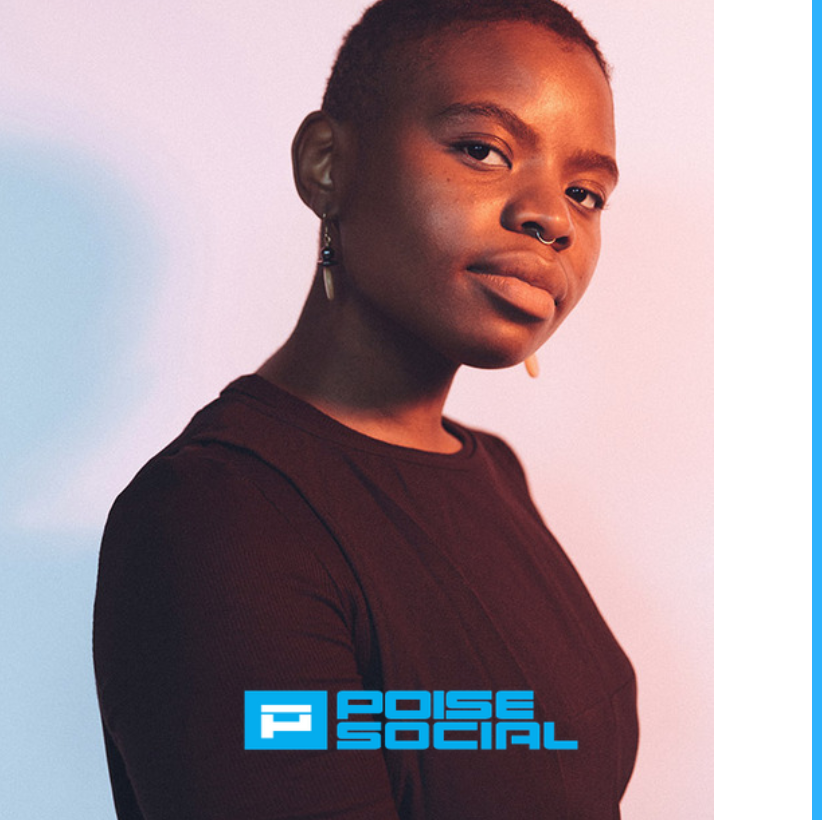
Meet Vagabon: Cameroon's First Indie Rock Musician
A profile of Laetitia Tamka, a Yaoundé-born musician performing under the name Vagabon, who taught herself guitar and moved between engineering studies in New York and an emerging career in indie rock. Her 2017 debut album Infinite Worlds, recorded in friends' apartments, represents a rare presence of a Cameroonian woman in the indie rock scene.
Camer Rap: On the Need to Sample More
The writer argues that Cameroonian rappers should embrace sampling—a foundational hip-hop practice—as a means of preserving local musical identity and deepening their craft. By drawing from the country's rich archive of older musicians, contemporary producers can honour the lineage of hip-hop itself while anchoring urban music to its roots.
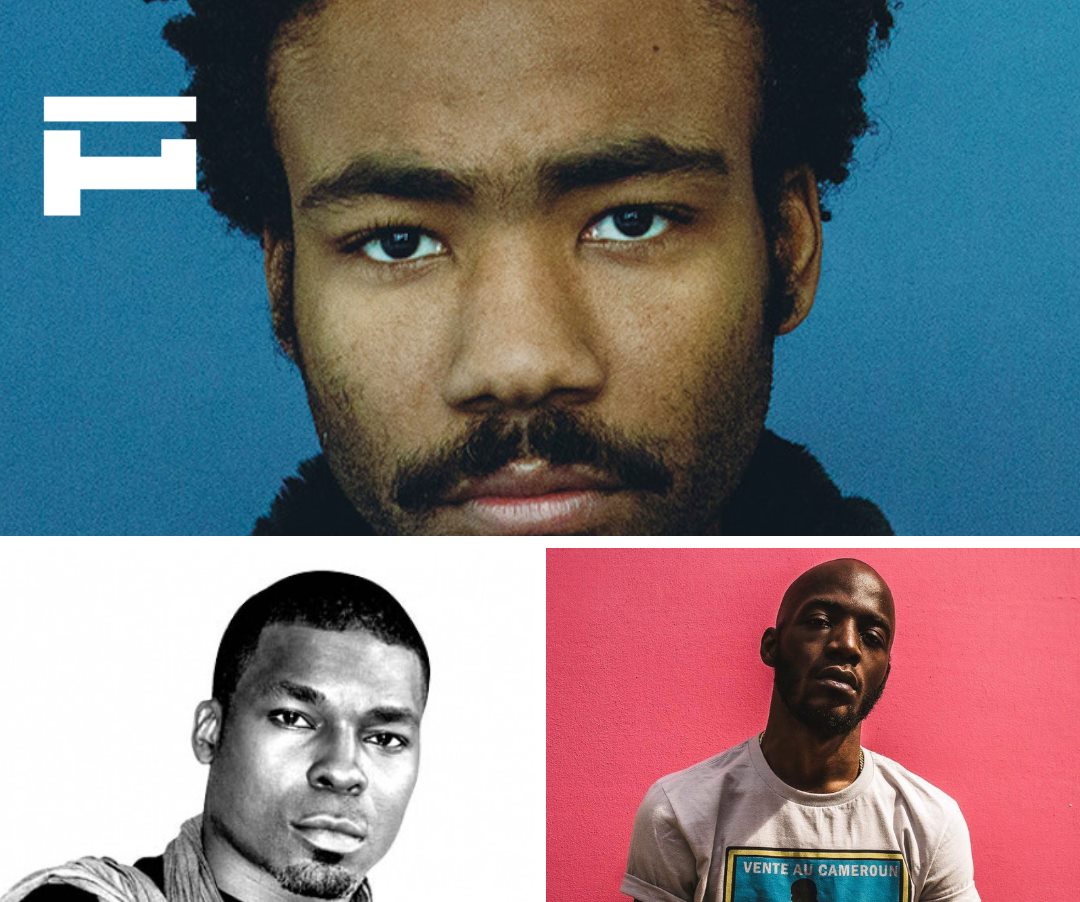
"This Is Cameroon": The Question of Who, and Why It Matters
Responding to social media calls for a Cameroonian adaptation of Childish Gambino's
This Is Cameroon: On Political Rap and the Moment We Missed
Following the viral success of Childish Gambino's "This Is America" and Falz's Nigerian response, Cameroonian social media called for a local version. The writer argues that the moment demanded not mainstream popularity but artistic integrity—a rapper with a genuine track record of politically charged work, not one riding a wave of global virality.
Artist of the Month: Mihney
Poise celebrates Nelly Mihney, a Cameroonian artist who ranked highly in the publication's October ranking of female artists, particularly for untapped potential and fashion sense. The piece documents her recent signing to Eben Entertainment, a Gabonese label, and traces her musical journey from independent work to this major label deal.
The Audience's Complicity: On Conscious Music and Commercial Compromise in Cameroon
The writer examines a prominent Cameroonian artist's shift toward generic pop music, arguing that audiences bear primary responsibility for this artistic compromise. Rather than blaming the musician, the piece indicts consumers for demanding lowest-common-denominator content and ignoring substantive work, thereby eroding the conditions for conscious music to survive.
Bush Faller Record Deals in Cameroon: Part One
This analytical essay examines the rise of diaspora-backed record labels in Cameroon's emerging entertainment industry, situating it within broader patterns of youth unemployment and the search for self-actualization among Cameroonians abroad. The writer surveys both the promise and the pitfalls of these ventures, noting a pattern of failed artist-label partnerships rooted in mutual misunderstanding.
The Debt Cameroon Owes Jovi
A reflective essay on Jovi's foundational role in revitalizing Cameroon's urban music scene and the complicated legacy of an artist who gave the culture oxygen when it was dying. The writer grapples with Jovi's retreat from cultural leadership and the gap between his early visionary promise and his later protective withdrawal.

The New Bell Music Ecosystem: Insularity as Constraint
The writer examines New Bell Music—a prominent Cameroonian independent label built by Jovi—and argues that its tightly closed creative ecosystem, while once effective, is now limiting growth and artistic evolution. The piece identifies redundancy in production, visual direction, and collaborative strategy as signs that insularity is beginning to undermine the label's initial success.
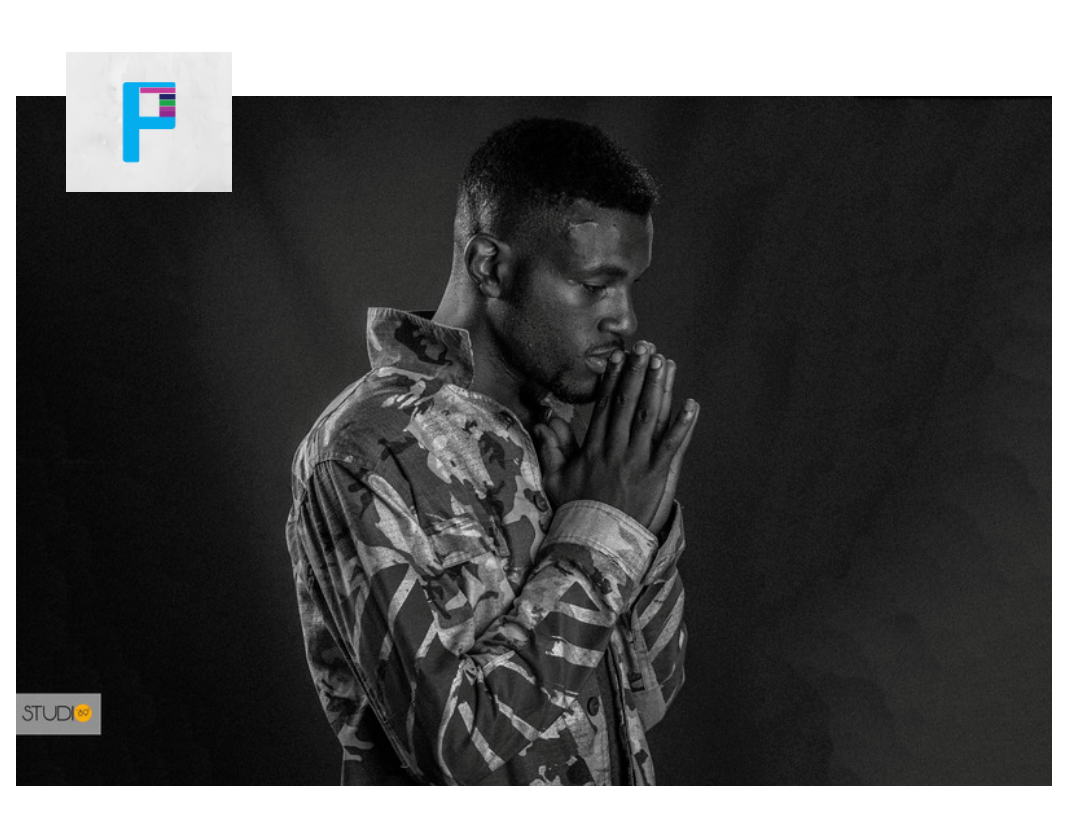
Upcoming Cameroonian Rappers Need to Rethink Strategy
The writer breaks a hiatus from music criticism to release his own track in under 48 hours, using minimal equipment and free beats, in order to diagnose what he sees as a systematic problem in Cameroon's rap scene: artists are paralyzed by perfectionism and the search for ideal conditions rather than shipping work consistently.
On Shipping: Why Cameroonian Rappers Must Release Over Refine
The writer, a respected music critic, returns to rap to demonstrate a principle he believes the Cameroonian hip-hop scene has forgotten: that volume and iteration matter more than perfectionism. By recording and releasing a song within 48 hours of free beats becoming available—while most artists delay indefinitely—he exposes how romantic attachment to the hypothetical "one perfect track" paralyzes emerging artists.
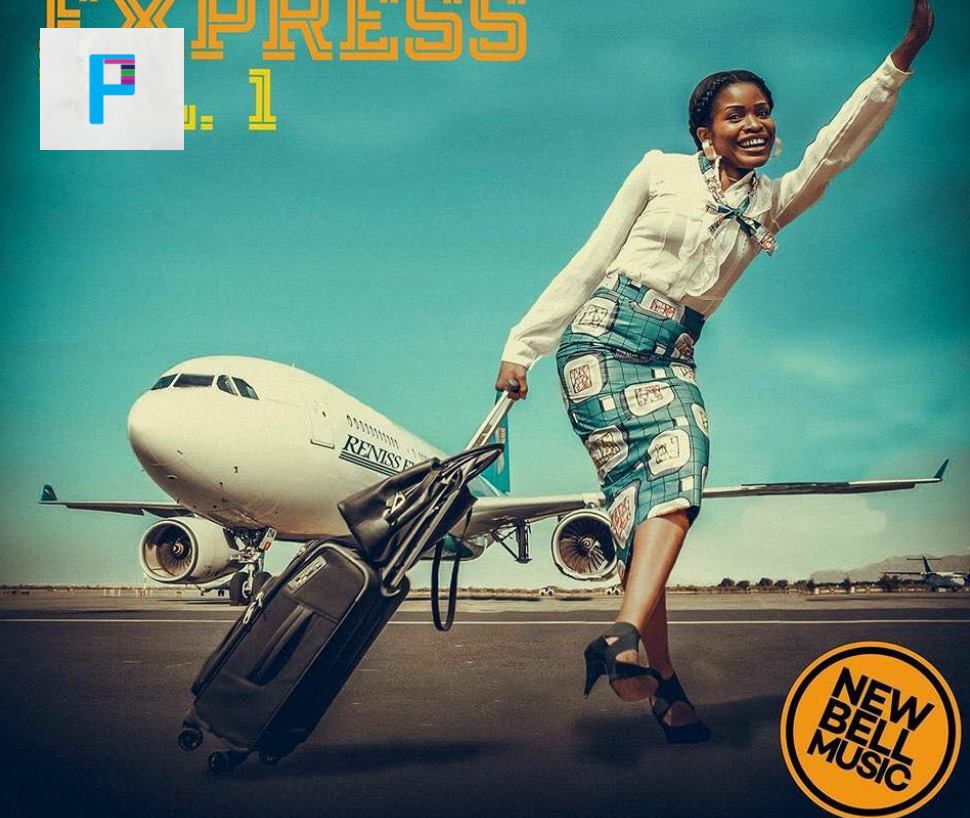
A Disappointed Fan Confronts Artistic Inconsistency: Reniss After Dan la Sauce
A devoted listener critiques Cameroonian musician Reniss's release 'Doudou', arguing it falls short of her earlier landmark work 'Dan la Sauce' and represents a pattern of musical experimentation without coherence. The writer laments the loss of the cultural resonance that defined her breakthrough, seeing in the new track a retreat into derivative, underdeveloped songcraft.
Wan Shey for the Culture: Hip-Hop as Pedagogy and Mirror
This essay examines the Cameroonian rapper Wan Shey's album 'Status Update' as a work of cultural and pedagogical intervention, arguing that hip-hop—with its dense syntax and narrative power—can educate youth on matters the formal school system neglects: homosexuality, educational failure, arrested ambition, cultural erosion, and the legacy of colonialism.
The Man of the Hour: Tzy Panchak
Poise examines the rapid rise of Cameroon-based artist Tzy Panchak and his label Blu Nation, crediting their efficient marketing machinery while offering a critical assessment of his debut EP 'I'm Not Lucky.' The piece acknowledges Panchak's momentum and fanbase while questioning whether production quality and artistic growth have kept pace with his commercial acceleration.
Do Cameroonian Rappers Teach Us Anything?
The writer examines whether Cameroonian rappers fulfill the educative and intellectual mission that defined hip-hop at its origins in 1970s New York. Drawing on examples from foundational figures like Afrika Bambaataa and lyricists like Jay-Z, the piece argues that rap's power lies in its capacity to make listeners think, research, and engage with complex social and political realities—a challenge the writer finds largely absent in the local scene.

The Manager Plague: On Hustle, Professionalism, and Missed Opportunities in Cameroon's Entertainment Industry
A critical examination of how Cameroon's entertainment sector undermines itself through performative professionalism—artists hiding behind incompetent managers and refusing direct negotiation—while missing obvious economic opportunities. The writer argues this reflects a deeper cultural passivity that contrasts sharply with the entrepreneurial hunger visible in neighboring Nigeria.
Tenor's Universal Signing: A Technical Reckoning
The writer celebrates Cameroonian rapper Tenor's signing to Universal Music Africa, framing it not as surprise but inevitable recognition of exceptional craft. Through a detailed linguistic analysis of iambic pentameter and syllable stress—drawing parallels to Eminem—the piece argues that Tenor possesses a rare technical mastery that extends beyond mere skill into the architecture of language itself.
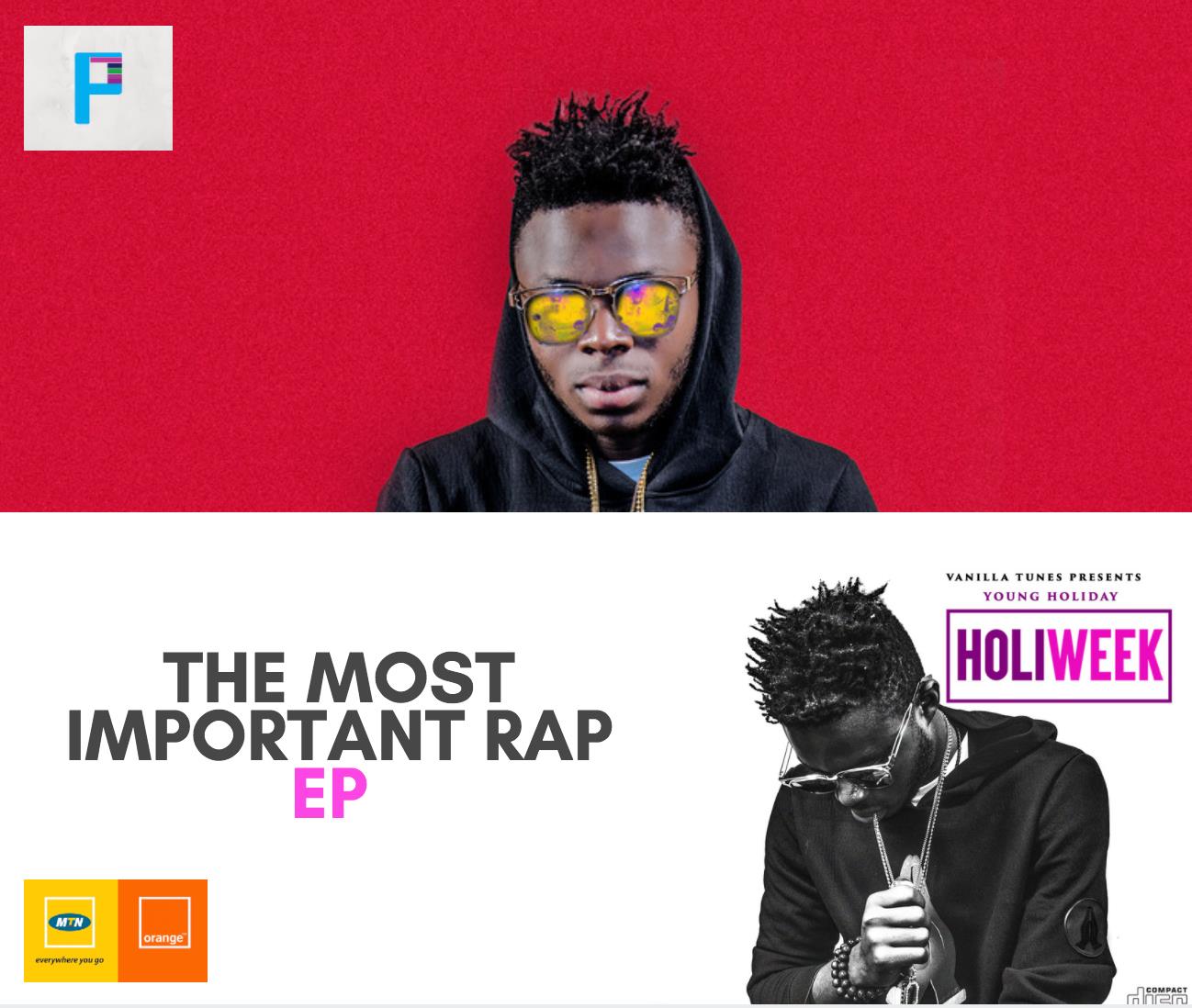
Young Holiday's Holiweek: A Philosophical Reading of Cameroon's Rap Future
Poise offers a deep structural reading of Young Holiday's Holiweek EP as a seven-stage philosophical journey through life—from birth and ambition through betrayal, surrender, and grace. The writer positions this work as a landmark moment in Cameroonian hip-hop, arguing that its lyrical maturity and thematic coherence represent a genuine artistic achievement worthy of serious attention.

The Unrealised Potential of Gasha
A passionate essay tracing the distinctive artistry of the Cameroonian singer Gasha through her early work, and making the case that she possesses world-class talent comparable to acclaimed West African artists like Asa, Ayo, and Nneka. The writer argues that Gasha remains constrained by her production and management team, who fail to understand the depth of her gift.
Gasha: Misunderstood or Arrived Way Ahead of Her Time?
A listener and music enthusiast argues that Gasha possesses world-class artistic potential comparable to artists like Asa, Ayo, and Nneka, but remains trapped by collaborators and management who do not fully understand or know how to develop her distinctive talent. The piece is both a tribute to her artistry and a critique of the machinery surrounding her.
Nine Female Artists Ranked: A Critical Taxonomy
Poise presents a comparative assessment of nine Cameroonian female entertainers across seven dimensions—vocal quality, physical attractiveness, public charisma, star power, untapped potential, stage presence, and fashion sense. The piece treats ranking as analytical exercise, offering granular judgment on each artist's standing within the contemporary music and entertainment landscape.
The Weight of Cultural Import: On Cameroon's Musical Inheritance
The writer argues that Cameroon's declining connection to its musical heritage—particularly Makossa and Bikutsi—is not a failure of youth but a symptom of decades-long structural neglect and a national culture of preferencing foreign goods, ideas, and people over domestic ones. Drawing from personal experience, the piece traces how young Cameroonians were systematically introduced to American and Nigerian cultural products while their own artistic legacy was allowed to fade.
The Question of Conscious Music in Cameroon
This piece asks whether there is genuine space for socially conscious music in Cameroon and globally, examining the tension between public appetite for escapism and artists' commitment to using their platforms for education. It profiles Bonzyz, a Limbum-speaking rapper from the North West region whose work addresses political, economic, and social issues, while acknowledging the writer's own measured stance toward message-driven art.

Pascal and the Art of Storytelling
A meditation on Pascal, an Anglophone Cameroonian rapper whose gift for narrative craft sets him apart in a hip-hop landscape often dominated by ephemeral punchlines. The writer traces Pascal's lineage to storytelling pioneers like Slick Rick, and argues for the enduring power of rap that edifies as much as it entertains.

Did Tzy Panchak Fake the Boycott Campaign Against His US Tour?
The writer examines a boycott campaign against rapper Tzy Panchak's tour in the DMV (Washington DC area), arguing it was likely a publicity stunt orchestrated by his management. The piece positions this against a broader critique of Cameroonian artists who selectively engage with social causes, particularly the anglophone crisis.

On Stanley Enow's Visible Wealth: A Case Study in Cameroon Hip-Hop Economics
The writer makes a spirited argument that Stanley Enow, a Cameroonian rapper, has demonstrably earned and spent more money than his peer Jovi, using concrete evidence—hit records, international tours, merchandise, brand deals, and lifestyle visibility—to illustrate wealth accumulation in the local music economy.

The Arithmetic of Visibility: A Close Reading of Two Cameroon Hip-Hop Economies
This 2017 analysis challenges the assumption that Stanley Enow's high-profile international presence and sponsorships translate to greater earnings than Jovi's, by itemizing production income, album sales, lifestyle costs, and operational overhead across both artists' documented activities.

Troubled Tilla: A Study in Creative Discord
A reflection on the Cameroonian rapper and singer Tilla's trajectory from a focused artist under BBoy Entertainment to someone fragmented across multiple labels and creative directions. The writer traces a pattern of label-hopping, inconsistent output, and internal conflict that has obscured what once appeared to be a coherent artistic vision.
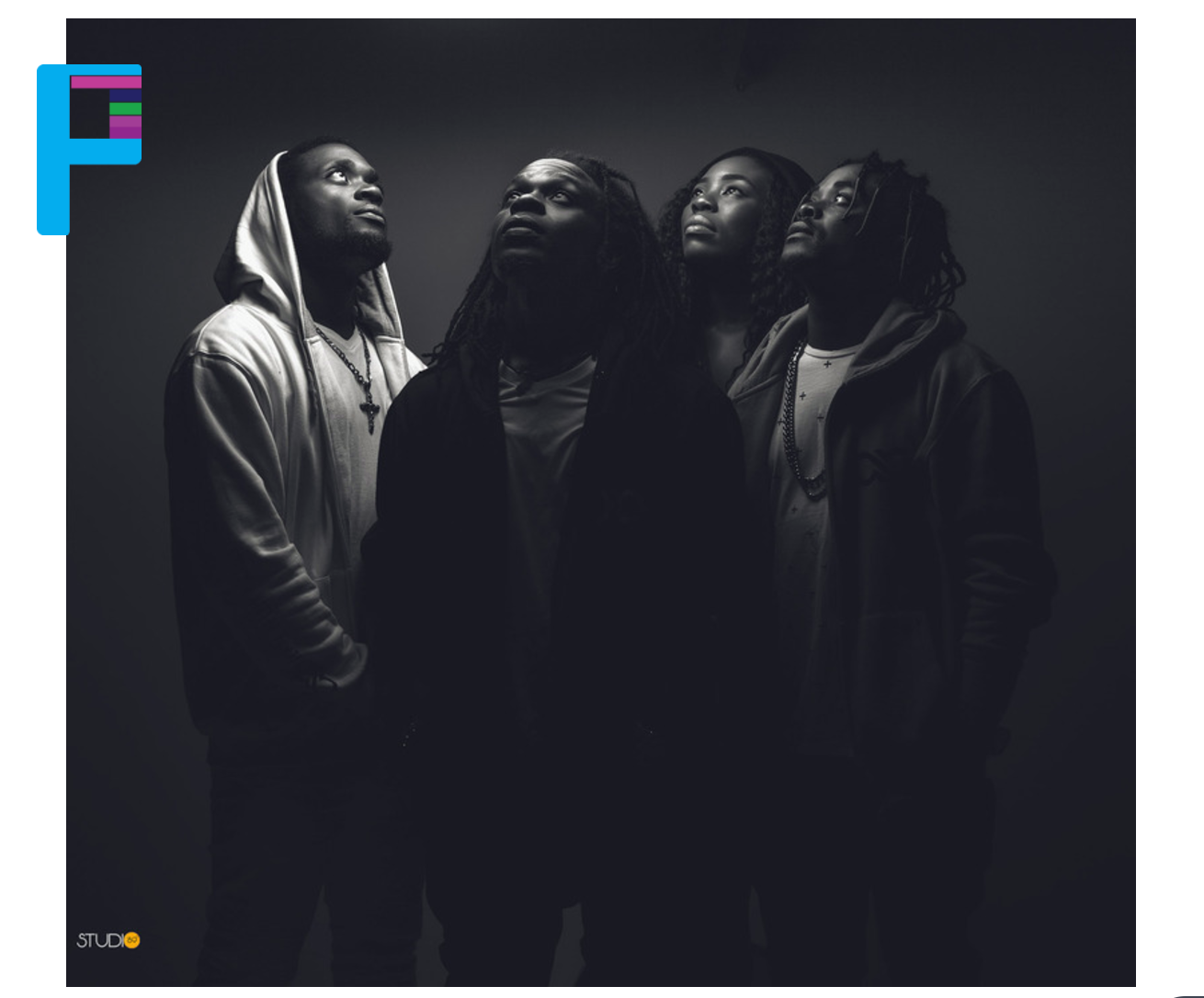
Askia at Alpha Better Records: The Cost of Compromise
A critical assessment of Cameroonian rapper Askia's move to Alpha Better Records, arguing that joining a label built around role models like Salatiel and Mr Leo has diluted her distinctive persona and artistic voice. The piece contends that her raw, uncompromising hip-hop identity is being softened into something generic, weakening both her music and her market position.
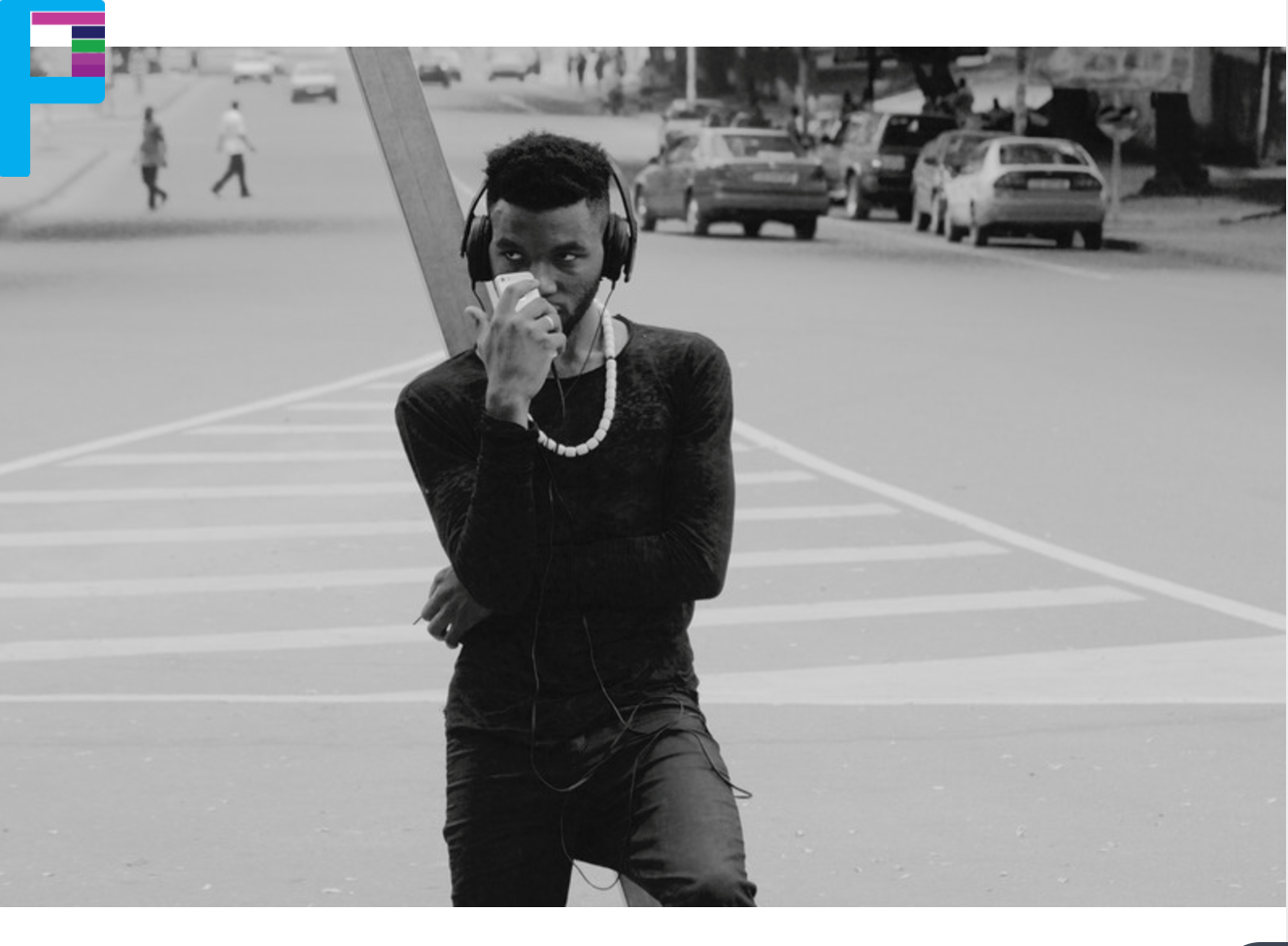
The Rap Thing: Cultural References as the Heart of Hip-Hop
Rap's power lies not in shock value but in cultural references—the people, moments, and relationships woven into lyrics that make the art form cohere. The writer examines how Cameroonian rappers use subliminal shots and direct calls as philosophical statements, and argues that understanding these references is essential to understanding both the artists and the culture itself.

On Stanley Enow and the Weight of Early Promise
The writer argues that Stanley Enow, despite his breakthrough hit "Hein Pere," has failed to sustain artistic momentum through subsequent releases, and suggests he may be better suited to building Motherland Records than continuing as a rapper. The piece balances respect for his pioneer role in Cameroon's urban music with frank assessment of his lyrical and commercial returns.

Yung Time, Mic Monsta, and Coolkid Berka: A Critical Listen to 'Tu Me Know?'
A measured review of a Cameroonian hip-hop collaboration that grapples with the tension between creative ambition and borrowed production. The writer praises the individual contributions of each artist—particularly Mic Monsta's wordplay and Coolkid Berka's technical flow—while questioning the ethical and artistic implications of sampling without clear acknowledgment.
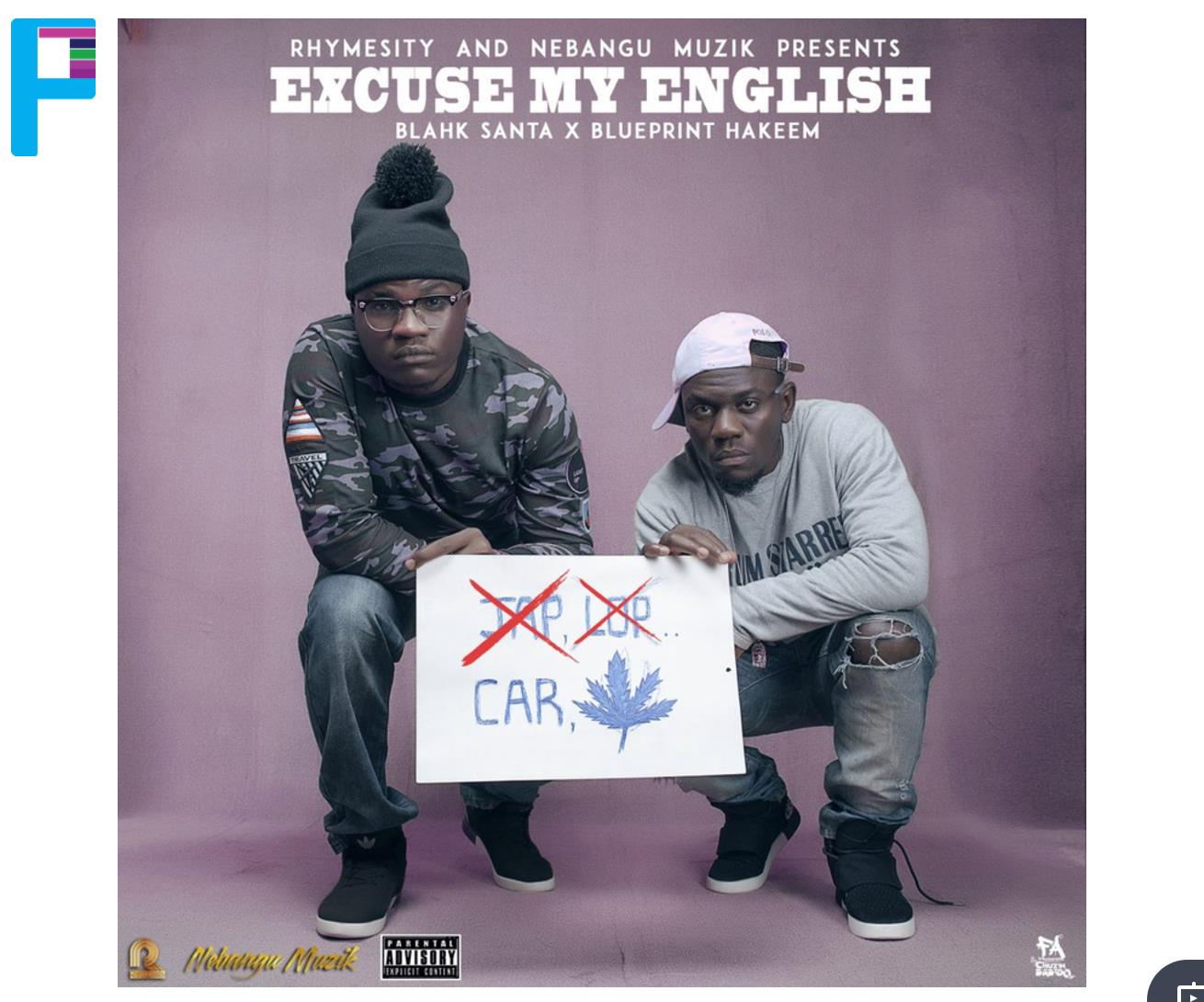
Blueprint Hakeem's 'Excuse My English': A Recalibration of Standards
A detailed review of Blueprint Hakeem's 'Excuse My English' EP, praising its production and vocal performance while offering pointed criticism of redundant thematic content. The writer argues that an artist of Hakeem's stature should use his platform to inspire youth across multiple dimensions of life, not concentrate on romantic themes.

Does Pascal Have a Future Without Jovi?
A critical assessment of rapper Pascal's departure from New Bell Music to join Strange Kings, questioning whether his move away from mentor Jovi will yield growth or stagnation. The writer examines the decision through the lens of artistic readiness, label choice, and early output, suggesting that Pascal's talent is undeniable but his new environment risks enabling complacency over musical excellence.

Why Collaboration Falters in Cameroon's Music Industry—And How Jovi Succeeds
The writer argues that collaboration among Cameroonian artists remains structurally difficult, not merely a matter of goodwill, because economic precarity forces musicians into short-term survival thinking and makes sustained creative partnership prohibitively expensive. The solution emerging in the Cameroonian scene is the producer-artist hybrid: musicians who control their own production and engineering, exemplified by Jovi, whose self-sufficiency grants him speed to market and artistic independence.

The Wins, Evens, and Losses: Three Releases on August 6, 2017
On a single day in August 2017, three major Cameroonian urban artists—Locko, Mr Leo, and Franko—released new music. The writer assesses each release against the artist's trajectory and artistic principles, finding merit in Locko's melodic refinement and Mr Leo's storytelling, but concern in what they see as Franko's creative stagnation.

A Message to Tenor Ebanglang: On Responsibility and the Future of Cameroonian Hip-Hop
The writer celebrates Tenor Ebanglang's artistic trajectory and latest release, 'Bad Things,' as evidence of an artist choosing creative depth over commercial simplification. The piece frames this choice as a moral stance: a refusal of the 'dumbing down' logic that dominates mass media, and an embrace of the harder work of cultural imagination.
The Bullying Economy of Cameroonian Music
A critical examination of how structural desperation in Cameroon's music industry enables systematic exploitation of artists by intermediaries—video directors, promoters, bloggers—who profit far more than the creators themselves. The writer argues that artists must become their own narrators and advocates, resisting both institutional gatekeeping and the mythology of overnight success.
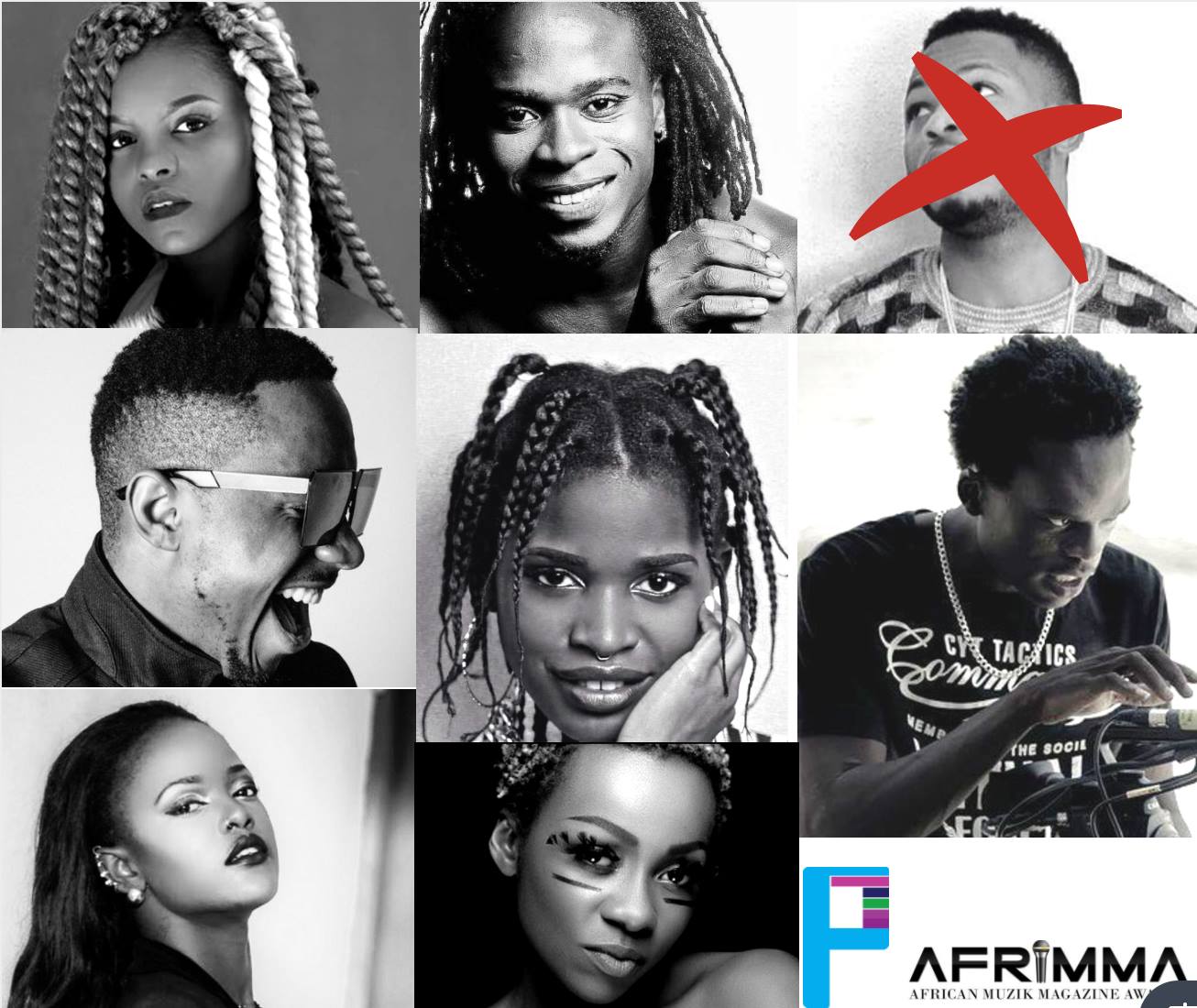
The Credibility Question: Afrimma Awards and Central African Music's Merit Problem
A 2017 examination of the Afrimma Awards' nomination process following several controversial inclusions and exclusions in the Central African music category, questioning whether the award's expanded nominee pool serves artistic merit or marketing machinery.

Award Show Politics and the Afrimma Trophy Hunt
A wry survey of the 2017 Afrimma Awards, examining both the absurdity of celebrating African talent outside Africa and the very real stakes for Cameroonian artists seeking recognition on an international stage.
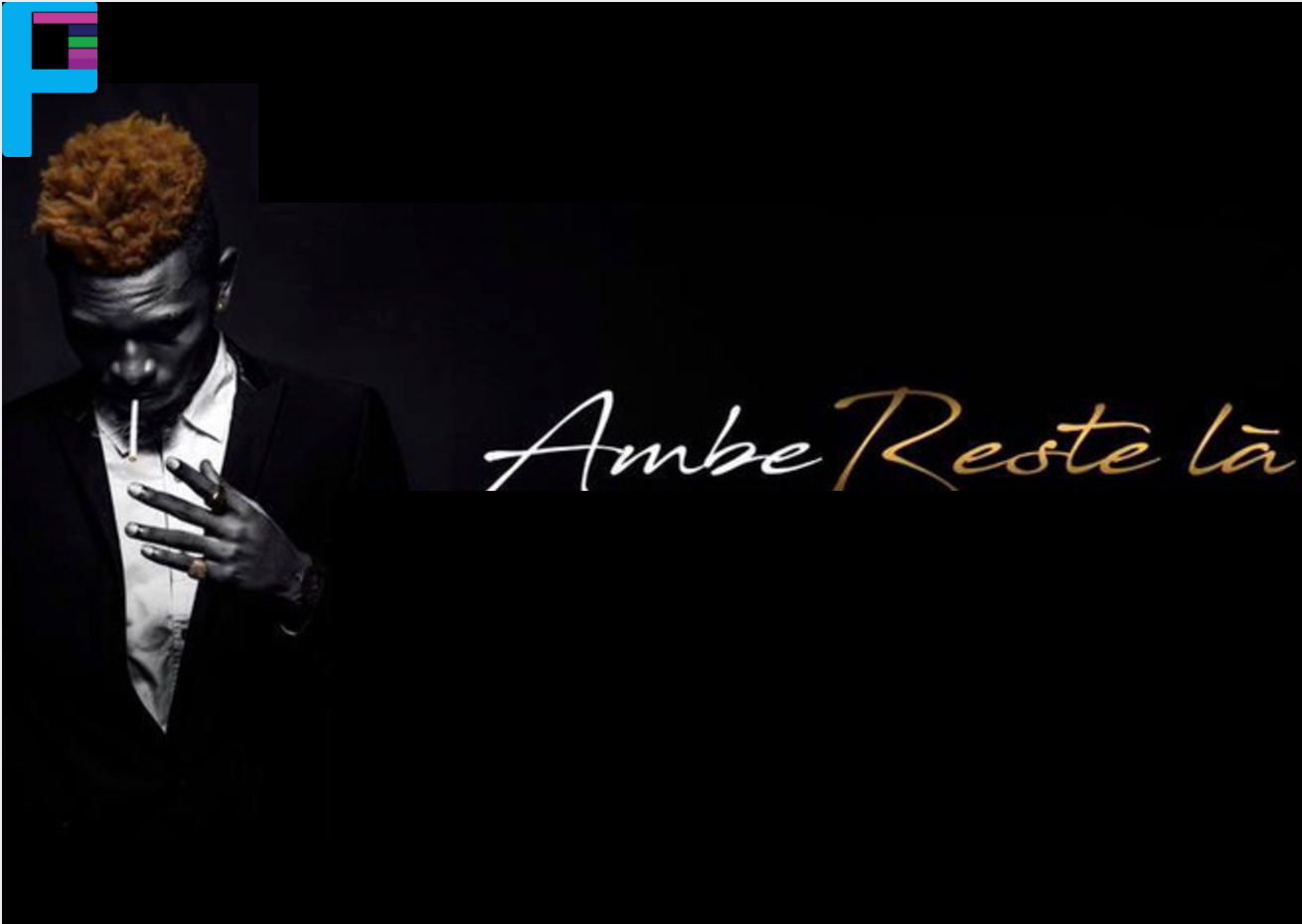
Ambe's Reste La: Consistency Over Narrative
A wry review of Cameroon artist Ambe's single and music video 'Reste La', released under new management in mid-2017. The writer praises the production's sonic appeal and the artist's prolific output, while gently skewering the video's narrative and the disconnect between Ambe's visible lifestyle and his claimed day job.

Street Credibility and the Rap Game: A Cameroon Perspective
This post examines how the requirement for 'street credibility' in rap has shifted over time, using the release of Skidi Boy's music video 'Nanga Mboko' as a case study for how Cameroonian rappers navigate and perform this identity. The writer argues that while old gatekeeping around street experience has loosened—evidenced by the success of artists like Kanye and Drake—many rappers, including Cameroonian acts, still feel compelled to maintain a connection to street life in their work and image.

Makossa, Hip-Hop, and the Weight of Generational Conflict
A reflection on a lyric calling makossa 'dead,' and what that provocation reveals about Cameroonian youth's relationship to inherited culture. The writer argues the statement is less literal criticism than coded generational grievance—a sarcastic indictment of the older generation's hold on the nation's cultural and social life.
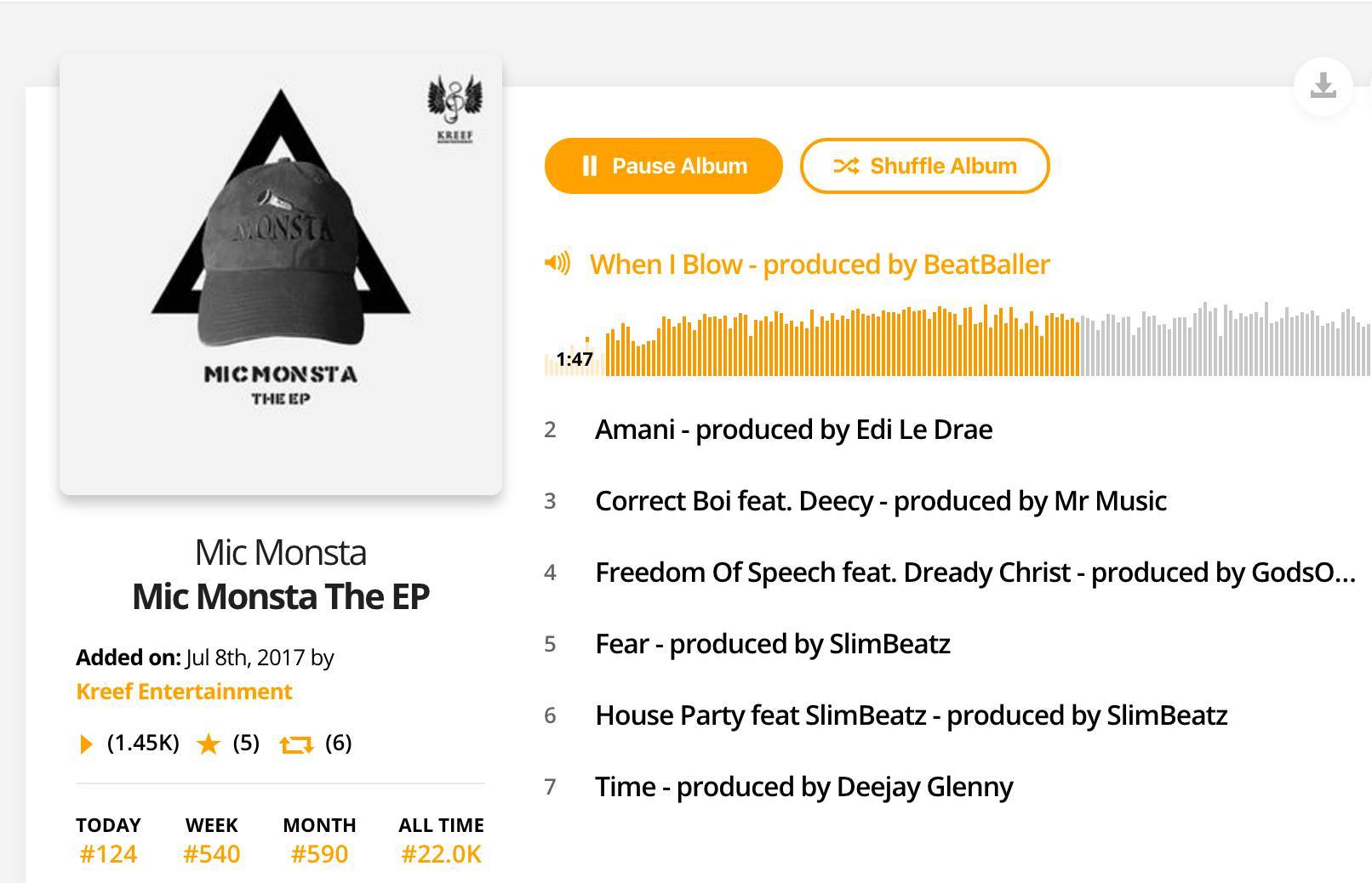
Mic Monsta EP Review: The Poise Rating System in Practice
Poise examines a recent Mic Monsta EP through a five-category scoring method (Production, Lyrics, Flow, Message/Memorability, Relativity), isolating tracks that align with the artist's core strengths—pure hip-hop work—and noting where label pressure or stylistic mismatch weakens the project overall.