
There is a growing call for Cameroonian artists to be “original” –but what does that actually mean? For many rappers, the expectation is to rap in their mother tongue, in pidgin, or in francanglais. Yet these standards are not applied equally. When artists like Locko sing in polished French over Afrobeats-inspired rhythms, no one questions their authenticity. In fact, mastery of French is celebrated as originality, while mastery of English is often criticized as a colonial hangover.
This contradiction reveals a deeper problem: the way we define culture, originality, and authenticity in music is inconsistent, and at times harmful.
The Revivalist Argument
A common refrain heard both inside and outside the industry is that Cameroon can only succeed globally by reviving genres such as Makossa, Bikutsi, or Njang. These genres produced some of our most iconic artists, so the logic is that a return to the past is the path forward.
As a result, artists who experiment with “foreign” sounds are dismissed or sidelined, while others convince themselves that only those who mimic older traditions are truly “doing Cameroonian music.” This is framed as “preserving our culture,” but in reality, it often narrows artistic expression.
The Contradiction of Universality
The same voices often insist that music is a universal language. Yet they dictate what languages artists must sing in. This contradiction is especially visible among Anglophone artists, many of whom now sing in French in order to capture francophone markets.
Meanwhile, the global music stage tells a different story. Barack Obama’s 20232 summer playlist featured Tems’ Vibe Out –a song written entirely in English, without a trace of pidgin or indigenous Nigerian languages. If you didn’t know Tems, you might never guess it was a Nigerian track. Similarly, Cameroon’s T’neeya, who creates in a comparable style, is often dismissed as “uncameroonian.” Here, culture becomes less about the music itself and more about conformity to narrow expectations.
What Exactly Is Culture?
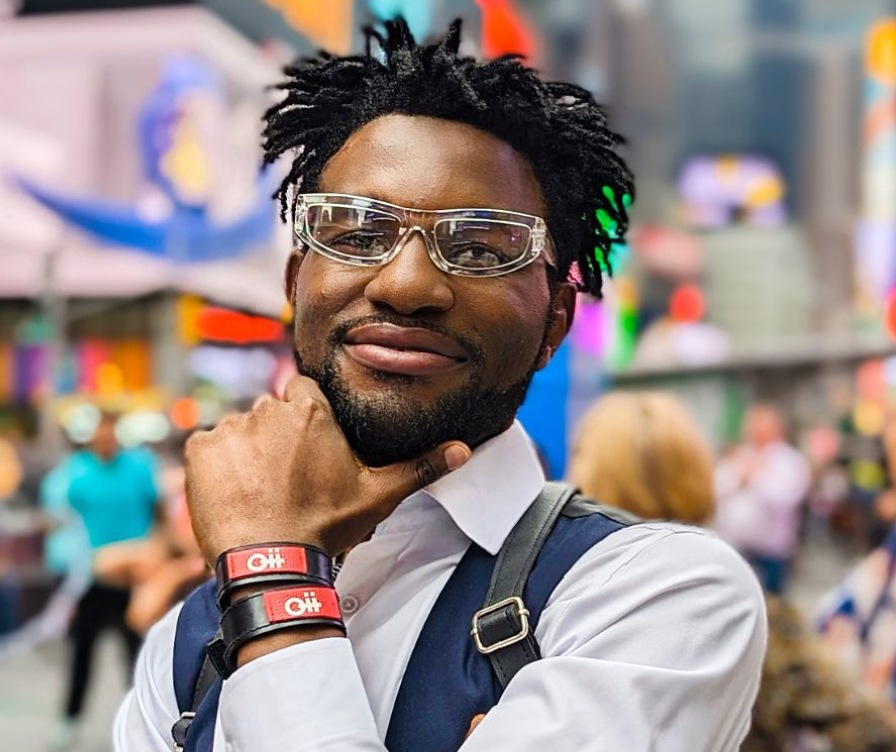
In an ad campaign for oii, I define culture this way:
Culture is us.
What we expect from others.
What we talk about.
What we appreciate.
What we recommend.
What we support.
We may also define it as the essence of a people in a particular community, during a specific period of time. In other words, culture is not fixed in the past—it evolves. One thinker I admire, Seth Godin, wrote, “Culture is a gravitational force, and it resists your efforts to make things work better.
Culture vs. Tradition
Much of our confusion stems from mixing up culture and tradition. The two are not the same. Culture is dynamic, while tradition often seeks to preserve and repeat rituals, even when they have lost their original meaning.
For example, in some communities it is tradition to bury people without children behind the house, and those with children in front. This has led to harmful practices—like teenagers rushing into parenthood to avoid the stigma of being “buried behind.” Tradition in this case traps culture rather than enriches it.
The Toghu attire tells a similar story. Once sacred and restricted, it carried symbolic markings with specific meanings. Today, it has been stripped of its sacredness, worn widely, and commercialized as cultural pride. Culture shifted, while tradition lost its grip.
The Fallacy of Linguistic Purity
Consider rapper Wan Shey, who was once asked for the word “rap” in his native Lamnso. He admitted no such word exists. By the rigid logic of cultural purists, this would mean people of Nso should never rap. Clearly, this is absurd, but many arguments about “Cameroonian music” rest on equally flimsy ground.
Being Cameroonian Is Not One Experience
We may all be Cameroonians, but the Cameroonian experience is not universal. Some do not speak any of our 260+ local languages. Some dislike football. Some never lived in the slums. Some have traveled widely and absorbed foreign influences. None of this makes them less Cameroonian.
And yet, we police Cameroonian artists more harshly than we do foreign ones. Nigerians, Ghanaians, or Ivorians are not scrutinized this way. Every Cameroonian is not like you, and should not have to be.
Lessons From History
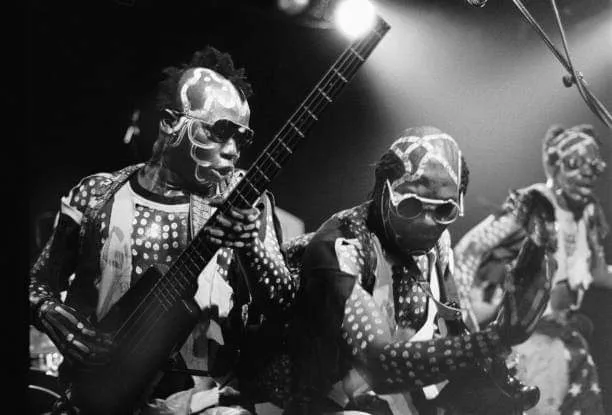
History shows that authenticity has always been contested in Cameroonian music. In the past, Bikutsi artists accused Makossa artists of betraying their roots for mainstream success. Ironically, it was Les Têtes Brulées, who modernized Bikutsi, that became Cameroon’s cultural ambassadors on the global stage, performing alongside the Indomitable Lions at the 1990 and 1994 World Cups. Even then, their style was not universally loved at home. That history should caution us against assuming success in one genre is the blueprint for all.
Take Stanley Enow: he shifted to Afropop because he felt Hip Hop doesn’t sell in Africa. Yet his career rests on a Hip Hop anthem, Hein Père, which remains his most universally recognized song.
Redefining Originality
Originality should not mean forcing artists to reproduce the past or fit into one mold. It should mean freedom to innovate, experiment, and express.
Being Cameroonian is not a single experience. It is a mosaic of languages, histories, influences, and identities. Limiting artists to a narrow definition of “culture” not only stifles them—it denies us, the audience, the richness of their creativity.
The only truly unoriginal thing is insisting that Cameroonian music can only exist in one form.