

If you grew up in the 90s in a household where you had a cassette player, you very likely made a mixtape. In my house, for example, we had a radio that had a CD player and three cassette decks. One of the cassette decks was a recorder.
Sometimes I would take an old cassette from my dad’s collection of country music and put them into the deck with the recorder (Cassette A). Then I would put another cassette into one of the other two decks (Cassette B), and hit the play button. Simultaneously, I would hit the record button on the recording deck. Thus, I could record everything from Cassette B onto Cassette A.
When you continued recording songs onto Cassette A in this manner, from different cassettes, the final product is what was originally called a mixtape. It was very common back in the days. It was basically a collection of songs from many different singers and from many albums which you recorded yourself. It is today’s equivalent of a playlist on say, Spotify, which you create and whose link you can share.
Usually, these were either for your listening pleasure or a gift for a loved one.
In hip-hop, however, the Mixtape is, or rather was an independently-produced material that rappers put out to gain publicity for themselves. A lot of what was recorded on mixtapes was done over beats that the rappers did not own. And so, mixtapes were generally not commercialised in order to avoid copyright infringement. They were handed out freely (cassettes and CDs) to people in the neighbourhood to listen to. If you were good, you were certain to gain some attention.
It is worthy to note that some rappers included original beats in their mixtapes.
Many famous rappers continued releasing mixtapes even after they were signed to major labels. This was because first of all the mixtape culture is a very strong institution in the hip-hop world and it is a way of re-connecting with the core audience that was with you from the get-go before you had a record deal and all you could put out was mixtapes. Rappers have used it to beef one another, it was an outlet for unreleased material from an album, and some just used it to show their freestyling prowess
Secondly, when signed to a major label, there are certain artistic constraints in which you are tied. The label executives and music directors may want your album to go in a certain direction or have a certain artistic feel that does not let you express your creativity in the way that you would have wanted to. And so, the rapper would put out mixtapes that just let them be free. Sometimes record labels even put some money into the making of one, paying for studio time for their artist because they knew of its importance in hip hop culture.
Lil Wayne in particular is one of those rappers whom most pundits agree has put out better material on his mixtapes than on albums. 50 Cent essentially grew his careers on mixtapes He was already very well known in The Bronx before he blew up with ‘In Da Club’
However, with the advent of digital technology and piracy, mixtapes began becoming rare. Music labels began seeing mixtapes as a real threat and started searching for legal means to block mixtapes or recoup money lost to copyright infringement. What nobody cared about before became the subject of a witch hunt.
I should perhaps mention here that some of the greatest mixtapes were made by popular DJs. They mixed and recorded some of hip hop’s finest and popular songs and some amazing underground songs onto cassettes and CDs and sold them. They sometimes made whole compilations and series releases. They were thus the first targets of the record industry in the mid to late 2000s when the industry waged a war on music piracy.
DJ Drama, one of hip hop’s most popular DJs was the subject of a high-profile arrest in 2007. DJ Drama had been pivotal in promoting southern rap music via his Gangsta Grillz mixtape series in particular. He is credited for bolstering the career of Lil Wayne with the mixtape titled “Dedication.”
Today, however, mixtapes have lost a lot of their cultural relevance. Due to the falling costs of studio and recording equipment, there is so much music floating around on the internet and the strong anticipation that rap heads used to have for mixtapes from the likes of DJ Drama is almost lost.
Now the lines are increasingly blurred between a mixtape and something like an E.P which is a “short album” that is between 3 to 7 tracks and less than 30 minutes long, and even an album.
To quote VICE “the aesthetic difference between a mixtape and an album is slight; in the last few years—ever since it became free and easy to distribute them online—mixtapes have grown into hour-long, fully original, single-artist projects often featuring A-list guest verses and expensive beats. But despite nearly identical levels of polish, what distinguishes a modern rap mixtape from a rap album is its goals.”
The article goes on to say that albums are usually made to generate sales and streams revenue. The project is usually well-planned and singles are usually released and promoted before the album drops. Mixtapes on the other hand are usually doled out for free (sales are an option) and they serve to move a rapper’s career forward.
They serve to solidify a fanbase, get new fans, flex, or just prepare the ground for a tour with the new releases.
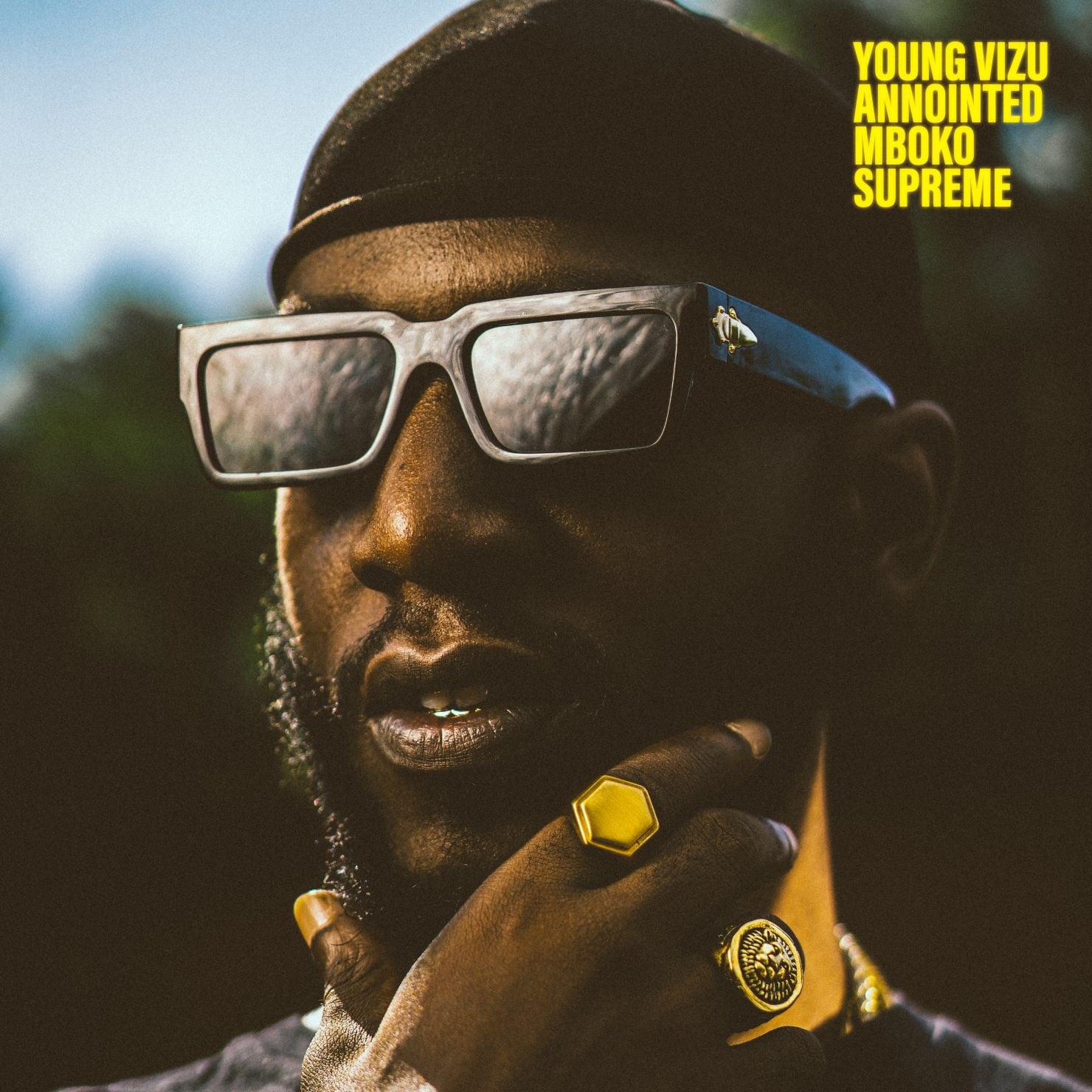
Jovi’s new musical project is 17 tracks long. It has pre-released songs that one could count as singles (Servo, Mentality, Strong Enemy). As a matter of fact, OG Raps, another song on this project was released on the EP 'Yaje Vol 2.' It is also for sale
If anything, Young Vizu Anointed Mboko Supreme sounds eerily like an album. But well the project has been announced as a mixtape, and with the way the lines are blurred about these things today, I guess a mixtape is officially added to Jovi’s lengthy discography. Mboko.
Wandji Wilfred