

Increasingly, there is push for Cameroonian artists to be ‘original’ - whatever that means to those who are pushing the agenda. For many Cameroonian rappers, it will mean rapping in their mother tongue, pidgin or francaglais. Interestingly, we do not have these expectation from our brothers in the East. Locko singing in proper French on beats that fall more under the Afrobeats umbrella than a derivative of Makossa or Bikutsi is not required to be original. In fact, having a strong command of the French language is seen to be original but if you show too much command of the English language, you are still suffering the effects of colonization.
There is no short of people in and out of the music industry that will tell you that the only way Cameroon can become a player in the global music scene is for us to go back in history and revive Makossa, Bikutsi, Njang or any of the local music genres that produced some of Cameroon’s greatest and globally recognized artists in the past. We now have artists who feel like they are doing Cameroonian music while those who are experimenting on ‘foreign’ sounds are not and must be converted or sidelined. All this is done in the name of preserving our culture.
You get even more confused when the same people will say music is a universal language. They say that as they insist on what language you need to sing in. They say that as most of our Anglophone artists are now singing in French in order to capture the French market.
Obama just released his summer playlist and featured is Tems’ ‘Vibe Out.’ The song has zero pidgin, zero Yoruba, zero Igbo. The song is written entirely in English and if you didn’t know Tems, you would not guess it was a Nigerian song. The same is true for most of her hit songs. In fact she sparingly adds pidgin in her songs. Nigeria has Tems and we have T’neeya who is basically being ignored around here and I believe it is because she is uncameroonian. If you ask the average music expert in Cameroon, they’ll tell you it is because she does not represent the Cameroonian culture.
I had already, somewhat, addressed this issue in an article titled ‘The Negative Effects of Social Conformity.’ You can find that article on our website. I would love for you to read it before coming back to this because this article will actually be building on that one.
What I want us to talk about here is this idea of culture? What is culture?
In a recent add I did for oii, I tried to defined culture. I said:-
The culture is us. What we expect from others What we talk about What we appreciate What we recommend And what we support
We can also define culture as the essence of a particular people, in a particular community during a particular period of time.
From the above definitions, we can see that culture is not something that is rooted in the past. It is something that actually changes and not necessarily in a manner of natural progression. One of the greatest thinkers I know actually argues that “Culture is a gravitational force, and it resists your efforts to make things work better.”
Now let’s talk a little bit about tradition. It used to be tradition that we cut our hair to mourn the death of a family member. We recently saw the people of Mankon display their coronation tradition. In my village we have a tradition of burying people without kids behind the house and those with kids in-front. In the village, you will see a 17 year old boy with a kid and when you ask him why he could not be patient to put his life together before having a kid, he’ll tell you he does not want to be buried behind the house where people will pee on his head. Thats just an example of how useless and harmful a tradition can be.
I am talking about tradition here because we seem to mix up the two.They are quite different because we have cultural norms and traditional rites. Culture is actually what informs tradition for the most part while tradition does a lot to keep the culture in stagnation. This happens when we begin to take tradition to mean culture.
What we used to call our traditional attire has lost its traditional significance while gaining cultural relevance. The marking on those attires were never random. They carried particular messages and everyone could not have just about any marking they wanted. Today, nobody cares about what that lizard marking stands for but more people wear it to identify with their tradition out of the traditional setting. The reason why the Toghu was never popular globally before is because it was sacred. The culture at the time placed a different value on it. The culture right now actually values it less even though it promotes it more. Right now, the sacred attire has been commercialized for the culture.
I hope you are not confused yet, because it is about to get even more confusing but just focus and you’ll follow.
I came across a post in which a fan of Wan Shey, the rapper, was asking him the word for ‘rap’ in his native Lamnso. Wan Shey was honest enough to say he never thought of that, and he was not sure there is an actual word for it. Going by the logic I am trying to debunk here, we can therefore say rap is not something people from Nso should engage in, because it actually does not exist in their vocabulary? This sounds so stupid, I thought of deleting this paragraph. Just to say many arguments about what is Cameroonian music sounds just as stupid.
If you stopped to go and read the other article I suggested you do, you should be clear on the argument I am bringing at the moment. If not, let me try to draw a conclusion.
We may all be Cameroonians but being Cameroonian is not a universal experience. There are many Cameroonians who do not speak any of the 260 something local languages for various reasons. That does not make them any less Cameroonian. There are many Cameroonians who have no love for football, that does not make them any less Cameroonian. There are many Cameroonians that did not grow up in the slums, that does not make them any less Cameroonian. There are many Cameroonians that have travelled the world, lived in other places and have picked up some cultural influences from those places. That does not make them any less Cameroonian.
Like I mentioned earlier, we do not hold people of different countries to the same demands we have for Cameroonians. We do not even question their actions or existence like we do other Cameroonians. Every Cameroonian is not like you and should not be like you. The only thing that makes us Cameroonians is being born here or having an ancestry that can be traced to Cameroon. Besides that, Cameroonians come in all shapes, sizes, shades. If you think original Cameroonian rap should be in pidgin or some local dialect, that is only your preference and you should leave it at that. If you think that, you are actually refusing yourself a wealth of exposure.
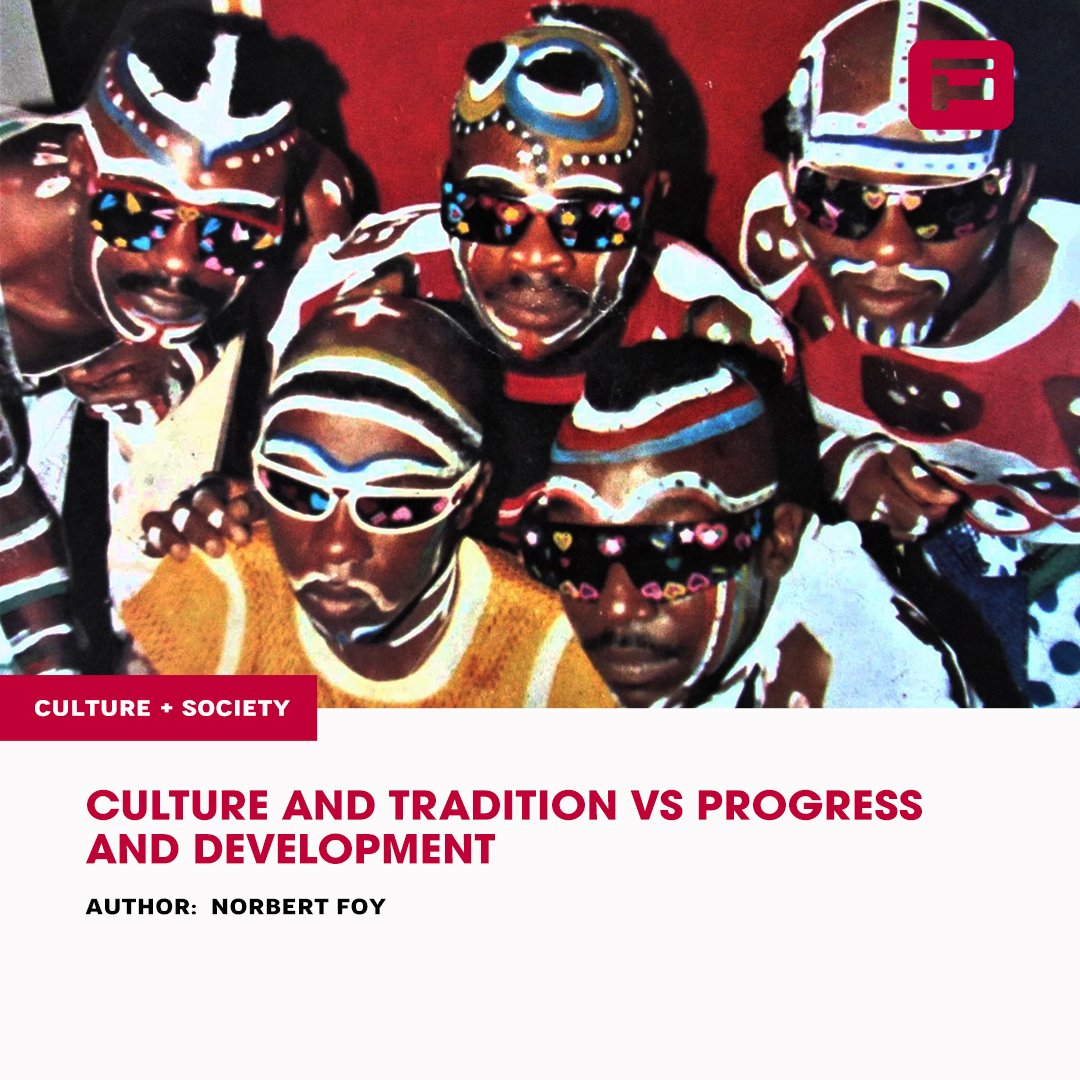
There was a time when Bikutsi artists did not like the makossa artists - accusing them of abandoning their roots in favor of mainstream success? Bikutsi through Les Têtes Brulées remains the most popular form of Cameroonian music as recognized worldwide. The style and content of the music is rooted in the tradition of the Beti people - a tradition that many Cameroonians do not relate to. Les Têtes Brulées accompanied the Indomitable lions in both history making performances at the World Cup in 1990 and 1994 - that helped propel them to the heights they reached and that is how they became the poster boys for Cameroonian music. It is important to note that at first, locally, many did not like their mellow, almost easy listening-styled bikutsi.
They were not necessarily the actual representation of the music that was being produced in Cameroon at the time. We cannot therefore take global reach and popularity to mean what they did should be the aspiration of every Cameroonian musician. I remember Stanley saying he switched to Afropop because Hip Hop does not sell in Africa. I kind of understand him but his career is all thanks to a Hip Hop song. Hein Pere is still his only Song that he can use to remind everyone of how big he is in the country. It is his only song that almost everyone will sing to.
To finally conclude. Let people do the music they want. Listen to music to enjoy first and not to criticize.