
Society & Culture
Beyond the Ten Careers: A Taxonomy of Work in Contemporary Africa
The post maps five economic sectors—primary (extraction), secondary (manufacturing), tertiary (services), quaternary (knowledge), and quinary (leadership)—as a framework for understanding the breadth of professional possibility available to African millennials and Gen Z. It grounds each sector in African realities and current global demand, offering concrete career pathways where the traditional gatekeeping of visibility and vocabulary no longer applies.
The Marriage Spectacle and the Defense It Teaches
A meditation on how public discourse around high-profile marital collapse—specifically the Edoho case—transmits destructive defensive postures to younger people forming their own views of partnership. The piece argues that the spectacle teaches both men and women to enter marriage as strategic positioning rather than mutual construction.

Protection and the Postponement of Growth
A reflection on how well-intentioned parental protection can inadvertently delay the development of essential life skills—communication, assertiveness, emotional awareness—by replacing trial and error with restriction. The writer traces how this safety-first approach creates compliance rather than confidence, and traces her own journey toward reclaiming agency in adulthood.
Generational Layers: A Western Taxonomy and a Cameroon Question
The post surveys the standard Western generational framework—from the Silent Generation through Generation Alpha—as a lens for understanding how shared historical events and technologies shape collective identity. It closes with an explicit acknowledgment that this taxonomy is culturally situated and calls for Cameroonian scholars to develop localized accounts of generational formation.
Part III: Things Only a Cameroonian Will Understand
The writer catalogs seventeen Cameroonian phrases and behavioral codes that reveal a society structured on navigational intelligence, relational networks, and pragmatic acceptance rather than formal rules or individual achievement. Each phrase is glossed as evidence of how Cameroonians move through contradiction, manage social hierarchy, and survive by knowing when to speak, when to bend, and when to defer.
Seventeen Phrases Only a Cameroonian Will Understand
This essay assembles seventeen colloquial and code-switched expressions that encode the unwritten rules of Cameroon—phrases that teach adaptive intelligence, navigational pragmatism, and survival within systems marked by bureaucratic opacity and relational hierarchy. Together, they form a compressed manual for how to move through the country not by fighting its contradictions, but by translating them.
Things Only a Cameroonian Will Understand: Part II
The writer examines ten Cameroonian social expressions and proverbs—from comparative optimism to bureaucratic circumspection—as coded languages that govern ambition, patience, and survival within hierarchical systems. These phrases reveal how Cameroonians navigate constraint through linguistic sophistication rather than direct confrontation.
Things Only a Cameroon Will Understand
A humorous taxonomy of Cameroonian phrases and attitudes—'Le Cameroun c'est le Cameroun,' 'Man go do how?,' 'Si on t'explique le Cameroun'—that encode adaptive intelligence, institutional realism, and the psychological survival strategies required to navigate a country where systems are opaque and outcomes unpredictable. The piece frames these not as cynicism but as earned wisdom, folk philosophy expressed through resignation and creativity.
Ambition in National Dress: On Influencers, AFCON, and the Language of Marginalization
The writer examines a controversy over Anglophone content creators allegedly excluded from FECAFOOT's AFCON promotional campaign, arguing that the ensuing debate conflates personal ambition with national duty and mistakes popularity for leverage. Rather than address systemic exclusion, the discourse reduces itself to questions of individual selection and visibility.

On Support and What We Mistake for It
The piece examines the recurring complaint that Cameroonians do not support each other, particularly in creative industries, by sorting the complaint into three groups and arguing that the real problem is a mutual misunderstanding of what support actually means. It contends that support requires both generous reception of early effort and realistic self-assessment from creators, and that much of the perceived lack of support stems from looking for validation in the wrong places.
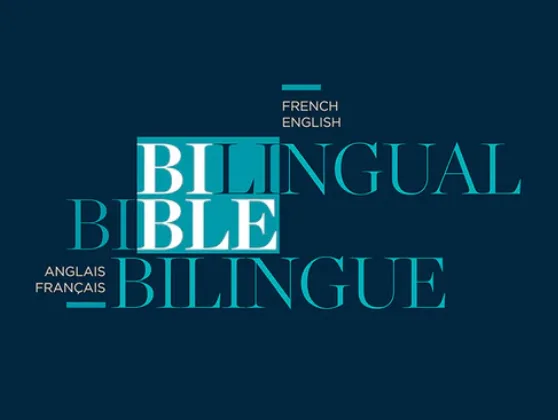
Bilingualism as Mirror: A Reflection on National Character
The writer challenges Cameroonians' tendency to blame bilingualism for social discord, arguing instead that resistance to language learning reveals personal laziness and entitlement rather than any inherent flaw in the policy itself. Bilingualism, the piece contends, is not a burden imposed but an opportunity for individual and collective growth that remains largely squandered.

For Better or Worse: On Marriage, Vows, and the Limits of Unconditional Commitment
The writer reflects on the marriage vow—particularly the phrase 'for better or worse'—and argues that while couples should weather life's circumstances together, they should not be bound to tolerate a partner's deteriorating character or toxic behavior. The piece challenges the assumption that marriage vows create an unconditional obligation to endure harm.

Hide My I.D.: When Confession Becomes Entertainment
This essay examines the transformation of anonymous advice platforms—spaces initially meant for vulnerable people to seek help without shame—into vehicles for public spectacle and trolling. The writer argues that what began as a genuine support mechanism has devolved into a form of social entertainment, where audiences consume others' suffering rather than genuinely engage with solutions.

The World's Discomfort with African Pride
Following Francis Ngannou's boxing loss to Tyson Fury, the writer reflects on the double standard applied to Black athletes—particularly African ones—when they assert confidence or pride. The piece argues that Ngannou's real victory lies not in the ring but in his journey from poverty to global prominence, and that his dignity transcends any single fight.

Greatness Against Hype: Apprenticeship and Depth in African Enterprise
The writer reflects on the gap between online self-presentation and actual competence in African business, arguing that true mastery requires patient, sustained apprenticeship rather than rapid reinvention or pursuit of visibility. Drawing on personal experience across tech and finance, he contends that depth of knowledge—earned through close study of exemplary practitioners—remains undervalued in an age of manufactured credentials and hype.

Typecasting and the Impoverishment of Cameroonian Cinema
Typecasting—the practice of repeatedly casting actors in similar roles—constrains both individual talent and the film industry's creative range. The essay argues that this limitation is particularly acute in Cameroon, where a thin market for scripts and a consolidation of producer-actors narrows the stories told and perpetuates harmful stereotypes.
Six Cameroon Types: A Taxonomy of Power, Aspiration, and Survival
The writer sketches six distinct social archetypes within Cameroon—from the privileged beneficiaries of state patronage to the disenfranchised survivors—each with a different relationship to power, money, mobility, and hope. The framework maps not individuals but patterns of thinking and behavior that emerge from systemic inequality and limited mobility.
We Have an Influencer Problem
The writer examines the degraded state of influence and celebrity in Cameroon, where the term 'influencer' has been stretched to encompass everyone from scammers and gossip-peddlers to those trading in leaked intimate content. The essay argues that this hollowed-out ecosystem serves a regime's interest in pacifying youth while obscuring whether its participants are victims of systemic failure or willing perpetrators of emptiness.
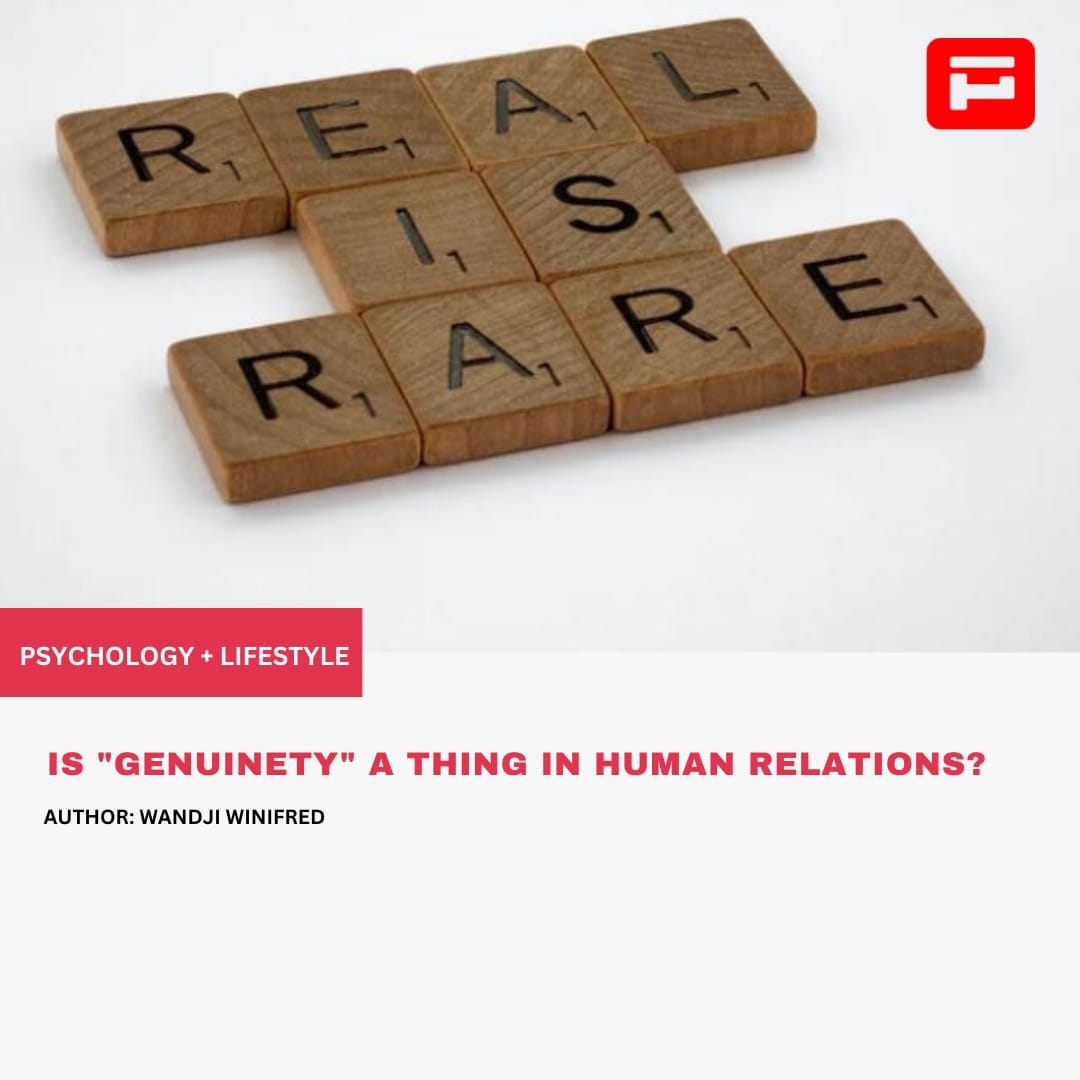
On Genuinety in Human Relations
The writer explores whether truly genuine human relationships—free from pretense, hypocrisy, and ulterior motive—are possible in a world where all action is driven by personal interest. Drawing on psychology and lived experience, the piece argues that while pure genuinety may be illusory, awareness of human motivation is essential to navigating relationships wisely.

See the Bigger Picture: Action, Consequence, and the Calculated Life
A meditation on how individual actions ripple outward into larger consequences, using a public incident involving footballer Samuel Eto'o to argue that success requires seeing beyond the immediate moment. The writer urges readers to calculate outcomes, understand their position in society, and recognize that life rewards intentional choices over reactive ones.
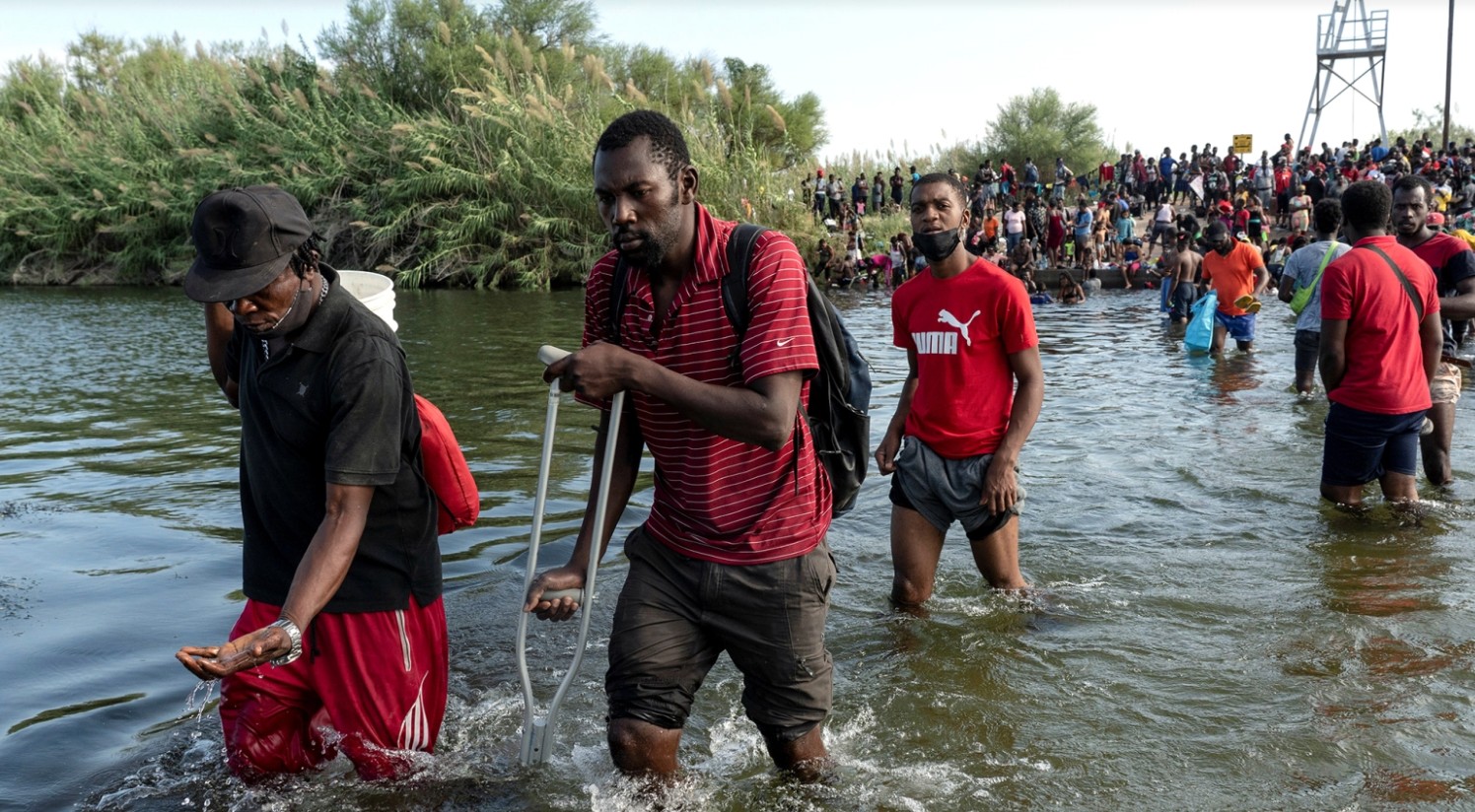
The Movie Nobody Wants to Make: On Migration, Desperation, and Failed States
The writer reflects on the desperate journeys many Africans—including Cameroonians—undertake to reach the United States via Mexico and the Amazon, risking their lives and those of their children. Rather than romance or denial, the piece acknowledges the genuine material advantage of life abroad while assigning moral responsibility to African leaders whose governance failures drive such migrations.
Cultural Distress and the Machinery of Consumerism
The writer distinguishes between genuine hardship and manufactured cultural distress—the invented shame and anxiety that marketing and politics deliberately cultivate to drive consumption. This distress, rooted in social comparison and fear of inadequacy, is deliberately amplified because selling easy avoidance of it is profitable, yet the cycle never resolves.
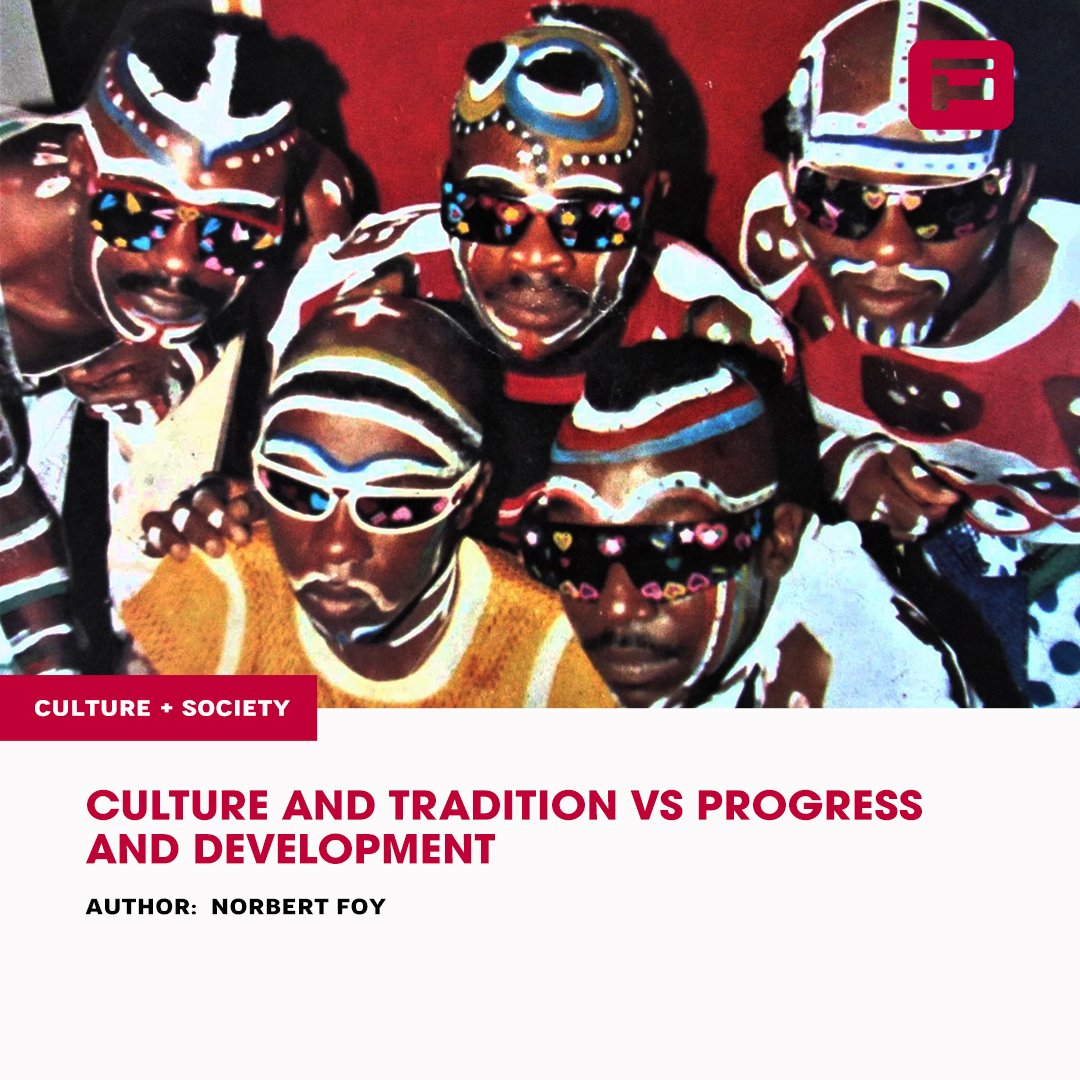
Culture and Tradition: On What It Means to Be Cameroonian
The writer examines the false opposition between cultural preservation and artistic innovation in Cameroon, arguing that culture is a living force shaped by its moment, not a fixed monument to the past. Through examples in music, language, and tradition, the piece challenges the gatekeeping that insists Cameroonian artists must perform Cameroonianness in prescribed ways to be considered authentic.
The Water Theory: Excellence as Anglophone Leverage
The writer argues that Anglophones in Cameroon seeking to overcome marginalization should focus on building excellence and competitive advantage in spaces beyond government control—health, education, private enterprise, and the arts—rather than waiting for institutional inclusion. Excellence, the argument goes, becomes its own form of leverage and visibility.

The Power of Small Acts: Tunde Onakoya and the Chess in Slums Movement
The writer celebrates Tunde Onakoya's Chess in Slums initiative in Lagos, which has transformed over 500 children from informal settlements through chess instruction and mentorship. The piece uses Onakoya's journey—from a single chessboard under Oshodi Underbridge to international recognition and measurable life outcomes—to argue that meaningful social change begins with small, persistent actions rather than grand gestures.

The Embiid Choice: Governance, Loyalty, and the Economics of Representation
When NBA star Joel Embiid moved to obtain French nationality for international basketball competition, Cameroonians responded with anger rooted in historical grievance and wounded pride. The writer examines both the rational constraints—financial and institutional—that may have guided his decision, and the legitimate frustration of a nation whose young talents consistently leave for more resourced systems.
The Delusion About Big Brother Cameroon: Why Celebrity Cannot Be Manufactured Here
The writer challenges the widespread assumption that Cameroon's entertainment ecosystem can replicate Nigeria's Big Brother success stories, arguing that even in Nigeria most housemates fade into obscurity, and Cameroon's smaller market, lower consumer spending, and regional audience limitations make sustainable stardom from the show nearly impossible.

On the Ridiculous Need to Exploit Virality
The writer critiques the impulse to manufacture permanent internet fame from fleeting viral moments, examining how social media culture in Cameroon pursues and monetizes ordinary people who experience sudden online attention. The piece questions what drives this cycle of commodification and where it leads.
Auntie Felicia Gets the Last Laugh: Kwoh Elonge and the Comedy Reckoning
Poise celebrates Kwoh Elonge's pivot from critic of Cameroonian comedy to practitioner, framing his success as vindication of principled criticism and a turning point for the local entertainment sector. The piece reflects on the community's defensive response to outside scrutiny and the rare figure willing to back words with action.
The Strength of Weak Ties: Why Acquaintances Matter More Than We Admit
This essay challenges the popular cultural tendency to cultivate only a tight circle of close friends, arguing instead that weak ties—acquaintances, distant former colleagues, and casual connections—are far more valuable for personal growth and opportunity. Drawing on sociological observation and lived experience, the writer shows how weak ties serve as bridges to new information, networks, and ideas that strong ties cannot provide.

The Cycle of Violence: From Classroom to Nation
The writer examines a viral video of a teacher brutally beating a student, tracing it to deeper patterns of inherited violence in Cameroonian society—from schoolyard beatings to documented abuses in conflict zones. The piece asks why such cruelty persists and where accountability begins.

The Weight of Sacred Cloth: On Cultural Guardianship in a Flattened World
A reflection on a moment when musician Wax Dey challenged the appropriation of a Ndop blanket—a textile carrying deep ceremonial and hierarchical significance in Cameroonian tradition—by a foreign man. The piece moves from the backlash Wax faced to a meditation on cultural erosion, collective amnesia, and why defending such symbols matters.

Patriotism as Distraction: The Mimi Fawaz Incident and Cameroon's Defensive Culture
A writer examines the swift, vitriolic public response to a Nigerian journalist's casual tweet about a mosquito in her hotel room during AFCON, arguing that the outrage reveals a deeper pattern of performative patriotism that shields bad governance from accountability.

On Being Cameroonian Enough: Cultural Gatekeeping and the Cost of Conformity
The writer examines the rigid expectations placed on Cameroonian artists and public figures to perform a narrow, prescribed version of 'Cameroonianness'—pidgin speech, local references, a certain aesthetic—and argues that this gatekeeping conflates culture with kitsch and stifles both individual expression and national competitiveness.

The Stories We Tell: Why Cameroon Needs Its Own Heroes
The writer argues that identity and aspiration are shaped not by events themselves but by the narratives we construct around them. Cameroon's youth, lacking locally rooted stories of excellence—teachers, doctors, engineers, entrepreneurs, and public servants—default to distant Western role models or absorb narratives of corruption and failure.
Facebook Programming and the Future of Our Society
The writer examines how social media, particularly Facebook, shapes public discourse in Cameroon by amplifying shock value over nuance, and how marketing logic—designed to capture engagement through virality—has colonised our collective sense of reality. The result is a society operating on misinformation and outrage rather than informed deliberation.
The Tyranny of Conformity: On What It Means to Be Cameroonian
The writer examines how narrow, prescriptive ideas of 'Cameroonian authenticity'—rooted in language, musical style, and cultural markers—suppress artistic expression and individuality. Drawing on personal experience and observations of local music scenes, the piece argues that Cameroon's culture of conformity pressures artists to perform identity rather than explore it.

On Authenticity and the Unbending Measure of Cameroonian Identity
The writer examines a pervasive social habit in Cameroon: the policing of artistic and personal expression against an unspoken standard of "Cameroonian-ness." Drawing on experiences in music and popular culture, the piece argues that this gatekeeping—rooted in anxiety about cultural preservation—actually stifles growth and mirrors the country's deeper failure to compete globally.

The Danger of Unasked-For Help: Public Intervention and What People Really Need
Poise examines the gap between what we assume people need and what they actually want, using two Cameroonian cases—a girl publicly gifted material items after a public humiliation, and Brown Popsy, a reality-TV contestant offered life-changing opportunities he never asked for. The piece argues that well-intentioned public rescue can create pressure, dependence, and deeper confusion rather than genuine aid.

The Indecency of Social Affection: On Children as Brands
The writer examines the trend of parents creating Instagram accounts for toddlers, questioning whether the practice stems from genuine documentation or parental hunger for social validation. The post distinguishes between legitimate child modelling—governed by safeguards—and the uncontrolled exposure of infants to digital platforms driven by addiction to likes and followers.
On Celebrity Events and the Illusion of Networking
The writer examines the June 2021 visit of Cameroonian celebrity Dencia and guest Blac Chyna, questioning whether the high-ticket event truly offers networking value to ordinary Cameroonians. Through sharp analysis of celebrity gatherings, the piece argues that meaningful professional exchange rarely happens at such functions, and that real opportunity lies elsewhere.
On Women's Complicity: A Call to Reckoning
The writer argues that women bear significant responsibility for their own social circumstances, not only men, pointing to how mothers have historically enforced violence, silenced victims, and perpetuated cycles of harm within families. The piece calls for women to move beyond victimhood narratives, acknowledge their agency in these systems, and rebuild through self-reflection, integrity, and mutual support.
A Letter to Cameroonian and African Men
A young woman confronts the contradiction between the idealized image of the African man as protector and the reality of contemporary masculinity she observes—one that reduces women to wife-material categories, demands their submission, and offers no reciprocal regard for their wellbeing or autonomy.
Women and the Evolutionary World: On Progress, Recognition, and Future Leadership
A celebratory essay tracing women's gradual emergence from domestic confinement into visible leadership across politics, arts, and music. The writer argues that recognizing women's historical exclusion and current contributions is essential to building a sustainable future.
Multi-Dating as Honest Negotiation: Rethinking Modern Romance
The writer proposes open multi-dating—simultaneously dating multiple partners with full consent and transparency—as a corrective to the serial heartbreak, infidelity, and deception that characterizes many modern relationships. Rather than a justification for promiscuity, the argument frames it as a deliberate audition process for finding genuine compatibility, grounded in radical honesty about intentions and desires.
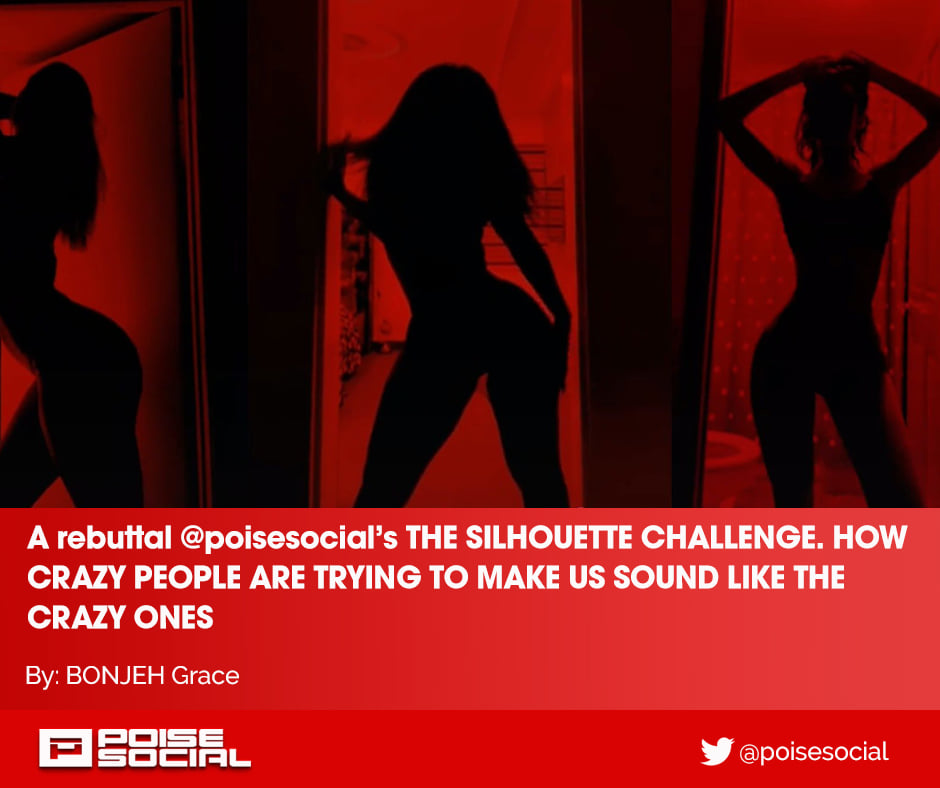
The Silhouette Challenge and the Right to Define One's Own Sexuality
A rebuttal to Poise's earlier critique of the silhouette challenge, arguing that the practice represents women's assertion of sexual autonomy and freedom from historically imposed shame and control, rather than a lapse in judgment requiring male protection.
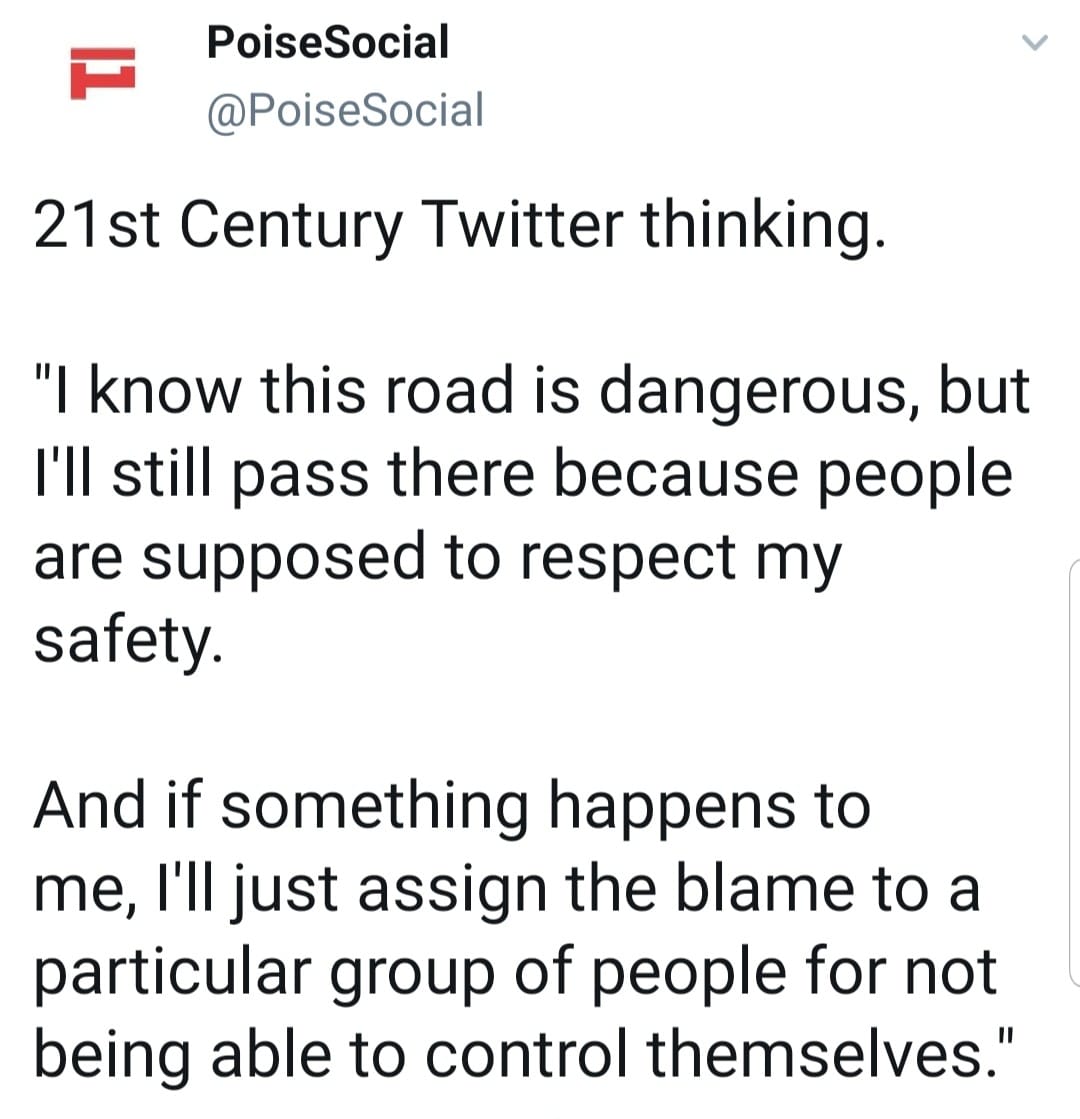
The Silhouette Challenge and the Rhetoric of Empowerment
A critical examination of the viral Silhouette Challenge, questioning the gap between claims of empowerment and the actual motivations—and risks—of sharing intimate content online. The writer argues that attributing participation to feminism or body autonomy obscures what he sees as vanity-driven behavior and a failure of personal responsibility.
Colonialism, Identity, and the Question of How We Move Forward
The writer examines how colonialism fractured Cameroon's precolonial structures and forced a dependence that persists today, leaving Africans caught between romanticizing the past and grappling with present reality. Rather than seeking to reverse history, the piece argues for forward-looking unity—whether through a federal Cameroon or a broader African federation—as the only pragmatic path to collective power.
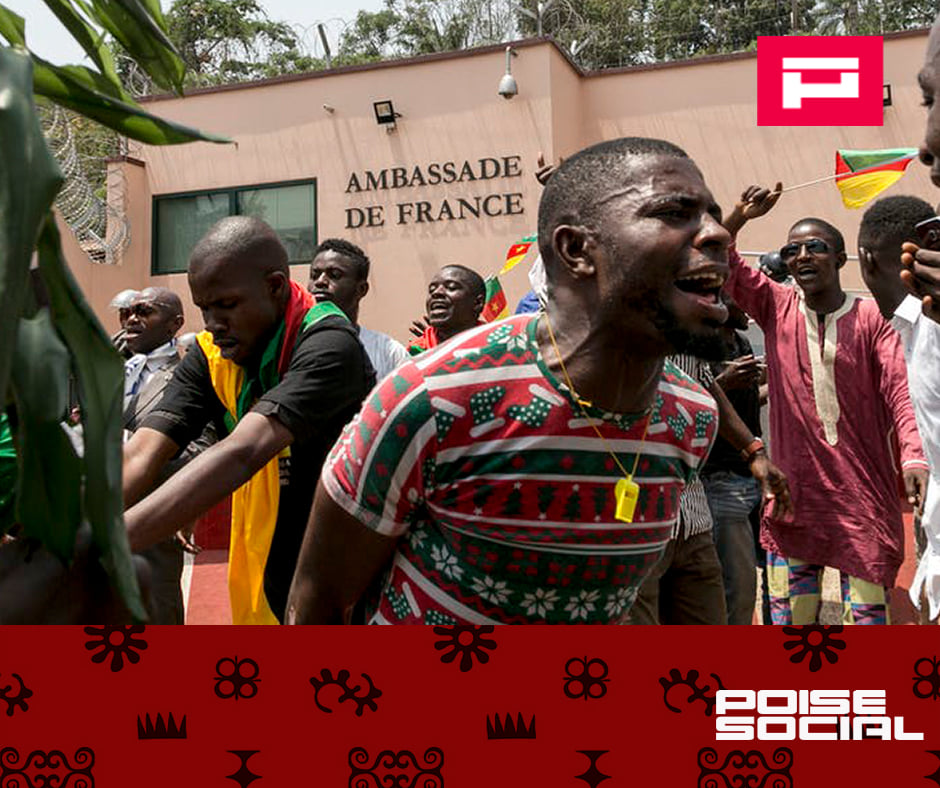
When Hashtags Don't Do the Job
A reflection on the gap between public outcry and meaningful action in Cameroon, examining why celebrities and citizens fail to effect real change despite widespread discontent. The writer recounts a delegation meeting with the Minister of Arts and Culture, exposing how institutional power captures co-opt potential resistance, and argues that hashtag activism and street protests have proven ineffective.
The Dress Code Debate: Beyond Marketplace Arguments About Rape Prevention
The writer interrogates the oversimplified claim that clothing causes rape, arguing instead that rape is perpetrated by a spectrum of offenders with different motivations and methods. Rather than dismissing prevention measures entirely, the piece calls for a more nuanced conversation that acknowledges both the false premise of dress codes and the legitimate complexity of sexual violence.
Wax Dey and the Ndop: On Cultural Literacy in a Global Age
The writer reflects on a social media dispute over a non-Cameroonian's misuse of sacred Ndop cloth, arguing that dismissals of the offense reveal a deeper cultural amnesia among Cameroonians themselves. The piece traces how colonial erasure and commercial democratization have severed many from the knowledge of their own textile traditions and their hierarchical, ceremonial significance.
The Six Cantons of Douala: A Guide to Tribal Stratification and Urban Geography
This post maps the internal administrative and territorial organization of the Douala people, cataloguing the six cantons and their constituent villages that now form neighbourhoods within the modern city. It serves as a factual reference for understanding how historical clan and village structures persist within urban space.

The Present as the Measure: Why Cameroonians Must Stop Living in Yesterday
The writer argues that Cameroonians—and Africans broadly—are chronically oriented toward either a mythologized past (independence-era prosperity, Makossa's continental reach) or an idealized future (Wakanda-inflected visions of return to glory). Real change, the writer contends, happens in the present moment, through daily decisions and accountability that cannot be deferred to political upheaval or generational redemption.
DJ Arafat and the Power of Youth to Transform Nations
A reflection on DJ Arafat's role as architect and keeper of the coupé-décalé movement—a Ivorian music genre that became a vehicle for post-conflict youth identity and continental cultural reinvention. The writer traces how Arafat's gift for reinvention kept him relevant across two decades while his peers faded, and argues that his passing marks the end of coupé-décalé's creative golden age.
The Women of Bikutsi: Sexual Perversion or Sexual Liberation?
The writer examines Bikutsi music—particularly K-Tino's explicitly sexual lyrics—as a form of sexual liberation rather than mere perversion. Through personal reflection on discovering the genre's boldness and its treatment by society, the piece argues that the music represents women claiming vocal agency over their own desire and pleasure, even as patriarchal norms punish female artists far more harshly than their male counterparts.
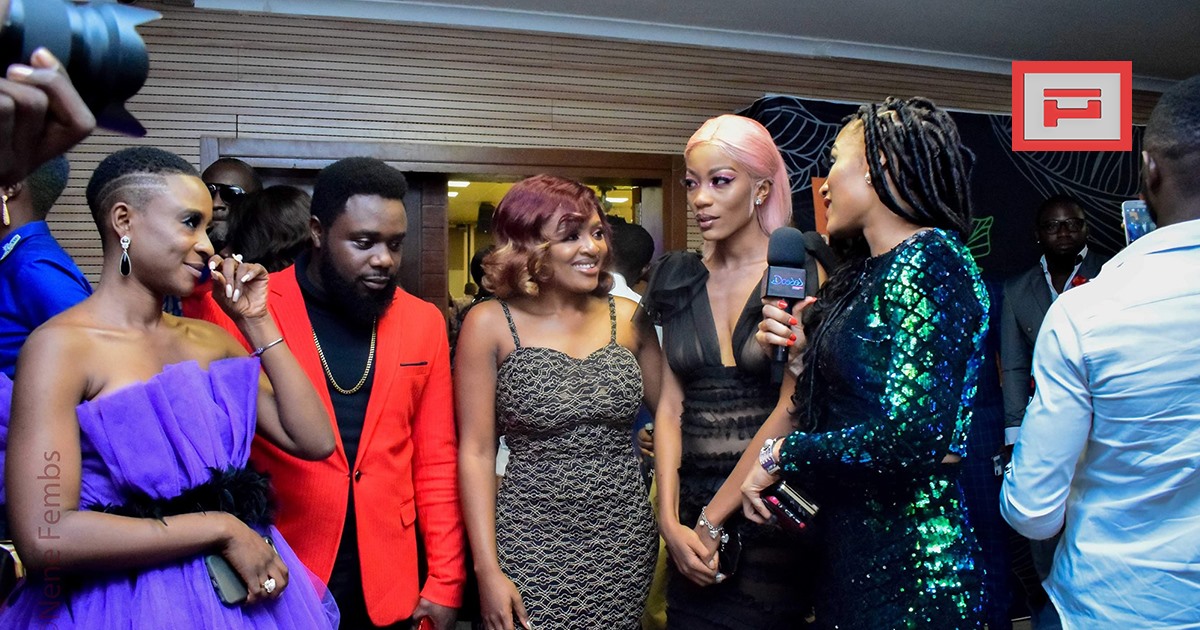
Nobody Wants You to Be Like Nigerians
The writer reflects on why Cameroonians often look to Nigeria as a model while resisting accountability at home. Drawing on examples from events, commerce, and professional partnerships, the piece argues that Cameroon's real obstacle is not comparison to other nations but the reluctance to apply basic standards of professionalism and diligence to one's own work.
100% Jeune, 100% Accolades Merited
A reflection on the role of 100% Jeune magazine in shaping sexual health literacy for a generation of Cameroonians, contrasted against the silence and taboo that surrounded sex education in the writer's own upbringing. The piece argues that as that generation becomes parents, breaking inherited silence on sex and sexuality becomes both possible and necessary.
Poverty Porn and Urban Music in Cameroon
The writer examines the prevalence of manufactured hardship narratives in contemporary urban music across West Africa and Cameroon—artists from privileged backgrounds invoking poverty, struggle, and 'ghetto' credentials as a genre convention borrowed uncritically from hip-hop's authentic roots.

On Pan-Africanism and Cultural Boundaries
The writer defends a Cameroonian brand's adoption of a Nigerian Yoruba term, arguing that cultural exchange strengthens rather than weakens Africa. She positions the controversy as a test of whether continental unity is a genuine aspiration or merely rhetoric obscuring deeper tribalism.
The Attention Economy and the Collapse of Genuine Discourse
The writer examines how accusations of
A Black Man Between Victim and Perpetrator
The writer reflects on the contradictory position of being a Black man in a world that casts him simultaneously as vulnerable to systemic violence and capable of inflicting it. Drawing on two news events from May 2020, he traces how childhood conditioning toward white superiority, adult disillusionment, and accumulated historical anger have left him without a clear path forward.
The Crossroad of Expectation: On Marriage, Nostalgia, and the Millennial Woman
A reflection on the generational collision reshaping marriage and partnership in Cameroon, where millennial women—educated, independent, and career-driven—encounter men shaped by nostalgic visions of their mothers' domestic roles. The piece asks whether the 90s generation can adapt to new relational possibilities or will remain trapped between incompatible ideals.
The Boy Child and the Cycle of Violence: Why Rape Prevention Requires Looking at Male Vulnerability
The writer argues that while advocacy for the girl child is necessary and important, a parallel neglect of the boy child—particularly vulnerable boys in poverty, conflict, and street life—has created a generation of men shaped by victimhood and deprivation. Real prevention of sexual violence, the piece contends, requires understanding the conditions that produce perpetrators, not only protecting targets.
Daughters, Ambition, and the Cost of Conditional Futures
The writer reflects on how gendered expectations—particularly the assumption that women will subordinate careers to family—shape girls' aspirations from childhood onward. Drawing on personal experience and family observation, the piece asks whether societies are truly enabling daughters to dream freely, or subtly steering them toward self-imposed limits.
Maahlox and Trash Talk Diplomacy: When Platform Becomes Provocation
A critical reflection on a Cameroonian musician's inflammatory social media remarks about a fellow public figure, examining the gap between his platform's occasional utility and his habitual resort to crude, sexist speech. The piece questions whether this 'trash talk diplomacy' has crossed from edgy brand into simple disrespect.
I Have Epilepsy, But It Is Not My Social Identity
A medical professional and epilepsy advocate examines the gap between the neurological reality of epilepsy and the social stigma that surrounds it in Africa, where the condition is widely attributed to witchcraft, demonic possession, or curses rather than understood as a treatable brain disorder. The piece centers on how this stigma—particularly acute for women—becomes a social identity imposed from outside, with profound psychological and material consequences.
Is Lamnso Going to Create the Next Big Cameroonian Music Wave?
The writer surveys five emerging genres of Lamnso-language music—Afropop, Traditional, Hip-Hop, Afro-Folk, and Afro-Alternative—and argues that the musicality and tonality of Lamnso, combined with growing public reception, suggests the North-West region may be on the verge of a significant cultural moment in Cameroonian music.
Le Syndrome du Call-Box: On Imitation and the Limits of Cameroon's Creative Ambition
The writer reflects on Cameroon's propensity to replicate successful ventures without innovation—from twerking livestreams to entertainment blogs to rival music factions—tracing this pattern to what he calls 'Le Syndrome du call-box,' a mentality that limits both business models and imagination.
Chili Wawaye: A Nso Heritage to Be Celebrated
A reflection on the musician Chili Wawaye and her role as a custodian of Nso cultural heritage through music deeply rooted in Lamnso language and traditional Grassfields instrumentation. The writer celebrates her artistry while lamenting the marginalization of traditional ethnic musicians in favor of pop and urban genres.
Beyond Money: The Architecture of Cultural Capital
The writer examines Pierre Bourdieu's theory of capital—economic, social, cultural, and symbolic—to argue that cultural capital (valued knowledge, credentials, and embodied style) may matter more than money for long-term advantage. The internet, by lowering institutional gatekeeping, is democratizing access to cultural capital and rewarding work and creativity more directly than legacy systems ever did.
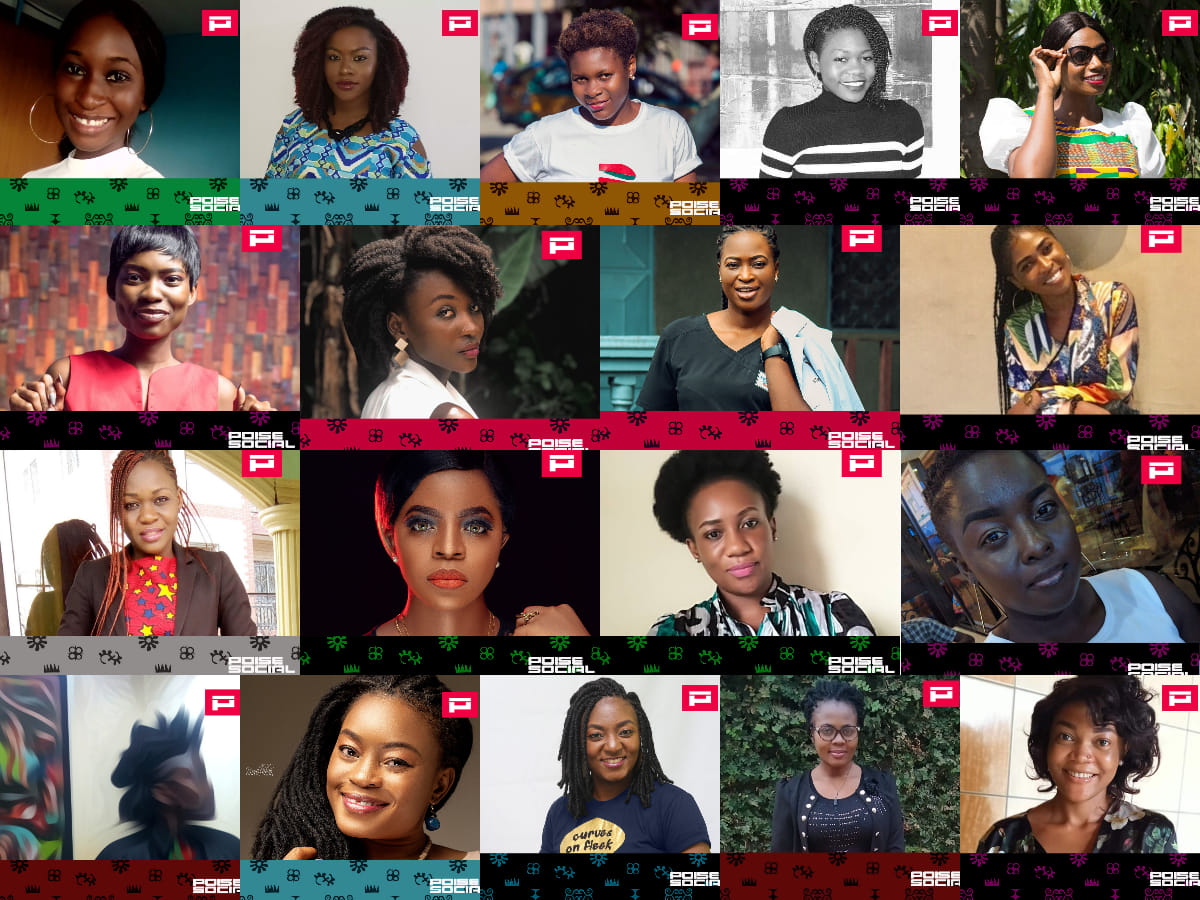
Thank You to All the Poise Ladies
In March 2020, Poise celebrated its female contributors in a special themed month, and the response exceeded expectations—nearly daily publications showcasing writing on diverse topics from relationships and business to research and personal reflection. The founders reflect on what this outpouring of trust and participation reveals about the platform they have spent three years building.
Thirty Going Twenty, or Eighty Five: Purpose as the Measure of a Life
A reflective essay on the gap between societal timelines for marriage and the deeper question of personal purpose. The writer traces her own journey—from ending a promising relationship over differing marriage timelines a decade earlier to arriving at 30 unmarried but increasingly clear about what she actually seeks in partnership.
When Decency Became a Judgment
The writer reflects on how social media shaming around women's clothing choices has become reflexive and counterproductive. Rather than reforming behavior, public condemnation—rooted in older village norms around modesty—reveals more about the judges than the judged.
Okep: The Manyu Herb That Sustains and Sanctifies
This essay explores okep, a traditional enema practice central to Manyu and Bayangi culture in Cameroon, administered across the lifespan from newborns to adults for health, fertility, and spiritual cleansing. Through personal family narrative, the writer examines how these herbal remedies—passed orally across generations without formal medical training—serve simultaneously as medicine, ritual, and economic resource.
Woman, Choose Yourself First
A Cameroonian woman interrogates the gendered conditioning that teaches girls to perform femininity and domestic competence for male approval, rather than for themselves. The writer argues that women's self-love and autonomy—in education, ambition, appearance, and life choices—are not threats but necessities, and that societal pressure to prioritize men's comfort over women's flourishing is both unjust and self-defeating.
The Invisible Strength: Single Motherhood in Contemporary Cameroon
A frank, unflinching account of the realities of single motherhood—the abandonment, the financial strain, the social stigma—and a quiet insistence that despite these hardships, a single mother can build a fulfilled life. The writer speaks from lived knowledge, offering practical and emotional counsel to women navigating this path alone.
Internalized Patriarchy: Women as Its Custodians
This piece examines how patriarchy persists not through male coercion alone, but through women who have internalized sexist norms and pass them to others—mothers who enforce shame around menstruation and sexuality, aunts who blame female victims, and communities that subordinate women's ambitions to marriage prospects. The writer argues that these internalized beliefs, absorbed from childhood, have become so normalized that women mistake compulsion for choice.
On Beauty Pageants and the Cost of Comparison
The writer argues that beauty pageants, particularly Miss Cameroon, enforce narrow and exclusionary standards of feminine appearance while undermining women's intellectual worth. Through personal reflection on her own relationship with these competitions, she contends that such contests damage women's self-regard and perpetuate harmful beauty hierarchies.
Do We Really Make It Easier for Women?
The writer reflects on how social and cultural pressure undermine formal equality for women, tracing this pattern through a formative school experience where girls choosing a technical subject over domestic science faced institutional shaming and deliberate humiliation. The piece asks whether laws and slogans can override the deeper, unspoken consensus that women belong in prescribed roles.
Woman: The Beautiful Mystery
A celebratory portrait of womanhood that moves beyond the stereotype of female complexity to honor the multifaceted strength, generosity, and resilience women embody. The writer traces the arc from perceived contradiction—the moods, the drama, the skepticism—to revelation: that women are simultaneously nurturing and formidable, intuitive and wise, self-sacrificing yet unbreakable.
The Mummy-Nanny Compact: Professionalism, Boundaries, and Care
A reflection on the fraught emotional terrain of the employer-caregiver relationship in the home, arguing that professionalism—clear contracts, regular communication, and realistic boundaries—paradoxically deepens rather than diminishes care. The writer draws on personal experience with multiple failed arrangements to outline three practices that serve both mother and nanny.

The Conformity Tax: Why Cameroon Dismisses Its Own Innovators
The writer examines how Cameroon's rigid expectations of cultural authenticity—what it means to 'sound' or 'be' Cameroonian—drives away talented artists and thinkers who work outside narrow aesthetic and linguistic boundaries. Through personal experience and observation of local music and media, the piece argues that this gatekeeping disguises itself as cultural preservation but actually stifles excellence and global competitiveness.
The Trap of Perpetual Beauty Standards
A personal reckoning with the impossibility of keeping pace with shifting beauty ideals—from childhood messaging about 'correct' features, through the adoption of cosmetics as armor, to a hard-won understanding that validation through appearance is a drug without a cure. The writer traces how beauty standards are both universal human psychology and manufactured cruelty, and asks what remains of us when appearance inevitably fails.
Feminism and Proof: On Building Beyond Gatekeepers
The writer reflects on his experience facing racial dismissal from a U.S. sociology professor, using it to critique what he calls 'feminism of entitlement'—the notion that progress comes primarily through complaint and representation in elite spaces rather than through demonstrated competence. He argues that sustainable change comes when women (and marginalized groups broadly) build undeniable skill and visibility in all fields, not merely the highest positions.
The Bystander Effect: Why We Hesitate to Help in Emergencies
This analytical piece examines the psychological and social mechanisms that prevent onlookers from offering assistance during emergencies—from diffusion of responsibility and social influence to cultural conditioning and perceived danger. The writer presents six key factors that explain bystander apathy, then offers practical strategies for both victims and witnesses to overcome these paralysing dynamics.
The Arithmetic of Ascent: On Friendship and Economic Mobility
A narrative essay examining how economic fortune reshapes friendship, tracing the arc of two men whose bond survives job loss but fractures upon recovery. Through a third figure—the steadfast old friend who appears only when crisis demands—the writer interrogates the uncomfortable truth that proximity and reciprocal gain often matter more than loyalty or gratitude.
Sexual Education in the Pentecostal Household: Eleven Seconds and a Magazine
A writer reflects on the poverty of sex education in his own upbringing—a breathless eleven-second warning from his mother—and credits the magazine 100% Jeune with filling the gap for his entire generation. He argues that while the magazine's role was vital then, today's teenagers face vastly different media landscapes and deserve equally earnest, ongoing conversations from the adults around them.
Jessyka Fon and the Illusion of Luxury
A reflection on a Cameroonian actress's refreshingly honest social media post about her red-carpet look, in which she disclosed the modest costs and thrifted sources of her outfit. The piece celebrates her candor as a quiet act of resistance against the pressure to perform wealth and exclusivity online.
Dear Mama: There's More to Your Daughter Than Meets the Male Gaze
A letter from daughter to mother reflecting on the care and intention behind maternal guidance, while questioning the limiting framework that reduces a woman's value to her utility as a wife. The writer traces how the maxim 'Men want assets not liabilities' echoes through family, church, media, and popular culture—and gently pushes back against its narrowness.
Virginity and the Hymen: Separating Fact from Cameroon's Cultural Mythology
This essay dismantles the widespread Cameroonian belief that bleeding during first intercourse proves virginity, drawing on anatomical fact to show that the hymen's state reveals nothing reliable about sexual history. The writer argues that subjecting women to virginity tests based on this misconception is both medically unfounded and ethically indefensible.
Am I My Sister's Keeper? On Doubt, Desire, and the Cost of Success
A reflective essay prompted by an overheard remark about a young woman's expensive car. The writer examines why Cameroonian society—particularly women—so readily attributes a young woman's visible success to sexual favor rather than her own effort, and asks whether this reflex is rooted in observable reality or in deeper anxieties about gender and economic power.
Cameroonians and the Subtle Art of Not Reading
The writer argues that Cameroon's cultural resistance to reading—rationalized as preference for brevity or entertainment—amounts to self-imposed marginalization that blocks access to the knowledge that drives individual and collective progress. Drawing on examples from billionaire entrepreneurs and historical figures, the piece insists that reading is not optional but foundational to human development.
Body Shaming and the Work of Self-Knowledge
A personal account of being body-shamed from childhood through adulthood in Cameroon, and the slow, deliberate work of recovering confidence in one's own body. The writer argues that society's narrow beauty standards—enforced by media, advertising, and casual cruelty—damage mental health and self-worth, and calls for a shift toward celebrating bodily diversity and fitness over weight loss.

Blaise B and the Case of the Dress Code
A writer observes the Saving Mbango film premiere—a carefully produced event with a stated dress code of 'native chic'—and critiques musician Blaise B for arriving in casual sportswear while other guests honored the request. The piece uses this moment to reflect on a broader pattern of rule-disregard in Cameroonian culture.
On Child Sexual Abuse, Silence, and the Role of Art
The writer examines the epidemic of child sexual abuse in Cameroonian society, prompted by X Maleya's graphically explicit music video addressing the subject—which TRACE Africa refused to broadcast. The piece argues that while the video's violence is difficult to witness, it serves a necessary function in breaking the silence that allows perpetrators to hide behind family reputation and institutional power.

The Trap of Beauty Standards and the Search for Authentic Self
A personal account of growing up under rigid beauty ideals, only to recognize their constant, exhausting mutability. The writer traces her journey from shame to acceptance, examining how societies weaponize appearance standards while acknowledging the real social costs of ignoring them.
The Mboko Gang: Herd Mentality and the Limits of Conviction
The writer examines the 'Mboko Gang'—a vocal faction organized around support for a particular African rapper—as a case study in social-media-driven groupthink, where repetition and fear of missing out calcify into unexamined belief. The piece distinguishes between thoughtful adherents and the loud, unreflective converts who weaponize consensus and coerce agreement.
Authenticity and the Stories We Tell: Why Cameroon's Cultural Signposts Matter
A reflection on a low-budget hotel advertisement in Yaoundé that, despite its technical shortcomings, succeeds by rooting itself in recognisable Cameroonian social archetypes—the bushfaller, the neighbourhood thug, and the young woman. The writer argues that this authenticity is precisely what makes it memorable and culturally generative.
The Toghu as Worldview: Reading the Grassfield Garment Beyond Decoration
The writer examines the Toghu, a traditional garment from Cameroon's Grassfields, not as mere decorated cloth but as a visual language encoding values and cosmology. Through analysis of three motifs—the spiderweb, the lizard, and the gong—the piece reveals how each symbol carries ethical and social meaning rooted in Grassfield philosophy and social order.
No Emotion: On Artist Pay, Corporate Logic, and Labor Power in Cameroon
The writer argues that outrage over low artist payments misdiagnoses the problem: corporations have no obligation to fund culture, artists lack collective bargaining power, and the real issue is structural inequality between local and international business partners. The solution is not better corporate charity but organized labor and ownership by artists themselves.
Mama Nguea and the Uncharted Path: What We Owe to Reflection
The writer reflects on the spectacle of aging Cameroonian musicians, particularly Mama Nguea, reduced to public appeals for medical aid—a cycle that raises questions not about charity itself, but about the systems, choices, and structural forces that leave cultural icons impoverished. Rather than assign blame, the piece asks what patterns emerge across generations and what lessons the present moment might extract.

The Millennial Marriage Paradox: Women's Evolution and Men's Nostalgia
The writer examines the generational collision between millennial women who have built independent careers and lives, and millennial men shaped by nostalgia for their mothers' domestic role. She argues that both genders have adapted to technological and social change, yet struggle to reimagine partnership when economic and professional realities demand new definitions of marriage and complementarity.

The Millennial Marriage Crossroads: Women's Independence and the Male Reckoning
A Cameroonian writer traces how the 90s generation—nostalgic for their parents' world of clear gender roles—now faces a different reality: women who are economically independent, professionally powerful, and unwilling to be silent partners. The piece argues that men must evolve to match the social transformation already underway, or millennial marriage will remain a site of friction rather than complementarity.
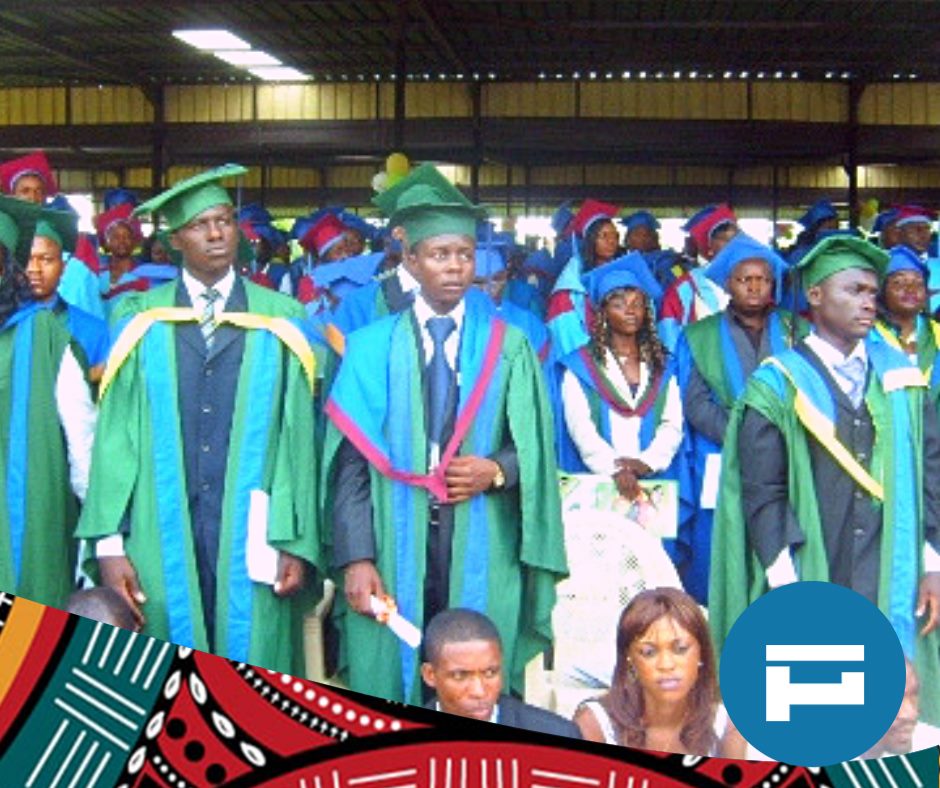
The University of Buea and the Absent Brand
A reflective essay questioning whether the University of Buea possesses an institutional identity or aspiration that extends beyond credential delivery. The writer contrasts their experience at UB—four years lived more outside than inside its walls—with the intentional brand-building and alumni pride cultivated by institutions like Montclair State and their own secondary school.
On Honest Support and the False Doctrine of Obligation
The writer examines the hollowness of "support your own" rhetoric in Cameroon's music industry, arguing it functions chiefly as emotional manipulation and masks a deeper, largely unspoken obsession with Nigerian market validation. True support, he contends, must be rooted in genuine artistic merit, not in obligation or nationality.
Ça À Cuit: Reading Beyond the Cautionary Tale
A critical examination of Ko-C's popular song, which frames an unwanted pregnancy as moral failure. The writer argues that the song, while appearing to warn young women, actually masks deeper questions about gender, sexual autonomy, responsibility, and the asymmetrical social judgment applied to men and women.

On Virginity Testing in Cameroon: Why Bleeding Is Not Proof
This post examines the cultural belief that bleeding during first intercourse proves virginity, establishing through medical fact that the hymen's condition has no reliable connection to sexual history. The writer argues that virginity testing—whether cultural or clinical—is both scientifically baseless and ethically harmful.
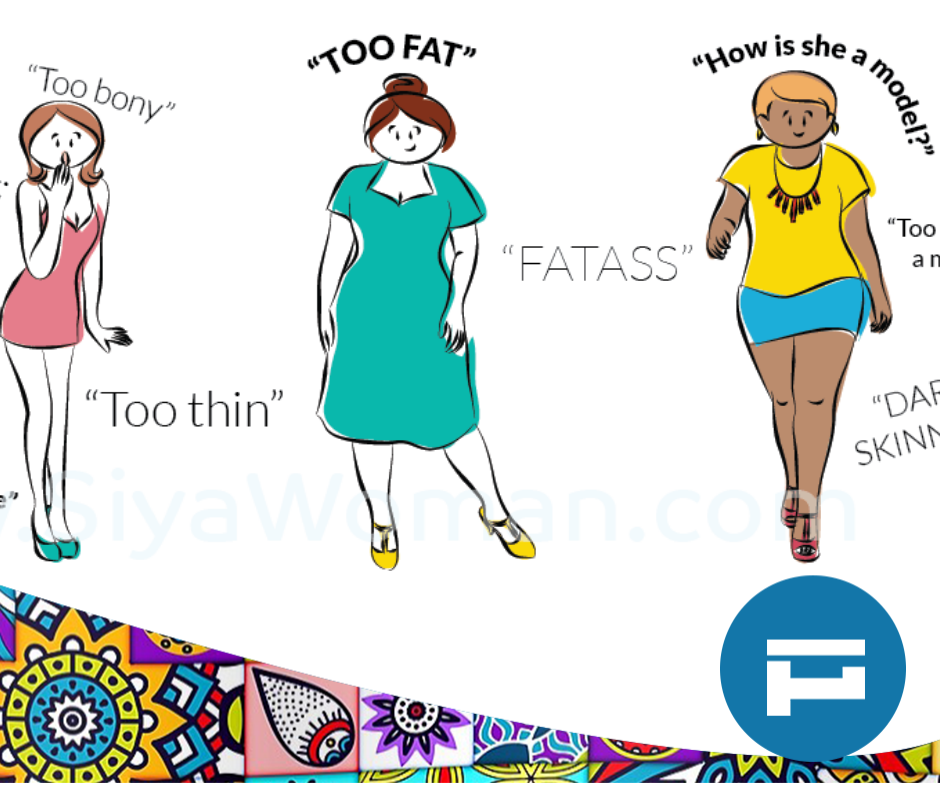
Body Shaming in Cameroon: A Contested Practice
This analytical piece examines body shaming as a social practice in Cameroon, presenting arguments on both sides of whether it is harmful or justified. The writer considers the psychological and social costs of public criticism of bodies alongside claims that such shaming might encourage healthier behaviors.
On Service and the Uniform: Rethinking Leadership in Cameroon
The writer observes how uniformed officials—police, gendarmes, soldiers—receive deference and queue-jumping privileges in everyday transactions like paying utility bills, and questions whether this reflects a genuine understanding of service. Through personal anecdote and reflection on Desmond Tutu's definition of leadership as serving, suffering, and sacrifice, the piece argues that Cameroon has inverted the relationship between those in authority and those they are meant to serve.
Monique Ntumngia's Singular Fight for Young Women
The writer celebrates Monique Ntumngia, founder of Green Girls' Organisation, who won the VISA Everywhere Initiative Women's Global Edition prize and has brought STEM education and employment to over 800 women across rural Cameroon. Through training in renewable energy and waste conversion, her work addresses both the under-representation of women in technical fields and material inequality in less-resourced communities.
Chili Wawaye: A Nso Heritage to Be Celebrated and Treasured
A meditation on Chili Wawaye, a Nso musician who sings almost exclusively in Lamnso and preserves traditional grassfield music through contemporary composition. The writer laments that such custodians of cultural heritage receive far less attention and airplay than urban musicians, despite their essential role in bridging ancestral and modern worlds.

I Am a Tontinard: On Social Cohesion and Economic Power
The writer reclaims the term "Tontinard"—originally deployed as an ethnic slur against Bamileke people and political opponents—as a badge of pride rooted in the njangi (tontine) tradition of mutual aid and social cohesion. The essay argues that what critics dismiss as tribalism or clannishness is in fact a proven mechanism for generational wealth-building and community resilience that other successful diaspora communities have long understood.

Feminism Shaming
The writer responds to widespread social ridicule of feminism in Cameroon by reclaiming the term's basic definition—the advocacy of gender equality—and tracing concrete historical wins it has secured for women. Against caricatures of feminists as bitter or man-hating, the piece insists that feminism has been and remains advocacy, not ideology.
The Mboko Question: Movement or Mirage?
The writer examines the claim that 'Mboko' constitutes a coherent cultural movement, finding instead a set of aesthetics and behaviors untethered to substantive ideology or historical grounding. Through comparison to Hip Hop's documented origins and structure, the piece interrogates what Mboko actually stands for—and concludes it stands for little beyond consumption and online performance.
The Cameroonian Reticence: Corporate Culture, Information Opacity, and the Cost of Secrecy
The writer examines two interconnected cultural phenomena in Cameroon: weak corporate cultures that fail to invest employees in their companies' success, and a broader cultural tendency to withhold good news and business information. Using the example of a chef's deal with a multinational corporation, the piece argues that both corporate leaders and individuals perpetuate economic stagnation by refusing to share knowledge, celebrate achievement, or build transparent systems.
How Professional Are Our Professionals?
Following the death of a teenager in a Cameroonian hospital and its documentation and broadcast on social media, the writer reflects on the erosion of professional ethics and human dignity among doctors, journalists, police, and soldiers—all enabled by the reflexive reach for smartphones and a deeper failure of institutional accountability.
Pardon My French: Language, Identity, and Cameroon's Linguistic Divide
The writer reflects on what it means to speak French as an Anglophone Cameroonian, prompted by a controversy around musician Daphne's acceptance speech at the Canal d'Or Awards. Rather than seeing French fluency as erasing Anglophone identity, the writer argues that speaking French—learned late and deliberately—is itself an expression of that identity, a conscious act of navigating a Francophone-dominated society.
Pakgne: The Imperative of Focus
A reflection on the rise and creative decline of a Cameroonian webseries, examining how loss of focus—through celebrity collaboration, lifestyle distraction, and mishandled fan relations—can undermine even promising creative work. The writer uses this case to articulate a broader philosophy of sustained, intentional growth.
Koppo: The Unsung Hero of a Musical Revolution
A retrospective on how Koppo's early-2000s decision to rap in Camfranglais—a language mixing French, English, and Pidgin—fundamentally altered Cameroonian hip-hop, shifting it from American imitation toward authentic local expression. The piece traces how one album opened a door that subsequent generations of rappers and Afropop artists have walked through, transforming the continent's sound.
Customer Service and the Economics of Dignity
A sharp critique of customer service failures in Cameroon, traced through a frustrating dry-cleaning transaction. The writer argues that poor service discipline reflects—and perpetuates—a cycle of low wages, business failure, and mutual blame between employers and employees.
Feminism Is Not a Quest for Payback
The writer argues that feminist critique of gender discrimination often mischaracterizes historical customs as deliberately malicious rather than pragmatic responses to the realities of their time. By examining inheritance practices, physical capability differences, and cross-cultural examples, the writer proposes that meaningful change requires understanding tradition's logic before dismissing it—not framing progress as payback against men.

The Soma Simon Case: On Scams, Service Providers, and Civic Accountability
A Cameroon-based writer recounts a near-miss with a mobile money scam and uses it to indict Orange Cameroun and law enforcement for failing to police fraud conducted on their networks. The piece calls for transparent prosecution of identified perpetrators and systematic safeguards—arguing that the burden of prevention lies not with individual vigilance but with institutional responsibility.
The Paradox of Nyangono Du Sud: Why We Need Our Jesters
A reflection on the sudden viral celebrity of Nyangono Du Sud, a Cameroonian musician whose work the writer dismisses as musically poor, yet whose presence in public life raises deeper questions about collective catharsis, social media's role in fame-making, and what our appetite for his art reveals about ourselves.
Miracle Myths: Why Cameroonians Mistake Opportunity for Divine Intervention
A Cameroonian artist's viral success after a Nigerian pencil artist caught Kevin Hart's attention sparked a wave of comments framing the outcome as luck or divine blessing. Poise examines the deeper pattern: how we consistently misread preparation, skill, and strategic self-presentation as miracles, and how that misreading perpetuates imitative mediocrity.
White Worship at the Airport Gate: On Courage and Collective Silence
A traveler at Douala International Airport confronts a customs officer who places white foreign passengers ahead of waiting Cameroonians, and reflects on why the act of speaking up—against both the officer and the passengers themselves—revealed the complicity of silent witnesses and the deeper problem of deference based on race.

The Right Questions: On Innovation, Recognition, and What We Actually Celebrate
The writer reflects on Cédric Simen's celebrated concept car and a childhood memory of a neighbor's homemade aircraft, arguing that both reveal a deeper problem: Cameroon celebrates innovation for its spectacle rather than its potential. The real issue is not the innovation itself, but the absence of serious inquiry into its applications, scaling, and genuine value.
We Have No Cameroonian Identity
A Cameroonian writer reflects on her experience of linguistic and ethnic divisiveness in daily life and contemporary politics, arguing that Cameroonians have failed to build a shared national identity beyond ethnic and language-based allegiances. She contends that only by transcending tribal and colonial-linguistic boundaries can the nation address its deeper problems of governance and collective wellbeing.
Cameroon and the Curse of Elitism
The writer traces Cameroon's pervasive culture of elitism—visible in everyday assertions of rank and privilege—to a foundational inferiority complex among the post-colonial elite, who internalized French assimilationist values and now maintain power through deliberate social and economic stratification.
A Toast to Cameroonian Youth: Culture, Creativity, and the Work Ahead
The writer celebrates the emergence of a youth-led cultural renaissance in Cameroon—from music to fashion to digital media—while issuing a call for this generation to move beyond individual success toward collective nation-building. The piece names both the achievements and the work of unlearning that lies ahead.
The Curious Case of Mr. Leo's Dressing
A reflection on public criticism of a prominent Cameroonian musician's fashion choices, prompted by a media personality's remarks and an inflammatory PR response. The piece uses this incident to examine three broader cultural issues: the equation of success with money, the inability to receive constructive criticism, and the proliferation of unqualified professionals in creative industries.
The Broken Arm and the Burying Ground: A Cry Against Collapse
Written in vigorous Pidgin English and Cameroon street vernacular, this poem is a raw indictment of political failure, state violence, and the everyday sufferings of ordinary people. The speaker moves from personal grief to systemic brutality—extrajudicial killings, electoral theft, the silencing of dissent—painting a portrait of a state that has abandoned its citizens.

No Hear You Notin: A Poem on Ambition, Gossip, and the Courage to Act
Written in Cameroonian Pidgin English, this poem catalogs the hollow counsel and baseless gossip that surrounds ordinary people trying to improve their lives. Using vivid character sketches and repeated refrain, it argues that success demands selective deafness to the noise of judgment and envy.
Whitenicious: The Cost of Respecting the Hustle
The writer examines the 2018 controversy surrounding Dencia's skin-lightening cream promotion and asks whether admiration for entrepreneurial success should require complicity in harmful practices. The piece interrogates the gap between celebrating a woman's financial independence and remaining silent about the social damage her product perpetuates.
On Being Called a Tontinard: Pride, Social Cohesion, and Economic Self-Determination
The writer responds to being labeled 'Tontinard' as a casual insult by reframing it as a badge of honor, celebrating the njangi (tontine) system not as mere financial instrument but as a model of social cohesion that has generated measurable economic prosperity. The piece argues that what outsiders dismiss or fear—organized mutual aid and community reinvestment—is precisely what has enabled certain groups in Cameroon to build generational wealth and institutional power.
Anglophone Cameroonians and the Trap of the Superfluous
The writer examines a cultural tendency—particularly visible on social media—to prematurely celebrate and oversell cultural products before they have earned genuine recognition. Drawing from personal observation of music, film, and design, the piece argues that insincere praise and aesthetic window-dressing have replaced substantive work and honest criticism.
The Architecture of Inherited Power
A reflection on an encounter with a wealthy Nigerian mother in Frankfurt who explicitly articulates how elite families perpetuate wealth and control across generations through strategic education abroad, deliberate anonymity, and the cultivation of breeding. The piece captures her philosophy that true power operates unseen, using visible figures as decoys while the truly privileged remain hidden architects of events.
The Audacity of Stupidity: When Icons Endorse the Indefensible
A sharp critique of two celebrated Cameroonian footballers—Samuel Eto'o and Rigobert Song—for publicly endorsing the incumbent president in the lead-up to elections, examining the disconnect between their stated reasons (national unity, personal gratitude) and the institutional realities that shaped their own careers and departures.
After Colonization: The Question of Unity Over Return
A reflection on colonialism's lasting structural effects in Cameroon and Africa, questioning whether nostalgic appeals to precolonial identity serve contemporary political interests. The writer argues that forward-looking continental unity is more strategically sound than fragmentation into ethnic or regional micro-states.
Sexual Harassment at UB: Institutional Failure and the Work Ahead
The writer recounts a near-rape incident involving a friend and a lecturer at the University of Buea, using it as a lens to examine how institutional power, gendered vulnerability, and victim-blaming enable sexual violence in Cameroonian universities. The piece argues that while feminist activism has brought necessary scrutiny to patriarchy and sexual assault, the systemic failures that allow predators to operate with impunity remain largely unaddressed.

How to Survive Seven Years of Transition
The writer argues that Cameroon faces a seven-year period of crisis before entering a transformative third republic, and proposes five practical steps for individual preparation: learning French, acquiring practical skills online, self-directed education, personal accountability, and voting with one's money.
The Small Tyrant Within: Power, Pettiness, and Cameroon's Neo-Feudal Culture
A Cameroonian reflects on two encounters with petty officials—a petrol station attendant and a university secretary—to argue that the nation's dysfunction runs deeper than leadership, rooted in how ordinary citizens weaponize small doses of authority. The piece names a cultural pattern: those granted the slightest power often become arbitrary, mood-driven overlords.
Celebrity, Craft, and the Confusion of Packaging: A Cameroonian Reckoning
On the occasion of the editor's first year, Poise examines how Cameroonian youth confuse celebrity with image—mistaking fashion, scarcity, and aesthetic performance for the work ethic, integrity, and genuine audience-building that produce real fame. The piece argues that social media's democratization of fame has paradoxically made young talent chase a manufactured ideal, often to the detriment of their actual craft.
Service as Subordination: On Leadership and the Deference We Grant Power
The writer observes how Cameroonians grant exemptions and deference to uniformed officials—particularly police—in everyday spaces like utility offices, and argues this reflects a fundamental misunderstanding of what service and leadership mean. Drawing on Desmond Tutu's definition of leadership as sacrifice and suffering for others, the piece critiques a culture where those in authority are treated as above rather than as servants of the public good.
Brand Safety and the Price of Representation
A reflection on the backlash to a Cameroonian artist's fashion choices at a public event, and what it reveals about how local companies assess risk when selecting brand ambassadors. The writer argues that while integrity and talent should matter most, companies in Cameroon rely on visible markers like appearance because they are easier to evaluate and defend.

Why Rich People Don't Have Poor Friends
A meditation on the fracture of friendship across economic lines, told through the story of two colleagues whose bond survives career loss but fractures upon recovery. The piece examines how proximity to wealth reshapes loyalty, and how the friend who offered shelter during hardship becomes invisible once circumstances improve.
Proverbs and Idioms in Fufulde: A Griot's Wisdom
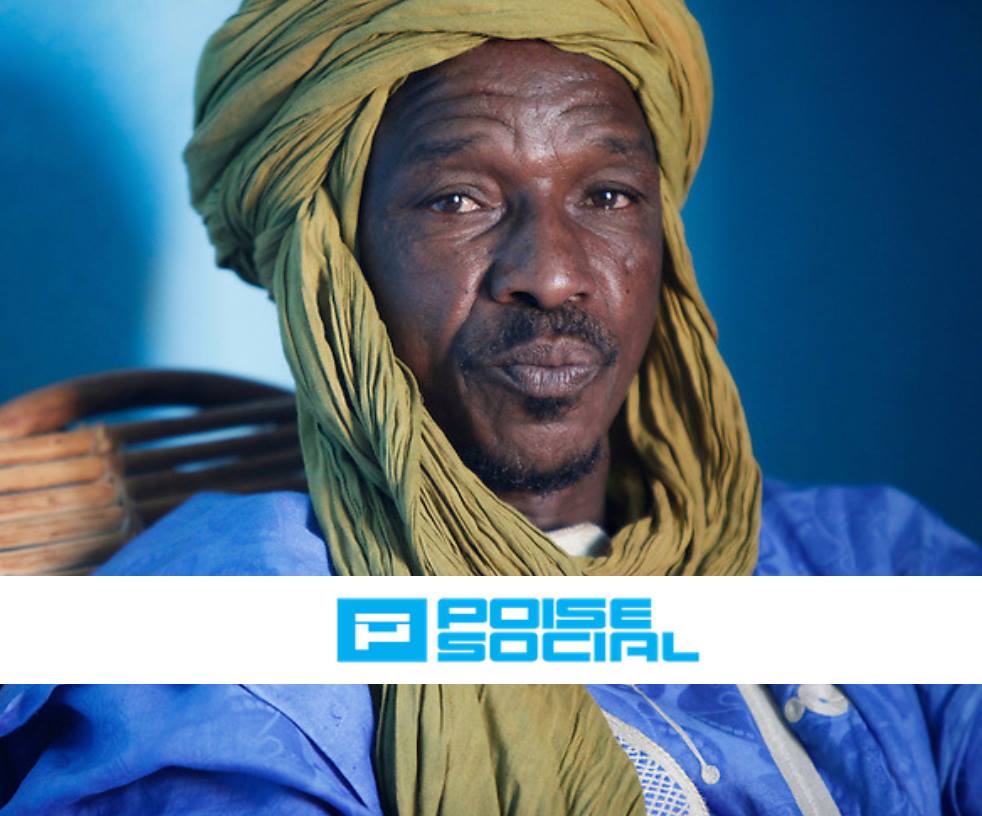
This piece presents a curated selection of proverbs and idioms from Fufulde, the language of the Fulani people of West and Central Africa, organized with their English translations. Drawing on the griot tradition—where historians and storytellers preserve cultural knowledge through language and performance—the collection illustrates how Fufulde speakers encode practical and philosophical wisdom into memorable linguistic forms.
On Miss UBa 2018 and the Pageant as Fundraising Mechanism
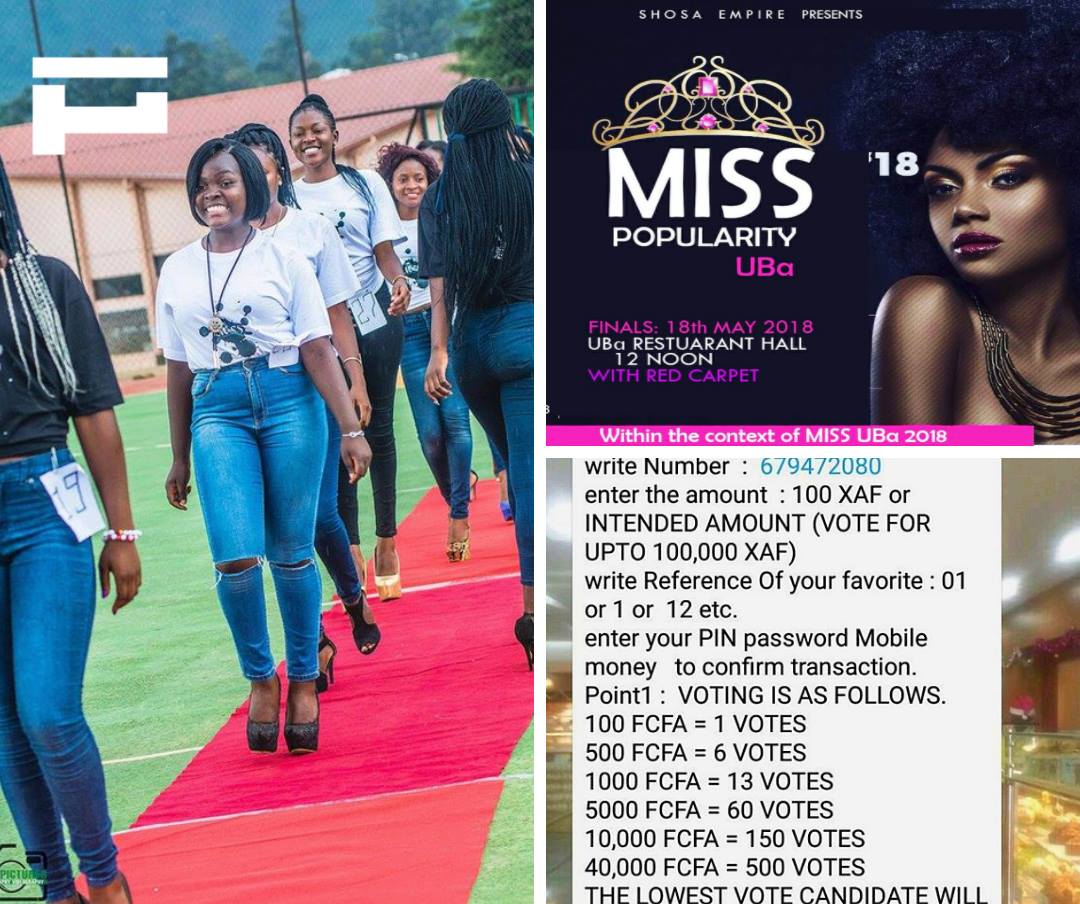
A critical examination of the Miss UBa 2018 'popularity contest,' which allowed direct vote-buying, prompting reflection on whether monetized participation could actually improve beauty pageants by forcing them toward transparent fundraising rather than hollow merit claims.

Maahlox and the Game of W(h)oes: On Spectacle, Complicity, and the Rhetoric of Mirror-Holding
A critical examination of Cameroonian musician Maahlox's claim that his sexually explicit and provocative music videos serve as societal critique. The writer argues this stance represents intellectual dishonesty—that one cannot claim to fight systemic ills while profiting from and actively participating in the depravity being depicted.
Shithole Recycling à la Camerounaise
A sardonic inventory of how ordinary Cameroonians repurpose waste materials out of necessity and ingenuity, even as the state fails to enforce its climate commitments. The piece catalogs everything from plastic bottles becoming oil decanters to exercise books wrapping street food, suggesting that grassroots resourcefulness has become de facto environmental policy.
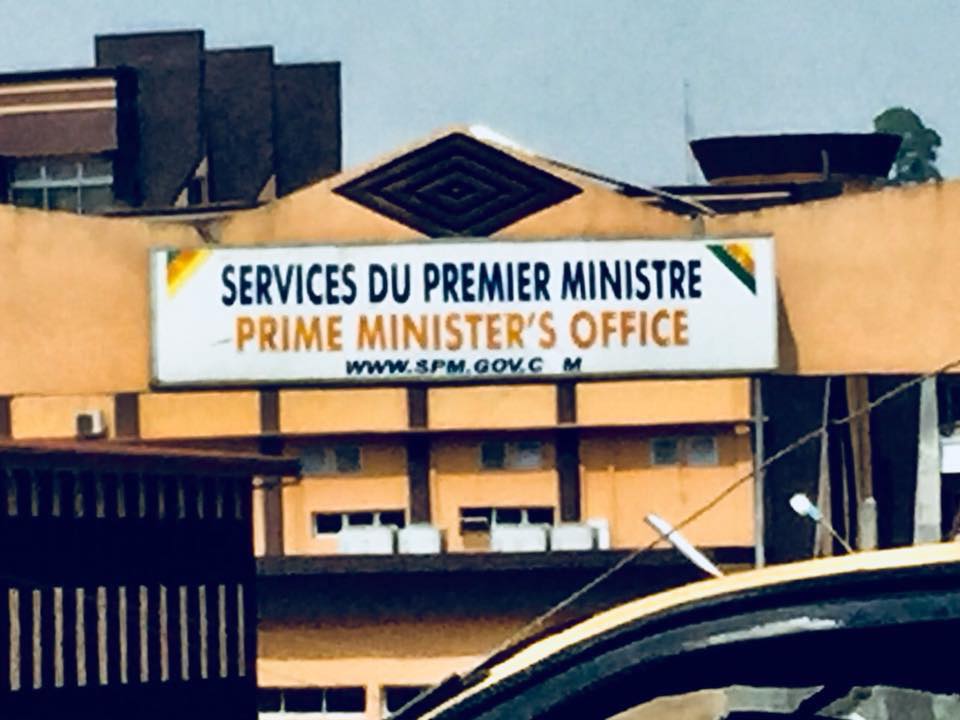
The 'O' in '.cm': A Parable of Institutional Negligence
The writer observes a crude correction on the Prime Minister's office signage—an erased 'o' in a misspelled URL—and reads it as a symptom of systemic carelessness in governance. The piece uses this small detail to interrogate a broader culture of indifference to quality and accountability within the Cameroonian state apparatus.
Am I My Sister's Keeper? On Women, Success, and Social Suspicion
The writer reflects on a moment of casual misogyny—overhearing men attribute a young woman's Mercedes to sexual favours—and traces the deeper, more troubling pattern: that women themselves are often the harshest judges of other women's success, reflexively assuming corruption rather than competence.

The Scammer's Brand: How Fraud Damages Cameroon's International Standing
The writer examines how Cameroonian nationals engaged in international financial fraud are reshaping global perceptions of Cameroonians abroad, creating systemic barriers for honest citizens trying to conduct legitimate financial transactions. The piece situates this criminal activity within larger histories of colonial extraction and contemporary economic desperation, while critiquing both the moral failures of individual scammers and the systemic inequalities that drive migration and crime.
Cameroon and the Curse of Elitism
A minor traffic accident becomes a window into a deeper pathology: the hierarchical stratification of Cameroonian society, in which those with access to power and prestige use the phrase 'Do you know who I am?' as both shield and sword. The writer traces this behaviour to post-colonial inferiority complexes among the educated elite, who internalized French assimilation policies and now maintain their sense of superiority through deliberate economic and social dysfunction.

Last Words for 2017: A Year of Hard Lessons
The writer reflects on 2017's major events—the Anglophone crisis, infrastructure projects, and government inaction—as teachings about collective responsibility, self-reliance, and the distance still to travel. Rather than despair, the reflection distills gratitude for the year's struggles as catalysts for clarity.

A Toast to Cameroonian Youth: On Culture, Agency, and the Work Ahead
A celebration of Cameroonian youth who have seized creative and entrepreneurial agency—from music and fashion to digital media—despite systemic neglect and intergenerational dismissal. The writer calls this a watershed moment, while insisting that lasting change requires moving beyond individual ambition toward collective purpose and national transformation.
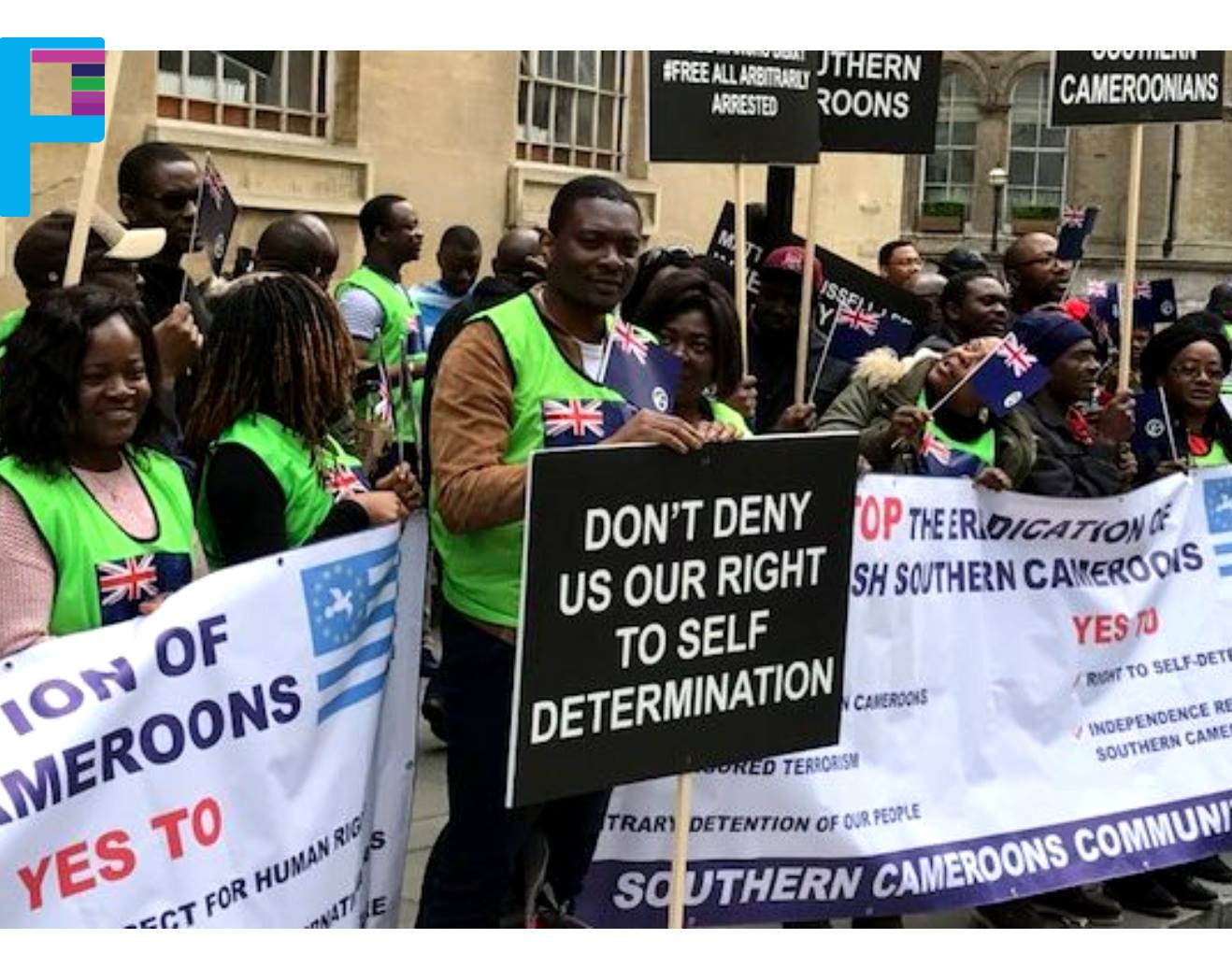
Personalities of the Struggle: Social Taxonomies of a Moment in Crisis
Poise examines the variety of voices that emerged online during an acute phase of the Anglophone crisis, categorizing them by their logic and rhetoric—from those invoking traditional or religious frameworks to those offering military fantasies or dismissive skepticism. The piece treats these categories not as moral judgment but as a sociological map of how a fractured population under stress expresses itself.

The Backfire Effect and the Anglophone Question in Cameroon
This analytical essay diagnoses the reluctance of francophone Cameroonians to acknowledge systemic discrimination against anglophones through the lens of cognitive neuroscience, specifically the 'backfire effect'—the psychological tendency to cling more tightly to core beliefs when presented with contradictory evidence.
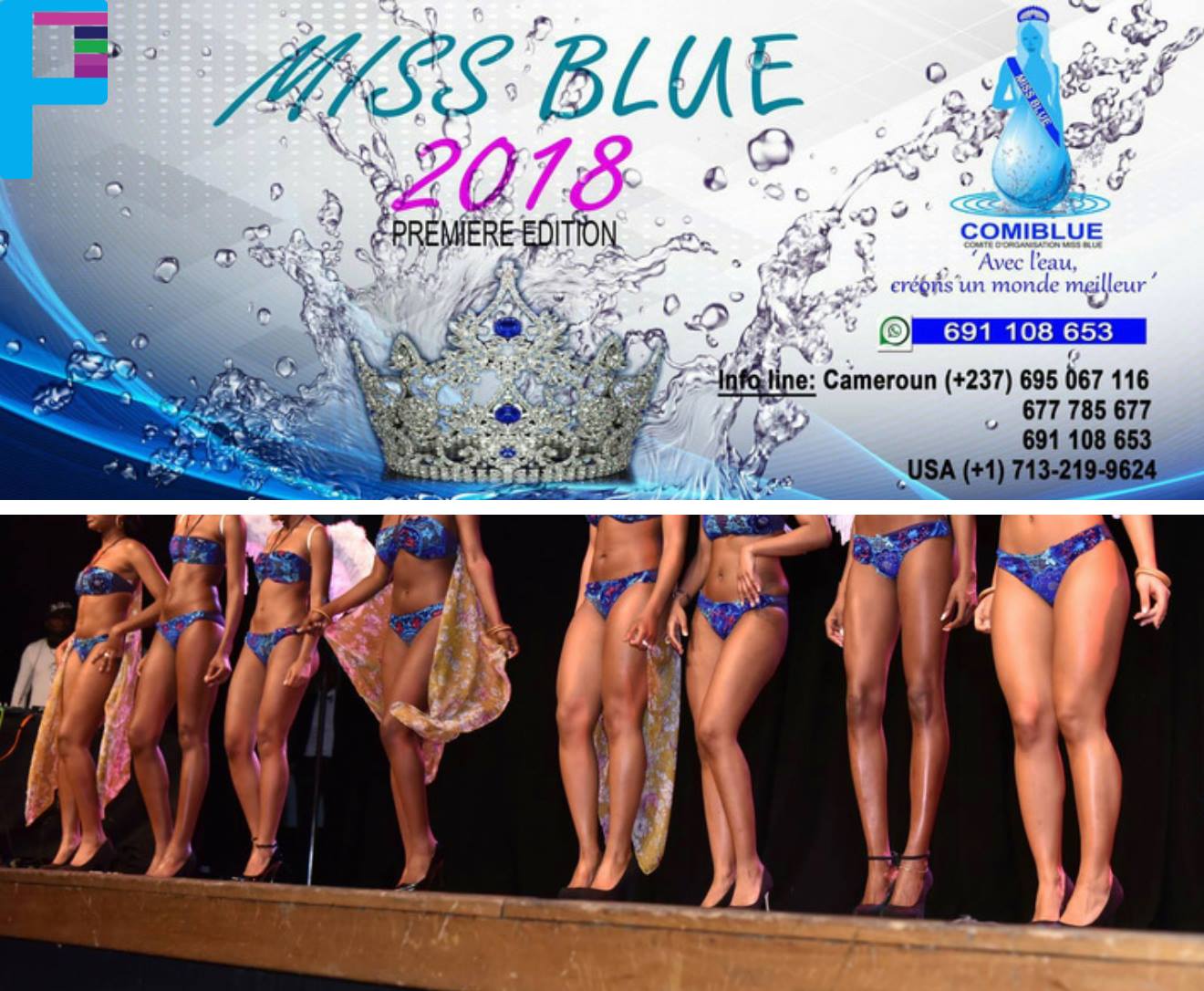
Miss Coconut Heads: On Beauty Pageants and the Absence of Substance
The writer articulates a sustained critique of beauty pageants in Cameroon, arguing they celebrate appearance over achievement and reduce women to ornament. The post calls out the gap between pageant rhetoric about 'empowerment' and the lack of intellectual rigor or originality demanded of contestants.

Our Generation is Killing Eboa Lotin's Heritage
A reflection on Cameroonian music's loss of cultural identity as a new generation gravitates toward Nigerian and pan-African influences at the expense of the country's distinct musical DNA. The writer argues that while some contemporary artists have successfully blended tradition with modernity, the trend is unsustainable and risks erasing a legacy built by giants like Manu Dibango, Richard Bona, and Eboa Lotin.
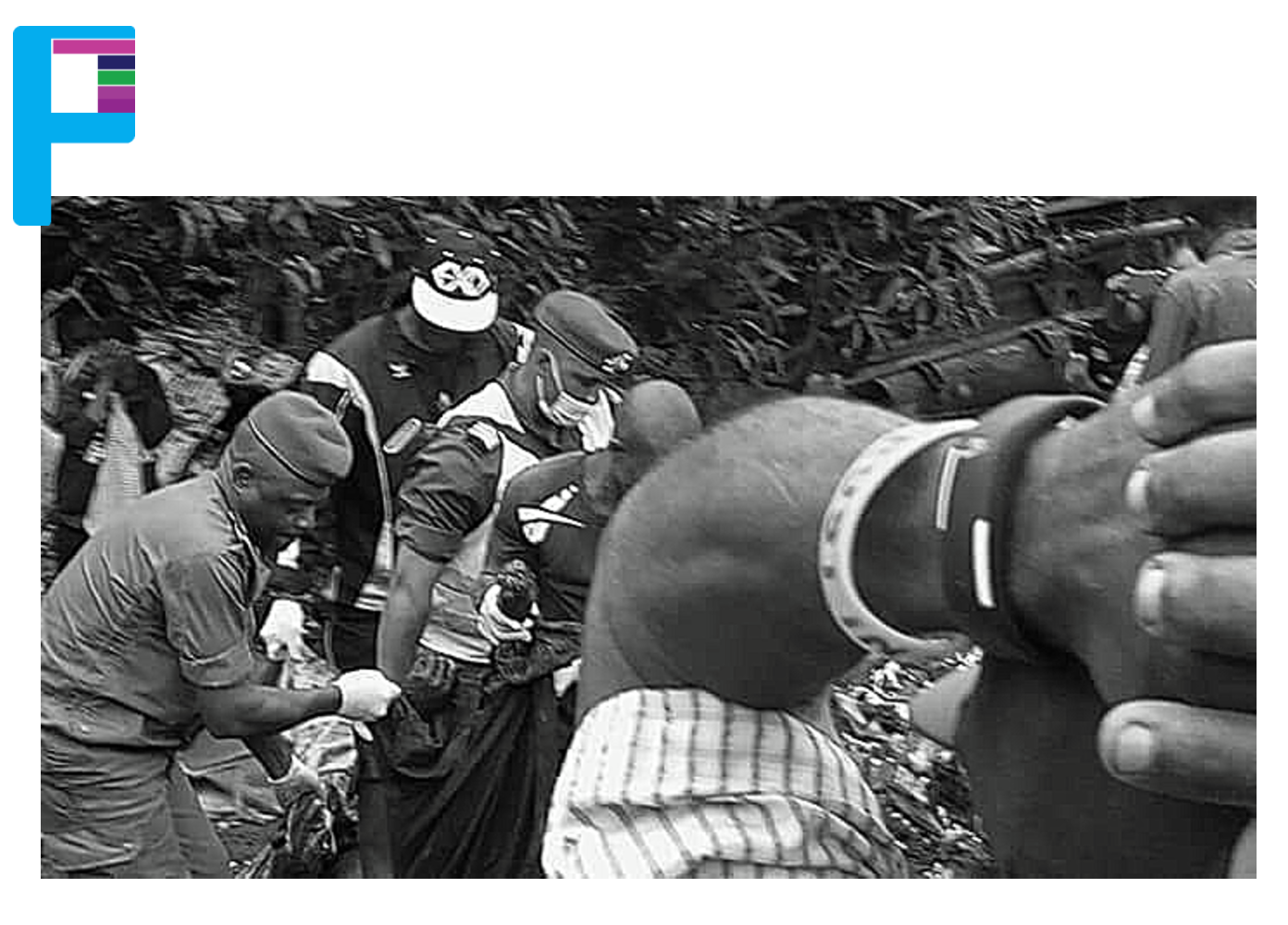
On Graphic Imagery and Our Fear of Death
Following a fatal accident in Muyuka, the writer reflects on social media's role in circulating graphic imagery of disasters, arguing that the impulse to suppress such content often masks discomfort with mortality itself rather than genuine respect for the deceased.
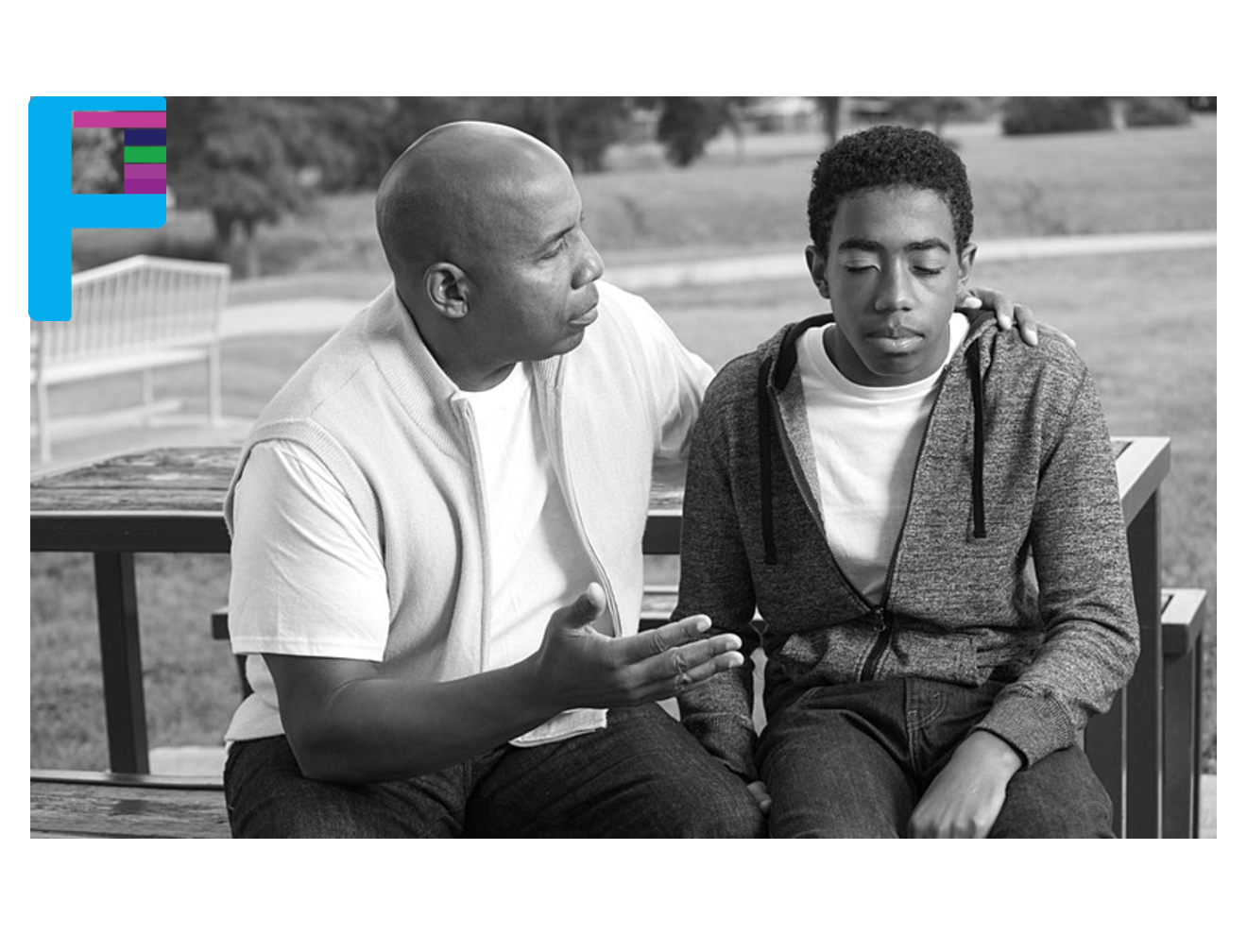
The Stories Fathers Never Tell
A reflection on the hierarchical, high-context nature of parent-child relationships in Cameroon, where emotional distance and one-way communication prevent children from learning through their parents' lived experience. The writer argues that fathers who withhold their failures and vulnerabilities rob their children of the stories that actually stick—and offers forty-one questions to bridge that gap.
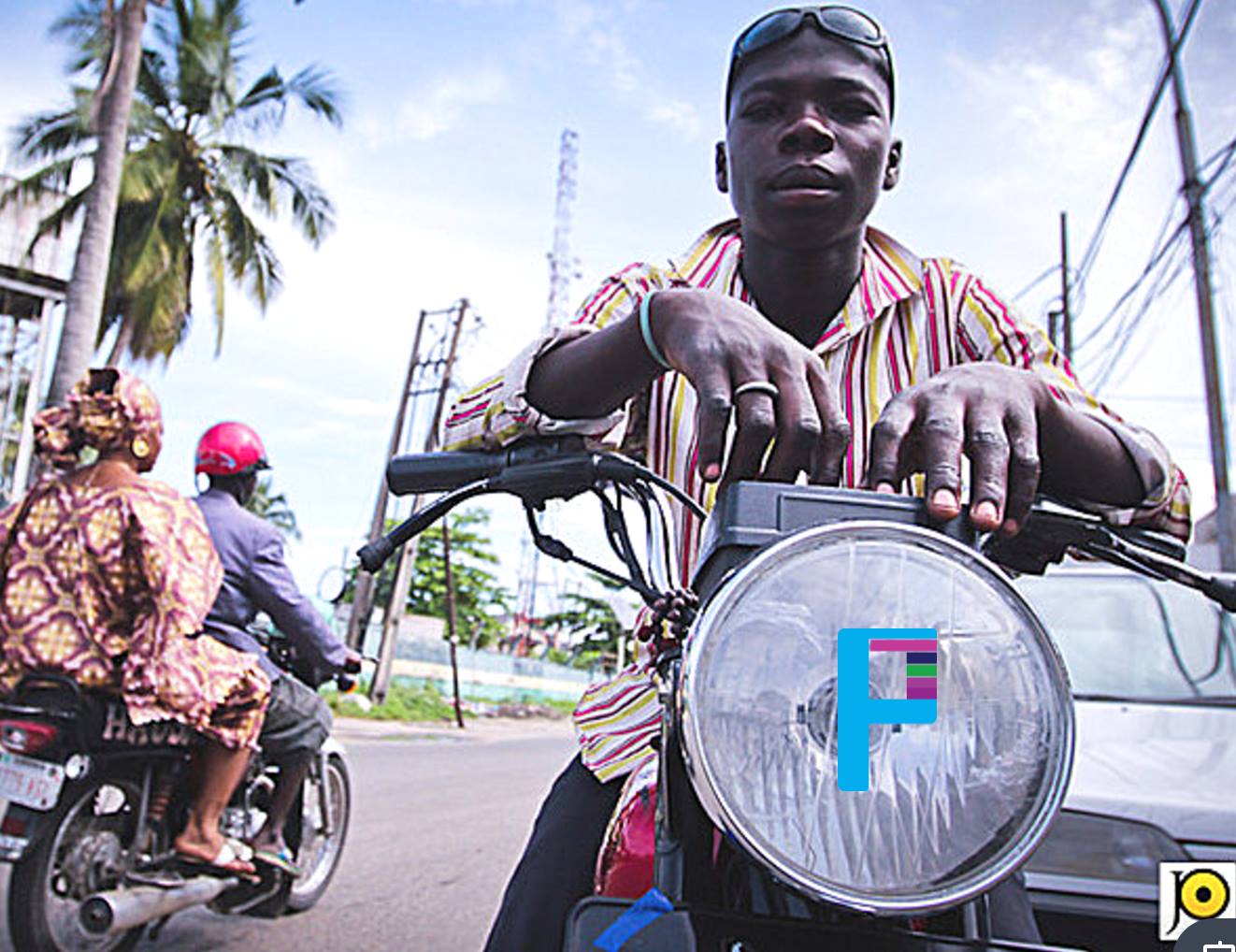
The Okada Man and the Cost of Credentials
A reflection on the okada (motorcycle taxi) driver as economic actor and social mirror in Cameroon, examining how educational prestige and cultural stigma trap graduates in false scarcity while ordinary riders build capital through honest work. The writer questions whether formal education, despite its cost and promise, has actually narrowed rather than widened the range of viable lives.
The Story We Tell About Africa: Beyond Branding
Following the Youth Connekt Africa Summit in Kigali, the writer examines Akon's keynote on African nations controlling their own narratives, arguing that branding is deeper than marketing optics. The piece contends that Africa's story must be one of authentic growth and dignity, not imitation of Western self-mythologizing.
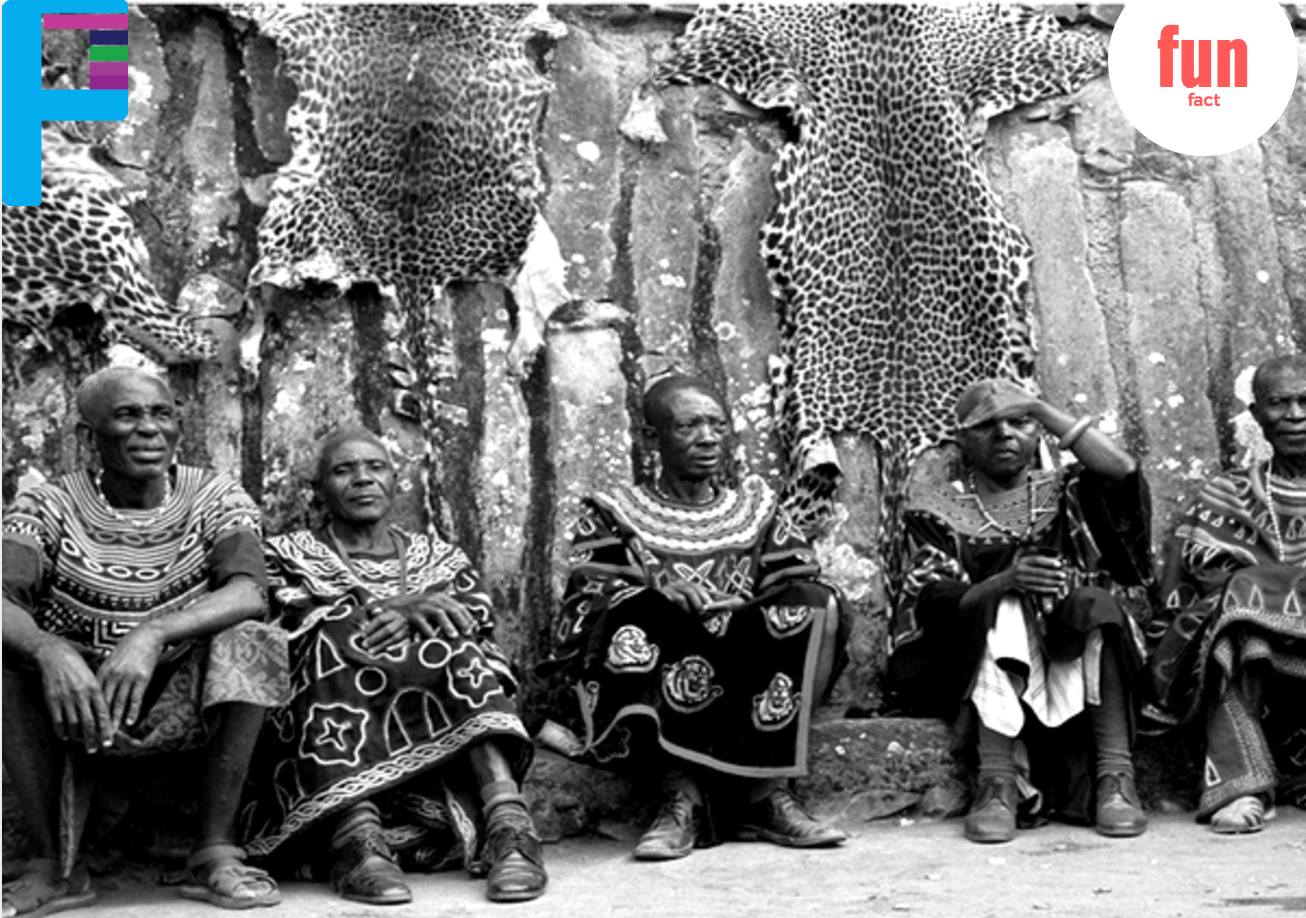
The Logic of Uncertainty: Inheritance, Kinship, and the Absence of Proof
A writer from Wum in Cameroon's North West Region examines a matrilineal inheritance practice—where a man's property passes to his sister's son rather than his own—and traces its logic to a pre-scientific world where paternity could not be verified. The piece questions whether the tradition survives in a modern era of law, choice, and DNA testing.