

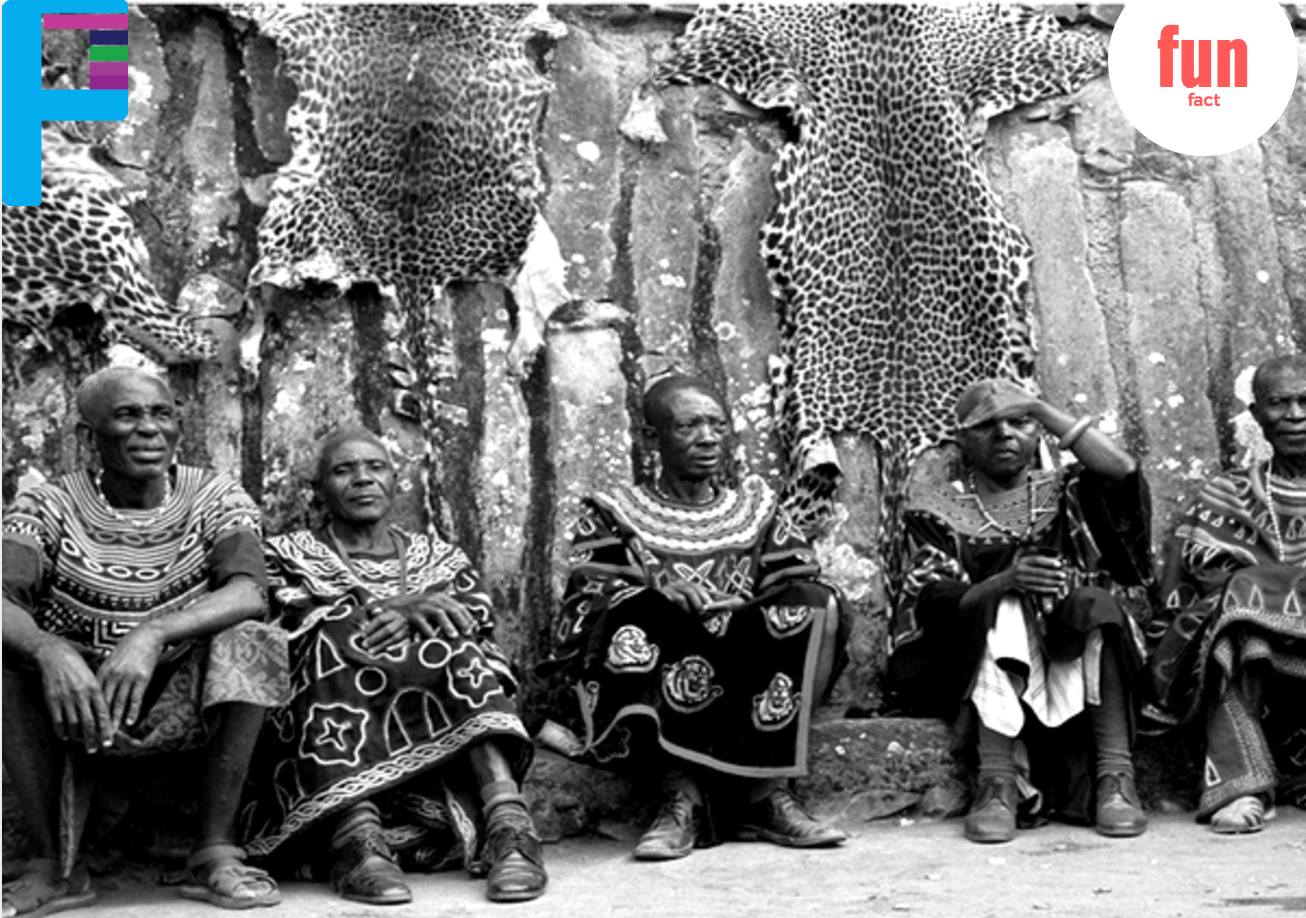
The absence of DNA Testing created this ancient tradition in the Menchum Division of the North West Region of Cameroon.
Most of us are born into traditions that started way before even our parents were born. We tend to accept them or question some of them and sometimes we never get a good reason behind the traditions because record keeping in the days of our ancestors was strictly by word of mouth and we all know how much information gets distorted when transmitted by ‘ah hear say.’
If you are from Wum or any of the other villages in the Menchum division, you have probably been exposed to a weird tradition of inheritance that gives a mans property to the son of his sister instead of one of his own. It did not sit well with me when I learned that none of my father’s own children will be getting his property when he dies. Being the only son, I assumed I am the ‘chop chair.’
Honestly, I wouldn’t be complaining if my mom’s brother whose ‘chair’ I’m supposed to ‘chop’ was wealthier than my dad but that is not the case. I’m not a traditional person so I am always questioning every tradition and I find most of them baseless. I’m not sure I have any respect for any, my excuse? - I was raised in a modern family setting.
In my research into this particular tradition of inheritance, I found out my ancestors ‘be be na wise mendem.’ Are you ready to get their reasoning?
A man and his sister come from the same womb so there is no doubt that genetically, they are related. The man grows up then leaves his bloodline to marry from another family which is not related to him. Now, if the wife is not loyal and goes out to sleep with other men, she can have a child out of wedlock and in the absence of scientific DNA testing, no one can be sure who the real father is. You now see how a man can therefore work hard his whole life and then hand all his property to someone who he did not father.
The tradition still remains but I doubt people still follow it.I personally believe it is a tradition that can kill ambition. I know people just waiting fro their uncles to die. No son in their right mind knowing all what his father has is his will be waiting for the father to die, unless of course he was brought up in a unhealthy family environment. Nephews more likely to have less feeling for their uncles just because there is no real connection.
The world is becoming more modern and people can now chose to will their property to whomever they decide to knowing the law will protect their decision. However, so long as we continue to have chiefs and Fons, such traditions will exist even if they may be applied more loosely.
I just thought it interesting to share. If you know of any weird traditions in your village and the reasoning behind them, please share with the Poise family.