

Wandji Wilfred

The Burden of Borrowed Faith: Religion and Development in Africa
The writer examines the paradox of African religiosity—the zeal with which imported faiths are practiced—and questions whether religion, especially as a colonial inheritance, has become an obstacle to critical thinking and material progress. The piece argues that dogmatic belief systems discourage the questioning and analysis necessary for genuine development.
Bilingualism as Mirror: A Reflection on National Character
The writer challenges Cameroonians' tendency to blame bilingualism for social discord, arguing instead that resistance to language learning reveals personal laziness and entitlement rather than any inherent flaw in the policy itself. Bilingualism, the piece contends, is not a burden imposed but an opportunity for individual and collective growth that remains largely squandered.

The Gray Area: Influencers and the Rot of Attention in Cameroon
Poise examines the Cameroonian influencer ecosystem—a sprawling, undisciplined terrain where the term means almost nothing. From beauty merchants to gossip-peddlers, scandal-chasers to TikTok dancers, the writer argues that these figures are either victims of systemic decay or chronic seekers of visibility by any means; either way, they serve a regime's interest in keeping young people numb and distracted.

Proactive Consistency: Lessons From Burna Boy's Rise
Consistency alone does not guarantee growth; what matters is proactive consistency—the willingness to experiment, take risks, and evolve within the discipline of showing up daily. Drawing on Burna Boy's musical trajectory from 2011 to his mainstream breakthrough, the writer argues that real breakthroughs require the convergence of sustained work, artistic evolution, and external momentum.

Hide My I.D.: When Confession Becomes Entertainment
This essay examines the transformation of anonymous advice platforms—spaces initially meant for vulnerable people to seek help without shame—into vehicles for public spectacle and trolling. The writer argues that what began as a genuine support mechanism has devolved into a form of social entertainment, where audiences consume others' suffering rather than genuinely engage with solutions.

The Palm Oil Paradox: How Cameroon Lost the Crop It Invented
Cameroon once led the world in oil palm cultivation, with advanced hybrid varieties and the pollinator weevil that Southeast Asia would later adopt. Six decades later, Indonesia and Malaysia command 85 percent of global production while Cameroon produces barely half a million tons—a reversal driven not by agricultural limits but by institutional neglect and missed industrialization.

Walk Away: Libianca's Quiet Mastery
This piece celebrates Libianca's EP *In A Way* as a watershed moment for Cameroonian representation in global urban pop, while arguing that her true strength lies not in nationalist triumphalism but in intimate, unflinching songwriting about vulnerability, trauma, and human complexity.

Ko-C's Genesis: An Artist Settled Into His Own Blueprint
A review of Ko-C's album Genesis examines how the Cameroonian rapper moved past internal community debates about his commercial direction and pop leanings to deliver a confident, versatile project. The album showcases an artist uncompromising about his creative path while remaining accessible and thematically grounded.

The Ambiguous Embassy: LGBT Rights, Western Pressure, and Cameroon's Reflexes
This piece examines the cancelled visit of a French LGBT ambassador to Cameroon as a mirror of the country's genuine homophobia, Western cultural imposition, and the internal contradictions within global LGBT advocacy itself. The writer resists easy framing, acknowledging both the real violence faced by LGBT persons and the legitimate discomfort with what feels like coercive ideological export.
We Have an Influencer Problem
The writer examines the degraded state of influence and celebrity in Cameroon, where the term 'influencer' has been stretched to encompass everyone from scammers and gossip-peddlers to those trading in leaked intimate content. The essay argues that this hollowed-out ecosystem serves a regime's interest in pacifying youth while obscuring whether its participants are victims of systemic failure or willing perpetrators of emptiness.
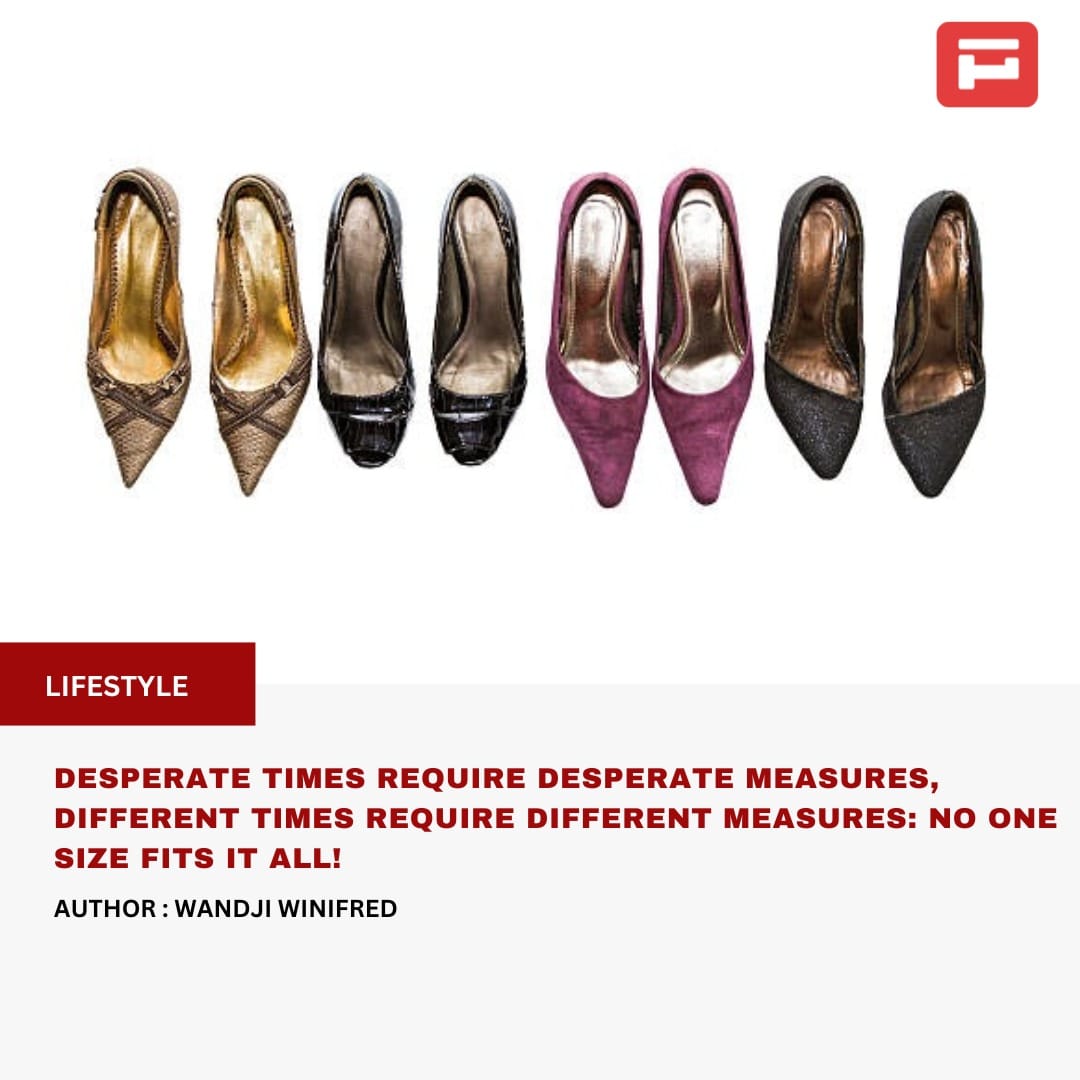
No One Size Fits It All: On Choosing the Right Measure for Each Moment
Life's circumstances are not binary—neither purely desperate nor purely normal—and they demand different emotional and strategic approaches. The writer argues that we must learn to consciously shift our mindset, resilience, and energy according to what each situation actually requires, rather than defaulting to habit or waiting for crisis to force change.
Easier Said Than Done: Excuse or Wake-Up Call
The writer examines the familiar phrase 'easier said than done' and argues that it need not be a shield from responsibility. Instead, it can function as a realistic warning that prompts better preparation and intentional action rather than passive acceptance of difficulty.

The Devil's Errors: Vigilance in Times of Comfort
A meditation on hidden problems—those that masquerade as stability and success until they strike. The writer argues that true problem-solving requires not just addressing obvious obstacles, but maintaining active awareness during moments of apparent safety, comfort, and achievement.

Value Talk: What Can You Offer?
The writer argues that social mobility and success depend not on proximity to influential people, but on the deliberate cultivation of one's own value, skills, and habits. Meetings with the powerful yield nothing without preparation; opportunity favors those who have already done the work.
The Wall of Bad Ideas
A practical meditation on the patterns of thought and behaviour that reliably lead nowhere—from get-rich-quick schemes to victim mentality to religious fanaticism. The writer proposes an internal wall of cautionary reminders, drawn from lived experience, to steady decision-making when the mind is busy or reactive.
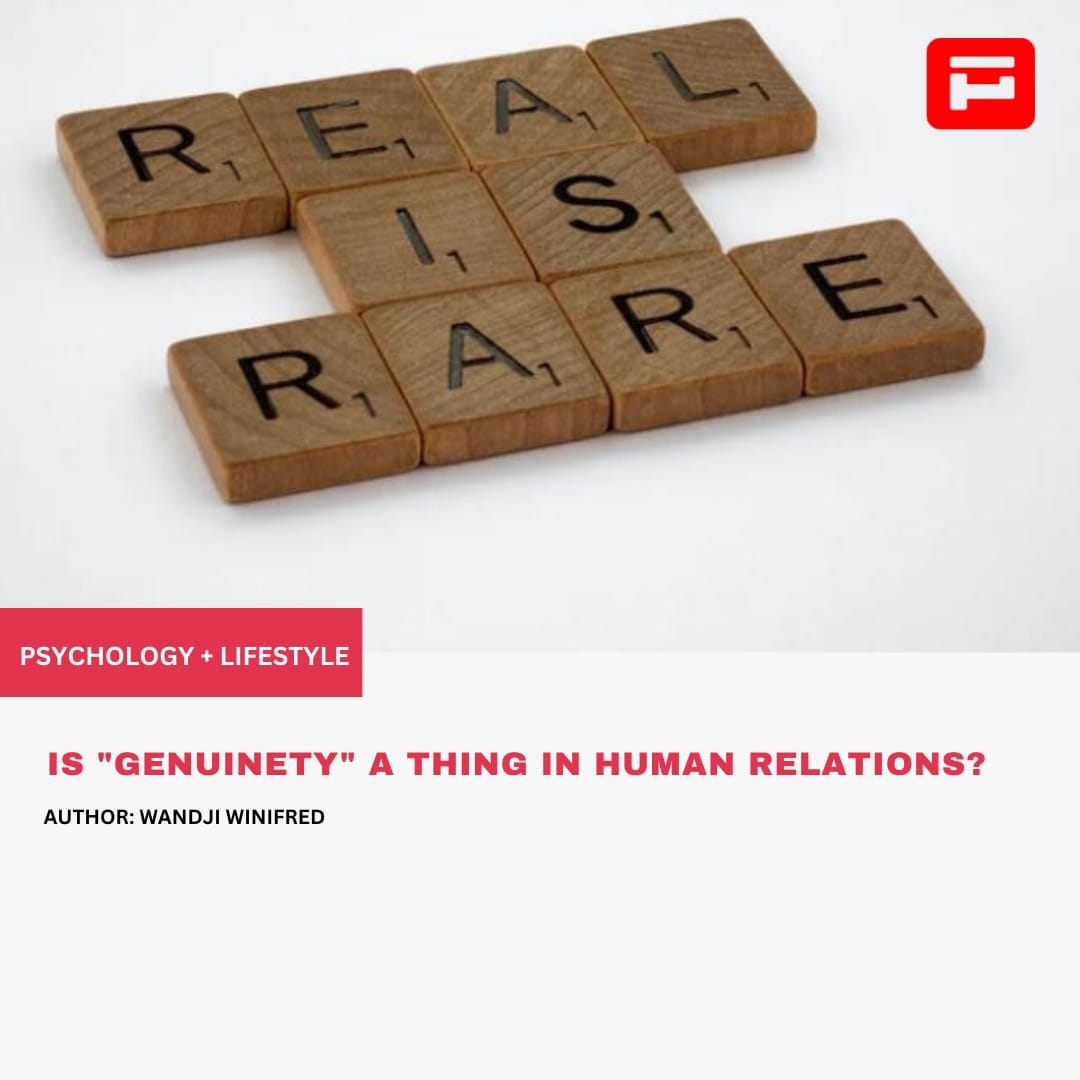
On Genuinety in Human Relations
The writer explores whether truly genuine human relationships—free from pretense, hypocrisy, and ulterior motive—are possible in a world where all action is driven by personal interest. Drawing on psychology and lived experience, the piece argues that while pure genuinety may be illusory, awareness of human motivation is essential to navigating relationships wisely.
Five Reasons to Always Keep Learning
Learning is not passive reception but active, conscious choice. This reflection outlines five dimensions—accuracy, self-reliance, leverage, relevance, and distinction—that compound when we commit to continuous learning as a deliberate habit.

See the Bigger Picture: Action, Consequence, and the Calculated Life
A meditation on how individual actions ripple outward into larger consequences, using a public incident involving footballer Samuel Eto'o to argue that success requires seeing beyond the immediate moment. The writer urges readers to calculate outcomes, understand their position in society, and recognize that life rewards intentional choices over reactive ones.
Do We Deserve a Democracy?
The writer examines whether Cameroon's citizens possess the civic engagement required to sustain a functioning democracy, arguing that the nation's stagnation stems not from the system itself but from widespread citizen apathy, vote-selling, and disinterest in governance. The piece contests the gap between democracy's promise—power to the people—and the reality of a disengaged, manipulable majority holding decision-making authority.
Six Tendencies That Undermine Our Claim to Logical Reasoning
This essay interrogates the gap between humanity's self-perception as rational beings and the widespread behaviors—information consumption patterns, susceptibility to financial schemes, resistance to learning, and emotional defensiveness—that contradict that claim. The writer argues that these tendencies are particularly visible in contemporary Cameroonian society, where logical consistency is honored in theory but abandoned in practice.

The Gift We Don't Use: On Reason, Instinct, and Our Collective Choices
The writer examines a paradox at the heart of contemporary life in Cameroon: humans pride themselves on logical reasoning, yet consistently make choices—from media consumption to financial schemes to learning habits—that contradict rational self-interest. The piece argues that reasoning is available to us, but using it remains a choice we frequently decline.
The Rules of Digital Creation: Starting from Fun and Finding Your Why
A practical guide to content creation in the age of smartphones and social media, drawing on nine years of writing experience. The author argues that sustainable, meaningful content comes from fun and clear purpose rather than trend-chasing or pursuit of aesthetics alone.
Building a Career in the Age of Entrepreneurship
The writer examines the distinction between having a job and building a career in Cameroon's thriving informal entrepreneurship sector. Drawing on personal experience, they argue that successful long-term work requires clarity of vision rooted in skill (not just passion) and the polymath mindset that entrepreneurship naturally cultivates—the ability to master multiple disciplines and discover where one's true strengths lie.
The Crown and the Mirror: On Selective Outrage and Our Own Accountability
In the wake of Queen Elizabeth II's death and the succession of King Charles III, the writer examines the surge of anti-colonial sentiment on social media, asking whether the anger directed at the British Empire reflects genuine reckoning or performative militancy. The piece pivots to a sharper question: whether Africans, and Cameroonians in particular, are willing to direct the same scrutiny toward their own governments.

From Job to Career: Building Entrepreneurship Beyond Survival
The writer reflects on entrepreneurship in contemporary Cameroon, distinguishing between those who stumble into business out of necessity and those who build toward genuine careers. Drawing on personal experience, the piece identifies vision aligned with skill-set and polymath thinking as essential pathways for entrepreneurs to transcend the precarity of self-employment.

The Execution of Rudolf Douala Manga Bell: A King's Stand Against Expropriation
On August 8, 1914, Rudolf Douala Manga Bell, the Paramount King of the Duala people, was executed by German colonial authorities after leading resistance to the expropriation of Duala lands. Working with the incorruptible patriot Ngoso Din, he mounted a legal and diplomatic campaign that briefly succeeded in suspending colonial funding—only to be condemned on fabricated charges of treason.
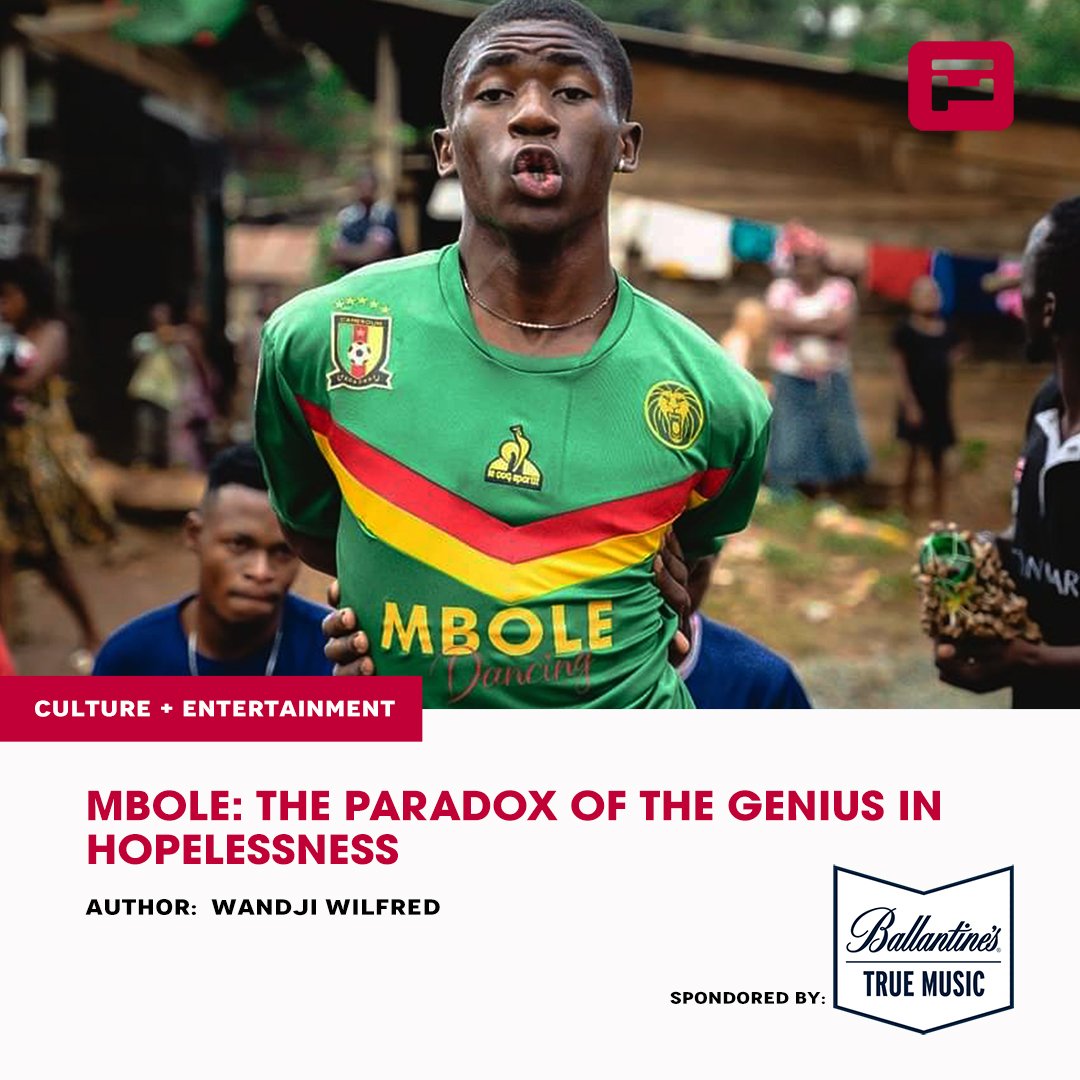
Mbole: The Paradox Of The Genius In Hopelessness
This reflection traces mbole music's emergence from funeral celebrations in Yaounde's poorer neighbourhoods to its recent mainstream recognition, drawing a parallel with hip-hop's origins in the Bronx. The writer argues that while mbole has become a powerful artistic outlet for young people facing social neglect, genius need not be born from desperation—and its full potential remains constrained by insufficient institutional support.

The Power of Small Acts: Tunde Onakoya and the Chess in Slums Movement
The writer celebrates Tunde Onakoya's Chess in Slums initiative in Lagos, which has transformed over 500 children from informal settlements through chess instruction and mentorship. The piece uses Onakoya's journey—from a single chessboard under Oshodi Underbridge to international recognition and measurable life outcomes—to argue that meaningful social change begins with small, persistent actions rather than grand gestures.
Karma Does Not Work the Way You Think
A reflection on why Cameroonian music perpetuates narratives of cosmic justice and redemption—where wrongdoers eventually face comeuppance and the virtuous are rewarded—when the actual world operates by different rules. The writer argues that this mythology, rooted partly in religious faith, reflects and reinforces a passive, wishful mindset that obscures harder truths about power, suffering, and chance.
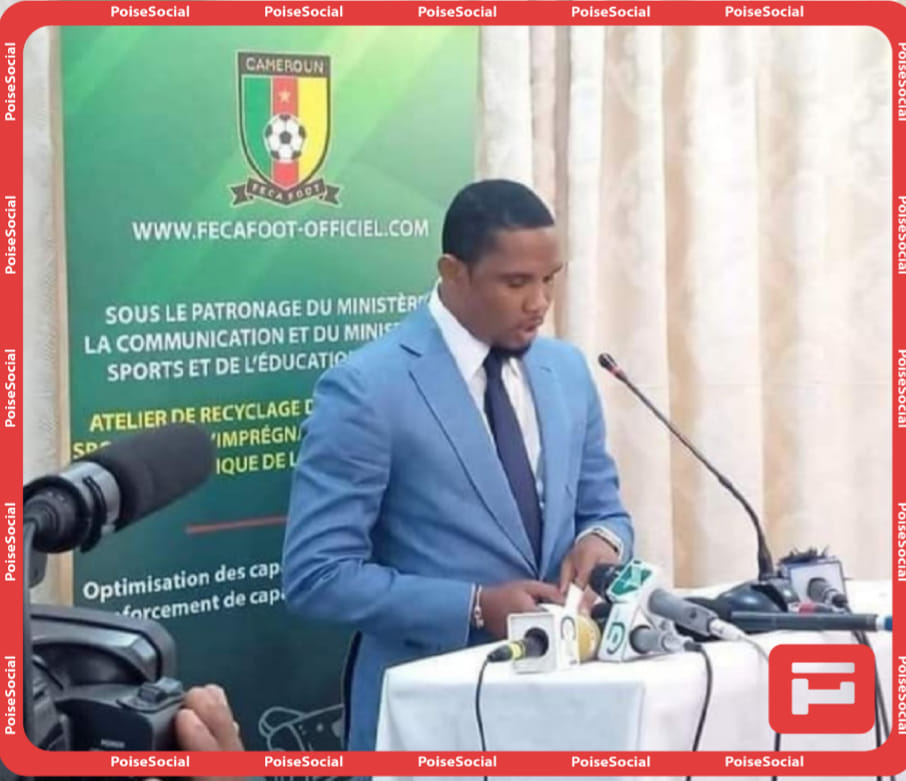
Samuel Eto'o and the Power of Leverage
This essay examines Samuel Eto'o's ascent to the presidency of Cameroon's football federation and argues that his ability to resolve bureaucratic obstruction—notably the recovery of 560 million FCFA in 24 hours—stems from leverage built through his own effort and achievement rather than political patronage. The writer uses Eto'o's example to reflect on how young Cameroonians might construct similar forms of independence and negotiating power.
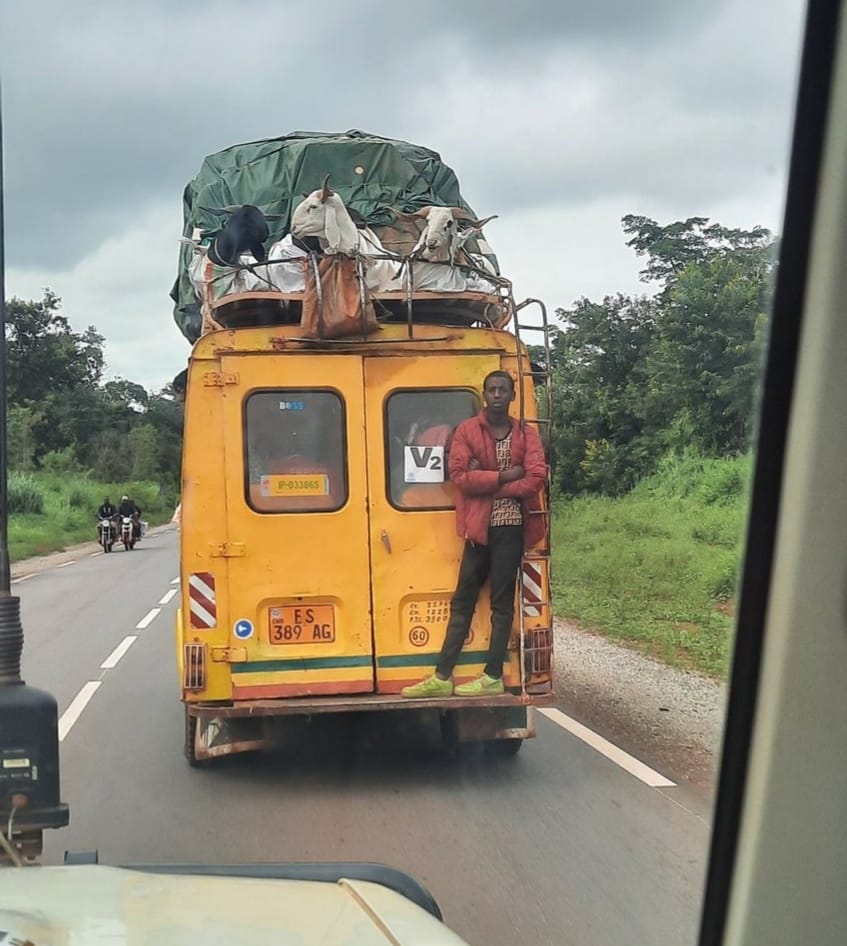
The Government Doesn't Love Us, and Neither Do We
A reflection on structural indifference in Cameroon, tracing a pattern of casual disregard for human dignity—from child bus attendants in Yaoundé to young workers clinging to overloaded vehicles on long-distance routes. The writer asks why economic pressure justifies risking lives when small sacrifices could prevent it.

The Embiid Choice: Governance, Loyalty, and the Economics of Representation
When NBA star Joel Embiid moved to obtain French nationality for international basketball competition, Cameroonians responded with anger rooted in historical grievance and wounded pride. The writer examines both the rational constraints—financial and institutional—that may have guided his decision, and the legitimate frustration of a nation whose young talents consistently leave for more resourced systems.
The Delusion About Big Brother Cameroon: Why Celebrity Cannot Be Manufactured Here
The writer challenges the widespread assumption that Cameroon's entertainment ecosystem can replicate Nigeria's Big Brother success stories, arguing that even in Nigeria most housemates fade into obscurity, and Cameroon's smaller market, lower consumer spending, and regional audience limitations make sustainable stardom from the show nearly impossible.

The Discipline Behind the Craft: Mr Leo's Three-Year Education
The writer reflects on Mr Leo's disciplined practice of writing at least two songs daily over three years—not necessarily as literal fact, but as a case study in how deliberate, sustained effort shapes mastery. The piece traces this regimen to Mr Leo's later success as a songwriter and ghostwriter for several Cameroonian artists, and uses it to argue for the unglamorous work that precedes visible achievement.

On the Ridiculous Need to Exploit Virality
The writer critiques the impulse to manufacture permanent internet fame from fleeting viral moments, examining how social media culture in Cameroon pursues and monetizes ordinary people who experience sudden online attention. The piece questions what drives this cycle of commodification and where it leads.
Brand Ambassador Deals in Cameroon: The Adidas Paradigm and Modern Influence
This piece traces the origins of brand ambassador strategy through Run-DMC's iconic partnership with Adidas in the 1980s, then applies that historical model to understanding contemporary endorsement deals in Cameroon. The writer argues that authentic lifestyle alignment—not just paid promotion—creates market movement and cultural legitimacy.
Wizkid's Loss and the Problem with the Grammys
Following Wizkid's loss in the Grammy Award for Best Global Music Album to Angelique Kidjo, the writer examines not the merit of either artist but the structural absurdity of the category itself—a catch-all that bundles radically different musical traditions under a single, reductive label.
Jean Miche Kankan and the Shadow He Cast on Cameroonian Comedy
This reflective essay examines the towering cultural dominance of Jean Miche Kankan in Cameroonian comedy during the 1980s and early 1990s, and asks whether his outsized popularity may have constrained rather than nurtured the growth of the broader standup comedy landscape. The writer traces Kankan's influence through childhood memory and cultural ubiquity, setting up a serious question about artistic monopoly and generational impact.
Brand Ambassador Deals in Cameroon: The Ko-C & Run DMC Paradigm
The writer examines Ko-C's brand ambassador deal with Chill beer through the lens of Run-DMC's iconic 1986 partnership with Adidas, asking whether Cameroonian hip-hop culture has yet developed the organic coolness and purchasing power to drive similar commercial momentum.

The Run-DMC Moment in Cameroon: Why Urban Music's Cultural Power Remains Untapped
This essay examines the Run-DMC–Adidas partnership as a template for artist-brand synergy, then tests it against Ko-C's 2021 endorsement of Chill beer. The writer argues that while the mechanics of cross-market influence are clear, Cameroon's hip-hop culture lacks the depth and originality to generate comparable commercial momentum.

The Cycle of Violence: From Classroom to Nation
The writer examines a viral video of a teacher brutally beating a student, tracing it to deeper patterns of inherited violence in Cameroonian society—from schoolyard beatings to documented abuses in conflict zones. The piece asks why such cruelty persists and where accountability begins.
Sango Edi on the Path of Makossa
A thoughtful review of producer-turned-artist Sango Edi's debut album *Engeleh Nye Poh*, which charts his evolution from behind-the-scenes work to a distinctive makossa-fusion sound. The writer traces his artistic reinvention through key singles and examines how the album balances accessibility with restraint, leaving room for future ambition.
Unity in Sport, Fracture in Governance: Why Cameroon Cannot Organise Itself
The writer observes that Cameroonians demonstrated rare collective solidarity during AFCON 2022 by supporting Egypt against Côte d'Ivoire, yet argues this unity is impossible to replicate for the country's internal crises. The piece traces this paradox to a system built on protecting institutional façades rather than addressing systemic corruption, tribalism, and the absence of genuine checks and balances.
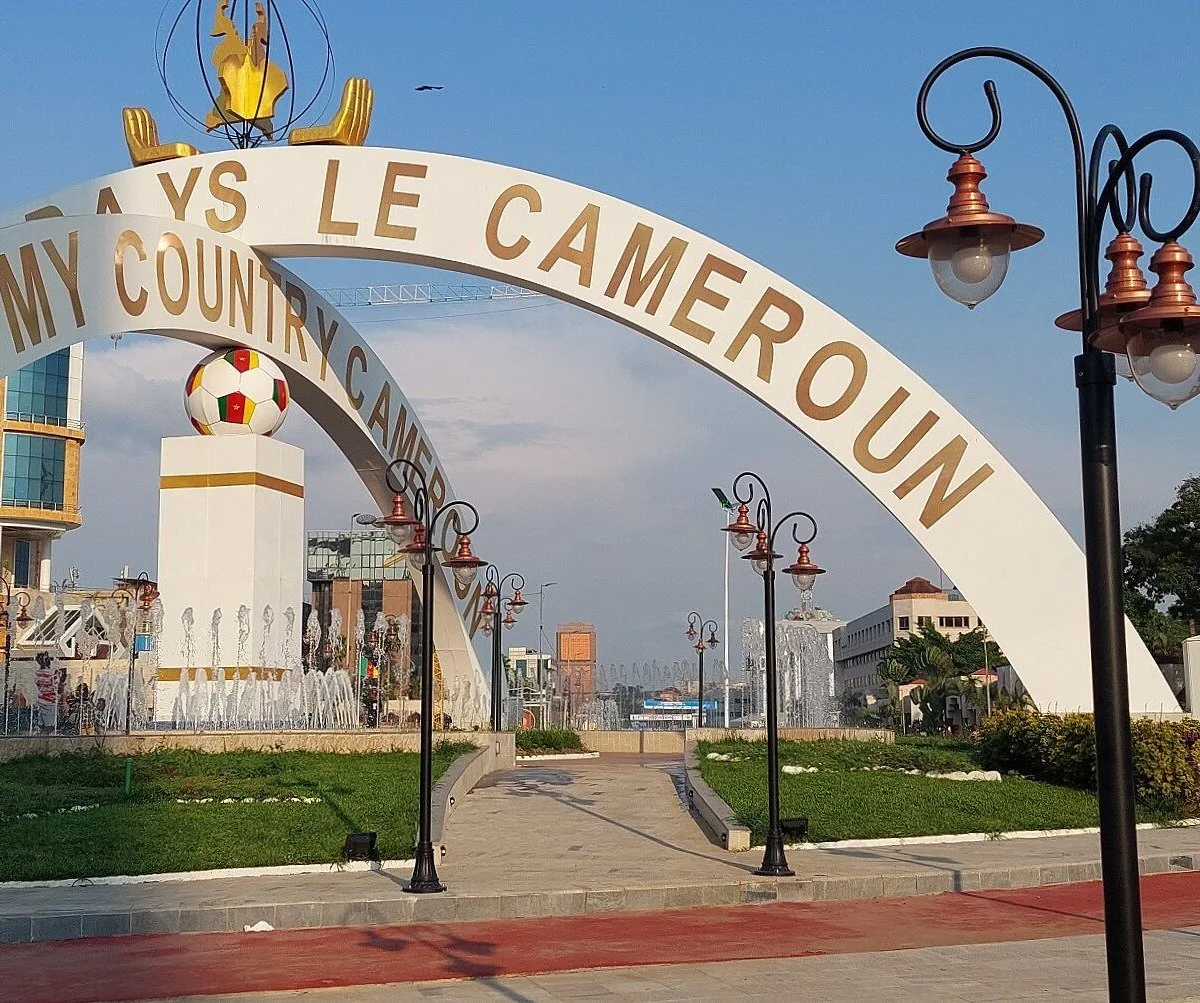
The Lies We Tell Ourselves: Thirteen Expressions That Confine Cameroon
The writer catalogs thirteen colloquial expressions—drawn from French, English, and Pidgin—that Cameroonians use to rationalize passivity, injustice, and systemic dysfunction. Each phrase, presented with examples of where it is heard, reveals a deeper culture of learned helplessness and self-imposed mental servitude.

Talent Is the Beginning, Not the Destination
The writer reflects on natural aptitude for writing and argues that while talent matters, it is discipline, focus, and sustained practice that ultimately separate those who succeed from those who do not. Drawing on examples from sports and music, the piece contends that the competitive landscape—especially in creative fields—demands not just skill but business acumen, self-marketing, and relentless commitment.

On the True Value of a Music Award
The writer questions whether the Canal 2'OR, Cameroon's most prestigious music award, holds any real power to shape an artist's career or the industry's trajectory. The piece argues that award ceremonies derive their worth not from their own institutions but from the intrinsic quality and professionalism of the entire creative ecosystem that surrounds them.

The Weight of Sacred Cloth: On Cultural Guardianship in a Flattened World
A reflection on a moment when musician Wax Dey challenged the appropriation of a Ndop blanket—a textile carrying deep ceremonial and hierarchical significance in Cameroonian tradition—by a foreign man. The piece moves from the backlash Wax faced to a meditation on cultural erosion, collective amnesia, and why defending such symbols matters.
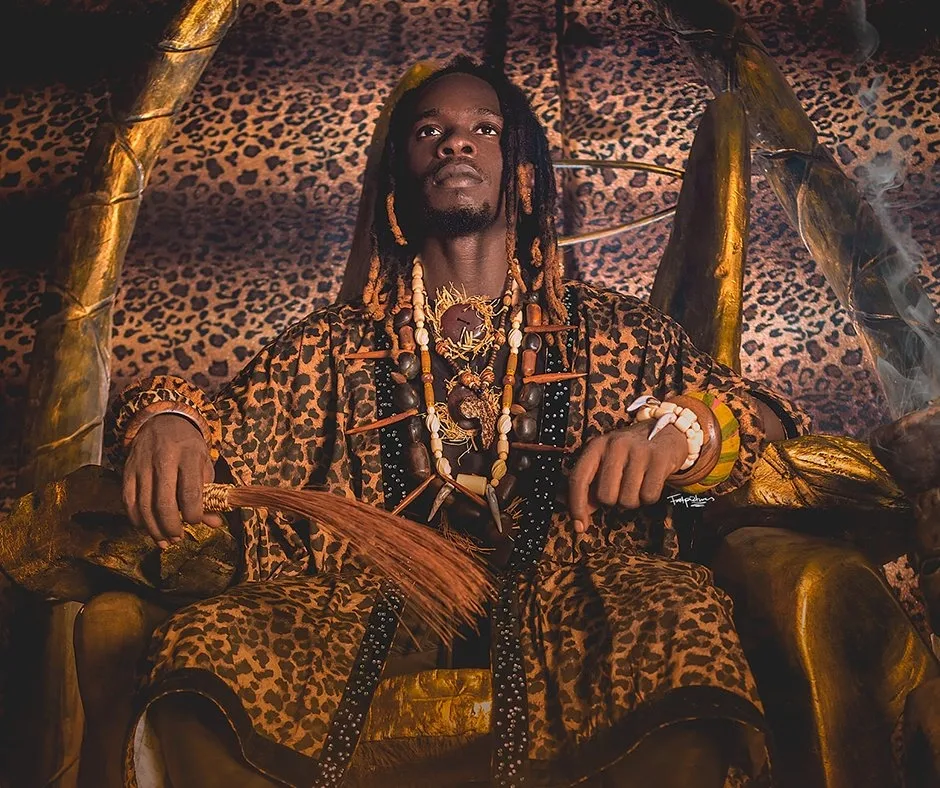
The Lion of Africa: Mr. Leo's Reinvention as Craft
A reflection on Mr. Leo's album *Lion of Africa* and the artistic shift it represents—from Cameroon's Afropop mainstream toward a more ambitious, genre-crossing work rooted in Lamnso language and West African musical traditions. The writer sees in it both a personal reckoning and a quiet rebuke to those who doubted his range.

You Are in Control of How Social Media Makes You Feel
The writer examines Lil Nas X's use of provocative imagery—a pregnant belly prosthetic—to promote his album, and the swift social media backlash it provoked. Rather than adjudicate the offense, Poise argues that constant outrage performance on digital platforms has become habitual and exhausting, and that readers retain agency in choosing what deserves their emotional energy.
Introducing Anyoh Fombad & Her Africa-Centric Podcast
A writer celebrates the launch of *Living African*, a podcast by Cameroonian diaspora figure Anyoh Fombad that addresses taboo subjects—domestic violence, rape culture, queerness, family communication—through intimate conversations with guests. The piece argues that such platforms democratize media and give voice to conversations long suppressed in African homes.

Canal 2'OR and the Structural Failures of Cameroon's Biggest Awards
A sharp critique of the Canal 2'OR awards ceremony's credibility, examining how its biennial schedule, opaque voting, vague eligibility windows, and poorly calibrated categories have rendered its nominations increasingly indefensible. The piece uses specific 2021 nominations to expose systemic gaps in research and curatorial judgment.

Stop Fooling Yourself: Why Writing and Reading Still Matter More Than Viral Fame
The writer argues that despite the allure of TikTok success, Cameroonians—particularly young people—must prioritize foundational literacy, writing, and communication skills. The piece challenges the assumption that digital platforms can replace the hard work of learning to read, write, and think critically.

Patriotism as Distraction: The Mimi Fawaz Incident and Cameroon's Defensive Culture
A writer examines the swift, vitriolic public response to a Nigerian journalist's casual tweet about a mosquito in her hotel room during AFCON, arguing that the outrage reveals a deeper pattern of performative patriotism that shields bad governance from accountability.

On Being Cameroonian Enough: Cultural Gatekeeping and the Cost of Conformity
The writer examines the rigid expectations placed on Cameroonian artists and public figures to perform a narrow, prescribed version of 'Cameroonianness'—pidgin speech, local references, a certain aesthetic—and argues that this gatekeeping conflates culture with kitsch and stifles both individual expression and national competitiveness.

The Untold Cuisines: Gaps and Possibilities in Cameroonian Food Blogging
As Cameroonian cooking channels proliferate online, the writer examines five critical gaps in how the country's cuisine is being documented and shared: inadequate nutrition literacy, weak visual presentation, limited ingredient adaptation, reluctance to experiment with traditional recipes, and narrow geographic curation that ignores regional dishes. The piece argues that intentionality of purpose—not trend-chasing—separates sustainable food creators from the many who abandon their channels.

The Cost of Inflated Credentials: On Platform Responsibility and How We Are Named
The writer examines the gap between the titles platforms assign to their moderators and the qualifications they actually possess, using the case of a prominent relationship advice figure whose followers have died by suicide. The piece argues that this inflation of expertise—endemic to social media culture—carries real consequences for vulnerable people seeking help.
The Case for Creative Hubs in Cameroon
The writer examines the Hype House model—a physical creative collective in Los Angeles where young content creators live and collaborate—and argues that Cameroon's creative industries would benefit from similar intentional spaces for cross-disciplinary collaboration beyond music.
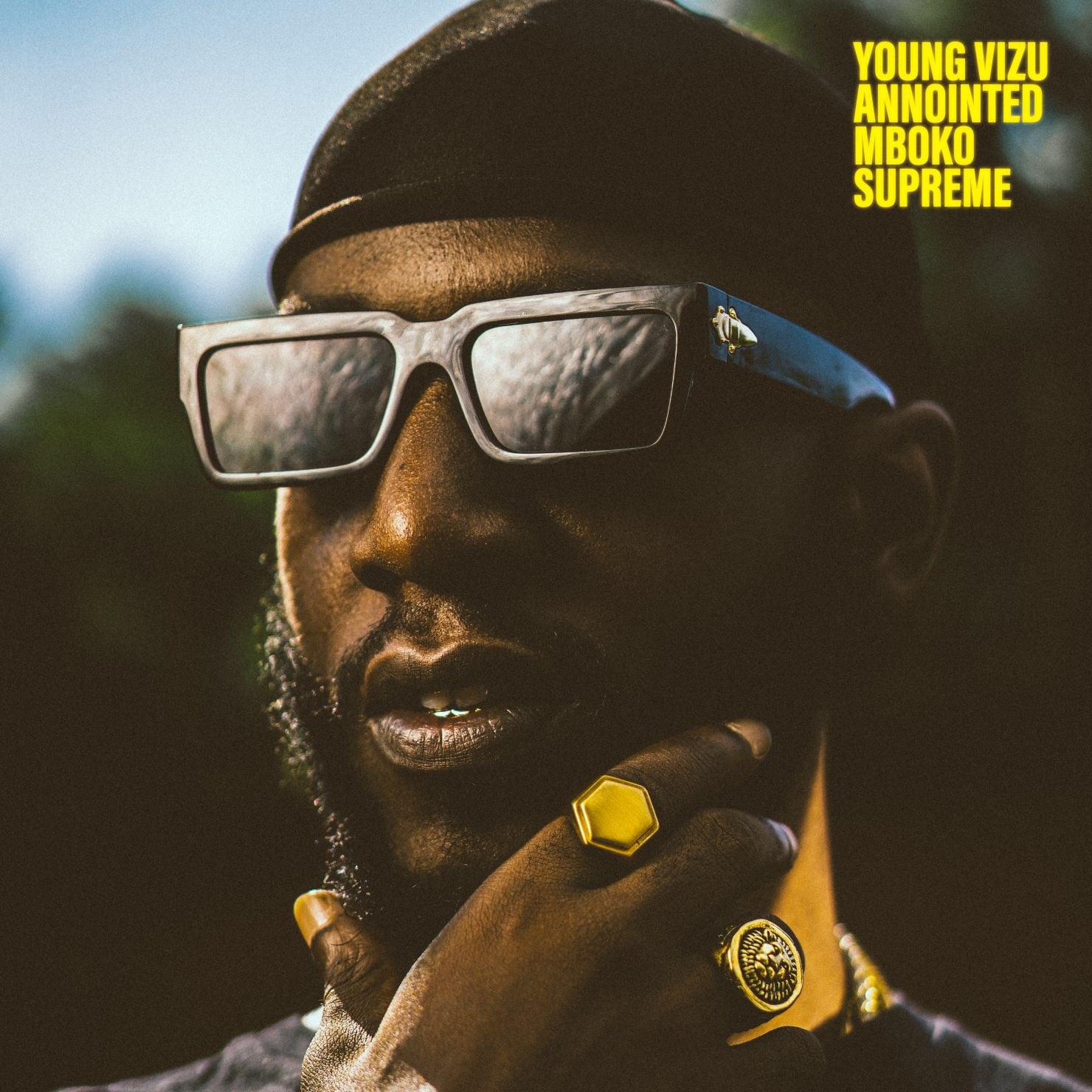
Jovi Releases a Mixtape: But What Is It Exactly?
The writer traces the evolution of the mixtape from its analog origins in the 1990s—homemade cassette compilations—through its centrality in hip-hop as a vehicle for artistic freedom and early-career visibility, to its contemporary blur with EPs and albums in the streaming era. Examining Jovi's new project *Young Vizu Anointed Mboko Supreme*, the piece asks whether genre labels still hold meaning when production and distribution costs have collapsed.

The Indecency of Social Affection: On Children as Brands
The writer examines the trend of parents creating Instagram accounts for toddlers, questioning whether the practice stems from genuine documentation or parental hunger for social validation. The post distinguishes between legitimate child modelling—governed by safeguards—and the uncontrolled exposure of infants to digital platforms driven by addiction to likes and followers.
Pressure: Is Jovi the Last of a Dying Breed?
This essay traces the evolution of Cameroonian urban music from the early 2000s to 2021, examining how technological shifts, media fragmentation, and generational taste shaped the landscape. It positions Jovi as a singular figure—an artist who arrived at the exact moment when a dedicated, quality-conscious audience still existed to sustain a traditional album-driven career.
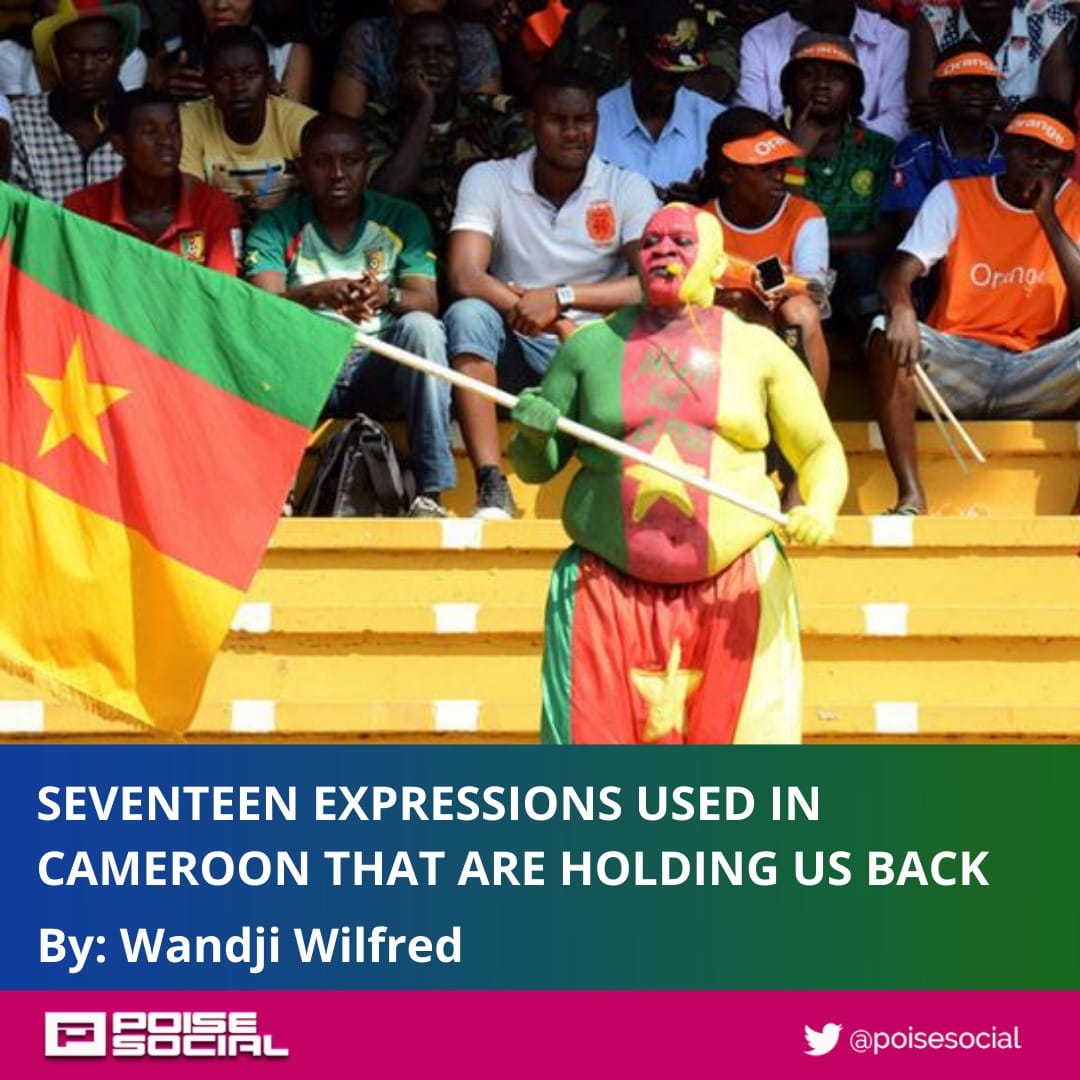
Seventeen Expressions That Confine the Cameroon Mind
Poise examines seventeen colloquial expressions in Cameroon—spanning French, English, and Pidgin—that encode resignation, defeatism, and acceptance of injustice. The piece argues that these phrases normalize mental servitude and perpetuate systemic dysfunction by legitimizing corruption, nepotism, and the status quo.
Strategy in the Content Age: When the Music Business Becomes About More Than Noise
The writer argues that while social media has made music into a content business, most Cameroonian artists create noise rather than strategy. True content work—exemplified by Beyoncé's constellation of documentaries, tours, and collaborative projects around a single album—requires intentional positioning and coherent narrative, not merely viral moments.
The Untapped Power of Cameroon's Cuisine as National Brand
The writer argues that Cameroon's exceptional and diverse cuisine represents an underutilised asset for national branding and tourism promotion. While ordinary Cameroonians consistently affirm the quality of their food on every platform, government tourism infrastructure has failed to harness this into a coherent, strategic national narrative.
The Three Marthes: Women in the UPC's Anti-Colonial Struggle
This essay recovers the story of three women—Marthe Nyobe, Marthe Moumie, and Marthe Ouandie—the wives of the UPC's legendary male leaders, situating them as independent political actors rather than supporting figures. It argues that the UPC's commitment to women's participation through organizations like UDEFEC represented an exceptional and deliberate feminist politics within Cameroon's independence movement.

The Republic of Facebook, and Why We Need to Lose Our Citizenship
The writer argues that young Cameroonians, particularly urban musicians and cultural workers, have retreated into a parallel economy and advocacy ecosystem built on social media, crowdfunding, and international networks—while ceding formal political and bureaucratic channels to less capable actors. This abdication, born from justified distrust of a gerontocratic state apparatus, paradoxically ensures their own marginalization from the laws and resources that shape their industries.
The Silhouette Challenge and the Rhetoric of Empowerment
A critical examination of the viral Silhouette Challenge, questioning the gap between claims of empowerment and the actual motivations—and risks—of sharing intimate content online. The writer argues that attributing participation to feminism or body autonomy obscures what he sees as vanity-driven behavior and a failure of personal responsibility.
Diane Audrey Ngako: The Art of Doing More with Less
A portrait of how Diane Audrey Ngako launched her podcast
Paola Audrey: Building a Niche Audience on the Internet and Scaling It
A reflection on Paola Audrey Ndengue's trajectory as a multidisciplinary content creator and curator across entertainment, politics, and culture. The writer examines how Paola has maintained editorial integrity and niche focus while becoming a trusted reference point in African discourse, resisting pressure to dilute her work for broader reach.

The Importance of Figures: Why Transparent Sales Matter for Cameroonian Music
The writer argues that transparency in music sales data—exemplified by Muzikol's public announcement that Big G Baba sold 5,000 EP copies—is vital for the Cameroonian music industry. By publishing concrete figures, local platforms can demonstrate that independent artists can build sustainable livelihoods directly from their audiences, without relying on global streaming platforms.
Can Gasha Return to Her Former Glory?
A reflective essay on the Cameroonian artist Gasha's rise in 2014 as a distinctive voice in a nascent urban music movement, her absence in the U.S., and the structural challenge of reclaiming prominence in an industry that shifted radically during her absence. The writer examines whether a niche, alternative afropop artist can sustain a career in Cameroon's increasingly consolidated mainstream.
The Duality of Aveiro Djess' New Song
A popular Cameroonian song celebrating hard work and modest labor is both a necessary corrective to social-media vanity and, simultaneously, an inadvertent endorsement of economic stagnation. The writer praises its message while warning that glorifying informal-sector survival wages masks deeper structural failures.

One Month After Kumba: On Platforms, Pressure, and the Work of Actually Showing Up
A month after the Kumba Massacre and the cultural industry's initial mobilization, the writer reflects on the gap between viral gestures and sustained ground action. They argue against blaming entertainers for unmet expectations, while naming those who did show up—not with statements, but with presence and material aid.
The Anglophone Crisis: A Nation Finally Reckoning
Written in late October 2020, following the Kumba massacre, this piece traces how social media mobilization around the Anglophone crisis shifted from marginal to mainstream, marking the first moment when Francophones and Anglophones seemed to unite against the conflict. The writer argues that prior campaigns like #EndPhoneTax created the conditions for sustained civic pressure, and calls for that momentum to be preserved.
The Art of Doing Much with a Little
A reflection on perfectionism and its costs, contrasted with Tino Foy's pragmatic willingness to create with limited resources. The writer examines how high standards can paralyze, and argues for embracing action over endless preparation.
Why Cameroonian Food Blogging Needs Depth: Five Gaps to Fill
The writer examines five critical gaps in how Cameroonian cuisine is presented online: nutritional knowledge, visual quality, adaptation across diaspora contexts, culinary experimentation, and intentional curation. Using Sylvia Dasi's work as an example, the piece argues that food bloggers can claim genuine niches by moving beyond trend-following to purposeful storytelling.
The Phone Tax: A Study in Governmental Incoherence
In October 2020, Cameroon's government proposed a 33% import tax on mobile phones to be paid directly by consumers—a measure virtually without precedent globally. Poise examines the tax's stated justification, its mechanisms, and the cascading technical, legal, and ethical problems that render it unworkable.
Wax Dey and the Ndop: On Cultural Literacy in a Global Age
The writer reflects on a social media dispute over a non-Cameroonian's misuse of sacred Ndop cloth, arguing that dismissals of the offense reveal a deeper cultural amnesia among Cameroonians themselves. The piece traces how colonial erasure and commercial democratization have severed many from the knowledge of their own textile traditions and their hierarchical, ceremonial significance.
Stanley Enow's New Song and the Machinery of Relevance
The writer examines the sharp public backlash to Stanley Enow's song "Tu Vas Lire L'Heure," acknowledging its lyrical weakness while defending its commercial intent and infectious energy. The piece pivots to argue that the song's real function is not artistic but strategic—a calculated move to sustain a personal brand that has already peaked, and that audiences are complicit in keeping that machinery turning.

The Brand Ambassador Bubble in Cameroon
This essay critiques the hollowing-out of 'brand ambassador' as a concept in Cameroon's creative industries, where the term has become a social-media-amplified status marker divorced from strategic partnership, genuine consumer correlation, or mutual value exchange. The writer traces how bloggers, music industry figures, and young aspirants have glamorized brand deals without understanding or communicating their actual nature.
Cameroon's Culinary Moment: The Wasted Chance at Nation Branding
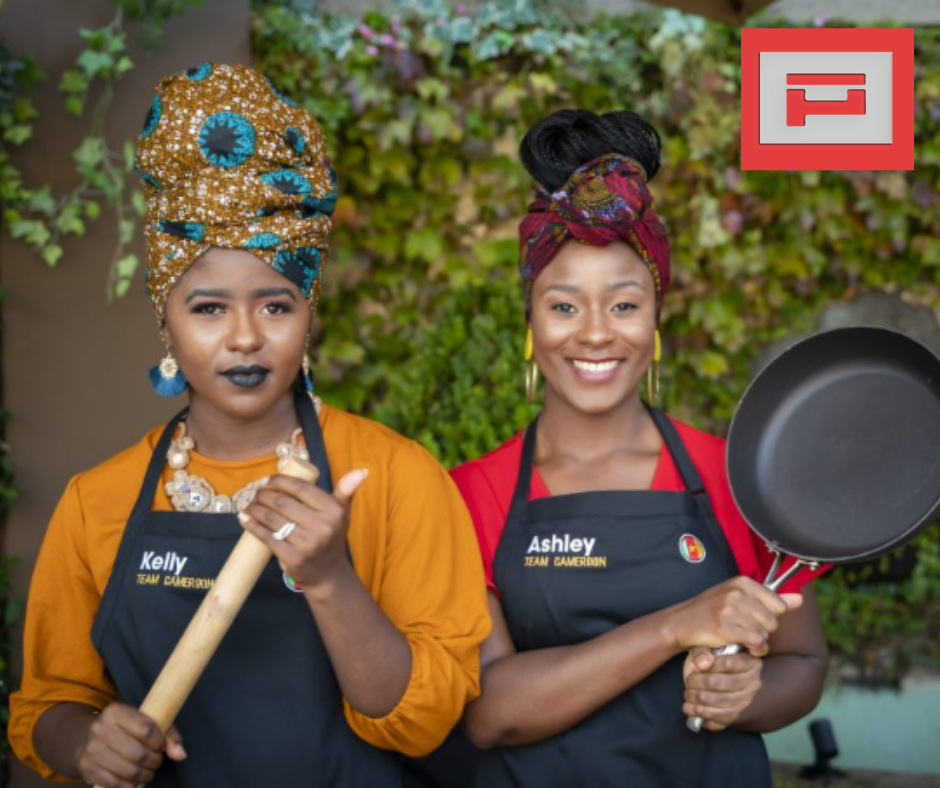
When two Cameroonian sisters won a round on an international cooking competition show, it exposed a broader truth: Cameroonians have long known their cuisine is exceptional and have defended it loudly, yet the state has failed to marshal this asset into coherent nation branding or tourism strategy. The post argues that what should be a flagship competitive advantage—the country's varied, celebrated food culture—remains orphaned from any serious government vision.
Meet Ritha Nengi: Beauty Entrepreneur
A profile of Ritha Kelly Nengi, a Cameroonian beauty entrepreneur who founded Glowrays Cosmetics after recognizing an underserved market for skincare solutions tailored to Black skin. Drawing on formal training in cosmetology and skincare formulation, she developed products addressing specific concerns—like hyperpigmentation on knees, elbows, and knuckles—that dominate Black women's skincare needs.
DJ Arafat and the Power of Youth to Transform Nations
A reflection on DJ Arafat's role as architect and keeper of the coupé-décalé movement—a Ivorian music genre that became a vehicle for post-conflict youth identity and continental cultural reinvention. The writer traces how Arafat's gift for reinvention kept him relevant across two decades while his peers faded, and argues that his passing marks the end of coupé-décalé's creative golden age.
Jean Miche Kankan's Shadow: Did One Comedian's Dominance Constrain an Entire Genre?
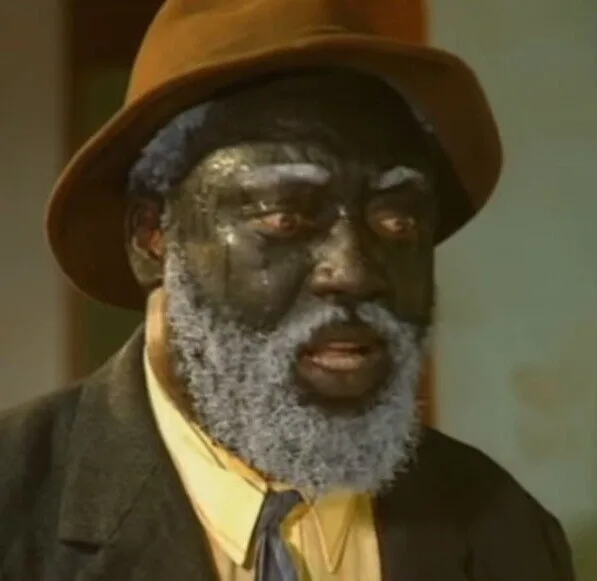
This reflective essay asks whether Jean Miche Kankan's overwhelming cultural dominance in Cameroon's comedy scene during the 1980s and early 1990s—achieved through brilliantly observed sketch comedy rooted in everyday social grievance—inadvertently discouraged younger comedians from developing original voices and styles. The writer traces how imitators copied both his character and costume rather than innovating, and how the genre itself began to shift only when media liberalisation and new platforms allowed for different approaches.
The Kankan Question: How One Comedian Shaped—and Possibly Constrained—Cameroon's Comedy
This essay traces Jean-Miche Kankan's outsized cultural influence on Cameroonian comedy from the 1980s through the early 2000s, examining both his brilliance as a sketch comedian and the ways his dominance may have narrowed the genre's evolution. The writer reflects on Kankan's work as social commentary on corruption, bureaucracy, and everyday Cameroonian life, while questioning whether his near-monopoly on the comedy landscape discouraged stylistic innovation.
Rudolph Douala Manga Bell: A King's Last Stand
On August 8, 1914, Rudolph Douala Manga Bell, King of the Duala people, was executed by German colonial authorities for his legal resistance to the expropriation of Douala lands. Trained as a lawyer in Germany, he had petitioned the German parliament through his trusted adviser Ngoso Din, nearly succeeding in halting the colonial seizure before being arrested on fabricated charges of treason.

The Discussion That Should Have Happened: On Criticism, Sarcasm, and Cameroon's Comedy Discourse
A critical examination of a public dispute between comedian Cyril Inter and critic Kwoh Elonge over the merit of Cameroonian comedy. The writer argues that while Elonge's initial critique—delivered with sarcasm—may have stung, Inter's vitriolic response and subsequent refusal to engage in structured dialogue represented a missed opportunity for genuine industry reflection.
The Women of Bikutsi: Sexual Perversion or Sexual Liberation?
The writer examines Bikutsi music—particularly K-Tino's explicitly sexual lyrics—as a form of sexual liberation rather than mere perversion. Through personal reflection on discovering the genre's boldness and its treatment by society, the piece argues that the music represents women claiming vocal agency over their own desire and pleasure, even as patriarchal norms punish female artists far more harshly than their male counterparts.
100% Jeune, 100% Accolades Merited
A reflection on the role of 100% Jeune magazine in shaping sexual health literacy for a generation of Cameroonians, contrasted against the silence and taboo that surrounded sex education in the writer's own upbringing. The piece argues that as that generation becomes parents, breaking inherited silence on sex and sexuality becomes both possible and necessary.
Rinyu: A Coup de Cœur Musicale
The writer celebrates the discovery of Rinyu, a Cameroonian musician signed to AKUMBA Music, whose fusion of Afropop and Afrojazz joins a lineage of niche, distinctive female artists reshaping the country's musical landscape. The piece praises both her artistry and her label's serious commitment to her development and promotion.
Slay Queens, Urban Acts, and the Spirituality of Success
The writer examines how invocations of divine blessing have become ubiquitous in Afropop and social media culture—from rappers crediting God for their success to 'slay queens' quoting scripture while engaged in morally ambiguous commerce. The piece traces a cultural pattern in which faith serves as explanation for rapid social mobility, mirroring both religious conviction and strategic performance.

The Sacred and the Secular: Faith, Hustle, and Contradiction in Afropop
The writer traces the curious blending of sacred invocation and secular living across Cameroonian and broader African pop culture—from church singers embracing secular hits to scammers cloaking schemes in scripture to Afropop artists who call on God between songs celebrating earthly excess. The piece examines how this paradox reflects deeper African spiritual pragmatism rather than hypocrisy.
Poverty Porn and Urban Music in Cameroon
The writer examines the prevalence of manufactured hardship narratives in contemporary urban music across West Africa and Cameroon—artists from privileged backgrounds invoking poverty, struggle, and 'ghetto' credentials as a genre convention borrowed uncritically from hip-hop's authentic roots.
Freaky Table: The Culture Conversation Cameroon Needed
A celebration of Freaky Table, a YouTube talk show hosted by Joan Ngomba, Kwoh Elonge, and Yana Max, which brings sharp, entertaining analysis to questions of culture, entertainment, and society in Cameroon. The writer sees in the trio's work a natural video counterpart to Poise's own editorial mission.

Diaspora Urban Acts: Does the Formula Work?
The writer examines the viability of Cameroonian musicians promoting themselves to a domestic audience while based abroad, questioning whether geographic distance from home—even in diaspora hotspots like the US or UK—ultimately undermines artistic and commercial success. Through cases like Blanche Bailly and Poker, the piece argues that proximity to Cameroon's creative ecosystem and home-crowd support offer decisive advantages that diaspora-based promotion strategies cannot replicate.

The Brand Name Question: On Oluwa, Representation, and African Pride
A Poise contributor examines the controversy around a fashion brand's use of 'Oluwa,' a Yoruba word for God, owned by co-founder Tino Foy. The piece moves from personal distaste for the name to a deeper meditation on why Africans bristle at Nigerian cultural dominance, the power of brand storytelling, and the colonial distortion of African versus European religious narratives.
Rap as Existential Confession: On Listening for the Demons
A reflection on why rap music, at its best, resonates so deeply with those who love language—not for technical virtuosity alone, but for its capacity to articulate the internal battles of conscience, identity, and meaning that define human existence. The writer traces this through personal listening history and finds in Poker Ship's 'Young Monsters' a return to rap's essential form: raw testimony without easy answers.
The Music Business Has Become a Content Business
The digital transformation of music consumption—from streaming to social media—has fundamentally altered how the industry operates. Musicians can no longer rely solely on releasing albums and touring; they must now function as content creators, building anticipation and audience loyalty through consistent output across platforms.
The Attention Economy and the Collapse of Genuine Discourse
The writer examines how accusations of
Makossa at the Crossroads: A Meditation on Cultural Inheritance
Written on the occasion of Nguea Laroute's death, this reflection traces the decline of makossa music—once Cameroon's cultural ambassador to Africa—and asks what will become of the genre as its elder custodians pass away. The writer argues that while contemporary Cameroonian music absorbs traditional elements, the purity and intentionality of classic makossa risks being lost to generational and technological shifts.
Richard Bona: The Troll King and the New Music Blueprint
During the 2020 pandemic lockdown, bass virtuoso Richard Bona leveraged social media lives to share long-suppressed stories of mistreatment by Cameroon's state—from passport fraud to denial of entry to bury his mother—culminating in the political anthem "Allo Fokou." The piece argues that his viral success demonstrates a hard rule of contemporary music: building an audience now requires not just making songs, but being present as content yourself.
The Weight of a Sound: Jovi, Mboko, and the Cost of Ownership
This essay examines Jovi's relationship to the mboko rap sound he created—a distinctive sonic and thematic identity that has defined his career and influenced Cameroon's hip-hop landscape. It asks whether his fierce guardianship of this creative territory, while understandable, has become a constraint that prevents both his evolution and the genre's natural development.
Maahlox and Trash Talk Diplomacy: When Platform Becomes Provocation
A critical reflection on a Cameroonian musician's inflammatory social media remarks about a fellow public figure, examining the gap between his platform's occasional utility and his habitual resort to crude, sexist speech. The piece questions whether this 'trash talk diplomacy' has crossed from edgy brand into simple disrespect.
Play Your Music and Say Nothing: On Dissent, Artists, and Political Voice in Cameroon
The writer examines the cultural pressure placed on Cameroonian artists—exemplified by Charlotte Dipanda's recent political statements—to remain silent on governance and regime change. The piece argues that this silencing reflects deeper pathologies: Stockholm Syndrome acceptance of dysfunction, a particular form of crab mentality that polices intellectual ambition, and deliberate attempts to frame artists as intellectually unqualified to engage politics.
What Is an EP? A Brief History and Why It Matters for New Artists
The writer reflects on the recent wave of young Cameroonian musicians releasing EPs—compact musical projects of 3–7 tracks—and explains the format's origins in vinyl technology and its modern role as a low-barrier route to discovery. Using examples like Kehlani and Koffee, the piece argues that EPs are a vital proving ground for independent artists.
Is Lamnso Going to Create the Next Big Cameroonian Music Wave?
The writer surveys five emerging genres of Lamnso-language music—Afropop, Traditional, Hip-Hop, Afro-Folk, and Afro-Alternative—and argues that the musicality and tonality of Lamnso, combined with growing public reception, suggests the North-West region may be on the verge of a significant cultural moment in Cameroonian music.
The Craft of Crowdfunding: What Tilla's Album Campaign Could Have Been
When a Cameroonian musician publicly solicited funds for a new album, the writer examines not whether crowdfunding itself is appropriate, but how it might have been executed with greater narrative force and cultural resonance. The piece uses Tilla's situation as a case study in the gap between impulse and strategy.
Le Syndrome du Call-Box: On Imitation and the Limits of Cameroon's Creative Ambition
The writer reflects on Cameroon's propensity to replicate successful ventures without innovation—from twerking livestreams to entertainment blogs to rival music factions—tracing this pattern to what he calls 'Le Syndrome du call-box,' a mentality that limits both business models and imagination.
On Naming: Vernyuy Tina and the Problem of Genre Classification
The writer reflects on how artists name their music, using Vernyuy Tina's self-categorization as "Afro-Njang" as a case study. The piece argues that existing genre labels—especially umbrella terms like "Afrobeats" or "Afro-pop"—flatten the distinctiveness of Cameroonian and African artists, and that Tina's work is unique enough to warrant its own nomenclature rather than external classification.
Consistency Alone Is Not Enough: What Burna Boy's Rise Teaches Us About Growth
The writer traces Burna Boy's musical trajectory from 2011 to 2019, arguing that his breakthrough was not simply the result of releasing music consistently, but of proactive consistency—the willingness to experiment, take risks, and evolve while building an audience. True growth requires both steady output and deliberate transformation.
Chili Wawaye: A Nso Heritage to Be Celebrated
A reflection on the musician Chili Wawaye and her role as a custodian of Nso cultural heritage through music deeply rooted in Lamnso language and traditional Grassfields instrumentation. The writer celebrates her artistry while lamenting the marginalization of traditional ethnic musicians in favor of pop and urban genres.
Quartier Mozart: A Mirror to Cameroon
The writer recommends the 1992 film Quartier Mozart as essential viewing for Cameroonians—particularly filmmakers—for its unflinching social drama and earthiness. Released three decades ago, the film remains urgently relevant because the conditions it depicts have not merely persisted but worsened.
Finding Your Brand Voice Part II: How Beta Tinz Became a Trusted Hub for Information
This essay examines how Beta Tinz, an Instagram page centered on Pidgin English storytelling, built trust and cultural authority by combining intimate, vernacular voice with rigorous fact-checking. The writer argues that Beta Tinz succeeds not through novelty but through a distinctive tonal quality—the voice of a beloved cousin delivering gossip with both wit and verification.
Finding Your Brand Voice: How Bimstr Built a Platform Through Authentic Language
An analysis of how Bimstr, a Cameroonian music promotional platform, succeeded by speaking directly to its young, urban audience in Franc-Anglais—the colloquial blend of French and English that dominates social media in Cameroon. The writer argues that effective brand communication requires first knowing your ideal customer, then choosing a voice that is both authentic to your brand and genuinely familiar to those behind it.
The Details That Stand Apart: On Self-Sabotage in Creative Work
The writer reflects on why emerging musicians often fail to present themselves professionally to gatekeepers and platforms, drawing on a podcast anecdote about the friction between raw talent and basic marketing discipline. The piece argues that attention to detail—in press materials, emails, and personal branding—is not mere polish but a fundamental act of respect for one's own work.
Young Cameroonian Musicians and the Pandemic Moment
The writer examines whether young Cameroonian musicians are seizing the creative and commercial opportunities that emerged during COVID-19 lockdowns, when global artists were innovating online to reach isolated audiences. Noting examples from the US, Nigeria, and elsewhere, the piece finds Cameroon's music scene largely absent from this moment of digital creativity and direct fan engagement.
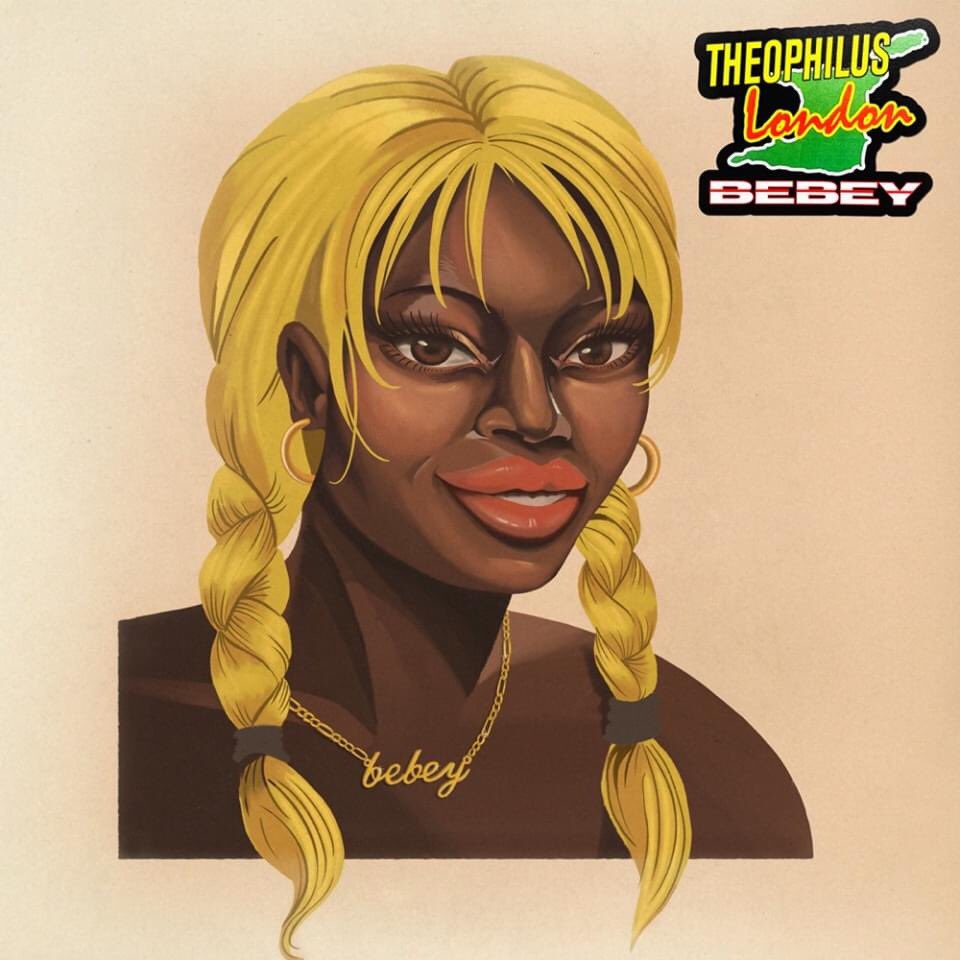
Francis Bebey's Song and the Copyright Question
The writer documents a case in which American rapper Theophilus London's song, featured in Netflix's *Ozark*, appears to draw from Cameroonian musician Francis Bebey's work—without permission or compensation to Bebey's estate. The post connects this incident to an earlier essay on the vulnerability of creative ideas in the absence of intellectual property protection.
Manu Dibango Airport: How CY Inter Played Himself
Following Manu Dibango's death in March 2020, musician Richard Bona proposed renaming Douala Airport after the legendary saxophonist. When comedian CY Inter publicly questioned whether Dibango's musical legacy justified such an honor, arguing instead for tangible investments like real estate, the writer responds with a sharp critique of how Cameroon undervalues cultural and intellectual contribution.
Koppo and the Cameroonian Hip-Hop Reckoning
A reflective essay traces how Koppo's 2003 album, built on Camfranglais rather than the French or English dominating rap at the time, fundamentally shifted Cameroon's music landscape. By rapping in the language of Cameroonian youth culture itself, Koppo opened a door that subsequent generations of artists have walked through, from Franko to Locko to Jovi.
Bantou Po-Si: Architects of Afropop Before the Genre Had a Name
A personal essay tracing the discovery and legacy of Bantou Po-Si, a Cameroonian rap group that emerged in 2001 with the single 'Nikeles' and secured an early major multinational endorsement. The writer argues they were stylistically and lyrically ahead of their time, with compositions that would fit seamlessly into today's Afropop landscape.
Pascal's Digital Romance: What a Cameroonian Rap Song Reveals About Love in the Internet Age
The writer explores Pascal's song "Douala to Brazaville," which narrates the collision between online intimacy and physical meeting—a guy and girl who build connection through digital channels, meet briefly, and part ways. The piece reads the song as a cultural document that captures something essential about how technology has reshaped the texture of modern relationships.
Diaspora Urban Acts: Does the Formula Work?
The writer examines the economics and viability of Cameroonian musicians pursuing music careers from abroad, particularly those using social media sponsorship to reach home-market audiences. While some diaspora acts succeed, the piece argues that proximity to Cameroon's creative ecosystem and home-crowd momentum remain decisive advantages that dispersed artists struggle to replicate from distance.
Taron X and the Pillar of Rap You Didn't Know About
The writer examines Taron X's song
Will Ewube Be Reborn Under Stevens Music?
A critical reassessment of Cameroon-based artist Ewube's musical reinvention, which the writer views as a necessary departure from ragga-dancehall toward a more commercially viable genre. The piece tracks her earlier work's limitations and celebrates her new EP 'Renaissance' as evidence of artistic maturation and a willingness to compete in a broader creative landscape.
The Price of Public Speech: On Talent, Communication, and Accountability
A reflection on the young Cameroonian musician Fhish's struggle with public communication despite evident talent. The writer argues that his tendency toward unguarded remarks—most recently mocking those mourning Kobe Bryant—reveals a dangerous gap between artistry and the discipline required of public figures.
Must We All Be Feminists?
The writer reflects on the discomfort of watching a provocative article spark predictable ideological reactions, and uses this moment to question whether contemporary feminism's critique of "toxic masculinity" has lost nuance. The piece argues that masculine traits need not be pathologized, and that feminist praxis in a Cameroonian context requires deeper understanding before prescribing how men should be.
Consistency Alone Is Not Enough: The Lesson of Burna Boy's Breakout
This essay traces Burna Boy's rise from underground artist to global phenomenon, arguing that his success was not simply the result of consistency, but of what the writer calls "proactive consistency"—a willingness to experiment, take risks, and evolve within a sustained output. The piece examines how his earlier uniform sound gave way to the breakthrough album *Outside* and the hit song "Ye," which benefited from both artistic growth and fortunate timing.
The Renaissance of Ewube: On Musical Reinvention and the Courage to Change Course
A critical assessment of Cameroonian artist Ewube's stylistic departure from ragga-dancehall into more mainstream-accessible territory, marked by her EP Renaissance under Stevens Music. The writer argues that this shift—long overdue—represents not failure but necessary evolution, and that true rebirth will be measured by the lasting resonance of her new work.
Vision Boards and the Work They Represent
A practical argument for making a vision board in 2020—not as magical thinking, but as a tool for reflection, visualization, and accountability. The writer urges readers to ground their boards in realistic goals and honest depictions of effort, not fantasy.

Sharone Konfor: A Vocalist Beyond the Mainstream
A personal testament to the artistry of Sharone Konfor (Share'On), a Cameroonian vocalist whose technical mastery and emotional depth place her in the lineage of celebrated Afro-Jazz singers. The writer celebrates her ability to translate studio brilliance into live performance and her gift for invoking place and memory through song.
On Media Training and the Professionalization of Public Speech
A Cameroon music industry figure responds critically to an entertainer's on-air remark suggesting a peer should quit music, arguing the incident reveals a deeper gap: the lack of professional media coaching and communication skills among many local artists. The piece uses this moment to call for industry-wide investment in PR training, crisis management, and intentional public communication.
Is Motherland Music Shortchanging Itself?
The writer examines Motherland Empire's minimal roster development over six years since Stanley Enow's breakthrough in 2013, using the poor promotion of first signee Daicko as a case study in squandered opportunity. The piece questions why a label led by one of Anglophone Africa's most prominent urban artists has failed to leverage that influence to develop talent, especially in a landscape where competing labels have shown far greater productivity.
Sexual Education in the Pentecostal Household: Eleven Seconds and a Magazine
A writer reflects on the poverty of sex education in his own upbringing—a breathless eleven-second warning from his mother—and credits the magazine 100% Jeune with filling the gap for his entire generation. He argues that while the magazine's role was vital then, today's teenagers face vastly different media landscapes and deserve equally earnest, ongoing conversations from the adults around them.
Jessyka Fon and the Illusion of Luxury
A reflection on a Cameroonian actress's refreshingly honest social media post about her red-carpet look, in which she disclosed the modest costs and thrifted sources of her outfit. The piece celebrates her candor as a quiet act of resistance against the pressure to perform wealth and exclusivity online.

Stanley Enow's Reckoning: From Breakthrough to Reinvention
Nearly a decade after his breakthrough with 'Hein Pere,' Stanley Enow faced a critical juncture: a shift from musician to brand had diluted his core product, and collaborations with major regional artists overshadowed rather than elevated him. The writer traces how strategic missteps and an inflexible artistic identity left him vulnerable to emerging peers, before a recent pivot toward afropop and local collaboration suggested a possible turning point.

The Artistic Director: A Neglected Role in Cameroon's Entertainment Industry
This piece examines the role of artistic director in music video production, arguing that it remains an undervalued and often-unfilled position in Cameroon's entertainment sector. The writer outlines the core responsibilities—determining visual imagery, collaborating on pre-production, and understanding technical elements like lighting and editing—and sketches the personal qualities and skills required for the work.
The Case for Artistic Directors in Cameroonian Music Video Production
The writer argues that Cameroon's entertainment industry, particularly in music video production, lacks trained artistic directors—professionals responsible for the visual and aesthetic direction of a project. This gap leaves the role often absorbed by video directors or filled inadequately, when it should be a distinct position for creative individuals with formal training or self-directed learning in art, design, and technical production.
The Spirit of Molyko: A Crucible of Cameroonian Creative Energy
The writer traces how Molyko, a university district in Buea, became the incubator for Cameroon's modern entertainment industry through the friction and collaboration of student creators. Names like Dr Nkeng and Daphne emerged from this ecosystem of musicians, graphic designers, and event organizers working in rudimentary studios and competing in student-led award shows.
How Ulrich Takam Got One Step Ahead of Everybody
A 2019 profile of Ulrich Takam, a Cameroonian webseries creator whose *Les Delires de Takam* achieved millions of views across Francophone Africa by combining rigorous production standards—polished sound, lighting, cinematography, and writing—with genuinely skilled acting and no artificial laugh tracks. The piece argues that Takam's rise, though built on familiar formats, distinguished itself through disciplined craftsmanship.
Am I My Sister's Keeper? On Doubt, Desire, and the Cost of Success
A reflective essay prompted by an overheard remark about a young woman's expensive car. The writer examines why Cameroonian society—particularly women—so readily attributes a young woman's visible success to sexual favor rather than her own effort, and asks whether this reflex is rooted in observable reality or in deeper anxieties about gender and economic power.
Grand Barack, or the Bastardisation of the Music Industry
The writer reflects on the commodification of a viral internet personality—a 65-year-old welder—into a music performer, reading his elevation as symptomatic of a broader collapse of artistic integrity in Cameroon's music landscape. The piece laments how viral spectacle has come to displace genuine craft and critical voice.
On Stephanie Tum, 'Saving Mbango,' and the Possibility of Cameroon's Cinema
A longtime skeptic of Cameroon's film industry praises Embi Productions' marketing campaign for 'Saving Mbango'—specifically its strategy of educating the public about cinema history while building engagement—as a rare example of thoughtful cultural production. The writer remains wary of broader industry tendencies but allows that this effort has rekindled hope.
A Joyce Babatunde a Day Keeps the Demons Away
A meditation on the artistry of Joyce Babatunde, an Afrosoul musician whose voice and lyricism operate as a form of spiritual balm. The writer praises her as a poet-musician who restores depth and authenticity to a landscape often dominated by commercial formula.
The Illusion of Influence: Why Follower Count Doesn't Equal Market Power in Cameroon
This piece examines the gap between social media followings and actual influence, arguing that true influencers must create sustained value rather than simply accumulate followers. Using examples from Marques Brownlee to local Cameroonian personalities, the writer demonstrates why influencer marketing remains largely ineffective in Cameroon's limited digital ecosystem.
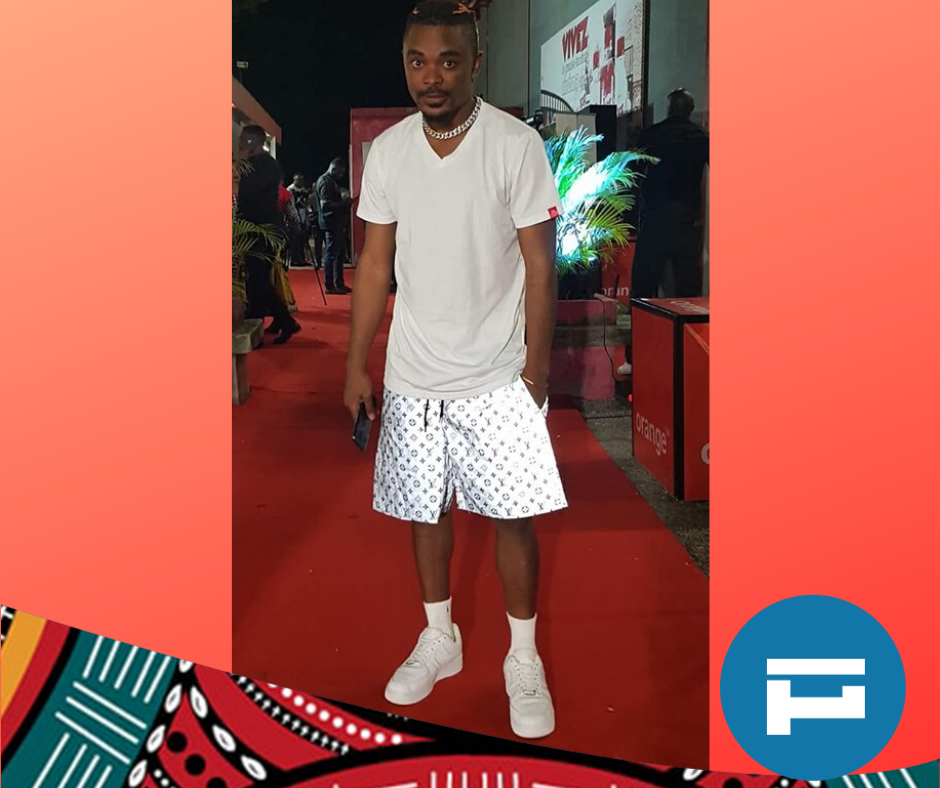
Blaise B and the Case of the Dress Code
A writer observes the Saving Mbango film premiere—a carefully produced event with a stated dress code of 'native chic'—and critiques musician Blaise B for arriving in casual sportswear while other guests honored the request. The piece uses this moment to reflect on a broader pattern of rule-disregard in Cameroonian culture.
Ewube and the Soft Power of Alpha Better Records
An examination of how Alpha Better Records, under Salatiel's leadership, has built influence in Cameroonian urban music not through coercion but through consistent collaboration, quality production, and strategic placement across multiple artists and platforms. The writer traces this soft power through Ewube's recent release and the label's broader ecosystem of producers, writers, and featured artists.
Zinnia: The Prophetess Far From Home
A reflection on the paradoxical success of Cameroonian musician Zinnia, whose song
On Child Sexual Abuse, Silence, and the Role of Art
The writer examines the epidemic of child sexual abuse in Cameroonian society, prompted by X Maleya's graphically explicit music video addressing the subject—which TRACE Africa refused to broadcast. The piece argues that while the video's violence is difficult to witness, it serves a necessary function in breaking the silence that allows perpetrators to hide behind family reputation and institutional power.
Do Your Ideas Really Belong to You? On Intellectual Property in Africa's Creative Boom
As Africa's creative industries expand via digital platforms, most young creators—musicians, designers, fashion entrepreneurs—operate without formal intellectual property protection. The writer examines why copyright and trademark registration, though costly and often overlooked, matter as the industry matures and disputes inevitably arise.
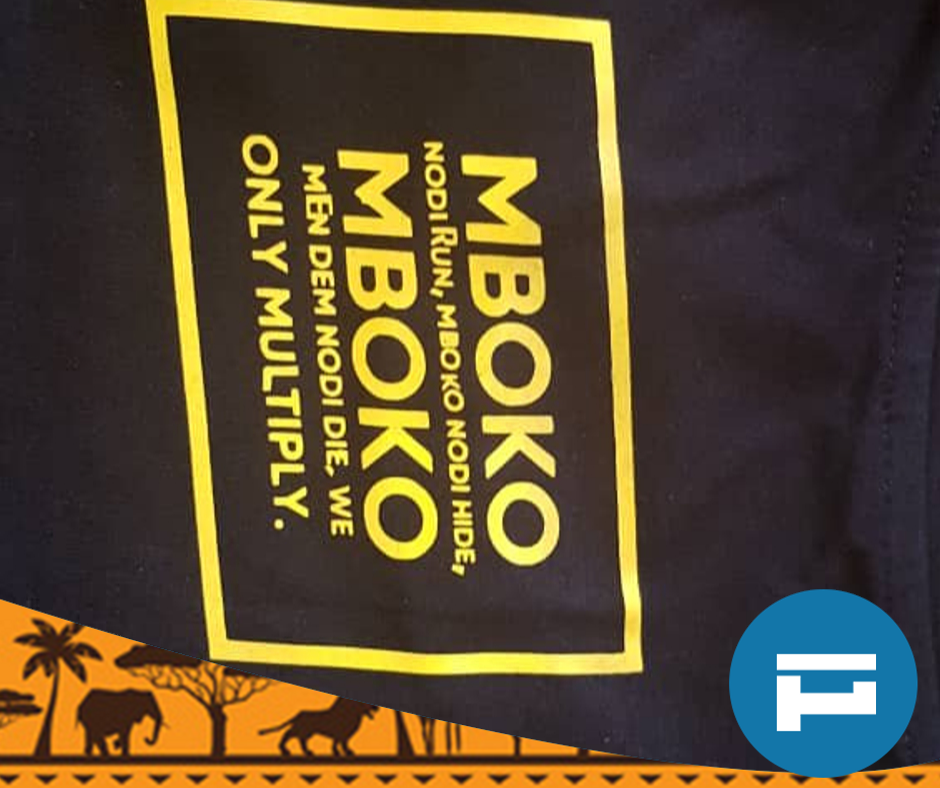
The Mboko Gang and the Erosion of Critical Thought
The writer examines a social-media phenomenon in Cameroon's hip-hop culture—the 'Mboko Gang,' devoted followers of rapper Jovi—as a case study in herd mentality, uncritical belief, and the absence of genuine conviction. Drawing comparisons to zealotry and blind devotion, the piece argues that many gang members lack independent reasoning and mistake repetition and noise for truth.
Aaron Sorkin: A Master Class in Dialogue for Cameroonian Screenwriters
The writer introduces Aaron Sorkin's body of work—particularly The West Wing, The Newsroom, and films like The Social Network and Moneyball—as essential study for anyone working in Cameroonian film and television. Through close attention to Sorkin's signature techniques of rapid-fire dialogue and the 'walk and talk' cinematographic style, the piece frames Sorkin's craft as a masterclass in screenwriting that transcends American cinema.
Slay Queens and Politics: The Corruption of Access
The writer examines the peculiar alignment between social media celebrities and political power in Cameroon, focusing on a public figure's visible courtship of state ministers and subsequent political endorsement. The piece uses this moment to interrogate a deeper hypocrisy: those granted proximity to power rarely leverage it for the voiceless, yet remain largely unaccountable.
The Butterfly Effect: One Man's Despair and the Ripple Outward
This piece traces a single December morning in 2010 when a young street vendor in a Tunisian town suffered a humiliating encounter with police, leading him to an act of self-immolation that would ignite a regional uprising. The writer reconstructs the invisible chain of circumstance—poverty, corruption, familial duty, a confiscated scale—that converged in one moment of surrender to rage.
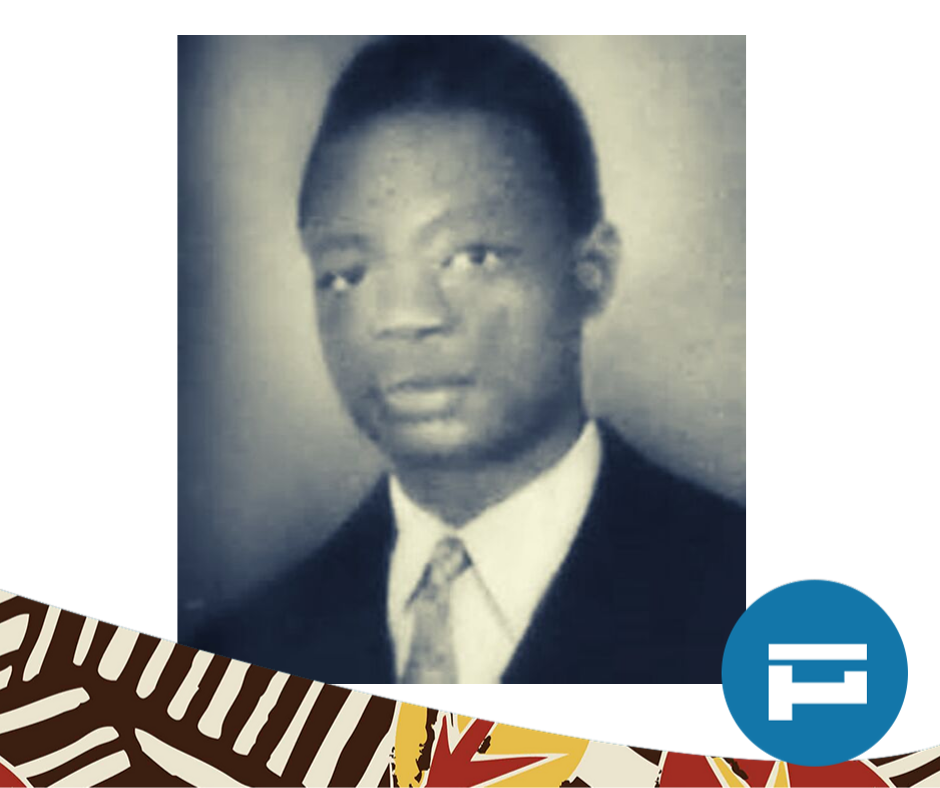
Ruben Um Nyobe: The Cost of Refusing Compromise
On September 13, 1958, Ruben Um Nyobe, founder of Cameroon's UPC independence party, was killed by French forces in a forest near Boumnyebel. The post traces his political trajectory from French-sponsored youth organizer to underground resistance leader, and the deliberate erasure of his memory that followed.
Community as Capital: The Sustainable Path for Cameroon's Creative Economy
The writer examines how artists and creators in Cameroon can build sustainable income by cultivating devoted niche communities rather than chasing mass audiences. Using the PAKGNE group's successful premiere of 'Shenanigans' in Douala as proof of concept, the piece argues that a small, engaged fanbase willing to pay for quality work generates more reliable revenue than viral reach.
On Hype and the Inflation of Praise
The writer examines how social media has inverted the relationship between achievement and recognition, turning insincere flattery into currency and inflating premature claims—calling unreleased songs 'classics' or untested films 'blockbusters.' The piece argues that this erosion of discernment undermines genuine growth and asks for more honest, constructive feedback.
Authenticity and the Stories We Tell: Why Cameroon's Cultural Signposts Matter
A reflection on a low-budget hotel advertisement in Yaoundé that, despite its technical shortcomings, succeeds by rooting itself in recognisable Cameroonian social archetypes—the bushfaller, the neighbourhood thug, and the young woman. The writer argues that this authenticity is precisely what makes it memorable and culturally generative.
Arafat Desecrated: A Victim of Himself or of Society?
Following the desecration of DJ Arafat's grave in Côte d'Ivoire, this essay examines the event not as mere spectacle but as a symptom of deeper social fracture—young people so alienated from systems of law and opportunity that they deny reality itself. The writer argues that Arafat, a street-born icon for the marginalized, was both a product and a magnifier of this condition.
Mama Nguea and the Uncharted Path: What We Owe to Reflection
The writer reflects on the spectacle of aging Cameroonian musicians, particularly Mama Nguea, reduced to public appeals for medical aid—a cycle that raises questions not about charity itself, but about the systems, choices, and structural forces that leave cultural icons impoverished. Rather than assign blame, the piece asks what patterns emerge across generations and what lessons the present moment might extract.
Tell Our Own Stories: A Business Model for African Children's Content
The writer proposes a practical business model for producing and distributing cartoons based on African oral traditions—specifically fables like the tale of the tortoise. Drawing on personal memory and cultural observation, the piece outlines a complete go-to-market strategy: production (partnering artists with educators and anthropologists), distribution (USB sticks and digital downloads), pricing, promotion (nursery schools and churches), and potential merchandise.
DJ Arafat and the Reinvention of African Youth
A reflective essay on the life and cultural significance of DJ Arafat, tracing his role in the coupé-décalé movement that emerged from post-conflict Côte d'Ivoire in the early 2000s. The writer argues that Arafat's singular ability to reinvent himself across nearly two decades made him a keeper of the era's creative spirit long after its pioneers had faded.
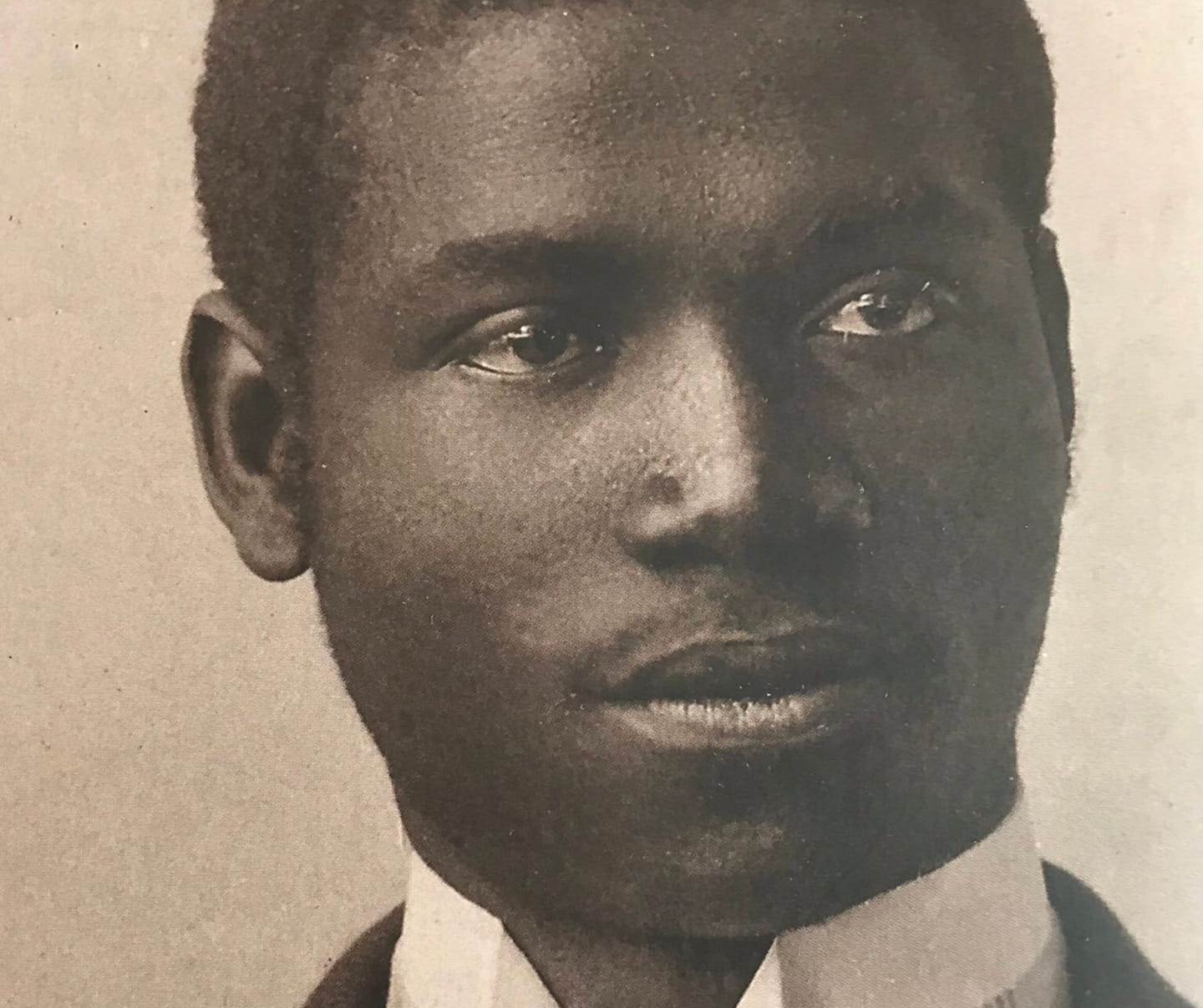
The Execution of Rudolf Douala Manga Bell: A Forgotten Reckoning
On August 8, 1914, the Paramount King of the Duala people and his collaborator were hanged by German colonial authorities for opposing the expropriation of Douala lands. The writer documents their legal resistance, the manufactured charges of treason, and the absence of any national commemoration of these deaths.
What Briana Lesley's Return Teaches Us About Honest Work
The writer reflects on the return of musician Briana Lesley to the music scene after a hiatus, anchoring the piece in her experience running a potato and egg business—an entrepreneurial venture that became tabloid fodder. The essay argues that this pivot illuminates a broader cultural blindness: the modern tendency to dismiss unglamorous work while chasing curated social media aesthetics.

The University of Buea and the Absent Brand
A reflective essay questioning whether the University of Buea possesses an institutional identity or aspiration that extends beyond credential delivery. The writer contrasts their experience at UB—four years lived more outside than inside its walls—with the intentional brand-building and alumni pride cultivated by institutions like Montclair State and their own secondary school.
Chinjong X Chinjong: The Sound of AfroHouse
A reflection on the production duo Trae and Lonie Chinjong and their fusion of house music with Afropop through Mr Leo's 'Shayo'—a track that broke from Cameroonian musical convention and opened a new sonic door.
On Honest Support and the False Doctrine of Obligation
The writer examines the hollowness of "support your own" rhetoric in Cameroon's music industry, arguing it functions chiefly as emotional manipulation and masks a deeper, largely unspoken obsession with Nigerian market validation. True support, he contends, must be rooted in genuine artistic merit, not in obligation or nationality.
The Soft Power of Alpha Better Records: How Collaboration Shapes Cameroonian Music
This piece examines how Alpha Better Records, under Salatiel's leadership, has built influence in Cameroonian urban music through strategic collaboration rather than coercion. By tracing the label's fingerprint across releases by artists like Ewube and Daphne—through writing, production, mixing, and features—the writer argues that quality and networked presence, not power alone, have become the label's greatest asset.
Ça À Cuit: Reading Beyond the Cautionary Tale
A critical examination of Ko-C's popular song, which frames an unwanted pregnancy as moral failure. The writer argues that the song, while appearing to warn young women, actually masks deeper questions about gender, sexual autonomy, responsibility, and the asymmetrical social judgment applied to men and women.
Two Years of Thought: A Letter on Writing, Anonymity, and Community
On PoiseSocial's second anniversary, the writer Wandji Wilfred reflects on producing over 109 articles in that span, driven by a conviction that rigorous social commentary should endure and document culture for future reference. He acknowledges the reader community that has shaped the platform, defends his choice of anonymity as essential to clarity, and signals that deeper expansions are coming when the moment is right.
Daphne and the Curious Case of Plagiarism: When PR Breaks Down
Following accusations of plagiarism leveled at urban musician Daphne over the song 'Doucement,' the writer examines not the legal merits of the dispute but the mismanagement of its public defense. While evidence presented by Steven's Music appeared to exonerate Daphne, the writer argues that the aggressive and uncoordinated responses from her team, manager, and collaborators damaged her brand far more than the original accusation.
On Service and the Uniform: Rethinking Leadership in Cameroon
The writer observes how uniformed officials—police, gendarmes, soldiers—receive deference and queue-jumping privileges in everyday transactions like paying utility bills, and questions whether this reflects a genuine understanding of service. Through personal anecdote and reflection on Desmond Tutu's definition of leadership as serving, suffering, and sacrifice, the piece argues that Cameroon has inverted the relationship between those in authority and those they are meant to serve.
African Queens #5: Dihya
Kahina Dihya was a Berber warrior queen who led indigenous resistance to the Arab Islamic conquest of the Maghreb in the late seventh century. She achieved a stunning military victory against General Hassan Nu'Man in 698, but ultimately fell to his returning forces after a scorched-earth strategy fractured her coalition.
African Queens #4: Ndate Yalla Mbodj
A portrait of the last Lingeer (queen) of Waalo in 19th-century Senegal, who inherited power through a matriarchal system where royal women held legitimate authority, and spent her reign resisting French colonial incursion until her defeat and exile.
African Queens #3: Pokou Awura
This essay traces the legendary journey of Queen Pokou, an 18th-century Asante noblewoman who refused to join her uncle Osei Tutu I's confederacy and led her people westward into what is now Ivory Coast. According to oral tradition, she sacrificed her own son at the Komoe River to secure safe passage, an act that gave rise to the Baoule people, who remain the largest ethnic group in modern Ivory Coast.
African Queens #2: Yaa Asantewaa
A portrait of Yaa Asantewaa, the Asante queen mother who in 1900 publicly called her people to armed resistance against British colonial demands—including the seizure of the sacred Golden Stool. Her defiant speech galvanized the Asante Kingdom into a rebellion that, though ultimately quelled by superior British force, preserved Asante sovereignty and cultural independence in ways that outlasted formal colonialism itself.
African Queens #1: Queen Nzinga
The writer profiles Queen Nzinga Mbande (c. 1583–1663), ruler of the Angolan kingdoms of Matamba and Ndongo, tracing her diplomatic missions, military campaigns against Portuguese colonizers, and eventual peace treaty. The piece centres her as a figure of statecraft and resistance whose legacy has been overshadowed in popular African historical discourse.
The Intellectual Deficit: On Rap's Lost Purpose in Cameroon
The writer examines whether Cameroonian rap maintains its foundational commitment to intellectual engagement and socio-political consciousness. Drawing on rap's origins as an educative movement in 1970s New York, the piece argues that contemporary Cameroonian rappers have largely abandoned this tradition in favour of materialistic and superficial lyrical content.
When Tenor Speaks in Iambic Pentameter
A close reading of Cameroonian rapper Tenor's technical mastery of syllable stress and rhythm, drawing unexpected parallels to Eminem's precision and Shakespeare's iambic pentameter. The piece argues that while technique alone does not make a great artist, Tenor's command of these elements—especially his distinctive manipulation of vowels and accent—deserves recognition as part of a larger artistic achievement.
Recycling à la Camerounaise: Necessity and Invention
A humorous inventory of how ordinary Cameroonians repurpose waste materials—from plastic bottles to old slippers—turning refuse into everyday utility through ingenuity born of necessity rather than environmental consciousness.
Monique Ntumngia's Singular Fight for Young Women
The writer celebrates Monique Ntumngia, founder of Green Girls' Organisation, who won the VISA Everywhere Initiative Women's Global Edition prize and has brought STEM education and employment to over 800 women across rural Cameroon. Through training in renewable energy and waste conversion, her work addresses both the under-representation of women in technical fields and material inequality in less-resourced communities.

The Intellectual Inheritance of Rap: Why Cameroon's Rappers Must Remember Their Movement
The writer argues that rap music has drifted from its origins as a pedagogical and political force into a culture of empty materialism and surface-level entertainment. Using examples from hip-hop history—Afrika Bambaataa's Zulu Nation, Jay-Z's invocation of Iran-Contra, Jovi's Kadji beer reference—the piece calls for Cameroonian rappers to embed intellectual rigor and cultural knowledge into their work.
Chili Wawaye: A Nso Heritage to Be Celebrated and Treasured
A meditation on Chili Wawaye, a Nso musician who sings almost exclusively in Lamnso and preserves traditional grassfield music through contemporary composition. The writer laments that such custodians of cultural heritage receive far less attention and airplay than urban musicians, despite their essential role in bridging ancestral and modern worlds.
The Influencer Gap: Why Digital Marketing Struggles in Cameroon
The writer examines why influencer marketing has limited efficacy in Cameroon, distinguishing between genuine influence—built on consistent value creation over time—and mere follower counts. Using Marques Brownlee's tech YouTube empire as a blueprint, the piece argues that Cameroon lacks both the digital infrastructure and the sustained, value-driven creators necessary for influencer marketing to work at scale.

I Am a Tontinard: On Social Cohesion and Economic Power
The writer reclaims the term "Tontinard"—originally deployed as an ethnic slur against Bamileke people and political opponents—as a badge of pride rooted in the njangi (tontine) tradition of mutual aid and social cohesion. The essay argues that what critics dismiss as tribalism or clannishness is in fact a proven mechanism for generational wealth-building and community resilience that other successful diaspora communities have long understood.
How Tzy Panchak's 'Na So' Challenge Added Value to Cameroonian Music
A critical reassessment of music-driven social media challenges in Cameroon, arguing that Tzy Panchak's 'Na So' challenge succeeded where others fail by spotlighting genuinely talented new artists—particularly Vernyuy Tina, Cleo Grae, and Vivid—rather than merely distributing cash prizes.
The Real Hustle: On Work, Worth, and What We Choose to See
A reflection on the social ridicule that arose when a Cameroonian musician operated a food business during a hiatus, and the deeper cultural moment it reveals about how social media has warped our relationship to honest labor and visible success.
On Cultural Pride and Pop Music: Eva Sobila's Wedding Song Challenge
A radio personality's plea for Cameroonians to play traditional music at weddings sparked online mockery rather than serious debate. The writer argues that beneath the sass lies a genuine question about cultural visibility and the dominance of Nigerian pop music in Cameroonian social life.

KamerLyrics: A Young Entrepreneur's Gift to Cameroonian Music
Poise celebrates KamerLyrics, a Cameroonian lyrics app created by Minette Lontsie, that solves the frustration of finding song words to beloved local tracks. The platform combines a growing database of Cameroonian music with YouTube integration and crowdsourced contributions, making it both practical and community-driven.
On National Names and National Purpose
The writer engages with musician Blick Bassy's provocative question about whether Cameroon should rename itself, prompted by the colonial etymology of its name. Rather than advocating for renaming, the piece argues that national identity flows from governance and shared ideology, not nomenclature.
Web Series as Creative Foundation: Why the Short Form Matters
The writer argues that web series represent not a departure from traditional filmmaking but a necessary apprenticeship—a format where Cameroonian creatives can build craft, audience, and sustainable income without the gatekeeping barriers of television or cinema.
Is the Spirit of Makossa Slowly Dying Away?
Written in the wake of the deaths of two prominent makossa musicians, this reflection asks whether the genre that opened Cameroon to Africa is fading into historical archive rather than living practice. The writer grieves not the absence of makossa itself, but its displacement by a newer Afropop that, while distinctly Cameroonian, feels to him less rooted in the authenticity and craftsmanship of the 1970s and 80s.

And Then There Was Kameni
A portrait of an emerging Cameroonian vocalist whose command of live performance, unconventional lyricism, and genre-blending style—rooted in Dancehall and Afropop—mark her as a significant new voice in urban music. The writer traces discovery through social media to conviction that her artistry represents a genuine shift in the landscape.
The Weight of Legacy: What Tywin Lannister Teaches Us About Living for Something
The writer reflects on Tywin Lannister's singular devotion to family legacy and generational power, seeing in this fictional character a model for deliberate, purposeful living. Drawing on Tywin's philosophy and comparing it to real examples of people who built lasting contributions, the piece asks readers what they themselves will be remembered for.
Fifteen Lessons from Game of Thrones: Power, Honour, and the Cost of Ambition
A close rereading of Game of Thrones' first seven seasons yields practical wisdom about leadership, relationships, and survival in corrupt systems. The writer extracts fifteen lessons from character arcs and dialogue—from the danger of rigid honour to the value of counsel and humility—and applies them to business and life.
Interesting Quotes from Game of Thrones
A curated collection of memorable quotations from Game of Thrones, drawn from the writer's re-watch of the series. The quotes span themes of power, leadership, loyalty, self-knowledge, and moral ambiguity—material the writer found resonant enough to share with Poise's readership.
The Mboko Question: Movement or Mirage?
The writer examines the claim that 'Mboko' constitutes a coherent cultural movement, finding instead a set of aesthetics and behaviors untethered to substantive ideology or historical grounding. Through comparison to Hip Hop's documented origins and structure, the piece interrogates what Mboko actually stands for—and concludes it stands for little beyond consumption and online performance.
How Professional Are Our Professionals?
Following the death of a teenager in a Cameroonian hospital and its documentation and broadcast on social media, the writer reflects on the erosion of professional ethics and human dignity among doctors, journalists, police, and soldiers—all enabled by the reflexive reach for smartphones and a deeper failure of institutional accountability.
Why You Should Listen to Podcasts
A guide to discovering and accessing podcasts as a democratic tool for learning. The writer argues that podcasts—serialized audio programmes distributed via subscription—offer young Cameroonians access to world-class mentorship on business, technology, and entrepreneurship, and provides a curated list of platforms and shows across multiple disciplines.
Sandra Borno and Molonga Naturals: A Portrait of Passion Over Hustle
Poise profiles Sandra Borno, founder of Molonga Naturals, a natural hair-care brand built on deep product knowledge, ingredient transparency, and freely shared expertise. The piece celebrates her as an exemplar of entrepreneurship driven by genuine passion rather than commercial ambition, and situates her work within the broader cultural movement of Black women reclaiming and celebrating natural hair.
Pakgne: The Imperative of Focus
A reflection on the rise and creative decline of a Cameroonian webseries, examining how loss of focus—through celebrity collaboration, lifestyle distraction, and mishandled fan relations—can undermine even promising creative work. The writer uses this case to articulate a broader philosophy of sustained, intentional growth.
Koppo: The Unsung Hero of a Musical Revolution
A retrospective on how Koppo's early-2000s decision to rap in Camfranglais—a language mixing French, English, and Pidgin—fundamentally altered Cameroonian hip-hop, shifting it from American imitation toward authentic local expression. The piece traces how one album opened a door that subsequent generations of rappers and Afropop artists have walked through, transforming the continent's sound.

Daphne's Win and the Spirit of Anglophone Resilience
A reflection on singer Daphne's awards victory at the 2019 Canal 2'OR ceremony, celebrating not just her musical achievement but her public acknowledgment of the Anglophone crisis and her navigation of linguistic and cultural divides. The piece frames her success as emblematic of a larger Anglophone strategy: excellence through adaptation, without forgetting origins.

Canal D'Or 2019: Measuring an Emerging Awards Culture
Writing in March 2019, the author assesses the twelfth edition of Cameroon's Canal D'Or music awards as the best-organized yet, celebrating standout moments like Daphne Njie's four-award sweep and genuine artist solidarity, while documenting significant gaps in digital strategy, political protocol overreach, and production logistics that constrained what could have been.
Operation Dress Code: On Daphne Njie and the Weight of Public Scrutiny
The writer examines the backlash against musician Daphne Njie over her appearance and aesthetic choices, using her case to reflect on how young women—especially public figures—bear an asymmetrical burden of social judgment in Cameroonian culture. The piece argues that this cycle of criticism reflects deeper tensions between traditional norms and personal liberty, and that the responsibility for managing this conflict ought not to rest with the women themselves.
The Paradox of Nyangono Du Sud: Why We Need Our Jesters
A reflection on the sudden viral celebrity of Nyangono Du Sud, a Cameroonian musician whose work the writer dismisses as musically poor, yet whose presence in public life raises deeper questions about collective catharsis, social media's role in fame-making, and what our appetite for his art reveals about ourselves.

The Eto'o Presidency and the Temptation of the Strongman
Following Samuel Eto'o's election as FECAFOOT president in 2019, Cameroonians rallied around him as proof that fair elections and competent leadership were possible. But within eighteen months, allegations of misconduct emerged, and the writer observes that public support for Eto'o—despite the accusations—reveals a deeper problem: the nation's willingness to tolerate autocratic governance and personality cults so long as results appear.
On Personal Brand and Commercial Compromise: A Question for Daphne
The writer observes a musician's endorsement deal with a flour brand and asks whether the partnership aligns with her carefully cultivated public image. The piece reflects on the tension between financial security and long-term brand coherence in Cameroon's emerging digital media landscape.
The ABCDs of the Colonial Pact
A 2019 essay examines the Franco-Cameroonian colonial pact signed in 1959, tracing how France secured control over Cameroon's mineral wealth, currency, and economic policy through agreements negotiated by French citizens rather than Cameroonians. The writer catalogs the pact's terms, its renewal, and the fates of African leaders who resisted French economic dominance.
Have We Pushed Too Far With Mr. Leo?
A reflection on the public's relentless commentary on musician Mr. Leo's fashion choices—particularly his leather pants—and the larger question of what we owe public figures in an age of unfiltered online speech. The writer examines whether Mr. Leo's playful social media responses mask pain, and interrogates the line between legitimate critique and collective cruelty.
Cameroon and the Curse of Elitism
The writer traces Cameroon's pervasive culture of elitism—visible in everyday assertions of rank and privilege—to a foundational inferiority complex among the post-colonial elite, who internalized French assimilationist values and now maintain power through deliberate social and economic stratification.
The Cabinet Reshuffle: What It Teaches Us About Ourselves
The writer reflects on Cameroon's habit of turning political crises into memes and viral jokes—from the Bidoung Challenge to cabinet reshuffles—and argues that this laughter, while a coping mechanism, masks deep frustration and may be masking a dangerous pressure cooker of collective disillusion.
The Curious Case of Mr. Leo's Dressing
A reflection on public criticism of a prominent Cameroonian musician's fashion choices, prompted by a media personality's remarks and an inflammatory PR response. The piece uses this incident to examine three broader cultural issues: the equation of success with money, the inability to receive constructive criticism, and the proliferation of unqualified professionals in creative industries.
The Diaspora's $60 Billion: Why We Must Spend Differently
The writer reflects on his brother's regular $50 remittances and pivots to a larger question: Africa receives $60 billion annually from its diaspora—more than the continent gets in foreign aid—yet much is spent on consumption rather than investment. He argues that both diaspora senders and home-based receivers must rethink how this money flows to create lasting economic change.
Goodbye to AFCON 2019: Governance, Pride, and the Cost of Readiness
Poise reflects on Cameroon's loss of the 2019 Africa Cup of Nations hosting rights to Egypt, tracing the decision back to systemic failures in governance, infrastructure planning, and political culture. The piece argues that the withdrawal—precipitated by CAF President Ahmad's assessment—was neither surprising nor avoidable, and that it reveals deeper patterns of incompetence and misplaced patriotism that will persist.
Whitenicious: The Cost of Respecting the Hustle
The writer examines the 2018 controversy surrounding Dencia's skin-lightening cream promotion and asks whether admiration for entrepreneurial success should require complicity in harmful practices. The piece interrogates the gap between celebrating a woman's financial independence and remaining silent about the social damage her product perpetuates.
On Being Called a Tontinard: Pride, Social Cohesion, and Economic Self-Determination
The writer responds to being labeled 'Tontinard' as a casual insult by reframing it as a badge of honor, celebrating the njangi (tontine) system not as mere financial instrument but as a model of social cohesion that has generated measurable economic prosperity. The piece argues that what outsiders dismiss or fear—organized mutual aid and community reinvestment—is precisely what has enabled certain groups in Cameroon to build generational wealth and institutional power.
Maahlox and the Game of W(h)oes: Art, Authenticity, and the Peril of Complicity
A critical examination of the Cameroonian musician Maahlox's claim that his provocative, sexually explicit music serves as social commentary and critique. The writer argues that packaging depravity while claiming to expose it is intellectual dishonesty—a hollow rhetorical maneuver that actually enables the very vices it purports to condemn.
On Reading With an Open Mind
The writer reflects on how reading shaped their thinking and writing, then argues that many people lack genuine reading comprehension—not because they cannot decode words, but because they approach texts defensively, seeking points of disagreement rather than understanding. True reading requires setting aside personal bias to absorb ideas fully, even when imperfect.
Stanley Enow's Reckoning: When Brand Overshadows Music
The writer examines Stanley Enow's trajectory from breakthrough artist to polarizing figure, arguing that his pivot toward brand-building and high-profile collaborations with international acts came at the cost of his core musical identity. The piece traces how domestic competitors rose while his commercial output diminished in real impact.
Amatula for the Soul
A meditation on discovering neo-soul in Cameroon through a young artist named Amatula and her debut single "Wake Up, My Love." The writer traces his own entry into the genre through Jill Scott in 2001 and reflects on why soul and neo-soul remain marginal in mainstream Cameroonian music despite their emotional power.
The Social Democratic Front at a Crossroads: Reckoning with Electoral Defeat and Democratic Legacy
Following a disappointing electoral performance in 2018, the writer reflects on the SDF's historical contribution to Cameroon's democratic gains and analyzes the specific failures—the Anglophone crisis, internal divisions, refusal to form coalitions, and disconnect from younger voters—that led to its decline. The piece proposes three concrete steps for the party's recovery: backing Maurice Kamto, restructuring its base to engage younger supporters, and maintaining continuous grassroots engagement beyond election cycles.
Slay Queens and Politics: The Unholy Matrimony
The writer examines the tension between social media prominence and political accountability through the case of a Cameroonian influencer whose eyebrow shop opening was attended by a state minister, and who later appeared in CPDM campaign materials. The piece interrogates what it means for those with access to power to remain silent about state violence and injustice.
Etoudi 2018: Winners and Losers in Cameroon's Presidential Election
An analysis of the 2018 Cameroonian presidential election identifies Maurice Kamto and Akere Muna as victors for forming and joining an opposition coalition, while the Anglophone population, candidate Cabral Libii, and the SDF party emerge as significant losers. The piece examines how political strategy, timing, and the failure to leverage collective movements shaped the election's outcome.
Football and Politics: The Nations' Cup as Distraction
The writer argues against Cameroon hosting the 2019 Africa Cup of Nations, seeing it not as a sporting honor but as a political tool used by the incumbent government to distract from infrastructural failures and poor governance. The piece traces how the tournament became entangled with ego, sycophancy, and nationalist rhetoric rather than honest assessment of readiness.
Joshua Osih's Governance Programme: A Close Reading
This piece offers a detailed examination of Joshua Osih's 84-page presidential platform, focusing on his substantive proposals across governance, health, education, economic policy, and social reform. The writer presents the programme as notably comprehensive and structured compared to other candidates' offerings, though acknowledges its density and point-form presentation.
The Audacity of Stupidity: When Icons Endorse the Indefensible
A sharp critique of two celebrated Cameroonian footballers—Samuel Eto'o and Rigobert Song—for publicly endorsing the incumbent president in the lead-up to elections, examining the disconnect between their stated reasons (national unity, personal gratitude) and the institutional realities that shaped their own careers and departures.
The Musicians' Betrayal: On Conscience, Complicity, and the Cost of Silence
The writer condemns Cameroonian urban musicians—particularly those under 35—for performing at a presidential concert designed to bolster an incumbent leader's electoral standing. The piece argues that their participation represents a failure of moral responsibility and a capitulation to a system that has systematically impoverished the arts sector.
Dready Christ and the Promise of Versatility
The writer makes a bold wager that Dready Christ, a multifaceted Cameroonian urban artist, will become one of the continent's biggest acts. Drawing on close listening to his EP and recalling his earlier work with PIM BOYS, the piece argues that his rare mastery across rap, trap, dancehall, and soul—combined with an unconventional sensibility—sets him apart from his contemporaries.
Mobilisation as Civic Power: Lessons from the Orange Cameroon Crisis
A 2018 analysis of the #OrangeIsTheNewMafia campaign, in which Orange Cameroon customers successfully pressured the telecom provider to withdraw a controversial 'reserve credit' service. The writer uses this moment of coordinated public action to reflect on mobilisation, coalition-building, and the untapped potential of unified civic movements.
Have Our Billionaires Betrayed Us?
The writer questions whether Cameroon's wealthy elite have abdicated their moral and social responsibility to mentor and inspire the next generation. Beyond accumulating private fortunes, the piece argues, billionaires possess a form of generational wealth—knowledge, reputation, social currency—that should be shared publicly to guide aspiring entrepreneurs and leaders.
African Queens #5: Dihya
This essay traces the life and legacy of Kahina Dihya, a seventh-century Berber warrior queen who led indigenous resistance against Arab Islamic conquest in North Africa. From her celebrated victory at the Battle of the Camels in 698 to her death five years later, Dihya commanded the Berber tribes and challenged one of history's great imperial expansions.
African Queens #4: Ndate Yalla Mbodj
A portrait of the last Lingeer (queen) of Waalo in 19th-century Senegal, Ndate Yalla Mbodj led resistance against French colonial incursion from her ascension in 1846 until her exile and death in 1860. The piece situates her within a matriarchal Wolof tradition where women of royal blood held political legitimacy and military command, tracing her lineage to her mother Fatim Yammar and her son's eventual turn toward anti-colonial struggle.
African Queens #3: Pokou Awura of the Asante and the Founding of the Baoule
This essay traces the life and legacy of Queen Pokou Awura, an Asante noblewoman who, refusing integration into the Asante Confederacy, led her people westward into what is now Ivory Coast. According to legend, at the Komoe River she sacrificed her own son to secure safe passage, an act from which the Baoule people—now Ivory Coast's largest ethnic group—take their name and identity.
African Queens #2: Yaa Asantewaa
Yaa Asantewaa, Queen Mother of Ejisu in the Asante Empire, led armed resistance against British colonial demands in 1900, most notably when Governor Hodgson demanded the sacred Golden Stool. Her defiant speech galvanized the Asante people to wage a months-long siege that, though ultimately unsuccessful militarily, demonstrated the empire's refusal to submit to colonial rule.
African Queens #1: Queen Nzinga
This essay introduces Queen Nzinga Mbande, the 17th-century ruler of the Kingdoms of Matamba and Ndongo (present-day Angola), who resisted Portuguese colonial conquest through diplomacy and decades of military struggle. It traces her rise to power, her strategic alliances, and her reputation as a fierce military leader who continued fighting into her sixties.
Sexual Harassment at UB: Institutional Failure and the Work Ahead
The writer recounts a near-rape incident involving a friend and a lecturer at the University of Buea, using it as a lens to examine how institutional power, gendered vulnerability, and victim-blaming enable sexual violence in Cameroonian universities. The piece argues that while feminist activism has brought necessary scrutiny to patriarchy and sexual assault, the systemic failures that allow predators to operate with impunity remain largely unaddressed.

Pascal and the Art of Storytelling
A celebration of Pascal, an Anglophone Cameroonian rapper distinguished by his narrative craft in an industry often dominated by catchy but hollow punchlines. The writer traces Pascal's strengths through key works, positioning him in a lineage that includes hip-hop pioneers like Slick Rick, and calls for a broader return to storytelling as the soul of rap music.
Service as Subordination: On Leadership and the Deference We Grant Power
The writer observes how Cameroonians grant exemptions and deference to uniformed officials—particularly police—in everyday spaces like utility offices, and argues this reflects a fundamental misunderstanding of what service and leadership mean. Drawing on Desmond Tutu's definition of leadership as sacrifice and suffering for others, the piece critiques a culture where those in authority are treated as above rather than as servants of the public good.
Meet Vagabon: Cameroon's First Indie Rock Musician
A profile of Laetitia Tamka, a Yaoundé-born musician performing under the name Vagabon, who taught herself guitar and moved between engineering studies in New York and an emerging career in indie rock. Her 2017 debut album Infinite Worlds, recorded in friends' apartments, represents a rare presence of a Cameroonian woman in the indie rock scene.
On Authenticity and Cultural Mirrors: The Adora Palace Advertisement as a Case Study
Poise examines a viral hotel advertisement from Yaoundé that drew laughs across Francophone Africa by depicting three archetypal figures of Cameroonian urban life—the bushfaller, the young woman of the neighbourhood, and the street-corner philosopher. The writer argues that its power lies in its unadorned authenticity: it simply looked around and made art from everyday reality.
Camer Rap: On the Need to Sample More
The writer argues that Cameroonian rappers should embrace sampling—a foundational hip-hop practice—as a means of preserving local musical identity and deepening their craft. By drawing from the country's rich archive of older musicians, contemporary producers can honour the lineage of hip-hop itself while anchoring urban music to its roots.
"This Is Cameroon": The Question of Who, and Why It Matters
Responding to social media calls for a Cameroonian adaptation of Childish Gambino's
This Is Cameroon: On Political Rap and the Moment We Missed
Following the viral success of Childish Gambino's "This Is America" and Falz's Nigerian response, Cameroonian social media called for a local version. The writer argues that the moment demanded not mainstream popularity but artistic integrity—a rapper with a genuine track record of politically charged work, not one riding a wave of global virality.
KamerLyrics: A Young Entrepreneur's Gift to Cameroonian Music
The writer celebrates KamerLyrics, a mobile app created by Minette Lontsie that makes Cameroonian song lyrics accessible in one place. The app integrates YouTube playback, allows user contributions, and addresses a long-standing gap in how fans engage with local music.
The University of Buea and the Erosion of Institutional Purpose
The writer reflects on a visit to the University of Buea and asks whether the institution has cultivated a coherent identity or aspirational purpose. Through comparison with an American university's compelling brand promise, the piece exposes a deeper crisis in Cameroon's education system: one oriented toward credential-extraction rather than character formation and lasting institutional belonging.
The Audience's Complicity: On Conscious Music and Commercial Compromise in Cameroon
The writer examines a prominent Cameroonian artist's shift toward generic pop music, arguing that audiences bear primary responsibility for this artistic compromise. Rather than blaming the musician, the piece indicts consumers for demanding lowest-common-denominator content and ignoring substantive work, thereby eroding the conditions for conscious music to survive.
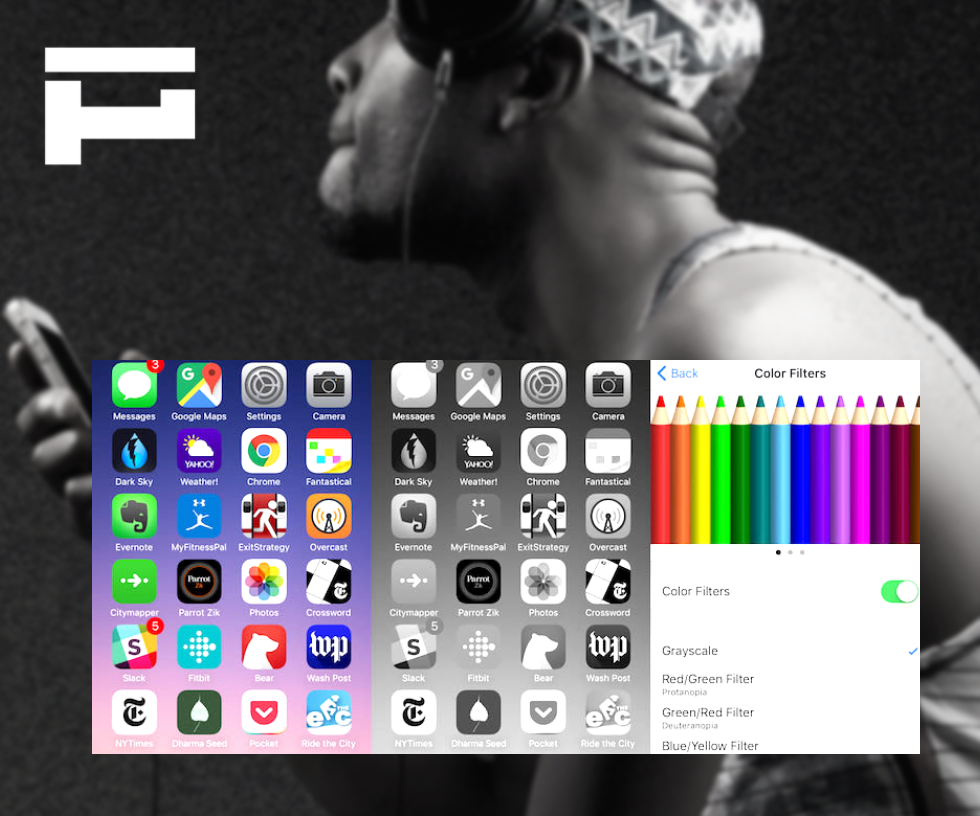
The Grayscale Remedy: A Simple Tool Against Smartphone Addiction
Smartphone addiction, now recognized by some psychologists as a genuine behavioral disorder tied to FOMO, stems partly from the deliberately colorful design of apps that exploit our psychological reward systems. The writer proposes a straightforward intervention: switching your phone to grayscale mode to strip away the visual triggers that keep us compulsively engaged.

Maahlox and the Game of W(h)oes: On Spectacle, Complicity, and the Rhetoric of Mirror-Holding
A critical examination of Cameroonian musician Maahlox's claim that his sexually explicit and provocative music videos serve as societal critique. The writer argues this stance represents intellectual dishonesty—that one cannot claim to fight systemic ills while profiting from and actively participating in the depravity being depicted.
Why You Should Listen to Podcasts
The internet has democratized access to learning and made once-inaccessible people and knowledge available to all. Podcasts represent a natural extension of this opportunity—a free, accessible medium through which listeners can learn from business leaders, scientists, and thinkers across dozens of disciplines. The writer offers a primer on what podcasts are, recommends five free listening apps, and curates a substantial list of shows across business, technology, health, philosophy, and other fields.
Lessons from Cameroon's YouTube Queens
This essay examines the success of Pakgne, a French-language sketch comedy show by Muriel Blanche and Marcelle Chou, which accumulated over 7 million views in its first year. The writer distils seven practical lessons from their rise—craft, consistency, progress over perfection, authenticity, collaboration, focus on work before returns, and letting the work speak for itself.
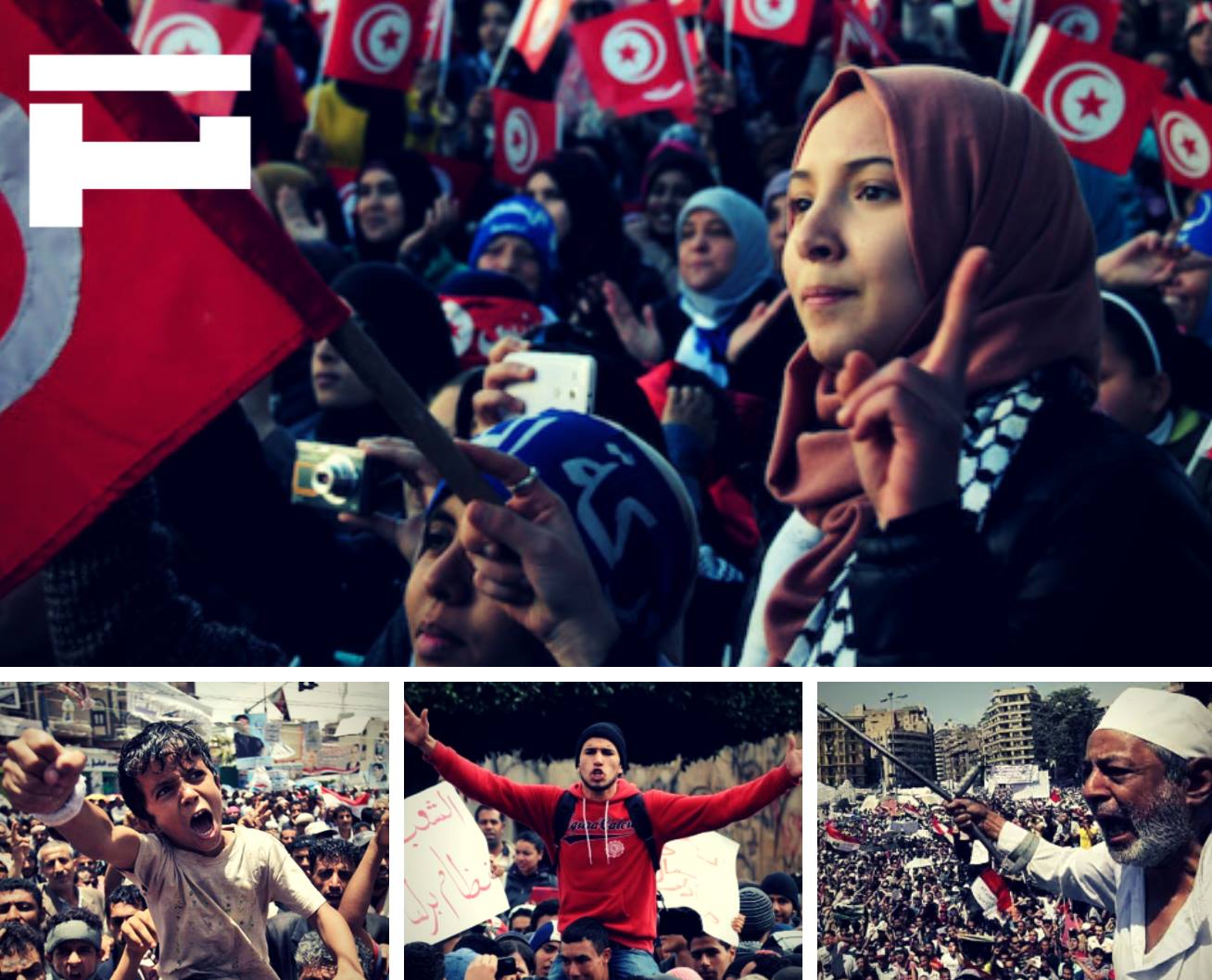
The Butterfly Effect: One Man's Humiliation and History's Turn
A reflective retelling of a single December morning in 2010 Tunisia, when a street vendor named Basboosa was harassed and assaulted by police, leading him to a petrol station in an act of desperation. The post uses this vivid, granular narrative to illustrate how personal indignity, institutional contempt, and the absence of recourse can crystallize into consequential action.

The New Bell Music Ecosystem: Insularity as Constraint
The writer examines New Bell Music—a prominent Cameroonian independent label built by Jovi—and argues that its tightly closed creative ecosystem, while once effective, is now limiting growth and artistic evolution. The piece identifies redundancy in production, visual direction, and collaborative strategy as signs that insularity is beginning to undermine the label's initial success.
Recycling à la Camerounaise: Necessity and Improvisation
A wry account of how ordinary Cameroonians have become inadvertent recyclers, repurposing everything from plastic bottles to cement bags and car tires out of practical need rather than environmental ideology. The piece catalogs these everyday acts of material reuse with humorous precision, suggesting that real sustainability emerges not from summit rhetoric but from the ground.
Shithole Recycling à la Camerounaise
A sardonic inventory of how ordinary Cameroonians repurpose waste materials out of necessity and ingenuity, even as the state fails to enforce its climate commitments. The piece catalogs everything from plastic bottles becoming oil decanters to exercise books wrapping street food, suggesting that grassroots resourcefulness has become de facto environmental policy.
Am I My Sister's Keeper? On Women, Success, and Social Suspicion
The writer reflects on a moment of casual misogyny—overhearing men attribute a young woman's Mercedes to sexual favours—and traces the deeper, more troubling pattern: that women themselves are often the harshest judges of other women's success, reflexively assuming corruption rather than competence.
Cameroon and the Curse of Elitism
A minor traffic accident becomes a window into a deeper pathology: the hierarchical stratification of Cameroonian society, in which those with access to power and prestige use the phrase 'Do you know who I am?' as both shield and sword. The writer traces this behaviour to post-colonial inferiority complexes among the educated elite, who internalized French assimilation policies and now maintain their sense of superiority through deliberate economic and social dysfunction.
Do Cameroonian Rappers Teach Us Anything?
The writer examines whether Cameroonian rappers fulfill the educative and intellectual mission that defined hip-hop at its origins in 1970s New York. Drawing on examples from foundational figures like Afrika Bambaataa and lyricists like Jay-Z, the piece argues that rap's power lies in its capacity to make listeners think, research, and engage with complex social and political realities—a challenge the writer finds largely absent in the local scene.
Miss Coconut Heads: On Beauty Pageants and the Absence of Substance
A sharp critique of Cameroon's proliferation of beauty pageants—from Miss Cameroon to product-branded contests—which the writer argues celebrate superficiality over intellect, originality, and the real contributions of women in the country. The piece argues that pageants fail to recognize or honor the substantive achievements of Cameroonian women across professions and walks of life.
The Strategic Reckoning: On Diaspora Money and African Self-Investment
A Cameroonian writer reflects on the $60 billion annually sent by African diaspora to the continent—more than Africa receives in foreign aid—and argues that both senders and receivers must shift from consumption to strategic, sustainable investment.
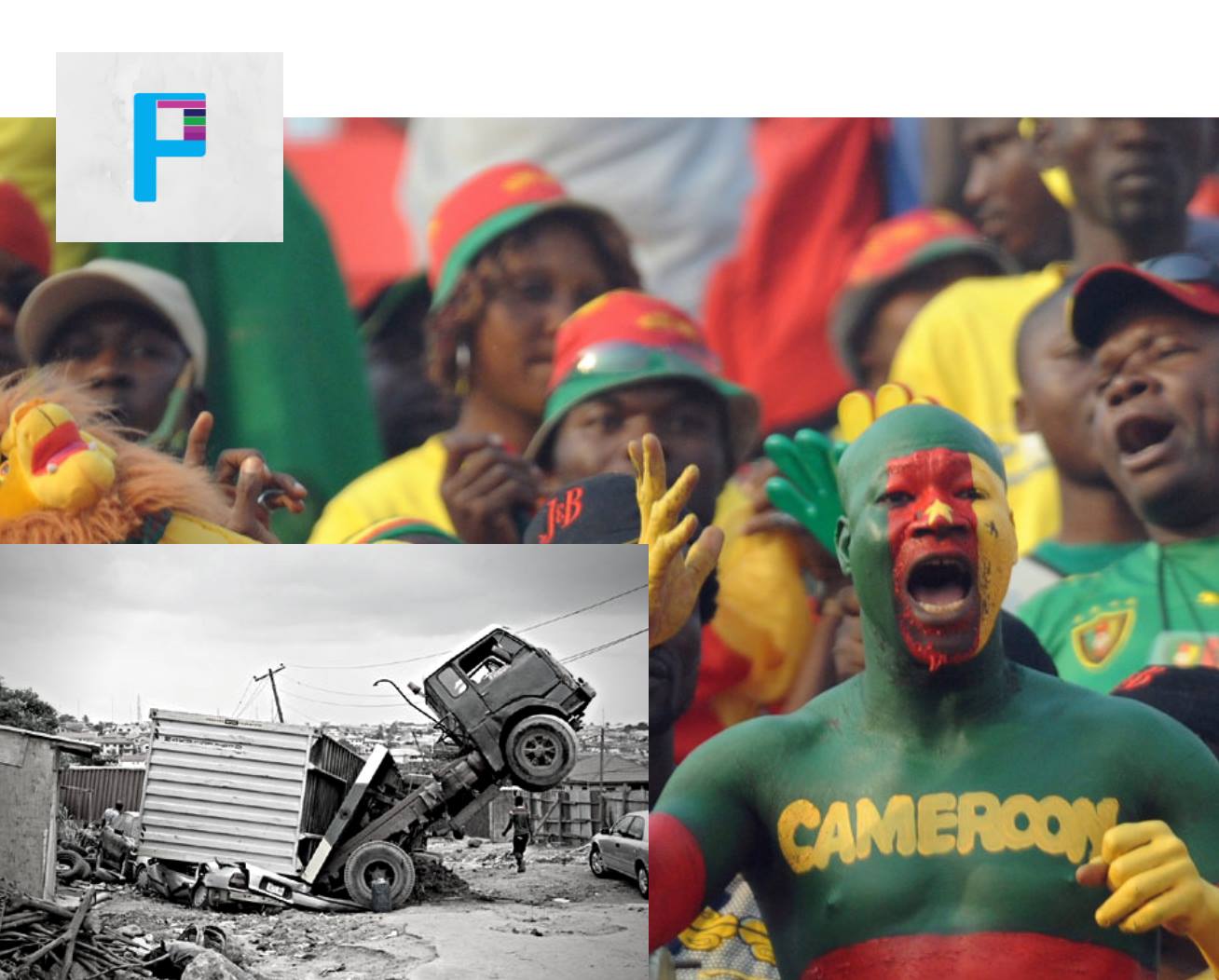
Why We Insist on Making Things Harder Than They Need to Be
The writer observes a recurring scene at a local secondhand shop where cars are dangerously offloaded using makeshift wooden ramps, when a proper metallic ramp would solve the problem. This sparks a reflection on a deeper Cameroonian tendency to valorize difficulty and resistance to practical innovation, even when easier solutions are available.
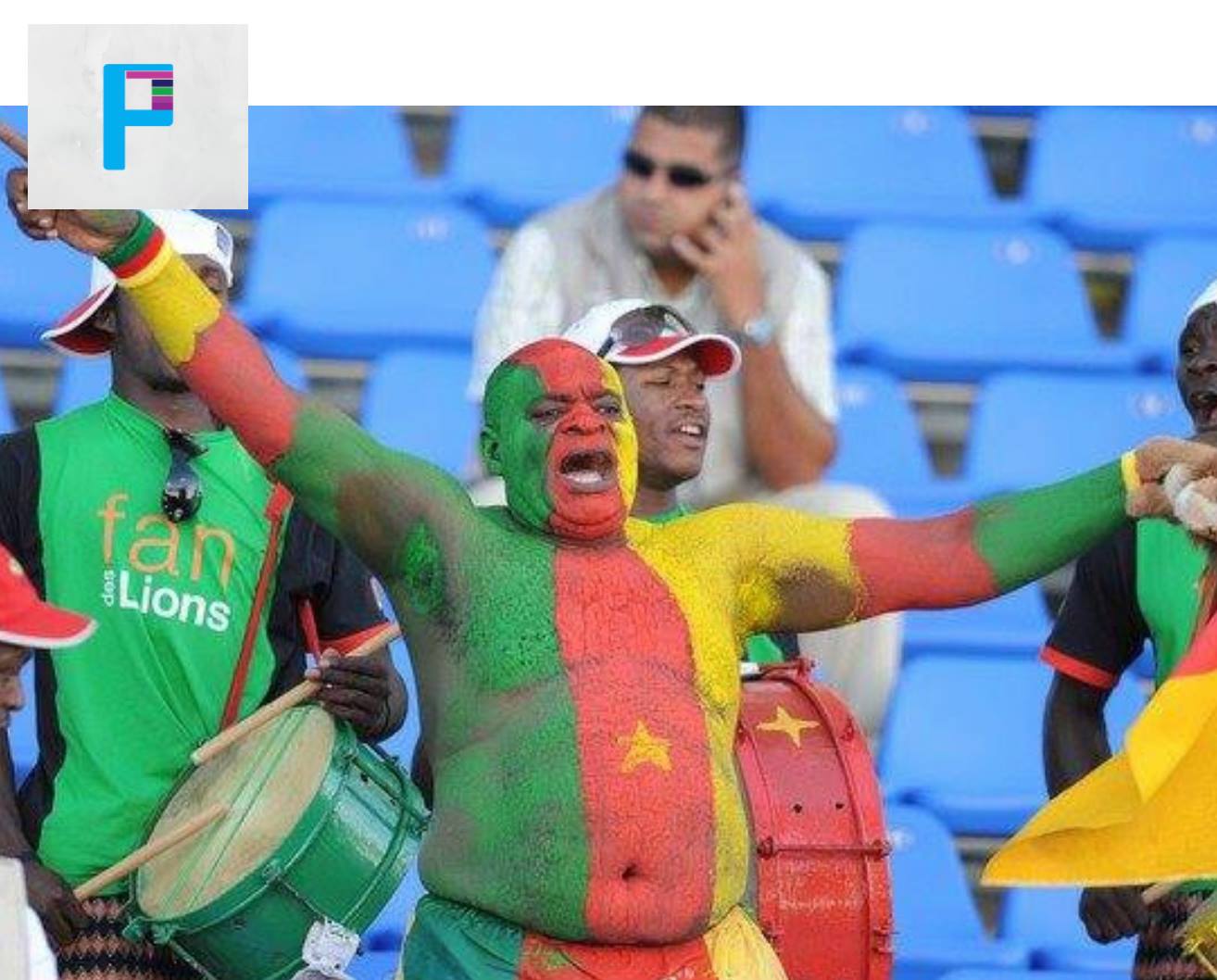
Six Expressions Holding Cameroon Back
The writer identifies six colloquial Cameroonian phrases—from
Tenor's Universal Signing: A Technical Reckoning
The writer celebrates Cameroonian rapper Tenor's signing to Universal Music Africa, framing it not as surprise but inevitable recognition of exceptional craft. Through a detailed linguistic analysis of iambic pentameter and syllable stress—drawing parallels to Eminem—the piece argues that Tenor possesses a rare technical mastery that extends beyond mere skill into the architecture of language itself.
On Branding and Authenticity: The Cost of Performative Celebrity in Cameroon's Entertainment
The writer critiques how Cameroon's emerging entertainment industry has become obsessed with superficial "branding"—fake luxury goods, manufactured scarcity, and performative wealth—rather than cultivating genuine artistry. Through examples of international artists whose success stems from authentic identity rather than display, the piece argues that local artists are copying unsustainable models while bullying peers into self-destructive behavior.

The Unrealised Potential of Gasha
A passionate essay tracing the distinctive artistry of the Cameroonian singer Gasha through her early work, and making the case that she possesses world-class talent comparable to acclaimed West African artists like Asa, Ayo, and Nneka. The writer argues that Gasha remains constrained by her production and management team, who fail to understand the depth of her gift.
Gasha: Misunderstood or Arrived Way Ahead of Her Time?
A listener and music enthusiast argues that Gasha possesses world-class artistic potential comparable to artists like Asa, Ayo, and Nneka, but remains trapped by collaborators and management who do not fully understand or know how to develop her distinctive talent. The piece is both a tribute to her artistry and a critique of the machinery surrounding her.
Miss Coconut Heads: On Beauty Pageants and the Absence of Substance
The writer articulates a sustained critique of beauty pageants in Cameroon, arguing they celebrate appearance over achievement and reduce women to ornament. The post calls out the gap between pageant rhetoric about 'empowerment' and the lack of intellectual rigor or originality demanded of contestants.
Our Generation is Killing Eboa Lotin's Heritage
A reflection on Cameroonian music's loss of cultural identity as a new generation gravitates toward Nigerian and pan-African influences at the expense of the country's distinct musical DNA. The writer argues that while some contemporary artists have successfully blended tradition with modernity, the trend is unsustainable and risks erasing a legacy built by giants like Manu Dibango, Richard Bona, and Eboa Lotin.

Pascal and the Art of Storytelling
A meditation on Pascal, an Anglophone Cameroonian rapper whose gift for narrative craft sets him apart in a hip-hop landscape often dominated by ephemeral punchlines. The writer traces Pascal's lineage to storytelling pioneers like Slick Rick, and argues for the enduring power of rap that edifies as much as it entertains.

On Stanley Enow and the Weight of Early Promise
The writer argues that Stanley Enow, despite his breakthrough hit "Hein Pere," has failed to sustain artistic momentum through subsequent releases, and suggests he may be better suited to building Motherland Records than continuing as a rapper. The piece balances respect for his pioneer role in Cameroon's urban music with frank assessment of his lyrical and commercial returns.