

Norbert Foy

Numbers Don't Lie. People Do.
An analytical reflection on the gap between quantifiable data and human interpretation. The writer examines how numbers function as neutral records while the meaning we extract from them reveals more about us than about the data itself.

When Creator Reach Becomes Infrastructure: The Khaby Lame Deal and What It Signals for Cameroon
A major creator-economy acquisition—the sale of Khaby Lame's company for $900 million in equity rather than cash—marks a quiet shift: influencers are no longer merely marketing channels but infrastructure assets that can be capitalized and embedded in public companies. The deal also reveals a second frontier: the licensing of AI digital twins, which decouples human presence from commercial reach.
A Job Search Strategy for the Average Cameroonian
The post argues that in Cameroon, where most vacancies remain unposted and hiring flows through networks, effective job seeking demands strategic research rather than mass applications. By studying company structures on LinkedIn, identifying weak ties, and targeting growing firms over established giants, a job seeker can shift from blind hope to deliberate positioning.
Ambition in National Dress: On Influencers, AFCON, and the Language of Marginalization
The writer examines a controversy over Anglophone content creators allegedly excluded from FECAFOOT's AFCON promotional campaign, arguing that the ensuing debate conflates personal ambition with national duty and mistakes popularity for leverage. Rather than address systemic exclusion, the discourse reduces itself to questions of individual selection and visibility.
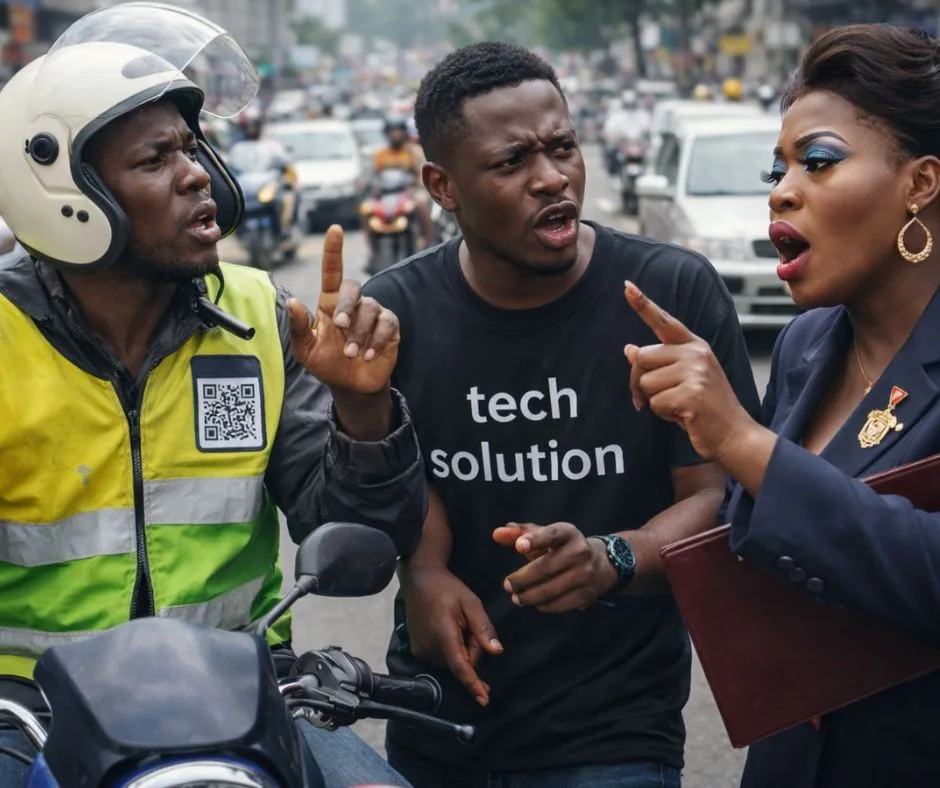
Innovation Without Direction: Why Cameroon's Tech Hubs Miss the Mark
Cameroon's innovation hubs generate abundant ideas but lack strategic coherence, often recycling global tech trends rather than solving local problems. The writer observes that while hubs celebrate startup pitches on digital health and fintech, real economic challenges—like formalizing the informal transport sector—are being solved by imported solutions, suggesting a fundamental misalignment between innovation infrastructure and national needs.
Have Our Billionaires Betrayed Us? Seven Years Later
Reflecting on a 2018 question about billionaire silence in Cameroon, Poise examines whether wealthy elites have a duty to share the knowledge behind their fortunes. The piece contrasts the opacity of Cameroonian business magnates with figures like Aliko Dangote, who use their power publicly, and argues that what matters is not wealth itself but the visibility and teachability of how it was built.
Why Diaspora Capital Succeeds Quietly or Fails Loudly
The writer examines why Cameroonian diaspora investment initiatives—once buoyed by optimism about African entrepreneurship and technological opportunity—have largely stalled or pivoted into safer ventures. Through a debate between two perspectives on root causes, the piece argues that success depends less on individual virtue or cultural fit than on understanding the structural match between business model and local terrain.
The Courage to Pause: On Standards, Noise, and the Future of Digital Media in Cameroon
The founder reflects on taking PoiseSocial offline at its peak, not as failure but as a deliberate act of integrity. Faced with an internet increasingly populated by unchecked reporting and clickbait, the writer chose to step back rather than compromise the standards that earned their audience's trust.
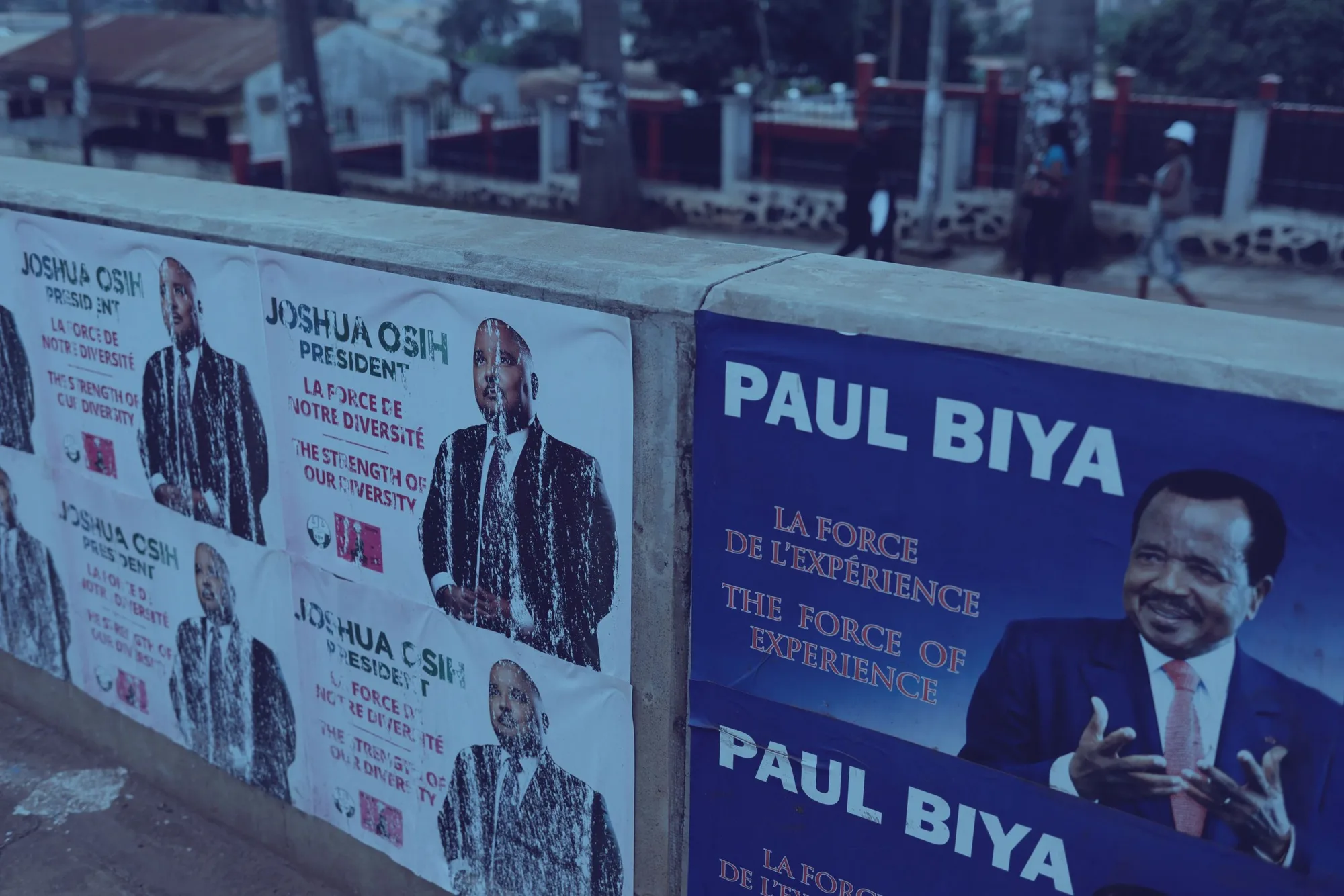
The Arithmetic of Fragmentation: Cameroon's Party System and the Limits of Electoral Choice
With over 180 registered political parties competing for 280 parliamentary seats, Cameroon's electoral landscape has become a study in mathematical impossibility and institutional dysfunction. The post documents how administrative barriers, factional splits, and an oversized party roster have turned recent elections into a cautionary tale about the gap between formal democratic structures and meaningful political participation.
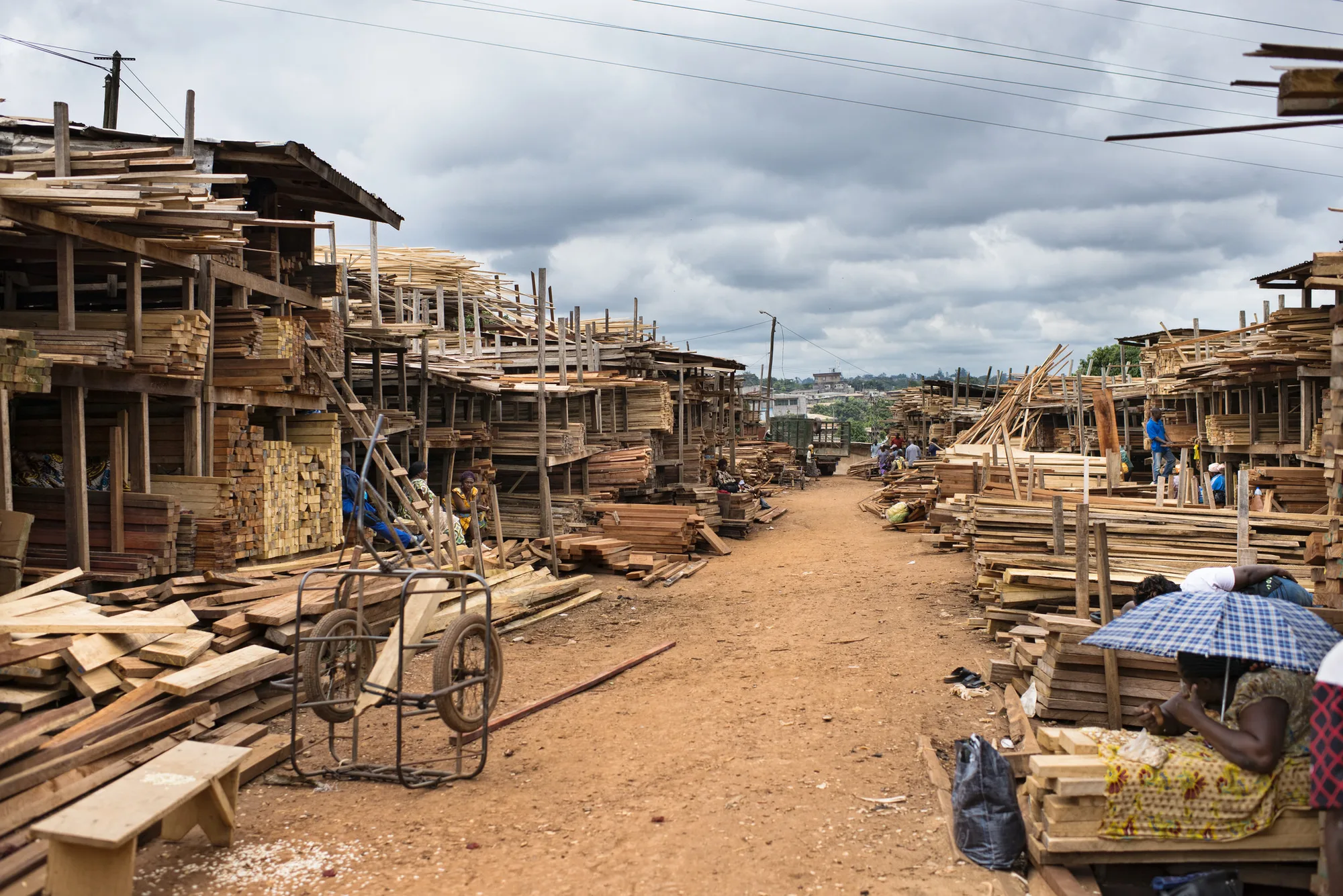
Nine Pillars of Cameroon's Economic Transformation: A Government Development Strategy
This piece outlines Cameroon's nine-sector development strategy for structural economic transformation, detailing government priorities and investment targets across energy, agribusiness, digital technology, forestry, textiles, mining, hydrocarbons, and related fields. It serves as a practical guide for entrepreneurs and public contractors seeking to identify where government support, subsidies, and contracts are likely to flow.
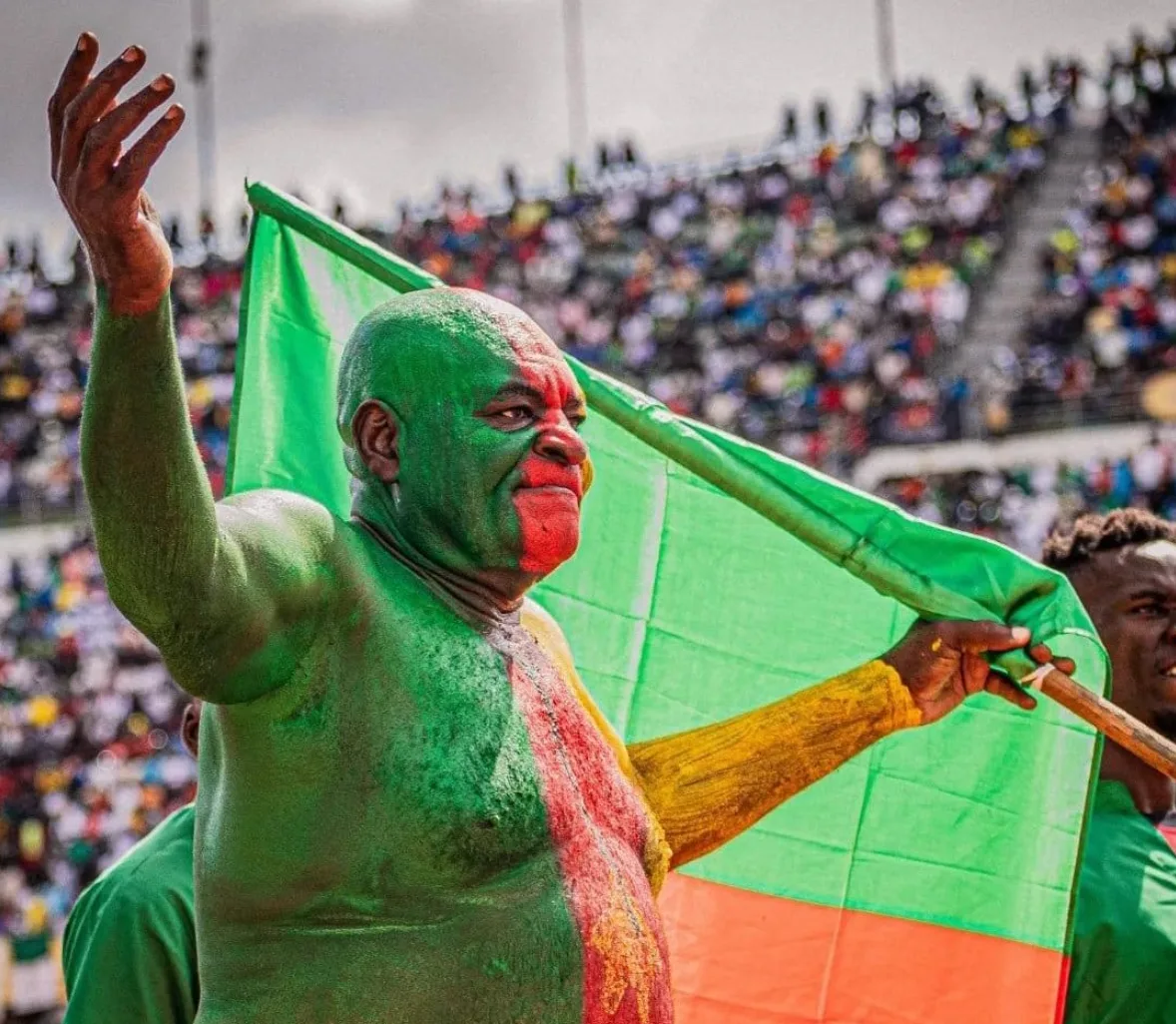
The Unofficial Ambassador: Reputation, Boundaries, and Ngando's Place in Cameroonian Football
A critical reflection on Ngando, a long-standing supporter of Cameroon's national football team, examining the gap between his public image as an informal ambassador and his increasingly problematic behavior seeking financial compensation from players and officials. The writer argues that while Ngando's decades of personal sacrifice merit respect, FECAFOOT must formally end its ambiguous relationship with him to protect Cameroon's reputation.

On Support and What We Mistake for It
The piece examines the recurring complaint that Cameroonians do not support each other, particularly in creative industries, by sorting the complaint into three groups and arguing that the real problem is a mutual misunderstanding of what support actually means. It contends that support requires both generous reception of early effort and realistic self-assessment from creators, and that much of the perceived lack of support stems from looking for validation in the wrong places.

On the Character of African Architecture
The writer reflects on a troubling shift in Yaounde's urban landscape: newer buildings lack the cultural distinctiveness and durability of older structures, while a proliferation of glass towers—elegant at first but quickly weathered—suggests a loss of architectural wisdom. The piece pairs this observation with profiles of contemporary African architects who are recovering that wisdom through sustainable and culturally grounded design.

The Architecture of Cameroon's Judicial System
This post maps the formal structure of Cameroon's courts and legal personnel—from magistrates and registrars to judicial police, bailiffs, notaries, and lawyers—detailing their distinct roles and jurisdictions.

The Price of Invisible Work: On Valuing Creative Services in Cameroon
A reflection on the persistent difficulty of pricing creative and content work in Cameroon, where efficiency is often punished and the boundary between time spent and value delivered remains fundamentally misunderstood. The writer argues that creative pricing should rest on the client's actual benefit and the creator's opportunity cost—not on hours logged or speed of delivery.

The Polymath's Path: On Creativity Across Boundaries
A reflection on the career of a contemporary polymath designer who moved from streetwear and screen printing to the highest levels of fashion, exploring how formal credentials need not constrain ambition and how creative people navigate the skepticism they face.

On Depth, Authenticity, and the Artist's Right to Critique
Following Burna Boy's public criticism of Afrobeats as lacking substance, this piece defends the artist's right to hold the culture accountable while examining what he actually meant: a call for more personal storytelling and philosophical coherence among African musicians, rather than generic feel-good escapism.
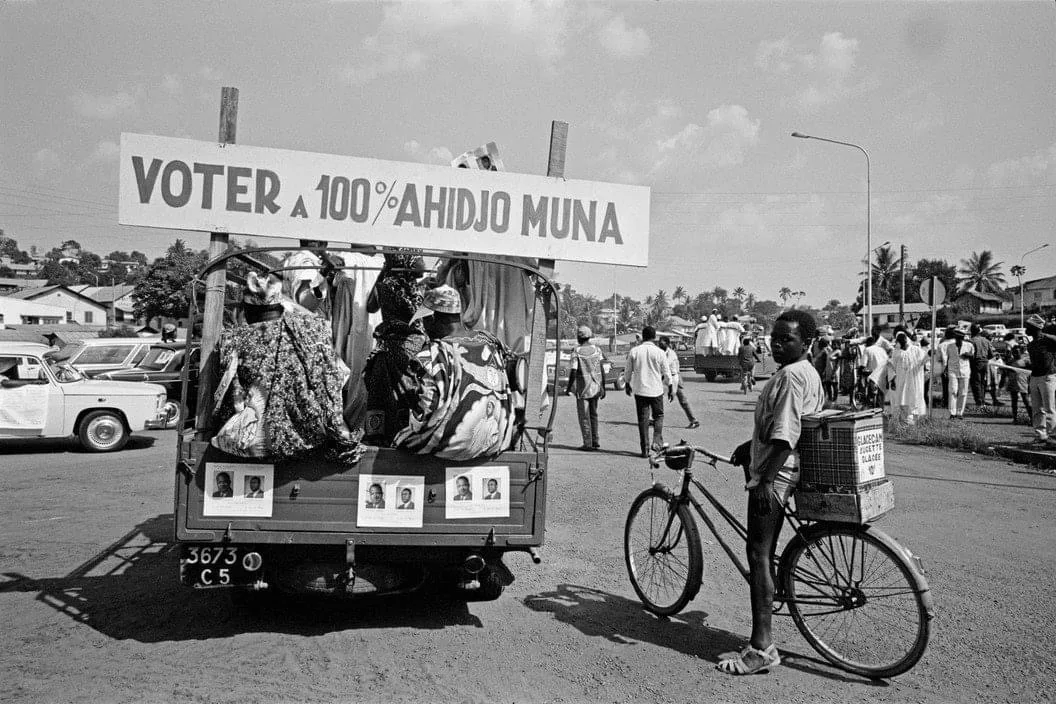
The Case for Social Capitalism: Markets with Guardrails
The writer argues that unfettered capitalism, particularly as practiced in Cameroon, widens inequality and entrenches privilege, and makes the case for a regulated social capitalist model in which government ensures universal access to public goods and competitive opportunity for all.
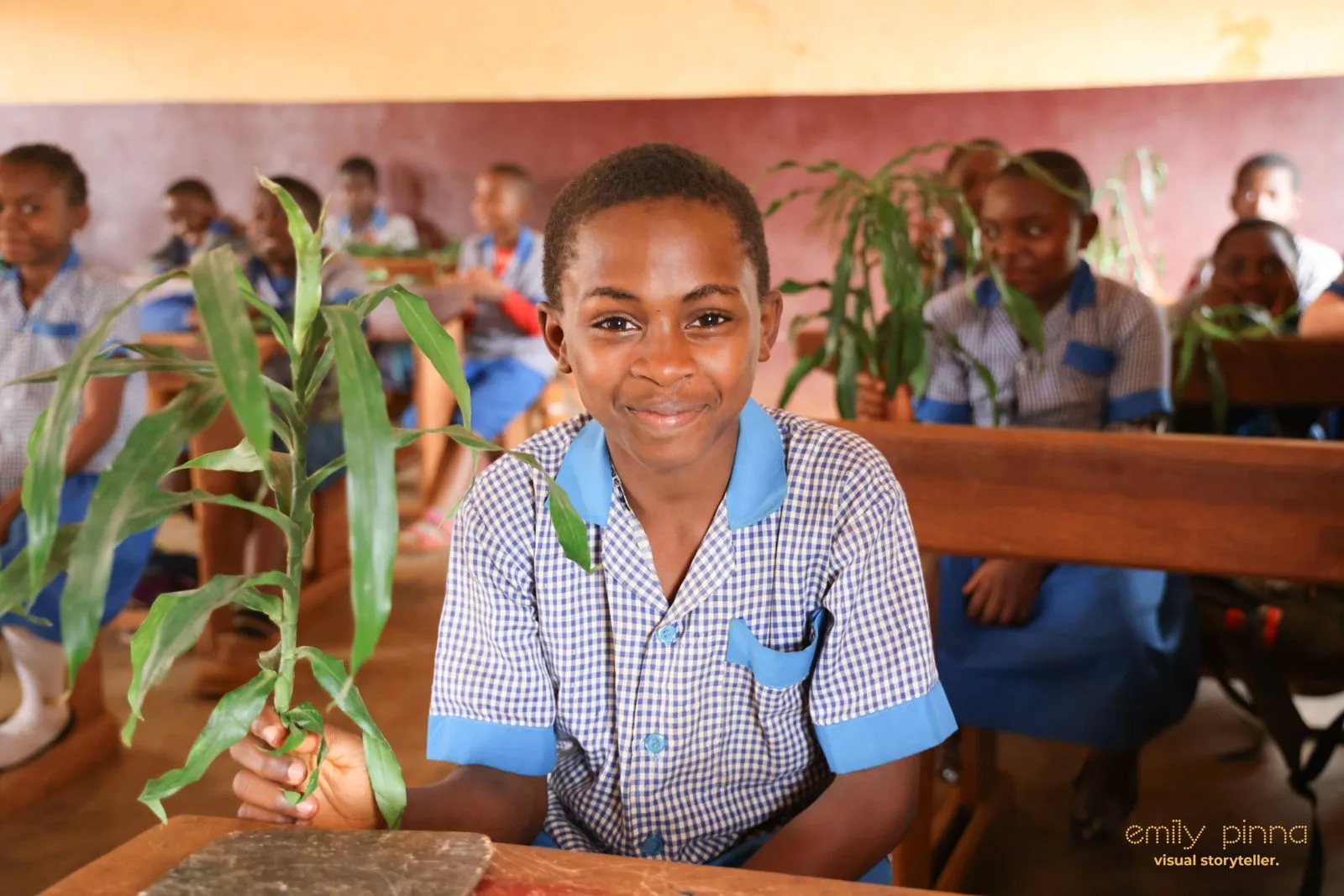
The Courage Tax: Celebrity Influence and the Limits of Hashtag Activism in Cameroon
The writer reflects on a delegation meeting with Cameroon's Minister of Arts and Culture to oppose a controversial bill, witnessing firsthand how performers abandoned their stated principles once in the room with power. The piece uses this incident to examine why Cameroonian celebrities claim influence they do not possess, and why national-scale activism remains performative rather than substantive.

From Amateur to Professional: Building Systems for Growth
The writer argues that the transition from amateur to professional habits is essential for small business growth in Cameroon, yet remains hindered by cultural pressures and short-term thinking. They outline four practical disciplines—documentation, business rules, standard procedures, and boundary-setting with friends—as concrete steps toward professionalism and scalability.

For Better or Worse: On Marriage, Vows, and the Limits of Unconditional Commitment
The writer reflects on the marriage vow—particularly the phrase 'for better or worse'—and argues that while couples should weather life's circumstances together, they should not be bound to tolerate a partner's deteriorating character or toxic behavior. The piece challenges the assumption that marriage vows create an unconditional obligation to endure harm.

The Storyteller's Art: Reading Tunde Onakoya's Chess Narrative
A reflection on Tunde Onakoya's storytelling about teaching chess to over 10,000 children across four countries and placing 1,000 on full scholarships. The writer examines how Onakoya's narrative operates as both a development story and a work of deliberate artistry, challenging stereotypes about poverty and intellectual potential.

The Evolution From Skits to Short Films: Caro's Production Company and the Wider Industry Shift
The announcement of Cameroonian actress and skit creator Caro's production company and five forthcoming short films marks a broader pivot in digital-content creation. The piece examines why skit makers are increasingly transitioning to short films—a move that promises greater creative range, narrative depth, professional credibility, and access to festival circuits and streaming platforms.
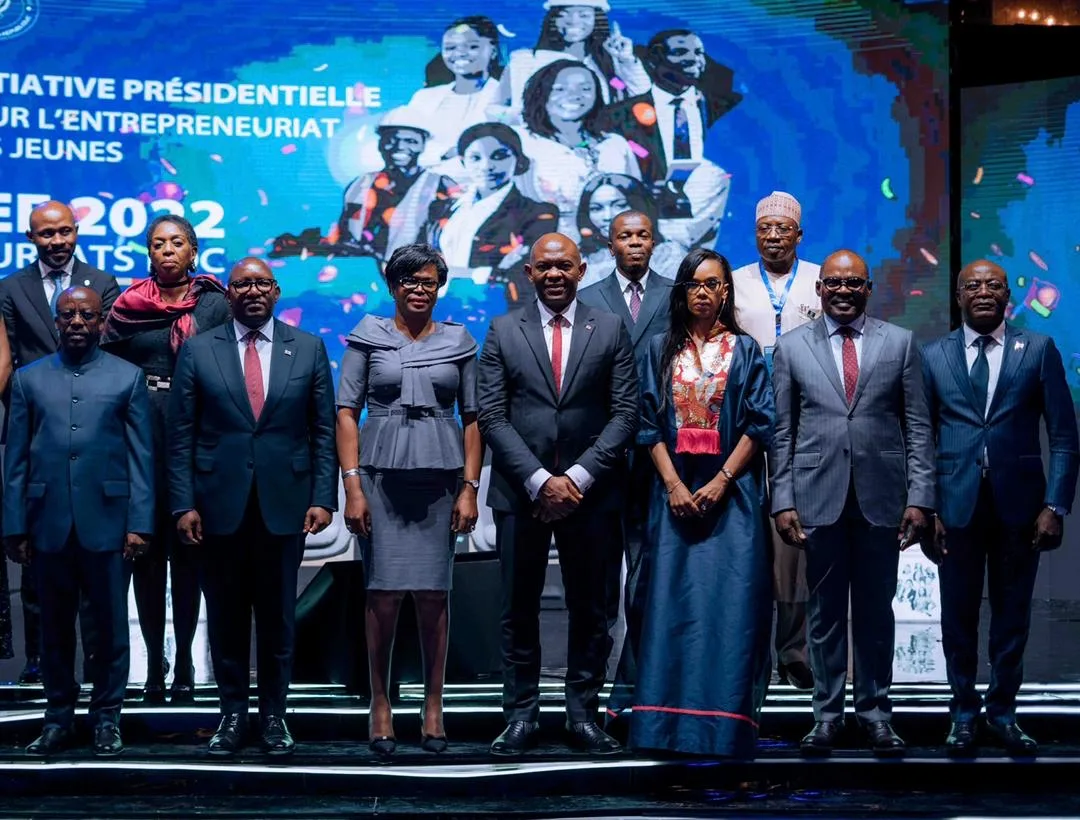
Rolling Applications and the Real Barriers to Women's Entrepreneurship
Poise examines the extended deadline for the Tony Elumelu Foundation's female entrepreneurship program as a symptom of deeper structural friction, not simply women's hesitation. The writer proposes a rolling application model as a more adaptive alternative to fixed cycles.

The Peril of Performance: Youth, Social Media, and the Erosion of Serious Political Engagement in Africa
The writer examines how social media's amplification of charisma and visibility threatens to corrupt genuine youth-led political movements across Africa. In Cameroon specifically, the 2025 presidential race is attracting both sincere reformers and opportunists seeking influence rather than power, a dynamic that risks fracturing the very generational energy needed for meaningful change.
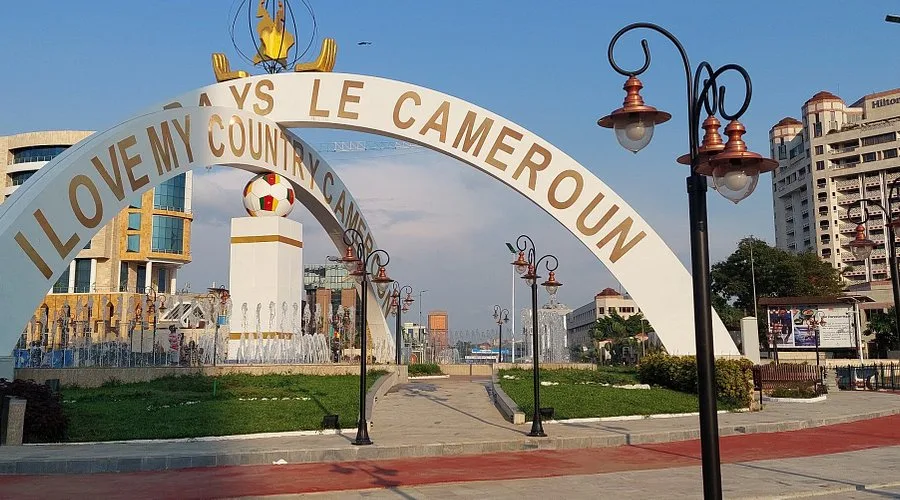
Symbols Without Substance: The Portrait and the Slogans
This essay examines how Cameroon's political culture has come to rely almost entirely on symbolic gestures—a ubiquitous presidential portrait, cycling national slogans, monuments, and rebranded success stories—while the material conditions they purport to represent continue to deteriorate.

The World's Discomfort with African Pride
Following Francis Ngannou's boxing loss to Tyson Fury, the writer reflects on the double standard applied to Black athletes—particularly African ones—when they assert confidence or pride. The piece argues that Ngannou's real victory lies not in the ring but in his journey from poverty to global prominence, and that his dignity transcends any single fight.

The Afrobeats Boom and the Problem of Branding: Why Market Share Alone Won't Save African Music
The writer examines the global rise of Afrobeats and its uneven impact across Africa, arguing that Nigeria's dominance stems not from protectionist policies or population size, but from strategic branding and the cultivation of cultural cachet. For artists outside Nigeria, legislative quotas and forced promotion miss the deeper work of positioning African music as aspirational rather than merely available.
The Unofficial Ambassador: Governance, Reputation, and Cameroonian Football
A writer examines the decades-long relationship between a devoted but increasingly problematic football supporter and Cameroon's national team, tracing how an unofficial ambassador whose image became inseparable from the Lions evolved from hero to liability—raising questions about institutional responsibility and national reputation.

The Structure and Logic of Record Labels in Cameroon
The writer examines the distinction between major and independent record labels, explaining how multinational majors like UMG, Sony, and Warner differ fundamentally from the independent labels that dominate Cameroon's music industry. Through this framework, the piece diagnoses endemic tensions between Cameroonian labels and artists—poor contract literacy, inadequate planning, and opaque financial management.

When Good Intentions Backfire: MTN's Data Campaign and the Cost of Hastily Executed Policy
The writer examines MTN Cameroon's customer compensation campaign—offering free data and credit to address network service failures—and shows how the initiative fell short despite good intentions. The failure stemmed not from the gesture itself but from inadequate planning: all customers received gifts simultaneously, creating network congestion; unequal distribution (data versus credit) created perceptions of unfairness; and no staggered approach or clear communication existed to manage expectations.

NGANU and the Perils of Ambition Without Execution
A critical review of Kang Quintus's second feature film, NGANU, which tells the story of a violent man who joins the military in a bid for redemption. The film is praised for its technical craft and certain performances but faulted for narrative opacity, unconvincing character motivation, and a bloated middle section that undermines its emotional core.

Typecasting and the Impoverishment of Cameroonian Cinema
Typecasting—the practice of repeatedly casting actors in similar roles—constrains both individual talent and the film industry's creative range. The essay argues that this limitation is particularly acute in Cameroon, where a thin market for scripts and a consolidation of producer-actors narrows the stories told and perpetuates harmful stereotypes.

The Geography of Ambition: Why Artists Should Build at Home
The writer examines how the calculus of artistic migration has inverted in Cameroon over the past generation. Where legendary musicians once traveled abroad to access superior infrastructure and networks, contemporary artists who leave typically abandon creative ambitions altogether—and those who return struggle to rebuild momentum or credibility.

The Price of Change: On Sacrifice, Institutions, and Why Good People Stay Silent
The writer reflects on Rebecca's public refusal of a presidential candidacy, using it as a lens to examine a deeper paradox in Cameroonian civic life: citizens simultaneously demand change while scorning those willing to pay its cost. The piece interrogates how we defend the very institutions that harm us, and whether collective refusal to sacrifice ultimately empower those in power.

The Artist as Creative Agency: Diversification and Survival in Cameroon's Music Economy
The writer argues that musicians in Cameroon face systemic economic precarity that demands a fundamental shift in how they approach their careers. Rather than relying solely on performance, artists must develop multiple income streams—production, songwriting, event management, or entirely separate ventures—to achieve financial stability and longevity.

The Entrepreneurial Arc: From Idealism to Pragmatism in Cameroon's Tech Ecosystem
A Cameroon-based writer reflects on a decade of entrepreneurial ambition and experimentation—from 2014's optimistic startup culture through successive waves of technology, agriculture, beauty, and fintech ventures—tracing how a genuine passion for building meaningful products gradually gave way to chasing prizes, PR, and survival.

You Stumble on Your Passion
The piece challenges the contemporary culture of 'finding your passion' as a prerequisite for meaningful work, arguing instead that passion is a transient feeling rather than a fixed calling. It proposes that success actually precedes and generates passion, not the reverse.

Before You Pay for Digital Marketing Workshops
The writer argues that digital marketing certificates from short-term workshops offer false credentiality and rarely translate to employment or business results. True competence in the field requires sustained practice, demonstrated work, and reputation-building—not credentials—and workshops serve best as orientation, not qualifications.

The Certificate Trap: Why Digital Marketing Workshops Rarely Deliver What They Promise
A critique of the booming digital marketing course industry in Cameroon, arguing that certificates from unaccredited academies create a false sense of competence and employability. The writer contends that digital marketing is a reputation-driven skill built through sustained practice, not workshop attendance, and that the real work—content creation—begins only after graduation.
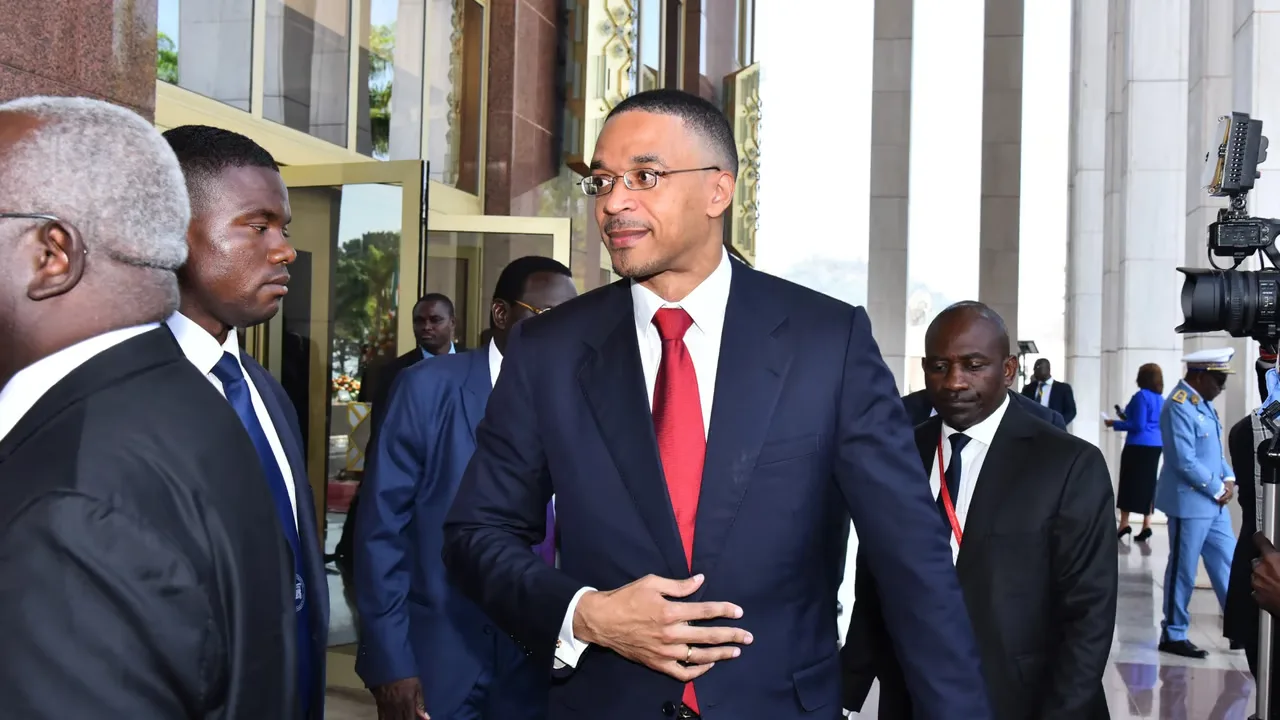
The Politics of the Picture: Celebrity, Complicity, and Cameroon's Defeated Imagination
The writer argues that high-profile Cameroonians—particularly those with global platforms—cannot escape political responsibility through silence or selective visibility. A photograph with state figures is itself a political act, and the absence of critical distance amounts to a form of consent that reinforces the regime's legitimacy.
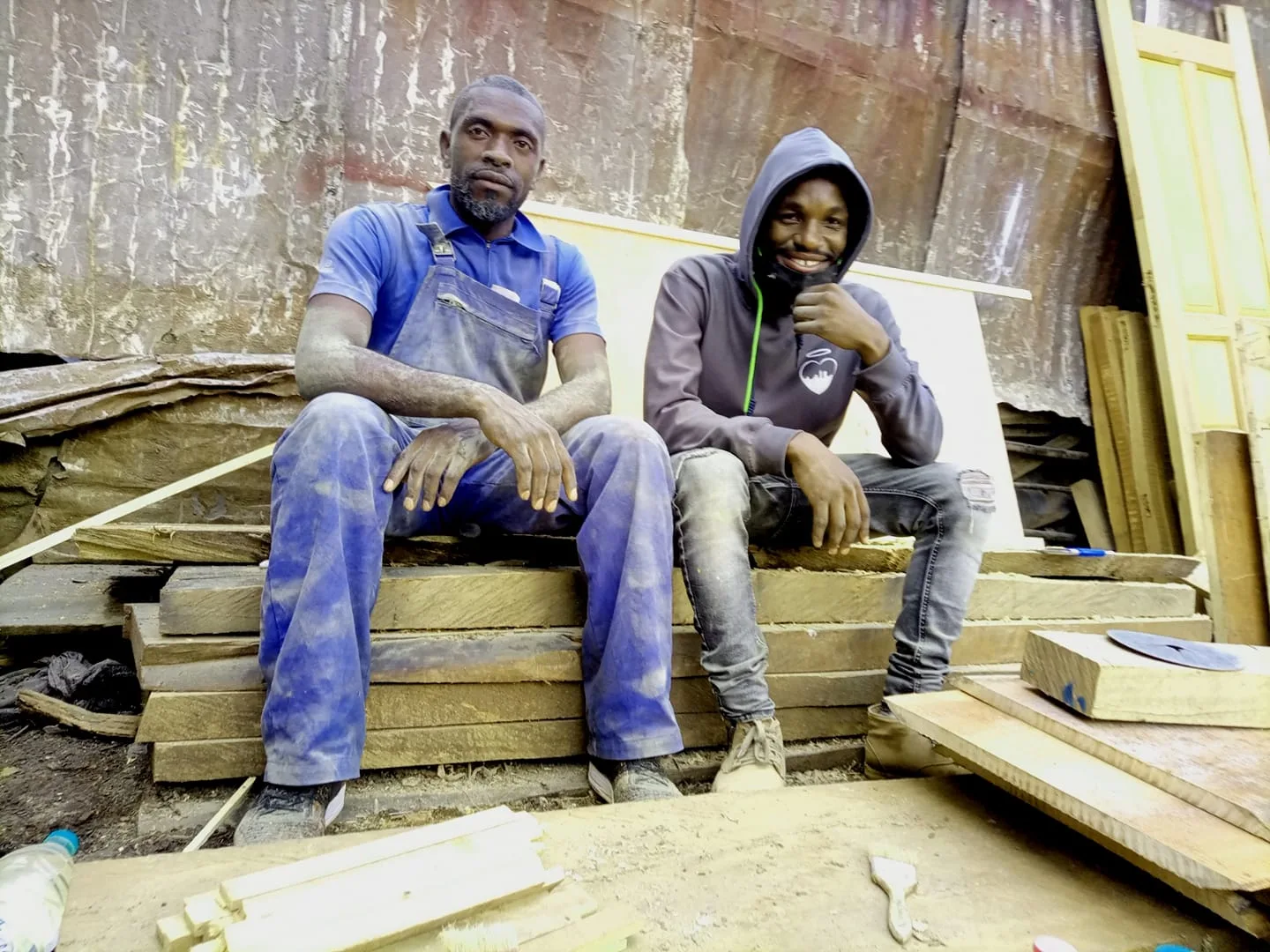
Five Starter Business Ideas for the Digital Age in Cameroon
This piece outlines five low-barrier, phone-first business models—furniture, fashion, books, electronics, and accessories—each requiring minimal capital and leveraging social media for reach. The writer emphasizes the importance of quality, presentation, and digital marketing skills as differentiators.

On Cameroon's Entertainment Ambitions and Economic Realities
The writer argues that Cameroon's aspiration to become a music exporter is misaligned with its actual comparative advantage, and that the nation's true export has always been talent and human capital rather than cultural products. Drawing on examples from Germany, the US, Bollywood, and Nigeria, the piece traces how specific economic and infrastructural conditions enable entertainment industries to thrive globally—conditions Cameroon largely lacks.
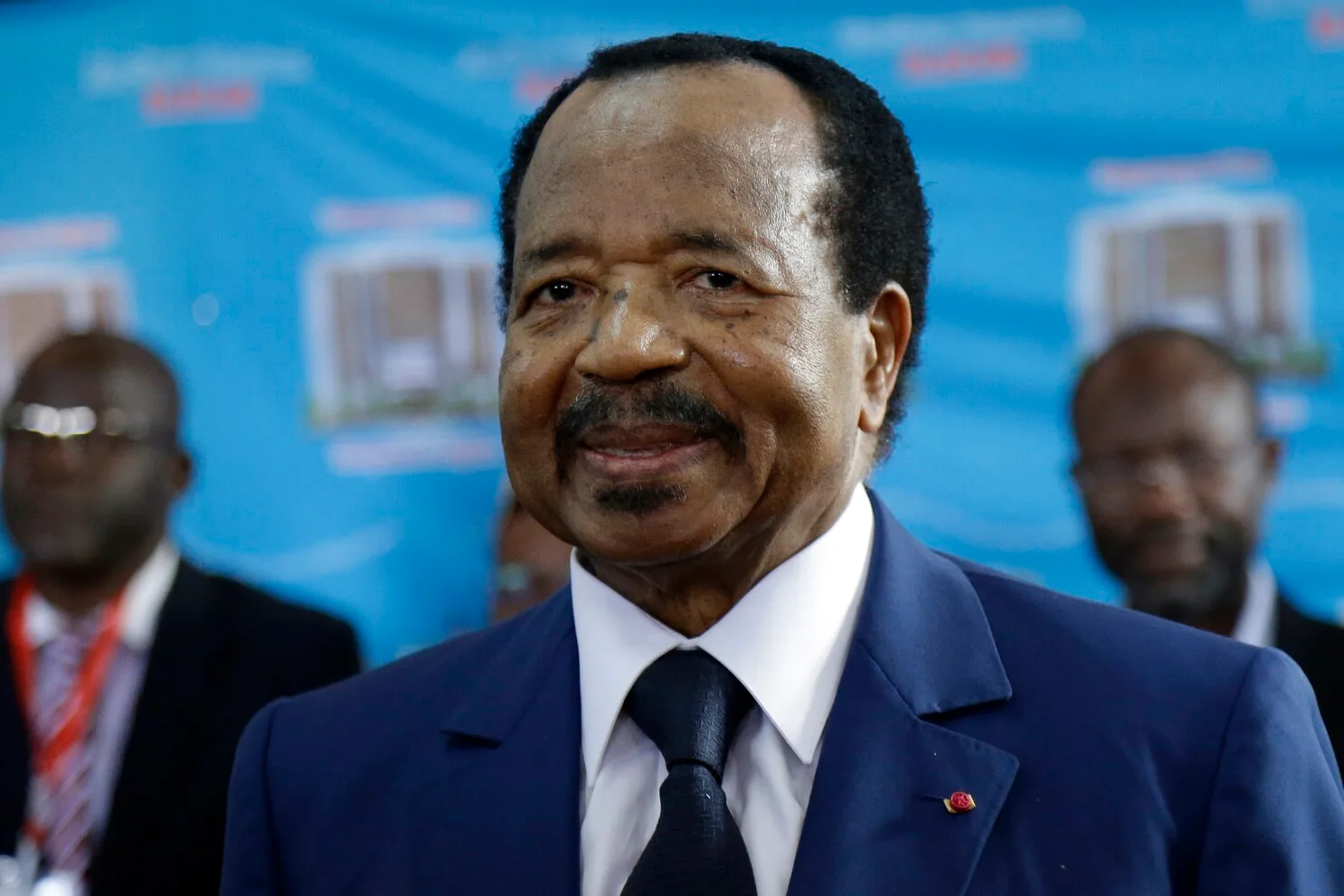
Six Cameroon Types: A Taxonomy of Power, Aspiration, and Survival
The writer sketches six distinct social archetypes within Cameroon—from the privileged beneficiaries of state patronage to the disenfranchised survivors—each with a different relationship to power, money, mobility, and hope. The framework maps not individuals but patterns of thinking and behavior that emerge from systemic inequality and limited mobility.

The Decline of Blogging as Cultural Curation
This piece traces how Cameroonian entertainment blogging evolved from a practice of cultural discovery and curation into a fragmented creator economy driven by sponsored content and transactional relationships with artists. The writer argues that the shift from website-based editorial platforms to Facebook-dependent content, combined with the rise of influencer culture and pay-to-play dynamics, hollowed out the industry's foundation and prevented it from maturing.
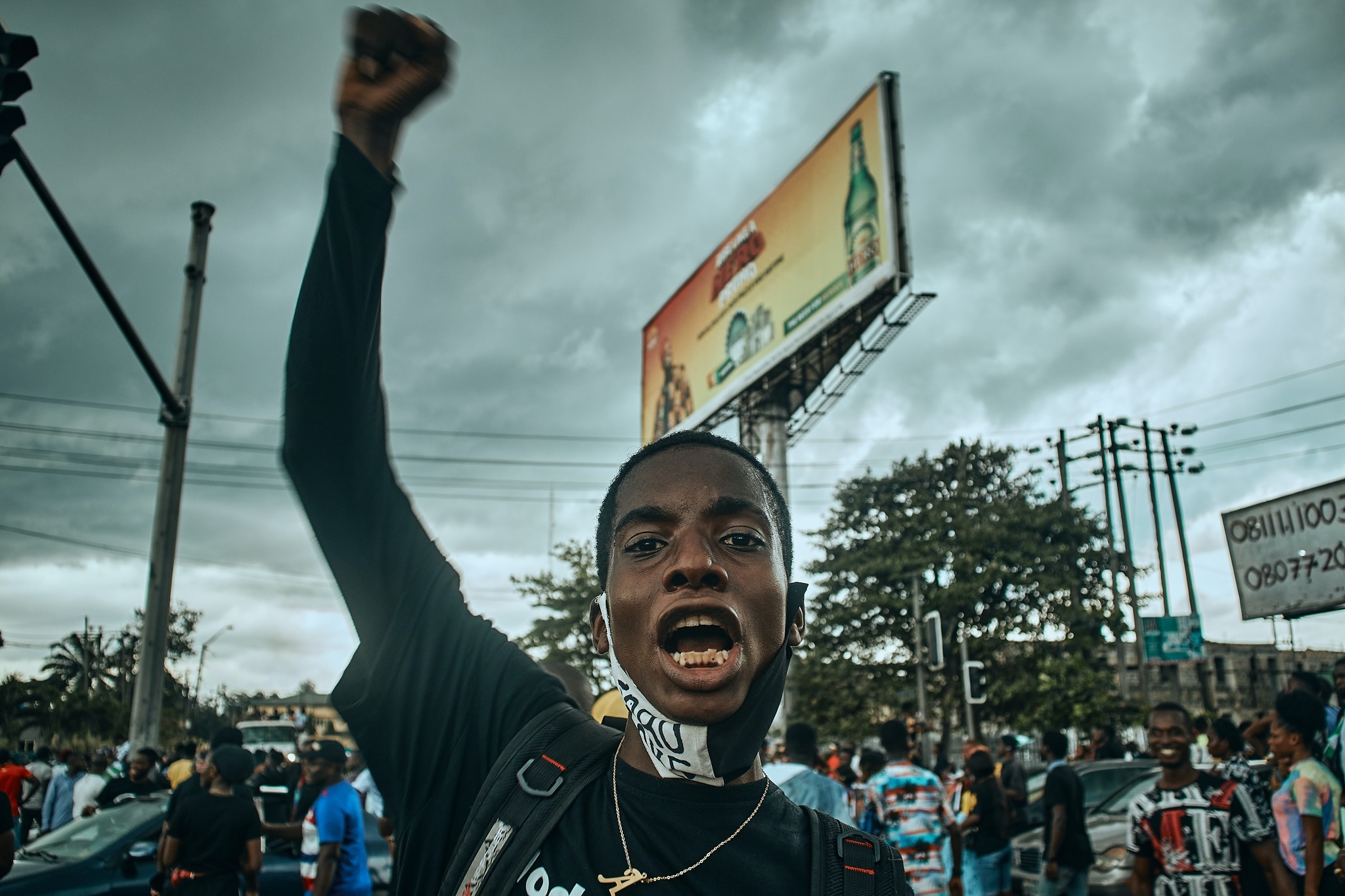
Airplane Mode Till 2025
A reflection on a two-hour internet protest against Cameroonian telecom operators, examining why such social-media-based activism often fails and what organized, strategic community mobilization requires instead.

Francis Kere: Architecture as African Inheritance
Poise celebrates Francis Kere, a Burkinabe architect whose studio creates structures grounded in indigenous knowledge, local materials, and community partnership across West and East Africa. His work demonstrates that contemporary design need not be imported—it can be rooted, functional, and distinctly African.

Stop Promoting Deception: Media Ethics and Misinformation in Cameroon
A critical examination of how Cameroonian media outlets and bloggers have abandoned journalistic standards in pursuit of viral content, using the case of a young entrepreneur whose philanthropic claims and business narrative lack credible verification.

The Backward Step: Cameroon's Music, Patriotism, and the Retreat from Global Conversation
Examining the 2022 success of Krys M's 'Chacun sa chance' and Philbill's 'Bikossa,' the writer argues that Cameroon's biggest songs represent cultural nostalgia rather than innovation, and that this retreat into local-only music reflects a deeper withdrawal from global competition rooted in 25 years of institutional and cultural stagnation.
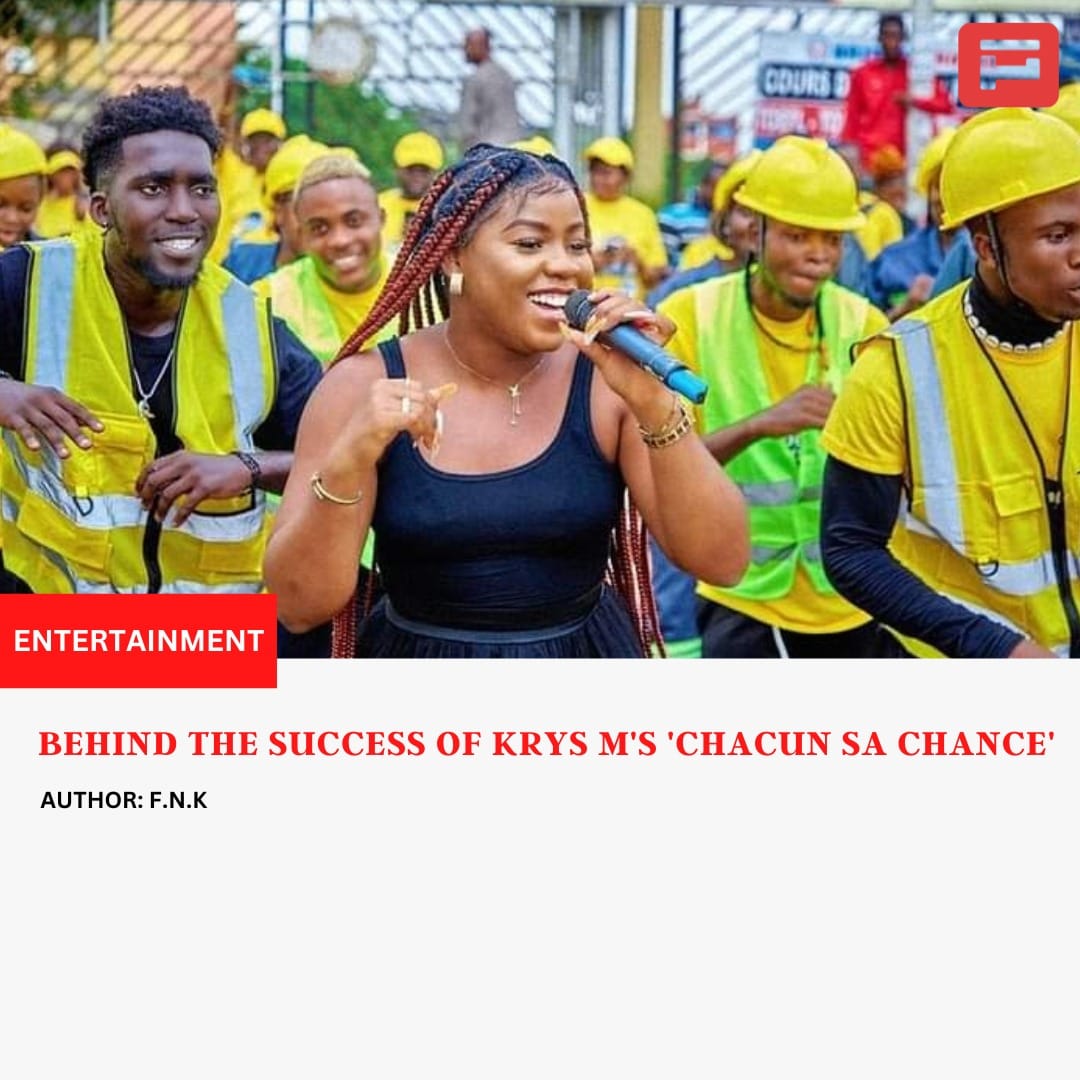
The Nostalgia Trap: Cameroon's Music, Patriotism, and the Cost of Retreat
Examining the viral success of Krys M's 'Chacun sa Chance' and Philbill's 'Bikossa,' the writer argues that Cameroon's biggest songs are retreats into local sound rather than innovations—a symptom of deeper cultural stagnation and a collective turn inward masked by patriotic fervor.
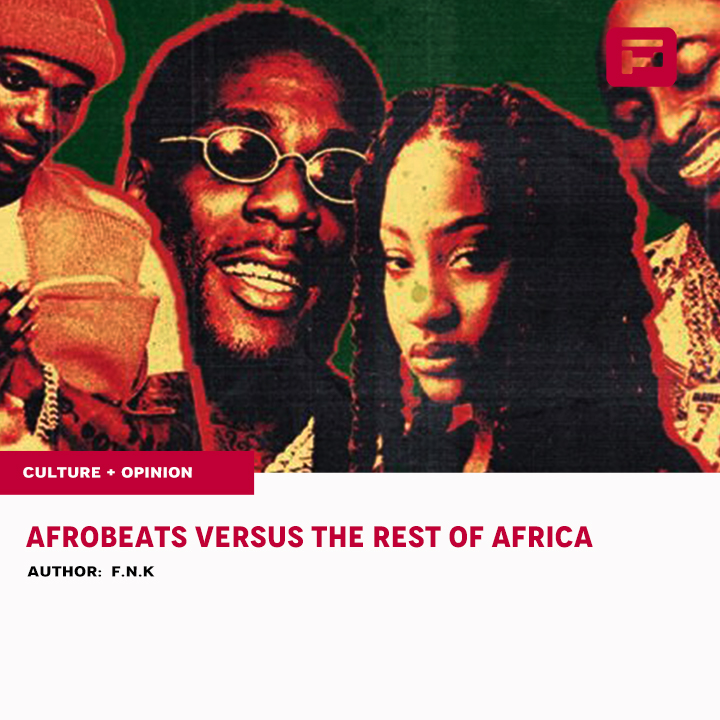
Afrobeats Versus the Rest of Africa: A Question of Branding, Not Quotas
While Afrobeats has become a global phenomenon lifting Nigerian artists to unprecedented heights, the success has cast a shadow over music industries across Africa. The writer argues that legislative efforts to increase local content quotas—whether in Kenya or Cameroon—misdiagnose the problem, which is not access but brand-building and the cultivation of cultural cool.
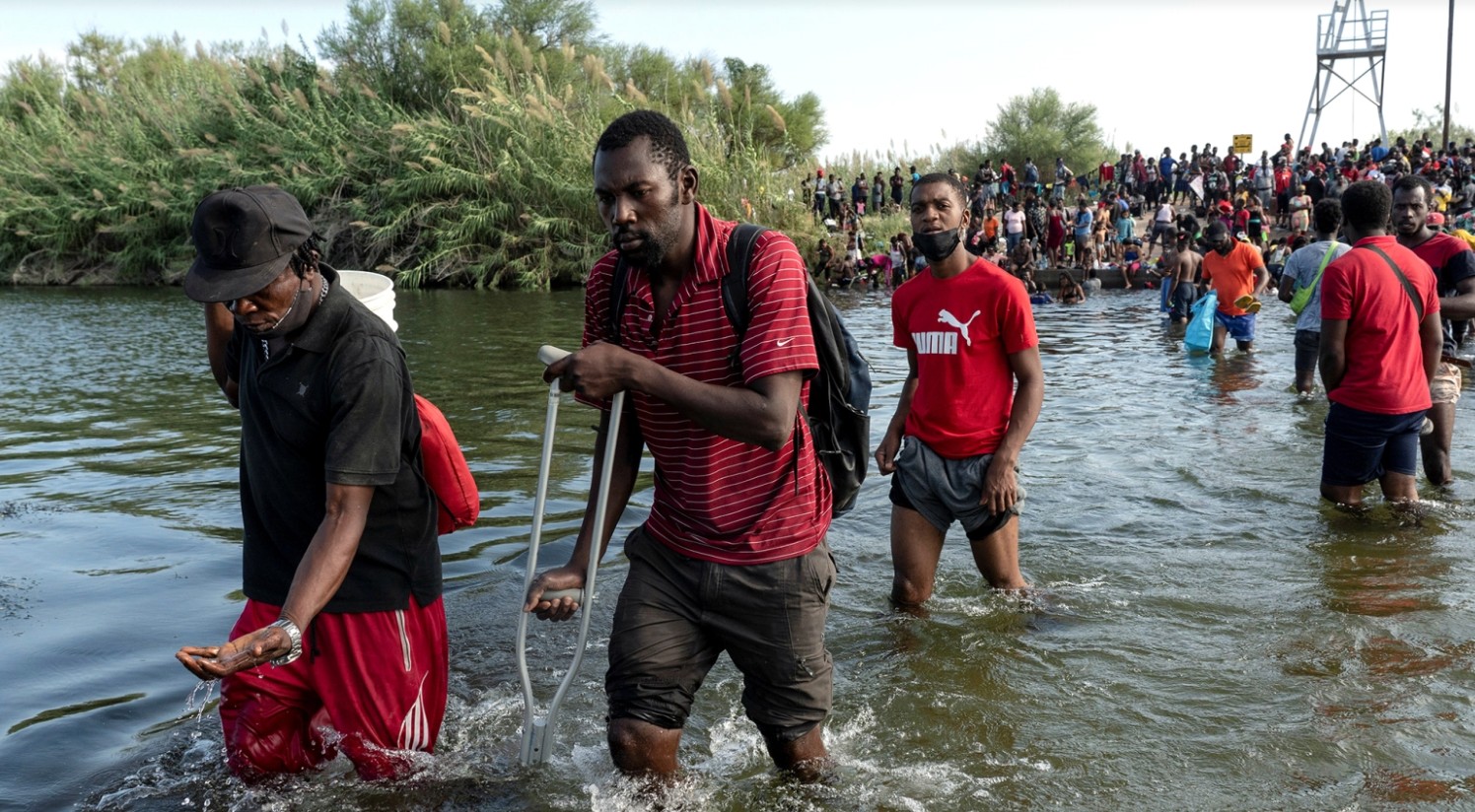
The Movie Nobody Wants to Make: On Migration, Desperation, and Failed States
The writer reflects on the desperate journeys many Africans—including Cameroonians—undertake to reach the United States via Mexico and the Amazon, risking their lives and those of their children. Rather than romance or denial, the piece acknowledges the genuine material advantage of life abroad while assigning moral responsibility to African leaders whose governance failures drive such migrations.
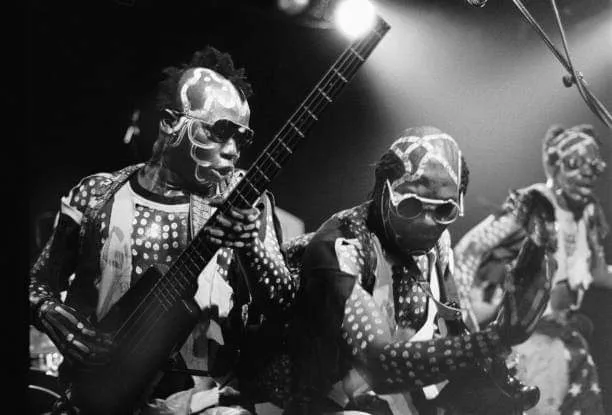
The Burden of Originality
This essay examines the contradictions embedded in how Cameroonians demand 'authenticity' from their own artists—insisting on mother-tongue performance and revival of traditional genres while celebrating foreign artists who sing in English or French without question. The writer argues that conflating culture with tradition, and policing artistic expression through linguistic or stylistic purity, ultimately impoverishes the nation's creative landscape.

The African Cup of Nations: A Continent's Game in Numbers
A factual survey of the African Cup of Nations from its founding in 1957 through the 2010s, tracing records and milestones across tournaments. The piece highlights Cameroon's Samuel Eto'o as the competition's all-time leading scorer, alongside broader benchmarks in goalkeeping, discipline, and defensive excellence.

The Arithmetic of Trust: On Auntie Felicia and the Economics of Influence
A marketer examines the rapid ascent of a major Cameroonian comedy influencer and the pitfall of accepting too many brand deals at once. The piece argues that oversaturation threatens the trust relationship that makes influencers valuable in the first place, and proposes a more deliberate content strategy.

Eto'o and Power in Cameroon: Trauma, Ambition, and the Price of Change
This essay examines Cameroonians' fraught relationship with power—rooted in decades of authoritarian rule—and how that collective wariness shapes reactions to Samuel Eto'o's leadership at FECAFOOT. The writer argues that scrutiny of Eto'o's methods, while understandable, may be blinding observers to his effectiveness and his potential role in a broader renewal of Cameroonian leadership.
The Politics of Empty Slogans
The writer examines Cameroon's reliance on hollow symbols and vacuous slogans—from the omnipresent presidential portrait to government catchphrases like 'Emergence 2035' and 'Rigour Integrity & Moralisation'—as a substitute for tangible governance and meaningful policy. These symbols, meant to inspire unity and progress, instead mask systemic corruption, poor service delivery, and a government indifferent to citizen welfare.
Auntie Felicia Gets the Last Laugh: Kwoh Elonge and the Comedy Reckoning
Poise celebrates Kwoh Elonge's pivot from critic of Cameroonian comedy to practitioner, framing his success as vindication of principled criticism and a turning point for the local entertainment sector. The piece reflects on the community's defensive response to outside scrutiny and the rare figure willing to back words with action.

The Camera at Secondary School: Money, Aspiration, and the Entrepreneurial Awakening
A writer recalls purchasing a camera on credit during secondary school and building a photography business to bridge the gap between his limited pocket allowance and the material aspirations of his peers. The venture became his first lesson in accounting, customer service, and the economics of scarcity—and eventually contributed to his expulsion from the institution.
Monetizing a Fanbase and Music Sales Stats in Cameroon
The writer examines the gap between perceived and actual music sales in Cameroon's entertainment industry, using Jovi's success as a case study. They argue that artists often skip essential steps in building sustainable income—prioritizing appearance over authenticity, overpricing digital releases, and failing to convert social media reach into real sales.

On the Function of Record Labels in Cameroon
The writer examines the distinction between major and independent record labels, explaining their different structures, resources, and relationships with artists. Drawing on examples from the Cameroonian music industry, the piece argues that most local labels are independent, yet operate under misunderstandings about contracts, artist development, and financial accountability.
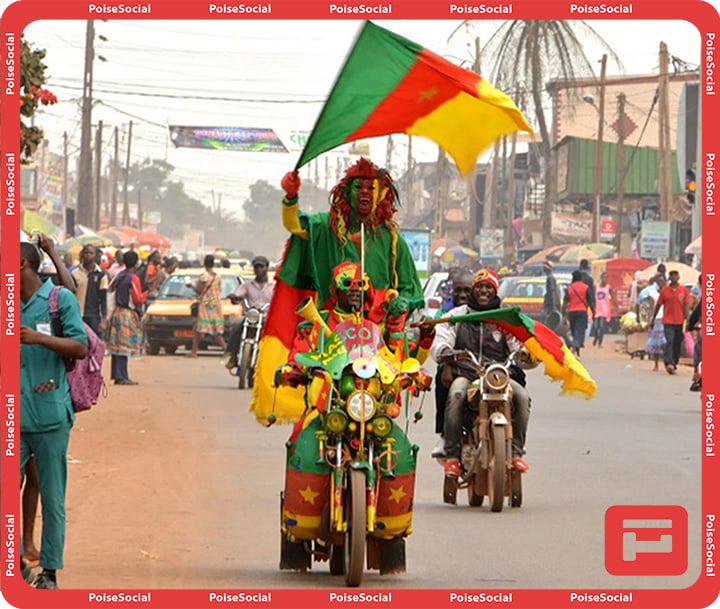
Cameroon's Unexpected Grace: Hosting AFCON Amid Uncertainty
Cameroon successfully hosted the 2022 African Cup of Nations despite widespread doubts about its readiness, previous loss of hosting rights in 2018, and ongoing political challenges. The writer reflects on how football's unifying power and Cameroon's deep footballing culture enabled the nation to overcome logistical, pandemic-related, and security obstacles.
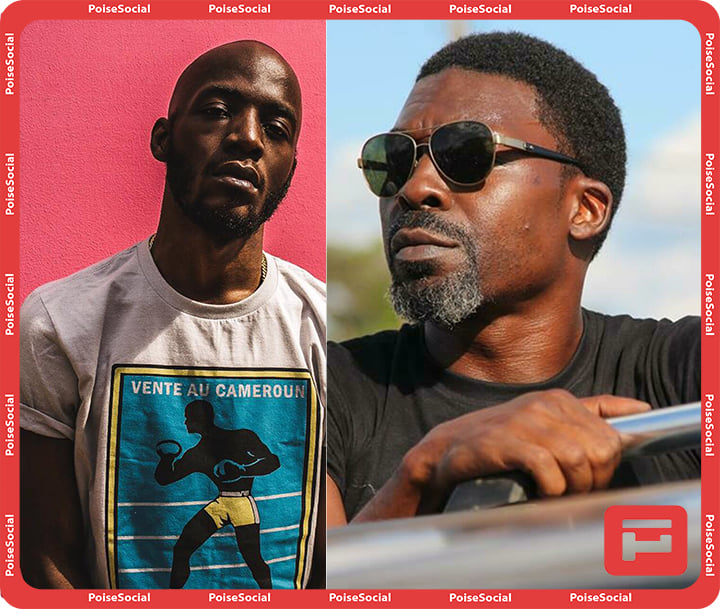
Smoke Without Fire: On Valsero's Call-Out and Jovi's Response
When Valsero publicly criticized Cameroonian artists for their silence on a colleague's legal troubles, singling out their lack of solidarity, Jovi took offense at being named among the cowardly. This essay examines the tension between the two figures—both known for speaking plainly—and argues that Jovi's defensive response obscures the shared concern they actually hold about authenticity and loyalty in Cameroon's artistic community.
The Tenor Case and the Performance of Justice
The writer examines the public appearance of a musician facing criminal charges related to a fatal car accident, arguing that his attendance at an awards ceremony—and his conduct there—represents a troubling disregard for legal process and the gravity of involuntary manslaughter.

The Architecture of Cameroon's Judicial System: Roles and Responsibilities
A systematic breakdown of the six categories of actors in Cameroon's judicial apparatus—magistrates, registrars, judicial police, bailiffs, notaries, and lawyers—explaining their distinct functions and relationships within the criminal and civil justice framework.

On Noni White, Boundaries, and Who We Really Are
A reflection on the controversy around Nigerian-born Noni White's prominence as a favorite to win Big Brother in Cameroon, using it as a lens to examine anxieties about national identity, cultural ownership, and the artificial rigidity of colonial borders. The writer argues that in defending a particular vision of 'Cameroonian-ness,' we risk denying the fluid, overlapping realities of our own histories and influences.
Valsero: The Lesson in Sacrifice That Many Refuse to Learn
Following a sold-out concert in Paris, the writer reflects on what Valsero's success truly represents—not commercial triumph, but the fruit of sustained integrity and purposeful activism in the face of state repression. The piece examines how consistent content creation and steadfast principles, rather than musical talent alone, built an audience willing to gather in solidarity.

The Law Works: What Cameroonians Don't Know About Their Own System
The writer reflects on three personal arrests in Cameroon and the broader cultural distrust of the legal system, arguing that ordinary citizens lack basic knowledge of their rights and how law actually operates—a gap that leaves them vulnerable to corruption, intimidation, and worse outcomes than the law itself would impose.

The Stories We Tell: Why Cameroon Needs Its Own Heroes
The writer argues that identity and aspiration are shaped not by events themselves but by the narratives we construct around them. Cameroon's youth, lacking locally rooted stories of excellence—teachers, doctors, engineers, entrepreneurs, and public servants—default to distant Western role models or absorb narratives of corruption and failure.
The Tyranny of Conformity: On What It Means to Be Cameroonian
The writer examines how narrow, prescriptive ideas of 'Cameroonian authenticity'—rooted in language, musical style, and cultural markers—suppress artistic expression and individuality. Drawing on personal experience and observations of local music scenes, the piece argues that Cameroon's culture of conformity pressures artists to perform identity rather than explore it.

On Authenticity and the Unbending Measure of Cameroonian Identity
The writer examines a pervasive social habit in Cameroon: the policing of artistic and personal expression against an unspoken standard of "Cameroonian-ness." Drawing on experiences in music and popular culture, the piece argues that this gatekeeping—rooted in anxiety about cultural preservation—actually stifles growth and mirrors the country's deeper failure to compete globally.

The Danger of Unasked-For Help: Public Intervention and What People Really Need
Poise examines the gap between what we assume people need and what they actually want, using two Cameroonian cases—a girl publicly gifted material items after a public humiliation, and Brown Popsy, a reality-TV contestant offered life-changing opportunities he never asked for. The piece argues that well-intentioned public rescue can create pressure, dependence, and deeper confusion rather than genuine aid.
On Credentials and Capability: Why the Resume Fails to Measure What Matters
A reflection on the gap between formal credentials—degrees, badges, resume markers—and actual competence in creative work. The writer argues that the machinery of credentialing (universities, skills quizzes, LinkedIn assessments) measures trivia and test performance, not the practical judgment that clients and colleagues actually value.

The Quota Question: Why Protective Policy Won't Fix Cameroon's Music Crisis
Following a public debate on instituting local music quotas in Cameroonian media, the writer argues that the real constraint is not foreign competition but domestic underproduction—rooted in artists' misplaced priorities, a flawed success archetype, and structural gaps in how emerging talent is discovered.

The Danger of Being Right for the Wrong Reasons: How Viral Stories Distort Social Truth
The writer examines how unverified or fabricated stories circulating on social media—particularly those depicting extreme cases of gender-based violence and social ills—have become the primary fuel for activism and public opinion, despite lacking factual grounding. Through analysis of source accounts and patterns of virality, the piece argues that activist movements risk undermining their own credibility and effectiveness when they amplify emotional narratives over accurate descriptions of social problems.
On Stumbling Into Purpose: Why Passion Is Not a Plan
Against the cult of passion-finding, this essay argues that passion is a fleeting feeling, not a fixed destination. The writer proposes instead that success builds passion—not the reverse—and that meaningful work emerges from seizing the opportunities already at hand.
The Cost of Outlier Success
The writer examines Francis Ngannou's achievement as UFC heavyweight champion and his subsequent philanthropic work in Cameroon, arguing that celebrating such exceptional individual success risks obscuring structural failures and encouraging dangerous emigration as a path to meaningful contribution.
The Overlooked Architecture of Creative Work
The writer argues that artists and creatives in Cameroon fixate on visible, celebrated roles—performing, directing, producing—while missing substantial opportunities in publishing, licensing, film production, and ancillary industries. True economic gain in the arts lies not in mimicking celebrity but in seeing where talent can compound value across untold channels.

Beyond the Stage: Reimagining Creative Work in Cameroon's Entertainment Economy
The writer argues that Cameroon's creative professionals—musicians, filmmakers, and artists—remain trapped by consumer-era thinking, pursuing only the visible celebrity roles while overlooking diverse, lucrative career paths within the arts. The real economic opportunity lies not in live performance but in publishing, film, and storytelling that commands international attention.
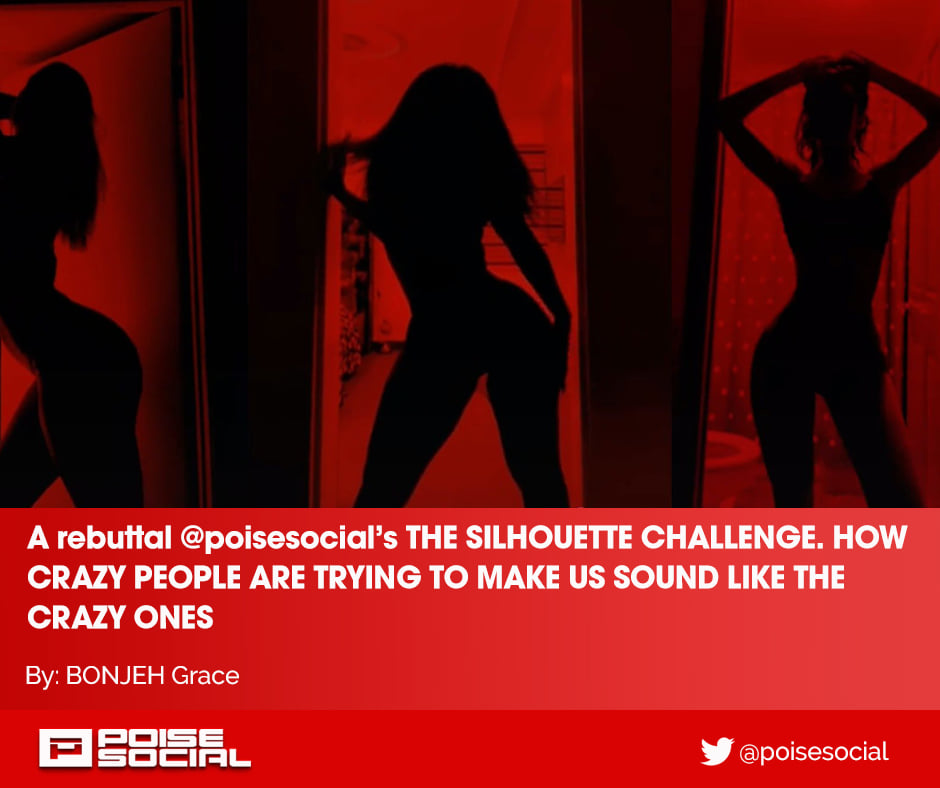
The Silhouette Challenge and the Right to Define One's Own Sexuality
A rebuttal to Poise's earlier critique of the silhouette challenge, arguing that the practice represents women's assertion of sexual autonomy and freedom from historically imposed shame and control, rather than a lapse in judgment requiring male protection.
Changing the Game in Africa: On Development, Sovereignty, and Cultural Inheritance
The writer challenges Africa's imitation of Western development models—from currency arrangements to architectural mimicry—and argues that the continent's true leverage lies not in replicating others' systems but in centering its own people and culture as the foundation for self-determined progress.
The Dissonance of Local Advocacy: Stanley Enow and the Cameroon Music Industry's Contradictions
The writer examines the contradiction between Stanley Enow's public call for Cameroonian DJs to play more local music and his own career pattern of prioritizing international collaborations over home-based artists. The piece situates this moment within a broader debate about how to support Cameroon's music industry, questioning the authority and credibility of the demand.
Richard Bona and the Cameroonian Genius: A Question of Home
This piece asks whether Richard Bona—a world-class bassist and composer whose career spanned decades in near-obscurity before recent public visibility—might become the emblematic figure of Cameroonian talent forced to flourish abroad. It examines how his life and recent activism challenge his countrymen to reckon with a systemic failure to nurture or honor their own.

The Skills Gap, The Entrepreneurship Mirage, and Why Young Cameroonians Struggle to Work
Poise examines the shortage of skilled labor in Cameroon and the mismatch between employer expectations and job-seeker capabilities. Drawing on firsthand hiring experience, the writer argues that while job scarcity is real, the deeper problem is a widespread lack of foundational skills—from professional communication to self-directed initiative—that leaves both employers and workers in a costly, frustrating cycle.
Colonialism, Identity, and the Question of How We Move Forward
The writer examines how colonialism fractured Cameroon's precolonial structures and forced a dependence that persists today, leaving Africans caught between romanticizing the past and grappling with present reality. Rather than seeking to reverse history, the piece argues for forward-looking unity—whether through a federal Cameroon or a broader African federation—as the only pragmatic path to collective power.
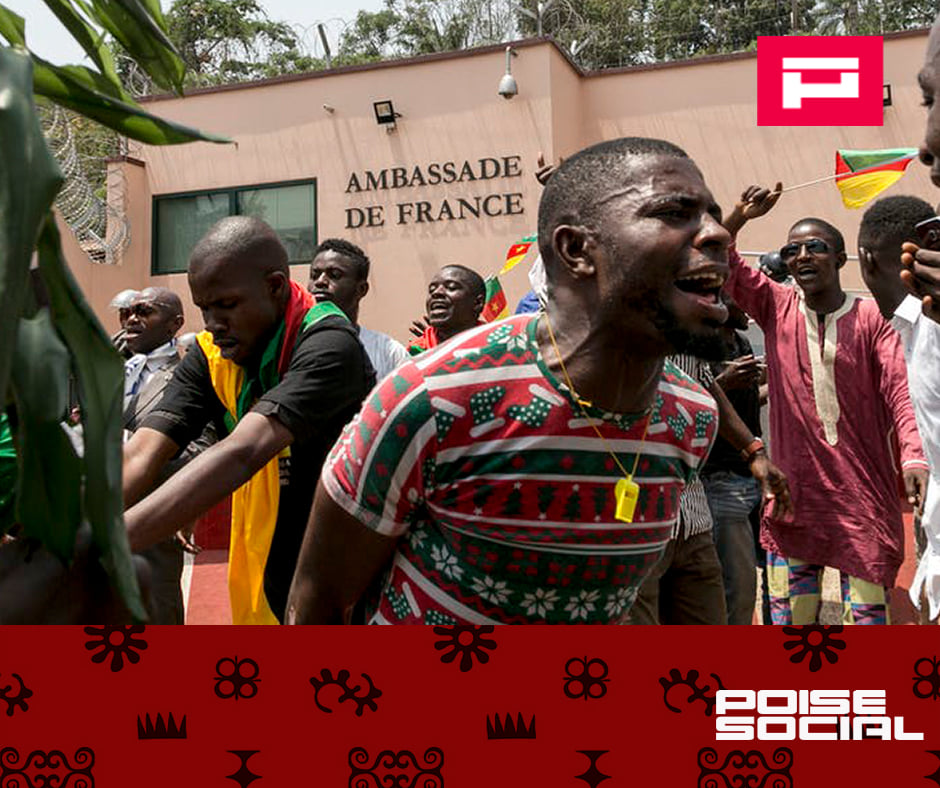
When Hashtags Don't Do the Job
A reflection on the gap between public outcry and meaningful action in Cameroon, examining why celebrities and citizens fail to effect real change despite widespread discontent. The writer recounts a delegation meeting with the Minister of Arts and Culture, exposing how institutional power captures co-opt potential resistance, and argues that hashtag activism and street protests have proven ineffective.
The Dress Code Debate: Beyond Marketplace Arguments About Rape Prevention
The writer interrogates the oversimplified claim that clothing causes rape, arguing instead that rape is perpetrated by a spectrum of offenders with different motivations and methods. Rather than dismissing prevention measures entirely, the piece calls for a more nuanced conversation that acknowledges both the false premise of dress codes and the legitimate complexity of sexual violence.
The Business of Music: Why Cameroon's Artists Conflate Calling with Career
The writer argues that Cameroonian artists sabotage their own financial success by treating music as a spiritual calling rather than a business. Using Mr Eazi's trajectory from entrepreneur to musician as a counterexample, they contend that emotional attachment to artistry—without disciplined business thinking—leads to stagnation and burnout.

The Present as the Measure: Why Cameroonians Must Stop Living in Yesterday
The writer argues that Cameroonians—and Africans broadly—are chronically oriented toward either a mythologized past (independence-era prosperity, Makossa's continental reach) or an idealized future (Wakanda-inflected visions of return to glory). Real change, the writer contends, happens in the present moment, through daily decisions and accountability that cannot be deferred to political upheaval or generational redemption.
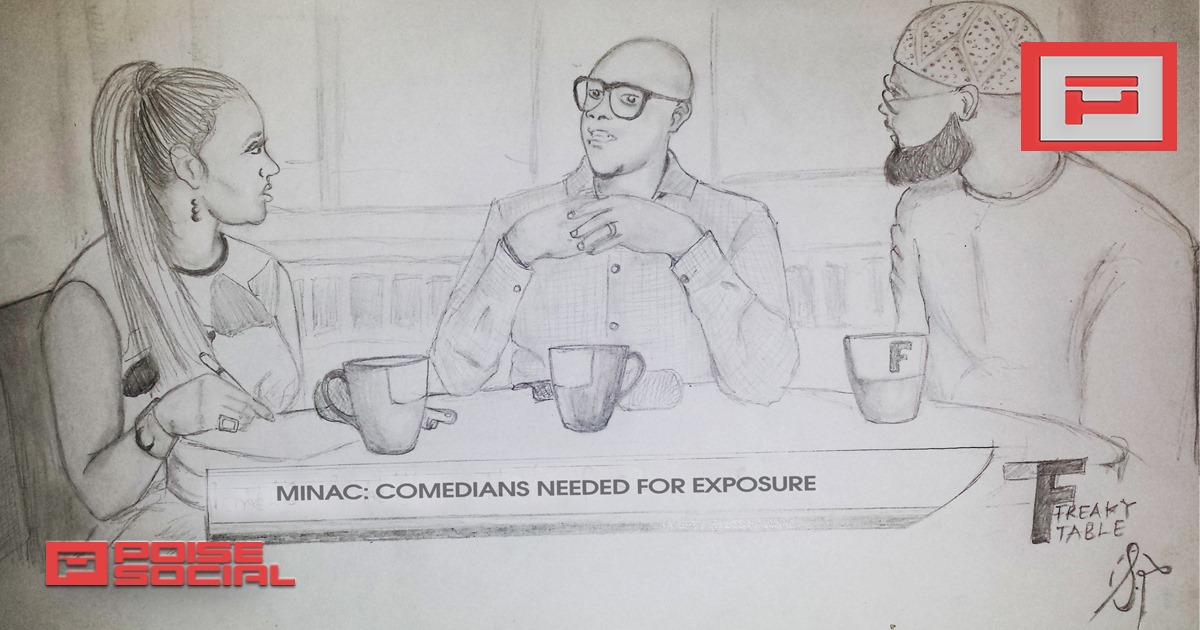
On Comedy and Entertainers: What Cameroon's Comedians Are Missing
This piece examines the distinction between being funny and being a comedian, prompted by a Freaky Table episode critiquing Cameroon's comedy scene. The writer argues that true comedy requires philosophical depth, cultural knowledge, and thematic range—qualities many local performers lack—and distinguishes between comedians and entertainers whose acts rely on singular gimmicks.

Nobody Wants You to Be Like Nigerians
The writer reflects on why Cameroonians often look to Nigeria as a model while resisting accountability at home. Drawing on examples from events, commerce, and professional partnerships, the piece argues that Cameroon's real obstacle is not comparison to other nations but the reluctance to apply basic standards of professionalism and diligence to one's own work.
On Pan-Africanism and Cultural Boundaries
The writer defends a Cameroonian brand's adoption of a Nigerian Yoruba term, arguing that cultural exchange strengthens rather than weakens Africa. She positions the controversy as a test of whether continental unity is a genuine aspiration or merely rhetoric obscuring deeper tribalism.
Tembu Daniel and the Comedy of Professionalism
The writer reflects on the public controversy surrounding Tembu Daniel, a Cameroonian entertainer, and the Association of Anglophone Comedians' decision to expel him. Rather than taking sides, the piece examines the frustrations of a hardworking artist navigating fan entitlement and questions the procedural legitimacy of the association's action.
A Black Man Between Victim and Perpetrator
The writer reflects on the contradictory position of being a Black man in a world that casts him simultaneously as vulnerable to systemic violence and capable of inflicting it. Drawing on two news events from May 2020, he traces how childhood conditioning toward white superiority, adult disillusionment, and accumulated historical anger have left him without a clear path forward.
Ngoma and the Brand: Four Lessons in Artistic Strategy
Marking the release of Ngoma's EP 'CAM NO GO' in May 2020, this piece sets aside album review to examine Ngoma as a case study in artist branding. The writer identifies three concrete lessons—quality over quantity, consistency across presentation, and mastery of the minimum—that emerge from Ngoma's deliberate, sparse output and disciplined visual identity.

The Art of Restraint: Ngoma and the Case for Quality in Cameroonian Music
This analytical piece examines the artistic brand-building strategy of Ngoma, a Cameroonian rapper who has built recognition through disciplined scarcity—releasing one single per year over four years before unveiling his debut EP 'CAM NO GO' in May 2020. The writer argues that Ngoma's approach to quality over quantity, consistency in presentation, and mastery of foundational brand mechanics offers instructive lessons for other artists working in resource-constrained environments.
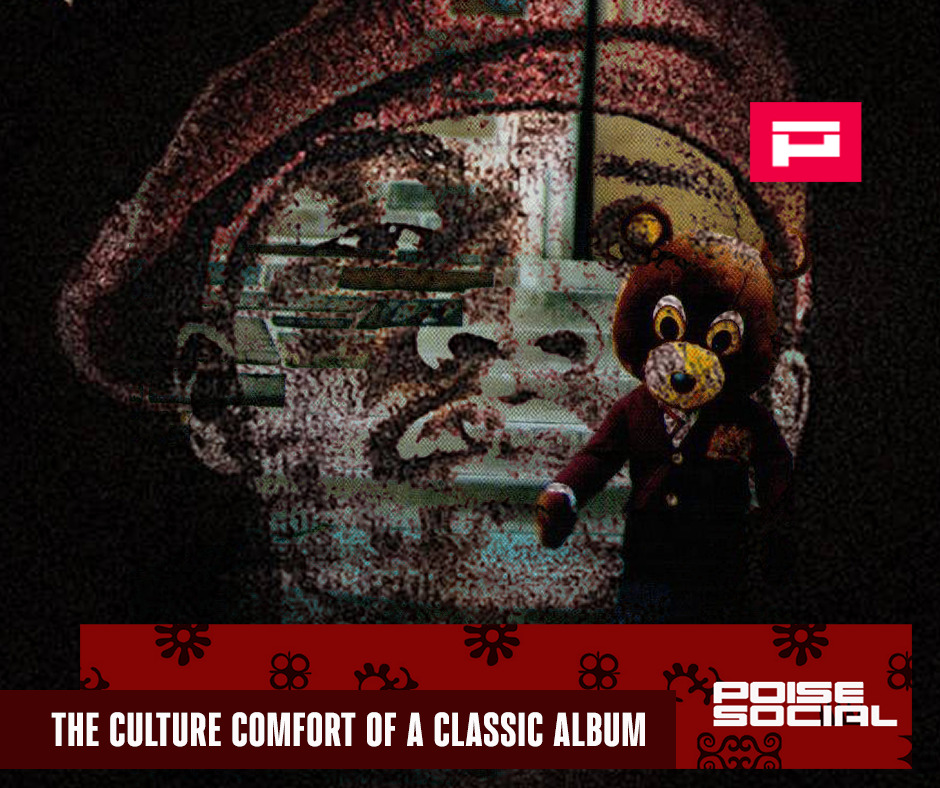
The Culture Comfort of a Classic Album
The writer reflects on how Kanye West's *Late Registration* became a formative anchor during a transformative period of early adulthood in America, offering both sonic and thematic resonance that made space for questioning identity, difference, and belonging. The piece traces how this album, and later engagement with Cameroonian hip-hop through Jovi's work, prompted the writer to make music as a tool for self-discovery and storytelling.
How Long Are We Going to Stay Indoors? Economic Resilience and Pandemic Duration
Written in early April 2020, this piece examines whether modern societies can sustain the social distancing necessary to control a pandemic comparable to the 1918 influenza. The writer argues that while historical evidence shows social distancing reduces deaths, our interconnected global economy makes prolonged lockdown psychologically and financially unsustainable—and calls for structural economic redesign to prepare for future pandemics.

The Business of Music: Why Cameroonian Artists Confuse Calling with Career
The writer argues that Cameroonian musicians often sabotage their financial success by treating music as a spiritual calling rather than a business discipline. Drawing on Mr Eazi's entrepreneurial trajectory, the piece contends that sustainable careers require clear business thinking, measurable outcomes, and the willingness to walk away if profitability doesn't arrive within a realistic timeframe.

The Conformity Tax: Why Cameroon Dismisses Its Own Innovators
The writer examines how Cameroon's rigid expectations of cultural authenticity—what it means to 'sound' or 'be' Cameroonian—drives away talented artists and thinkers who work outside narrow aesthetic and linguistic boundaries. Through personal experience and observation of local music and media, the piece argues that this gatekeeping disguises itself as cultural preservation but actually stifles excellence and global competitiveness.
Driving Change: Youth, Legitimacy, and the Work of Collective Movement
The writer argues that sustained human progress typically originates with young people willing to defy convention, and that modern democracy—even its imperfect versions—creates unprecedented tools for collective action. The real work, however, lies in learning to listen across difference and translating online community into offline power.

The Technology Paradox: Why Better Tools Haven't Made Better Art
Reflecting on The Sound of Music's enduring artistry despite its 1965 production constraints, the writer asks why contemporary filmmakers with vastly superior technology often produce inferior work. The essay identifies three systemic obstacles: the death of quiet reflection, the democratization of tools without corresponding craft education, and the prioritization of aesthetic polish over substance.
Feminism and Proof: On Building Beyond Gatekeepers
The writer reflects on his experience facing racial dismissal from a U.S. sociology professor, using it to critique what he calls 'feminism of entitlement'—the notion that progress comes primarily through complaint and representation in elite spaces rather than through demonstrated competence. He argues that sustainable change comes when women (and marginalized groups broadly) build undeniable skill and visibility in all fields, not merely the highest positions.

The Art of Starting Over
The writer reflects on returning to Cameroon five years prior with minimal resources and the psychological barriers to reinvention. Drawing on personal experience—abandoning a music career, leaving Florida for Yaoundé, and rebuilding from vulnerability—the piece examines how fear of judgment and self-doubt keep people trapped, and offers practical counsel on moving forward.
The Art of Starting Over
The writer reflects on multiple restarts across his life, most significantly a return to Cameroon five years prior with minimal resources. He examines the psychological barriers to reinvention—chiefly the fear of others' judgment—and offers practical wisdom on how to move through that fear and rebuild.

Accountability and the Cost of Ambition
The writer reflects on Kobe Bryant's death and what stood out most about his character: a refusal to accept hollow commitments or vague aspirations without evidence of understanding the actual work required. Drawing from this, the writer examines his own practice of turning down collaborations and pushing back on those around him who underestimate the effort needed to realize their goals.
On Reading with Open Mind: The Writer's Motive and the Reader's Responsibility
The writer reflects on publishing an article that sparked unexpected criticism, using it as a moment to articulate how readers should approach texts: by understanding authorial intent, evaluating content on its own terms rather than against expectations, and recognizing that writers often adopt different voices to explore ideas.
Missed Opportunities: Rethinking Talent and Career in Sports and Entertainment
The piece argues that young Cameroonian talent in sports and entertainment pursue narrow, consumer-driven paths—chasing celebrity status—while overlooking more stable, specialized, and entrepreneurially viable niches. Using Mel Dibson's modest but strategic fitness coaching partnership as an anchor, the writer maps alternative career structures in music production, songwriting, visual effects, and sports that offer real economic value without requiring mass fame.
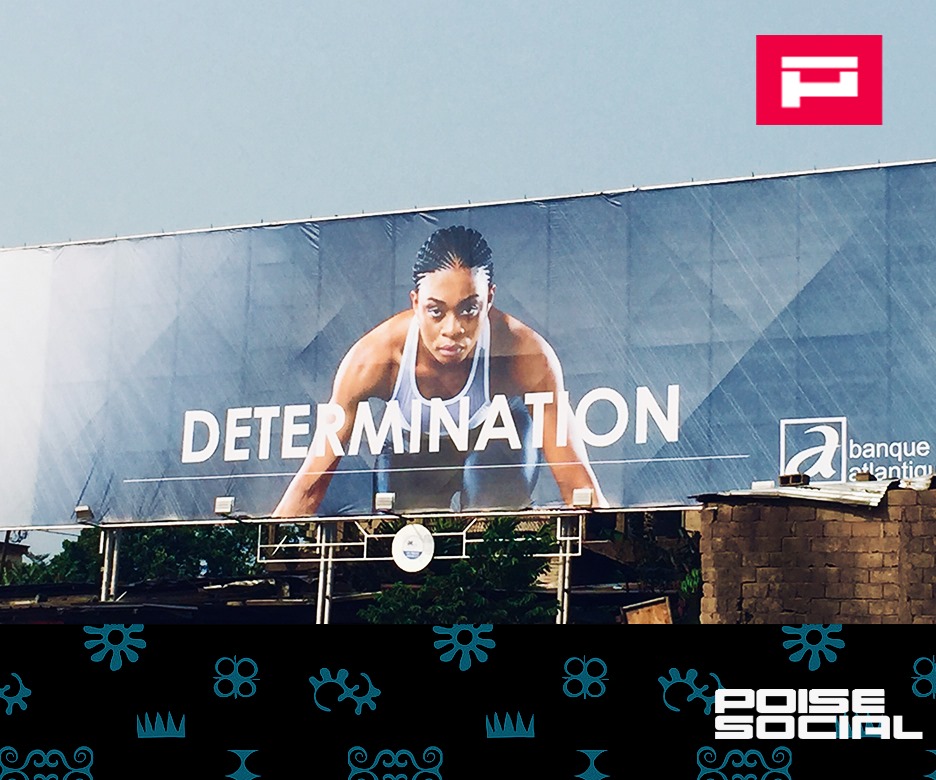
Missed Opportunities and Strategies in the Sports and Entertainment Business
The writer argues that young Cameroonians pursuing careers in entertainment and sports often fixate on celebrity and mass visibility rather than exploring specialized, underserved niches within their industries. Using Mel Dibson—a fitness coach with modest social media reach but strategic commercial appeal—as a counter-example, the piece maps overlooked pathways in music, dance, visual effects, and sports where disciplined, differentiated expertise can sustain a career.
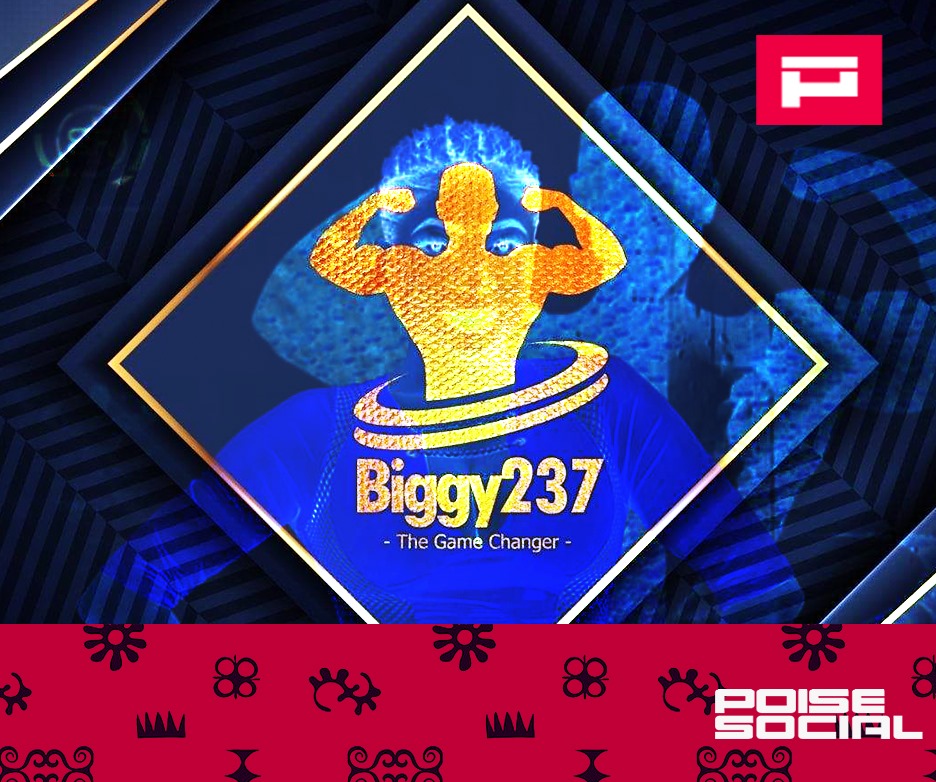
Biggy 237 and the Promise of Homegrown Reality Television
The writer examines Biggy 237, a reality competition show born from the Anglophone crisis as a means to occupy displaced communities, assessing its potential while flagging serious concerns about branding, presentation, and execution.
Changing the Game in Africa: On Development, Leverage, and the Right Questions
The writer challenges Africa's wholesale adoption of Western development models—tall glass buildings, foreign currencies, imported governance structures—arguing instead that Africa's true assets lie in its people, cultures, and indigenous creativity. The piece calls for a deliberate pivot away from mimicry and toward systems built from African premises.
The World's Greatest Obstacle Course: Infrastructure, Negligence, and Cultural Conditioning in Cameroon
The writer observes that Cameroon's physical landscape—chaotic, unmapped, dangerous—mirrors a deeper cultural tendency to accept obstacles as inevitable rather than solve them. From roads without pavements to infrastructure repeatedly dismantled for ceremonial convenience, the nation has learned to navigate disorder, then celebrates minor accomplishments as progress while real decay accumulates.
The Case of Jumia and Our Resistance to Technology
The writer examines Cameroon's deep technological resistance as an economic and cultural drag, using Jumia's withdrawal from e-commerce as a symptom rather than a cause. The argument centers on how a combination of consumer technophobia, inadequate digital literacy, and the failures of major service providers has stalled digital adoption across the economy.
Cameroonians and the Subtle Art of Not Reading
The writer argues that Cameroon's cultural resistance to reading—rationalized as preference for brevity or entertainment—amounts to self-imposed marginalization that blocks access to the knowledge that drives individual and collective progress. Drawing on examples from billionaire entrepreneurs and historical figures, the piece insists that reading is not optional but foundational to human development.
The Social Resume: Building Your Personal Brand Online
The writer reflects on how a consistent, public body of work on social media—a
Reach Without Influence: Why Social Media Metrics Mask the Absence of Purpose
The writer argues that the pursuit of likes, follows, and engagement metrics has become decoupled from any meaningful intention or value creation on social media. Without a clear editorial direction and mission, accumulating attention becomes an end in itself rather than a tool for building genuine influence.

Building Credibility in the Digital Age: The Social Resume
The writer reflects on how consistent, public work on social media—specifically through PoiseSocial—transformed professional opportunities that had previously been closed. A story of rejection from a magazine publisher becomes acceptance years later, not because the writer asked again, but because a visible body of work now spoke for itself.
The Bonteh Digital Media Awards: Building Legitimacy in a Young Industry
A reflection on the Bonteh Digital Media Awards (BDMA), Cameroon's third-annual recognition platform for media and digital entrepreneurs, examining its value as a networking space while critiquing its structural gaps and suggesting paths toward greater industry credibility.
No Emotion: On Artist Pay, Corporate Logic, and Labor Power in Cameroon
The writer argues that outrage over low artist payments misdiagnoses the problem: corporations have no obligation to fund culture, artists lack collective bargaining power, and the real issue is structural inequality between local and international business partners. The solution is not better corporate charity but organized labor and ownership by artists themselves.
The Discovery Show: Rethinking the Economics of Live Performance
A reflective account of a new event platform that redistributes risk and responsibility between artists and organizers, asking whether shifting artists toward independent ticket sales and direct audience engagement can reshape how live music works in Cameroon.
Tell Our Own Stories: A Business Model for African Children's Content
The writer proposes a practical business model for producing and distributing cartoons based on African oral traditions—specifically fables like the tale of the tortoise. Drawing on personal memory and cultural observation, the piece outlines a complete go-to-market strategy: production (partnering artists with educators and anthropologists), distribution (USB sticks and digital downloads), pricing, promotion (nursery schools and churches), and potential merchandise.
Two Years of Poise: A Founding Reflection
On PoiseSocial's second anniversary, the founder reflects on the platform's journey from a single post about makossa music to a sustained practice of cultural criticism and personal philosophy. The piece traces the shift from writing as love to writing as accountability, and announces the opening of the platform to additional voices.
Ambe: Ten Years of Sound and Soul Searching
A career retrospective of the Cameroonian artist Ambe (formerly Denzyl), tracing his evolution from rap-fusion in 2008 through a series of stylistic shifts—makossa, afropop, highlife, experimental afro—across releases spanning Nigeria, South Africa, and Cameroon. The writer argues that while his recent work shows promise, his constant musical reinvention has prevented him from building a sustained audience or achieving mainstream recognition.

Pullover Tina: On Communication, Timing, and the Art of Artist Monetization
A critical examination of how an emerging artist's merchandise strategy, despite access to genuine fan affection, failed due to poor communication and uninspired execution. The writer argues that the real lesson lies not in the merch itself but in how creative talent is packaged and presented to an audience.
Athletics as Economic Leverage: Sport's Unfinished Role in Cameroon's Development
The writer argues that Cameroon possesses exceptional athletic talent—evidenced by figures like Samuel Eto'o and NBA stars Joel Embiid and Pascal Siakam—and that systematic investment in sports could become a major economic engine, generating foreign currency and employment. The piece examines how individual excellence has emerged despite systemic constraints, and calls for institutional support to cultivate the next generation of world-class athletes.
When a Million Followers Is Not an Achievement: Influencer Marketing in Cameroon
The writer examines the gap between follower counts and actual commercial viability, using the case of Arii—a major influencer who failed to move product despite two million followers—to argue that raw audience size is meaningless without a coherent advertising strategy and demographic alignment.

Numbers Are Not Everything: On Influence, Strategy, and Social Media in Cameroon
The writer argues that follower count alone does not constitute influence, and that successful marketing on social media requires deliberate strategy, varied content, and sustained promotion—not mere posting to a large audience. Using examples from Cameroonian and international contexts, the piece examines why many with large followings fail to convert attention into action or sales.
Consistency Alone Is No Longer Enough: Why Attention Has Become the Real Currency
This essay argues that the widely held belief that consistent content creation is the path to online success is now outdated, particularly on mature social media platforms. Instead, the writer contends that what matters now is the ability to capture and sustain audience attention through narrative intrigue, surprise, and strategic positioning—not volume.

Financial Lessons from Salatiel: The DIY Artist as Wealth-Building Model
This piece uses Salatiel's visible financial choices—investing in studio equipment, production tools, and branded assets—as a lens to examine how contemporary Cameroonian artists can build lasting wealth. The writer argues that understanding the distinction between assets and liabilities, and prioritizing income-generating property over lifestyle consumption, separates sustainable artists from those who squander early earnings.
Is Technology Killing Our Creativity?
The writer examines whether technological abundance—affordable drones, cameras, laptops—paradoxically weakens creative output, using Cameroonian cinema as a case study. Rather than enabling better art, accessibility to tools has diluted craft, flooded markets with unfinished work, and shifted focus from substance to aesthetic polish.
The Cameroonian Reticence: Corporate Culture, Information Opacity, and the Cost of Secrecy
The writer examines two interconnected cultural phenomena in Cameroon: weak corporate cultures that fail to invest employees in their companies' success, and a broader cultural tendency to withhold good news and business information. Using the example of a chef's deal with a multinational corporation, the piece argues that both corporate leaders and individuals perpetuate economic stagnation by refusing to share knowledge, celebrate achievement, or build transparent systems.
Customer Service and the Economics of Dignity
A sharp critique of customer service failures in Cameroon, traced through a frustrating dry-cleaning transaction. The writer argues that poor service discipline reflects—and perpetuates—a cycle of low wages, business failure, and mutual blame between employers and employees.
Feminism Is Not a Quest for Payback
The writer argues that feminist critique of gender discrimination often mischaracterizes historical customs as deliberately malicious rather than pragmatic responses to the realities of their time. By examining inheritance practices, physical capability differences, and cross-cultural examples, the writer proposes that meaningful change requires understanding tradition's logic before dismissing it—not framing progress as payback against men.

The Soma Simon Case: On Scams, Service Providers, and Civic Accountability
A Cameroon-based writer recounts a near-miss with a mobile money scam and uses it to indict Orange Cameroun and law enforcement for failing to police fraud conducted on their networks. The piece calls for transparent prosecution of identified perpetrators and systematic safeguards—arguing that the burden of prevention lies not with individual vigilance but with institutional responsibility.
The Preemptive Signing: African Artists and the Logic of Major Labels
The post questions whether Universal Music's near-simultaneous signing of Cameroon-based artists Locko and Tenor in 2018 was a strategic move to develop talent or to neutralize emerging competition in a rising market. The writer suggests that fear of independent success—sparked by Maahlox's sold-out concert—may have motivated the label to acquire and effectively shelve these artists rather than let them flourish independently.

Leadership Lessons from Dr Nkeng: Building Loyalty in the Entertainment Industry
The writer observes Dr Nkeng's sustained success in building and maintaining a cohesive video production team—CPE—as a rare model of organizational stability in an industry marked by frequent conflict and dissolution. Rather than offering a direct answer, the piece poses the question of what principles might underlie such loyalty and competence, positioning Nkeng as a quiet exemplar worth studying.
Miracle Myths: Why Cameroonians Mistake Opportunity for Divine Intervention
A Cameroonian artist's viral success after a Nigerian pencil artist caught Kevin Hart's attention sparked a wave of comments framing the outcome as luck or divine blessing. Poise examines the deeper pattern: how we consistently misread preparation, skill, and strategic self-presentation as miracles, and how that misreading perpetuates imitative mediocrity.
The Valuation Problem: Pricing Creative Work in Cameroon
The writer reflects on the persistent difficulty of pricing creative services in Cameroon, tracing the problem to asymmetrical understanding between clients and providers. Drawing on personal experience with undercompensated projects and negotiations gone wrong, the piece argues that creative value should be measured by impact and opportunity cost, not hours spent.

Reach Without Influence: On Purpose in the Attention Economy
The writer examines the hollow pursuit of likes, follows, and attention on social media, arguing that most users—including aspiring influencers—chase metrics without defining why they are online or what they hope to build. Real influence, the argument goes, comes from deliberate mission, consistent value-creation, and editorial clarity; reach without it is a vulnerable position that often breeds insecurity and professional decay.
White Worship at the Airport Gate: On Courage and Collective Silence
A traveler at Douala International Airport confronts a customs officer who places white foreign passengers ahead of waiting Cameroonians, and reflects on why the act of speaking up—against both the officer and the passengers themselves—revealed the complicity of silent witnesses and the deeper problem of deference based on race.
The Absurdity of Redundant Certification in Cameroon
The writer describes the frustrating cycle of repeatedly certifying documents in Cameroon—birth certificates, ID cards, medical certificates—often for the same documents within days or weeks. Through personal anecdote, the piece exposes a system that wastes citizens' time and money while generating marginal government revenue, then proposes a centralized Document Certification Authority as a more rational alternative.

The Right Questions: On Innovation, Recognition, and What We Actually Celebrate
The writer reflects on Cédric Simen's celebrated concept car and a childhood memory of a neighbor's homemade aircraft, arguing that both reveal a deeper problem: Cameroon celebrates innovation for its spectacle rather than its potential. The real issue is not the innovation itself, but the absence of serious inquiry into its applications, scaling, and genuine value.

False Enemies and the Me First Mentality
The writer argues that Cameroonians have turned on each other rather than uniting against shared obstacles—corruption, government dysfunction, educational collapse, economic stagnation, and cultural decay. Drawing on the historical example of Samuel Langley's refusal to collaborate after losing the aviation race to the Wright brothers, the piece diagnoses a corrosive zero-sum competitiveness that prioritizes individual credit over collective progress.
Making Money as an Artist by Staying Small (Part One)
The writer argues that in an era of market saturation and algorithmic streaming, artists face a paradox: visibility no longer guarantees income. Rather than chasing scale, the sustainable path lies in cultivating a devoted niche audience and retaining control of distribution.
On Finding Your Passion: A Counter to the Passion Industry
The writer challenges the popular notion that success requires discovering and building a career around a singular passion. Drawing on the observation that passion is fleeting rather than permanent, the piece argues that passion is best understood as an outcome of skill and mastery rather than a prerequisite to achievement.
A Toast to Cameroonian Youth: Culture, Creativity, and the Work Ahead
The writer celebrates the emergence of a youth-led cultural renaissance in Cameroon—from music to fashion to digital media—while issuing a call for this generation to move beyond individual success toward collective nation-building. The piece names both the achievements and the work of unlearning that lies ahead.
Seven Skills for Financial Independence in Cameroon
The writer surveys seven technical and creative trades—graphic design, video editing, community management, content creation, web development, photography, and sound engineering—as viable paths to financial self-sufficiency in Cameroon. Each field is assessed for demand, scalability, and earning potential, with frank notes on barriers to entry and market gaps.
An Open Letter to Cameroon's Filmmakers: On Product, Distribution, and Respect
A filmmaker and industry observer critiques Cameroon's film sector for expecting audiences to validate their effort rather than deliver compelling entertainment. The writer argues that filmmakers must professionalize their platforms, embrace direct-to-consumer distribution, develop original storytelling, and stop prioritizing red-carpet prestige over sustainable business fundamentals.
The 237Showbiz Competition and the Question of Fair Play
This essay interrogates the 237Showbiz music competition's decision to award victory to Kowan over Nivo T, arguing that while Kowan may have technically won, the competition's structure was fundamentally unequal. The writer contends that Kowan's youth and novelty—rather than musical skill or craft—drove his viral success, and that the judges failed to compensate for this inherent advantage.
The Magasco-Niska Scheduling Clash: A Case Study in Market Perception vs. Market Reality
When Cameroon-based afropop artist Magasco's December concert was scheduled just one day before French rapper Niska's show at the same venue, many assumed deliberate sabotage by the organizing companies. The writer argues instead that in a city of 2.5 million people, both shows can succeed—and that the real issue is local artists' perceived market value compared to foreign performers.
The Eto'o Question: Celebrity, Patronage, and National Dignity
Samuel Eto'o's announcement of star-studded charity events ahead of Cameroon's hosting of the African Nations Cup sparked public backlash when he revealed meetings with government officials. The writer examines how Eto'o's visible alignment with the Biya administration transformed him, in public perception, from national hero to perceived collaborator, and asks whether Cameroonians will prioritize principle over spectacle.
Creativity as a Life Practice: On Permission and Persistence
The writer argues that creativity—the capacity to make something distinctly one's own—is essential to living a meaningful life, and that most people have had this capacity suppressed by convention. Drawing on Hugh MacLeod's *Ignore Everybody*, the piece offers thirty principles for rekindling and sustaining creative work, emphasizing solitude, patience, and the willingness to accept pain.
Post-Elections: On Respect and the Cost of Public Sacrifice
Following the 2018 presidential election, the writer defends Cabral Libii against social-media derision over his appearance and lifestyle, arguing that Cameroonians are undermining their own political actors through petty criticism rather than substantive debate. The piece calls for a culture shift: toward recognizing the sacrifices of those who mobilize youth politically, and away from corrosive cynicism that discourages future leaders.
What Will Happen in 2035? On Emergence Without Foundation
A five-year returnee reflects on Cameroon's
The Authenticity Problem: Social Responsibility in Cameroonian Music
This essay examines why socially conscious music campaigns succeed or fail, arguing that musicians must demonstrate genuine, consistent commitment to causes rather than opportunistic gestures. It uses Salatiel's 2017 peace song and international examples to show that audiences are acutely attuned to perceived inauthenticity and career-serving motives.

Six Things You Need to Do to Make It in Cameroon
A practical manifesto for individual agency in Cameroon, arguing that language competence, self-directed skill-building, continuous education, personal accountability, conscious spending, and realistic ambition are the tools available to anyone seeking to improve their circumstances regardless of systemic barriers.
Askia and Otang: Women Sustaining Cameroon's Hip-Hop
A close reading of two female rappers—Askia and Otang—as rare keepers of authentic hip-hop craft in Cameroon, even as male peers abandon the genre for afropop. The writer examines a recent rap challenge that devolved into personal attacks, and offers frank counsel on how both artists might navigate visibility, maturity, and the perils of industry comparison.
Celebrity Silence and the Politics of a Peace Song
This piece critiques Cameroonian celebrity culture for moral evasion during a moment of national crisis, specifically targeting the 2018 song 'We Need Peace' as a case study of how artists use vague, apolitical messaging to avoid risk while appearing engaged.
Why Design Matters for the Future of Cameroon
Design is not a luxury but a psychological and civic necessity: the aesthetic quality of our built environment shapes who we become. Drawing on the 2018 presidential race and broader historical examples, the writer argues that Cameroon's future depends on treating design—from campaign materials to urban planning—as a serious act of nation-building.
The Opaque in Transparency: Election Observation and Institutional Credibility in Cameroon
This piece scrutinizes the conduct and credibility of international election observers present during Cameroon's October 2018 presidential election, specifically examining a Transparency International observer's public statements and the role of Agence Cameroun Presse in their selection and deployment.
The Force of Experience vs. the Winds of Change: Reading the 2018 Election
The writer argues that President Biya's campaign strategy in the run-up to Cameroon's October 2018 election was carefully calibrated to exploit regional divisions and voter suppression rather than to ignore the anglophone crisis. Through regional voter analysis and observed patterns of displacement and military presence, the piece suggests that apparent momentum for opposition candidate Kamto may obscure a closer actual result.
The Coalition Question: Who Should Lead Cameroon's United Opposition?
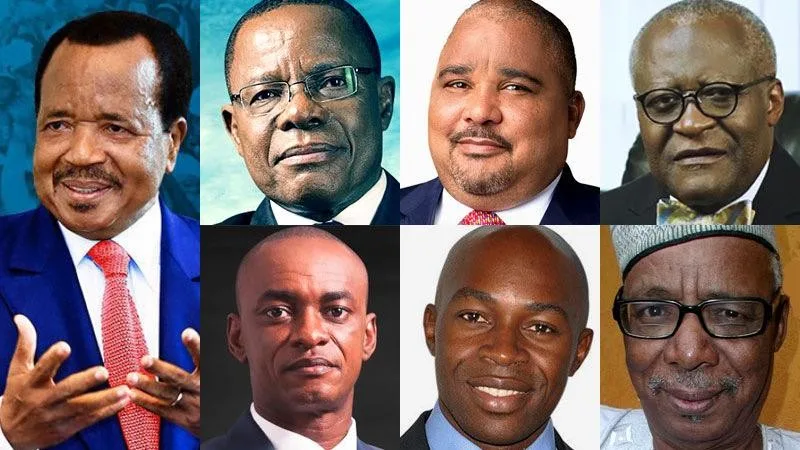
As the 2018 presidential election approached, opposition candidates faced a critical strategic choice: unite behind a single leader or campaign separately. This piece examines the case for Akere Muna as coalition head, tracing his early advocacy for opposition unity and his pre-existing coalition platform, while acknowledging the profound difficulty of consolidating rival candidates around a single figurehead.
Three Days Before the Vote: Opposition Unity and the Coalition Question
With the 2018 presidential election imminent, Poise examines whether Cameroon's fragmented opposition can coalesce around a single candidate—and if so, who should lead. The analysis argues that Akere Muna, whose Now Movement was itself born from a multi-party coalition, possesses both the institutional background and the prior advocacy for unity that could make him the natural choice.

Three Days Before the Vote: Can the Opposition Unite, and Who Should Lead?
With Cameroon's October 7, 2018 presidential election days away, the writer examines whether opposition candidates might form a coalition to challenge the incumbent, and which candidate is best positioned to lead such an alliance. The analysis finds Akere Muna uniquely qualified—both by institutional expertise and by having already articulated and built coalition structures months before it became a rallying cry.

Reading Akere T Muna's New Republic Program: Institutions, Decentralization, and the Problem of Guarantees
The writer examines Akere T Muna's platform for presidential candidacy, focusing on his proposed institutional reforms—term limits, constitutional amendments, federalism via referendum, and decentralization of power from the presidency. The analysis also considers his economic plans around anti-corruption, resource management, and SME support, while flagging tensions between ambitious social guarantees and implementability.
The Architecture of Reform: Reading Akere Muna's Governance Vision
This analytical note examines the governance and economic platform articulated by one presidential candidate through available excerpts and documents, focusing on institutional reform, decentralization, anti-corruption mechanisms, and social development commitments. The writer finds the institutional proposals substantive but notes the social guarantees are ambitiously framed and the full program remains partially inaccessible.
A Summary of Cabral's Governance Programme
Poise presents a detailed, neutral summary of a 2018 Cameroonian presidential candidate's 40-page governance platform, covering proposed reforms to the state structure, public infrastructure, health, civil service, and agriculture. The writer deliberately offers outline rather than critical analysis, inviting readers to form their own assessments of the programme's vision and feasibility.
Comparing Two Songs That Shouldn't Be Compared: My Way vs Comme Ça
This analytical piece examines Stanley's 'My Way' and Salatiel's 'Comme Ça' (featuring Daphne), rejecting the premise that one overshadows the other. The writer argues they serve fundamentally different purposes and deserve separate evaluation on their own merits.
The Colonial Pact: On France's Grip Over Former African Colonies
This post examines the economic structures binding former French colonies to France, tracing their origins to post-independence agreements and detailing the mechanisms—currency controls, resource rights, military oversight—that perpetuate French dominance. The writer argues that African leaders who resist these terms face removal or assassination, and that genuine independence remains blocked without deliberate challenge to the arrangement.

What Happened to Technology (Part One)?
The writer examines the paradox of Cameroon's reputation for producing internet fraudsters alongside widespread vulnerability to scams, and traces the root cause to technological illiteracy masked by casual access. The piece critiques both petty corruption in government administration and the public's credulity toward get-rich-quick schemes, arguing that technology is treated as status symbol rather than tool.
The Age of the Side Hustle
The writer examines how generational shifts and digital culture have reframed our relationship to work and passion. Rather than chasing a single passion as an end in itself, the sustainable path forward—especially in Africa—is to maintain a reliable income source (the hustle) while exploring creative expression on one's own terms.
The God Complex Approach to Reading
Poise examines why Cameroonians resist deep reading and intellectual engagement, arguing that this aversion to sustained learning—not external oppression—is the primary barrier to personal and collective progress. The writer frames reading as a competitive advantage and moral responsibility, contrasting the discipline of billionaire investors with the social media culture of quick consumption and public ignorance.
On Building PoiseSocial: Naming, Collaboration, and Purpose
The founder reflects on the deliberate choices behind PoiseSocial's name and editorial mission, the organic partnership that shaped the platform, and its evolving role as a gathering space for thoughtful writing in Cameroon. The piece offers candid insight into how intention—rather than formula—guided the platform's early growth.
The Price of Change: Youth, Value, and the Charity Hustle
A critical examination of young rapper Otang's EP pricing strategy and her management's conflation of commercial sales with charitable giving. The writer questions whether pricing a five-track EP at 10,000 FCFA—while claiming half proceeds go to victims of the anglophone crisis—represents genuine game-changing or exploitative misdirection.
Evaluating ICT University in Cameroon: Credentials, Capacity, and Pragmatic Choice
The writer undertakes a skeptical institutional audit of ICT University, a Louisiana-registered institution operating in Cameroon, and finds significant gaps in its research infrastructure, website professionalism, and academic depth. Despite these shortcomings, the writer recommends attendance as a practical choice—not for the institution's education itself, but as a base from which students can pursue self-directed learning through online platforms while gaining language and professional exposure.
Wax Dey vs Realm Squad: On Contracts, Ego, and the Limits of Public Opinion
When a copyright takedown by LOLHIPHOP Records halted Realm Squad's career progression, public sentiment turned against label owner Wax Dey. The writer argues that public shaming only hardens positions and that the artists must instead negotiate directly—accepting that they cannot have their way entirely.
After Colonization: The Question of Unity Over Return
A reflection on colonialism's lasting structural effects in Cameroon and Africa, questioning whether nostalgic appeals to precolonial identity serve contemporary political interests. The writer argues that forward-looking continental unity is more strategically sound than fragmentation into ethnic or regional micro-states.
Lessons from Virgil Abloh: The Polymath's Path Beyond Credentials
A profile of Virgil Abloh's rise from screen-printing to artistic direction at Louis Vuitton, tracing his journey through mentorship with Kanye West and the founding of his Off-White brand. The piece extracts three core lessons: prioritizing passion over formal qualifications, building solidarity with peers who share unconventional ambitions, and maintaining rigorous self-critique.

How to Survive Seven Years of Transition
The writer argues that Cameroon faces a seven-year period of crisis before entering a transformative third republic, and proposes five practical steps for individual preparation: learning French, acquiring practical skills online, self-directed education, personal accountability, and voting with one's money.
Seven Years of Doom: Youth, Leadership, and the October 2018 Election
Written on the eve of Cameroon's October 2018 presidential election, this piece indicts the gerontocratic stranglehold on power, arguing that aging leaders are structurally unfit to govern a youth-majority nation. The writer surveys the available candidates with scorn, finds none worthy, and predicts the outcome—another term of incumbent rule—with resigned bitterness.
The Small Tyrant Within: Power, Pettiness, and Cameroon's Neo-Feudal Culture
A Cameroonian reflects on two encounters with petty officials—a petrol station attendant and a university secretary—to argue that the nation's dysfunction runs deeper than leadership, rooted in how ordinary citizens weaponize small doses of authority. The piece names a cultural pattern: those granted the slightest power often become arbitrary, mood-driven overlords.
Celebrity, Craft, and the Confusion of Packaging: A Cameroonian Reckoning
On the occasion of the editor's first year, Poise examines how Cameroonian youth confuse celebrity with image—mistaking fashion, scarcity, and aesthetic performance for the work ethic, integrity, and genuine audience-building that produce real fame. The piece argues that social media's democratization of fame has paradoxically made young talent chase a manufactured ideal, often to the detriment of their actual craft.
Should Our Celebrities Speak Up or Remain Silent?
A sharp critique of Cameroonian celebrity silence on national crises, particularly the Anglophone conflict. The writer argues that most celebrities lack the substance, courage, and genuine commitment to speak meaningfully—and that shallow, self-serving commentary may be worse than silence.
The Show by Orange: Marketing Ambition and the Concert Experience Gap in Cameroon
Orange Cameroon's event-based marketing push, exemplified by "The Show," marks a strategic shift in how the telecom competes with MTN. Yet the piece uses the concert itself as a lens to examine a broader problem: Cameroon's event infrastructure remains hampered by poor technical execution, inadequate professionals, and decision-makers who prioritize politics over craft.
Imposters and Dirty Money: The Entertainment Industry's Structural Crisis
The writer argues that Cameroon's entertainment industry is held back by imposters who devalue artistic work and attract illicit funding. Drawing on insights from an industry convening, the piece contends that authentic talent is discouraged from pursuing music as a career, and that music itself—as a primary vehicle for social consciousness—loses its power to shape the nation's thinking.

Undereducated, Underemployed, Disoriented, and Under Control: The Plight of Cameroonian Youth
The writer argues that Cameroon's education system, despite proliferating in physical presence, has fundamentally failed its young people. Schools prioritize examination rankings over genuine learning, churning out graduates who are either programmed for failure or burdened with credentials disconnected from real-world capability or personal aptitude.
On Speaking Truth and the Cost of Silence: A Meditation on Accountability and Courage
The writer defends the right of public figures to speak controversial opinions, even when wrong, arguing that bullying artists into silence betrays the very communities that depend on their willingness to take risks. Using Kanye West as a case study, the piece examines how moral purity and emotional reaction can obscure substantive engagement with systemic problems.

African Cowardice: On Choice, Complicity, and the Structures That Bind Us
The writer argues that African passivity in the face of historical and contemporary exploitation—from the slave trade through NATO intervention in Libya—reflects collective cowardice rather than absence of choice. Drawing on the Kanye West controversy, the piece contends that Africans have repeatedly chosen servitude over the sacrifices freedom demands.
On Miss UBa 2018 and the Pageant as Fundraising Mechanism
A critical examination of the Miss UBa 2018 'popularity contest,' which allowed direct vote-buying, prompting reflection on whether monetized participation could actually improve beauty pageants by forcing them toward transparent fundraising rather than hollow merit claims.

Social Media as a Tool for Accountability: Beyond Distraction
The writer argues that social media, despite its capacity to spread misinformation, remains the only accessible platform where ordinary Cameroonians can voice grievances about systemic failures—health, education, corruption—that traditional media deliberately ignores or downplays. Where state broadcasting is captured by government pressure and commercial interests, social platforms offer an unmediated channel; their suppression reflects those in power fearing organized public discourse.
Social Media and the Dopamine Trap: Life Behind the Filter
The writer examines how social media platforms—Facebook, Instagram, Snapchat—have become engines of approval-seeking behavior, driven by dopamine hits from likes and comments. Beneath the curated highlight reels of others' lives, users experience rising anxiety, low self-esteem, and a compulsive need for external validation that masks deeper personal struggles.

Is Africa's Progress an Illusion? GDP, Debt, and the Myth of Growth
The writer argues that African GDP growth figures, often cited by governments as proof of economic success, mask a deeper structural problem: rising debt and misallocated resources that leave ordinary citizens worse off. GDP measures financial activity, not wellbeing or efficiency, and serves primarily to obscure the neocolonial extraction of wealth through international institutions.
The Art of Positioning: Stanley, Puma, and the Logic of Strategic Visibility
The writer analyzes Stanley's apparent strategic placement of the Puma logo throughout his music video for 'Elle est la,' reading it as a deliberate bid for brand attention ahead of Cameroon's hosting of the 2019 African Nations Cup. The piece situates this within a global pattern of influencer marketing, where artists cultivate visibility with brands through consistent, authentic association before formal endorsement deals materialize.
Bush Faller Record Deals in Cameroon: Part One
This analytical essay examines the rise of diaspora-backed record labels in Cameroon's emerging entertainment industry, situating it within broader patterns of youth unemployment and the search for self-actualization among Cameroonians abroad. The writer surveys both the promise and the pitfalls of these ventures, noting a pattern of failed artist-label partnerships rooted in mutual misunderstanding.
Bush Faller Record Deals in Cameroon: Part Two
The writer examines misguided record label partnerships in Cameroon, focusing on artists like Pascal and Mic Monsta who accepted deals emphasizing lifestyle expenses over artistic development. The piece argues that young Cameroonian artists need to pursue artist development deals—agreements focused on producing quality work to attract major labels—rather than contracts that promise furnished apartments and allowances.

Financial Lessons from Salatiel: The DIY Artist Model
Using Cameroon's independent artist Salatiel as a case study, this piece argues that musicians who build sustainable careers are those who understand foundational financial literacy—specifically, the difference between acquiring assets and accumulating liabilities. The writer contends that the music industry's shift toward independent artists reflects a broader collapse of industrial-era employment systems, making personal wealth education urgent.
The Debt Cameroon Owes Jovi
A reflective essay on Jovi's foundational role in revitalizing Cameroon's urban music scene and the complicated legacy of an artist who gave the culture oxygen when it was dying. The writer grapples with Jovi's retreat from cultural leadership and the gap between his early visionary promise and his later protective withdrawal.

Upcoming Cameroonian Rappers Need to Rethink Strategy
The writer breaks a hiatus from music criticism to release his own track in under 48 hours, using minimal equipment and free beats, in order to diagnose what he sees as a systematic problem in Cameroon's rap scene: artists are paralyzed by perfectionism and the search for ideal conditions rather than shipping work consistently.
On Shipping: Why Cameroonian Rappers Must Release Over Refine
The writer, a respected music critic, returns to rap to demonstrate a principle he believes the Cameroonian hip-hop scene has forgotten: that volume and iteration matter more than perfectionism. By recording and releasing a song within 48 hours of free beats becoming available—while most artists delay indefinitely—he exposes how romantic attachment to the hypothetical "one perfect track" paralyzes emerging artists.
Champagne Woes: On Leadership and the Weight of Small Things
A critical reflection on Akere Muna's announcement of a unified opposition coalition ahead of Cameroon's 2018 presidential election, prompted by the writer's discomfort with celebratory champagne at the signing ceremony. The piece uses this moment to question whether the political class grasps the gravity of the moment and the work ahead.
Wan Shey for the Culture: Hip-Hop as Pedagogy and Mirror
This essay examines the Cameroonian rapper Wan Shey's album 'Status Update' as a work of cultural and pedagogical intervention, arguing that hip-hop—with its dense syntax and narrative power—can educate youth on matters the formal school system neglects: homosexuality, educational failure, arrested ambition, cultural erosion, and the legacy of colonialism.
The 'O' in .cm: A Sign of Carelessness
A photograph of a misspelled URL on the Prime Minister's office signage—where .gov.com was hastily corrected to .gov.cm with white paint rather than properly repaired—becomes an emblem of institutional indifference. The writer reads in this small negligence a larger truth about the quality of governance and work culture in Cameroon.
The 2018 Election and Akere Muna's Vision: A First Look at Governance
Writing during the 2018 Cameroonian presidential campaign, the author—unusually engaged in domestic politics for the first time—examines opposition candidate Akere Muna's platform as presented on Canal2, focusing on his proposals for anti-corruption, healthcare, diaspora engagement, and constitutional reform.

The Imperative Moment: Youth and the 2018 Cameroon Presidential Election
Writing on the eve of Cameroon's 2018 presidential election, Poise reflects on a newfound urgency to engage with politics and calls on the youth—who have known only one president—to participate thoughtfully in electoral discourse. The piece announces a commitment to scrutinize candidates not on tactical promises but on their underlying vision for the nation's future.

The Scammer's Brand: How Fraud Damages Cameroon's International Standing
The writer examines how Cameroonian nationals engaged in international financial fraud are reshaping global perceptions of Cameroonians abroad, creating systemic barriers for honest citizens trying to conduct legitimate financial transactions. The piece situates this criminal activity within larger histories of colonial extraction and contemporary economic desperation, while critiquing both the moral failures of individual scammers and the systemic inequalities that drive migration and crime.
The Laptop Project: Specifications, Cost, and the Problem of Tied Aid
A technical and financial examination of the government's laptop distribution initiative, assessing the devices themselves against their stated purpose and exposing the structural costs of the tied-loan arrangement that funded them.
Orange Cameroon and the BDMA Gift: When Sponsorship Becomes Performance
A winner of the BDMA (a digital media award) examines what the lead sponsor, Orange Cameroon, actually delivered in its gift package to laureates, and finds it strategically misguided—branded merchandise that serves the corporation's visibility far more than the creators' work. The piece uses this concrete disappointment to probe a wider question: what does meaningful sponsorship of excellence in Cameroon actually look like?
Young Holiday's Holiweek: A Philosophical Reading of Cameroon's Rap Future
Poise offers a deep structural reading of Young Holiday's Holiweek EP as a seven-stage philosophical journey through life—from birth and ambition through betrayal, surrender, and grace. The writer positions this work as a landmark moment in Cameroonian hip-hop, arguing that its lyrical maturity and thematic coherence represent a genuine artistic achievement worthy of serious attention.

A Toast to Cameroonian Youth: On Culture, Agency, and the Work Ahead
A celebration of Cameroonian youth who have seized creative and entrepreneurial agency—from music and fashion to digital media—despite systemic neglect and intergenerational dismissal. The writer calls this a watershed moment, while insisting that lasting change requires moving beyond individual ambition toward collective purpose and national transformation.
For Self or for the Cause: On Ethics, Attention, and Editorial Principle
The writer reflects on a lapse in judgment—reviewing a film obtained improperly before its official release—and uses it as a platform to examine how early success and public attention can erode the ethical foundations of a project. Drawing on Ryan Holiday, the piece insists that PoiseSocial exists to serve the cause of honest cultural conversation, not to serve the founder's ambition.

The Backfire Effect and the Anglophone Question in Cameroon
This analytical essay diagnoses the reluctance of francophone Cameroonians to acknowledge systemic discrimination against anglophones through the lens of cognitive neuroscience, specifically the 'backfire effect'—the psychological tendency to cling more tightly to core beliefs when presented with contradictory evidence.

Rethinking Capitalism: The Case for Social Markets in Cameroon
The writer questions whether unfettered capitalism, as commonly sold to African societies, truly serves the broad population, and proposes instead a model of social capitalism where government ensures equal access to basic goods and services—from infrastructure to education.
The Rap Thing: Cultural References as the Heart of Hip-Hop
Rap's power lies not in shock value but in cultural references—the people, moments, and relationships woven into lyrics that make the art form cohere. The writer examines how Cameroonian rappers use subliminal shots and direct calls as philosophical statements, and argues that understanding these references is essential to understanding both the artists and the culture itself.

Are Cameroonian Artists Finally Taking Control?
The writer distinguishes between entertainers—who follow public emotion and demand passive consumption—and artists as true innovators who defy convention and advance society. The post argues that Cameroon's music scene conflates the two categories, and that genuine artistic progress requires creators willing to push boundaries rather than reproduce what already works.

Yung Time, Mic Monsta, and Coolkid Berka: A Critical Listen to 'Tu Me Know?'
A measured review of a Cameroonian hip-hop collaboration that grapples with the tension between creative ambition and borrowed production. The writer praises the individual contributions of each artist—particularly Mic Monsta's wordplay and Coolkid Berka's technical flow—while questioning the ethical and artistic implications of sampling without clear acknowledgment.
Blueprint Hakeem's 'Excuse My English': A Recalibration of Standards
A detailed review of Blueprint Hakeem's 'Excuse My English' EP, praising its production and vocal performance while offering pointed criticism of redundant thematic content. The writer argues that an artist of Hakeem's stature should use his platform to inspire youth across multiple dimensions of life, not concentrate on romantic themes.

Does Pascal Have a Future Without Jovi?
A critical assessment of rapper Pascal's departure from New Bell Music to join Strange Kings, questioning whether his move away from mentor Jovi will yield growth or stagnation. The writer examines the decision through the lens of artistic readiness, label choice, and early output, suggesting that Pascal's talent is undeniable but his new environment risks enabling complacency over musical excellence.

A Letter to My Son: On Love, Mistakes, and Becoming Yourself
Written as an open letter, the writer distills hard-won wisdom for his son—advice on self-love, the necessity of mistakes, the courage to speak truth, and the importance of defining one's own path rather than chasing external validation. The piece moves across love, work, strength, and character with the tone of someone who has lived enough to know what matters.

The Depreciation of Education: When Schooling Replaces Learning
The writer examines Cameroon's paradox: rapid expansion of schools alongside a collapsing education system that prioritizes exam performance over genuine learning, producing disoriented graduates unprepared for real-world challenges. The piece argues that parental pressure, corrupt institutions, and a curriculum divorced from practical reality have hollowed out the value of formal education.
The Story We Tell About Africa: Beyond Branding
Following the Youth Connekt Africa Summit in Kigali, the writer examines Akon's keynote on African nations controlling their own narratives, arguing that branding is deeper than marketing optics. The piece contends that Africa's story must be one of authentic growth and dignity, not imitation of Western self-mythologizing.
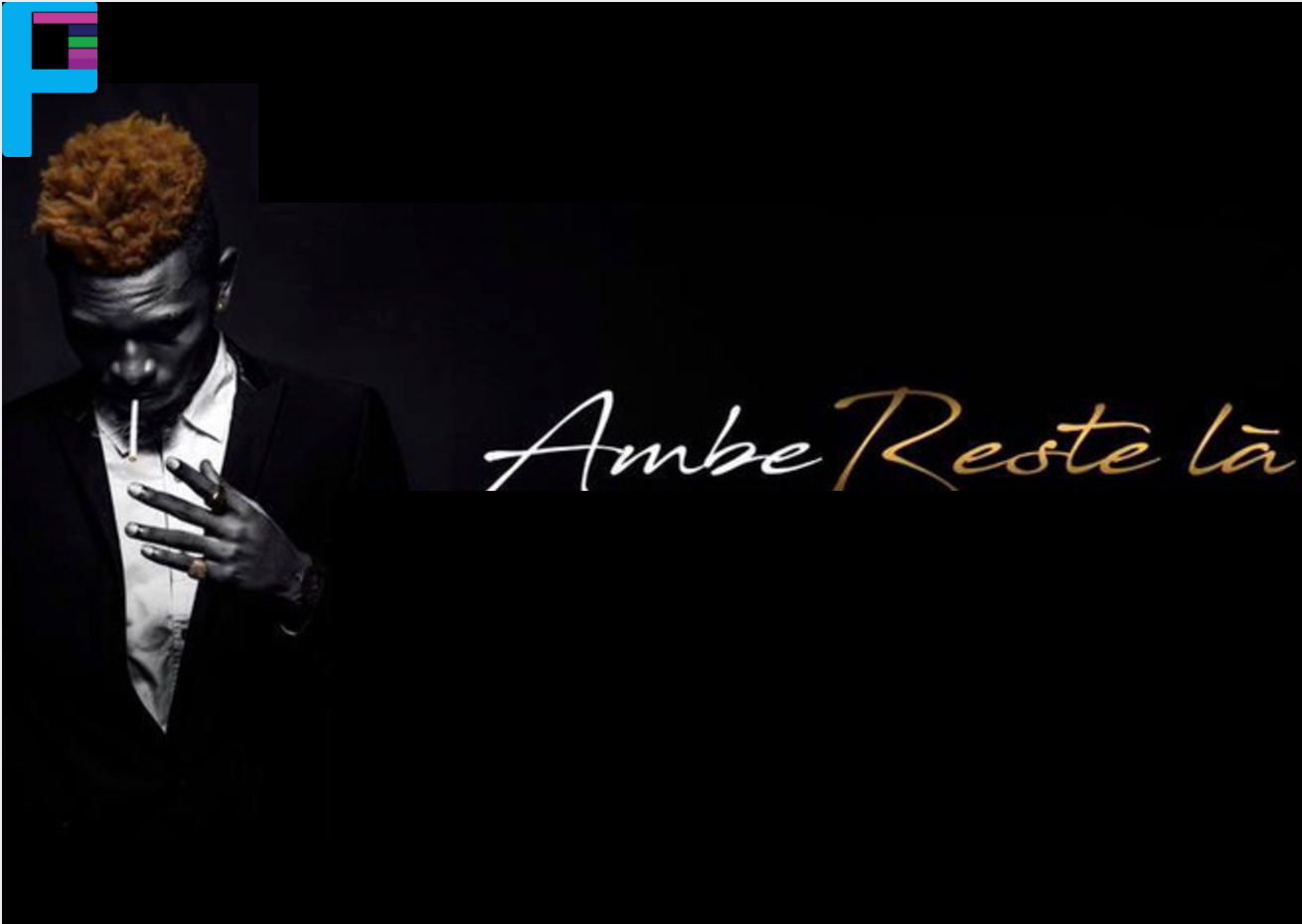
Ambe's Reste La: Consistency Over Narrative
A wry review of Cameroon artist Ambe's single and music video 'Reste La', released under new management in mid-2017. The writer praises the production's sonic appeal and the artist's prolific output, while gently skewering the video's narrative and the disconnect between Ambe's visible lifestyle and his claimed day job.

The Mentality That Keeps Africa Behind: On Peter Okoye, Policy, and Personal Interest
When a Nigerian entertainer publicly condemned his government's proposed policy to localize entertainment production—a policy that had once benefited him—the writer saw not principled opposition but a symptom of deeper African dysfunction: the willingness to support collective good only when it serves personal gain.

Makossa, Hip-Hop, and the Weight of Generational Conflict
A reflection on a lyric calling makossa 'dead,' and what that provocation reveals about Cameroonian youth's relationship to inherited culture. The writer argues the statement is less literal criticism than coded generational grievance—a sarcastic indictment of the older generation's hold on the nation's cultural and social life.