
Politics & Government
The Architecture of Anticipation: Ousmane Sonko and the New Phase of Senegalese Governance
A lawyer close to Ousmane Sonko reflects on his client's strategic acumen and the shift from PASTEF's campaign for power to a new institutional phase in which Sonko, now National Assembly president, and President Diomaye must navigate their distinct visions for Senegal's future. The interview suggests that divergence of strategy, rather than conflict, characterizes their emerging relationship.
The Laws of Power and the Senegalese Reckoning: Sonko, Faye, and the Choice to Govern Subordinate
A meditation on Ousmane Sonko's dismissal as Prime Minister of Senegal through the lens of Robert Greene's 48 Laws of Power. The writer argues that Sonko violated the classical law against outshining one's master—not because he threatened Faye, but because he pursued radical reform across all fronts simultaneously, making himself the singular face of every threatened interest. Yet the piece pivots to consider whether his swift return to Keur Gorgui, his base outside power, might signal a deeper understanding of power itself: the choice to govern from movement rather than from office.
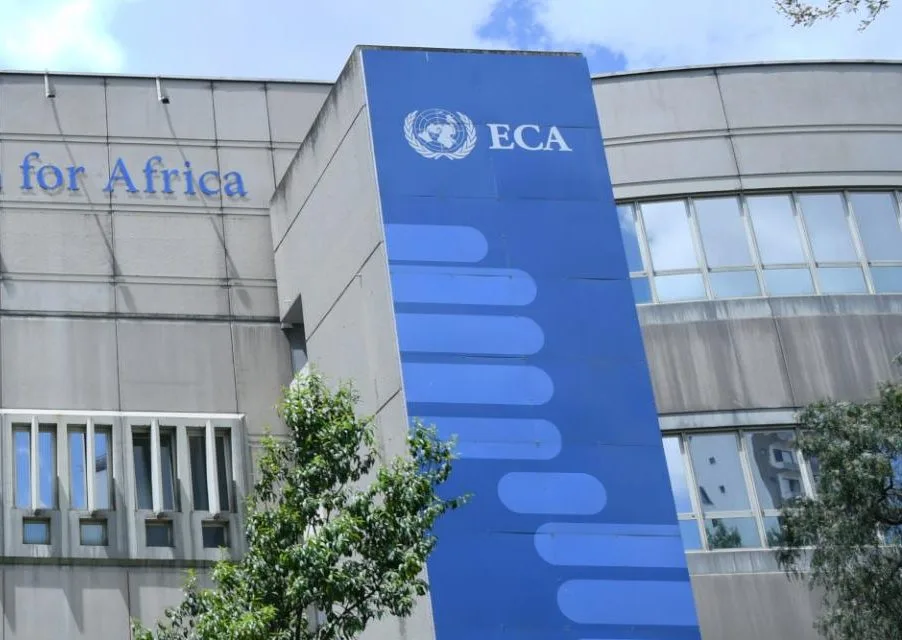
The United States Withdraws From International Institutions: Implications for African Governance and Development
The U.S. government has ordered immediate withdrawal from 35 non-UN organizations and 31 UN entities spanning climate, development, democracy support, and peacebuilding. The decision affects institutions central to African economic policy, electoral reform, climate adaptation, and justice-sector support, raising questions about funding gaps and program continuity across the continent.
Côte d'Ivoire: From Elimination to Detention
In 2000, days after the Côte d'Ivoire national football team was eliminated from the Africa Cup of Nations, the country's military regime detained the players and staff at a training camp for what officials called a "civic lesson." The episode revealed how a fragile government weaponized national sport to project strength and discipline during a period of acute political instability.
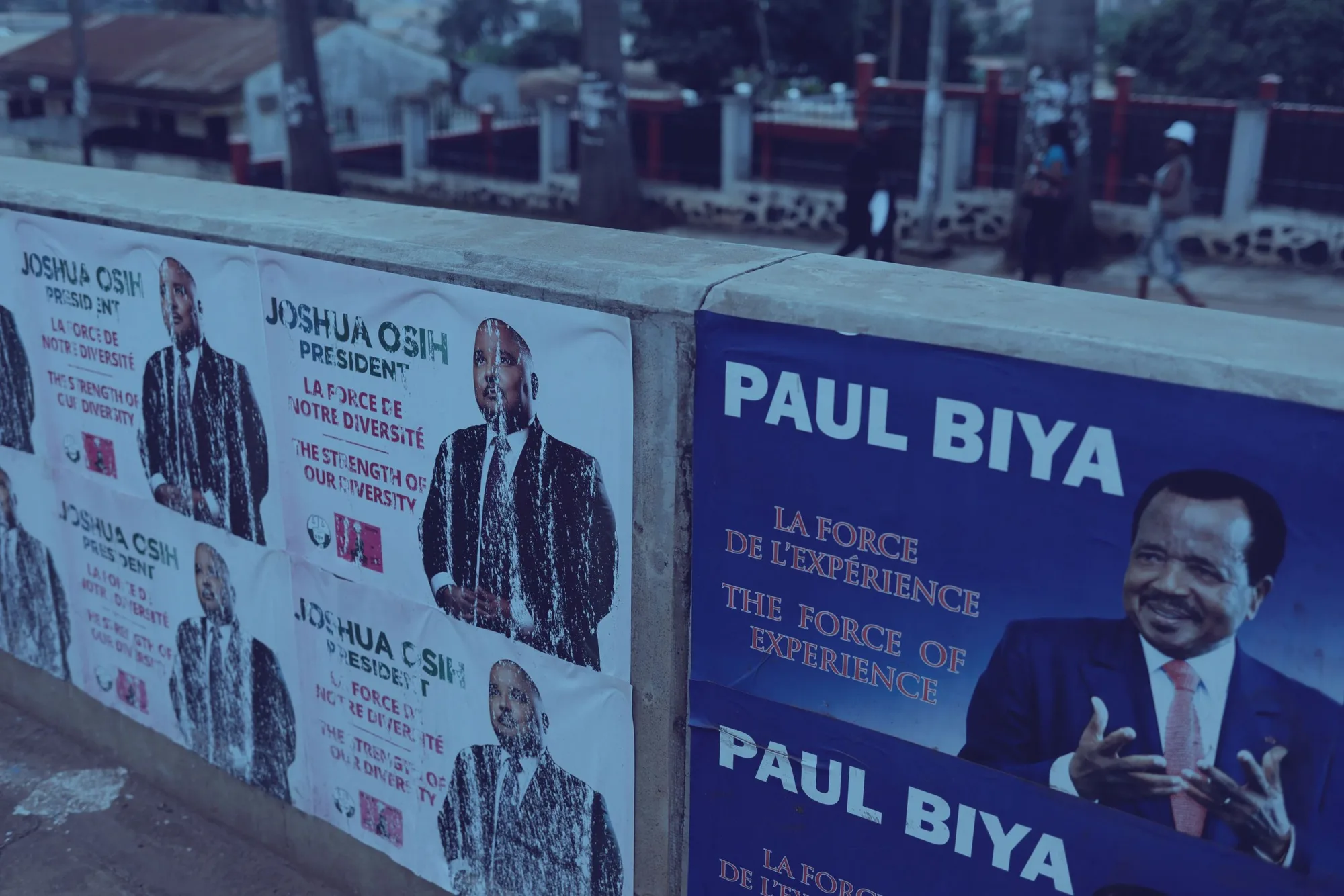
The Arithmetic of Fragmentation: Cameroon's Party System and the Limits of Electoral Choice
With over 180 registered political parties competing for 280 parliamentary seats, Cameroon's electoral landscape has become a study in mathematical impossibility and institutional dysfunction. The post documents how administrative barriers, factional splits, and an oversized party roster have turned recent elections into a cautionary tale about the gap between formal democratic structures and meaningful political participation.
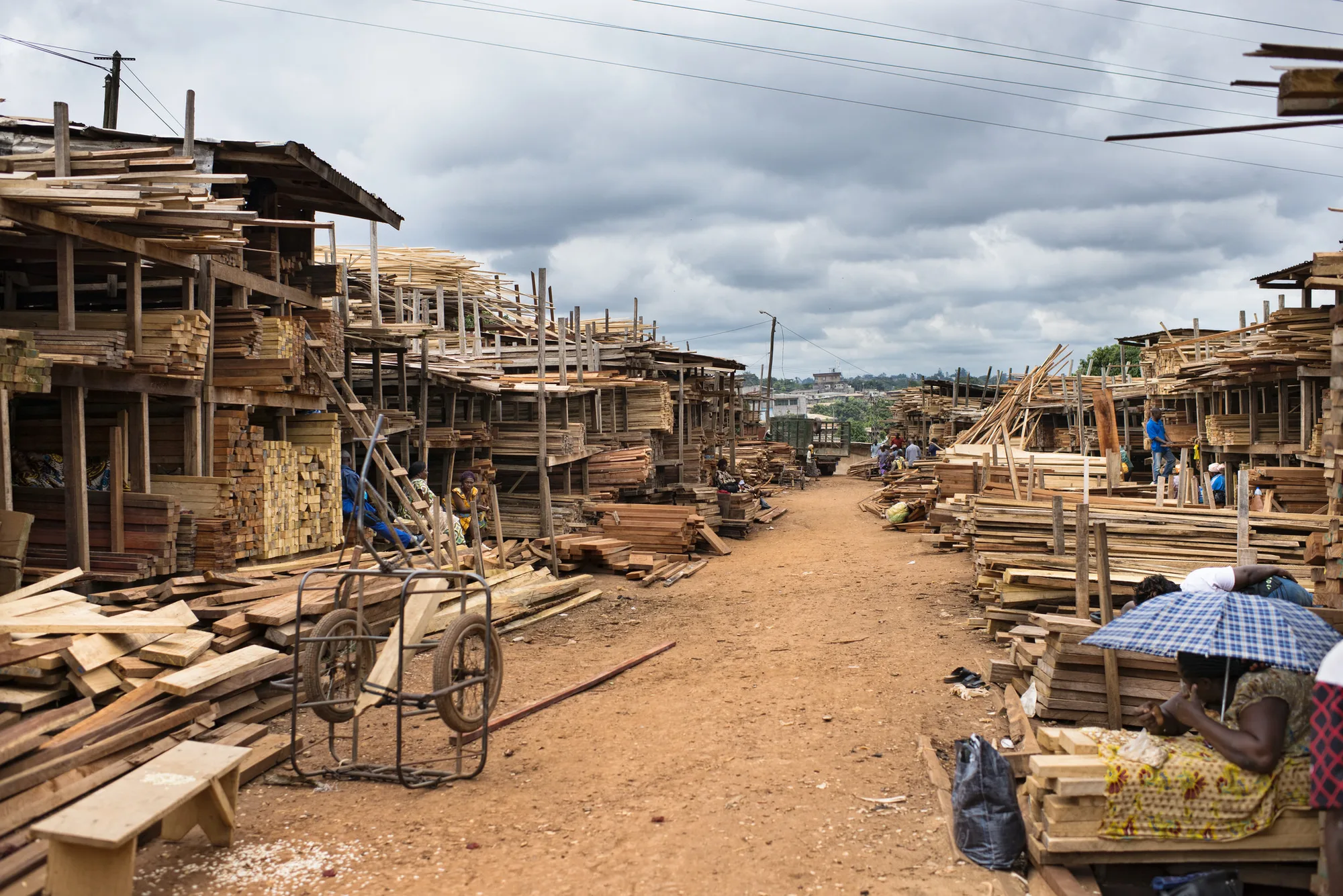
Nine Pillars of Cameroon's Economic Transformation: A Government Development Strategy
This piece outlines Cameroon's nine-sector development strategy for structural economic transformation, detailing government priorities and investment targets across energy, agribusiness, digital technology, forestry, textiles, mining, hydrocarbons, and related fields. It serves as a practical guide for entrepreneurs and public contractors seeking to identify where government support, subsidies, and contracts are likely to flow.
The Courage Tax: Celebrity Influence and the Limits of Hashtag Activism in Cameroon
The writer reflects on a delegation meeting with Cameroon's Minister of Arts and Culture to oppose a controversial bill, witnessing firsthand how performers abandoned their stated principles once in the room with power. The piece uses this incident to examine why Cameroonian celebrities claim influence they do not possess, and why national-scale activism remains performative rather than substantive.

The Peril of Performance: Youth, Social Media, and the Erosion of Serious Political Engagement in Africa
The writer examines how social media's amplification of charisma and visibility threatens to corrupt genuine youth-led political movements across Africa. In Cameroon specifically, the 2025 presidential race is attracting both sincere reformers and opportunists seeking influence rather than power, a dynamic that risks fracturing the very generational energy needed for meaningful change.
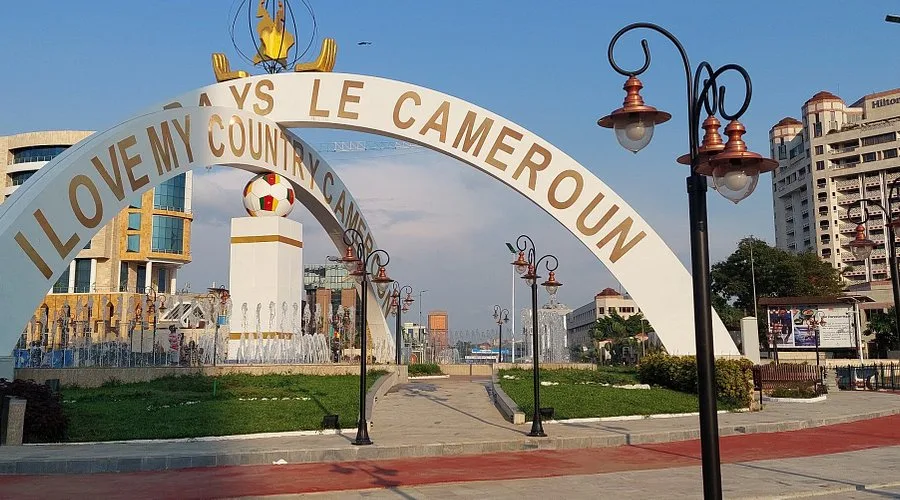
Symbols Without Substance: The Portrait and the Slogans
This essay examines how Cameroon's political culture has come to rely almost entirely on symbolic gestures—a ubiquitous presidential portrait, cycling national slogans, monuments, and rebranded success stories—while the material conditions they purport to represent continue to deteriorate.
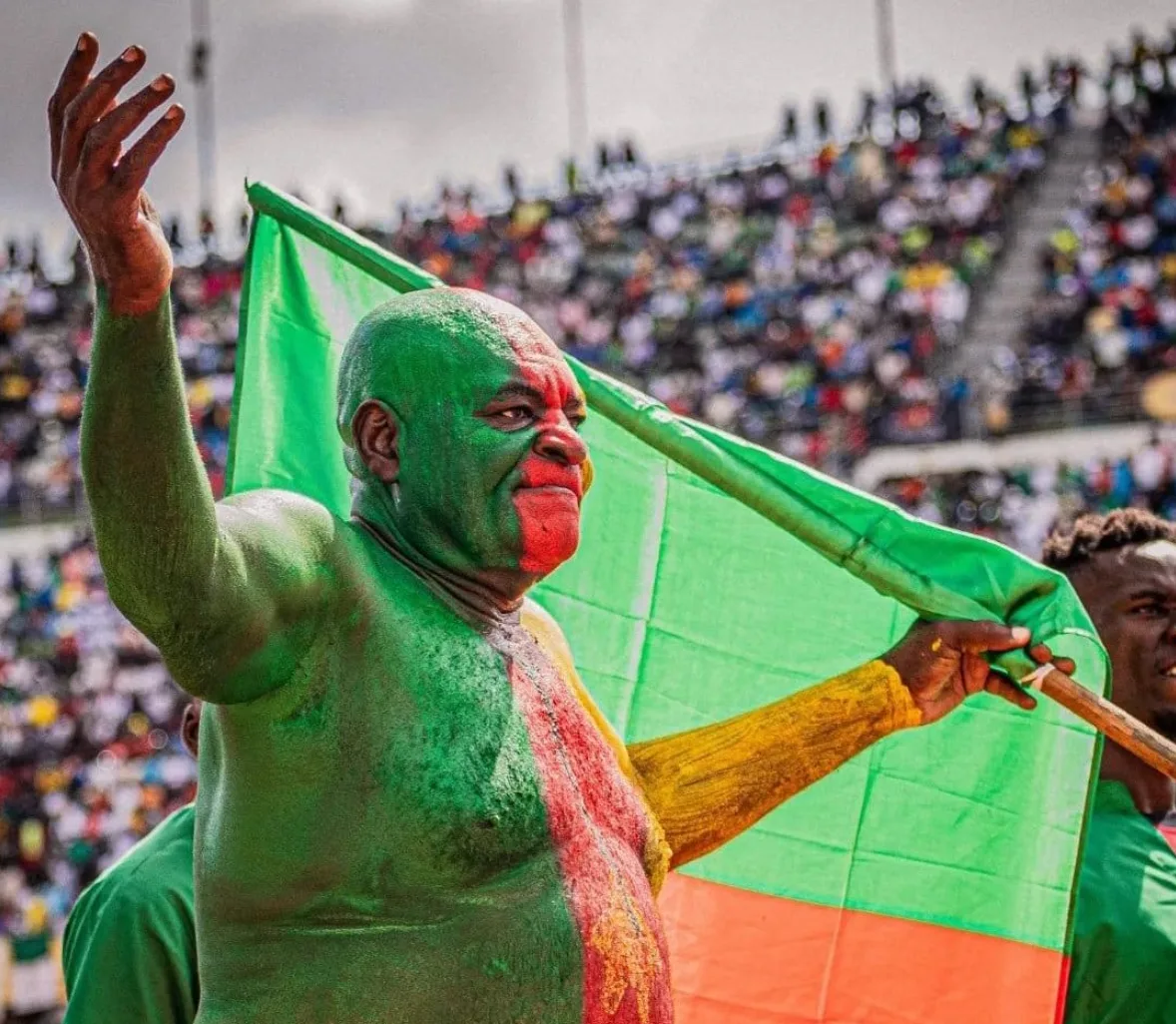
The Unofficial Ambassador: Governance, Reputation, and Cameroonian Football
A writer examines the decades-long relationship between a devoted but increasingly problematic football supporter and Cameroon's national team, tracing how an unofficial ambassador whose image became inseparable from the Lions evolved from hero to liability—raising questions about institutional responsibility and national reputation.
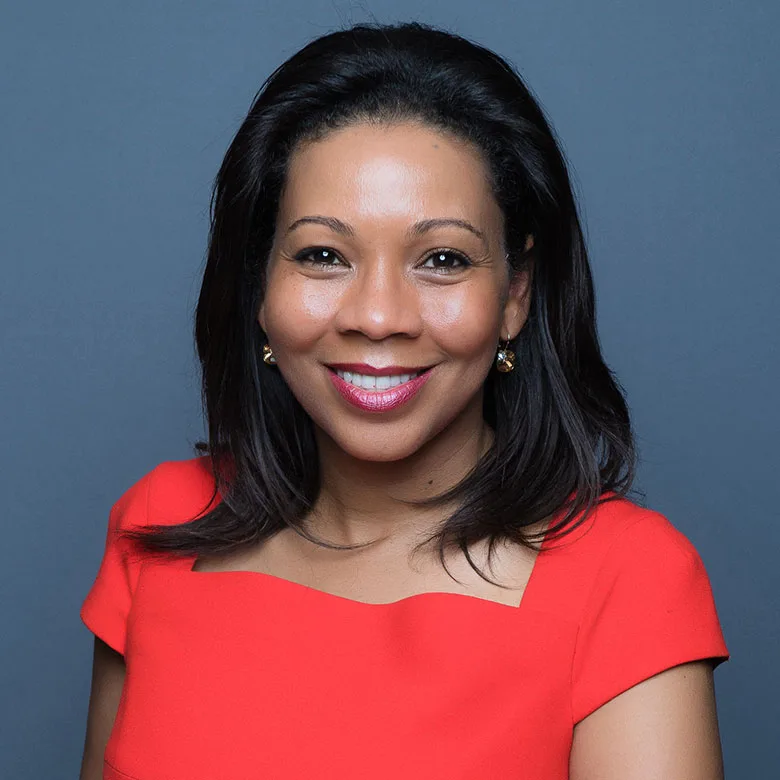
The Price of Change: On Sacrifice, Institutions, and Why Good People Stay Silent
The writer reflects on Rebecca's public refusal of a presidential candidacy, using it as a lens to examine a deeper paradox in Cameroonian civic life: citizens simultaneously demand change while scorning those willing to pay its cost. The piece interrogates how we defend the very institutions that harm us, and whether collective refusal to sacrifice ultimately empower those in power.

The Ambiguous Embassy: LGBT Rights, Western Pressure, and Cameroon's Reflexes
This piece examines the cancelled visit of a French LGBT ambassador to Cameroon as a mirror of the country's genuine homophobia, Western cultural imposition, and the internal contradictions within global LGBT advocacy itself. The writer resists easy framing, acknowledging both the real violence faced by LGBT persons and the legitimate discomfort with what feels like coercive ideological export.
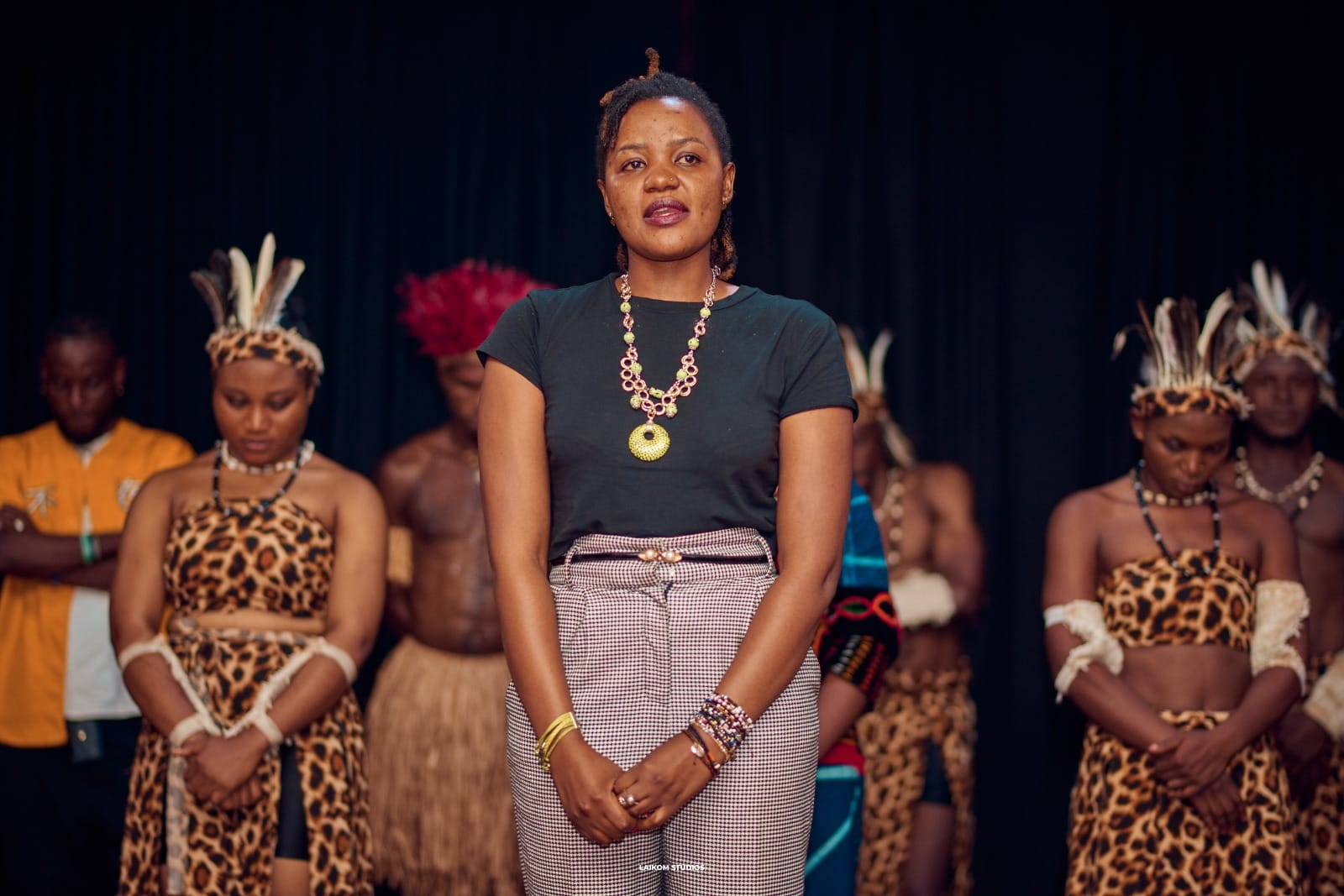
The Unfinished Reckoning: Colonial Debt and African Self-Reckoning
A reflection on a staged play about the Nso people's heritage held in German custody, this essay argues that restitution of colonized artifacts is not a distraction from 'real' problems but foundational to addressing them. The writer contends that colonial extraction persists in every contemporary crisis facing Cameroon and the continent.
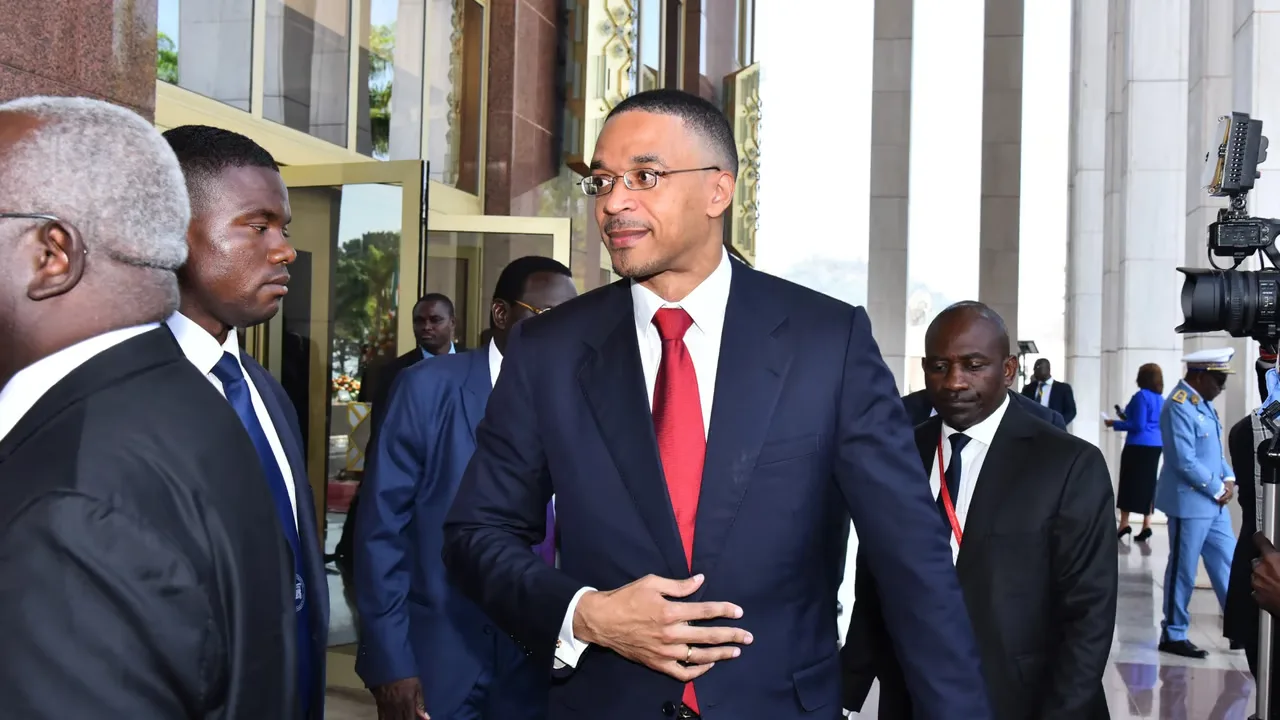
The Politics of the Picture: Celebrity, Complicity, and Cameroon's Defeated Imagination
The writer argues that high-profile Cameroonians—particularly those with global platforms—cannot escape political responsibility through silence or selective visibility. A photograph with state figures is itself a political act, and the absence of critical distance amounts to a form of consent that reinforces the regime's legitimacy.
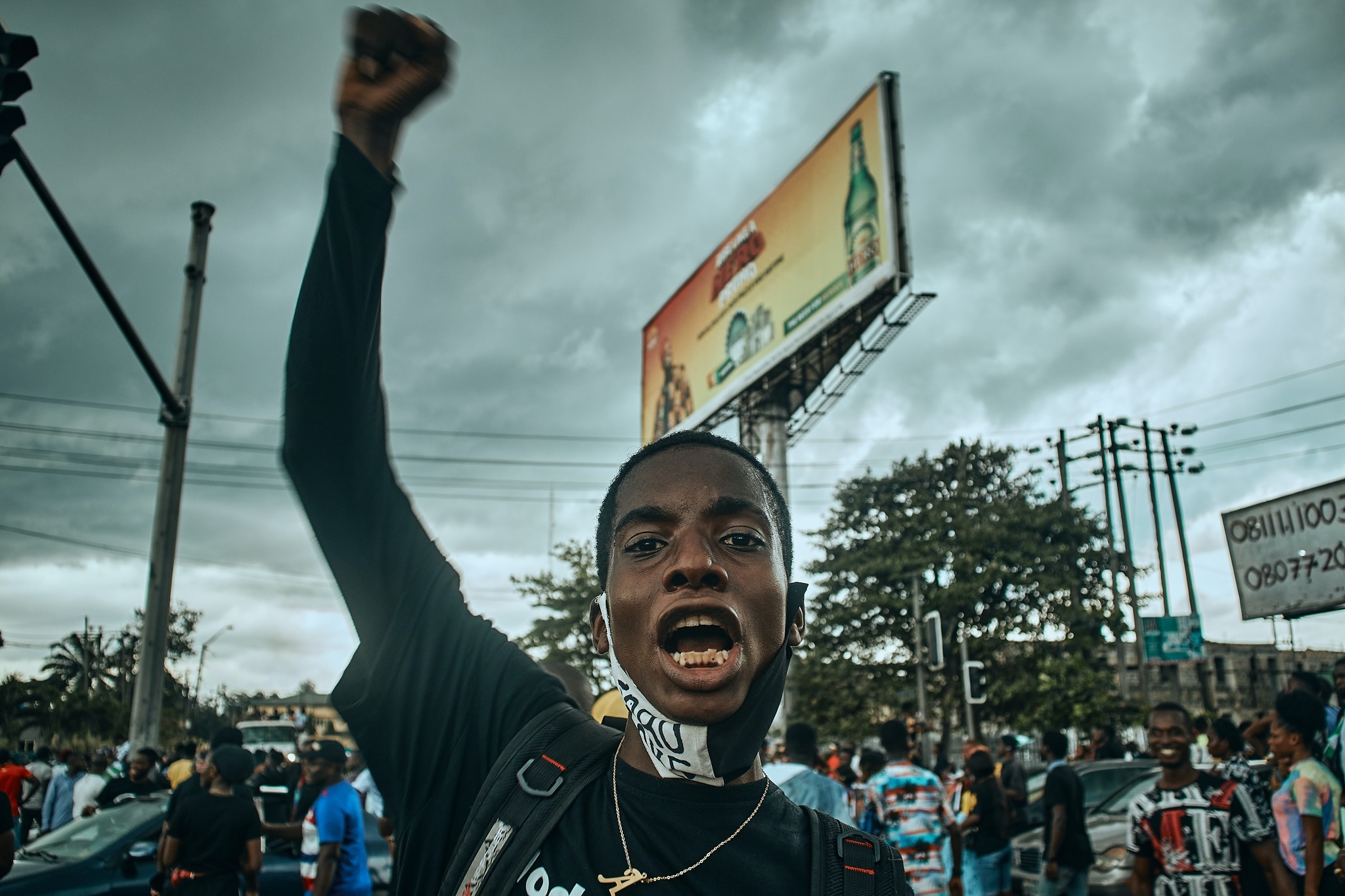
Airplane Mode Till 2025
A reflection on a two-hour internet protest against Cameroonian telecom operators, examining why such social-media-based activism often fails and what organized, strategic community mobilization requires instead.
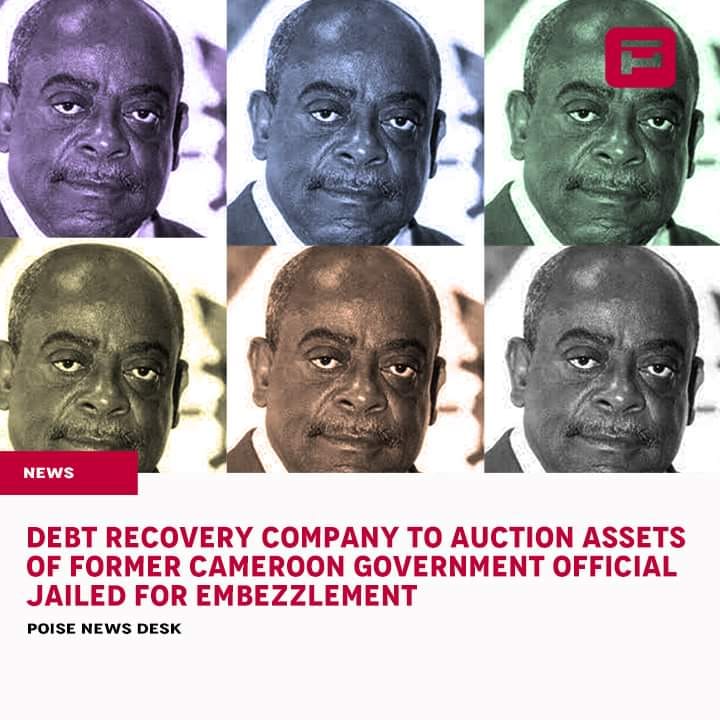
The Lingering Stain: Cataloguing Corruption in Plain Sight
Poise documents the seized assets of Emmanuel Ondo Ndong, former General Manager of FEICOM, convicted of embezzlement over 15 years prior. The inventory—spanning properties across Yaoundé and the South Region, vehicles, and liquid accounts—totals nearly 4.4 billion FCFA, a stark material record of how public office becomes private wealth.
Do We Deserve a Democracy?
The writer examines whether Cameroon's citizens possess the civic engagement required to sustain a functioning democracy, arguing that the nation's stagnation stems not from the system itself but from widespread citizen apathy, vote-selling, and disinterest in governance. The piece contests the gap between democracy's promise—power to the people—and the reality of a disengaged, manipulable majority holding decision-making authority.
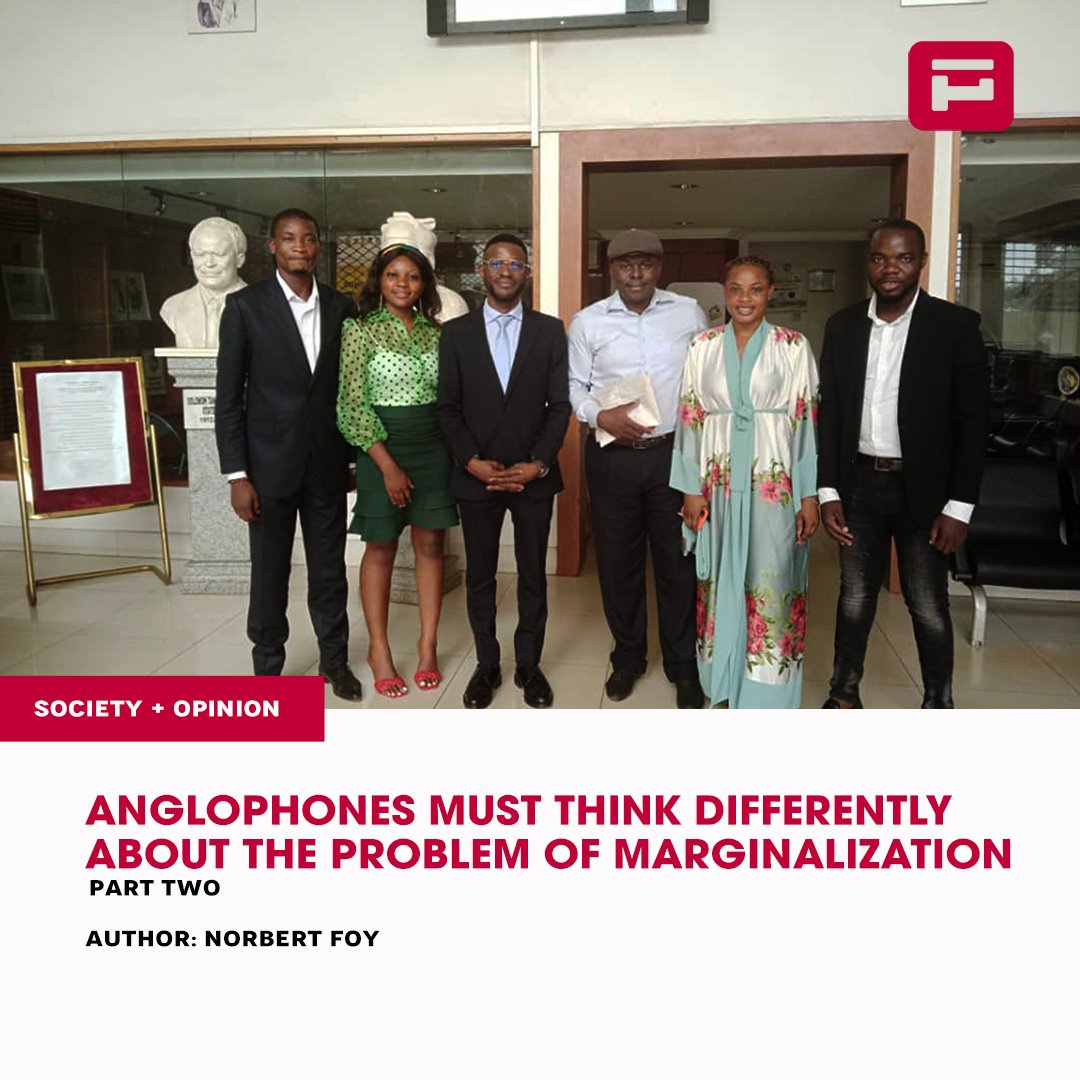
Anglophones Must Think Differently About Marginalization (Part Two)
The writer responds to reader commentary on language acquisition, resource constraints, and elite responsibility in addressing the Anglophone crisis. Through a point-by-point rebuttal, they argue that learning French is a practical survival tool—not assimilation—and that the educated minority has both capacity and obligation to lead solutions rather than wait for mass consensus.
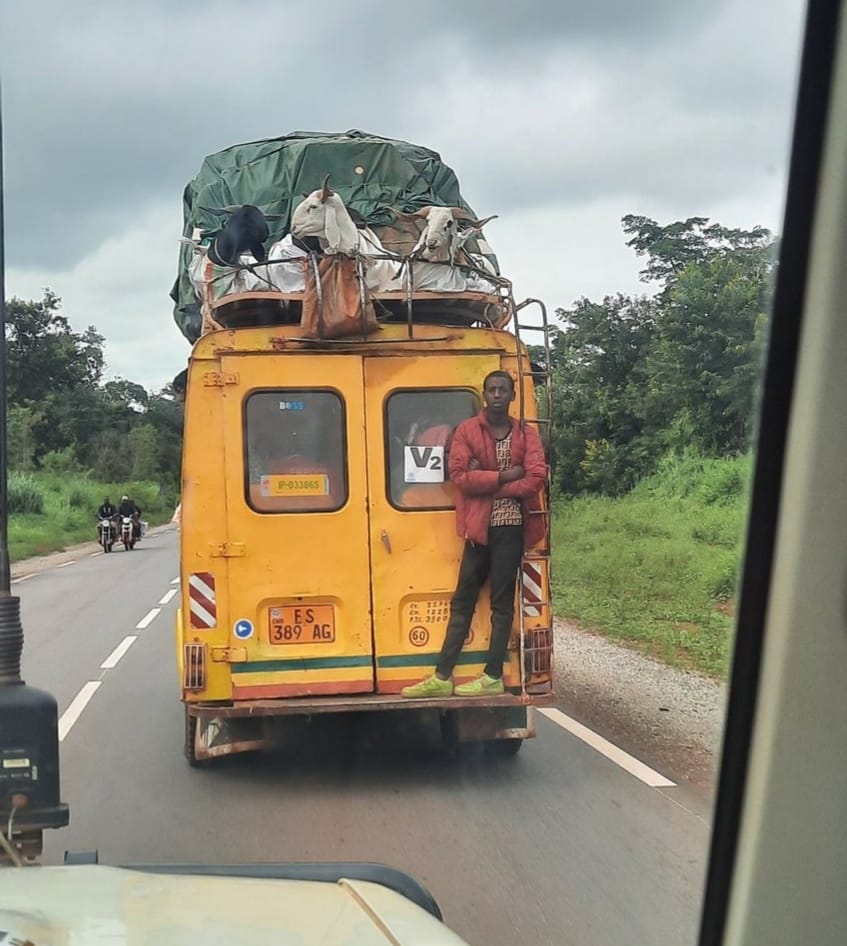
The Government Doesn't Love Us, and Neither Do We
A reflection on structural indifference in Cameroon, tracing a pattern of casual disregard for human dignity—from child bus attendants in Yaoundé to young workers clinging to overloaded vehicles on long-distance routes. The writer asks why economic pressure justifies risking lives when small sacrifices could prevent it.
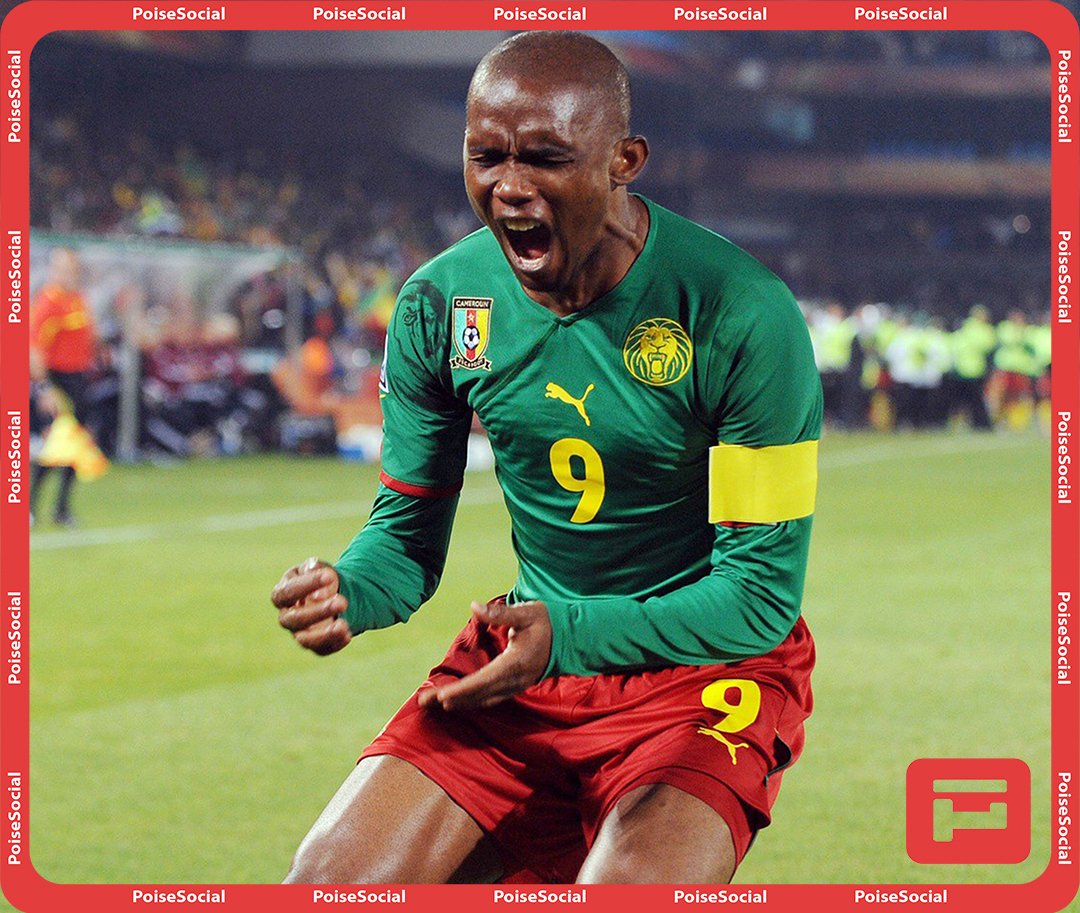
Eto'o and Power in Cameroon: Trauma, Ambition, and the Price of Change
This essay examines Cameroonians' fraught relationship with power—rooted in decades of authoritarian rule—and how that collective wariness shapes reactions to Samuel Eto'o's leadership at FECAFOOT. The writer argues that scrutiny of Eto'o's methods, while understandable, may be blinding observers to his effectiveness and his potential role in a broader renewal of Cameroonian leadership.
The Politics of Empty Slogans
The writer examines Cameroon's reliance on hollow symbols and vacuous slogans—from the omnipresent presidential portrait to government catchphrases like 'Emergence 2035' and 'Rigour Integrity & Moralisation'—as a substitute for tangible governance and meaningful policy. These symbols, meant to inspire unity and progress, instead mask systemic corruption, poor service delivery, and a government indifferent to citizen welfare.
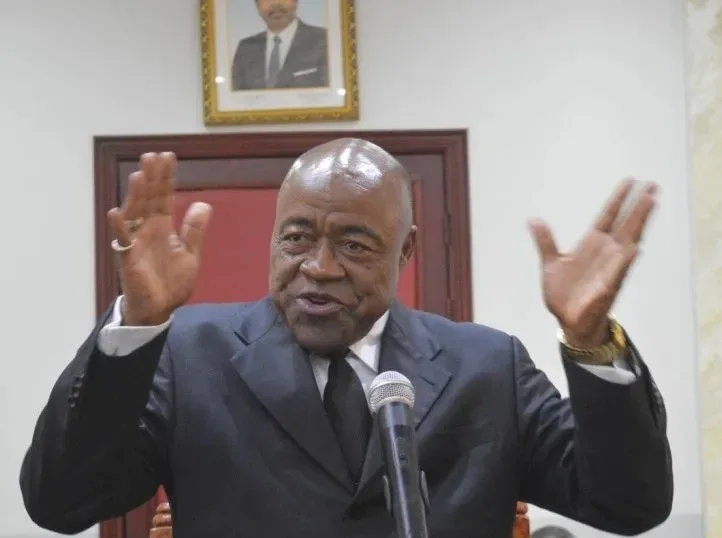
The Minister's Promise: Arts Governance and the Weight of Unresolved Conflict
The Minister of Arts and Culture tells parliament that his administration is working to resolve persistent conflicts across Cameroon's arts sector, citing measures to 'clean up the industry.' Yet the same period sees fresh disputes in actors' guilds and ongoing turmoil at SONACAM, the music copyright body, leaving the minister's pledge untested.
Unity in Sport, Fracture in Governance: Why Cameroon Cannot Organise Itself
The writer observes that Cameroonians demonstrated rare collective solidarity during AFCON 2022 by supporting Egypt against Côte d'Ivoire, yet argues this unity is impossible to replicate for the country's internal crises. The piece traces this paradox to a system built on protecting institutional façades rather than addressing systemic corruption, tribalism, and the absence of genuine checks and balances.

The Quota Question: Why Protective Policy Won't Fix Cameroon's Music Crisis
Following a public debate on instituting local music quotas in Cameroonian media, the writer argues that the real constraint is not foreign competition but domestic underproduction—rooted in artists' misplaced priorities, a flawed success archetype, and structural gaps in how emerging talent is discovered.
The Anglophone Crisis: A Nation Finally Reckoning
Written in late October 2020, following the Kumba massacre, this piece traces how social media mobilization around the Anglophone crisis shifted from marginal to mainstream, marking the first moment when Francophones and Anglophones seemed to unite against the conflict. The writer argues that prior campaigns like #EndPhoneTax created the conditions for sustained civic pressure, and calls for that momentum to be preserved.
The Phone Tax: A Study in Governmental Incoherence
In October 2020, Cameroon's government proposed a 33% import tax on mobile phones to be paid directly by consumers—a measure virtually without precedent globally. Poise examines the tax's stated justification, its mechanisms, and the cascading technical, legal, and ethical problems that render it unworkable.
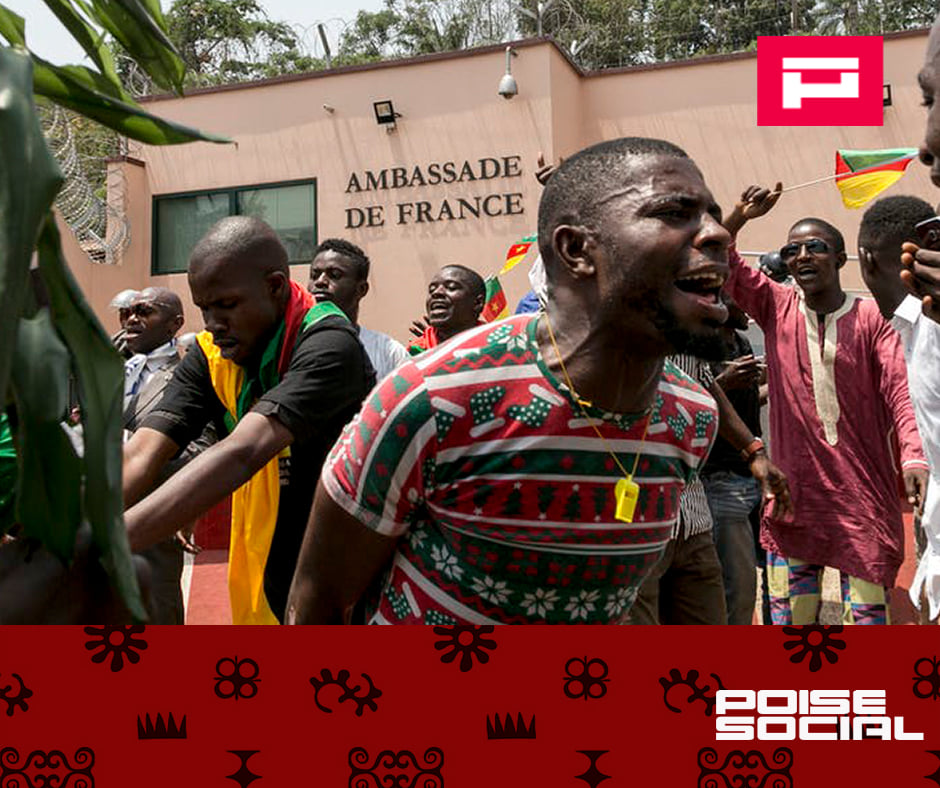
When Hashtags Don't Do the Job
A reflection on the gap between public outcry and meaningful action in Cameroon, examining why celebrities and citizens fail to effect real change despite widespread discontent. The writer recounts a delegation meeting with the Minister of Arts and Culture, exposing how institutional power captures co-opt potential resistance, and argues that hashtag activism and street protests have proven ineffective.
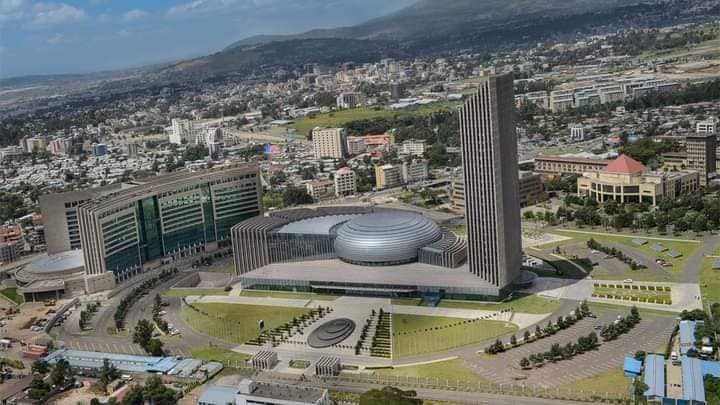
The African Union Headquarters and the Cost of Gifts
The writer reflects on the African Union's headquarters—a $200 million complex built and donated by China—as a symbol of continental shame and self-diminishment. The essay argues that such
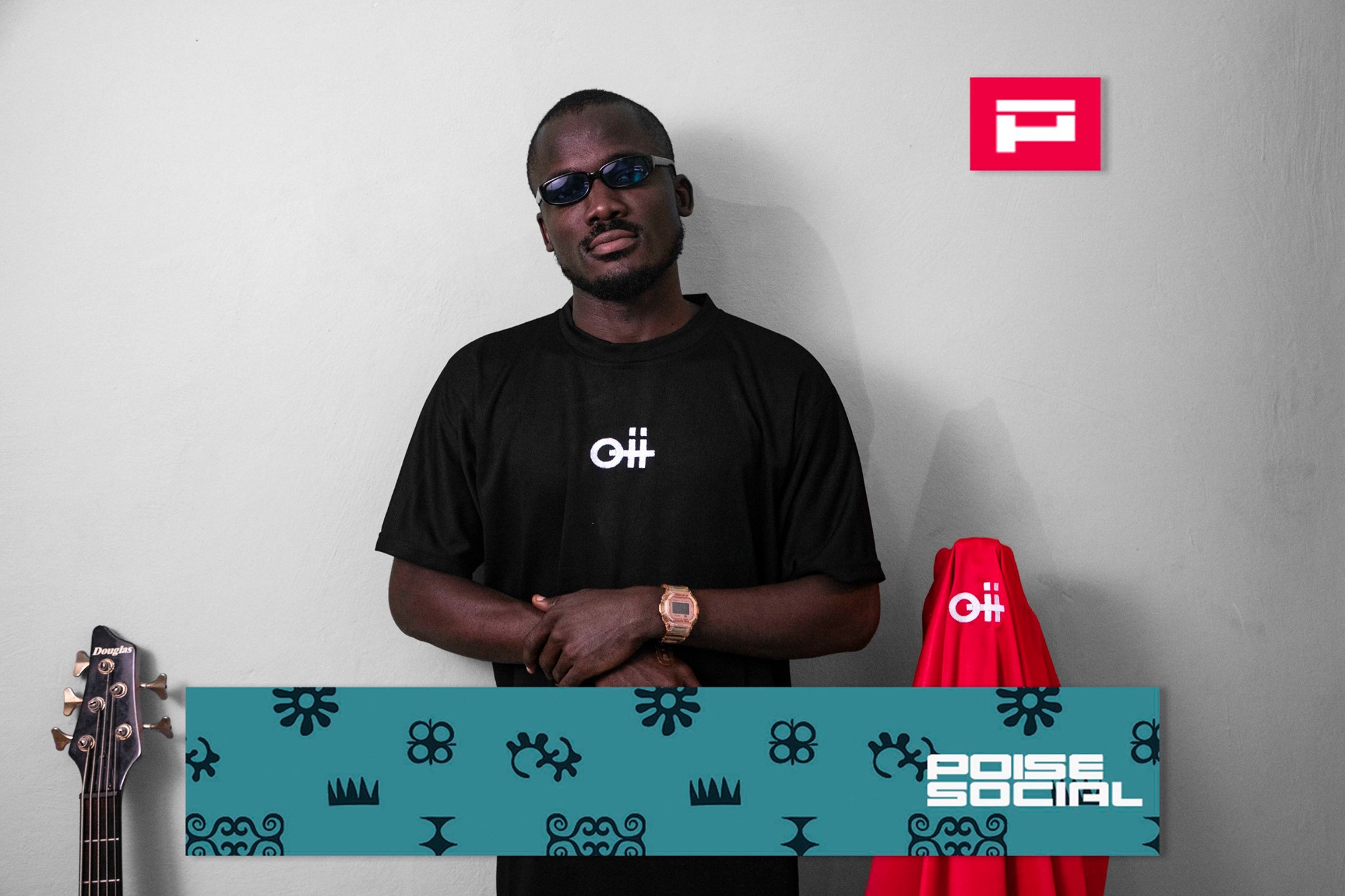
On Pan-Africanism and Cultural Boundaries
The writer defends a Cameroonian brand's adoption of a Nigerian Yoruba term, arguing that cultural exchange strengthens rather than weakens Africa. She positions the controversy as a test of whether continental unity is a genuine aspiration or merely rhetoric obscuring deeper tribalism.
A Black Man Between Victim and Perpetrator
The writer reflects on the contradictory position of being a Black man in a world that casts him simultaneously as vulnerable to systemic violence and capable of inflicting it. Drawing on two news events from May 2020, he traces how childhood conditioning toward white superiority, adult disillusionment, and accumulated historical anger have left him without a clear path forward.
Play Your Music and Say Nothing: On Dissent, Artists, and Political Voice in Cameroon
The writer examines the cultural pressure placed on Cameroonian artists—exemplified by Charlotte Dipanda's recent political statements—to remain silent on governance and regime change. The piece argues that this silencing reflects deeper pathologies: Stockholm Syndrome acceptance of dysfunction, a particular form of crab mentality that polices intellectual ambition, and deliberate attempts to frame artists as intellectually unqualified to engage politics.
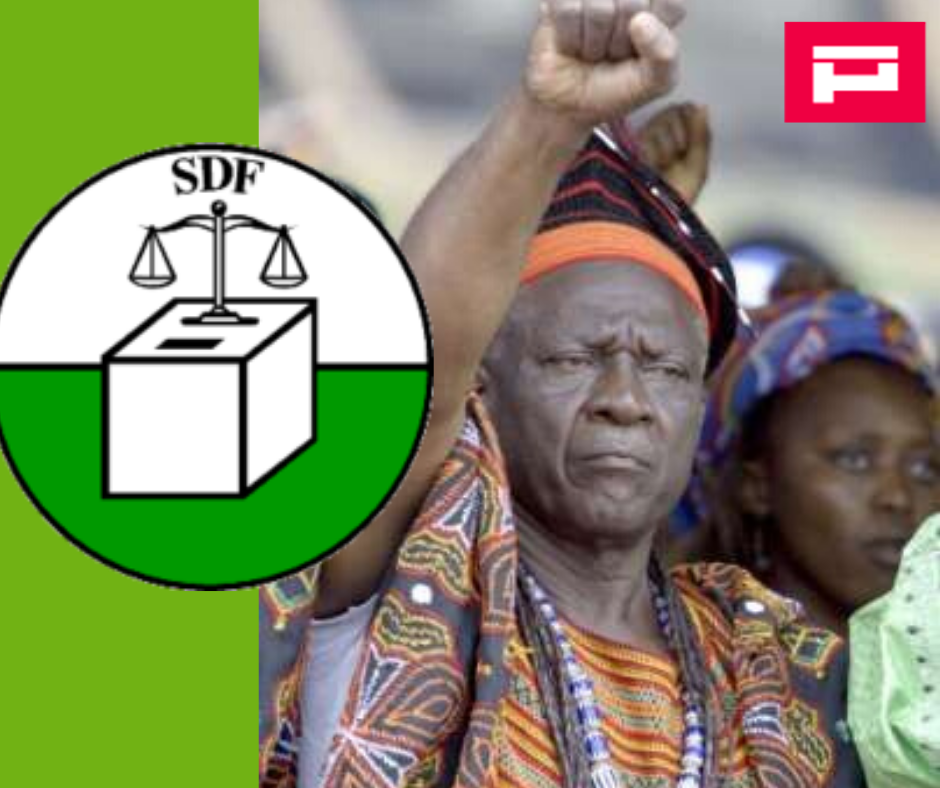
The SDF at Thirty: A Party's Dimming Flame
On the thirtieth anniversary of the Social Democratic Front's founding in 1990—marked by a deadly march for multi-partism in Bamenda—Poise reflects on the party's arc from revolutionary hope to diminished present. The piece traces how John Fru Ndi, once embodying Cameroon's democratic aspirations and appearing to win the 1992 presidential election, has become a contested figure, accused of betrayal and clinging to power rather than nurturing renewal.
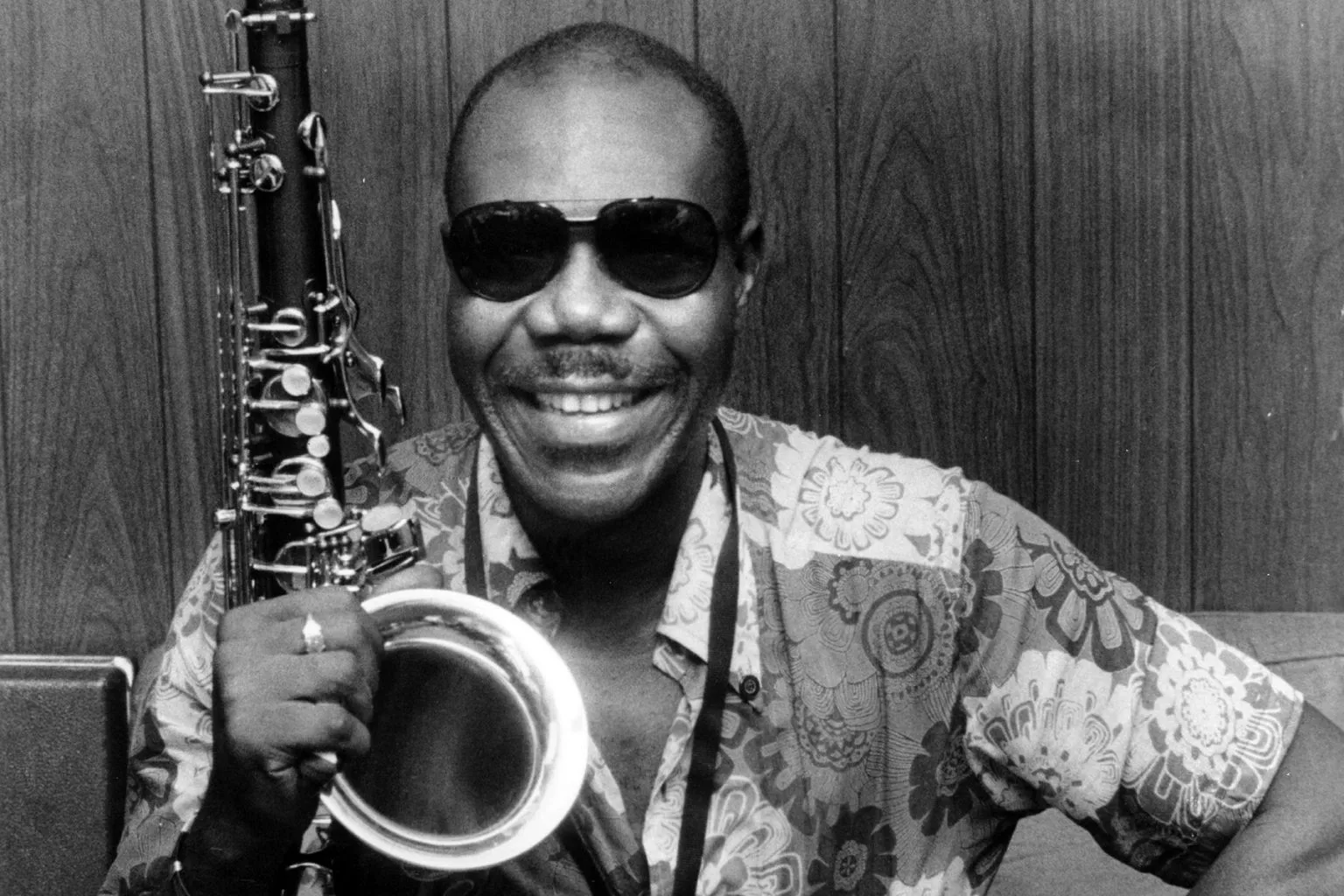
The Gift That Obscures the Legacy
The writer examines how Cameroon's cultural and political systems privilege material gift-giving over substantive contribution, using Manu Dibango's global musical influence as a counterexample to ask what true value—and true remembrance—should mean.
Driving Change: Youth, Legitimacy, and the Work of Collective Movement
The writer argues that sustained human progress typically originates with young people willing to defy convention, and that modern democracy—even its imperfect versions—creates unprecedented tools for collective action. The real work, however, lies in learning to listen across difference and translating online community into offline power.
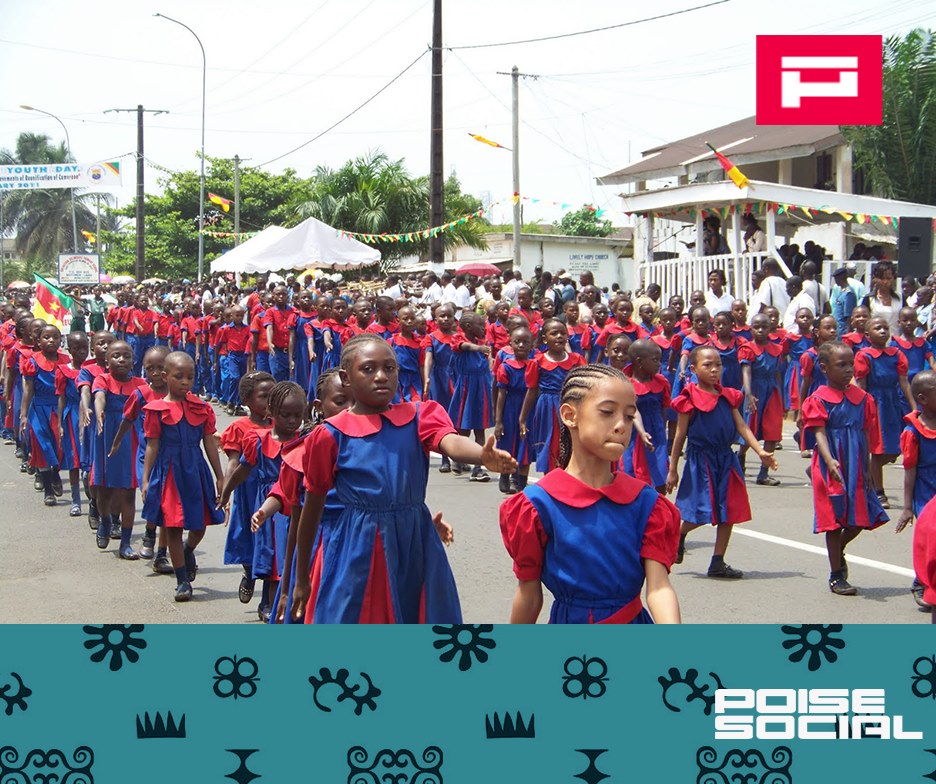
The Favoritism Problem Goes Deeper Than Age
The writer questions whether Cameroon's youth are truly equipped to lead the country, arguing that the systemic rot of favoritism, nepotism, and tribalism is not an older generation's failing but has thoroughly infected young people too. A personal anecdote about an ambitious peer revealing his intention to staff government positions exclusively with former schoolmates becomes the lens through which to examine whether structural change is possible.
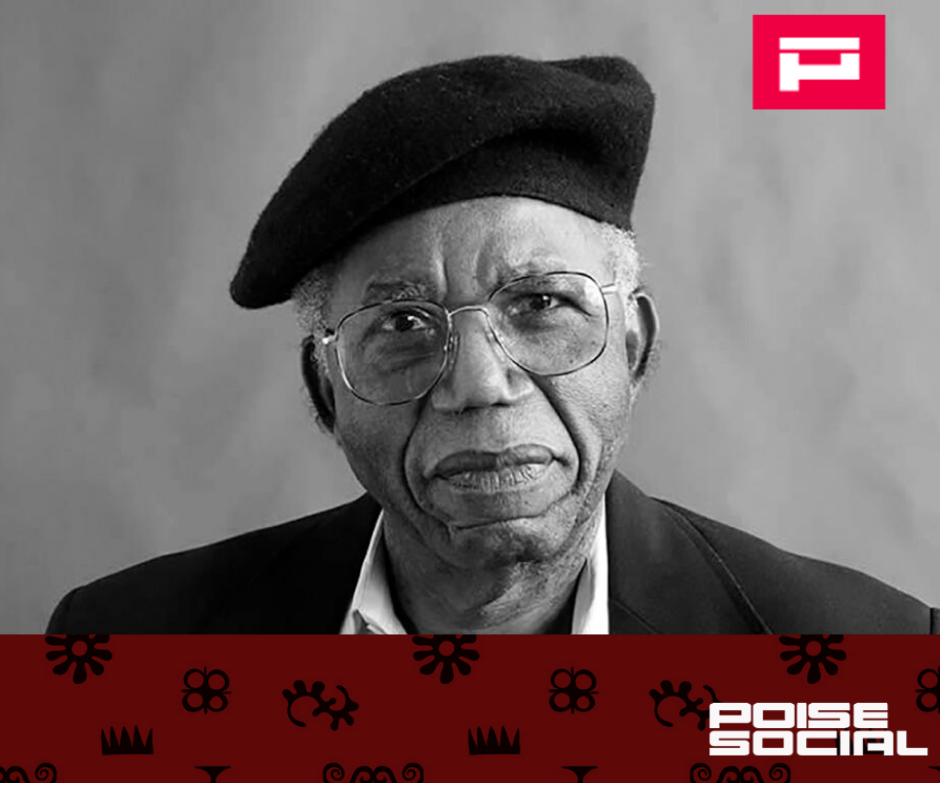
Still in the Rain: On Power, Proximity, and the Myth of National Unity
Drawing on Chinua Achebe's novel, the writer observes that sixty years after independence, Cameroon remains trapped in a dynamic where a small elite occupies the shelter of state power while the majority remain excluded, yet internalize the rhetoric of necessary unity and sacrifice.
The World's Greatest Obstacle Course: Infrastructure, Negligence, and Cultural Conditioning in Cameroon
The writer observes that Cameroon's physical landscape—chaotic, unmapped, dangerous—mirrors a deeper cultural tendency to accept obstacles as inevitable rather than solve them. From roads without pavements to infrastructure repeatedly dismantled for ceremonial convenience, the nation has learned to navigate disorder, then celebrates minor accomplishments as progress while real decay accumulates.
Slay Queens and Politics: The Corruption of Access
The writer examines the peculiar alignment between social media celebrities and political power in Cameroon, focusing on a public figure's visible courtship of state ministers and subsequent political endorsement. The piece uses this moment to interrogate a deeper hypocrisy: those granted proximity to power rarely leverage it for the voiceless, yet remain largely unaccountable.
On Service and the Uniform: Rethinking Leadership in Cameroon
The writer observes how uniformed officials—police, gendarmes, soldiers—receive deference and queue-jumping privileges in everyday transactions like paying utility bills, and questions whether this reflects a genuine understanding of service. Through personal anecdote and reflection on Desmond Tutu's definition of leadership as serving, suffering, and sacrifice, the piece argues that Cameroon has inverted the relationship between those in authority and those they are meant to serve.
Should the Government Legalize Abortion? A Cameroon Perspective
An analytical overview of the abortion legalization debate in Cameroon, where current law permits pregnancy termination only when the mother's life is at risk. The piece systematically presents both pro-life and pro-choice arguments, acknowledging the real toll of illegal abortion on young lives while resisting easy resolution.
Should the Government Legalize Marijuana Consumption?
This analytical piece weighs the case for marijuana legalization in Cameroon—citing potential economic gains through taxation and job creation, and medical applications in pain management and rare epilepsy treatment—against documented public health risks including cognitive decline, mental illness, and respiratory disease. The writer concludes that legalization presents genuine tradeoffs rather than a clear policy direction.
On National Names and National Purpose
The writer engages with musician Blick Bassy's provocative question about whether Cameroon should rename itself, prompted by the colonial etymology of its name. Rather than advocating for renaming, the piece argues that national identity flows from governance and shared ideology, not nomenclature.
The Road to the Anglophone Crisis
This essay traces the Anglophone crisis—which intensified in late 2016 with strikes by lawyers and teachers—to structural injustices rooted in the 1961 union between Southern Cameroon and La République. The writer argues that the UN plebiscite authorizing the merger was itself illegal, that the subsequent Foumban Conference lacked proper mandate and transparency, and that deliberate marginalization and cultural assimilation have followed ever since.
How Professional Are Our Professionals?
Following the death of a teenager in a Cameroonian hospital and its documentation and broadcast on social media, the writer reflects on the erosion of professional ethics and human dignity among doctors, journalists, police, and soldiers—all enabled by the reflexive reach for smartphones and a deeper failure of institutional accountability.
Pardon My French: Language, Identity, and Cameroon's Linguistic Divide
The writer reflects on what it means to speak French as an Anglophone Cameroonian, prompted by a controversy around musician Daphne's acceptance speech at the Canal d'Or Awards. Rather than seeing French fluency as erasing Anglophone identity, the writer argues that speaking French—learned late and deliberately—is itself an expression of that identity, a conscious act of navigating a Francophone-dominated society.
Feminism Is Not a Quest for Payback
The writer argues that feminist critique of gender discrimination often mischaracterizes historical customs as deliberately malicious rather than pragmatic responses to the realities of their time. By examining inheritance practices, physical capability differences, and cross-cultural examples, the writer proposes that meaningful change requires understanding tradition's logic before dismissing it—not framing progress as payback against men.

The Eto'o Presidency and the Temptation of the Strongman
Following Samuel Eto'o's election as FECAFOOT president in 2019, Cameroonians rallied around him as proof that fair elections and competent leadership were possible. But within eighteen months, allegations of misconduct emerged, and the writer observes that public support for Eto'o—despite the accusations—reveals a deeper problem: the nation's willingness to tolerate autocratic governance and personality cults so long as results appear.

The Architecture of Influence: Chantal Biya and Power in Cameroon's Presidential Circle
A February 2019 post examines the shifting public profile and apparent political influence of Chantal Biya, reported on the cover of Jeune Afrique at age 48. Drawing on analysis of cabinet reshuffles and institutional positioning, the piece traces how she has moved from ceremonial presence to a figure whose preferences appear to shape personnel decisions and governance culture.
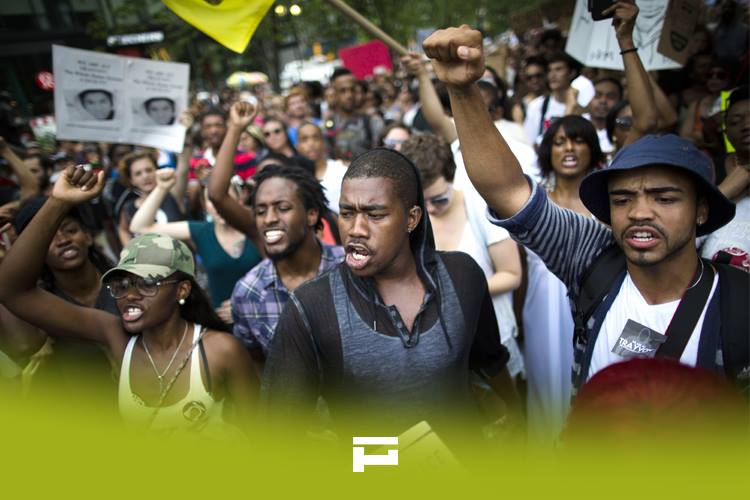
On Youth and the Persistence of Patronage
This piece interrogates the assumption that generational change alone will solve Cameroon's structural problems, using a personal anecdote to argue that favoritism and patronage span all ages, not just an older generation. The writer contends that meritocracy cannot take root until the mentality that privileges kinship and loyalty over competence is genuinely abandoned.

False Enemies and the Me First Mentality
The writer argues that Cameroonians have turned on each other rather than uniting against shared obstacles—corruption, government dysfunction, educational collapse, economic stagnation, and cultural decay. Drawing on the historical example of Samuel Langley's refusal to collaborate after losing the aviation race to the Wright brothers, the piece diagnoses a corrosive zero-sum competitiveness that prioritizes individual credit over collective progress.
The Crisis Sour Fruit
A poet-activist grieves the deaths of Anglophone Cameroonians in military operations—including named individuals—and indicts state violence as incompatible with the national motto of Peace, Work, Fatherland. The piece moves from specific losses to systemic critique: police brutality, economic extraction, suspended freedoms, and a government that has surrendered legitimacy through indifference to its own people's suffering.
The Cabinet Reshuffle: What It Teaches Us About Ourselves
The writer reflects on Cameroon's habit of turning political crises into memes and viral jokes—from the Bidoung Challenge to cabinet reshuffles—and argues that this laughter, while a coping mechanism, masks deep frustration and may be masking a dangerous pressure cooker of collective disillusion.
The Matter of Here: On Cycle and Complicity in Crisis
Written in Pidgin English during a period of acute civil unrest, this poem indicts the circularity of violence, state indifference, and public resignation in Cameroon. The writer moves from observing peaceful protest to witnessing militarization, religious co-option, and the normalization of fear, before calling for collective reflection rather than perpetual cycle.
En Esprit Républicain
A fierce, code-mixed poem that channels anger at Cameroon's political dysfunction through bitter irony and layered metaphor. The writer moves between colonial history, present-day authoritarianism, and personal resignation—asking whether the nation's elites will ever stop treating citizens as prey.
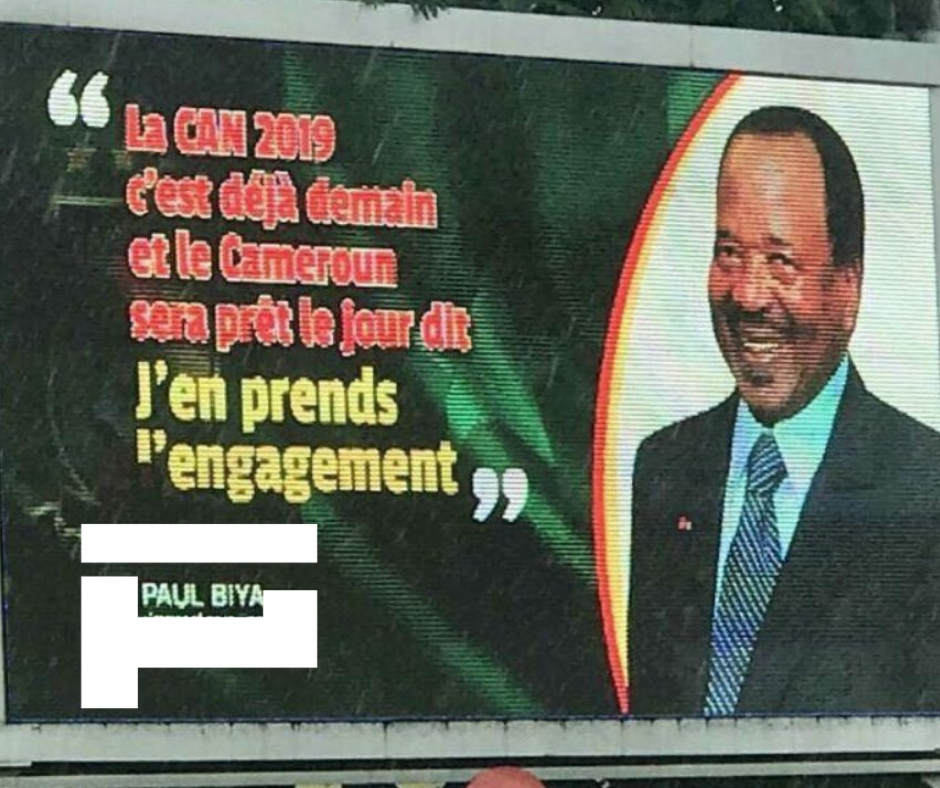
Goodbye to AFCON 2019: Governance, Pride, and the Cost of Readiness
Poise reflects on Cameroon's loss of the 2019 Africa Cup of Nations hosting rights to Egypt, tracing the decision back to systemic failures in governance, infrastructure planning, and political culture. The piece argues that the withdrawal—precipitated by CAF President Ahmad's assessment—was neither surprising nor avoidable, and that it reveals deeper patterns of incompetence and misplaced patriotism that will persist.
Post-Elections: On Respect and the Cost of Public Sacrifice
Following the 2018 presidential election, the writer defends Cabral Libii against social-media derision over his appearance and lifestyle, arguing that Cameroonians are undermining their own political actors through petty criticism rather than substantive debate. The piece calls for a culture shift: toward recognizing the sacrifices of those who mobilize youth politically, and away from corrosive cynicism that discourages future leaders.
Is Stanley Enow Fit for President of Cameroon?
This piece examines the prospect of Stanley Enow, a prominent Cameroonian musician, running for president—a question prompted by global celebrity-to-politics movements and local precedent. The writer weighs his artistic reputation, communication skills, and bilingualism against his political silence, selective collaborations, and apparent distance from Cameroon's pressing crises.
The Social Democratic Front at a Crossroads: Reckoning with Electoral Defeat and Democratic Legacy
Following a disappointing electoral performance in 2018, the writer reflects on the SDF's historical contribution to Cameroon's democratic gains and analyzes the specific failures—the Anglophone crisis, internal divisions, refusal to form coalitions, and disconnect from younger voters—that led to its decline. The piece proposes three concrete steps for the party's recovery: backing Maurice Kamto, restructuring its base to engage younger supporters, and maintaining continuous grassroots engagement beyond election cycles.
The Ghetto President: Youth, Repression, and Uganda's Emerging Political Challenger
This 2018 profile documents Bobi Wine's rapid ascent from ragga musician to parliamentary member and presidential aspirant in Uganda, following a brutal military beating that cast him as the principal threat to President Yoweri Museveni's 32-year rule. The piece traces Wine's journey from Kampala's slums through music stardom to political awakening, capturing a generational shift in which young Ugandans—nearly 80 percent of the population under 30—have begun to mobilize against an aging autocrat.
Celebrity Silence and the Politics of a Peace Song
This piece critiques Cameroonian celebrity culture for moral evasion during a moment of national crisis, specifically targeting the 2018 song 'We Need Peace' as a case study of how artists use vague, apolitical messaging to avoid risk while appearing engaged.
Slay Queens and Politics: The Unholy Matrimony
The writer examines the tension between social media prominence and political accountability through the case of a Cameroonian influencer whose eyebrow shop opening was attended by a state minister, and who later appeared in CPDM campaign materials. The piece interrogates what it means for those with access to power to remain silent about state violence and injustice.
Why Design Matters for the Future of Cameroon
Design is not a luxury but a psychological and civic necessity: the aesthetic quality of our built environment shapes who we become. Drawing on the 2018 presidential race and broader historical examples, the writer argues that Cameroon's future depends on treating design—from campaign materials to urban planning—as a serious act of nation-building.
Etoudi 2018: Winners and Losers in Cameroon's Presidential Election
An analysis of the 2018 Cameroonian presidential election identifies Maurice Kamto and Akere Muna as victors for forming and joining an opposition coalition, while the Anglophone population, candidate Cabral Libii, and the SDF party emerge as significant losers. The piece examines how political strategy, timing, and the failure to leverage collective movements shaped the election's outcome.
The Opaque in Transparency: Election Observation and Institutional Credibility in Cameroon
This piece scrutinizes the conduct and credibility of international election observers present during Cameroon's October 2018 presidential election, specifically examining a Transparency International observer's public statements and the role of Agence Cameroun Presse in their selection and deployment.
The Force of Experience vs. the Winds of Change: Reading the 2018 Election
The writer argues that President Biya's campaign strategy in the run-up to Cameroon's October 2018 election was carefully calibrated to exploit regional divisions and voter suppression rather than to ignore the anglophone crisis. Through regional voter analysis and observed patterns of displacement and military presence, the piece suggests that apparent momentum for opposition candidate Kamto may obscure a closer actual result.

A Year in Service: One Campaign Worker's Testament to Political Integrity
A young Cameroonian professional recounts his decision to leave a secure, well-paid position to work unpaid on Akere Muna's presidential campaign, framing it as a redemptive turn from political apathy toward civic engagement rooted in historical conscience.

The Final Hours: Opposition Consolidation and the Cost of Disunity
As the 2018 Cameroonian presidential election neared, the writer examines the last-minute strategic calculations facing candidates Osih and Cabral following Akere Muna's withdrawal and endorsement of Maurice Kamto. The piece argues that both candidates face a binary choice: unite behind Kamto or risk permanent political and moral damage.
Joshua Osih's Governance Programme: A Close Reading
This piece offers a detailed examination of Joshua Osih's 84-page presidential platform, focusing on his substantive proposals across governance, health, education, economic policy, and social reform. The writer presents the programme as notably comprehensive and structured compared to other candidates' offerings, though acknowledges its density and point-form presentation.
Football and Politics: The Nations' Cup as Distraction
The writer argues against Cameroon hosting the 2019 Africa Cup of Nations, seeing it not as a sporting honor but as a political tool used by the incumbent government to distract from infrastructural failures and poor governance. The piece traces how the tournament became entangled with ego, sycophancy, and nationalist rhetoric rather than honest assessment of readiness.
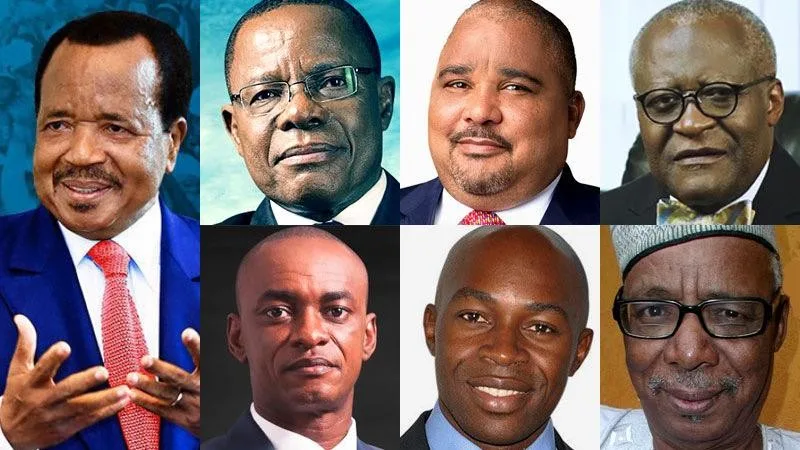
The Coalition Question: Who Should Lead Cameroon's United Opposition?
As the 2018 presidential election approached, opposition candidates faced a critical strategic choice: unite behind a single leader or campaign separately. This piece examines the case for Akere Muna as coalition head, tracing his early advocacy for opposition unity and his pre-existing coalition platform, while acknowledging the profound difficulty of consolidating rival candidates around a single figurehead.
Three Days Before the Vote: Opposition Unity and the Coalition Question
With the 2018 presidential election imminent, Poise examines whether Cameroon's fragmented opposition can coalesce around a single candidate—and if so, who should lead. The analysis argues that Akere Muna, whose Now Movement was itself born from a multi-party coalition, possesses both the institutional background and the prior advocacy for unity that could make him the natural choice.
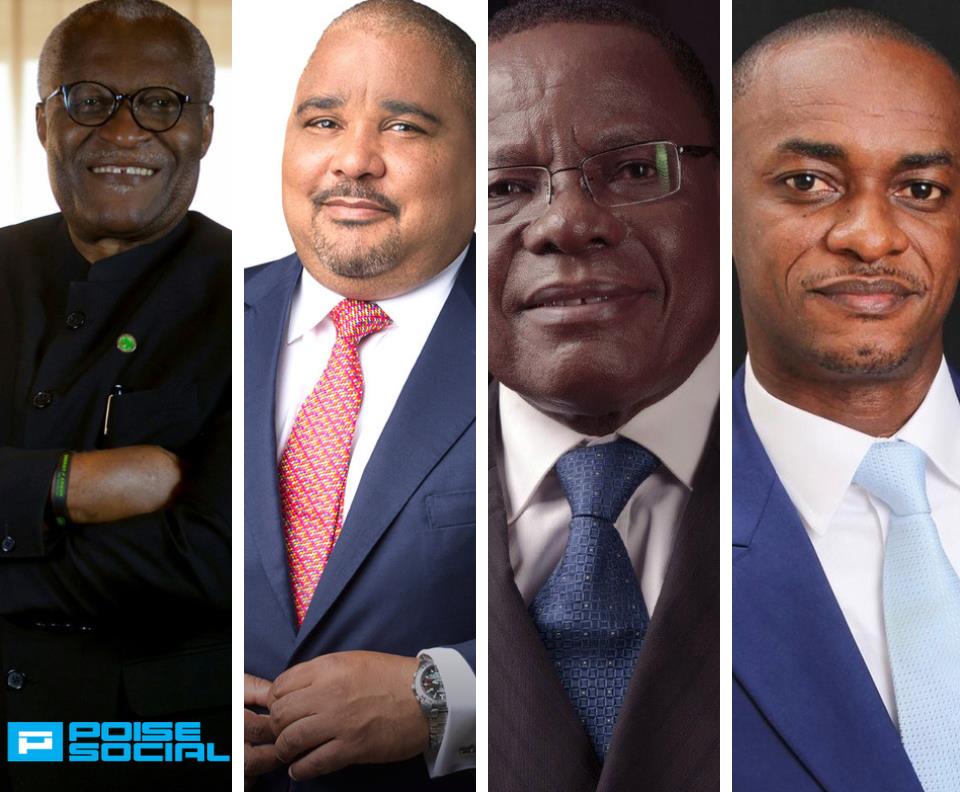
Three Days Before the Vote: Can the Opposition Unite, and Who Should Lead?
With Cameroon's October 7, 2018 presidential election days away, the writer examines whether opposition candidates might form a coalition to challenge the incumbent, and which candidate is best positioned to lead such an alliance. The analysis finds Akere Muna uniquely qualified—both by institutional expertise and by having already articulated and built coalition structures months before it became a rallying cry.
The Audacity of Stupidity: When Icons Endorse the Indefensible
A sharp critique of two celebrated Cameroonian footballers—Samuel Eto'o and Rigobert Song—for publicly endorsing the incumbent president in the lead-up to elections, examining the disconnect between their stated reasons (national unity, personal gratitude) and the institutional realities that shaped their own careers and departures.
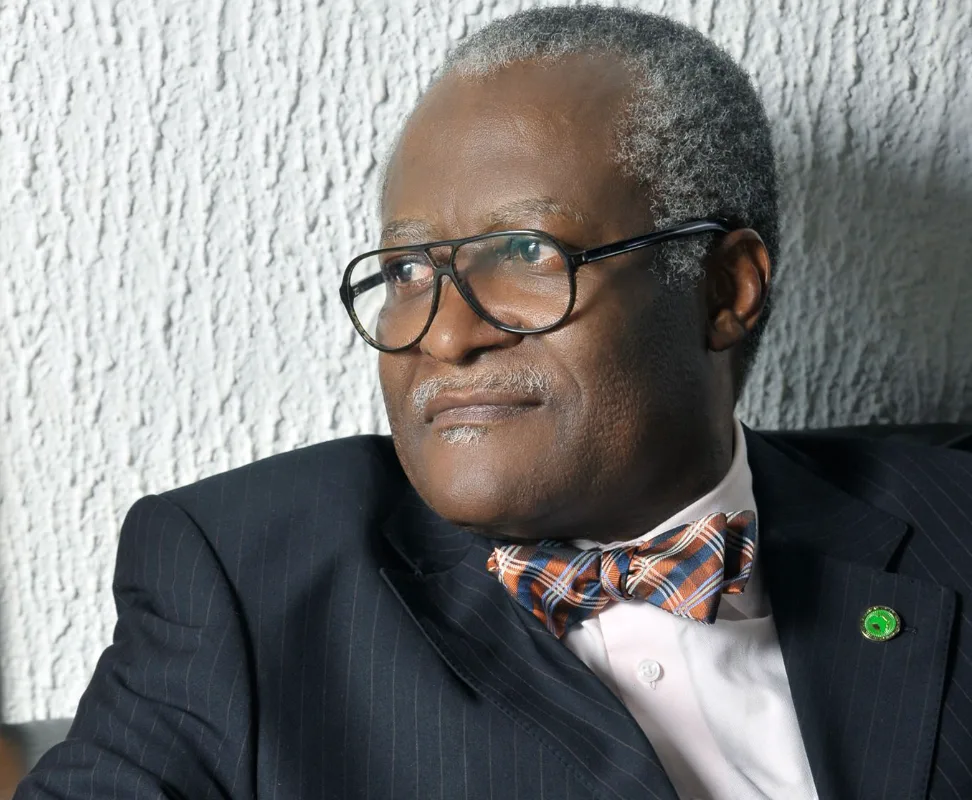
Reading Akere T Muna's New Republic Program: Institutions, Decentralization, and the Problem of Guarantees
The writer examines Akere T Muna's platform for presidential candidacy, focusing on his proposed institutional reforms—term limits, constitutional amendments, federalism via referendum, and decentralization of power from the presidency. The analysis also considers his economic plans around anti-corruption, resource management, and SME support, while flagging tensions between ambitious social guarantees and implementability.
The Architecture of Reform: Reading Akere Muna's Governance Vision
This analytical note examines the governance and economic platform articulated by one presidential candidate through available excerpts and documents, focusing on institutional reform, decentralization, anti-corruption mechanisms, and social development commitments. The writer finds the institutional proposals substantive but notes the social guarantees are ambitiously framed and the full program remains partially inaccessible.
A Summary of Cabral's Governance Programme
Poise presents a detailed, neutral summary of a 2018 Cameroonian presidential candidate's 40-page governance platform, covering proposed reforms to the state structure, public infrastructure, health, civil service, and agriculture. The writer deliberately offers outline rather than critical analysis, inviting readers to form their own assessments of the programme's vision and feasibility.
The Musicians' Betrayal: On Conscience, Complicity, and the Cost of Silence
The writer condemns Cameroonian urban musicians—particularly those under 35—for performing at a presidential concert designed to bolster an incumbent leader's electoral standing. The piece argues that their participation represents a failure of moral responsibility and a capitulation to a system that has systematically impoverished the arts sector.
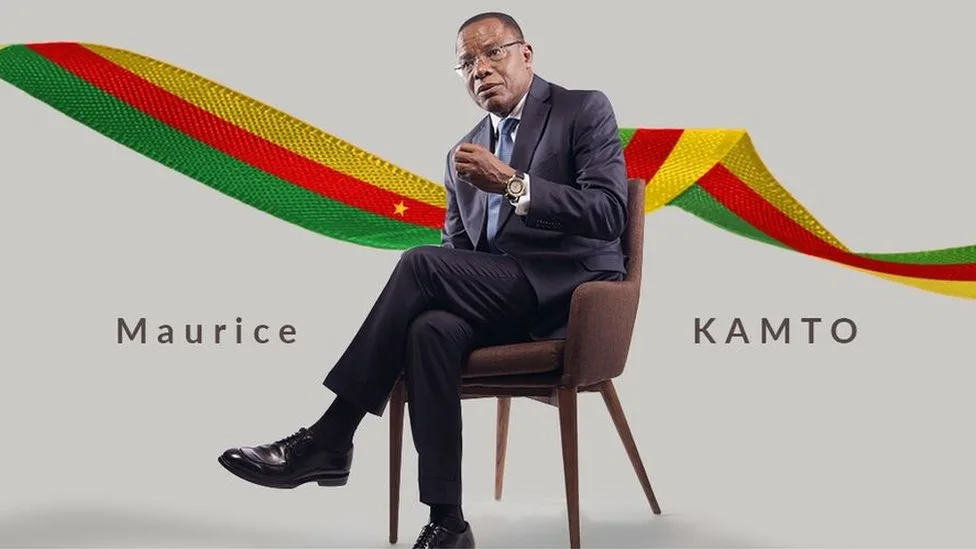
Reading Kamto's 2018 Electoral Program: Substance, Ambition, and Rhetoric
On the eve of Cameroon's October 2018 elections, Poise examines Maurice Kamto's 88-page policy platform across five domains—institutional reform, youth and education, economy, social welfare, and foreign relations—separating concrete proposals from campaign rhetoric and identifying both promise and peril in his vision.
Maurice Kamto's 2018 Governance Program: A Critical Reading
Poise examines the 88-page governance platform Maurice Kamto presented ahead of Cameroon's October 2018 presidential election, breaking down five strategic projects and assessing what appears concrete, ambitious, or rhetorical. The review interrogates promises on institutional independence, the anglophone crisis, language policy, youth education, and digital governance.
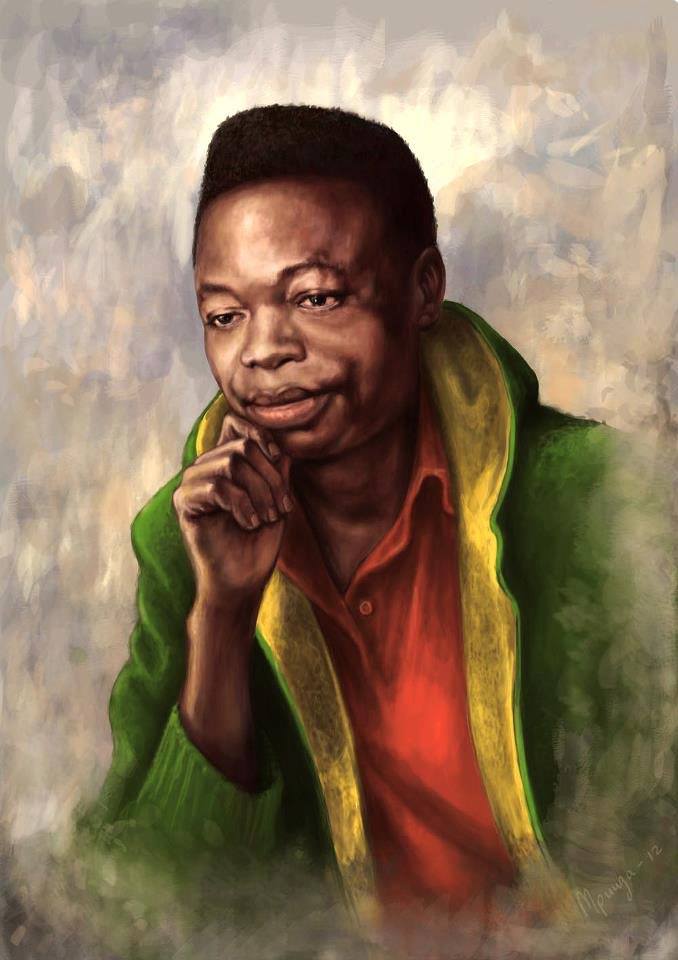
Ruben Um Nyobe: Sixty Years After
On the anniversary of Ruben Um Nyobe's assassination by French forces in 1958, Poise reflects on the life and legacy of the UPC founder—a charismatic trade unionist whose birth name meant 'speaker of the nation' and whose death by violence marked a turning point in Cameroon's colonial struggle.

How to Survive Seven Years of Transition
The writer argues that Cameroon faces a seven-year period of crisis before entering a transformative third republic, and proposes five practical steps for individual preparation: learning French, acquiring practical skills online, self-directed education, personal accountability, and voting with one's money.
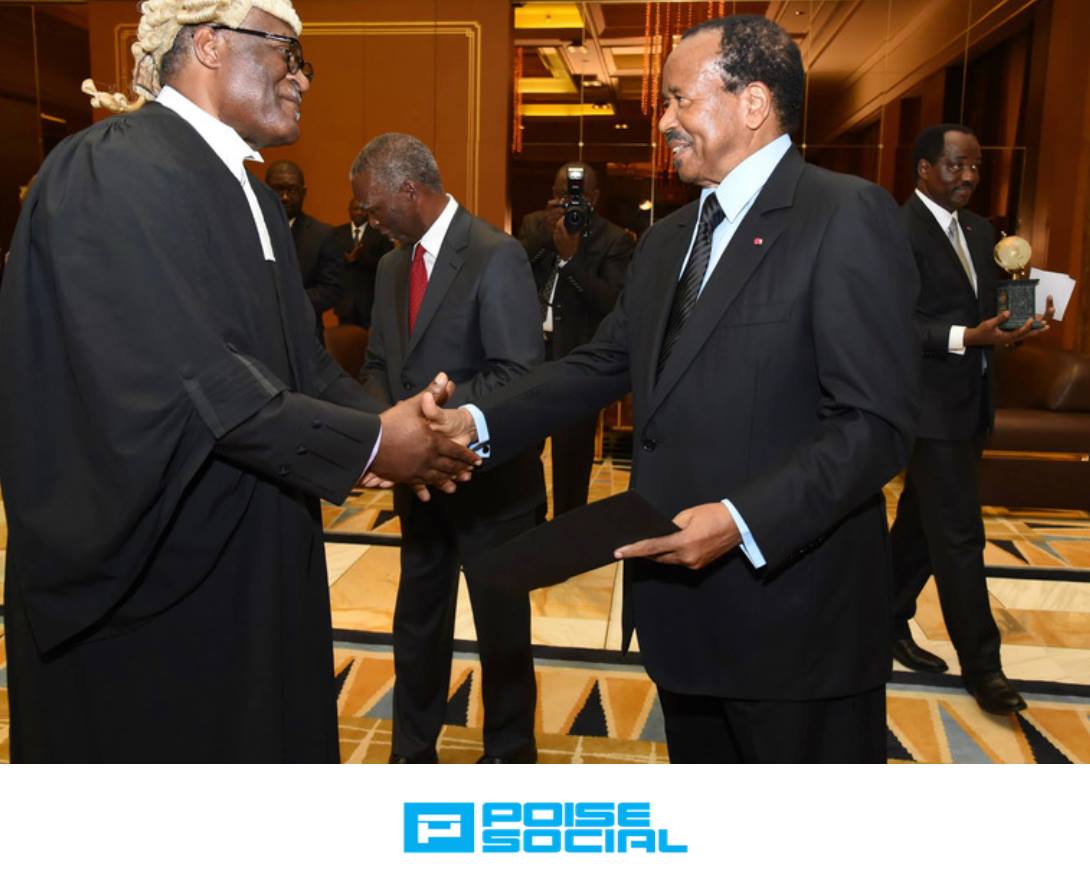
Seven Years of Doom: Youth, Leadership, and the October 2018 Election
Written on the eve of Cameroon's October 2018 presidential election, this piece indicts the gerontocratic stranglehold on power, arguing that aging leaders are structurally unfit to govern a youth-majority nation. The writer surveys the available candidates with scorn, finds none worthy, and predicts the outcome—another term of incumbent rule—with resigned bitterness.
The Small Tyrant Within: Power, Pettiness, and Cameroon's Neo-Feudal Culture
A Cameroonian reflects on two encounters with petty officials—a petrol station attendant and a university secretary—to argue that the nation's dysfunction runs deeper than leadership, rooted in how ordinary citizens weaponize small doses of authority. The piece names a cultural pattern: those granted the slightest power often become arbitrary, mood-driven overlords.
Service as Subordination: On Leadership and the Deference We Grant Power
The writer observes how Cameroonians grant exemptions and deference to uniformed officials—particularly police—in everyday spaces like utility offices, and argues this reflects a fundamental misunderstanding of what service and leadership mean. Drawing on Desmond Tutu's definition of leadership as sacrifice and suffering for others, the piece critiques a culture where those in authority are treated as above rather than as servants of the public good.
Should Our Celebrities Speak Up or Remain Silent?
A sharp critique of Cameroonian celebrity silence on national crises, particularly the Anglophone conflict. The writer argues that most celebrities lack the substance, courage, and genuine commitment to speak meaningfully—and that shallow, self-serving commentary may be worse than silence.
The Generational Impasse: When Young Populations Meet Long-Tenure Leaders
This piece examines the disconnect between Africa's youth-majority demographics and the continent's aging political leadership. Using Cameroon as a case study, it documents how citizens born under single-leader regimes experience political alienation and see little incentive to engage in public service.
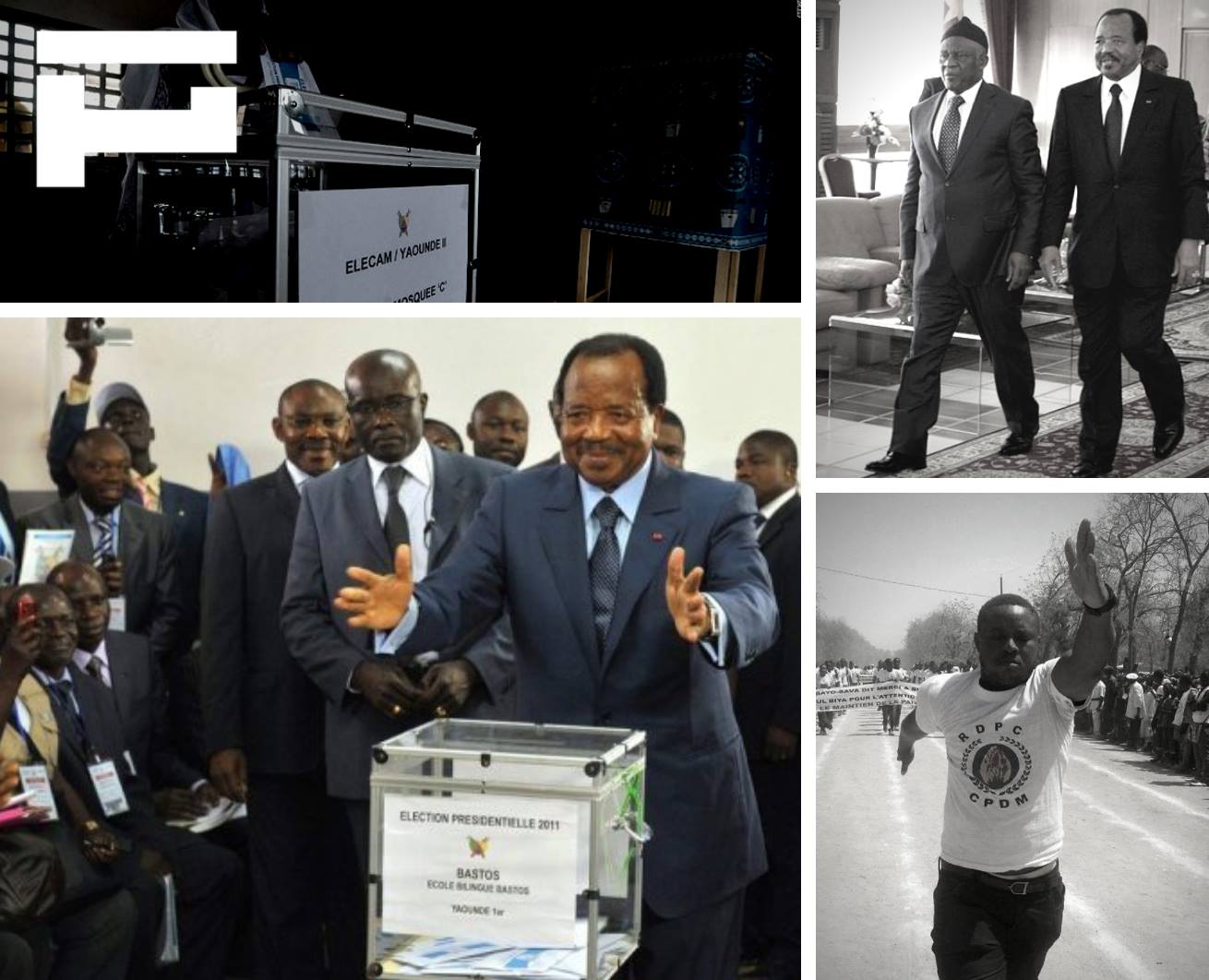
Elections in Cameroon: The Question of Meaningful Participation
As Cameroon approached its 2018 presidential elections, the writer examines whether calls for voter registration and participation signal genuine democratic hope or merely performative civic duty. Through a critical history of electoral governance, the piece questions whether votes in Cameroon meaningfully reflect the will of the electorate.
ENAM and the Illusion of Change
The writer examines how Cameroon's elite civil service institution, ENAM, perpetuates a cycle of careerism and self-interest rather than public service. Through a personal debate with a friend who entered ENAM, the piece argues that the institution embodies a deeper cultural problem: the pursuit of stability and status over genuine nation-building.
ENAM and the Machinery of Complicity
A writer examines how Cameroon's elite civil service school perpetuates a self-serving administrative culture that prioritizes personal security and enrichment over public service. The piece traces how even newly appointed officials adopt the same mindset as their predecessors, ensuring the status quo survives generational turnover.
Champagne Woes: On Leadership and the Weight of Small Things
A critical reflection on Akere Muna's announcement of a unified opposition coalition ahead of Cameroon's 2018 presidential election, prompted by the writer's discomfort with celebratory champagne at the signing ceremony. The piece uses this moment to question whether the political class grasps the gravity of the moment and the work ahead.
The 'O' in .cm: A Sign of Carelessness
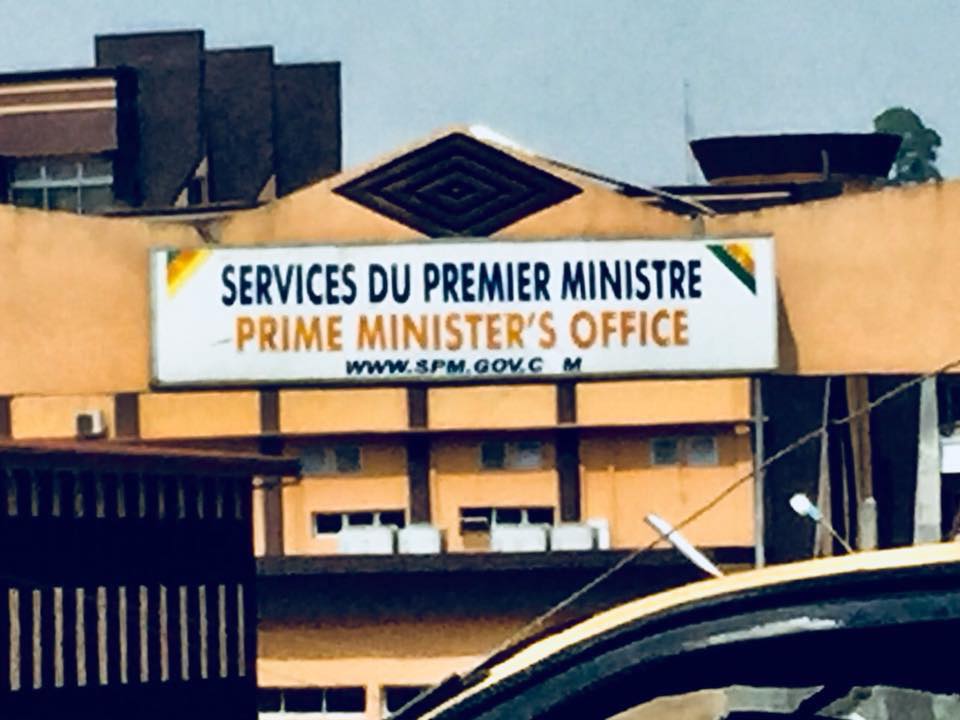
A photograph of a misspelled URL on the Prime Minister's office signage—where .gov.com was hastily corrected to .gov.cm with white paint rather than properly repaired—becomes an emblem of institutional indifference. The writer reads in this small negligence a larger truth about the quality of governance and work culture in Cameroon.
The 'O' in '.cm': A Parable of Institutional Negligence
The writer observes a crude correction on the Prime Minister's office signage—an erased 'o' in a misspelled URL—and reads it as a symptom of systemic carelessness in governance. The piece uses this small detail to interrogate a broader culture of indifference to quality and accountability within the Cameroonian state apparatus.
The 2018 Election and Akere Muna's Vision: A First Look at Governance
Writing during the 2018 Cameroonian presidential campaign, the author—unusually engaged in domestic politics for the first time—examines opposition candidate Akere Muna's platform as presented on Canal2, focusing on his proposals for anti-corruption, healthcare, diaspora engagement, and constitutional reform.
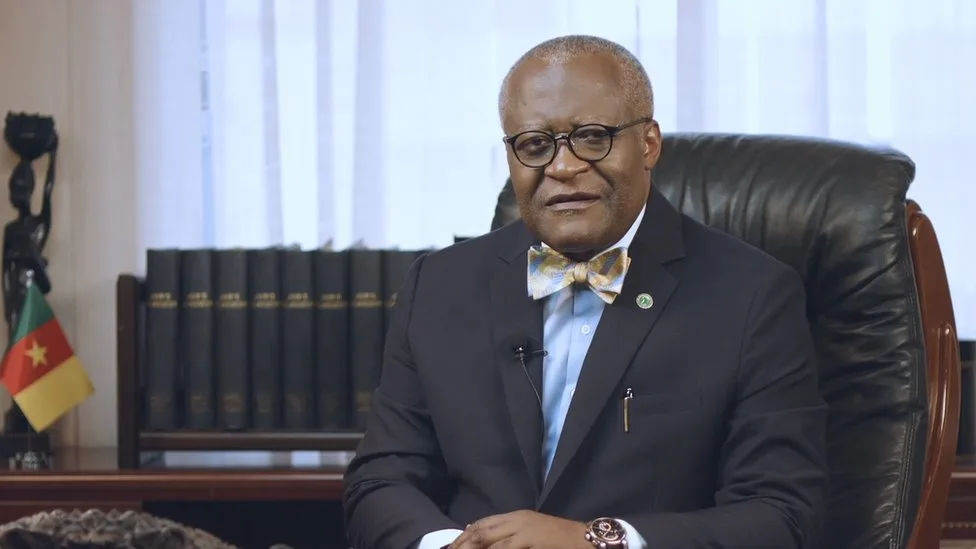
The Imperative Moment: Youth and the 2018 Cameroon Presidential Election
Writing on the eve of Cameroon's 2018 presidential election, Poise reflects on a newfound urgency to engage with politics and calls on the youth—who have known only one president—to participate thoughtfully in electoral discourse. The piece announces a commitment to scrutinize candidates not on tactical promises but on their underlying vision for the nation's future.
The Laptop Project: Specifications, Cost, and the Problem of Tied Aid
A technical and financial examination of the government's laptop distribution initiative, assessing the devices themselves against their stated purpose and exposing the structural costs of the tied-loan arrangement that funded them.
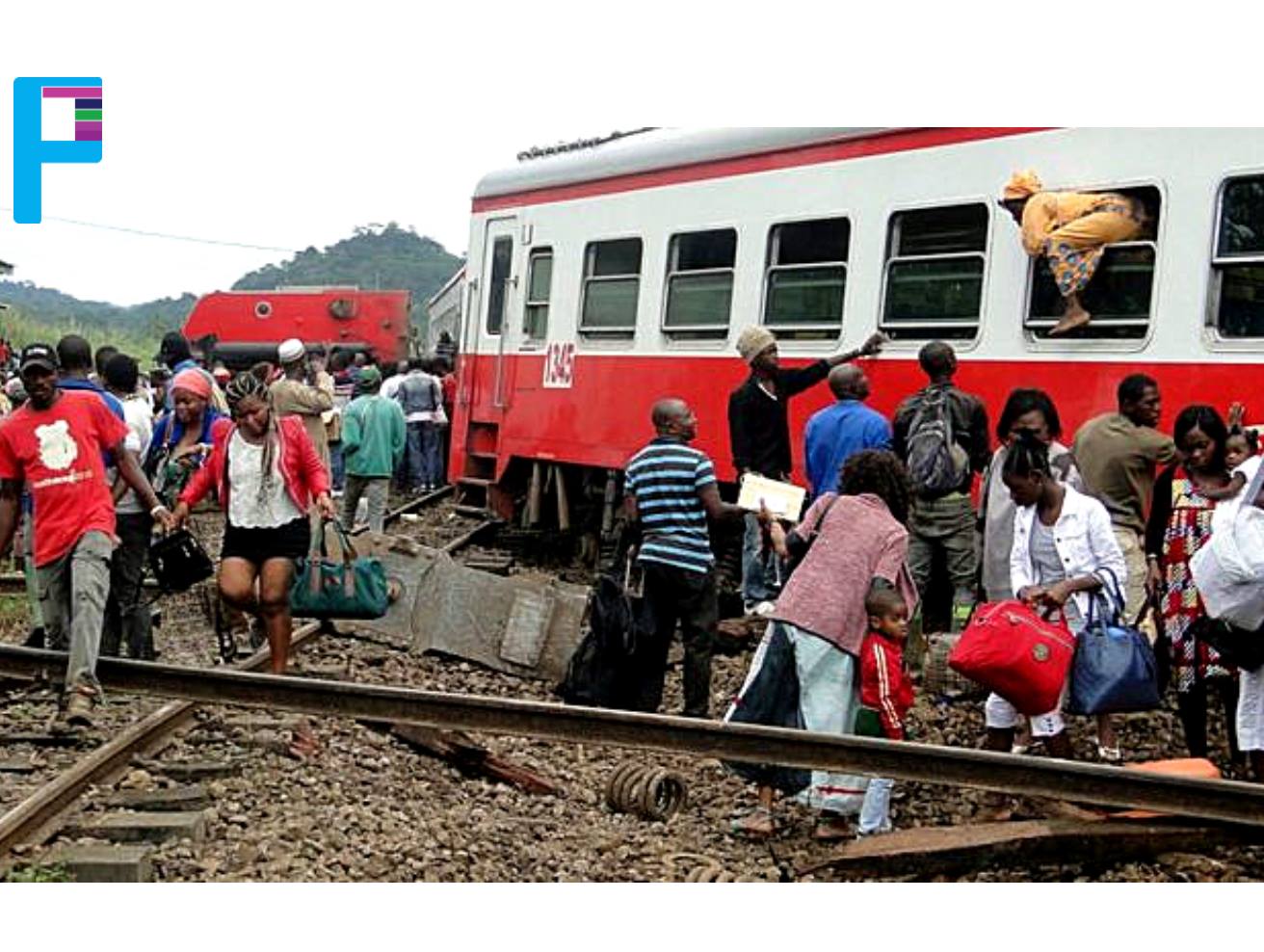
Cameroon's Obstacle Course: Infrastructure, Complacency, and the Cost of Accepting Mediocrity
The writer observes that Cameroon's built environment—chaotic, poorly planned, dangerous—reflects and reinforces a cultural conditioning toward obstacle-thinking rather than solution-finding. New infrastructure is celebrated as transformative despite being poorly executed, while basic safety measures are abandoned or ignored, normalizing preventable harm.
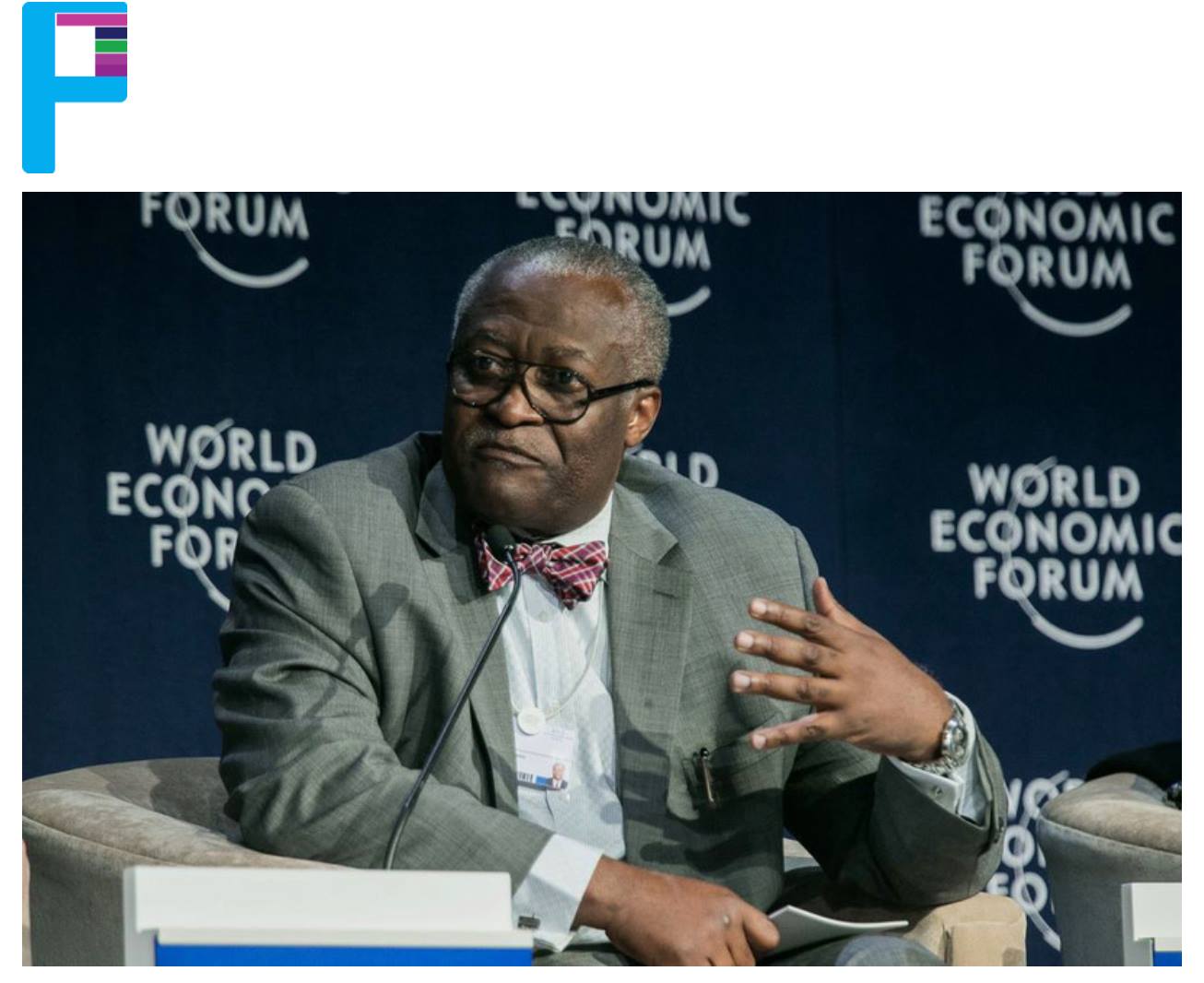
A Call for the New Republic: Barrister Akere Muna's Presidential Candidacy Announcement
In October 2017, amid the escalating Anglophone crisis, a civil society leader announces his candidacy for the Cameroonian presidency, framing the election as an opportunity to rebuild institutions around governance, rule of law, and the voices of youth and women.

Rethinking Capitalism: The Case for Social Markets in Cameroon
The writer questions whether unfettered capitalism, as commonly sold to African societies, truly serves the broad population, and proposes instead a model of social capitalism where government ensures equal access to basic goods and services—from infrastructure to education.
The Excuse of 'C'est le Cameroun': On Hopelessness and Complicity
The writer challenges the defeatist refrain 'c'est le Cameroun' (that's just how Cameroon is) as a mask for inaction rather than an honest reckoning with circumstance. Drawing on historical examples of ordinary people reshaping reality, the piece argues that Cameroonians have chosen learned helplessness as cover for the very practices that perpetuate dysfunction.
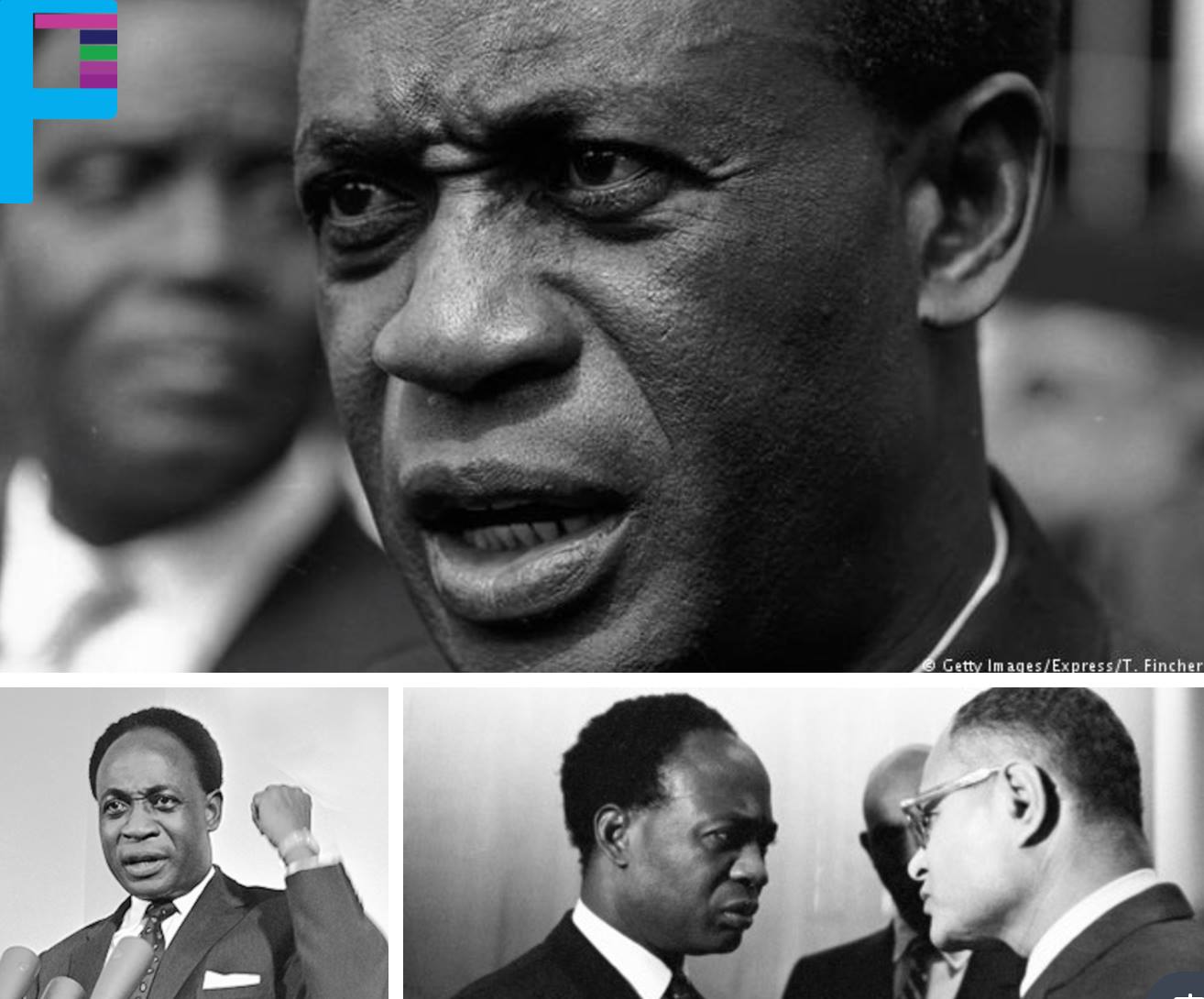
Nkrumah at Addis Ababa: The Political Kingdom and Continental Union
In this 1963 speech from the historic founding of the Organization of African Unity, Ghana's Kwame Nkrumah argues that African political union is not a distant ideal but an urgent necessity—the only framework within which genuine economic independence and social development can occur. He rejects gradualism and neo-colonialism as traps, insisting that a united Africa must seize control of its vast resources and wealth rather than remain a supplier of raw materials to the West.

The Mentality That Keeps Africa Behind: On Peter Okoye, Policy, and Personal Interest
When a Nigerian entertainer publicly condemned his government's proposed policy to localize entertainment production—a policy that had once benefited him—the writer saw not principled opposition but a symptom of deeper African dysfunction: the willingness to support collective good only when it serves personal gain.