
Business
Capital Can't Buy Vision: Why Investors Must Back, Not Replace, Entrepreneurs
The writer argues that investors in the music industry frequently mistake financial contribution for operational competence, wrongly displacing proven founders in favor of personal connections. Capital fuels growth, but only the entrepreneur—through years of navigating talent, contracts, and culture—can build a sustainable operation.
The Cameroon Brand Pantheon: A 2023 Snapshot and Call for Update
Poise's curated ranking of Cameroon's twenty most culturally resonant brands—from Total and MTN to Hysacam and Afriland—captures how brands function as social mirrors, embodying national character, aspiration, frustration, and resilience. The piece invites readers to nominate contenders for a 2025 refresh, treating brand ecology as a living archive of collective values.
A Job Search Strategy for the Average Cameroonian
The post argues that in Cameroon, where most vacancies remain unposted and hiring flows through networks, effective job seeking demands strategic research rather than mass applications. By studying company structures on LinkedIn, identifying weak ties, and targeting growing firms over established giants, a job seeker can shift from blind hope to deliberate positioning.
The Influencer Tax: Why Most Businesses Should Build Their Own
The writer argues that influencer marketing functions as a largely unavoidable cost for businesses entering new markets or channels, but for small enterprises in Cameroon selling low-margin goods, the return rarely justifies the expense. Rather than paying established influencers, most small businesses should either create their own content or use influencers as distribution partners on native terms.
The Machinery Behind Celebrity Betting Spectacle
When Francis Ngannou appears to stake millions on a Cameroon match, the post reveals this is not personal gambling but contractual brand marketing. Celebrity betting promotions operate through promotional credit allocations embedded in endorsement deals, creating the illusion of personal financial risk where none exists.
Have Our Billionaires Betrayed Us? Seven Years Later
Reflecting on a 2018 question about billionaire silence in Cameroon, Poise examines whether wealthy elites have a duty to share the knowledge behind their fortunes. The piece contrasts the opacity of Cameroonian business magnates with figures like Aliko Dangote, who use their power publicly, and argues that what matters is not wealth itself but the visibility and teachability of how it was built.
Why Diaspora Capital Succeeds Quietly or Fails Loudly
The writer examines why Cameroonian diaspora investment initiatives—once buoyed by optimism about African entrepreneurship and technological opportunity—have largely stalled or pivoted into safer ventures. Through a debate between two perspectives on root causes, the piece argues that success depends less on individual virtue or cultural fit than on understanding the structural match between business model and local terrain.
The Jesus Girl Case: A Lesson in Due Diligence for Influencers and Investors
A TikToker known as Jesus Girl faced police custody over allegations of promoting a fraudulent financial services company that defrauded someone of 10 million XAF. The incident prompts a practical reminder about the importance of basic verification steps before endorsing or investing in any financial offer.

The Price of Invisible Work: On Valuing Creative Services in Cameroon
A reflection on the persistent difficulty of pricing creative and content work in Cameroon, where efficiency is often punished and the boundary between time spent and value delivered remains fundamentally misunderstood. The writer argues that creative pricing should rest on the client's actual benefit and the creator's opportunity cost—not on hours logged or speed of delivery.

From Amateur to Professional: Building Systems for Growth
The writer argues that the transition from amateur to professional habits is essential for small business growth in Cameroon, yet remains hindered by cultural pressures and short-term thinking. They outline four practical disciplines—documentation, business rules, standard procedures, and boundary-setting with friends—as concrete steps toward professionalism and scalability.
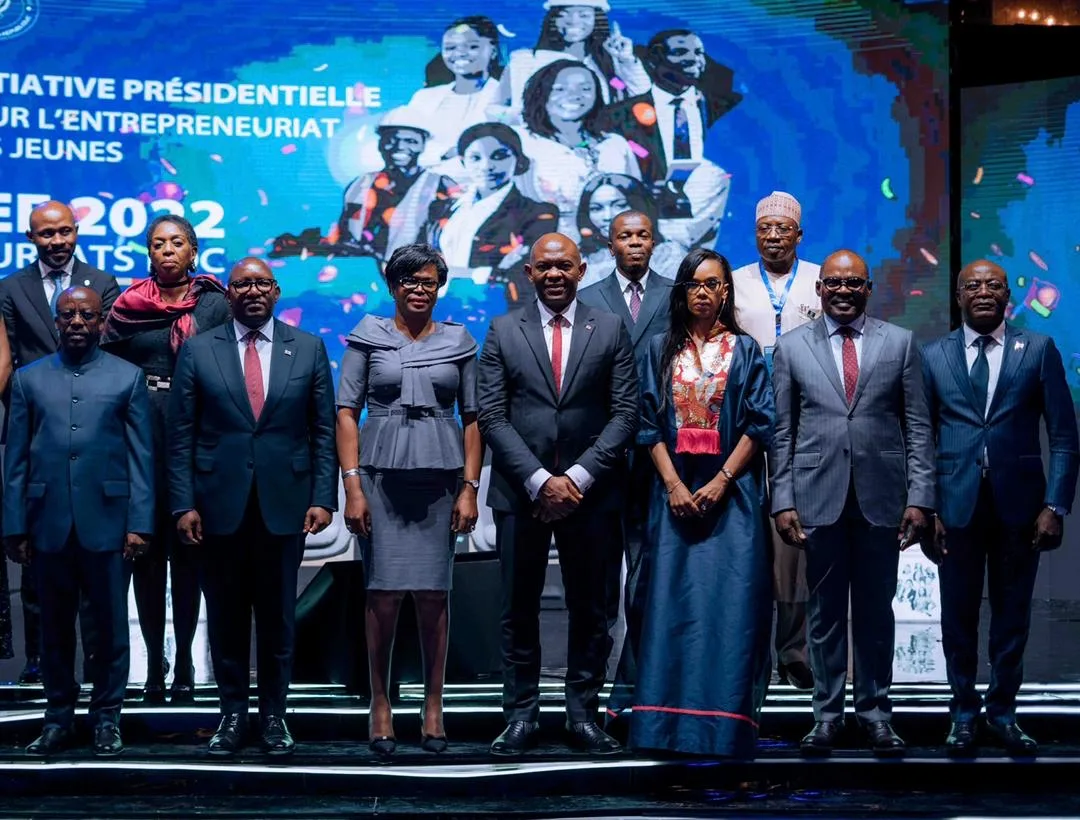
Rolling Applications and the Real Barriers to Women's Entrepreneurship
Poise examines the extended deadline for the Tony Elumelu Foundation's female entrepreneurship program as a symptom of deeper structural friction, not simply women's hesitation. The writer proposes a rolling application model as a more adaptive alternative to fixed cycles.

Greatness Against Hype: Apprenticeship and Depth in African Enterprise
The writer reflects on the gap between online self-presentation and actual competence in African business, arguing that true mastery requires patient, sustained apprenticeship rather than rapid reinvention or pursuit of visibility. Drawing on personal experience across tech and finance, he contends that depth of knowledge—earned through close study of exemplary practitioners—remains undervalued in an age of manufactured credentials and hype.

The Structure and Logic of Record Labels in Cameroon
The writer examines the distinction between major and independent record labels, explaining how multinational majors like UMG, Sony, and Warner differ fundamentally from the independent labels that dominate Cameroon's music industry. Through this framework, the piece diagnoses endemic tensions between Cameroonian labels and artists—poor contract literacy, inadequate planning, and opaque financial management.

When Good Intentions Backfire: MTN's Data Campaign and the Cost of Hastily Executed Policy
The writer examines MTN Cameroon's customer compensation campaign—offering free data and credit to address network service failures—and shows how the initiative fell short despite good intentions. The failure stemmed not from the gesture itself but from inadequate planning: all customers received gifts simultaneously, creating network congestion; unequal distribution (data versus credit) created perceptions of unfairness; and no staggered approach or clear communication existed to manage expectations.

The Geography of Ambition: Why Artists Should Build at Home
The writer examines how the calculus of artistic migration has inverted in Cameroon over the past generation. Where legendary musicians once traveled abroad to access superior infrastructure and networks, contemporary artists who leave typically abandon creative ambitions altogether—and those who return struggle to rebuild momentum or credibility.

The Artist as Creative Agency: Diversification and Survival in Cameroon's Music Economy
The writer argues that musicians in Cameroon face systemic economic precarity that demands a fundamental shift in how they approach their careers. Rather than relying solely on performance, artists must develop multiple income streams—production, songwriting, event management, or entirely separate ventures—to achieve financial stability and longevity.

The Entrepreneurial Arc: From Idealism to Pragmatism in Cameroon's Tech Ecosystem
A Cameroon-based writer reflects on a decade of entrepreneurial ambition and experimentation—from 2014's optimistic startup culture through successive waves of technology, agriculture, beauty, and fintech ventures—tracing how a genuine passion for building meaningful products gradually gave way to chasing prizes, PR, and survival.

The Twenty Brands That Shape Cameroon: A Social Reading
This essay catalogues twenty major Cameroonian brands—from Total and MTN to Guinness, Hysacam, and Afriland—as mirrors of national character, economic anxiety, and resilience. Each brand carries not just commercial weight but cultural meaning: the way Cameroonians relate to authority, aspiration, everyday hardship, and quiet entrepreneurial pride.

Before You Pay for Digital Marketing Workshops
The writer argues that digital marketing certificates from short-term workshops offer false credentiality and rarely translate to employment or business results. True competence in the field requires sustained practice, demonstrated work, and reputation-building—not credentials—and workshops serve best as orientation, not qualifications.
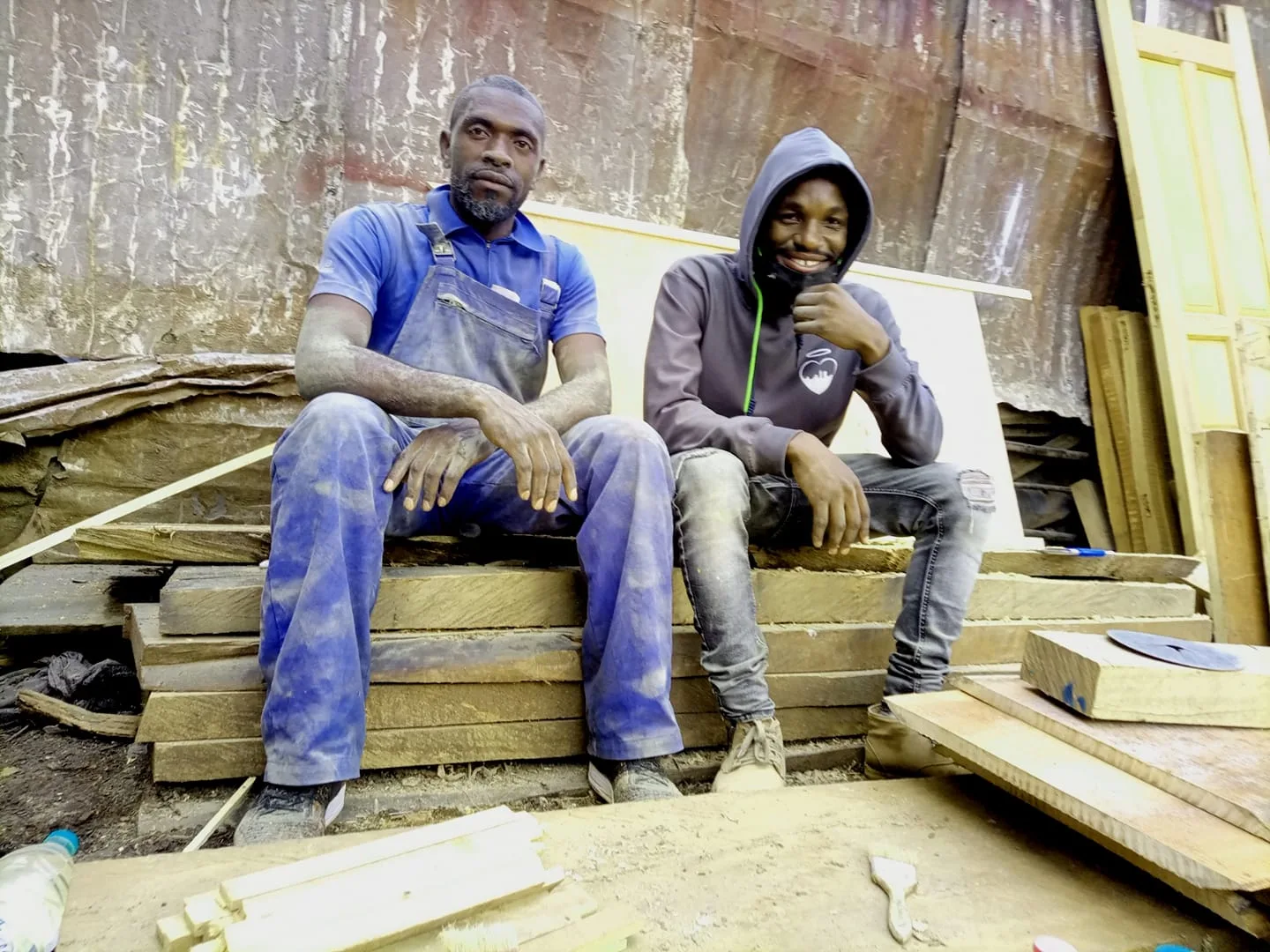
Five Starter Business Ideas for the Digital Age in Cameroon
This piece outlines five low-barrier, phone-first business models—furniture, fashion, books, electronics, and accessories—each requiring minimal capital and leveraging social media for reach. The writer emphasizes the importance of quality, presentation, and digital marketing skills as differentiators.

The Myth of the African Startup
A critical examination of the startup narrative exported to Africa from Silicon Valley, arguing that celebrated founders were rarely poor or desperate—they had the safety net to fail. The post contends that this mythology has misdirected African ambition toward speculative ventures rather than sustainable wealth-building.
Building a Career in the Age of Entrepreneurship
The writer examines the distinction between having a job and building a career in Cameroon's thriving informal entrepreneurship sector. Drawing on personal experience, they argue that successful long-term work requires clarity of vision rooted in skill (not just passion) and the polymath mindset that entrepreneurship naturally cultivates—the ability to master multiple disciplines and discover where one's true strengths lie.

From Job to Career: Building Entrepreneurship Beyond Survival
The writer reflects on entrepreneurship in contemporary Cameroon, distinguishing between those who stumble into business out of necessity and those who build toward genuine careers. Drawing on personal experience, the piece identifies vision aligned with skill-set and polymath thinking as essential pathways for entrepreneurs to transcend the precarity of self-employment.
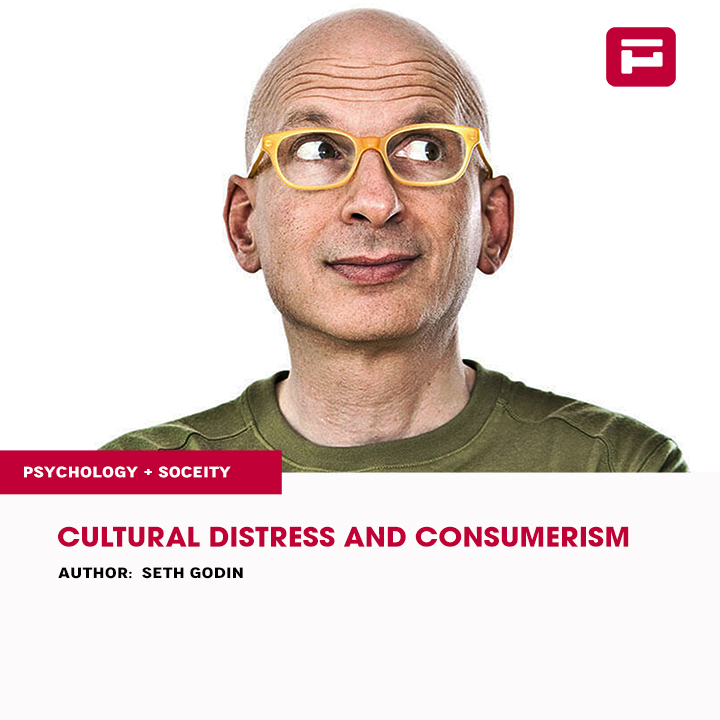
Cultural Distress and the Machinery of Consumerism
The writer distinguishes between genuine hardship and manufactured cultural distress—the invented shame and anxiety that marketing and politics deliberately cultivate to drive consumption. This distress, rooted in social comparison and fear of inadequacy, is deliberately amplified because selling easy avoidance of it is profitable, yet the cycle never resolves.

The Arithmetic of Trust: On Auntie Felicia and the Economics of Influence
A marketer examines the rapid ascent of a major Cameroonian comedy influencer and the pitfall of accepting too many brand deals at once. The piece argues that oversaturation threatens the trust relationship that makes influencers valuable in the first place, and proposes a more deliberate content strategy.
The Service Chain: How Living Standards Shape Excellence in African Markets
The writer argues that poor service quality across African B2C sectors reflects the poor living conditions of service workers and support staff. Breaking this cycle requires deliberately investing in the material welfare of those at the bottom of the chain—housing, transport, utilities—as a prerequisite for excellence.
Ten YouTube Channels That Rival Formal Business Education
A curated list of ten YouTube creators and channels offering substantive instruction in entrepreneurship, business strategy, and scaling—framed as an alternative or supplement to traditional graduate business programs. The post argues that free, accessible video content from practitioners and institutions delivers comparable or superior learning to expensive formal credentials.
Pressure: Is Jovi the Last of a Dying Breed?
The writer traces the evolution of Cameroonian hip-hop from the early 2000s through the early 2010s, examining how a generation shaped by Western rap and R&B channels created space for homegrown artists. The piece asks whether Jovi—an emergent figure—represents the culmination of that lineage or its endpoint as the industry fragmented under technological and economic pressure.
Brand Ambassador Deals in Cameroon: The Adidas Paradigm and Modern Influence
This piece traces the origins of brand ambassador strategy through Run-DMC's iconic partnership with Adidas in the 1980s, then applies that historical model to understanding contemporary endorsement deals in Cameroon. The writer argues that authentic lifestyle alignment—not just paid promotion—creates market movement and cultural legitimacy.
Monetizing a Fanbase: Album Sales, Proof, and the Cameroon Music Industry
The writer questions inflated sales claims around a major local album release and uses it as a springboard to examine what transparency in music earnings might teach emerging artists. The piece argues that unverified figures obscure the real economics of music in Cameroon and that artist credibility rests on talent, self-directed marketing, and authentic fan engagement rather than assembled teams.

The Camera at Secondary School: Money, Aspiration, and the Entrepreneurial Awakening
A writer recalls purchasing a camera on credit during secondary school and building a photography business to bridge the gap between his limited pocket allowance and the material aspirations of his peers. The venture became his first lesson in accounting, customer service, and the economics of scarcity—and eventually contributed to his expulsion from the institution.

On the Function of Record Labels in Cameroon
The writer examines the distinction between major and independent record labels, explaining their different structures, resources, and relationships with artists. Drawing on examples from the Cameroonian music industry, the piece argues that most local labels are independent, yet operate under misunderstandings about contracts, artist development, and financial accountability.

When Brands Become Words: Genericization and Market Power in Cameroon
The writer examines genericization—the process by which brand names become generic terms for product categories—through the lens of Cameroon's bottled water market, particularly the rise of Supermont at the expense of the once-dominant Tangui. The piece argues that while brand genericization can signal market strength, it also carries legal and competitive risks that savvy companies must carefully manage.
The Case for Creative Hubs in Cameroon
The writer examines the Hype House model—a physical creative collective in Los Angeles where young content creators live and collaborate—and argues that Cameroon's creative industries would benefit from similar intentional spaces for cross-disciplinary collaboration beyond music.
Twenty-Two Uncomfortable Truths About Life and Business (Part 2)
A collection of aphoristic observations on business, relationships, and personal development, emphasizing emotional logic over rational calculation, the primacy of service and value creation, and the discipline required to sustain success. The writer argues that competence, vulnerability, curiosity, and strategic silence matter more than intelligence, credentials, or clever positioning.
The Cost of Winning: A Lesson in Business Ethics
The writer recalls a team-building exercise at a BMW Foundation conference where her team strategically broke rules to win faster, only to discover afterward that the exercise was a deliberate test of ethical behavior. An executive's explanation revealed that true ethics means following rules regardless of whether one can afford the consequences—a distinction that reshaped her understanding of integrity in business and life.
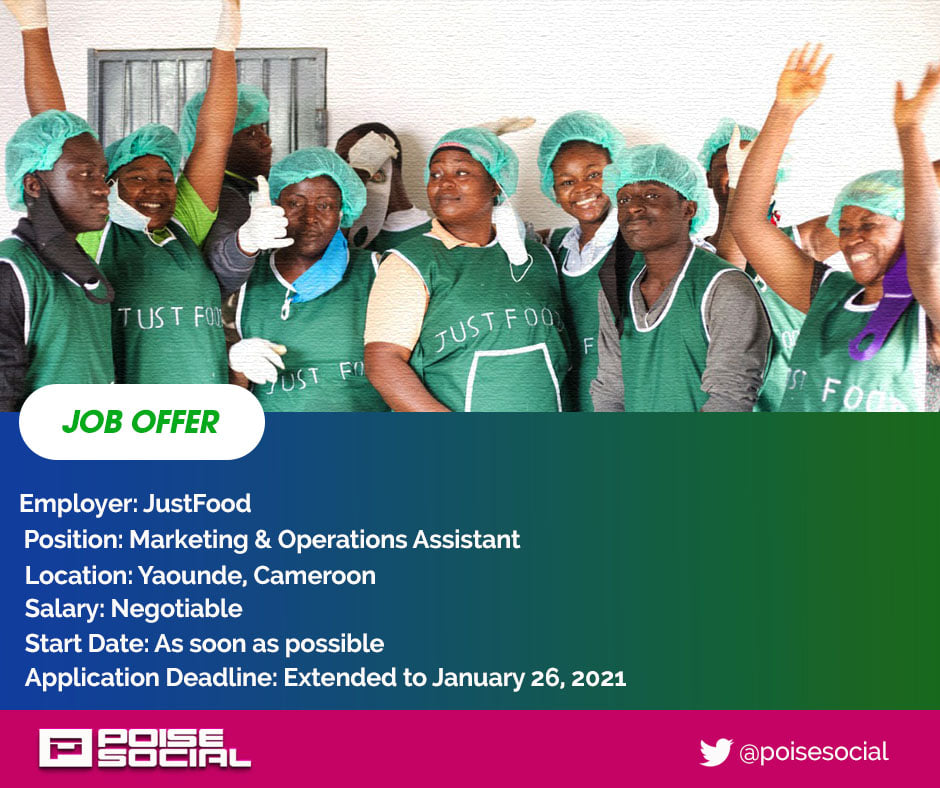
Job Opening: Marketing & Operations Assistant at Just Food, Yaounde
Poise shared a job advertisement for a Marketing & Operations Assistant role at Just Food, a Yaounde-based food processing company specializing in convenient, healthy ready-to-cook traditional African meals. The position, open in January 2021, required a candidate with marketing or business credentials, bilingual proficiency in English and French, and a broad range of operational, customer-facing, and administrative responsibilities.
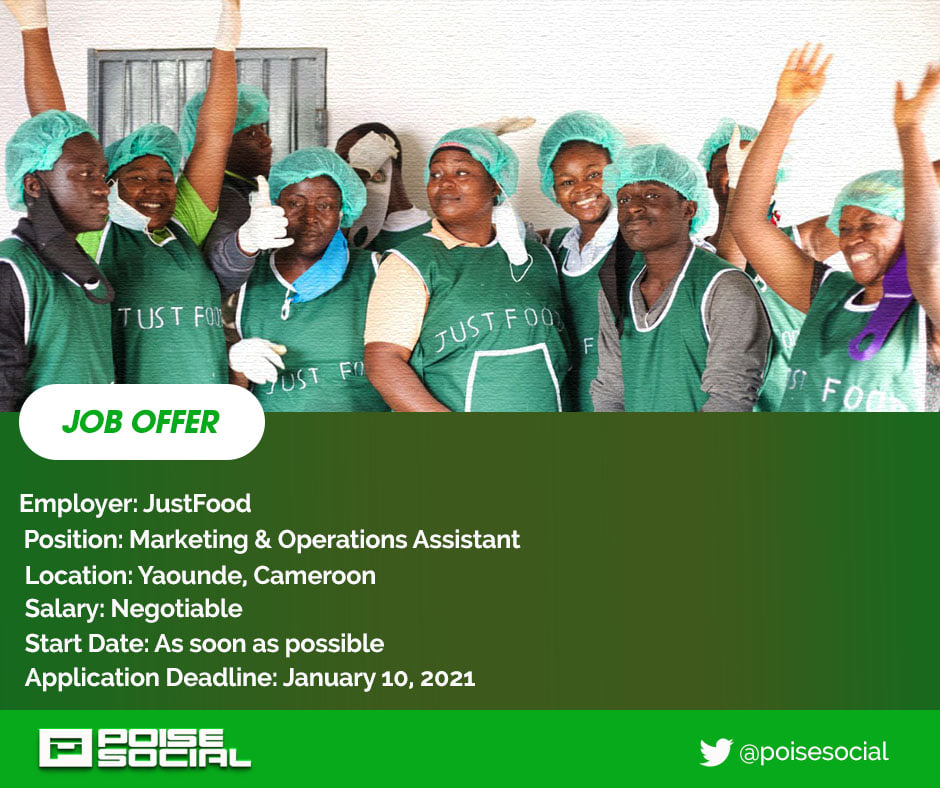
Job Posting: Marketing & Operations Assistant at Just Food
Poise shared a recruitment notice for a Marketing & Operations Assistant role at Just Food, a Yaounde-based food processing company transforming traditional African dishes into convenient, health-focused ready-to-cook products. The position, posted in January 2021, required marketing and business credentials, bilingual fluency, and a broad range of operational responsibilities spanning customer engagement, logistics, and administrative work.
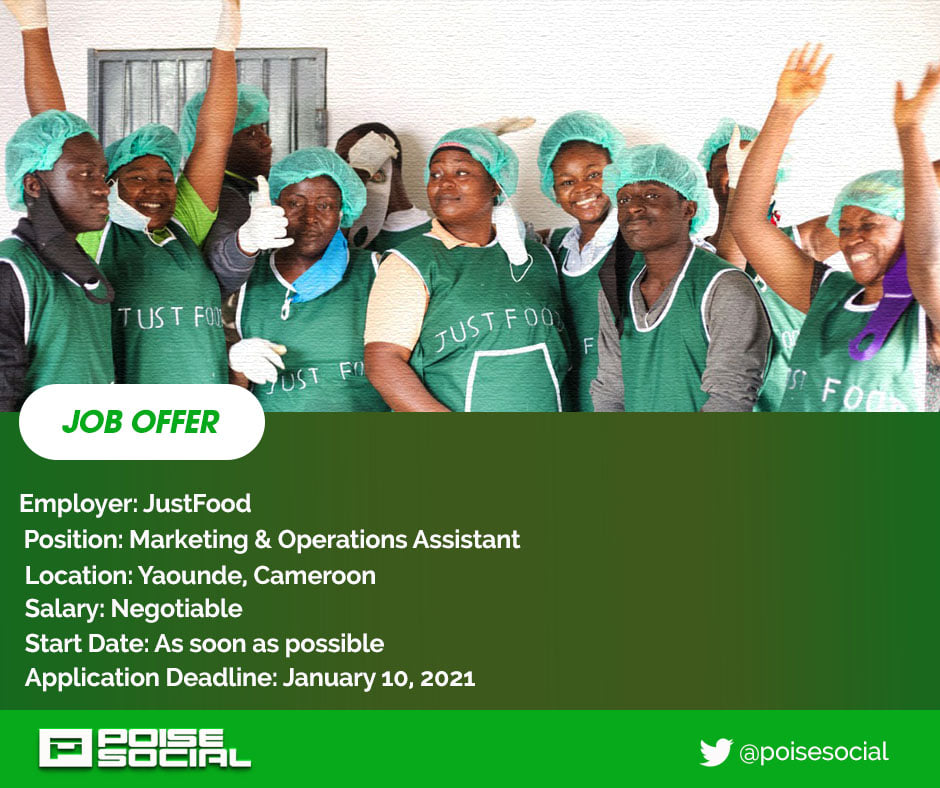
Marketing & Operations Assistant at Just Food: A Portrait of Cameroon's Food-Tech Moment
Poise shared a job posting from Just Food, a Yaounde-based food processing company seeking a marketing and operations assistant. The role encompassed customer engagement, logistics, production oversight, and administrative work across both local and international markets—a snapshot of how small Cameroonian food enterprises were beginning to professionalize and scale in the early 2020s.

Knowledge As Currency: Building Authority Through Answering Questions
The writer argues that professionals across Cameroon—lawyers, accountants, designers, mechanics, and vendors—can build lasting brand authority and generate income by producing content that answers their customers' real, everyday questions rather than simply promoting products or services. This shift from direct sales to indirect monetization through expertise creates trust, positions them as authorities, and opens multiple revenue streams.
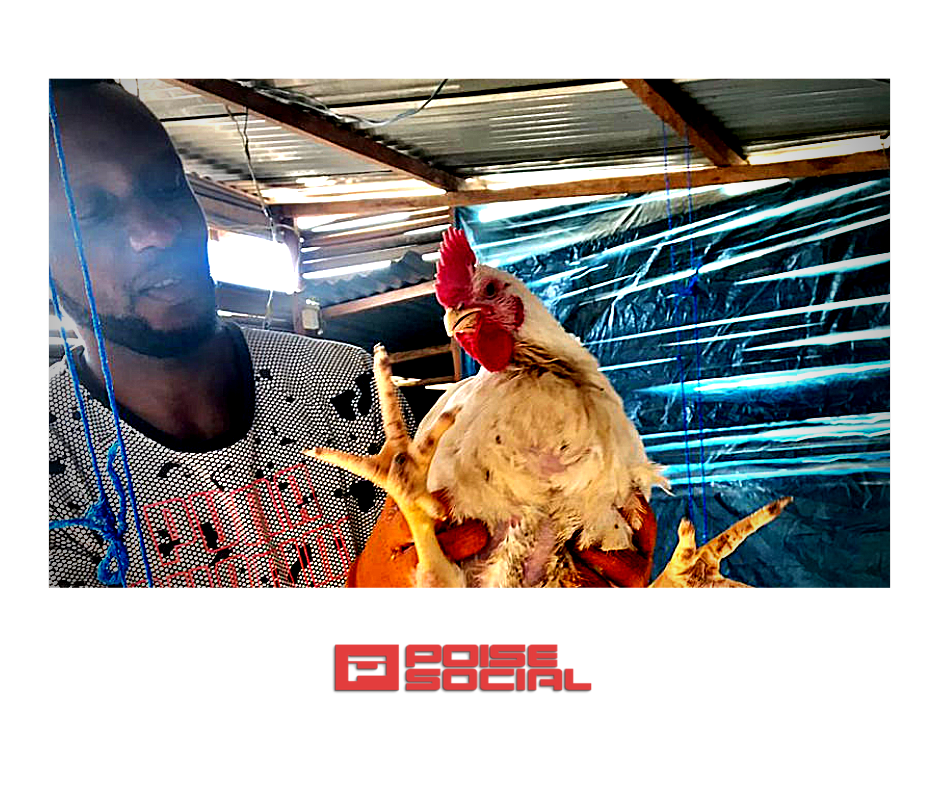
From Procrastination to Purpose: Mr Oreo's Poultry Farm in Bamenda
A young farmer in Bamenda overcame procrastination and financial constraints to build a 500-capacity poultry farm on his grandmother's land, inspired by a Poise essay on starting over. He reflects on how preparation meeting opportunity, combined with purpose over profit, transformed his life from unemployment to agricultural entrepreneurship.
The Business of Music: Why Cameroon's Artists Conflate Calling with Career
The writer argues that Cameroonian artists sabotage their own financial success by treating music as a spiritual calling rather than a business. Using Mr Eazi's trajectory from entrepreneur to musician as a counterexample, they contend that emotional attachment to artistry—without disciplined business thinking—leads to stagnation and burnout.

Small Business Spotlight: Constance and the Craft of Self-Reliance
Poise profiles Constance, a Cameroonian tailor-turned-artisan who transitioned from sewing into cement and recycled-material design work, building ZHOD (Zionite House of Decor) in Bonaberi. The piece celebrates her self-taught methods, her ability to generate income across price points, and her capacity to create work for others, particularly young people during economic uncertainty.

The Brand Ambassador Bubble in Cameroon
This essay critiques the hollowing-out of 'brand ambassador' as a concept in Cameroon's creative industries, where the term has become a social-media-amplified status marker divorced from strategic partnership, genuine consumer correlation, or mutual value exchange. The writer traces how bloggers, music industry figures, and young aspirants have glamorized brand deals without understanding or communicating their actual nature.
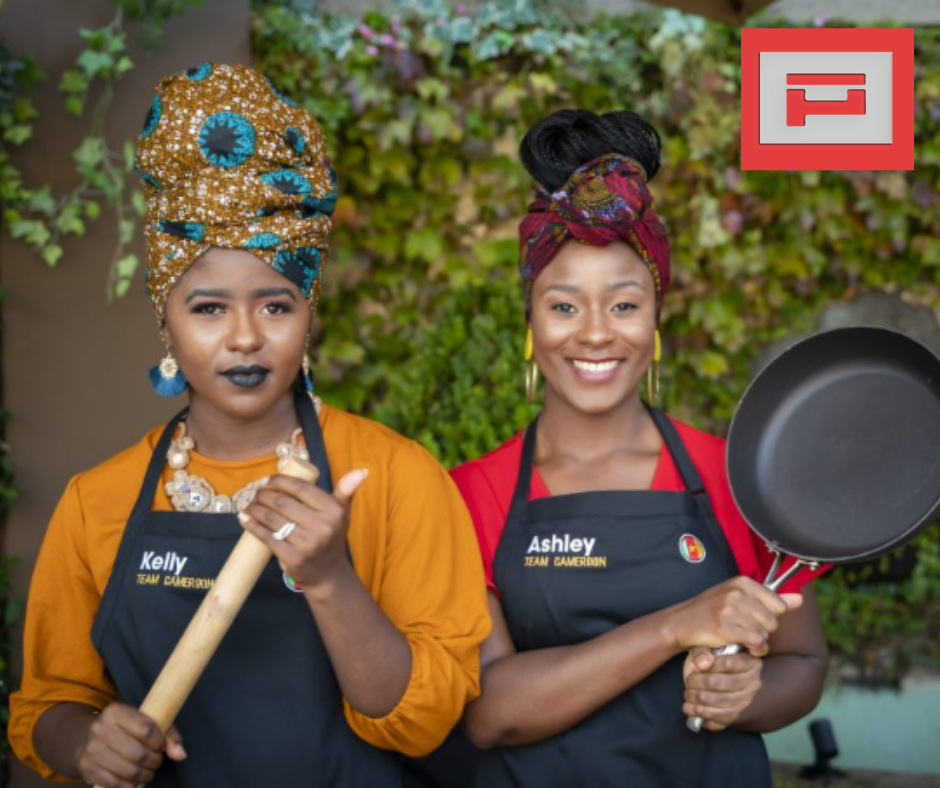
Cameroon's Culinary Moment: The Wasted Chance at Nation Branding
When two Cameroonian sisters won a round on an international cooking competition show, it exposed a broader truth: Cameroonians have long known their cuisine is exceptional and have defended it loudly, yet the state has failed to marshal this asset into coherent nation branding or tourism strategy. The post argues that what should be a flagship competitive advantage—the country's varied, celebrated food culture—remains orphaned from any serious government vision.
Meet Ritha Nengi: Beauty Entrepreneur
A profile of Ritha Kelly Nengi, a Cameroonian beauty entrepreneur who founded Glowrays Cosmetics after recognizing an underserved market for skincare solutions tailored to Black skin. Drawing on formal training in cosmetology and skincare formulation, she developed products addressing specific concerns—like hyperpigmentation on knees, elbows, and knuckles—that dominate Black women's skincare needs.

Diaspora Urban Acts: Does the Formula Work?
The writer examines the viability of Cameroonian musicians promoting themselves to a domestic audience while based abroad, questioning whether geographic distance from home—even in diaspora hotspots like the US or UK—ultimately undermines artistic and commercial success. Through cases like Blanche Bailly and Poker, the piece argues that proximity to Cameroon's creative ecosystem and home-crowd support offer decisive advantages that diaspora-based promotion strategies cannot replicate.

The Brand Name Question: On Oluwa, Representation, and African Pride
A Poise contributor examines the controversy around a fashion brand's use of 'Oluwa,' a Yoruba word for God, owned by co-founder Tino Foy. The piece moves from personal distaste for the name to a deeper meditation on why Africans bristle at Nigerian cultural dominance, the power of brand storytelling, and the colonial distortion of African versus European religious narratives.
The Music Business Has Become a Content Business
The digital transformation of music consumption—from streaming to social media—has fundamentally altered how the industry operates. Musicians can no longer rely solely on releasing albums and touring; they must now function as content creators, building anticipation and audience loyalty through consistent output across platforms.
The Craft of Crowdfunding: What Tilla's Album Campaign Could Have Been
When a Cameroonian musician publicly solicited funds for a new album, the writer examines not whether crowdfunding itself is appropriate, but how it might have been executed with greater narrative force and cultural resonance. The piece uses Tilla's situation as a case study in the gap between impulse and strategy.
Finding Your Brand Voice: How Bimstr Built a Platform Through Authentic Language
An analysis of how Bimstr, a Cameroonian music promotional platform, succeeded by speaking directly to its young, urban audience in Franc-Anglais—the colloquial blend of French and English that dominates social media in Cameroon. The writer argues that effective brand communication requires first knowing your ideal customer, then choosing a voice that is both authentic to your brand and genuinely familiar to those behind it.
Five Sales Lessons from Building a Natural Hair Business
A Cameroonian beauty entrepreneur reflects on her journey from self-described reluctant seller to confident founder of Molonga Naturals, sharing five core principles: target your niche, understand your audience's language, solve problems before pitching products, build trust through expertise, and maintain honesty in recommendations.
Cameroon's Artists and Web Analytics: Building Beyond Social Media
A practitioner in Cameroonian digital marketing observes that local musicians, bloggers, and creatives rely almost entirely on social media metrics while neglecting their own websites and the analytics tools that could reveal their actual reach and audience behaviour. The piece argues that understanding web data—not vanity follower counts—is essential for artists to attract industry partners and build sustainable careers.
Building a Personal Brand as a Female Entrepreneur
Personal branding is essential for women entrepreneurs navigating gender-biased career obstacles. By clearly defining and consistently projecting your strengths, values, and unique qualities—especially through digital channels—you create visibility and open professional opportunities.
Five Lessons in Selling: A Natural Hair Entrepreneur's Reckoning
A Cameroonian beauty entrepreneur reflects on her journey building Molonga Naturals, distilling five hard-won insights about sales: stop targeting everyone, speak your audience's language, solve problems before selling products, establish expertise through education, and prioritize honesty over revenue. What emerges is not a sales manual but a philosophy of earned trust.

The Business of Music: Why Cameroonian Artists Confuse Calling with Career
The writer argues that Cameroonian musicians often sabotage their financial success by treating music as a spiritual calling rather than a business discipline. Drawing on Mr Eazi's entrepreneurial trajectory, the piece contends that sustainable careers require clear business thinking, measurable outcomes, and the willingness to walk away if profitability doesn't arrive within a realistic timeframe.
Do Your Ideas Really Belong to You? On Intellectual Property in Africa's Creative Boom
As Africa's creative industries expand via digital platforms, most young creators—musicians, designers, fashion entrepreneurs—operate without formal intellectual property protection. The writer examines why copyright and trademark registration, though costly and often overlooked, matter as the industry matures and disputes inevitably arise.
Community as Capital: The Sustainable Path for Cameroon's Creative Economy
The writer examines how artists and creators in Cameroon can build sustainable income by cultivating devoted niche communities rather than chasing mass audiences. Using the PAKGNE group's successful premiere of 'Shenanigans' in Douala as proof of concept, the piece argues that a small, engaged fanbase willing to pay for quality work generates more reliable revenue than viral reach.
The Discovery Show: Rethinking the Economics of Live Performance
A reflective account of a new event platform that redistributes risk and responsibility between artists and organizers, asking whether shifting artists toward independent ticket sales and direct audience engagement can reshape how live music works in Cameroon.
Tell Our Own Stories: A Business Model for African Children's Content
The writer proposes a practical business model for producing and distributing cartoons based on African oral traditions—specifically fables like the tale of the tortoise. Drawing on personal memory and cultural observation, the piece outlines a complete go-to-market strategy: production (partnering artists with educators and anthropologists), distribution (USB sticks and digital downloads), pricing, promotion (nursery schools and churches), and potential merchandise.
The Influencer Gap: Why Digital Marketing Struggles in Cameroon
The writer examines why influencer marketing has limited efficacy in Cameroon, distinguishing between genuine influence—built on consistent value creation over time—and mere follower counts. Using Marques Brownlee's tech YouTube empire as a blueprint, the piece argues that Cameroon lacks both the digital infrastructure and the sustained, value-driven creators necessary for influencer marketing to work at scale.
Skills and Assets: How Influencers Can Build Income Through Collaboration
The writer argues that Cameroonian influencers cannot rely on brand sponsorships from major corporations, which remain slow to adopt influencer marketing. Instead, they propose a model of project-based creative and financial collaboration between influencers and established brands—pooling skills, capital, and reach to create and market products together.

Skills, Assets, and the Future of Influence in Cameroon
The writer argues that Cameroonian influencers cannot rely on direct brand sponsorships—a model slow to arrive in the local market—and must instead create economic value through strategic, project-based collaborations that combine creative vision, production capacity, and marketing reach. Drawing on examples from fashion, the piece proposes a practical blueprint for turning social influence into sustainable income.
When a Million Followers Is Not an Achievement: Influencer Marketing in Cameroon
The writer examines the gap between follower counts and actual commercial viability, using the case of Arii—a major influencer who failed to move product despite two million followers—to argue that raw audience size is meaningless without a coherent advertising strategy and demographic alignment.

Numbers Are Not Everything: On Influence, Strategy, and Social Media in Cameroon
The writer argues that follower count alone does not constitute influence, and that successful marketing on social media requires deliberate strategy, varied content, and sustained promotion—not mere posting to a large audience. Using examples from Cameroonian and international contexts, the piece examines why many with large followings fail to convert attention into action or sales.

KamerLyrics: A Young Entrepreneur's Gift to Cameroonian Music
Poise celebrates KamerLyrics, a Cameroonian lyrics app created by Minette Lontsie, that solves the frustration of finding song words to beloved local tracks. The platform combines a growing database of Cameroonian music with YouTube integration and crowdsourced contributions, making it both practical and community-driven.
Consistency Alone Is No Longer Enough: Why Attention Has Become the Real Currency
This essay argues that the widely held belief that consistent content creation is the path to online success is now outdated, particularly on mature social media platforms. Instead, the writer contends that what matters now is the ability to capture and sustain audience attention through narrative intrigue, surprise, and strategic positioning—not volume.

Financial Lessons from Salatiel: The DIY Artist as Wealth-Building Model
This piece uses Salatiel's visible financial choices—investing in studio equipment, production tools, and branded assets—as a lens to examine how contemporary Cameroonian artists can build lasting wealth. The writer argues that understanding the distinction between assets and liabilities, and prioritizing income-generating property over lifestyle consumption, separates sustainable artists from those who squander early earnings.
The Cameroonian Reticence: Corporate Culture, Information Opacity, and the Cost of Secrecy
The writer examines two interconnected cultural phenomena in Cameroon: weak corporate cultures that fail to invest employees in their companies' success, and a broader cultural tendency to withhold good news and business information. Using the example of a chef's deal with a multinational corporation, the piece argues that both corporate leaders and individuals perpetuate economic stagnation by refusing to share knowledge, celebrate achievement, or build transparent systems.
Sandra Borno and Molonga Naturals: A Portrait of Passion Over Hustle
Poise profiles Sandra Borno, founder of Molonga Naturals, a natural hair-care brand built on deep product knowledge, ingredient transparency, and freely shared expertise. The piece celebrates her as an exemplar of entrepreneurship driven by genuine passion rather than commercial ambition, and situates her work within the broader cultural movement of Black women reclaiming and celebrating natural hair.
Customer Service and the Economics of Dignity
A sharp critique of customer service failures in Cameroon, traced through a frustrating dry-cleaning transaction. The writer argues that poor service discipline reflects—and perpetuates—a cycle of low wages, business failure, and mutual blame between employers and employees.

Leadership Lessons from Dr Nkeng: Building Loyalty in the Entertainment Industry
The writer observes Dr Nkeng's sustained success in building and maintaining a cohesive video production team—CPE—as a rare model of organizational stability in an industry marked by frequent conflict and dissolution. Rather than offering a direct answer, the piece poses the question of what principles might underlie such loyalty and competence, positioning Nkeng as a quiet exemplar worth studying.
The Valuation Problem: Pricing Creative Work in Cameroon
The writer reflects on the persistent difficulty of pricing creative services in Cameroon, tracing the problem to asymmetrical understanding between clients and providers. Drawing on personal experience with undercompensated projects and negotiations gone wrong, the piece argues that creative value should be measured by impact and opportunity cost, not hours spent.
The Age of the Side Hustle: Nora Gweji on Building Beyond the Primary Job
A profile of Nora Gweji, who built an event decoration and planning business alongside full-time banking work, starting in 2015 with $1,000 and initial struggle before finding her first client through a Cameroonian professional network. The piece documents her journey from initial hesitation to steady profitability, reflecting Poise's wider advocacy for supplementary income and creative fulfillment beyond conventional employment.
The Magasco-Niska Scheduling Clash: A Case Study in Market Perception vs. Market Reality
When Cameroon-based afropop artist Magasco's December concert was scheduled just one day before French rapper Niska's show at the same venue, many assumed deliberate sabotage by the organizing companies. The writer argues instead that in a city of 2.5 million people, both shows can succeed—and that the real issue is local artists' perceived market value compared to foreign performers.
The Art of Presenting Your Work: Why Self-Selling Matters
Poise reflects on a community exercise asking followers to showcase their side hustles, and discovers that most struggled to present themselves effectively—poor presentation, missing contact details, lack of genuine voice. The piece examines why this matters: the opportunity cost of not taking one's own work seriously, and how presentation itself is part of the product.
Felix Fomengia and Light Gate Solutions: Building Value in the Digital Age
A profile of Felix Fomengia, a self-taught programmer from the University of Buea who has developed over fifteen apps addressing real problems—from coding motivation to educational resources to telecom utilities. Through his startup Light Gate Solutions, he exemplifies how Cameroonian youth can create meaningful digital products despite significant structural constraints.
Youth Entrepreneurship: Okara Brands and the Making of a Young Founder
Ayuk Nicole, through resilience forged by an unsettled childhood and a deliberate refusal to remain idle, built Okara Brands into a skincare and beauty products company. Her path—from seeking a summer job in Nigeria to becoming a brand ambassador, then launching her own line with free mentorship, and now onboarding other young women as business partners—illustrates how preparation meets opportunity.
Youth Entrepreneurship 1: Snapburger
A reflection on discovering Snapburger, a new burger joint in Yaounde opened by two university students, and what their venture represents for Cameroon's economic future. The piece weaves personal appetite for authentic American-style burgers with broader observations on the role of entrepreneurs in building a robust economy.

Working with Creatives
The piece examines the personality traits that often accompany creative talent—neuroticism, antisocial behavior, lower conscientiousness—and offers practical advice for managers and colleagues on building productive working relationships despite these challenges.
The Show by Orange: Marketing Ambition and the Concert Experience Gap in Cameroon
Orange Cameroon's event-based marketing push, exemplified by "The Show," marks a strategic shift in how the telecom competes with MTN. Yet the piece uses the concert itself as a lens to examine a broader problem: Cameroon's event infrastructure remains hampered by poor technical execution, inadequate professionals, and decision-makers who prioritize politics over craft.
KamerLyrics: A Young Entrepreneur's Gift to Cameroonian Music
The writer celebrates KamerLyrics, a mobile app created by Minette Lontsie that makes Cameroonian song lyrics accessible in one place. The app integrates YouTube playback, allows user contributions, and addresses a long-standing gap in how fans engage with local music.
The Art of Positioning: Stanley, Puma, and the Logic of Strategic Visibility
The writer analyzes Stanley's apparent strategic placement of the Puma logo throughout his music video for 'Elle est la,' reading it as a deliberate bid for brand attention ahead of Cameroon's hosting of the 2019 African Nations Cup. The piece situates this within a global pattern of influencer marketing, where artists cultivate visibility with brands through consistent, authentic association before formal endorsement deals materialize.
Bush Faller Record Deals in Cameroon: Part Two
The writer examines misguided record label partnerships in Cameroon, focusing on artists like Pascal and Mic Monsta who accepted deals emphasizing lifestyle expenses over artistic development. The piece argues that young Cameroonian artists need to pursue artist development deals—agreements focused on producing quality work to attract major labels—rather than contracts that promise furnished apartments and allowances.

Financial Lessons from Salatiel: The DIY Artist Model
Using Cameroon's independent artist Salatiel as a case study, this piece argues that musicians who build sustainable careers are those who understand foundational financial literacy—specifically, the difference between acquiring assets and accumulating liabilities. The writer contends that the music industry's shift toward independent artists reflects a broader collapse of industrial-era employment systems, making personal wealth education urgent.
Orange Cameroon and the BDMA Gift: When Sponsorship Becomes Performance
A winner of the BDMA (a digital media award) examines what the lead sponsor, Orange Cameroon, actually delivered in its gift package to laureates, and finds it strategically misguided—branded merchandise that serves the corporation's visibility far more than the creators' work. The piece uses this concrete disappointment to probe a wider question: what does meaningful sponsorship of excellence in Cameroon actually look like?
A Lesson on Buyer's Remorse: Young Entrepreneurs and the Cost of Short-Term Thinking
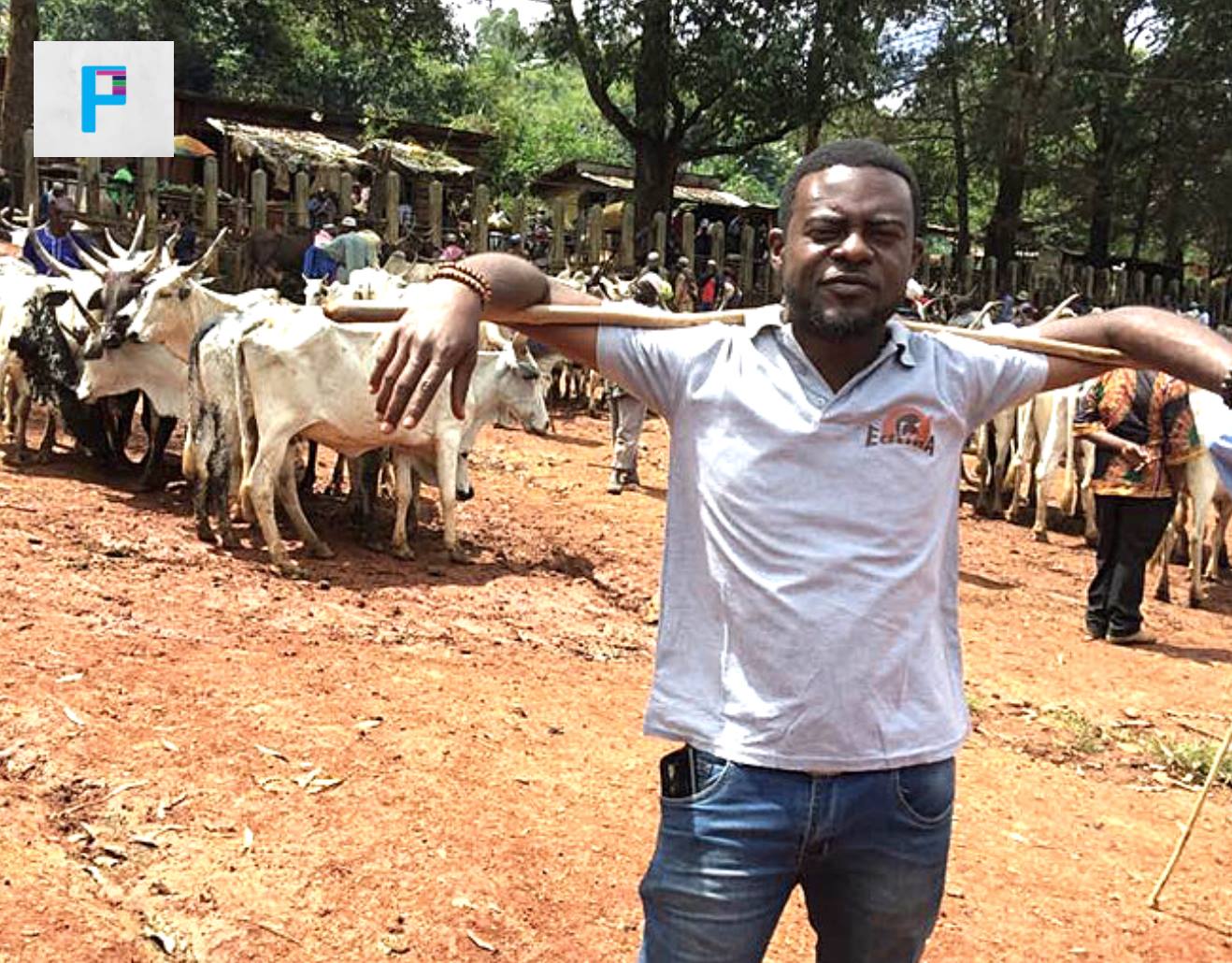
A Cameroonian returnee entrepreneur reflects on the structural prejudice young business owners face—particularly in B2B sales—and traces it to a deeper cultural pattern: the prioritization of quick extraction over customer retention. He argues that sustainable business requires a commitment to service that outlasts the initial transaction.
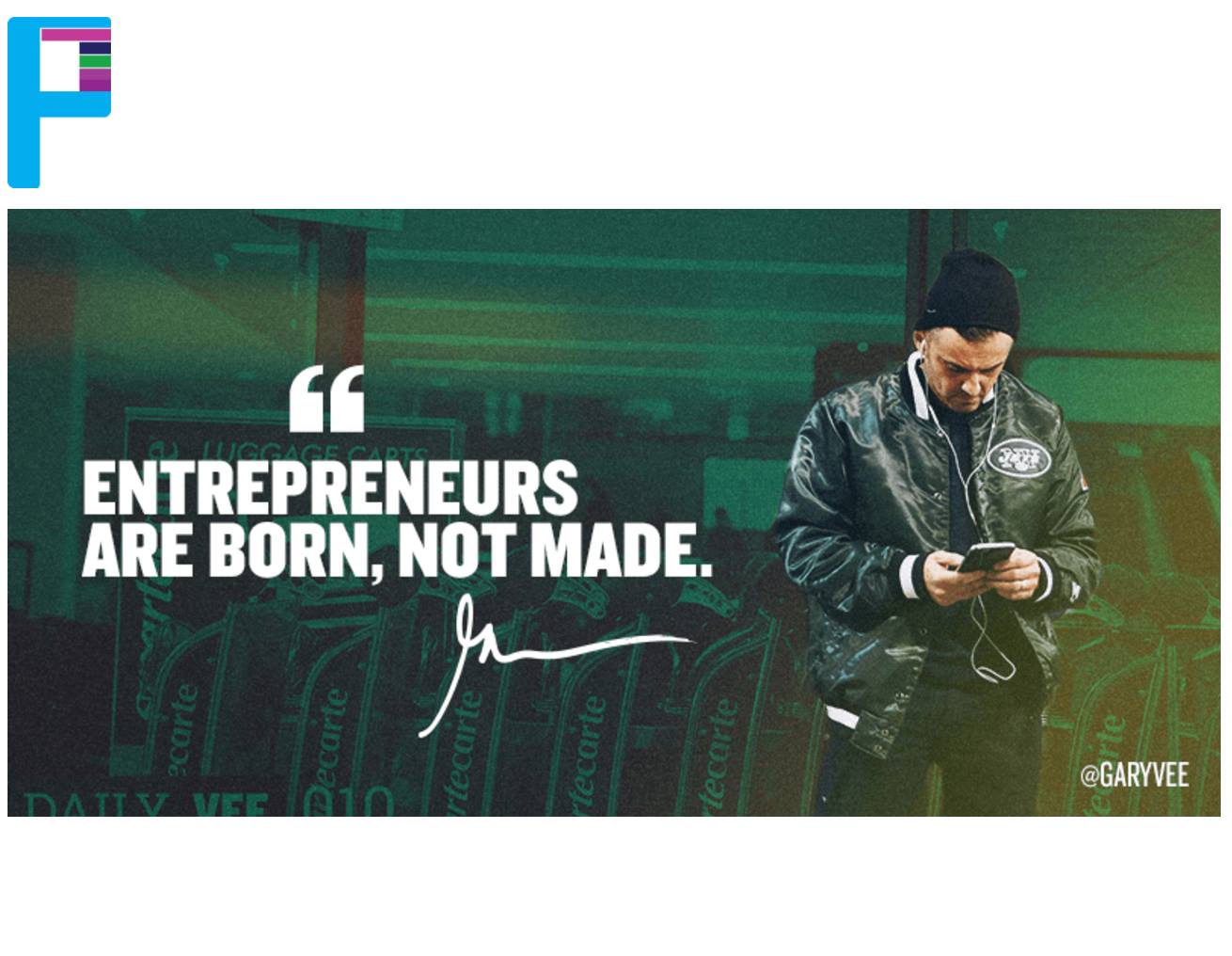
The Entrepreneur's Birthright: Born, Not Made
A sharp critique of the startup boom of the mid-2010s, where easy capital and cultural mythology created a false sense that entrepreneurship is learnable by anyone. The writer argues that successful entrepreneurs possess an innate set of traits—salesmanship, hunger, independence, consumer intuition, and patience—that cannot be manufactured through effort alone.

On Entrepreneurship and the Illusion of Escape
The writer argues that entrepreneurship is an inborn temperament, not an aspirational title—and that most people drawn to it are chasing celebrity and escape rather than confronting their actual aptitudes. The post separates genuine entrepreneurial drive from self-employment and cautions against performing ambition on social media.

Mobile Money Monopolies and E-Commerce Stagnation in Cameroon
This piece argues that while structural barriers—poor addressing, low card penetration, and skepticism of online transactions—are real obstacles to e-commerce growth in Cameroon, the deeper problem lies with MTN and Orange's control over mobile money infrastructure and their simultaneous investment in Jumia, creating a conflict of interest that stifles competing platforms and innovation.