
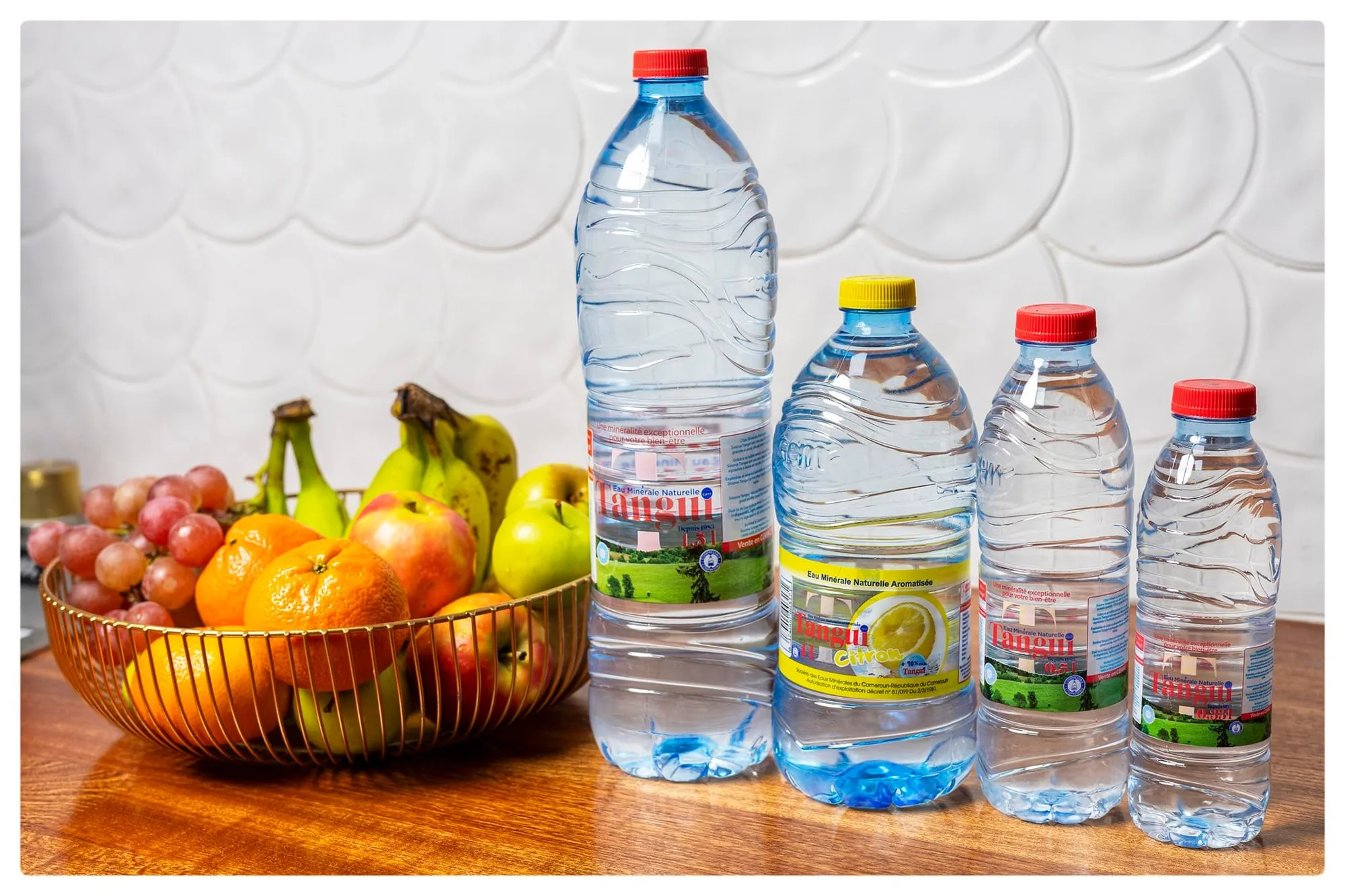
To ‘Google’ something nowadays means using any search engine to retrieve information from the internet. In Cameroon, Tangui was at one point synonymous to mineral/bottled water. It is not uncommon to hear someone ask for Tangui Supermont when they mean mineral water by Supermont. Genericization is when brand names become generic words for a type of product. When the brand becomes used as a verb, the brand is specifically said to have been verbified. Some marketers hold that genericization is the ultimate compliment for any brand and for all intents and purposes it is. It would seem that as a company, you want your brandname to achieve such status but does it always end well? Is it something brands should aspire to? Xerox spent several years running ads asking publishers to refrain from using “Xerox” as a verb when the generic term “photo copy” was the intended meaning. One can assume genericization of “Xerox” was not particularly helping the brand if they had to invest money to try and stop it.
Other common brand names that have been genericized are photoshop (photo manipulation), Jeep ( Sports Utility Vehicle), Pajero (Sports Utility Vehicle), Rollerblades (Inline Skates), Velcro (Hook and loop fasteners), Plexiglass (polymethyle methacrylate), Ping Pong ( table tennis), Jet Ski ( Personal Watercraft), Superglue (strong fast-acting adhesives), Taser (stun gun), Asprin and more recently Zoom which basically came to take over from Skype. Lesser known examples will be kerosense (paraffin), Escalator (moving Stairway), Frisbee (flying disc), Laundromat(coin laundry shop), Thermos (Vacuum flask), Jacuzzi (Hot tub) , Chapstick (lip balm).
Genericization can sometimes lead to a company losing its trademark. Kerosene was registered as a trademark by Canadian geologist and inventor Abraham Gesner in 1854 before evolving into a generic trademark. Otis lost a trademark case over the rights to “escalator” in 1950 when a court ruled that Otis had used the term “escalator” generically in its own advertisement. Unlike was the case for Otis, a U.S federal court ruled against a man who tried to strip google of its trademark after he registered hundreds of sites with names like googledisney, googlebarackobama, etc. Imagine the court ruled like in the case of OTIS that google itself had used google generically and stripped google of its trademark. That means Microsoft can run a marketing campaign like “Use Bing for all your professional googling…” Think about that. One would bet google, with the kind of staff that would know of things like the case of OTIS and Xerox, has in its marketing activities made sure not to victimize itself. That’s in fact part of the work of brand managers. In Google’s brand guidelines, it asks its partners and collaborators not to use google as a noun or as a verb but rather as an adjective e.g Use “Google Search” instead of just “Google.”
In the case of Tangui, we can see that its genericization could have been beneficial when it essentially had monopoly of the market just like it is for google which is basically a virtual monopoly. Now the market has about 5 players taking up considerable fractions of the market share and by all indications, Tangui does not seem to have enough to protect its brand from harmful genericization. Supermont has strategically positioned itself as the standard for bottled/mineral water and there is an ever increasing number of people going to the store and asking for Supermont when they know they actually just need bottled water. None of us has done any tests to see that the water in the Supermont bottle is healthier than that in a Tangui bottle. Many actually still believe Tangui is a high quality product but also hold than Supermont is bottled/mineral water. It is interesting to watch how Source Du Pays used pricing to force Brasseries into making decisions that greatly affected its Tangui brand. They basically forced Brasseries to shoot itself in the leg.
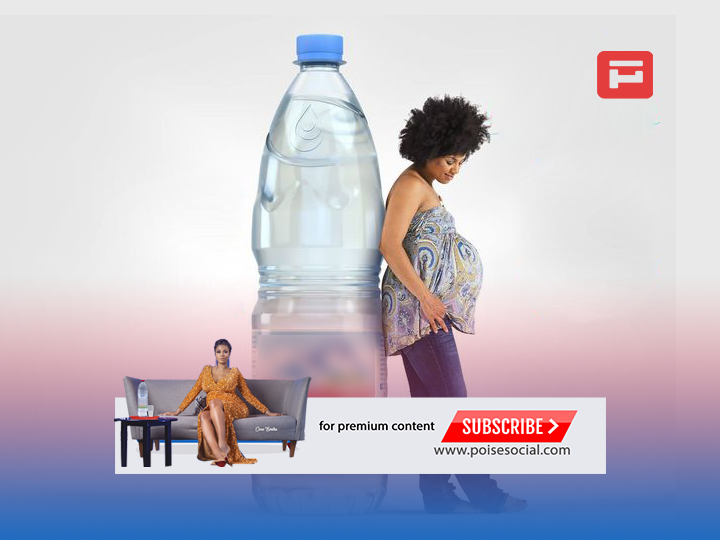
Tangui found itself in a position where it didn’t want to lower its price to match that of Supermont – It seems the managers were afraid of sending a message that the product quality had suddenly dropped but some will argue that matching Supermont’s price was the right thing to do at the time. SDP was new to the market, one would assume Brasseries had over the years gathered industry knowledge, current and fixed assets that could make them last longer in a price war, but its seems they focused on trying to maintain the status quo instead of innovating and repositioning their brand. They have since been followers in the soft drinks and bottled water market. The recent campaign with socialite Coco Emilia is just an elitist version of a billboard Supermont had put up. Sales and revenue information from both companies will be great information for marketing academia in Cameroon.
The conclusion one could draw here is that it is generally a good thing for a company to have its brand genericized but measures must be taken to ensure that the company does not end up losing its trademark. To be genericized means to be be top of mind and in business, that is more often a good thing than not. Supermont may come close but I do not see it being genericized. It is safe to say the era of Tangui as the go to mineral water brand in Cameroon has been over for some years now. With a product that allows very little room for differentiation, it will only take a genius combination of advertising and pricing to revive the brand in the market. Even this last media campaign with Coco Emilia seems to just be just some sort of liquidation of assets. The campaign seemed to put such a historical brand on her back. In one of the publications on Tangui’s official facebook page in which they shared statistics from 48 hours after launching their campaign with Coco Emilia, the comments will tell you the market is not buying it.