
Social Justice
Society & Culture
Things Only a Cameroonian Will Understand: Part II
The writer examines ten Cameroonian social expressions and proverbs—from comparative optimism to bureaucratic circumspection—as coded languages that govern ambition, patience, and survival within hierarchical systems. These phrases reveal how Cameroonians navigate constraint through linguistic sophistication rather than direct confrontation.

On Support and What We Mistake for It
The piece examines the recurring complaint that Cameroonians do not support each other, particularly in creative industries, by sorting the complaint into three groups and arguing that the real problem is a mutual misunderstanding of what support actually means. It contends that support requires both generous reception of early effort and realistic self-assessment from creators, and that much of the perceived lack of support stems from looking for validation in the wrong places.

The World's Discomfort with African Pride
Following Francis Ngannou's boxing loss to Tyson Fury, the writer reflects on the double standard applied to Black athletes—particularly African ones—when they assert confidence or pride. The piece argues that Ngannou's real victory lies not in the ring but in his journey from poverty to global prominence, and that his dignity transcends any single fight.
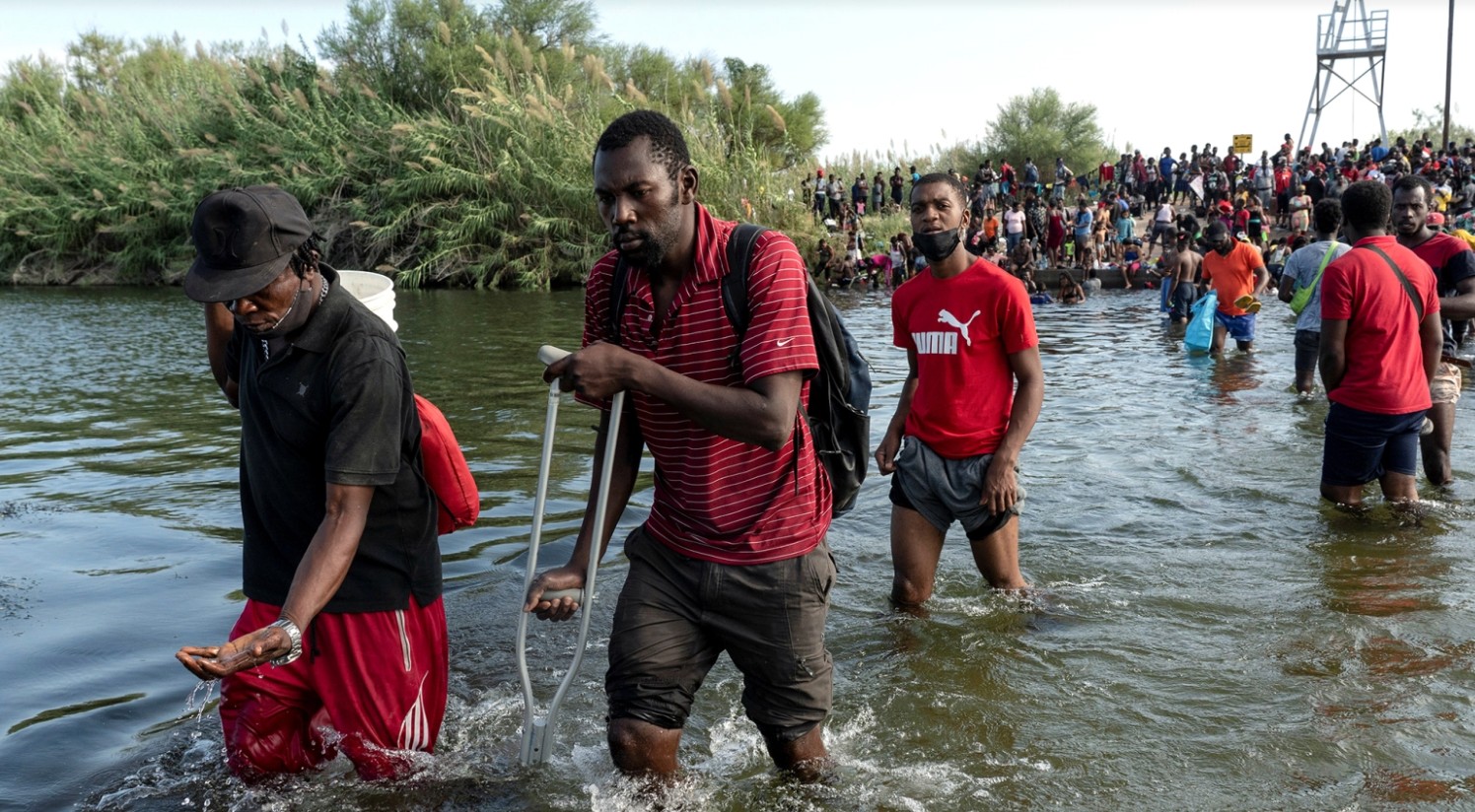
The Movie Nobody Wants to Make: On Migration, Desperation, and Failed States
The writer reflects on the desperate journeys many Africans—including Cameroonians—undertake to reach the United States via Mexico and the Amazon, risking their lives and those of their children. Rather than romance or denial, the piece acknowledges the genuine material advantage of life abroad while assigning moral responsibility to African leaders whose governance failures drive such migrations.

The Power of Small Acts: Tunde Onakoya and the Chess in Slums Movement
The writer celebrates Tunde Onakoya's Chess in Slums initiative in Lagos, which has transformed over 500 children from informal settlements through chess instruction and mentorship. The piece uses Onakoya's journey—from a single chessboard under Oshodi Underbridge to international recognition and measurable life outcomes—to argue that meaningful social change begins with small, persistent actions rather than grand gestures.

The Cycle of Violence: From Classroom to Nation
The writer examines a viral video of a teacher brutally beating a student, tracing it to deeper patterns of inherited violence in Cameroonian society—from schoolyard beatings to documented abuses in conflict zones. The piece asks why such cruelty persists and where accountability begins.

On Being Cameroonian Enough: Cultural Gatekeeping and the Cost of Conformity
The writer examines the rigid expectations placed on Cameroonian artists and public figures to perform a narrow, prescribed version of 'Cameroonianness'—pidgin speech, local references, a certain aesthetic—and argues that this gatekeeping conflates culture with kitsch and stifles both individual expression and national competitiveness.
Facebook Programming and the Future of Our Society
The writer examines how social media, particularly Facebook, shapes public discourse in Cameroon by amplifying shock value over nuance, and how marketing logic—designed to capture engagement through virality—has colonised our collective sense of reality. The result is a society operating on misinformation and outrage rather than informed deliberation.

The Danger of Unasked-For Help: Public Intervention and What People Really Need
Poise examines the gap between what we assume people need and what they actually want, using two Cameroonian cases—a girl publicly gifted material items after a public humiliation, and Brown Popsy, a reality-TV contestant offered life-changing opportunities he never asked for. The piece argues that well-intentioned public rescue can create pressure, dependence, and deeper confusion rather than genuine aid.

The Indecency of Social Affection: On Children as Brands
The writer examines the trend of parents creating Instagram accounts for toddlers, questioning whether the practice stems from genuine documentation or parental hunger for social validation. The post distinguishes between legitimate child modelling—governed by safeguards—and the uncontrolled exposure of infants to digital platforms driven by addiction to likes and followers.
On Women's Complicity: A Call to Reckoning
The writer argues that women bear significant responsibility for their own social circumstances, not only men, pointing to how mothers have historically enforced violence, silenced victims, and perpetuated cycles of harm within families. The piece calls for women to move beyond victimhood narratives, acknowledge their agency in these systems, and rebuild through self-reflection, integrity, and mutual support.
Women and the Evolutionary World: On Progress, Recognition, and Future Leadership
A celebratory essay tracing women's gradual emergence from domestic confinement into visible leadership across politics, arts, and music. The writer argues that recognizing women's historical exclusion and current contributions is essential to building a sustainable future.
The Silhouette Challenge and the Rhetoric of Empowerment
A critical examination of the viral Silhouette Challenge, questioning the gap between claims of empowerment and the actual motivations—and risks—of sharing intimate content online. The writer argues that attributing participation to feminism or body autonomy obscures what he sees as vanity-driven behavior and a failure of personal responsibility.
When Hashtags Don't Do the Job
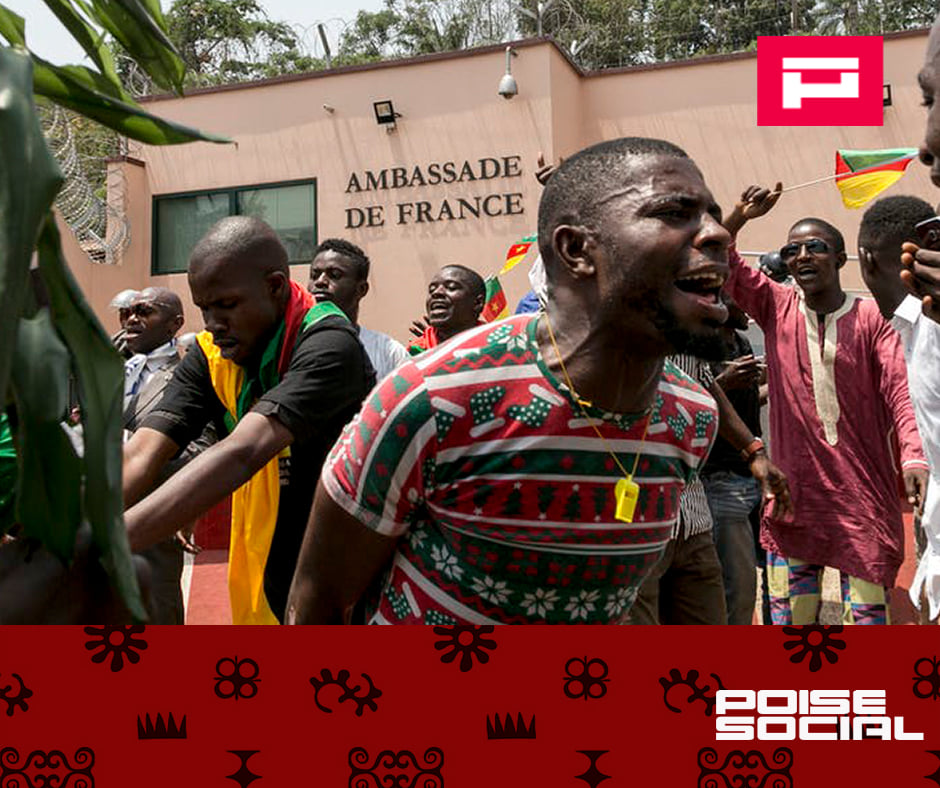
A reflection on the gap between public outcry and meaningful action in Cameroon, examining why celebrities and citizens fail to effect real change despite widespread discontent. The writer recounts a delegation meeting with the Minister of Arts and Culture, exposing how institutional power captures co-opt potential resistance, and argues that hashtag activism and street protests have proven ineffective.
The Dress Code Debate: Beyond Marketplace Arguments About Rape Prevention
The writer interrogates the oversimplified claim that clothing causes rape, arguing instead that rape is perpetrated by a spectrum of offenders with different motivations and methods. Rather than dismissing prevention measures entirely, the piece calls for a more nuanced conversation that acknowledges both the false premise of dress codes and the legitimate complexity of sexual violence.
DJ Arafat and the Power of Youth to Transform Nations
A reflection on DJ Arafat's role as architect and keeper of the coupé-décalé movement—a Ivorian music genre that became a vehicle for post-conflict youth identity and continental cultural reinvention. The writer traces how Arafat's gift for reinvention kept him relevant across two decades while his peers faded, and argues that his passing marks the end of coupé-décalé's creative golden age.

Nobody Wants You to Be Like Nigerians
The writer reflects on why Cameroonians often look to Nigeria as a model while resisting accountability at home. Drawing on examples from events, commerce, and professional partnerships, the piece argues that Cameroon's real obstacle is not comparison to other nations but the reluctance to apply basic standards of professionalism and diligence to one's own work.
Poverty Porn and Urban Music in Cameroon
The writer examines the prevalence of manufactured hardship narratives in contemporary urban music across West Africa and Cameroon—artists from privileged backgrounds invoking poverty, struggle, and 'ghetto' credentials as a genre convention borrowed uncritically from hip-hop's authentic roots.
The Attention Economy and the Collapse of Genuine Discourse
The writer examines how accusations of
The Boy Child and the Cycle of Violence: Why Rape Prevention Requires Looking at Male Vulnerability
The writer argues that while advocacy for the girl child is necessary and important, a parallel neglect of the boy child—particularly vulnerable boys in poverty, conflict, and street life—has created a generation of men shaped by victimhood and deprivation. Real prevention of sexual violence, the piece contends, requires understanding the conditions that produce perpetrators, not only protecting targets.
Maahlox and Trash Talk Diplomacy: When Platform Becomes Provocation
A critical reflection on a Cameroonian musician's inflammatory social media remarks about a fellow public figure, examining the gap between his platform's occasional utility and his habitual resort to crude, sexist speech. The piece questions whether this 'trash talk diplomacy' has crossed from edgy brand into simple disrespect.
I Have Epilepsy, But It Is Not My Social Identity
A medical professional and epilepsy advocate examines the gap between the neurological reality of epilepsy and the social stigma that surrounds it in Africa, where the condition is widely attributed to witchcraft, demonic possession, or curses rather than understood as a treatable brain disorder. The piece centers on how this stigma—particularly acute for women—becomes a social identity imposed from outside, with profound psychological and material consequences.
Le Syndrome du Call-Box: On Imitation and the Limits of Cameroon's Creative Ambition
The writer reflects on Cameroon's propensity to replicate successful ventures without innovation—from twerking livestreams to entertainment blogs to rival music factions—tracing this pattern to what he calls 'Le Syndrome du call-box,' a mentality that limits both business models and imagination.
When Decency Became a Judgment
The writer reflects on how social media shaming around women's clothing choices has become reflexive and counterproductive. Rather than reforming behavior, public condemnation—rooted in older village norms around modesty—reveals more about the judges than the judged.
The Invisible Strength: Single Motherhood in Contemporary Cameroon
A frank, unflinching account of the realities of single motherhood—the abandonment, the financial strain, the social stigma—and a quiet insistence that despite these hardships, a single mother can build a fulfilled life. The writer speaks from lived knowledge, offering practical and emotional counsel to women navigating this path alone.
Internalized Patriarchy: Women as Its Custodians
This piece examines how patriarchy persists not through male coercion alone, but through women who have internalized sexist norms and pass them to others—mothers who enforce shame around menstruation and sexuality, aunts who blame female victims, and communities that subordinate women's ambitions to marriage prospects. The writer argues that these internalized beliefs, absorbed from childhood, have become so normalized that women mistake compulsion for choice.
On Beauty Pageants and the Cost of Comparison
The writer argues that beauty pageants, particularly Miss Cameroon, enforce narrow and exclusionary standards of feminine appearance while undermining women's intellectual worth. Through personal reflection on her own relationship with these competitions, she contends that such contests damage women's self-regard and perpetuate harmful beauty hierarchies.
Do We Really Make It Easier for Women?
The writer reflects on how social and cultural pressure undermine formal equality for women, tracing this pattern through a formative school experience where girls choosing a technical subject over domestic science faced institutional shaming and deliberate humiliation. The piece asks whether laws and slogans can override the deeper, unspoken consensus that women belong in prescribed roles.

The Conformity Tax: Why Cameroon Dismisses Its Own Innovators
The writer examines how Cameroon's rigid expectations of cultural authenticity—what it means to 'sound' or 'be' Cameroonian—drives away talented artists and thinkers who work outside narrow aesthetic and linguistic boundaries. Through personal experience and observation of local music and media, the piece argues that this gatekeeping disguises itself as cultural preservation but actually stifles excellence and global competitiveness.
The Trap of Perpetual Beauty Standards
A personal reckoning with the impossibility of keeping pace with shifting beauty ideals—from childhood messaging about 'correct' features, through the adoption of cosmetics as armor, to a hard-won understanding that validation through appearance is a drug without a cure. The writer traces how beauty standards are both universal human psychology and manufactured cruelty, and asks what remains of us when appearance inevitably fails.
Feminism and Proof: On Building Beyond Gatekeepers
The writer reflects on his experience facing racial dismissal from a U.S. sociology professor, using it to critique what he calls 'feminism of entitlement'—the notion that progress comes primarily through complaint and representation in elite spaces rather than through demonstrated competence. He argues that sustainable change comes when women (and marginalized groups broadly) build undeniable skill and visibility in all fields, not merely the highest positions.
The Bystander Effect: Why We Hesitate to Help in Emergencies
This analytical piece examines the psychological and social mechanisms that prevent onlookers from offering assistance during emergencies—from diffusion of responsibility and social influence to cultural conditioning and perceived danger. The writer presents six key factors that explain bystander apathy, then offers practical strategies for both victims and witnesses to overcome these paralysing dynamics.
The Arithmetic of Ascent: On Friendship and Economic Mobility
A narrative essay examining how economic fortune reshapes friendship, tracing the arc of two men whose bond survives job loss but fractures upon recovery. Through a third figure—the steadfast old friend who appears only when crisis demands—the writer interrogates the uncomfortable truth that proximity and reciprocal gain often matter more than loyalty or gratitude.
Dear Mama: There's More to Your Daughter Than Meets the Male Gaze
A letter from daughter to mother reflecting on the care and intention behind maternal guidance, while questioning the limiting framework that reduces a woman's value to her utility as a wife. The writer traces how the maxim 'Men want assets not liabilities' echoes through family, church, media, and popular culture—and gently pushes back against its narrowness.
Body Shaming and the Work of Self-Knowledge
A personal account of being body-shamed from childhood through adulthood in Cameroon, and the slow, deliberate work of recovering confidence in one's own body. The writer argues that society's narrow beauty standards—enforced by media, advertising, and casual cruelty—damage mental health and self-worth, and calls for a shift toward celebrating bodily diversity and fitness over weight loss.
On Child Sexual Abuse, Silence, and the Role of Art
The writer examines the epidemic of child sexual abuse in Cameroonian society, prompted by X Maleya's graphically explicit music video addressing the subject—which TRACE Africa refused to broadcast. The piece argues that while the video's violence is difficult to witness, it serves a necessary function in breaking the silence that allows perpetrators to hide behind family reputation and institutional power.
The Mboko Gang: Herd Mentality and the Limits of Conviction
The writer examines the 'Mboko Gang'—a vocal faction organized around support for a particular African rapper—as a case study in social-media-driven groupthink, where repetition and fear of missing out calcify into unexamined belief. The piece distinguishes between thoughtful adherents and the loud, unreflective converts who weaponize consensus and coerce agreement.
No Emotion: On Artist Pay, Corporate Logic, and Labor Power in Cameroon
The writer argues that outrage over low artist payments misdiagnoses the problem: corporations have no obligation to fund culture, artists lack collective bargaining power, and the real issue is structural inequality between local and international business partners. The solution is not better corporate charity but organized labor and ownership by artists themselves.
Mama Nguea and the Uncharted Path: What We Owe to Reflection
The writer reflects on the spectacle of aging Cameroonian musicians, particularly Mama Nguea, reduced to public appeals for medical aid—a cycle that raises questions not about charity itself, but about the systems, choices, and structural forces that leave cultural icons impoverished. Rather than assign blame, the piece asks what patterns emerge across generations and what lessons the present moment might extract.
On Honest Support and the False Doctrine of Obligation
The writer examines the hollowness of "support your own" rhetoric in Cameroon's music industry, arguing it functions chiefly as emotional manipulation and masks a deeper, largely unspoken obsession with Nigerian market validation. True support, he contends, must be rooted in genuine artistic merit, not in obligation or nationality.
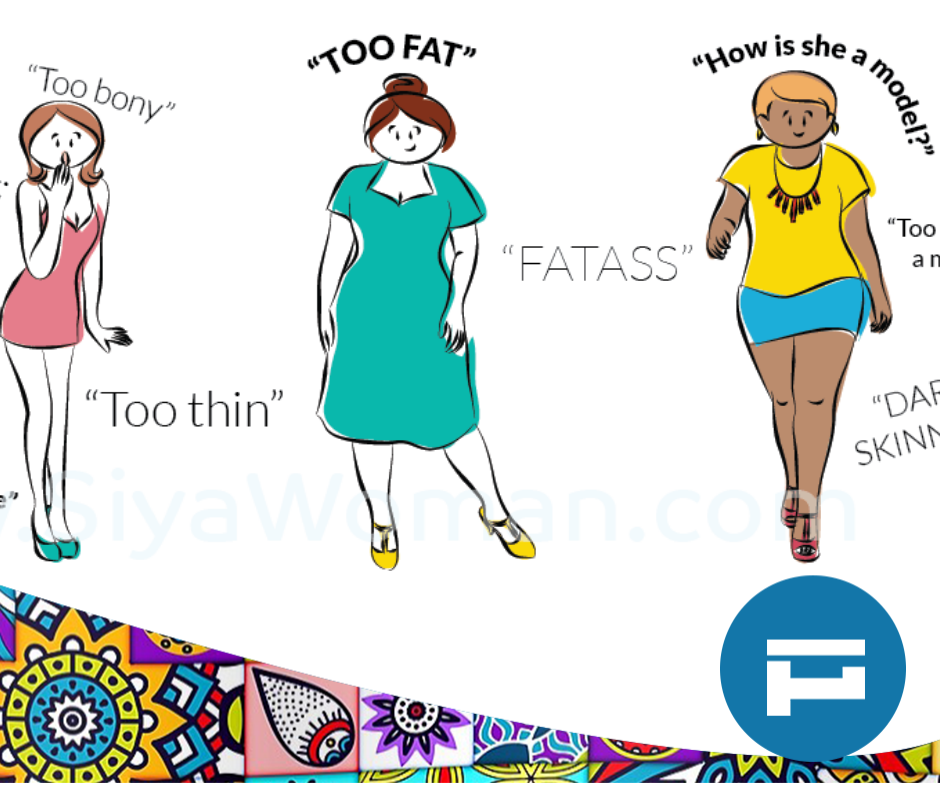
Body Shaming in Cameroon: A Contested Practice
This analytical piece examines body shaming as a social practice in Cameroon, presenting arguments on both sides of whether it is harmful or justified. The writer considers the psychological and social costs of public criticism of bodies alongside claims that such shaming might encourage healthier behaviors.
Monique Ntumngia's Singular Fight for Young Women
The writer celebrates Monique Ntumngia, founder of Green Girls' Organisation, who won the VISA Everywhere Initiative Women's Global Edition prize and has brought STEM education and employment to over 800 women across rural Cameroon. Through training in renewable energy and waste conversion, her work addresses both the under-representation of women in technical fields and material inequality in less-resourced communities.

I Am a Tontinard: On Social Cohesion and Economic Power
The writer reclaims the term "Tontinard"—originally deployed as an ethnic slur against Bamileke people and political opponents—as a badge of pride rooted in the njangi (tontine) tradition of mutual aid and social cohesion. The essay argues that what critics dismiss as tribalism or clannishness is in fact a proven mechanism for generational wealth-building and community resilience that other successful diaspora communities have long understood.

Feminism Shaming
The writer responds to widespread social ridicule of feminism in Cameroon by reclaiming the term's basic definition—the advocacy of gender equality—and tracing concrete historical wins it has secured for women. Against caricatures of feminists as bitter or man-hating, the piece insists that feminism has been and remains advocacy, not ideology.
How Professional Are Our Professionals?
Following the death of a teenager in a Cameroonian hospital and its documentation and broadcast on social media, the writer reflects on the erosion of professional ethics and human dignity among doctors, journalists, police, and soldiers—all enabled by the reflexive reach for smartphones and a deeper failure of institutional accountability.
Customer Service and the Economics of Dignity
A sharp critique of customer service failures in Cameroon, traced through a frustrating dry-cleaning transaction. The writer argues that poor service discipline reflects—and perpetuates—a cycle of low wages, business failure, and mutual blame between employers and employees.
Feminism Is Not a Quest for Payback
The writer argues that feminist critique of gender discrimination often mischaracterizes historical customs as deliberately malicious rather than pragmatic responses to the realities of their time. By examining inheritance practices, physical capability differences, and cross-cultural examples, the writer proposes that meaningful change requires understanding tradition's logic before dismissing it—not framing progress as payback against men.
Miracle Myths: Why Cameroonians Mistake Opportunity for Divine Intervention
A Cameroonian artist's viral success after a Nigerian pencil artist caught Kevin Hart's attention sparked a wave of comments framing the outcome as luck or divine blessing. Poise examines the deeper pattern: how we consistently misread preparation, skill, and strategic self-presentation as miracles, and how that misreading perpetuates imitative mediocrity.
White Worship at the Airport Gate: On Courage and Collective Silence
A traveler at Douala International Airport confronts a customs officer who places white foreign passengers ahead of waiting Cameroonians, and reflects on why the act of speaking up—against both the officer and the passengers themselves—revealed the complicity of silent witnesses and the deeper problem of deference based on race.

The Right Questions: On Innovation, Recognition, and What We Actually Celebrate
The writer reflects on Cédric Simen's celebrated concept car and a childhood memory of a neighbor's homemade aircraft, arguing that both reveal a deeper problem: Cameroon celebrates innovation for its spectacle rather than its potential. The real issue is not the innovation itself, but the absence of serious inquiry into its applications, scaling, and genuine value.
Cameroon and the Curse of Elitism
The writer traces Cameroon's pervasive culture of elitism—visible in everyday assertions of rank and privilege—to a foundational inferiority complex among the post-colonial elite, who internalized French assimilationist values and now maintain power through deliberate social and economic stratification.
The Broken Arm and the Burying Ground: A Cry Against Collapse
Written in vigorous Pidgin English and Cameroon street vernacular, this poem is a raw indictment of political failure, state violence, and the everyday sufferings of ordinary people. The speaker moves from personal grief to systemic brutality—extrajudicial killings, electoral theft, the silencing of dissent—painting a portrait of a state that has abandoned its citizens.

No Hear You Notin: A Poem on Ambition, Gossip, and the Courage to Act
Written in Cameroonian Pidgin English, this poem catalogs the hollow counsel and baseless gossip that surrounds ordinary people trying to improve their lives. Using vivid character sketches and repeated refrain, it argues that success demands selective deafness to the noise of judgment and envy.
Whitenicious: The Cost of Respecting the Hustle
The writer examines the 2018 controversy surrounding Dencia's skin-lightening cream promotion and asks whether admiration for entrepreneurial success should require complicity in harmful practices. The piece interrogates the gap between celebrating a woman's financial independence and remaining silent about the social damage her product perpetuates.
On Being Called a Tontinard: Pride, Social Cohesion, and Economic Self-Determination
The writer responds to being labeled 'Tontinard' as a casual insult by reframing it as a badge of honor, celebrating the njangi (tontine) system not as mere financial instrument but as a model of social cohesion that has generated measurable economic prosperity. The piece argues that what outsiders dismiss or fear—organized mutual aid and community reinvestment—is precisely what has enabled certain groups in Cameroon to build generational wealth and institutional power.
The Small Tyrant Within: Power, Pettiness, and Cameroon's Neo-Feudal Culture
A Cameroonian reflects on two encounters with petty officials—a petrol station attendant and a university secretary—to argue that the nation's dysfunction runs deeper than leadership, rooted in how ordinary citizens weaponize small doses of authority. The piece names a cultural pattern: those granted the slightest power often become arbitrary, mood-driven overlords.

Why Rich People Don't Have Poor Friends
A meditation on the fracture of friendship across economic lines, told through the story of two colleagues whose bond survives career loss but fractures upon recovery. The piece examines how proximity to wealth reshapes loyalty, and how the friend who offered shelter during hardship becomes invisible once circumstances improve.
This Is Cameroon: On Political Rap and the Moment We Missed
Following the viral success of Childish Gambino's "This Is America" and Falz's Nigerian response, Cameroonian social media called for a local version. The writer argues that the moment demanded not mainstream popularity but artistic integrity—a rapper with a genuine track record of politically charged work, not one riding a wave of global virality.
On Miss UBa 2018 and the Pageant as Fundraising Mechanism
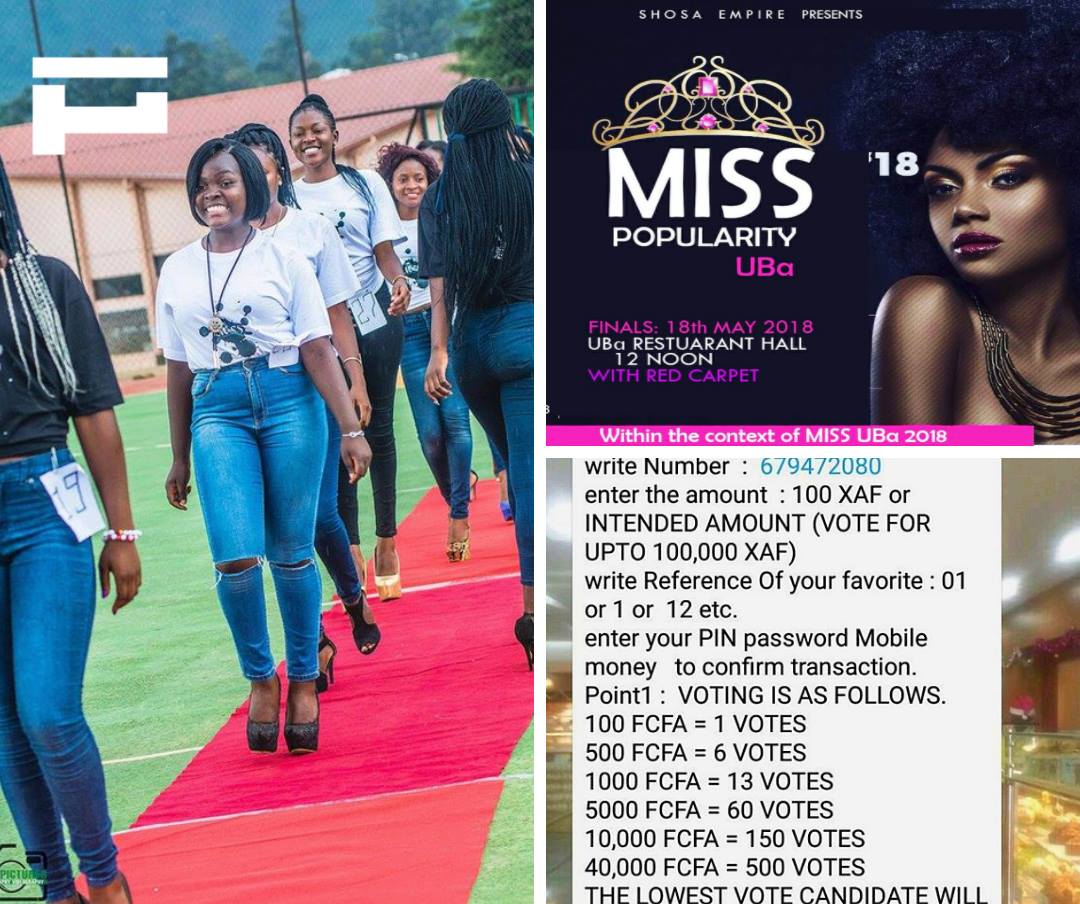
A critical examination of the Miss UBa 2018 'popularity contest,' which allowed direct vote-buying, prompting reflection on whether monetized participation could actually improve beauty pageants by forcing them toward transparent fundraising rather than hollow merit claims.

Maahlox and the Game of W(h)oes: On Spectacle, Complicity, and the Rhetoric of Mirror-Holding
A critical examination of Cameroonian musician Maahlox's claim that his sexually explicit and provocative music videos serve as societal critique. The writer argues this stance represents intellectual dishonesty—that one cannot claim to fight systemic ills while profiting from and actively participating in the depravity being depicted.
Am I My Sister's Keeper? On Women, Success, and Social Suspicion
The writer reflects on a moment of casual misogyny—overhearing men attribute a young woman's Mercedes to sexual favours—and traces the deeper, more troubling pattern: that women themselves are often the harshest judges of other women's success, reflexively assuming corruption rather than competence.
Cameroon and the Curse of Elitism
A minor traffic accident becomes a window into a deeper pathology: the hierarchical stratification of Cameroonian society, in which those with access to power and prestige use the phrase 'Do you know who I am?' as both shield and sword. The writer traces this behaviour to post-colonial inferiority complexes among the educated elite, who internalized French assimilation policies and now maintain their sense of superiority through deliberate economic and social dysfunction.

Last Words for 2017: A Year of Hard Lessons
The writer reflects on 2017's major events—the Anglophone crisis, infrastructure projects, and government inaction—as teachings about collective responsibility, self-reliance, and the distance still to travel. Rather than despair, the reflection distills gratitude for the year's struggles as catalysts for clarity.
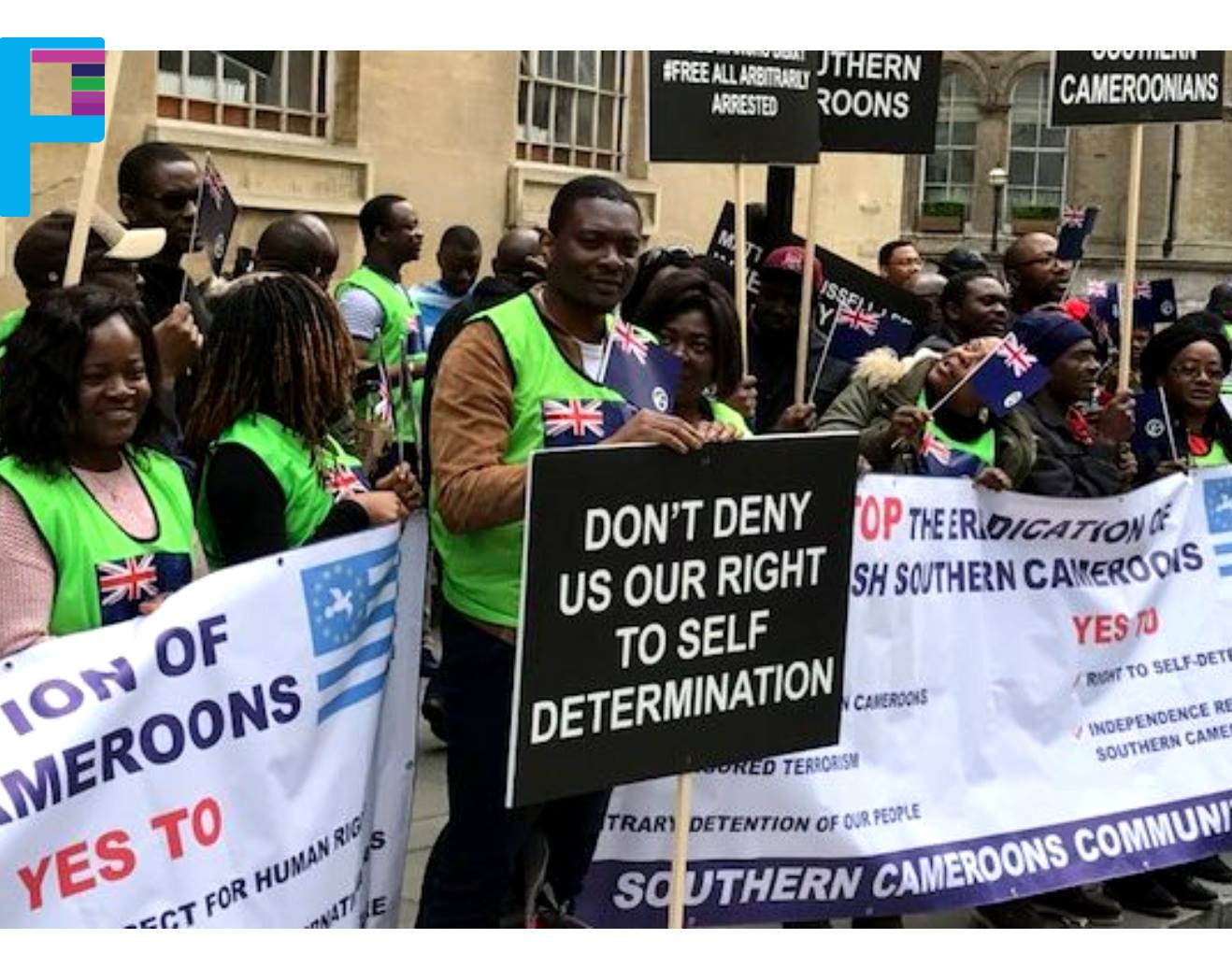
Personalities of the Struggle: Social Taxonomies of a Moment in Crisis
Poise examines the variety of voices that emerged online during an acute phase of the Anglophone crisis, categorizing them by their logic and rhetoric—from those invoking traditional or religious frameworks to those offering military fantasies or dismissive skepticism. The piece treats these categories not as moral judgment but as a sociological map of how a fractured population under stress expresses itself.

Miss Coconut Heads: On Beauty Pageants and the Absence of Substance
The writer articulates a sustained critique of beauty pageants in Cameroon, arguing they celebrate appearance over achievement and reduce women to ornament. The post calls out the gap between pageant rhetoric about 'empowerment' and the lack of intellectual rigor or originality demanded of contestants.
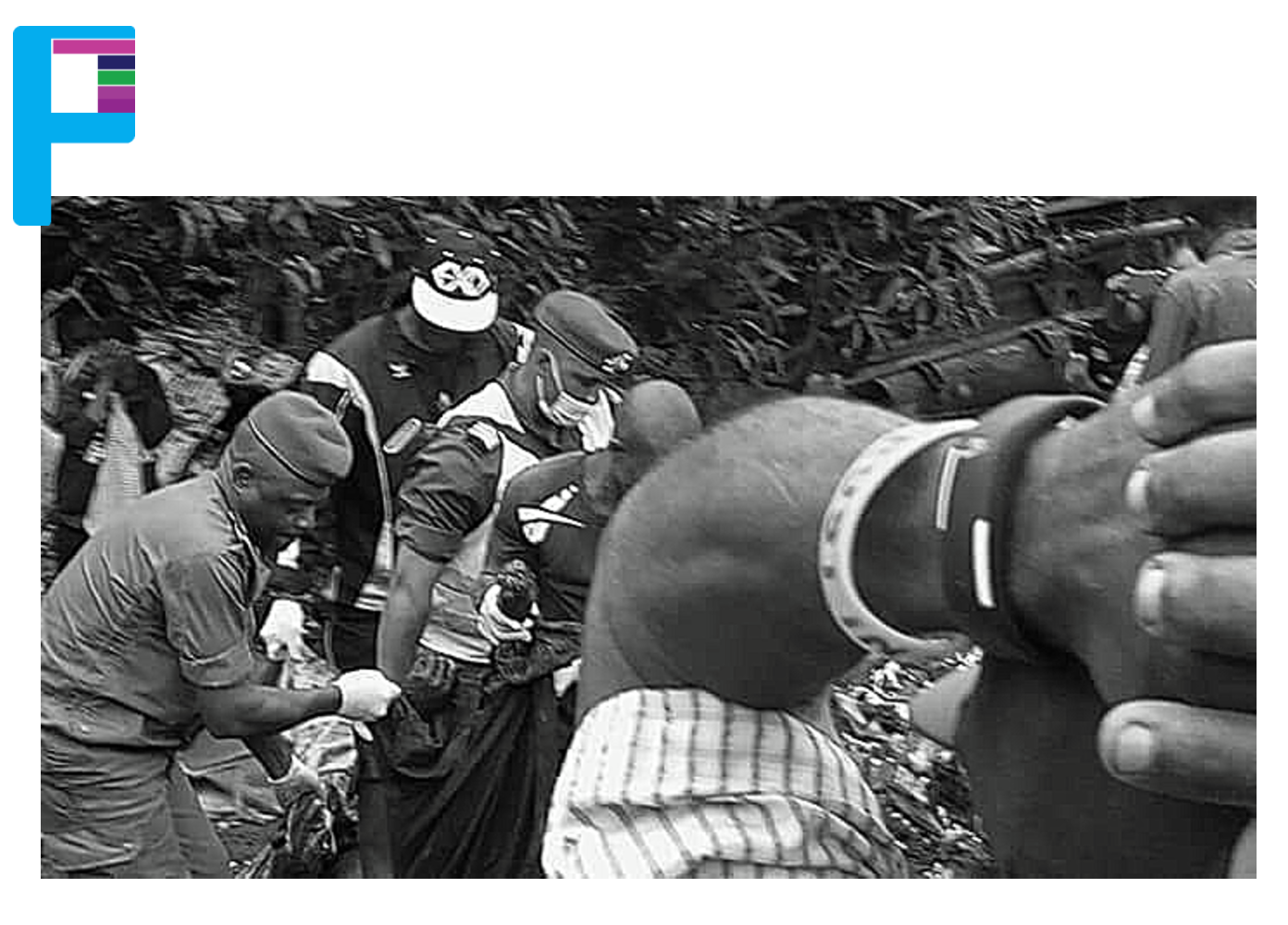
On Graphic Imagery and Our Fear of Death
Following a fatal accident in Muyuka, the writer reflects on social media's role in circulating graphic imagery of disasters, arguing that the impulse to suppress such content often masks discomfort with mortality itself rather than genuine respect for the deceased.