

Staff

When Speed and Silence Collide: FECAFOOT's Challenge to CAF Procedure
Following a disciplinary sanction against its President Samuel Eto'o, Cameroon's Football Federation raised procedural objections—notably, that CAF issued a four-match suspension and fine without written justification. The dispute illuminates a gap between decisional speed and explanatory transparency in continental football governance.
Generational Layers: A Western Taxonomy and a Cameroon Question
The post surveys the standard Western generational framework—from the Silent Generation through Generation Alpha—as a lens for understanding how shared historical events and technologies shape collective identity. It closes with an explicit acknowledgment that this taxonomy is culturally situated and calls for Cameroonian scholars to develop localized accounts of generational formation.
The Cameroon Brand Pantheon: A 2023 Snapshot and Call for Update
Poise's curated ranking of Cameroon's twenty most culturally resonant brands—from Total and MTN to Hysacam and Afriland—captures how brands function as social mirrors, embodying national character, aspiration, frustration, and resilience. The piece invites readers to nominate contenders for a 2025 refresh, treating brand ecology as a living archive of collective values.
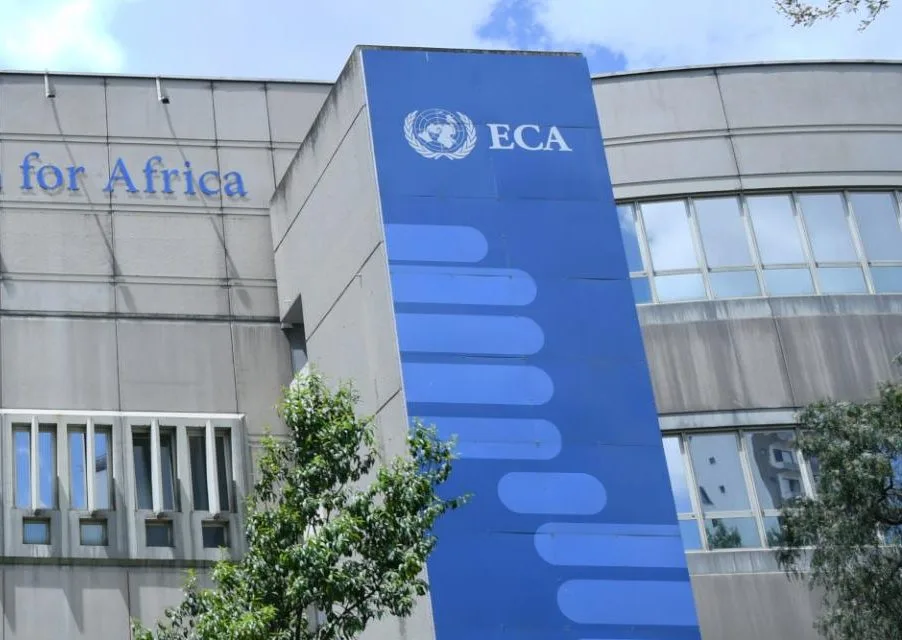
The United States Withdraws From International Institutions: Implications for African Governance and Development
The U.S. government has ordered immediate withdrawal from 35 non-UN organizations and 31 UN entities spanning climate, development, democracy support, and peacebuilding. The decision affects institutions central to African economic policy, electoral reform, climate adaptation, and justice-sector support, raising questions about funding gaps and program continuity across the continent.
Seventeen Phrases Only a Cameroonian Will Understand
This essay assembles seventeen colloquial and code-switched expressions that encode the unwritten rules of Cameroon—phrases that teach adaptive intelligence, navigational pragmatism, and survival within systems marked by bureaucratic opacity and relational hierarchy. Together, they form a compressed manual for how to move through the country not by fighting its contradictions, but by translating them.
Part III: Things Only a Cameroonian Will Understand
The writer catalogs seventeen Cameroonian phrases and behavioral codes that reveal a society structured on navigational intelligence, relational networks, and pragmatic acceptance rather than formal rules or individual achievement. Each phrase is glossed as evidence of how Cameroonians move through contradiction, manage social hierarchy, and survive by knowing when to speak, when to bend, and when to defer.
Côte d'Ivoire: From Elimination to Detention
In 2000, days after the Côte d'Ivoire national football team was eliminated from the Africa Cup of Nations, the country's military regime detained the players and staff at a training camp for what officials called a "civic lesson." The episode revealed how a fragile government weaponized national sport to project strength and discipline during a period of acute political instability.
Things Only a Cameroon Will Understand
A humorous taxonomy of Cameroonian phrases and attitudes—'Le Cameroun c'est le Cameroun,' 'Man go do how?,' 'Si on t'explique le Cameroun'—that encode adaptive intelligence, institutional realism, and the psychological survival strategies required to navigate a country where systems are opaque and outcomes unpredictable. The piece frames these not as cynicism but as earned wisdom, folk philosophy expressed through resignation and creativity.
Zambia's Chipolopolo: Tragedy, Resurrection, and the 2012 AFCON Victory
This essay traces Zambia's national football team from the devastating 1993 plane crash that killed 18 players and staff to their unlikely triumph at the 2012 Africa Cup of Nations. It chronicles how a nation rebuilt its squad in the aftermath and, nearly two decades later, won continental glory in the very city where their heroes perished.

The Twenty Brands That Shape Cameroon: A Social Reading
This essay catalogues twenty major Cameroonian brands—from Total and MTN to Guinness, Hysacam, and Afriland—as mirrors of national character, economic anxiety, and resilience. Each brand carries not just commercial weight but cultural meaning: the way Cameroonians relate to authority, aspiration, everyday hardship, and quiet entrepreneurial pride.

Zebra Comics and the Reimagining of African Storytelling
This piece traces the evolution of comics from dismissal as juvenile entertainment to recognition as serious art, then pivots to celebrate Zebra Comics PLC, a Cameroonian digital platform founded in 2016 that creates original African comics, webtoons, and manga for global audiences. The writer positions the venture as a response to the dominance of Western and Japanese imports in African popular culture and a counter to the reading crisis among young people on the continent.
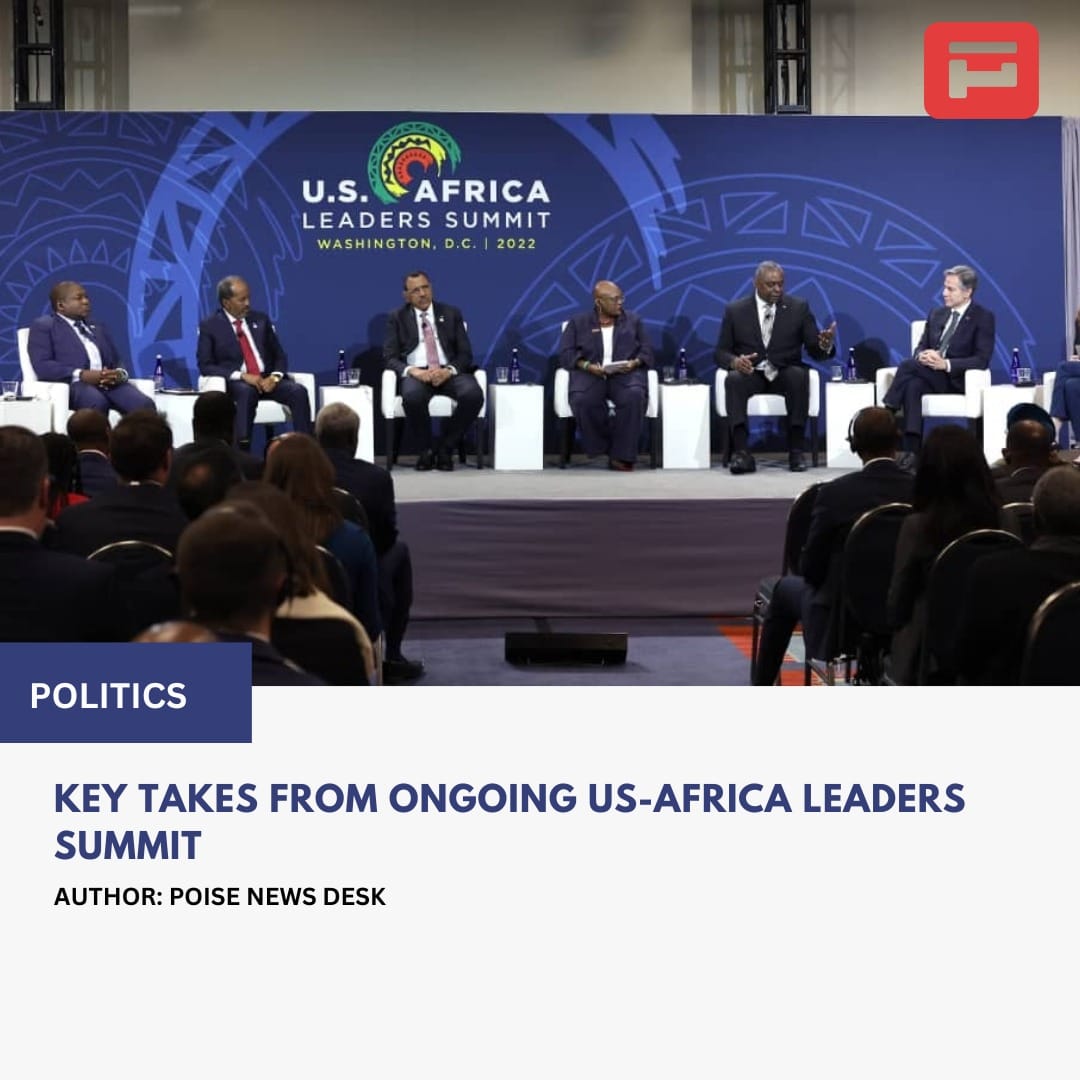
Africa at the Table: Reflections on the 2022 US-Africa Leaders Summit
Poise examines the December 2022 US-Africa Leaders Summit through the lens of key African leaders' statements and commitments. The piece surveys remarks from Presidents Biya, Akufo-Addo, Museveni, and others, marking a moment of diplomatic repositioning and competing visions of African development.
The Democratization of Smart Home Technology in Cameroon
Clay Makain Kimbi, a Cameroonian technologist and audio professional from Bamenda, challenges the Western-centric notion of smart homes by demonstrating that affordable, practical smart devices are already accessible in the local market. Through his YouTube channel MC SMART HOMES, he reviews and demystifies these gadgets, making emerging technology legible and actionable for Cameroonian households.
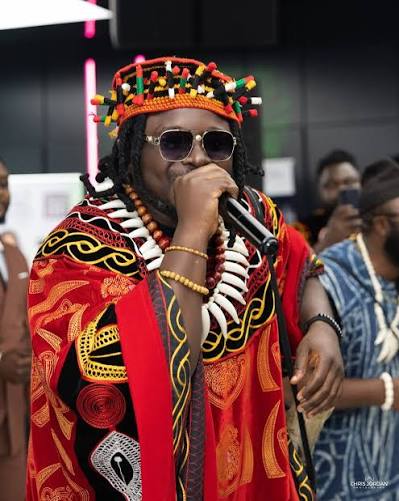
Artists to watch in 2022 : The Guardian of Cameroonian Culture - Witty Minstrel
Poise profiles Witty Minstrel, a Cameroonian artist riding the success of his 2021 hit

What a Singing Contest Can Offer You
Singing competitions have long been a pathway to musical visibility and career opportunity, from historical court auditions to contemporary platforms like American Idol. In Cameroon's local music scene, such contests remain valuable for emerging artists seeking platform, audience access, and the material means to develop their craft.
Sinners Judging Other Sinners: On Celebrity, Narrative Control, and Moral Deflection
The writer examines the public debate around a leaked intimate recording involving a prominent celebrity, arguing that the discourse around 'controlling the narrative' and celebrating survival masks a deeper erosion of moral standards and a selective attention economy that ignores systemic suffering.

The Real Debate: Beyond the Tape
A critical reflection on the tendency to frame a celebrity sex tape scandal as an empowerment narrative, while ignoring the structural silence around concurrent crises of violence and displacement in Cameroon.

When Brands Become Words: Genericization and Market Power in Cameroon
The writer examines genericization—the process by which brand names become generic terms for product categories—through the lens of Cameroon's bottled water market, particularly the rise of Supermont at the expense of the once-dominant Tangui. The piece argues that while brand genericization can signal market strength, it also carries legal and competitive risks that savvy companies must carefully manage.
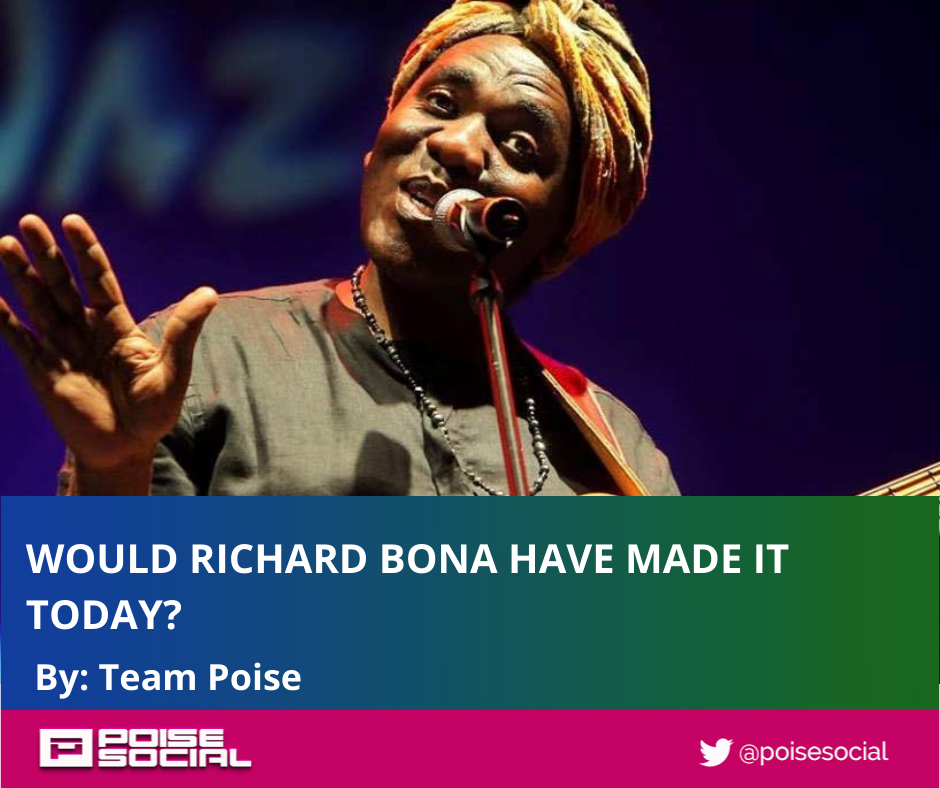
Would Richard Bona Succeed in Today's Ecosystem?
The writer reflects on Richard Bona's career arc—ten albums, no solo music videos, yet international jazz recognition—and asks whether such a path remains possible in 2021. The question turns on a shift from the MTV era (when Bona emerged) to the present era of algorithmic content discovery and visual saturation.
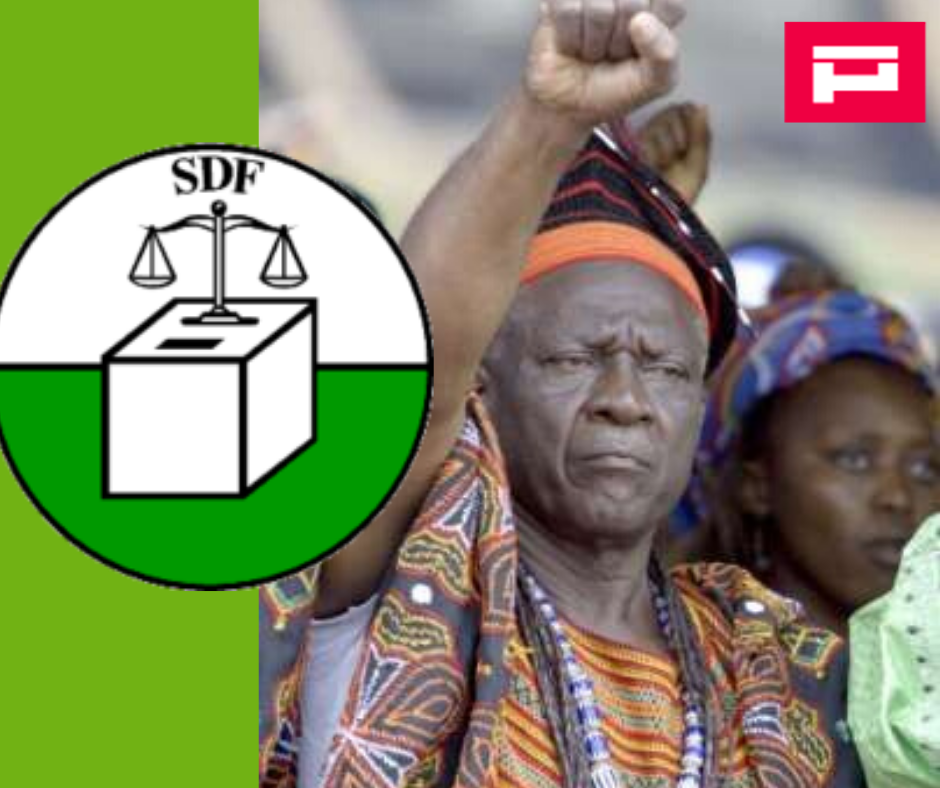
The SDF at Thirty: A Party's Dimming Flame
On the thirtieth anniversary of the Social Democratic Front's founding in 1990—marked by a deadly march for multi-partism in Bamenda—Poise reflects on the party's arc from revolutionary hope to diminished present. The piece traces how John Fru Ndi, once embodying Cameroon's democratic aspirations and appearing to win the 1992 presidential election, has become a contested figure, accused of betrayal and clinging to power rather than nurturing renewal.
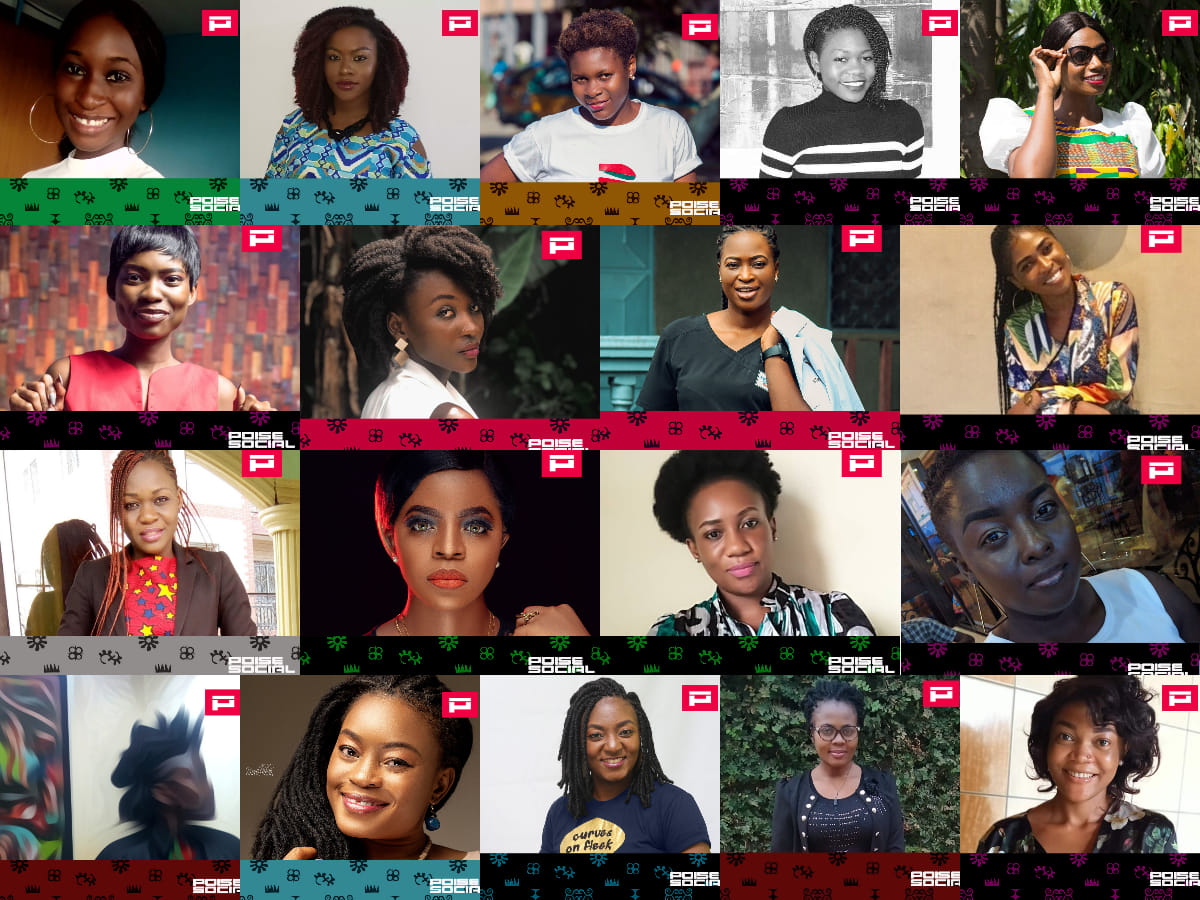
Thank You to All the Poise Ladies
In March 2020, Poise celebrated its female contributors in a special themed month, and the response exceeded expectations—nearly daily publications showcasing writing on diverse topics from relationships and business to research and personal reflection. The founders reflect on what this outpouring of trust and participation reveals about the platform they have spent three years building.
The Generalist Advantage: Why Being a Jack of All Trades Matters Now
The writer challenges the dismissive reading of 'jack of all trades, master of none,' arguing that generalism—the ability to synthesize knowledge across multiple disciplines—is precisely what complex problem-solving demands. Drawing on examples like Charlie Munger and reflecting on their own experience, they contend that in the knowledge economy, versatility is not a weakness but a strategic asset.

The Generalist's Advantage: On Mastering Many Things
The writer defends the path of the generalist against the persistent cultural advice to specialize in one domain. Drawing on the full original quote—

Eleven Expressions Holding Cameroon Back
The writer examines eleven colloquial expressions endemic to Cameroonian speech—from 'Le Cameroun c'est le Cameroun' to 'Tu crois que tu souffre plus que qui?'—arguing that these phrases crystallize a culture of learned helplessness, defeatism, and resigned acceptance of dysfunction. Each expression, the writer contends, normalizes injustice and discourages the truth-telling and collective action necessary for change.

Skills, Assets, and the Future of Influence in Cameroon
The writer argues that Cameroonian influencers cannot rely on direct brand sponsorships—a model slow to arrive in the local market—and must instead create economic value through strategic, project-based collaborations that combine creative vision, production capacity, and marketing reach. Drawing on examples from fashion, the piece proposes a practical blueprint for turning social influence into sustainable income.
Skills and Assets: How Influencers Can Build Income Through Collaboration
The writer argues that Cameroonian influencers cannot rely on brand sponsorships from major corporations, which remain slow to adopt influencer marketing. Instead, they propose a model of project-based creative and financial collaboration between influencers and established brands—pooling skills, capital, and reach to create and market products together.
Mental Health in the Age of Disconnection
On Mental Health Awareness Week, Poise observes that despite material progress, suicide rates exceed war deaths globally, while social media amplifies young people's dissatisfaction. In Cameroon specifically, stigma and cultural taboos prevent open conversation about mental illness, leaving sufferers isolated.
Land, Livelihood, and Lessons from History: The Baka and the Weight of Precedent
Poise draws a sharp parallel between the historical dispossession of Native Americans through the reservation system and ongoing threats to the Baka people's ancestral forest lands in Cameroon. The piece argues that assimilation policies, whether imposed in 19th-century America or through industrial development pressure today, carry predictable and devastating consequences for indigenous communities.
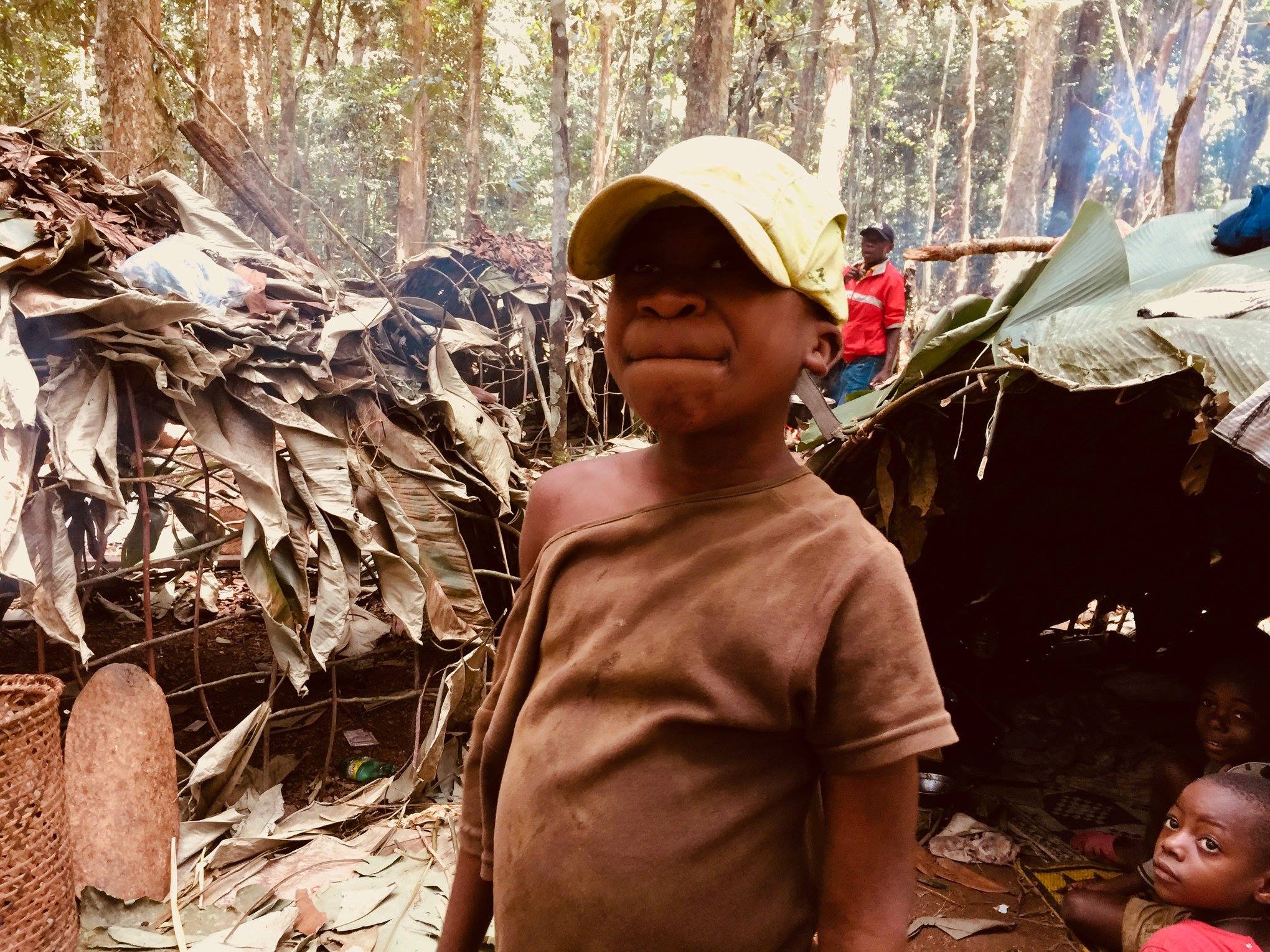
The Baka People and the Cost of Development Without Consent
This piece examines the displacement of the Baka indigenous forest community in southern Cameroon by industrial rubber plantations, specifically the SUDCAM project, which has cleared over 10,000 hectares since 2011. It documents the Baka's dependence on their ancestral forest for livelihood and identity, and their formal requests to the government for land titles to secure their future.
Word as Weapon: Young Holiday's Worth the Wait
Poise celebrates the lyrical density and verbal craft of Young Holiday's Worth the Wait EP, extracting standout bars that showcase wordplay, cultural reference, and philosophical depth across seven tracks. The piece treats rap as a poetic form where punchlines, puns, and layered meaning matter as much as message.
When Global Powers Avert Their Eyes: Rawlings on the Anglophone Crisis
Former Ghanaian president Jerry John Rawlings, speaking at an international peace summit in Seoul, calls out the silence of Western powers and the UN in the face of mass violence against English-speaking Cameroonians, questioning why diplomatic pressure has not materialized despite hundreds dead and hundreds of thousands displaced.
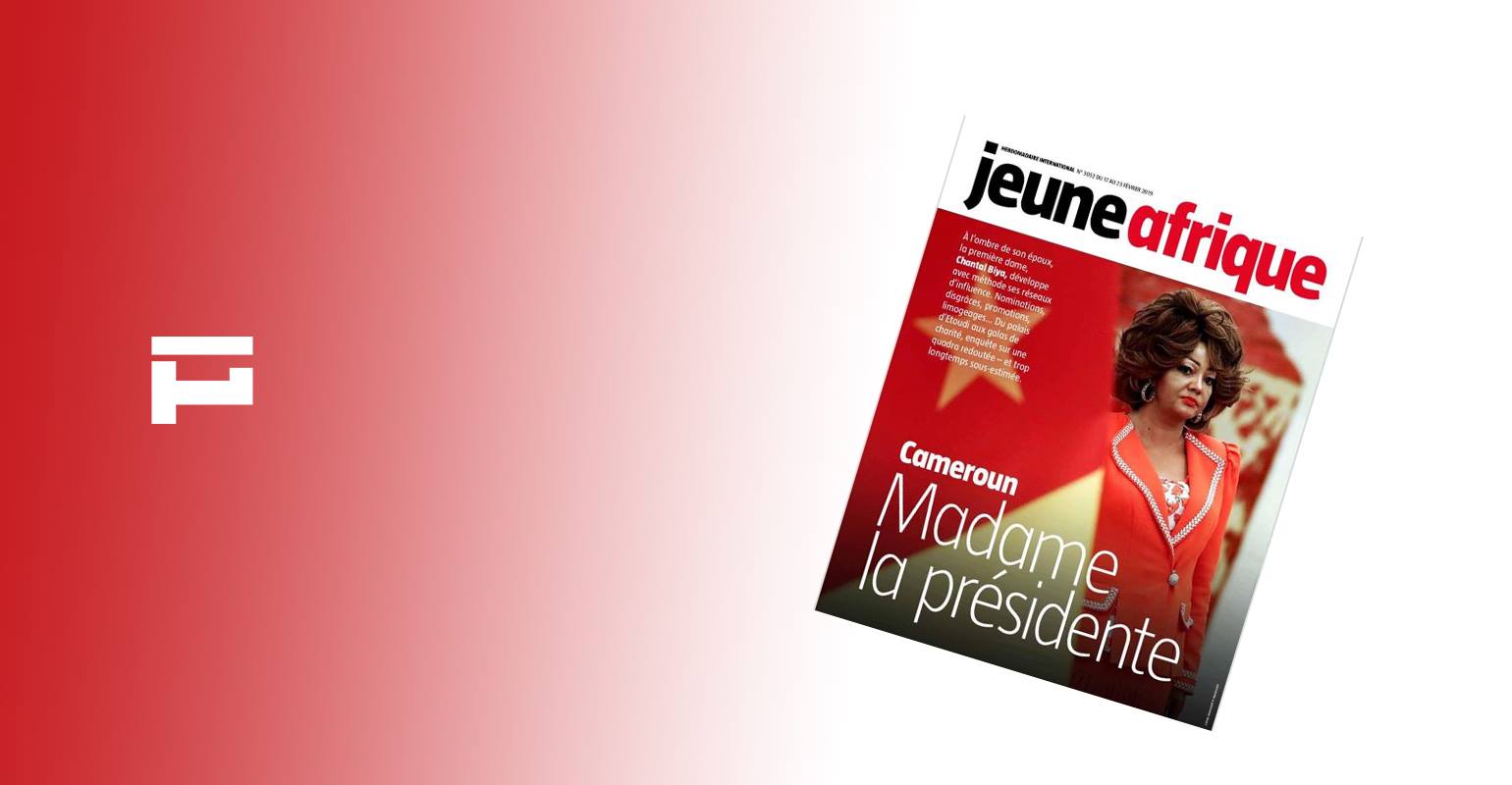
The Architecture of Influence: Chantal Biya and Power in Cameroon's Presidential Circle
A February 2019 post examines the shifting public profile and apparent political influence of Chantal Biya, reported on the cover of Jeune Afrique at age 48. Drawing on analysis of cabinet reshuffles and institutional positioning, the piece traces how she has moved from ceremonial presence to a figure whose preferences appear to shape personnel decisions and governance culture.
The Age of the Side Hustle: Nora Gweji on Building Beyond the Primary Job
A profile of Nora Gweji, who built an event decoration and planning business alongside full-time banking work, starting in 2015 with $1,000 and initial struggle before finding her first client through a Cameroonian professional network. The piece documents her journey from initial hesitation to steady profitability, reflecting Poise's wider advocacy for supplementary income and creative fulfillment beyond conventional employment.
Cameroonian Universities Absent from Africa's Top 200
In 2018, no Cameroonian university appeared on uniRank's list of Africa's top 200 institutions, a reversal from the previous year when three Cameroonian universities ranked in the list. The writer frames this as both a disappointment and an opportunity to explore higher education alternatives across the continent.
Richard Bona Declines the Invitation: Art, Exile, and Political Conscience
A Facebook exchange reveals Cameroonian jazz musician Richard Bona publicly refusing a charity concert invitation and defending his political stance against those who questioned his patriotism and charitable record. The post captures Bona's uncompromising responses to critics who compared his activism unfavorably to that of another prominent Cameroonian figure.

United Nations Volunteer Opportunities: 47 Positions with the World Food Programme in Cameroon
Poise circulated a recruitment notice for 47 volunteer positions with the United Nations World Food Programme across Cameroon, spanning monitoring, logistics, IT, administration, programme support, and communications roles. Applications closed on October 5, 2018, with positions distributed across multiple cities including Yaoundé, Bertoua, Maroua, and others.
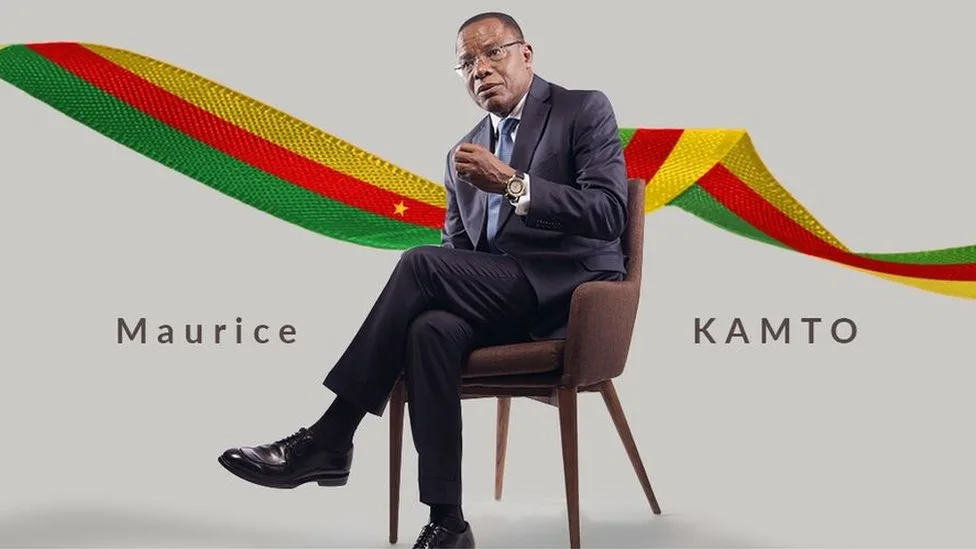
Reading Kamto's 2018 Electoral Program: Substance, Ambition, and Rhetoric
On the eve of Cameroon's October 2018 elections, Poise examines Maurice Kamto's 88-page policy platform across five domains—institutional reform, youth and education, economy, social welfare, and foreign relations—separating concrete proposals from campaign rhetoric and identifying both promise and peril in his vision.
Maurice Kamto's 2018 Governance Program: A Critical Reading
Poise examines the 88-page governance platform Maurice Kamto presented ahead of Cameroon's October 2018 presidential election, breaking down five strategic projects and assessing what appears concrete, ambitious, or rhetorical. The review interrogates promises on institutional independence, the anglophone crisis, language policy, youth education, and digital governance.
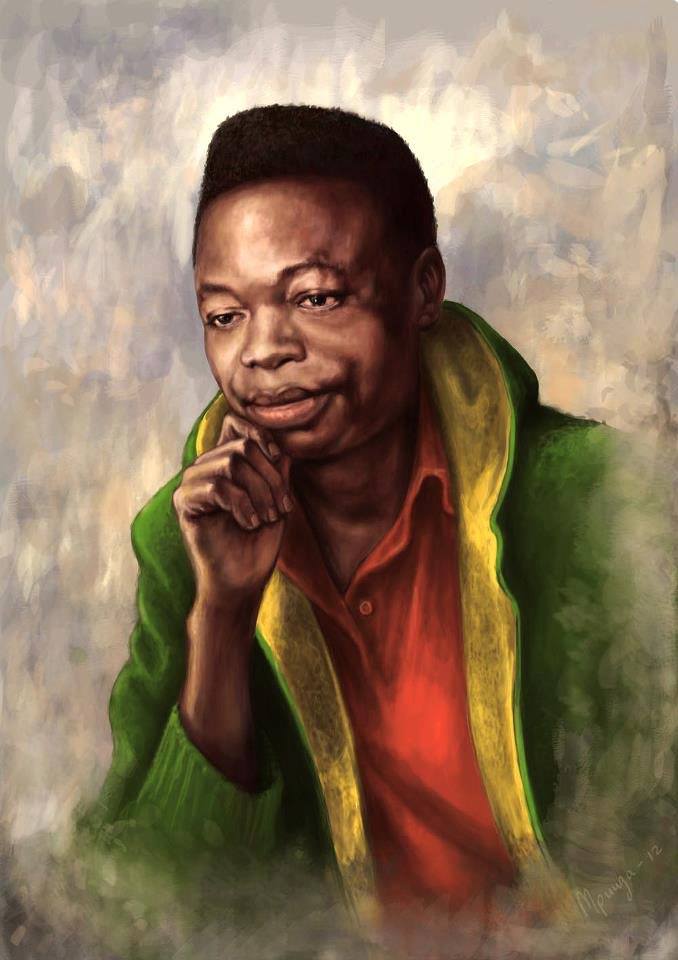
Ruben Um Nyobe: Sixty Years After
On the anniversary of Ruben Um Nyobe's assassination by French forces in 1958, Poise reflects on the life and legacy of the UPC founder—a charismatic trade unionist whose birth name meant 'speaker of the nation' and whose death by violence marked a turning point in Cameroon's colonial struggle.

Ko-C's Gambit: When a Rapper Curates His Own List
After being excluded from PoiseSocial's ranking of Cameroon's most valuable rappers, Ko-C creates a WhatsApp group and invites a roster of his peers, sparking a chaotic and hilarious conversation that reveals ego, ambition, and the absurdity of ranking art. The thread becomes a live performance in itself—a carnival of linguistic invention, non-sequiturs, and the rappers' own competing claims to worth.