
Opinion
Capital Can't Buy Vision: Why Investors Must Back, Not Replace, Entrepreneurs
The writer argues that investors in the music industry frequently mistake financial contribution for operational competence, wrongly displacing proven founders in favor of personal connections. Capital fuels growth, but only the entrepreneur—through years of navigating talent, contracts, and culture—can build a sustainable operation.
The Moment We Missed: Cameroon's Tourism Paradox in the Age of Viral Attention
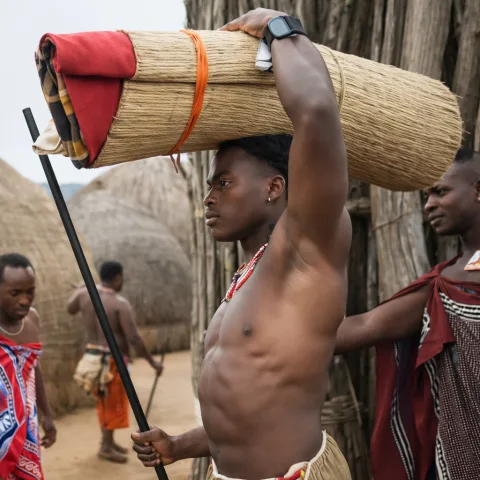
Reflecting on the IShowSpeed continental tour across Africa in late 2025, this essay examines why Cameroon—despite nearly 930 registered tourist sites and world-class geography and culture—remains marginal in global tourism narratives. The writer argues that the country possesses assets but lacks the systems, infrastructure, and coordinated storytelling required to convert potential into sustained economic performance.
A Mother's Account of Medical Negligence and Loss in Lagos
A Nigerian author describes the death of her young son following what she characterizes as criminal negligence by an anesthesiologist during routine procedures at a Lagos hospital. The piece details lapses in monitoring and protocol that she argues led directly to her child's death, and raises questions about institutional accountability.
Ambition in National Dress: On Influencers, AFCON, and the Language of Marginalization
The writer examines a controversy over Anglophone content creators allegedly excluded from FECAFOOT's AFCON promotional campaign, arguing that the ensuing debate conflates personal ambition with national duty and mistakes popularity for leverage. Rather than address systemic exclusion, the discourse reduces itself to questions of individual selection and visibility.

The Gray Area: Influencers and the Rot of Attention in Cameroon
Poise examines the Cameroonian influencer ecosystem—a sprawling, undisciplined terrain where the term means almost nothing. From beauty merchants to gossip-peddlers, scandal-chasers to TikTok dancers, the writer argues that these figures are either victims of systemic decay or chronic seekers of visibility by any means; either way, they serve a regime's interest in keeping young people numb and distracted.

The Burden of Borrowed Faith: Religion and Development in Africa
The writer examines the paradox of African religiosity—the zeal with which imported faiths are practiced—and questions whether religion, especially as a colonial inheritance, has become an obstacle to critical thinking and material progress. The piece argues that dogmatic belief systems discourage the questioning and analysis necessary for genuine development.
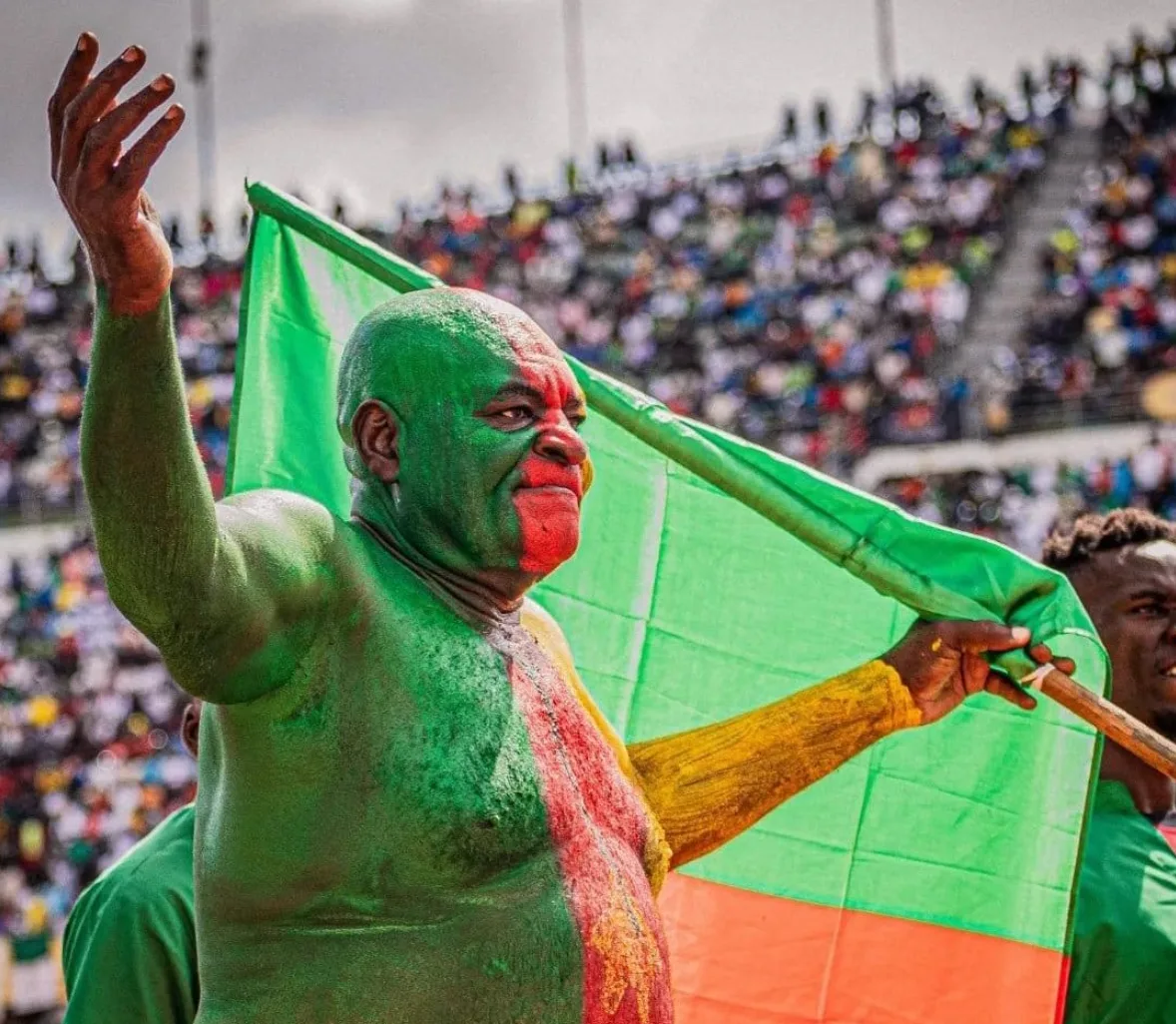
The Unofficial Ambassador: Reputation, Boundaries, and Ngando's Place in Cameroonian Football
A critical reflection on Ngando, a long-standing supporter of Cameroon's national football team, examining the gap between his public image as an informal ambassador and his increasingly problematic behavior seeking financial compensation from players and officials. The writer argues that while Ngando's decades of personal sacrifice merit respect, FECAFOOT must formally end its ambiguous relationship with him to protect Cameroon's reputation.
The Courage Tax: Celebrity Influence and the Limits of Hashtag Activism in Cameroon
The writer reflects on a delegation meeting with Cameroon's Minister of Arts and Culture to oppose a controversial bill, witnessing firsthand how performers abandoned their stated principles once in the room with power. The piece uses this incident to examine why Cameroonian celebrities claim influence they do not possess, and why national-scale activism remains performative rather than substantive.

On Depth, Authenticity, and the Artist's Right to Critique
Following Burna Boy's public criticism of Afrobeats as lacking substance, this piece defends the artist's right to hold the culture accountable while examining what he actually meant: a call for more personal storytelling and philosophical coherence among African musicians, rather than generic feel-good escapism.

Hide My I.D.: When Confession Becomes Entertainment
This essay examines the transformation of anonymous advice platforms—spaces initially meant for vulnerable people to seek help without shame—into vehicles for public spectacle and trolling. The writer argues that what began as a genuine support mechanism has devolved into a form of social entertainment, where audiences consume others' suffering rather than genuinely engage with solutions.

The Peril of Performance: Youth, Social Media, and the Erosion of Serious Political Engagement in Africa
The writer examines how social media's amplification of charisma and visibility threatens to corrupt genuine youth-led political movements across Africa. In Cameroon specifically, the 2025 presidential race is attracting both sincere reformers and opportunists seeking influence rather than power, a dynamic that risks fracturing the very generational energy needed for meaningful change.
Symbols Without Substance: The Portrait and the Slogans
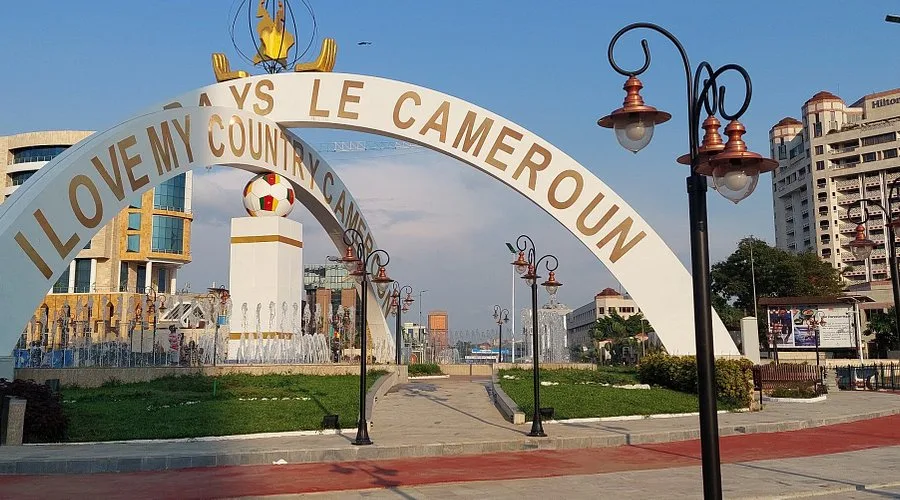
This essay examines how Cameroon's political culture has come to rely almost entirely on symbolic gestures—a ubiquitous presidential portrait, cycling national slogans, monuments, and rebranded success stories—while the material conditions they purport to represent continue to deteriorate.
The Unofficial Ambassador: Governance, Reputation, and Cameroonian Football
A writer examines the decades-long relationship between a devoted but increasingly problematic football supporter and Cameroon's national team, tracing how an unofficial ambassador whose image became inseparable from the Lions evolved from hero to liability—raising questions about institutional responsibility and national reputation.
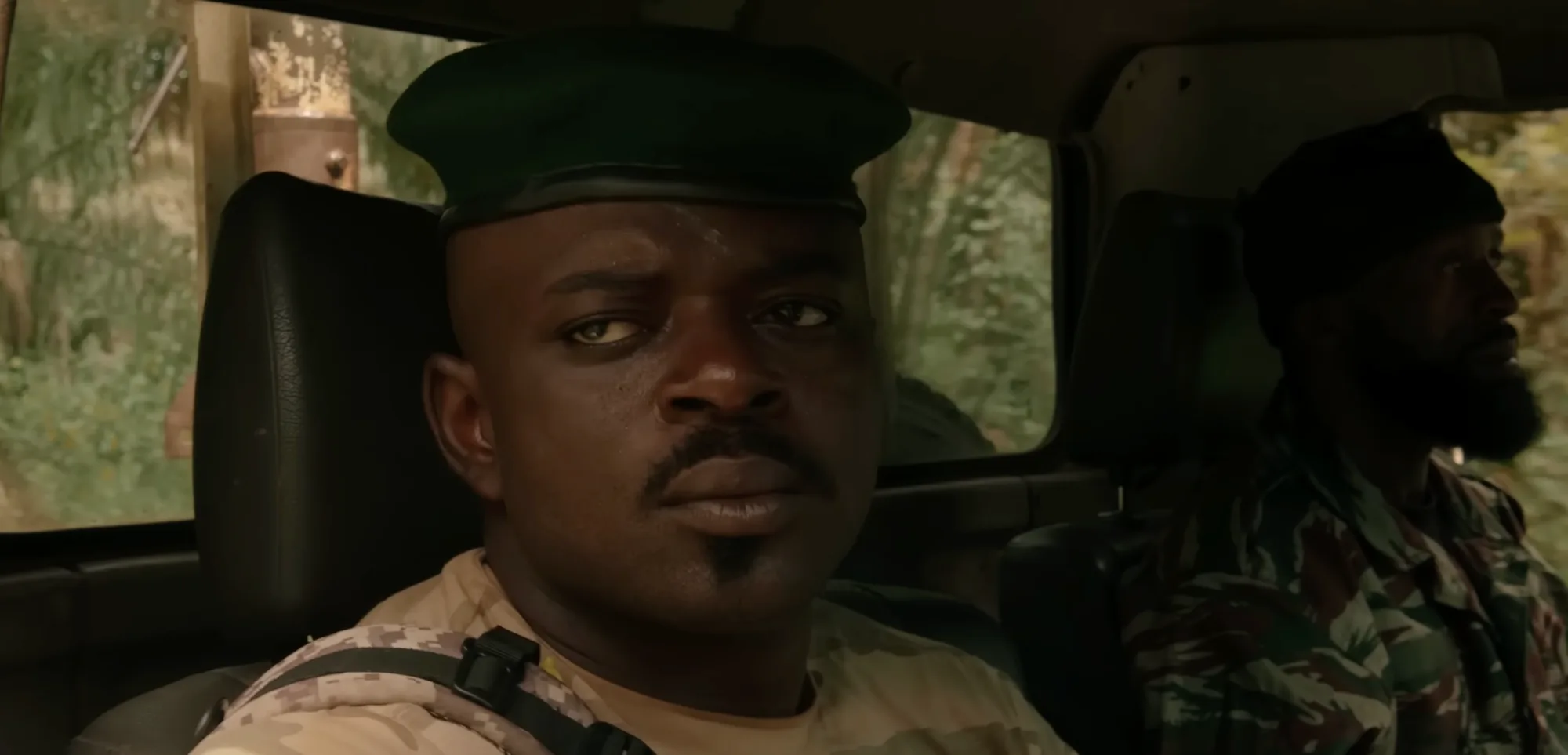
NGANU and the Perils of Ambition Without Execution
A critical review of Kang Quintus's second feature film, NGANU, which tells the story of a violent man who joins the military in a bid for redemption. The film is praised for its technical craft and certain performances but faulted for narrative opacity, unconvincing character motivation, and a bloated middle section that undermines its emotional core.

Typecasting and the Impoverishment of Cameroonian Cinema
Typecasting—the practice of repeatedly casting actors in similar roles—constrains both individual talent and the film industry's creative range. The essay argues that this limitation is particularly acute in Cameroon, where a thin market for scripts and a consolidation of producer-actors narrows the stories told and perpetuates harmful stereotypes.

The Price of Change: On Sacrifice, Institutions, and Why Good People Stay Silent
The writer reflects on Rebecca's public refusal of a presidential candidacy, using it as a lens to examine a deeper paradox in Cameroonian civic life: citizens simultaneously demand change while scorning those willing to pay its cost. The piece interrogates how we defend the very institutions that harm us, and whether collective refusal to sacrifice ultimately empower those in power.

The Ambiguous Embassy: LGBT Rights, Western Pressure, and Cameroon's Reflexes
This piece examines the cancelled visit of a French LGBT ambassador to Cameroon as a mirror of the country's genuine homophobia, Western cultural imposition, and the internal contradictions within global LGBT advocacy itself. The writer resists easy framing, acknowledging both the real violence faced by LGBT persons and the legitimate discomfort with what feels like coercive ideological export.
Soundsation: Mimie's Debut EP and the Question of Label Support
A critical review of Mimie's first EP project, released amid considerable publicity following a public dispute with her former label. The writer evaluates each track with care, finding genuine artistic merit while questioning whether the surrounding narrative has overshadowed the music's own claim to attention.
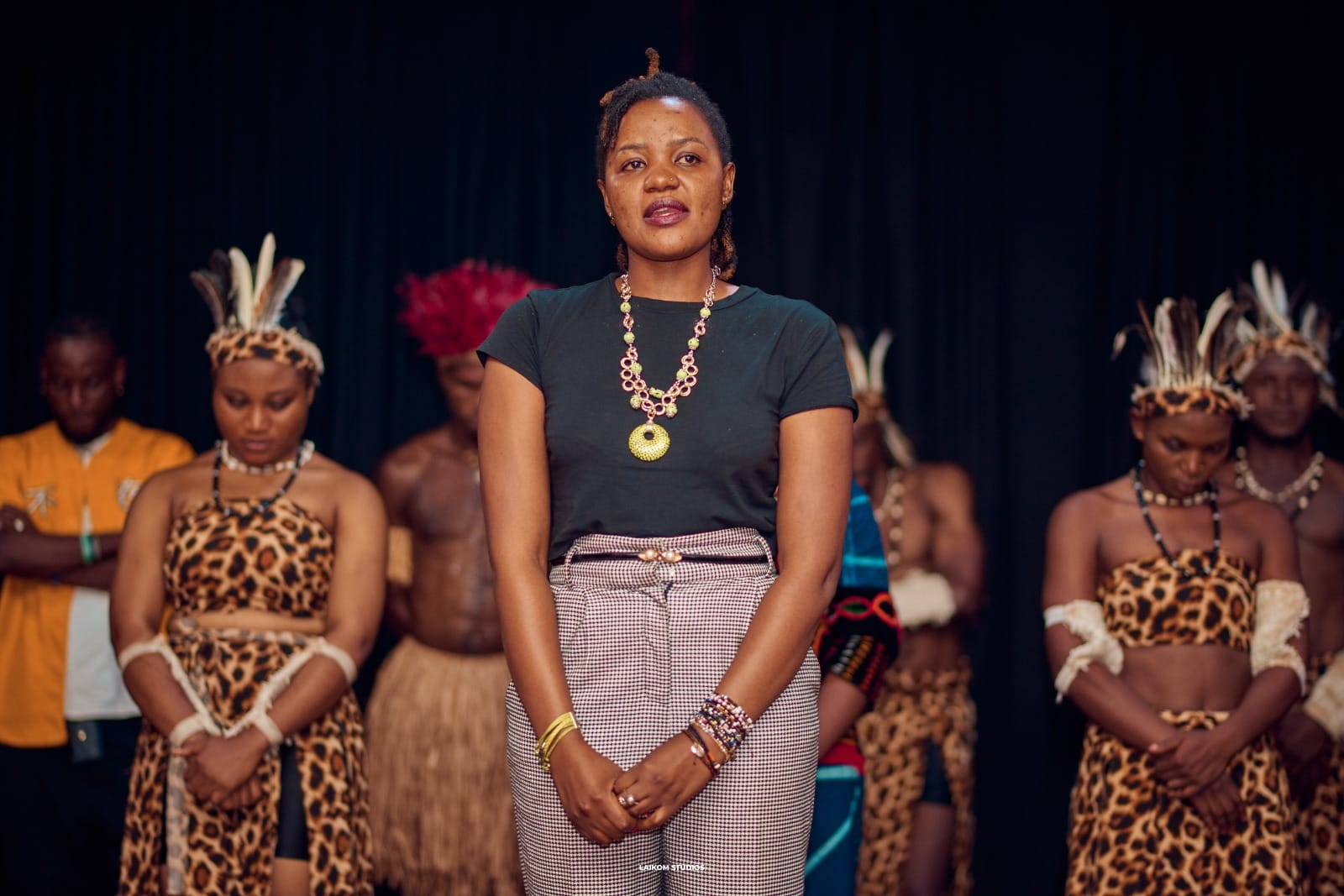
The Unfinished Reckoning: Colonial Debt and African Self-Reckoning
A reflection on a staged play about the Nso people's heritage held in German custody, this essay argues that restitution of colonized artifacts is not a distraction from 'real' problems but foundational to addressing them. The writer contends that colonial extraction persists in every contemporary crisis facing Cameroon and the continent.
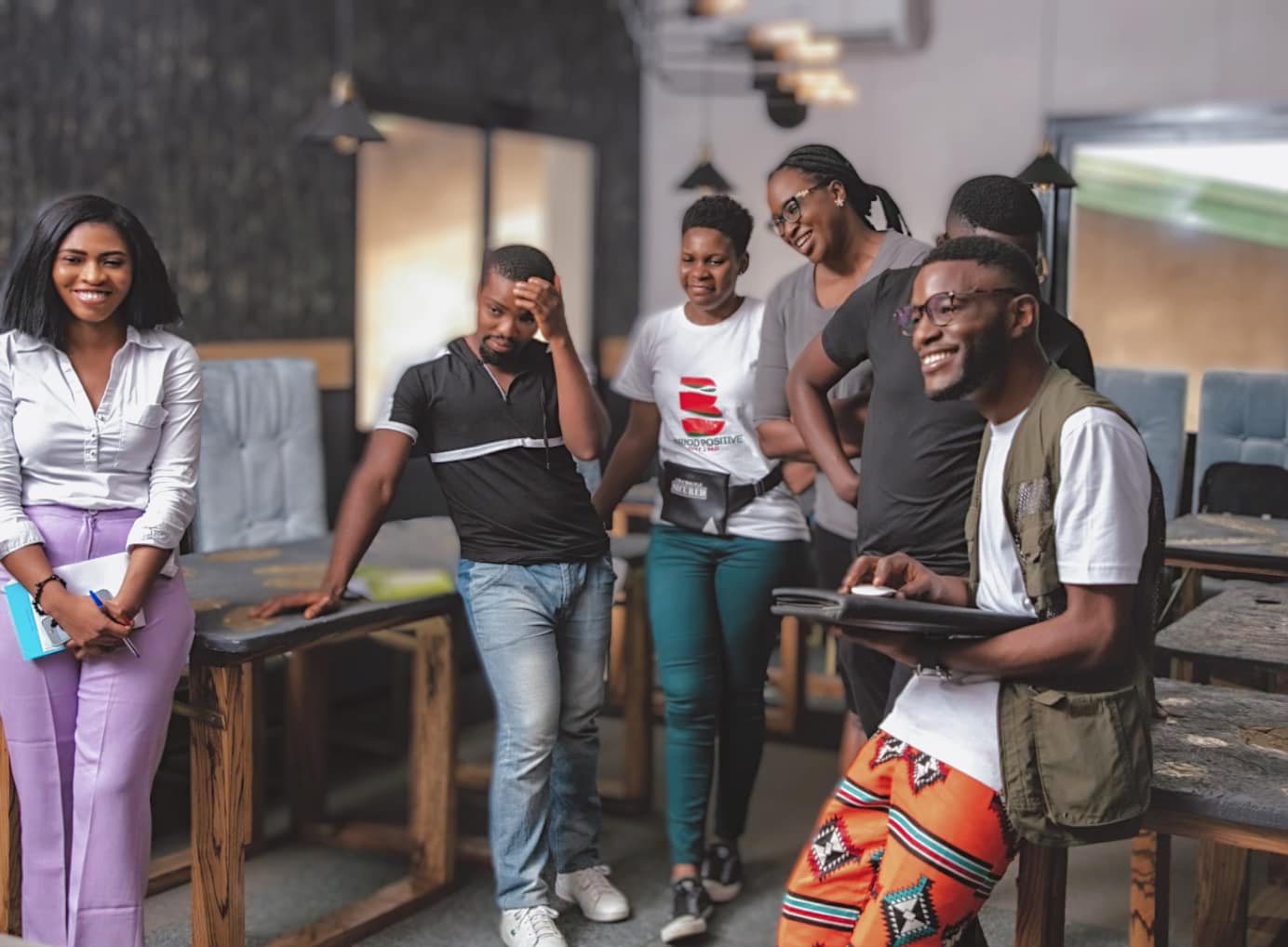
Before You Pay for Digital Marketing Workshops
The writer argues that digital marketing certificates from short-term workshops offer false credentiality and rarely translate to employment or business results. True competence in the field requires sustained practice, demonstrated work, and reputation-building—not credentials—and workshops serve best as orientation, not qualifications.
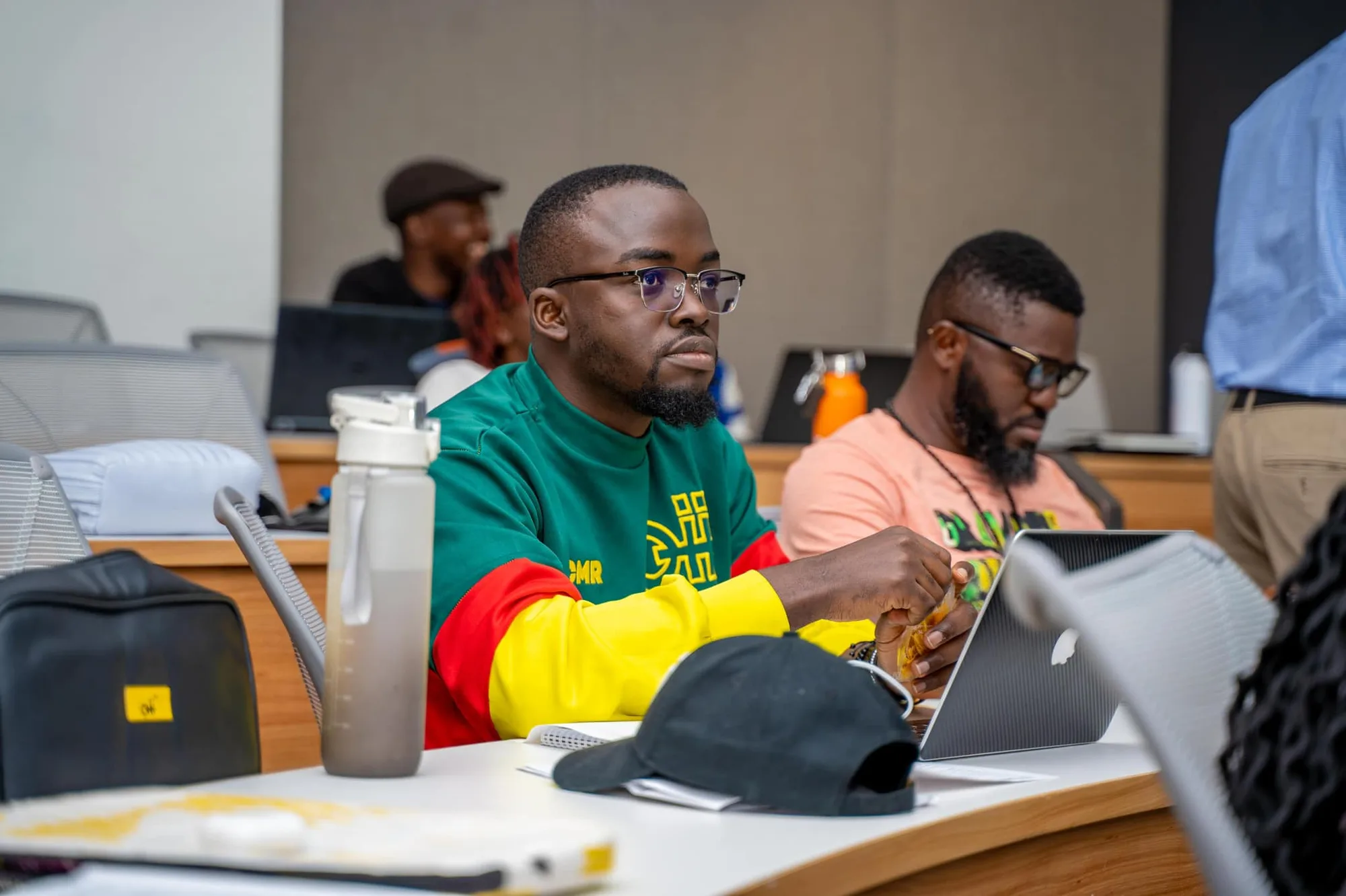
The Certificate Trap: Why Digital Marketing Workshops Rarely Deliver What They Promise
A critique of the booming digital marketing course industry in Cameroon, arguing that certificates from unaccredited academies create a false sense of competence and employability. The writer contends that digital marketing is a reputation-driven skill built through sustained practice, not workshop attendance, and that the real work—content creation—begins only after graduation.
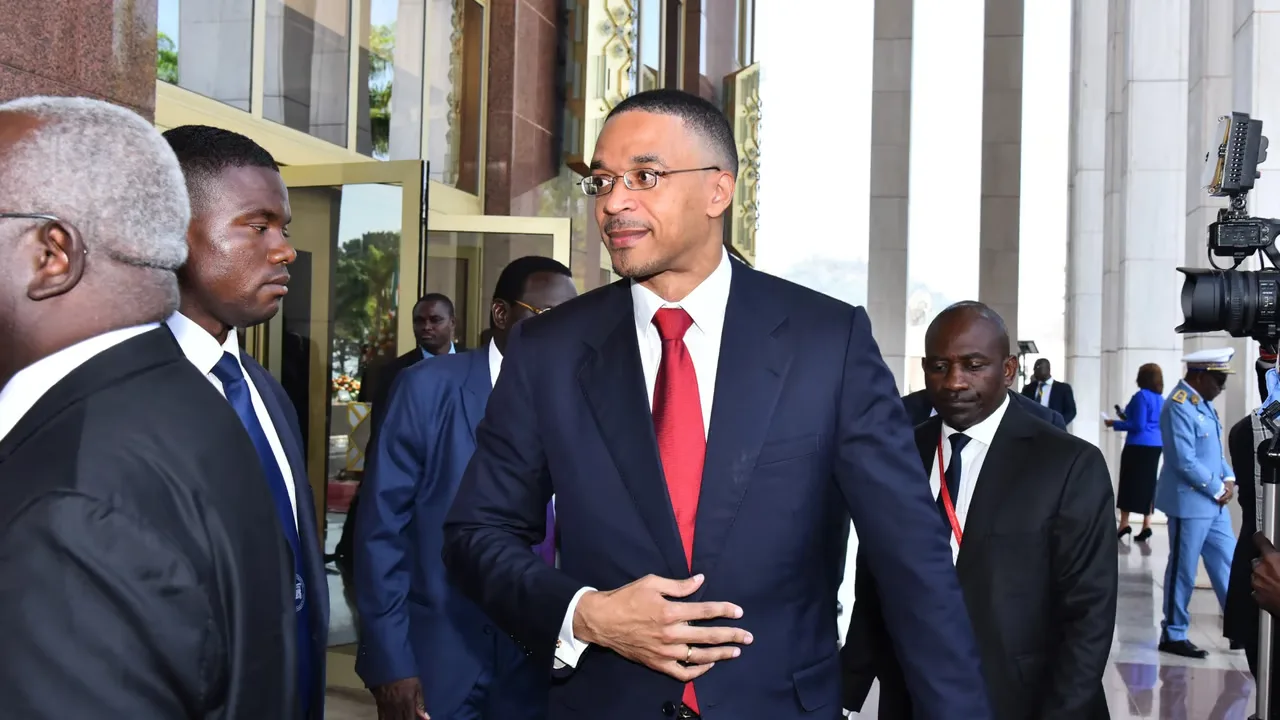
The Politics of the Picture: Celebrity, Complicity, and Cameroon's Defeated Imagination
The writer argues that high-profile Cameroonians—particularly those with global platforms—cannot escape political responsibility through silence or selective visibility. A photograph with state figures is itself a political act, and the absence of critical distance amounts to a form of consent that reinforces the regime's legitimacy.
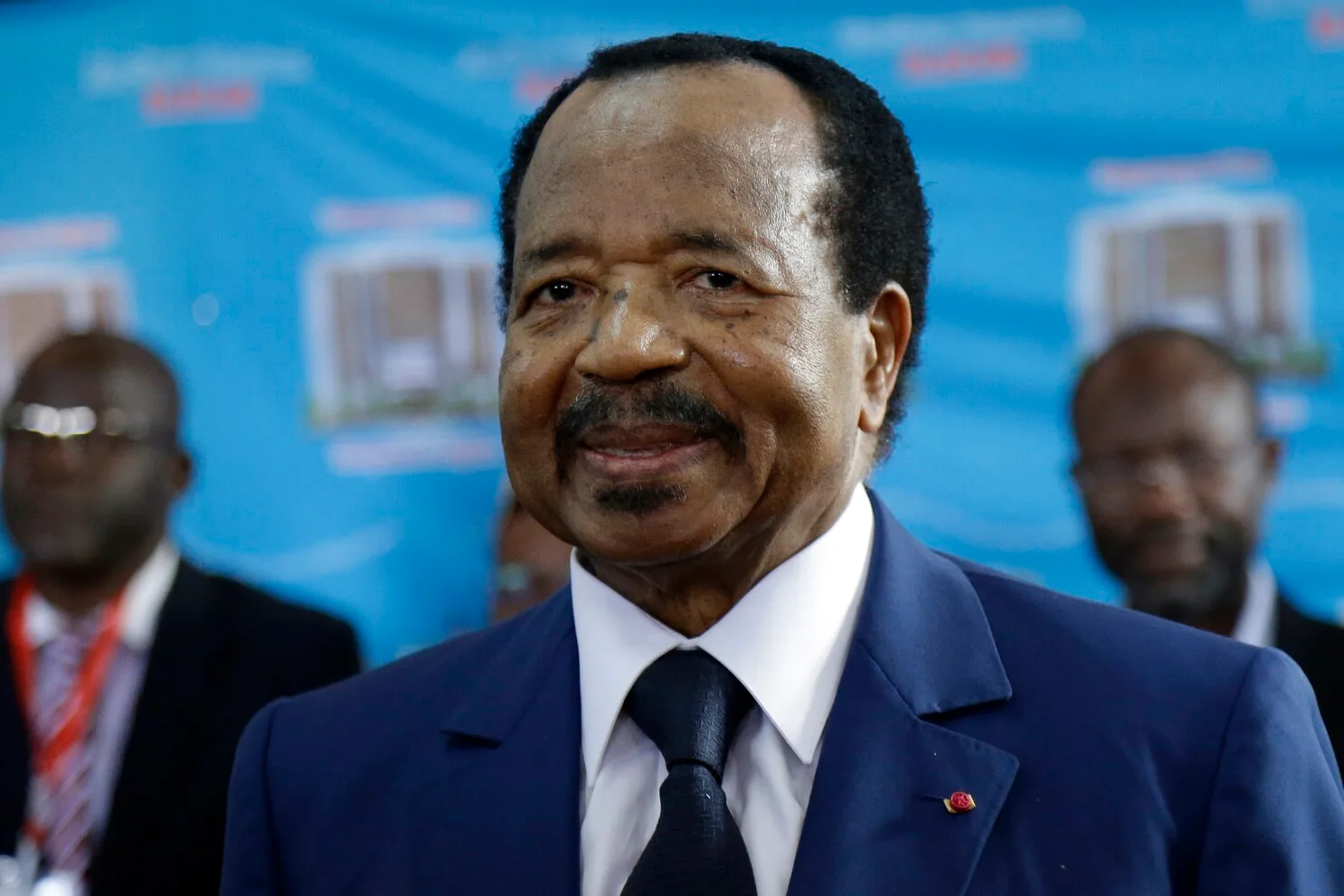
Six Cameroon Types: A Taxonomy of Power, Aspiration, and Survival
The writer sketches six distinct social archetypes within Cameroon—from the privileged beneficiaries of state patronage to the disenfranchised survivors—each with a different relationship to power, money, mobility, and hope. The framework maps not individuals but patterns of thinking and behavior that emerge from systemic inequality and limited mobility.

The Decline of Blogging as Cultural Curation
This piece traces how Cameroonian entertainment blogging evolved from a practice of cultural discovery and curation into a fragmented creator economy driven by sponsored content and transactional relationships with artists. The writer argues that the shift from website-based editorial platforms to Facebook-dependent content, combined with the rise of influencer culture and pay-to-play dynamics, hollowed out the industry's foundation and prevented it from maturing.

The Myth of the African Startup
A critical examination of the startup narrative exported to Africa from Silicon Valley, arguing that celebrated founders were rarely poor or desperate—they had the safety net to fail. The post contends that this mythology has misdirected African ambition toward speculative ventures rather than sustainable wealth-building.

Stop Promoting Deception: Media Ethics and Misinformation in Cameroon
A critical examination of how Cameroonian media outlets and bloggers have abandoned journalistic standards in pursuit of viral content, using the case of a young entrepreneur whose philanthropic claims and business narrative lack credible verification.
We Have an Influencer Problem
The writer examines the degraded state of influence and celebrity in Cameroon, where the term 'influencer' has been stretched to encompass everyone from scammers and gossip-peddlers to those trading in leaked intimate content. The essay argues that this hollowed-out ecosystem serves a regime's interest in pacifying youth while obscuring whether its participants are victims of systemic failure or willing perpetrators of emptiness.
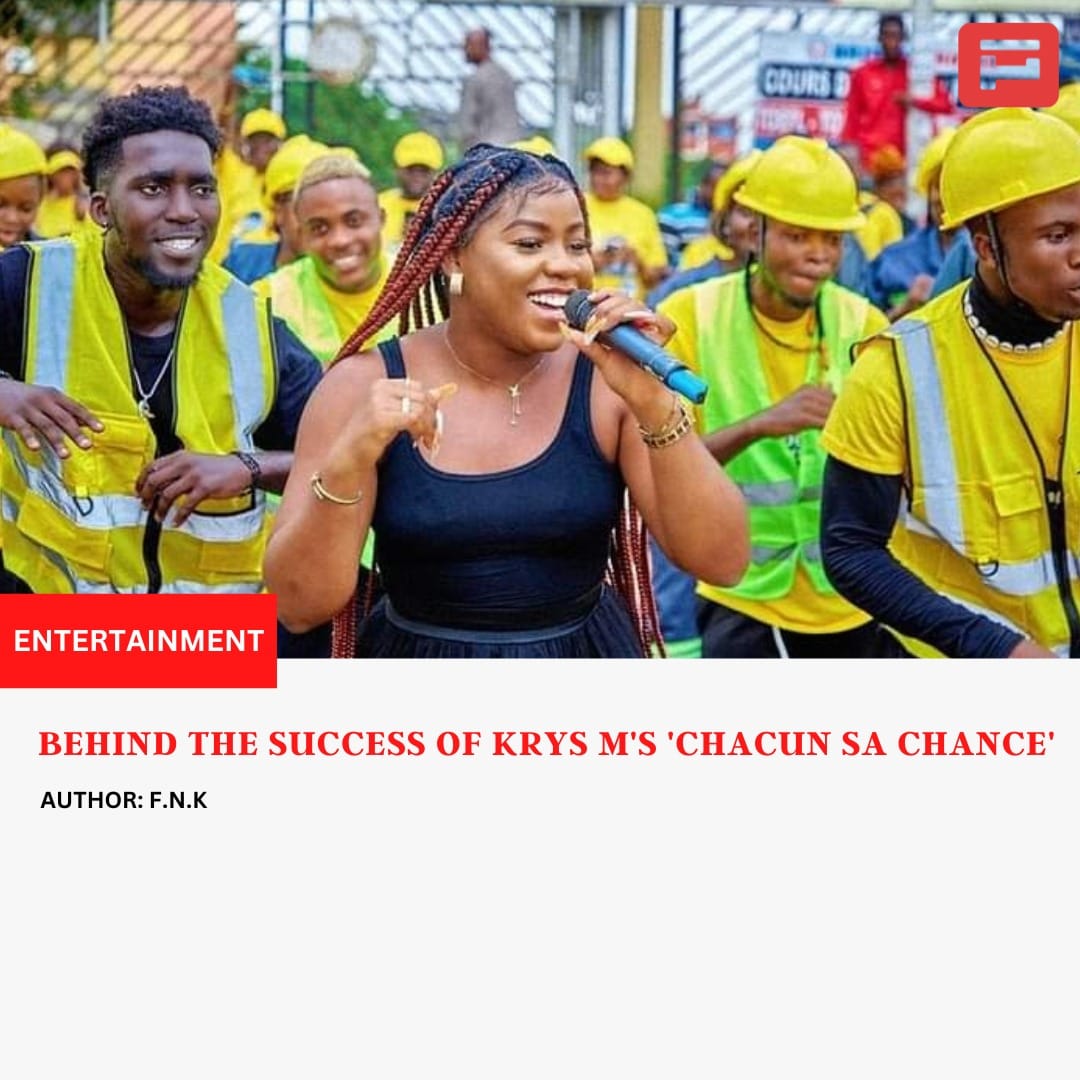
The Nostalgia Trap: Cameroon's Music, Patriotism, and the Cost of Retreat
Examining the viral success of Krys M's 'Chacun sa Chance' and Philbill's 'Bikossa,' the writer argues that Cameroon's biggest songs are retreats into local sound rather than innovations—a symptom of deeper cultural stagnation and a collective turn inward masked by patriotic fervor.

The Backward Step: Cameroon's Music, Patriotism, and the Retreat from Global Conversation
Examining the 2022 success of Krys M's 'Chacun sa chance' and Philbill's 'Bikossa,' the writer argues that Cameroon's biggest songs represent cultural nostalgia rather than innovation, and that this retreat into local-only music reflects a deeper withdrawal from global competition rooted in 25 years of institutional and cultural stagnation.
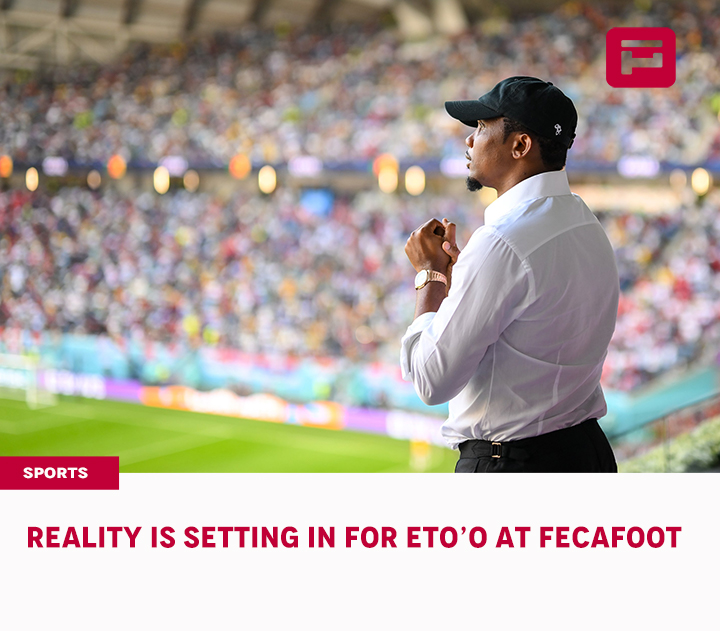
Reality Setting In for Eto'o at FECAFOOT
A year into Samuel Eto'o's presidency of Cameroon's football federation, the initial euphoria has given way to a harder reckoning. The writer examines how his celebrated wage reforms for players—particularly women footballers—have begun to unravel, revealing the gap between administrative ambition and fiscal reality.
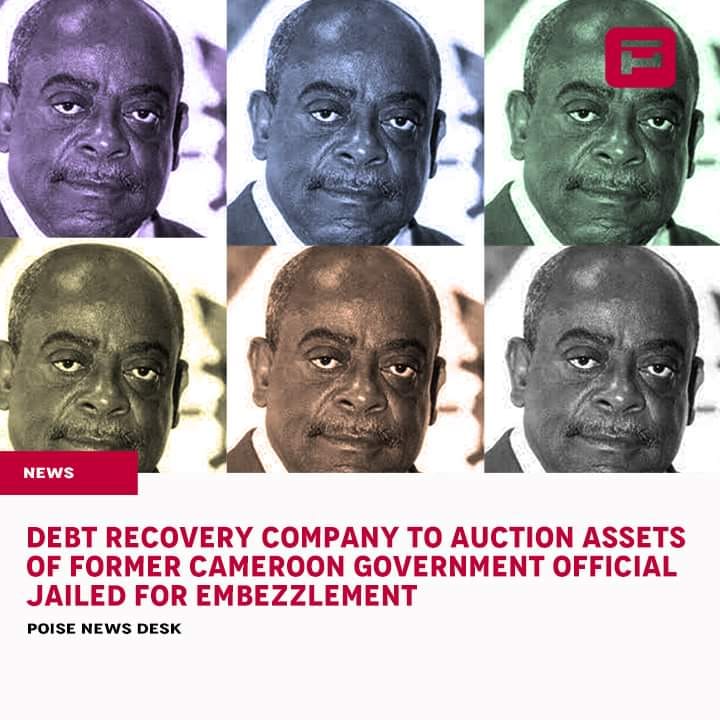
The Lingering Stain: Cataloguing Corruption in Plain Sight
Poise documents the seized assets of Emmanuel Ondo Ndong, former General Manager of FEICOM, convicted of embezzlement over 15 years prior. The inventory—spanning properties across Yaoundé and the South Region, vehicles, and liquid accounts—totals nearly 4.4 billion FCFA, a stark material record of how public office becomes private wealth.
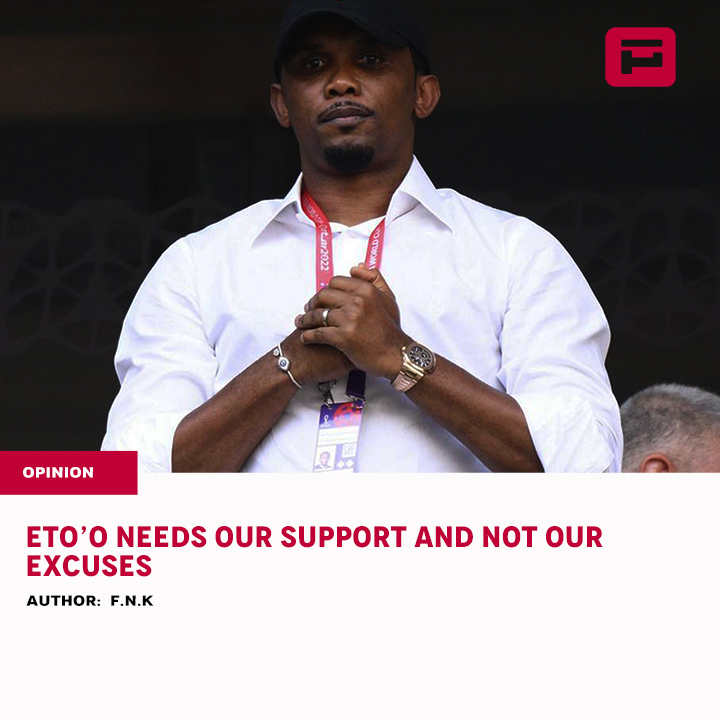
Samuel Eto'o's Violence and the Cameroon We Choose to Become
A critical examination of public reaction to Eto'o's physical assault on an Algerian YouTuber, and the excuses Cameroonians have offered in his defence. The writer argues that as a public figure and government official, Eto'o had a civic duty he failed to uphold, and that normalizing his violence sets a dangerous precedent.
Do We Deserve a Democracy?
The writer examines whether Cameroon's citizens possess the civic engagement required to sustain a functioning democracy, arguing that the nation's stagnation stems not from the system itself but from widespread citizen apathy, vote-selling, and disinterest in governance. The piece contests the gap between democracy's promise—power to the people—and the reality of a disengaged, manipulable majority holding decision-making authority.
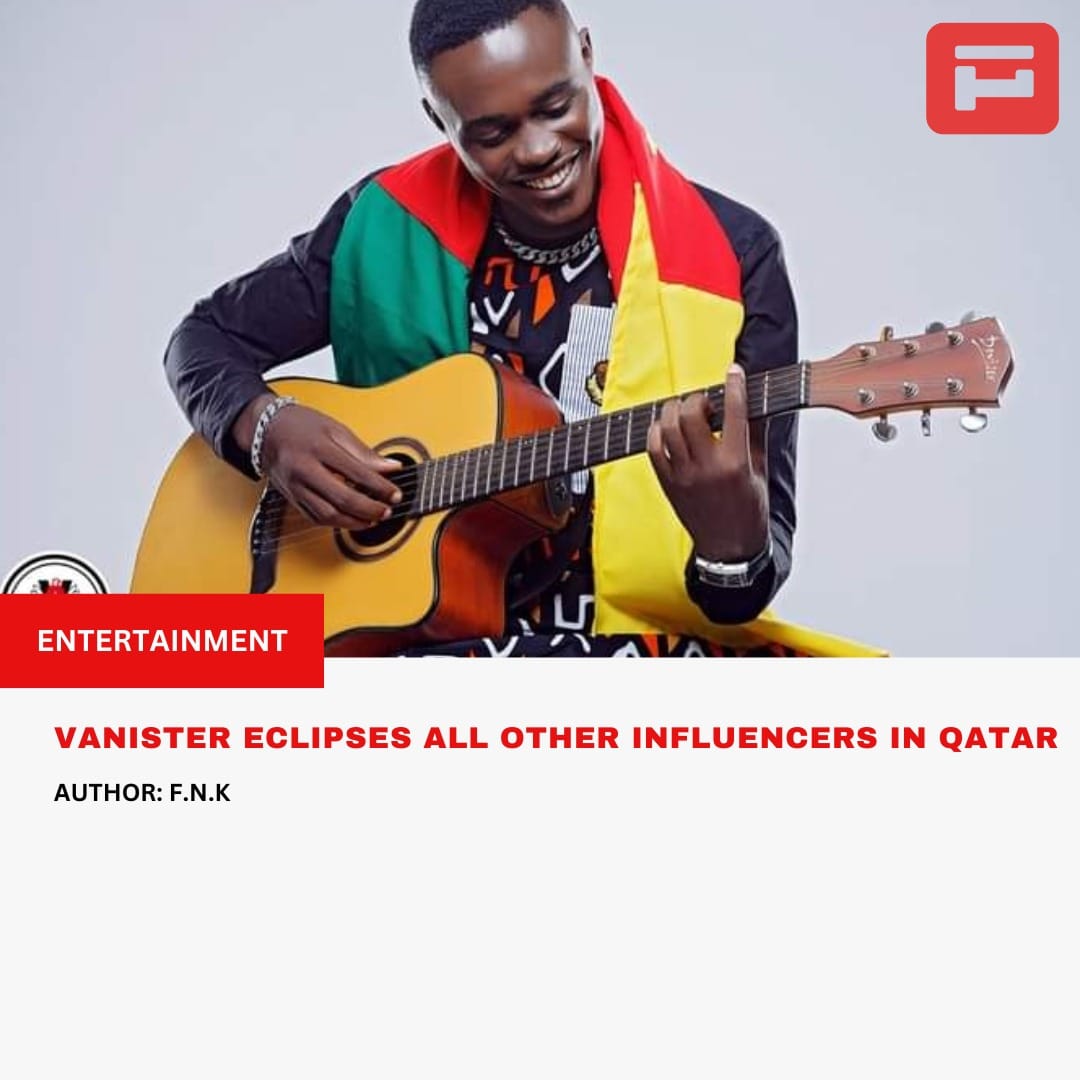
When Real Talent Eclipses the Noise: Vanister at the World Cup
A critical reflection on how an unknown street musician from Akonolinga rose to global prominence during the 2022 World Cup in Qatar, outshining the celebrity influencers officially selected to represent Cameroon. The piece examines why authentic artistry resonated internationally while established Cameroonian personalities retreated into irrelevance.

The Gift We Don't Use: On Reason, Instinct, and Our Collective Choices
The writer examines a paradox at the heart of contemporary life in Cameroon: humans pride themselves on logical reasoning, yet consistently make choices—from media consumption to financial schemes to learning habits—that contradict rational self-interest. The piece argues that reasoning is available to us, but using it remains a choice we frequently decline.
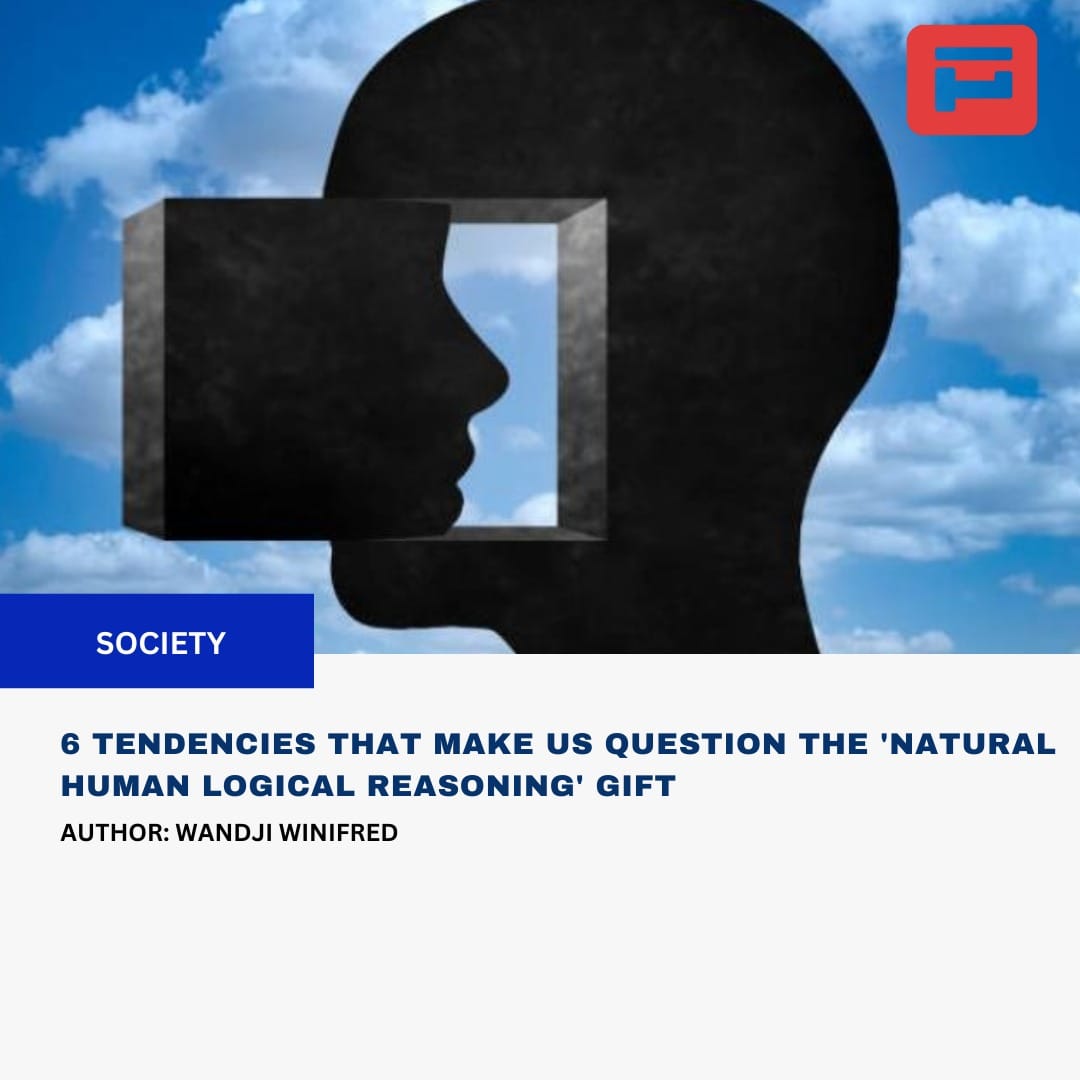
Six Tendencies That Undermine Our Claim to Logical Reasoning
This essay interrogates the gap between humanity's self-perception as rational beings and the widespread behaviors—information consumption patterns, susceptibility to financial schemes, resistance to learning, and emotional defensiveness—that contradict that claim. The writer argues that these tendencies are particularly visible in contemporary Cameroonian society, where logical consistency is honored in theory but abandoned in practice.
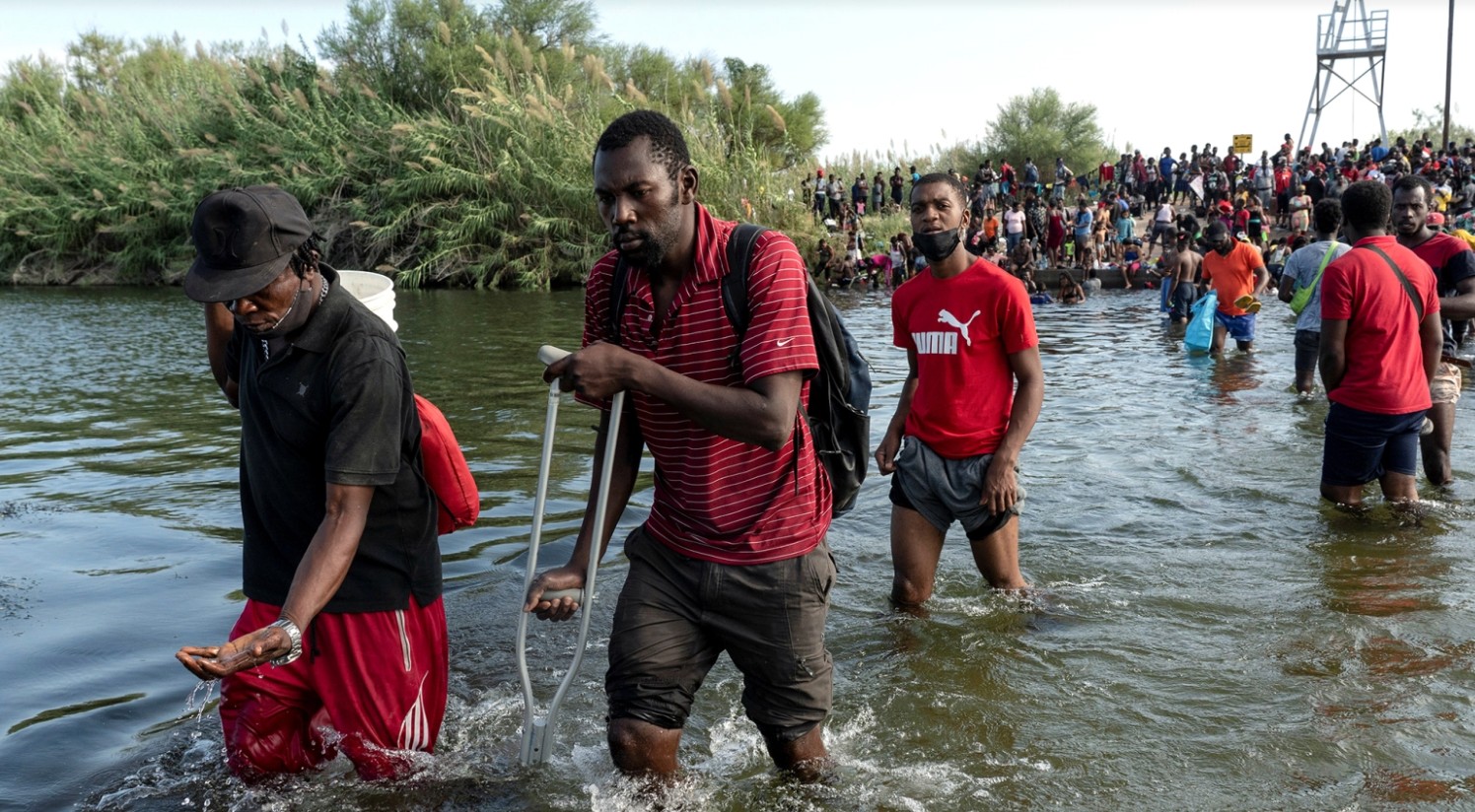
The Movie Nobody Wants to Make: On Migration, Desperation, and Failed States
The writer reflects on the desperate journeys many Africans—including Cameroonians—undertake to reach the United States via Mexico and the Amazon, risking their lives and those of their children. Rather than romance or denial, the piece acknowledges the genuine material advantage of life abroad while assigning moral responsibility to African leaders whose governance failures drive such migrations.
The Crown and the Mirror: On Selective Outrage and Our Own Accountability
In the wake of Queen Elizabeth II's death and the succession of King Charles III, the writer examines the surge of anti-colonial sentiment on social media, asking whether the anger directed at the British Empire reflects genuine reckoning or performative militancy. The piece pivots to a sharper question: whether Africans, and Cameroonians in particular, are willing to direct the same scrutiny toward their own governments.
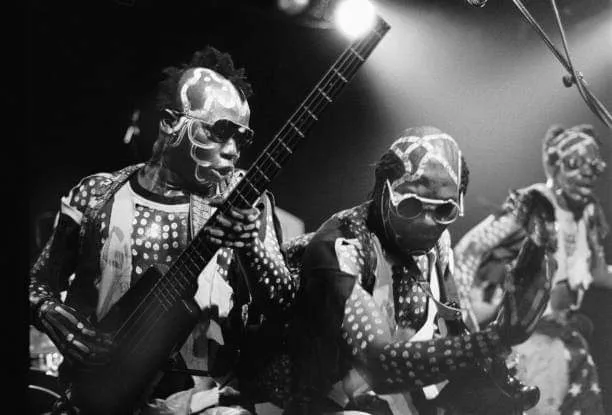
The Burden of Originality
This essay examines the contradictions embedded in how Cameroonians demand 'authenticity' from their own artists—insisting on mother-tongue performance and revival of traditional genres while celebrating foreign artists who sing in English or French without question. The writer argues that conflating culture with tradition, and policing artistic expression through linguistic or stylistic purity, ultimately impoverishes the nation's creative landscape.
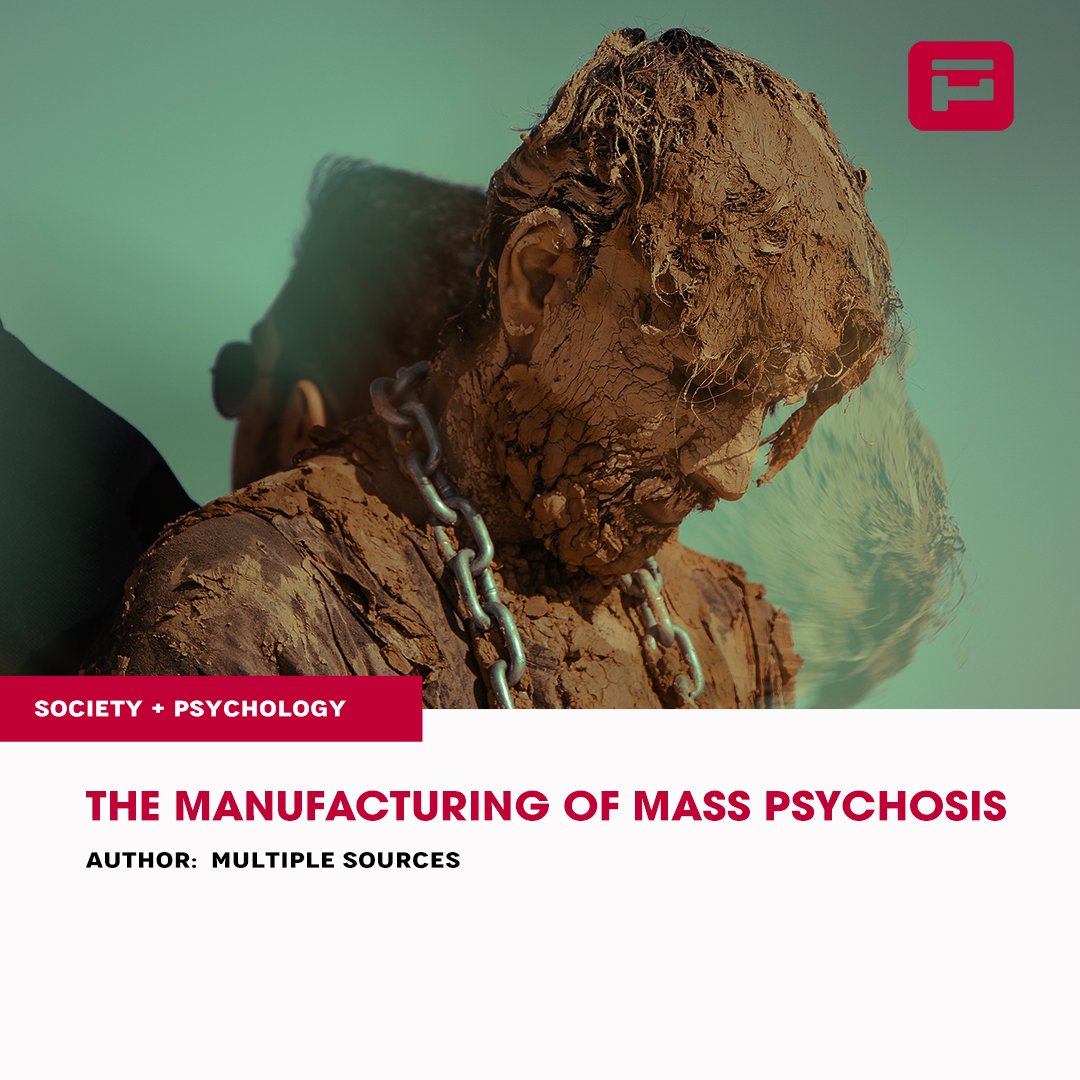
The Manufacturing of Mass Psychosis
The writer examines how totalitarian regimes employ psychological manipulation—fear, propaganda, and what Joost Meerloo called 'menticide'—to transform populations into compliant subjects. Drawing on historical scholarship, the piece traces the mechanism by which ruling elites induce mass delusion as a tool of control.
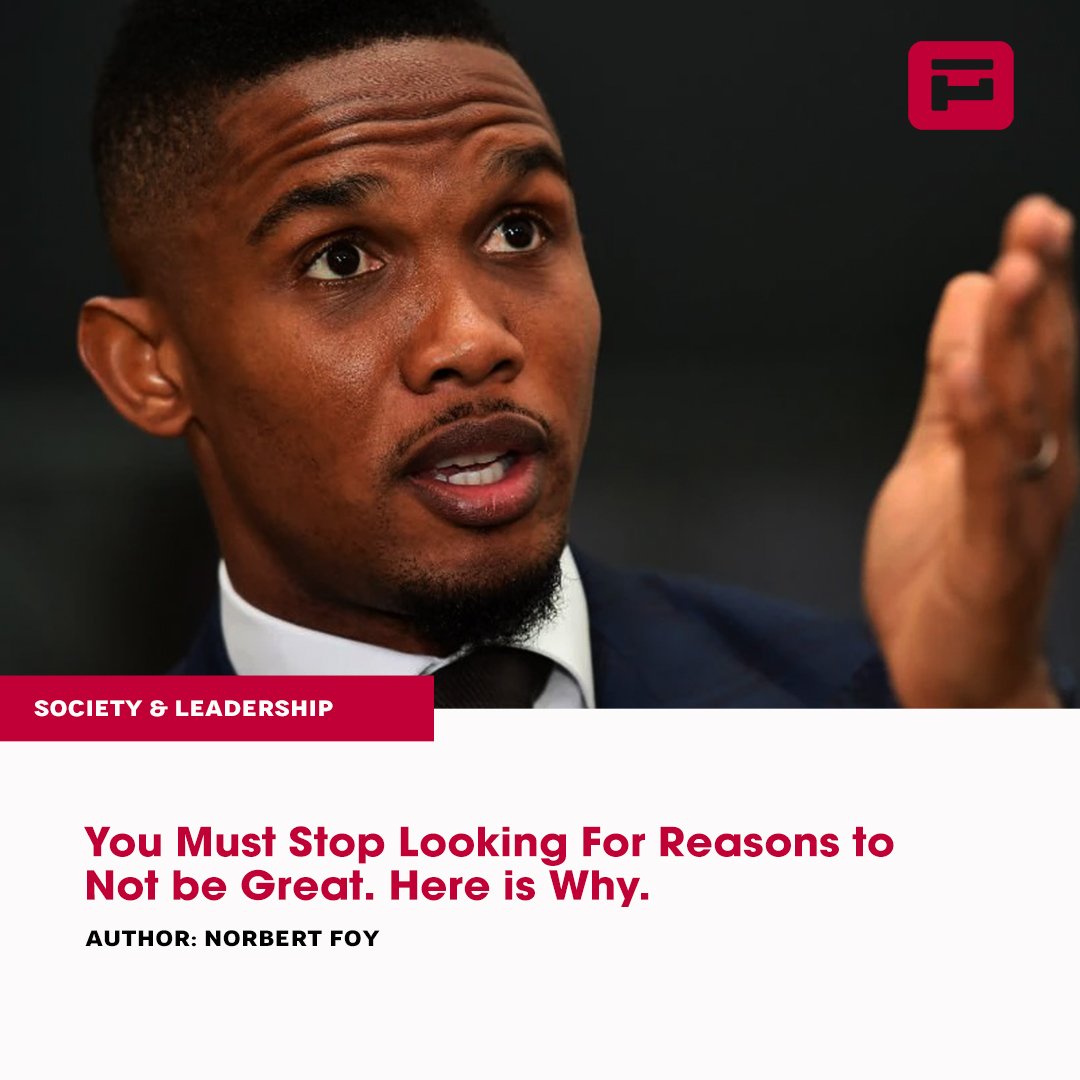
Stop Looking for Reasons Not to Be Great
A reflection on how Cameroonians habitually manufacture excuses—infrastructural, political, social—to justify inaction, and how this collective fatalism undercuts individual and collective potential. The writer argues that greatness is not reserved for the exceptional few but requires applying principles of discipline, transparency, and accountability in whatever sphere one occupies.
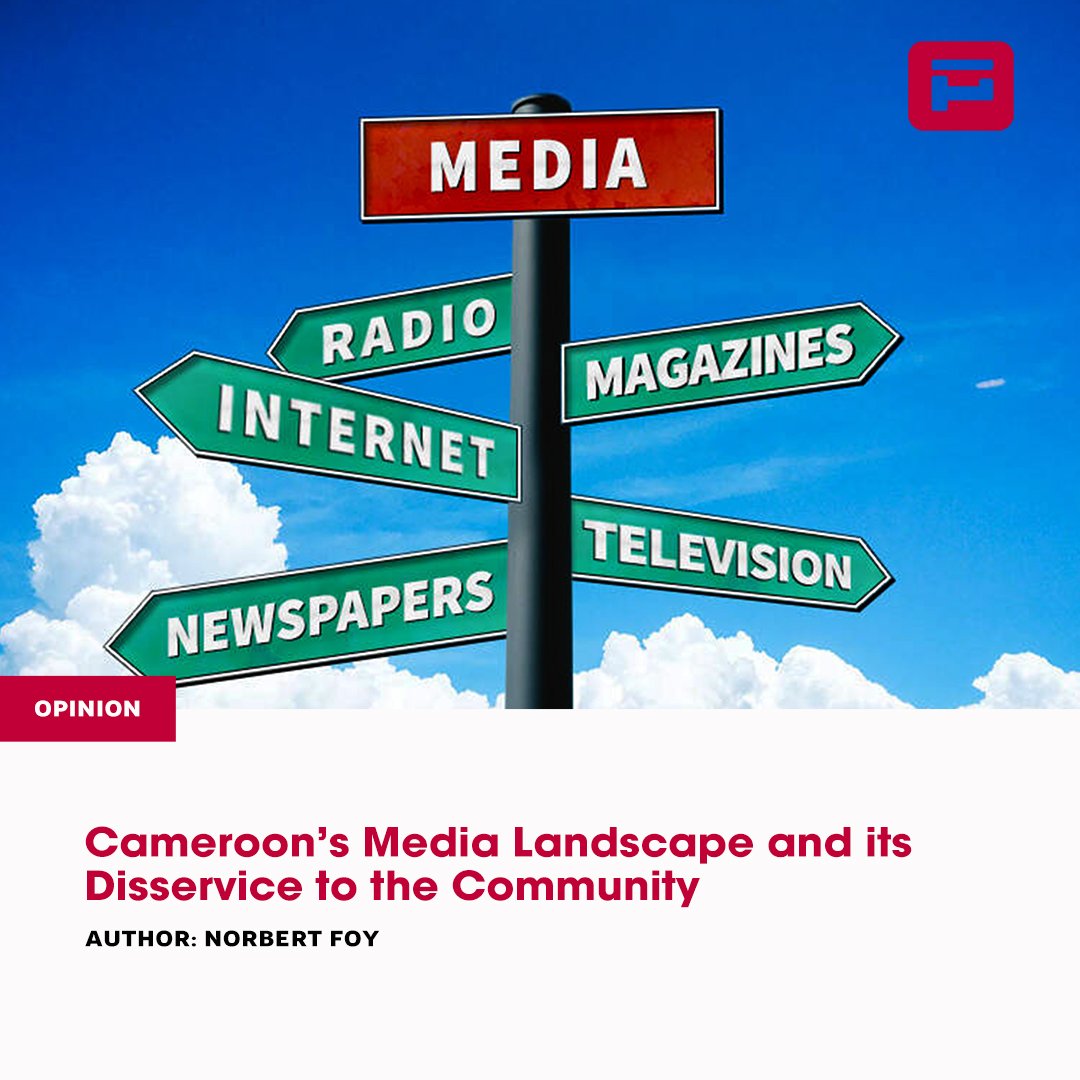
The Media Question: On Ownership, Heroes, and Political Fear in Cameroon
The writer examines how Cameroon's media landscape systematically marginalizes local independent creators while amplifying mediocre, politically neutered talent—a pattern rooted in state fear of homegrown figures who might pose a political threat. The essay argues that true remedy lies not in appealing to existing platforms but in building independent institutions, drawing parallels to Black ownership responses elsewhere.
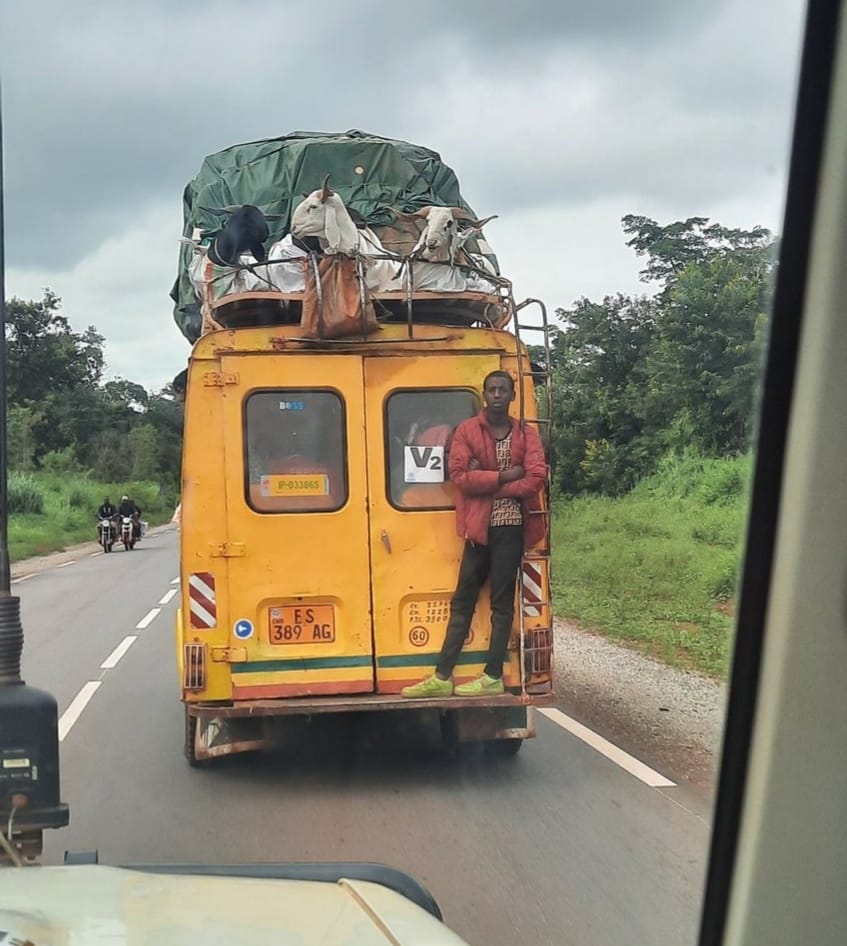
The Government Doesn't Love Us, and Neither Do We
A reflection on structural indifference in Cameroon, tracing a pattern of casual disregard for human dignity—from child bus attendants in Yaoundé to young workers clinging to overloaded vehicles on long-distance routes. The writer asks why economic pressure justifies risking lives when small sacrifices could prevent it.
Seventeen Expressions Holding Cameroon Back
The writer argues that common Cameroonian colloquialisms—phrases like 'Le Cameroun c'est le Cameroun' and 'How man go do?'—encode defeatism and self-deception, functioning as linguistic sedatives that keep citizens mentally complicit in the status quo. By examining these expressions, the piece challenges Cameroonians to recognize how language perpetuates learned helplessness and voluntary servitude.
The Politics of Empty Slogans
The writer examines Cameroon's reliance on hollow symbols and vacuous slogans—from the omnipresent presidential portrait to government catchphrases like 'Emergence 2035' and 'Rigour Integrity & Moralisation'—as a substitute for tangible governance and meaningful policy. These symbols, meant to inspire unity and progress, instead mask systemic corruption, poor service delivery, and a government indifferent to citizen welfare.
The Delusion About Big Brother Cameroon: Why Celebrity Cannot Be Manufactured Here
The writer challenges the widespread assumption that Cameroon's entertainment ecosystem can replicate Nigeria's Big Brother success stories, arguing that even in Nigeria most housemates fade into obscurity, and Cameroon's smaller market, lower consumer spending, and regional audience limitations make sustainable stardom from the show nearly impossible.

On the Ridiculous Need to Exploit Virality
The writer critiques the impulse to manufacture permanent internet fame from fleeting viral moments, examining how social media culture in Cameroon pursues and monetizes ordinary people who experience sudden online attention. The piece questions what drives this cycle of commodification and where it leads.
Wizkid's Loss and the Problem with the Grammys
Following Wizkid's loss in the Grammy Award for Best Global Music Album to Angelique Kidjo, the writer examines not the merit of either artist but the structural absurdity of the category itself—a catch-all that bundles radically different musical traditions under a single, reductive label.

The Cycle of Violence: From Classroom to Nation
The writer examines a viral video of a teacher brutally beating a student, tracing it to deeper patterns of inherited violence in Cameroonian society—from schoolyard beatings to documented abuses in conflict zones. The piece asks why such cruelty persists and where accountability begins.
Unity in Sport, Fracture in Governance: Why Cameroon Cannot Organise Itself
The writer observes that Cameroonians demonstrated rare collective solidarity during AFCON 2022 by supporting Egypt against Côte d'Ivoire, yet argues this unity is impossible to replicate for the country's internal crises. The piece traces this paradox to a system built on protecting institutional façades rather than addressing systemic corruption, tribalism, and the absence of genuine checks and balances.
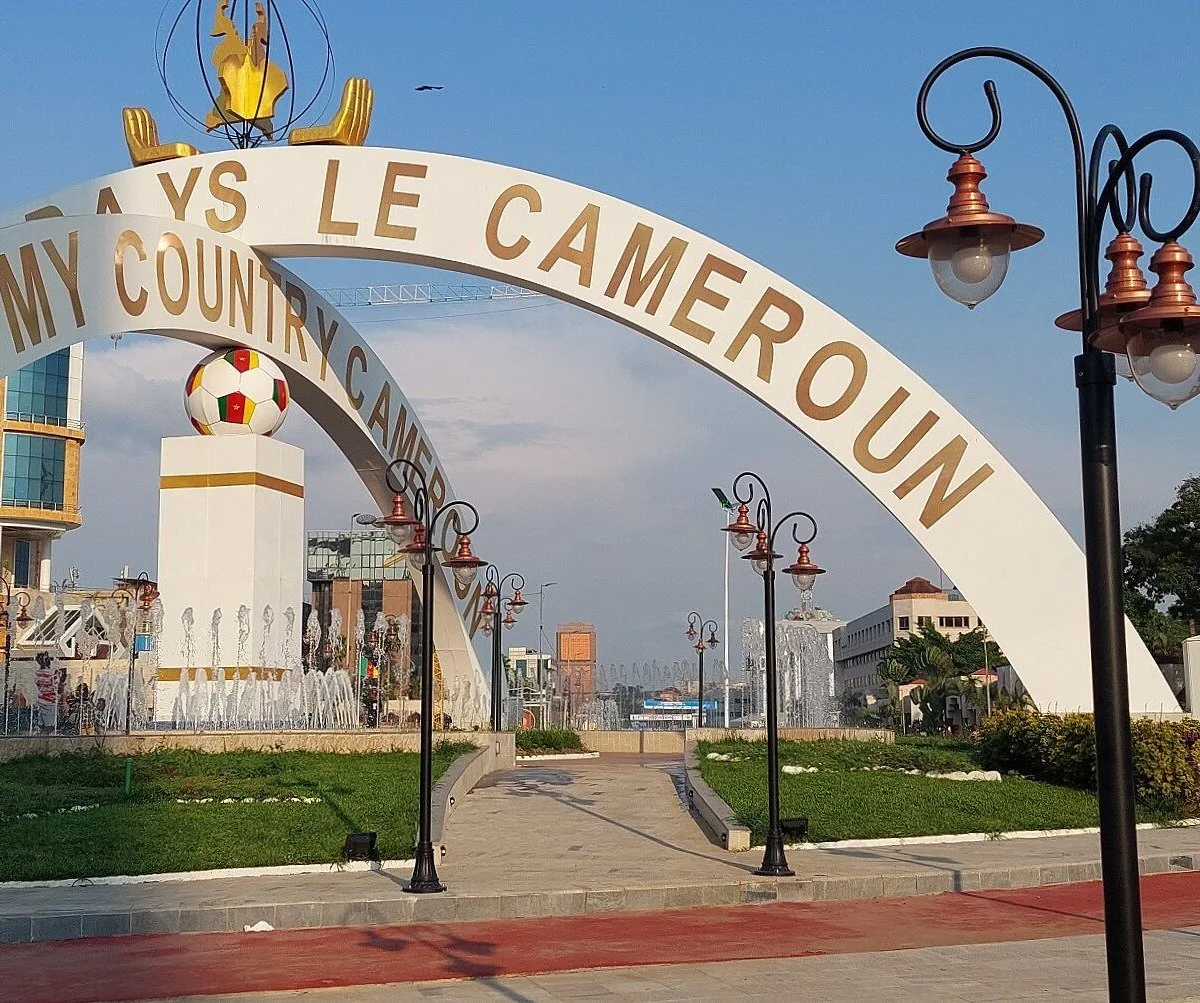
The Lies We Tell Ourselves: Thirteen Expressions That Confine Cameroon
The writer catalogs thirteen colloquial expressions—drawn from French, English, and Pidgin—that Cameroonians use to rationalize passivity, injustice, and systemic dysfunction. Each phrase, presented with examples of where it is heard, reveals a deeper culture of learned helplessness and self-imposed mental servitude.
The Untold Story of Women Living with Epilepsy in Cameroon
This piece documents the compounded vulnerability of women and girls living with epilepsy in Cameroon, who face both medical stigma and systematic sexual exploitation. Through testimony and analysis, it exposes how deep misconceptions about epilepsy—framed as contagion or spiritual curse—render these women targets for deception, abandonment, and exclusion from protection and opportunity.
The Tenor Case and the Performance of Justice
The writer examines the public appearance of a musician facing criminal charges related to a fatal car accident, arguing that his attendance at an awards ceremony—and his conduct there—represents a troubling disregard for legal process and the gravity of involuntary manslaughter.

On the True Value of a Music Award
The writer questions whether the Canal 2'OR, Cameroon's most prestigious music award, holds any real power to shape an artist's career or the industry's trajectory. The piece argues that award ceremonies derive their worth not from their own institutions but from the intrinsic quality and professionalism of the entire creative ecosystem that surrounds them.
Sinners Judging Other Sinners: On Celebrity, Narrative Control, and Moral Deflection
The writer examines the public debate around a leaked intimate recording involving a prominent celebrity, arguing that the discourse around 'controlling the narrative' and celebrating survival masks a deeper erosion of moral standards and a selective attention economy that ignores systemic suffering.

The Real Debate: Beyond the Tape
A critical reflection on the tendency to frame a celebrity sex tape scandal as an empowerment narrative, while ignoring the structural silence around concurrent crises of violence and displacement in Cameroon.

You Are in Control of How Social Media Makes You Feel
The writer examines Lil Nas X's use of provocative imagery—a pregnant belly prosthetic—to promote his album, and the swift social media backlash it provoked. Rather than adjudicate the offense, Poise argues that constant outrage performance on digital platforms has become habitual and exhausting, and that readers retain agency in choosing what deserves their emotional energy.

On Sustainable Giving: Why the Young Should Build Before They Give Back
The writer argues that young Cameroonians often mistake launching an NGO or foundation for genuine social impact, when financial instability undermines both the giver and the work. Real philanthropy, he contends, must be bootstrapped from personal or business success—not launched from precarity as a substitute for employment.

Canal 2'OR and the Structural Failures of Cameroon's Biggest Awards
A sharp critique of the Canal 2'OR awards ceremony's credibility, examining how its biennial schedule, opaque voting, vague eligibility windows, and poorly calibrated categories have rendered its nominations increasingly indefensible. The piece uses specific 2021 nominations to expose systemic gaps in research and curatorial judgment.

Stop Fooling Yourself: Why Writing and Reading Still Matter More Than Viral Fame
The writer argues that despite the allure of TikTok success, Cameroonians—particularly young people—must prioritize foundational literacy, writing, and communication skills. The piece challenges the assumption that digital platforms can replace the hard work of learning to read, write, and think critically.