
Essays
The Architecture of Anticipation: Ousmane Sonko and the New Phase of Senegalese Governance
A lawyer close to Ousmane Sonko reflects on his client's strategic acumen and the shift from PASTEF's campaign for power to a new institutional phase in which Sonko, now National Assembly president, and President Diomaye must navigate their distinct visions for Senegal's future. The interview suggests that divergence of strategy, rather than conflict, characterizes their emerging relationship.
The Laws of Power and the Senegalese Reckoning: Sonko, Faye, and the Choice to Govern Subordinate
A meditation on Ousmane Sonko's dismissal as Prime Minister of Senegal through the lens of Robert Greene's 48 Laws of Power. The writer argues that Sonko violated the classical law against outshining one's master—not because he threatened Faye, but because he pursued radical reform across all fronts simultaneously, making himself the singular face of every threatened interest. Yet the piece pivots to consider whether his swift return to Keur Gorgui, his base outside power, might signal a deeper understanding of power itself: the choice to govern from movement rather than from office.
Professional Colonization: Why Africa's Industrial Future Depends on Education
The post argues that African ownership of mega-projects like the Dangote refinery means little if foreign expertise operates them. While a
The Marriage Spectacle and the Defense It Teaches
A meditation on how public discourse around high-profile marital collapse—specifically the Edoho case—transmits destructive defensive postures to younger people forming their own views of partnership. The piece argues that the spectacle teaches both men and women to enter marriage as strategic positioning rather than mutual construction.
The Loop We Feed: On Performative Grievance and Collective Stalling
The writer traces how public discourse in Cameroon has become trapped in performative critique—where sounding superior matters more than addressing the actual concern. Beneath the posture of discernment lies unspoken desire, unmet need, and the comfort of blame; breaking this loop requires naming a shared mission and moving forward, even without resolving old grievances.

Numbers Don't Lie. People Do.
An analytical reflection on the gap between quantifiable data and human interpretation. The writer examines how numbers function as neutral records while the meaning we extract from them reveals more about us than about the data itself.
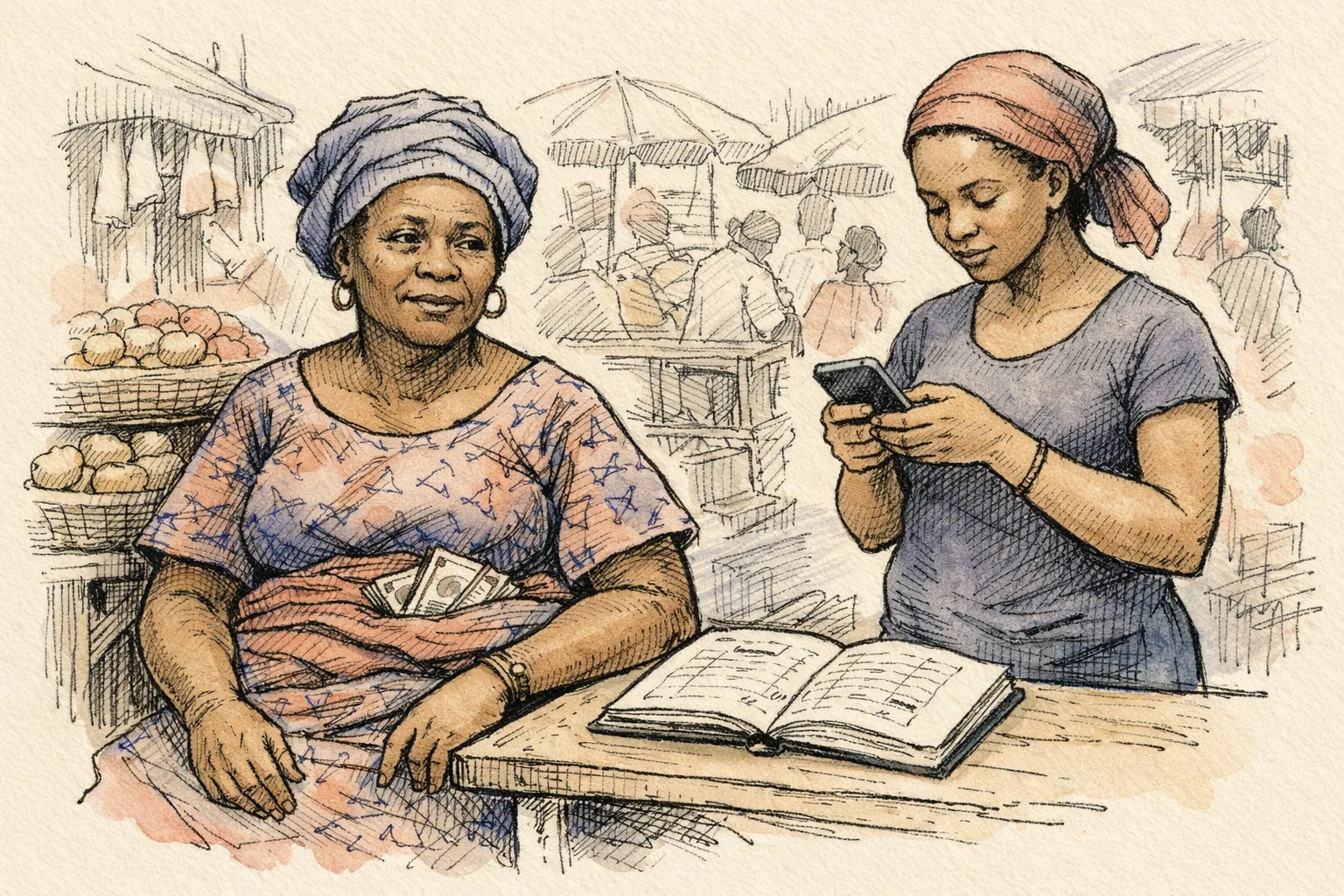
The Wrapper and the Ledger: Money, Accountability, and Wealth in Cameroon's Informal Economy
The writer traces the evolution of personal finance from the informal savings practices of previous generations—epitomized by money kept in a grandmother's wrapper—to the contemporary challenge of managing money in a digitalized, tax-conscious economy. The piece argues that while the tools for financial visibility have improved, the greater threat to wealth accumulation now lies not in sudden loss but in the untracked expense and unmeasured profit that erode resources quietly over time.

When Creator Reach Becomes Infrastructure: The Khaby Lame Deal and What It Signals for Cameroon
A major creator-economy acquisition—the sale of Khaby Lame's company for $900 million in equity rather than cash—marks a quiet shift: influencers are no longer merely marketing channels but infrastructure assets that can be capitalized and embedded in public companies. The deal also reveals a second frontier: the licensing of AI digital twins, which decouples human presence from commercial reach.
When Creator Reach Becomes Infrastructure: The Khaby Lame Deal and the Financialization of Attention
A TikTok star's company sale for $900 million has been widely misread as a cash windfall, but the real story is structural: the deal is equity-settled, and it marks a watershed moment in which creator audiences have become capitalized assets folded into public company valuations. This signals a fundamental shift from influencers as marketing channels to influencers as infrastructure.

When Speed and Silence Collide: FECAFOOT's Challenge to CAF Procedure
Following a disciplinary sanction against its President Samuel Eto'o, Cameroon's Football Federation raised procedural objections—notably, that CAF issued a four-match suspension and fine without written justification. The dispute illuminates a gap between decisional speed and explanatory transparency in continental football governance.

Protection and the Postponement of Growth
A reflection on how well-intentioned parental protection can inadvertently delay the development of essential life skills—communication, assertiveness, emotional awareness—by replacing trial and error with restriction. The writer traces how this safety-first approach creates compliance rather than confidence, and traces her own journey toward reclaiming agency in adulthood.
The Cameroon Brand Pantheon: A 2023 Snapshot and Call for Update
Poise's curated ranking of Cameroon's twenty most culturally resonant brands—from Total and MTN to Hysacam and Afriland—captures how brands function as social mirrors, embodying national character, aspiration, frustration, and resilience. The piece invites readers to nominate contenders for a 2025 refresh, treating brand ecology as a living archive of collective values.
The United States Withdraws From International Institutions: Implications for African Governance and Development
The U.S. government has ordered immediate withdrawal from 35 non-UN organizations and 31 UN entities spanning climate, development, democracy support, and peacebuilding. The decision affects institutions central to African economic policy, electoral reform, climate adaptation, and justice-sector support, raising questions about funding gaps and program continuity across the continent.
A Job Search Strategy for the Average Cameroonian
The post argues that in Cameroon, where most vacancies remain unposted and hiring flows through networks, effective job seeking demands strategic research rather than mass applications. By studying company structures on LinkedIn, identifying weak ties, and targeting growing firms over established giants, a job seeker can shift from blind hope to deliberate positioning.
Côte d'Ivoire: From Elimination to Detention
In 2000, days after the Côte d'Ivoire national football team was eliminated from the Africa Cup of Nations, the country's military regime detained the players and staff at a training camp for what officials called a "civic lesson." The episode revealed how a fragile government weaponized national sport to project strength and discipline during a period of acute political instability.
Part III: Things Only a Cameroonian Will Understand
The writer catalogs seventeen Cameroonian phrases and behavioral codes that reveal a society structured on navigational intelligence, relational networks, and pragmatic acceptance rather than formal rules or individual achievement. Each phrase is glossed as evidence of how Cameroonians move through contradiction, manage social hierarchy, and survive by knowing when to speak, when to bend, and when to defer.
Seventeen Phrases Only a Cameroonian Will Understand
This essay assembles seventeen colloquial and code-switched expressions that encode the unwritten rules of Cameroon—phrases that teach adaptive intelligence, navigational pragmatism, and survival within systems marked by bureaucratic opacity and relational hierarchy. Together, they form a compressed manual for how to move through the country not by fighting its contradictions, but by translating them.
Things Only a Cameroonian Will Understand: Part II
The writer examines ten Cameroonian social expressions and proverbs—from comparative optimism to bureaucratic circumspection—as coded languages that govern ambition, patience, and survival within hierarchical systems. These phrases reveal how Cameroonians navigate constraint through linguistic sophistication rather than direct confrontation.
Things Only a Cameroon Will Understand
A humorous taxonomy of Cameroonian phrases and attitudes—'Le Cameroun c'est le Cameroun,' 'Man go do how?,' 'Si on t'explique le Cameroun'—that encode adaptive intelligence, institutional realism, and the psychological survival strategies required to navigate a country where systems are opaque and outcomes unpredictable. The piece frames these not as cynicism but as earned wisdom, folk philosophy expressed through resignation and creativity.
Zambia's Chipolopolo: Tragedy, Resurrection, and the 2012 AFCON Victory
This essay traces Zambia's national football team from the devastating 1993 plane crash that killed 18 players and staff to their unlikely triumph at the 2012 Africa Cup of Nations. It chronicles how a nation rebuilt its squad in the aftermath and, nearly two decades later, won continental glory in the very city where their heroes perished.
The Machinery Behind Celebrity Betting Spectacle
When Francis Ngannou appears to stake millions on a Cameroon match, the post reveals this is not personal gambling but contractual brand marketing. Celebrity betting promotions operate through promotional credit allocations embedded in endorsement deals, creating the illusion of personal financial risk where none exists.
The Influencer Tax: Why Most Businesses Should Build Their Own
The writer argues that influencer marketing functions as a largely unavoidable cost for businesses entering new markets or channels, but for small enterprises in Cameroon selling low-margin goods, the return rarely justifies the expense. Rather than paying established influencers, most small businesses should either create their own content or use influencers as distribution partners on native terms.
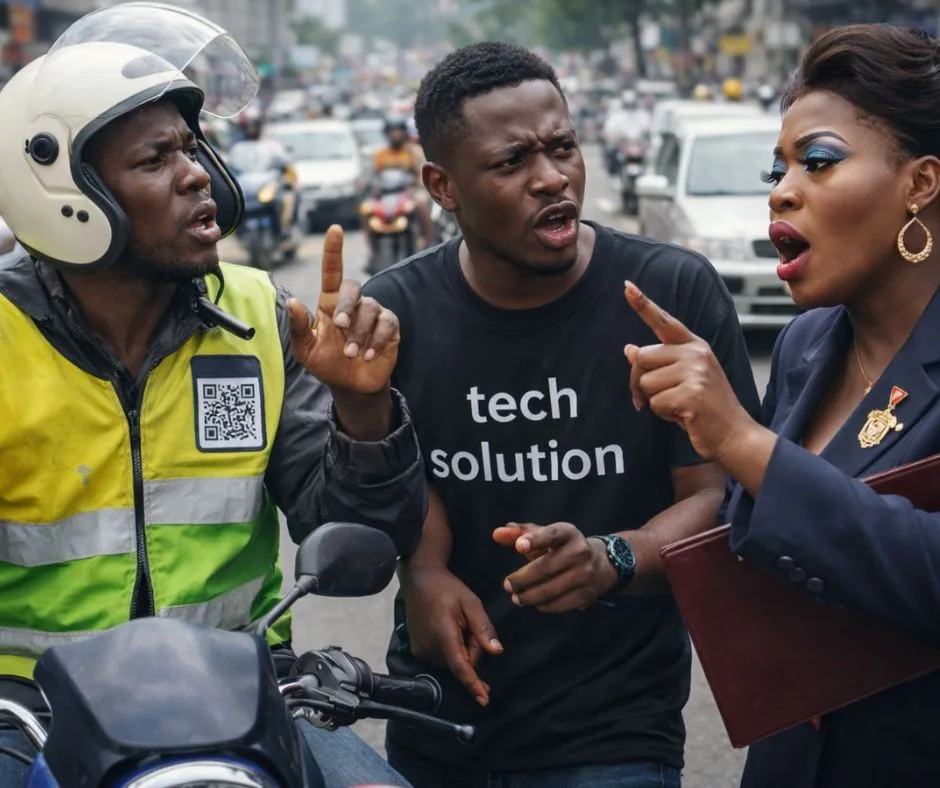
Innovation Without Direction: Why Cameroon's Tech Hubs Miss the Mark
Cameroon's innovation hubs generate abundant ideas but lack strategic coherence, often recycling global tech trends rather than solving local problems. The writer observes that while hubs celebrate startup pitches on digital health and fintech, real economic challenges—like formalizing the informal transport sector—are being solved by imported solutions, suggesting a fundamental misalignment between innovation infrastructure and national needs.
Have Our Billionaires Betrayed Us? Seven Years Later
Reflecting on a 2018 question about billionaire silence in Cameroon, Poise examines whether wealthy elites have a duty to share the knowledge behind their fortunes. The piece contrasts the opacity of Cameroonian business magnates with figures like Aliko Dangote, who use their power publicly, and argues that what matters is not wealth itself but the visibility and teachability of how it was built.
Why Diaspora Capital Succeeds Quietly or Fails Loudly
The writer examines why Cameroonian diaspora investment initiatives—once buoyed by optimism about African entrepreneurship and technological opportunity—have largely stalled or pivoted into safer ventures. Through a debate between two perspectives on root causes, the piece argues that success depends less on individual virtue or cultural fit than on understanding the structural match between business model and local terrain.
The Courage to Pause: On Standards, Noise, and the Future of Digital Media in Cameroon
The founder reflects on taking PoiseSocial offline at its peak, not as failure but as a deliberate act of integrity. Faced with an internet increasingly populated by unchecked reporting and clickbait, the writer chose to step back rather than compromise the standards that earned their audience's trust.
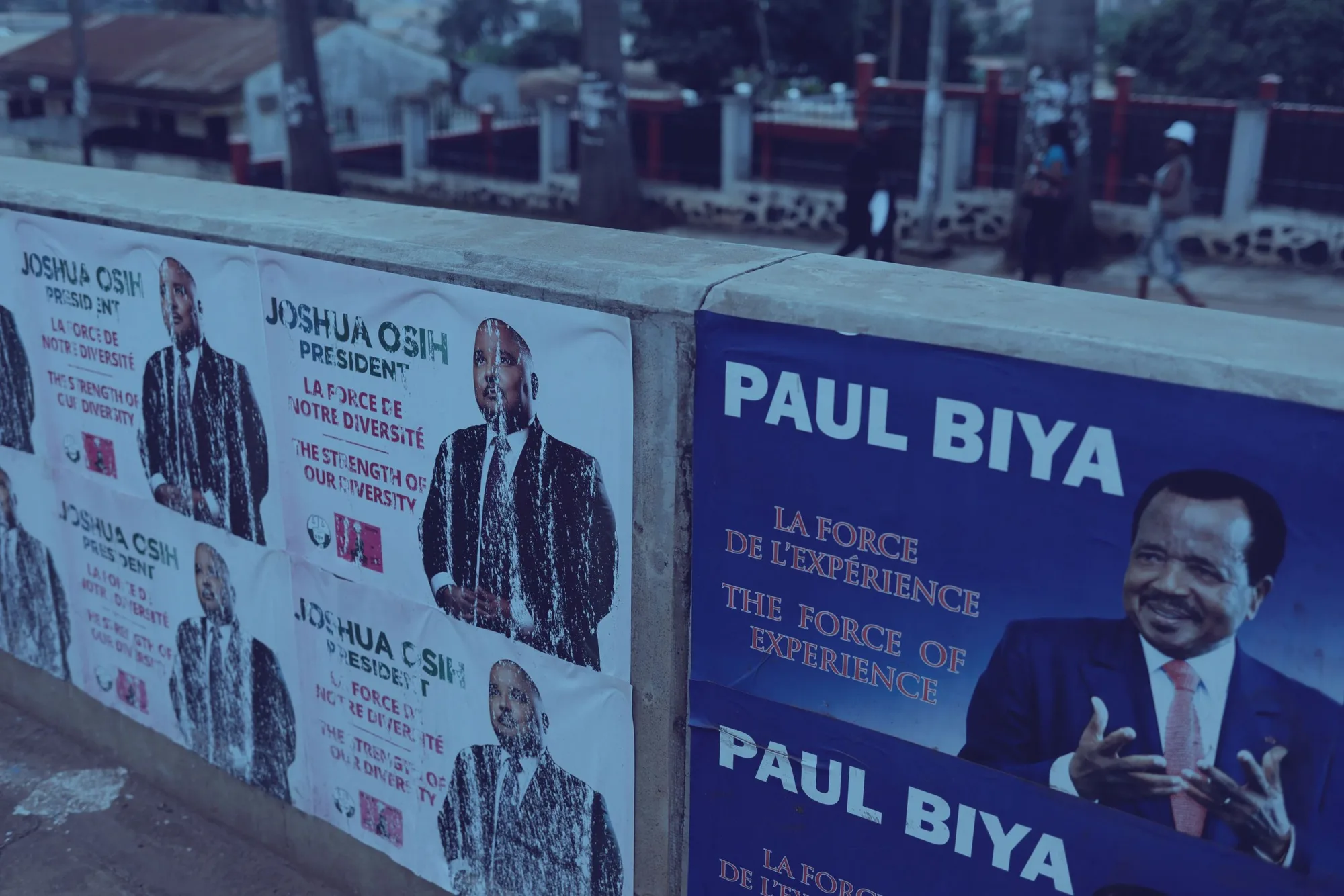
The Arithmetic of Fragmentation: Cameroon's Party System and the Limits of Electoral Choice
With over 180 registered political parties competing for 280 parliamentary seats, Cameroon's electoral landscape has become a study in mathematical impossibility and institutional dysfunction. The post documents how administrative barriers, factional splits, and an oversized party roster have turned recent elections into a cautionary tale about the gap between formal democratic structures and meaningful political participation.
Bilingualism as Mirror: A Reflection on National Character
The writer challenges Cameroonians' tendency to blame bilingualism for social discord, arguing instead that resistance to language learning reveals personal laziness and entitlement rather than any inherent flaw in the policy itself. Bilingualism, the piece contends, is not a burden imposed but an opportunity for individual and collective growth that remains largely squandered.

On the Character of African Architecture
The writer reflects on a troubling shift in Yaounde's urban landscape: newer buildings lack the cultural distinctiveness and durability of older structures, while a proliferation of glass towers—elegant at first but quickly weathered—suggests a loss of architectural wisdom. The piece pairs this observation with profiles of contemporary African architects who are recovering that wisdom through sustainable and culturally grounded design.

On Support and What We Mistake for It
The piece examines the recurring complaint that Cameroonians do not support each other, particularly in creative industries, by sorting the complaint into three groups and arguing that the real problem is a mutual misunderstanding of what support actually means. It contends that support requires both generous reception of early effort and realistic self-assessment from creators, and that much of the perceived lack of support stems from looking for validation in the wrong places.

From Amateur to Professional: Building Systems for Growth
The writer argues that the transition from amateur to professional habits is essential for small business growth in Cameroon, yet remains hindered by cultural pressures and short-term thinking. They outline four practical disciplines—documentation, business rules, standard procedures, and boundary-setting with friends—as concrete steps toward professionalism and scalability.

The Polymath's Path: On Creativity Across Boundaries
A reflection on the career of a contemporary polymath designer who moved from streetwear and screen printing to the highest levels of fashion, exploring how formal credentials need not constrain ambition and how creative people navigate the skepticism they face.

The Price of Invisible Work: On Valuing Creative Services in Cameroon
A reflection on the persistent difficulty of pricing creative and content work in Cameroon, where efficiency is often punished and the boundary between time spent and value delivered remains fundamentally misunderstood. The writer argues that creative pricing should rest on the client's actual benefit and the creator's opportunity cost—not on hours logged or speed of delivery.
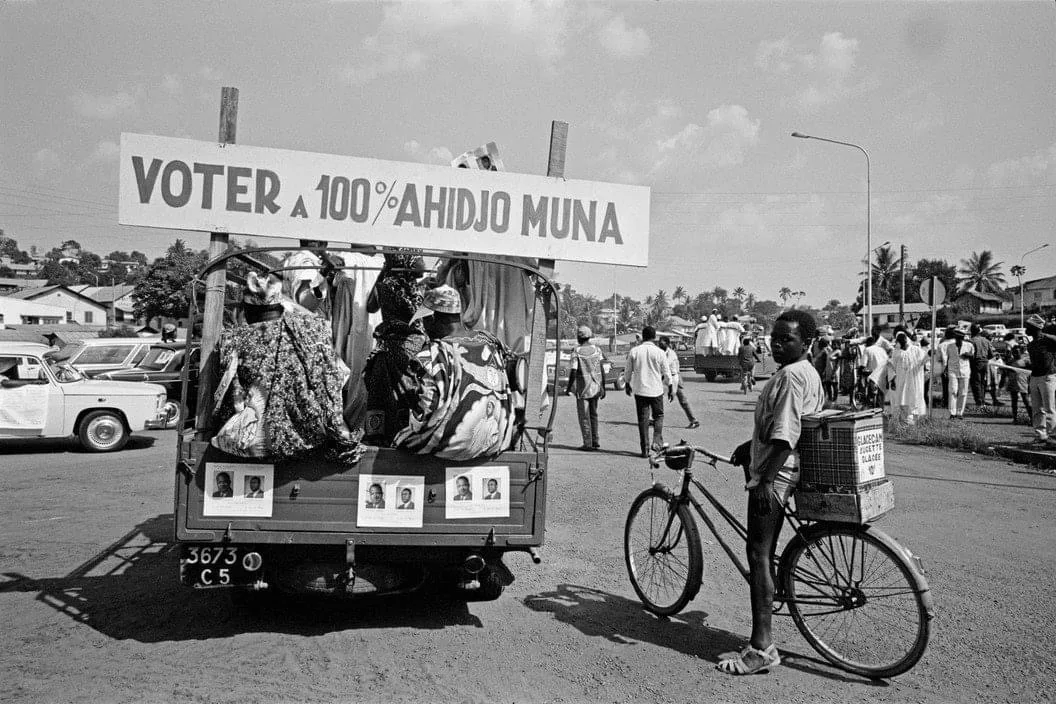
The Case for Social Capitalism: Markets with Guardrails
The writer argues that unfettered capitalism, particularly as practiced in Cameroon, widens inequality and entrenches privilege, and makes the case for a regulated social capitalist model in which government ensures universal access to public goods and competitive opportunity for all.

Proactive Consistency: Lessons From Burna Boy's Rise
Consistency alone does not guarantee growth; what matters is proactive consistency—the willingness to experiment, take risks, and evolve within the discipline of showing up daily. Drawing on Burna Boy's musical trajectory from 2011 to his mainstream breakthrough, the writer argues that real breakthroughs require the convergence of sustained work, artistic evolution, and external momentum.

For Better or Worse: On Marriage, Vows, and the Limits of Unconditional Commitment
The writer reflects on the marriage vow—particularly the phrase 'for better or worse'—and argues that while couples should weather life's circumstances together, they should not be bound to tolerate a partner's deteriorating character or toxic behavior. The piece challenges the assumption that marriage vows create an unconditional obligation to endure harm.

The Storyteller's Art: Reading Tunde Onakoya's Chess Narrative
A reflection on Tunde Onakoya's storytelling about teaching chess to over 10,000 children across four countries and placing 1,000 on full scholarships. The writer examines how Onakoya's narrative operates as both a development story and a work of deliberate artistry, challenging stereotypes about poverty and intellectual potential.

The Evolution From Skits to Short Films: Caro's Production Company and the Wider Industry Shift
The announcement of Cameroonian actress and skit creator Caro's production company and five forthcoming short films marks a broader pivot in digital-content creation. The piece examines why skit makers are increasingly transitioning to short films—a move that promises greater creative range, narrative depth, professional credibility, and access to festival circuits and streaming platforms.

The Palm Oil Paradox: How Cameroon Lost the Crop It Invented
Cameroon once led the world in oil palm cultivation, with advanced hybrid varieties and the pollinator weevil that Southeast Asia would later adopt. Six decades later, Indonesia and Malaysia command 85 percent of global production while Cameroon produces barely half a million tons—a reversal driven not by agricultural limits but by institutional neglect and missed industrialization.
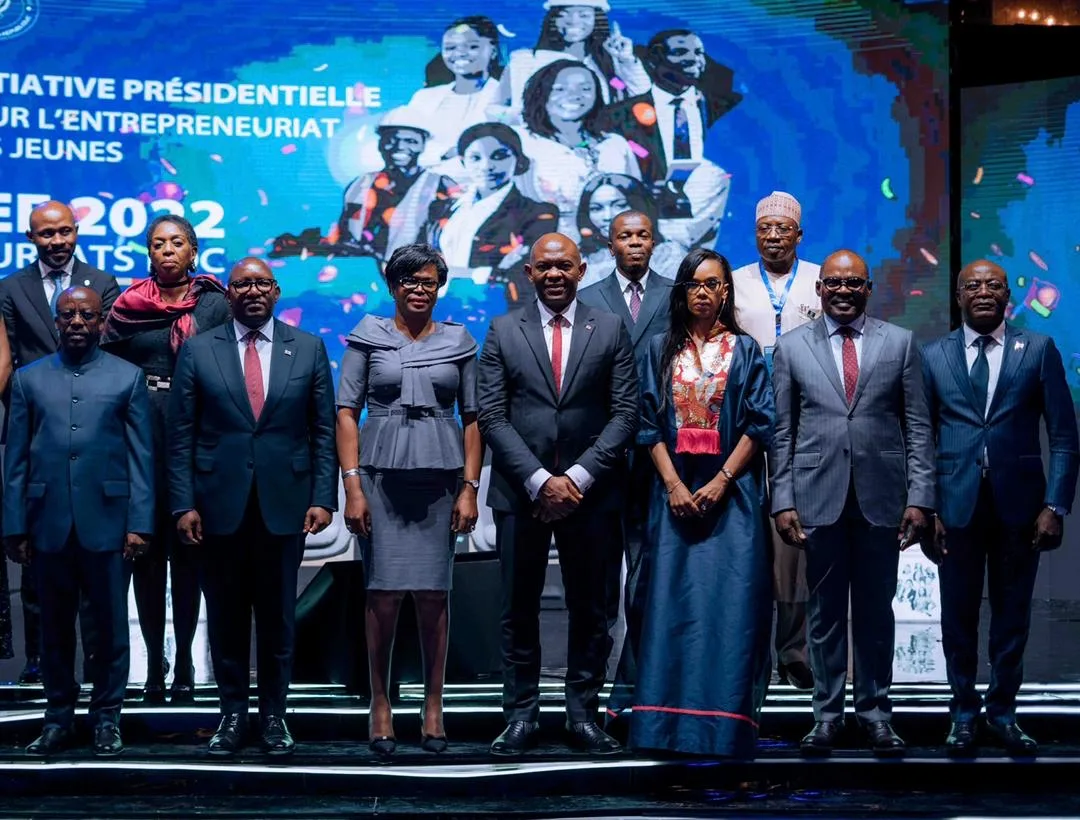
Rolling Applications and the Real Barriers to Women's Entrepreneurship
Poise examines the extended deadline for the Tony Elumelu Foundation's female entrepreneurship program as a symptom of deeper structural friction, not simply women's hesitation. The writer proposes a rolling application model as a more adaptive alternative to fixed cycles.

The World's Discomfort with African Pride
Following Francis Ngannou's boxing loss to Tyson Fury, the writer reflects on the double standard applied to Black athletes—particularly African ones—when they assert confidence or pride. The piece argues that Ngannou's real victory lies not in the ring but in his journey from poverty to global prominence, and that his dignity transcends any single fight.

The Afrobeats Boom and the Problem of Branding: Why Market Share Alone Won't Save African Music
The writer examines the global rise of Afrobeats and its uneven impact across Africa, arguing that Nigeria's dominance stems not from protectionist policies or population size, but from strategic branding and the cultivation of cultural cachet. For artists outside Nigeria, legislative quotas and forced promotion miss the deeper work of positioning African music as aspirational rather than merely available.
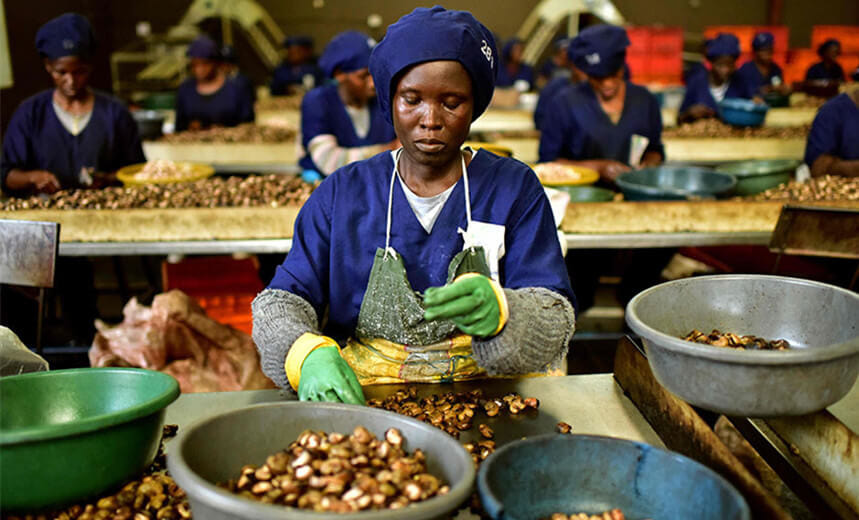
The Tragedy of Côte d'Ivoire's Cashews: Production Without Prosperity
Côte d'Ivoire produces nearly twice as many cashews as Vietnam but captures a fraction of the export value, because Vietnam dominates processing and meets the food safety standards demanded by wealthy markets. The nuts travel 10,500 nautical miles to Vietnam for processing, then another 17,000 to consumers in the US and EU—a supply chain optimized for price, not equity.
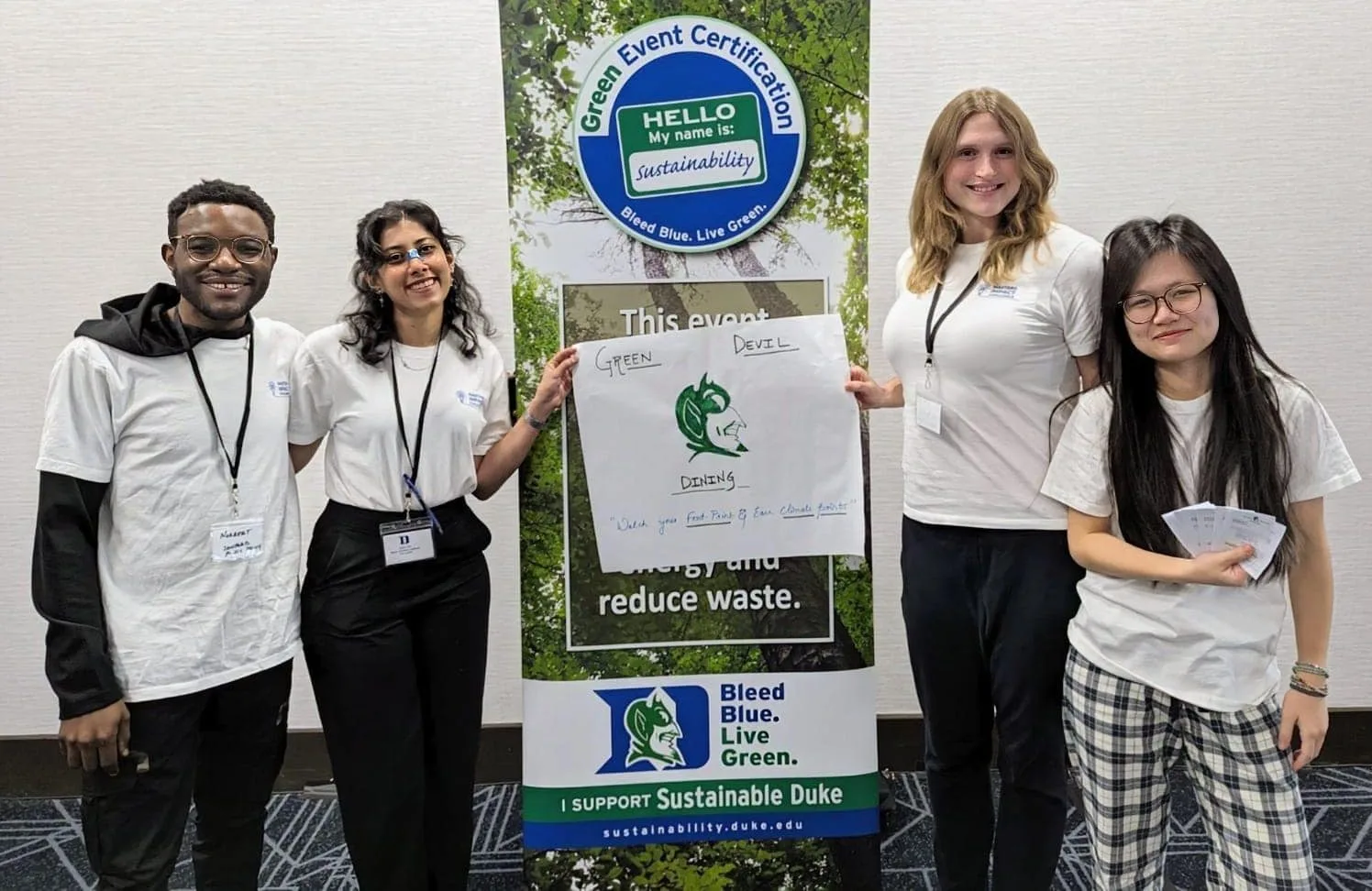
The Carbon Foodprint: How a Duke Team Made Sustainability Visible in the Dining Hall
Norbert Foy and his interdisciplinary team won Duke University's inaugural Masters Impact Challenge by designing a system to display the carbon emissions of each meal sold on campus. The proposal emerged from research showing that most students would choose climate-friendly food if given better information, and aims to turn daily dining into a moment of climate awareness.

Walk Away: Libianca's Quiet Mastery
This piece celebrates Libianca's EP *In A Way* as a watershed moment for Cameroonian representation in global urban pop, while arguing that her true strength lies not in nationalist triumphalism but in intimate, unflinching songwriting about vulnerability, trauma, and human complexity.

Greatness Against Hype: Apprenticeship and Depth in African Enterprise
The writer reflects on the gap between online self-presentation and actual competence in African business, arguing that true mastery requires patient, sustained apprenticeship rather than rapid reinvention or pursuit of visibility. Drawing on personal experience across tech and finance, he contends that depth of knowledge—earned through close study of exemplary practitioners—remains undervalued in an age of manufactured credentials and hype.

The Structure and Logic of Record Labels in Cameroon
The writer examines the distinction between major and independent record labels, explaining how multinational majors like UMG, Sony, and Warner differ fundamentally from the independent labels that dominate Cameroon's music industry. Through this framework, the piece diagnoses endemic tensions between Cameroonian labels and artists—poor contract literacy, inadequate planning, and opaque financial management.

Ko-C's Genesis: An Artist Settled Into His Own Blueprint
A review of Ko-C's album Genesis examines how the Cameroonian rapper moved past internal community debates about his commercial direction and pop leanings to deliver a confident, versatile project. The album showcases an artist uncompromising about his creative path while remaining accessible and thematically grounded.

When Good Intentions Backfire: MTN's Data Campaign and the Cost of Hastily Executed Policy
The writer examines MTN Cameroon's customer compensation campaign—offering free data and credit to address network service failures—and shows how the initiative fell short despite good intentions. The failure stemmed not from the gesture itself but from inadequate planning: all customers received gifts simultaneously, creating network congestion; unequal distribution (data versus credit) created perceptions of unfairness; and no staggered approach or clear communication existed to manage expectations.

The Geography of Ambition: Why Artists Should Build at Home
The writer examines how the calculus of artistic migration has inverted in Cameroon over the past generation. Where legendary musicians once traveled abroad to access superior infrastructure and networks, contemporary artists who leave typically abandon creative ambitions altogether—and those who return struggle to rebuild momentum or credibility.

The Artist as Creative Agency: Diversification and Survival in Cameroon's Music Economy
The writer argues that musicians in Cameroon face systemic economic precarity that demands a fundamental shift in how they approach their careers. Rather than relying solely on performance, artists must develop multiple income streams—production, songwriting, event management, or entirely separate ventures—to achieve financial stability and longevity.

Increasing Your Surface Area of Luck: Nine Practices for Emerging African Professionals
The writer reflects on how she accumulated over $250,000 in grants, scholarships, and international opportunities as a young Cameroonian woman without family wealth or political connections—and attributes this not to talent alone but to deliberately expanding her exposure to opportunities and people. She offers nine practical strategies for other young Africans to do the same.

The Entrepreneurial Arc: From Idealism to Pragmatism in Cameroon's Tech Ecosystem
A Cameroon-based writer reflects on a decade of entrepreneurial ambition and experimentation—from 2014's optimistic startup culture through successive waves of technology, agriculture, beauty, and fintech ventures—tracing how a genuine passion for building meaningful products gradually gave way to chasing prizes, PR, and survival.

The Twenty Brands That Shape Cameroon: A Social Reading
This essay catalogues twenty major Cameroonian brands—from Total and MTN to Guinness, Hysacam, and Afriland—as mirrors of national character, economic anxiety, and resilience. Each brand carries not just commercial weight but cultural meaning: the way Cameroonians relate to authority, aspiration, everyday hardship, and quiet entrepreneurial pride.

You Stumble on Your Passion
The piece challenges the contemporary culture of 'finding your passion' as a prerequisite for meaningful work, arguing instead that passion is a transient feeling rather than a fixed calling. It proposes that success actually precedes and generates passion, not the reverse.

The 40,000 FCFA Salary: Value, Growth, and Mutual Obligation
A meditation on low-wage employment in Cameroon that resists easy blame, examining the tension between business sustainability and worker dignity. The writer argues that both employers and employees bear responsibility for understanding the real value being exchanged, and that clarity and environment matter as much as the paycheck itself.

On Cameroon's Entertainment Ambitions and Economic Realities
The writer argues that Cameroon's aspiration to become a music exporter is misaligned with its actual comparative advantage, and that the nation's true export has always been talent and human capital rather than cultural products. Drawing on examples from Germany, the US, Bollywood, and Nigeria, the piece traces how specific economic and infrastructural conditions enable entertainment industries to thrive globally—conditions Cameroon largely lacks.
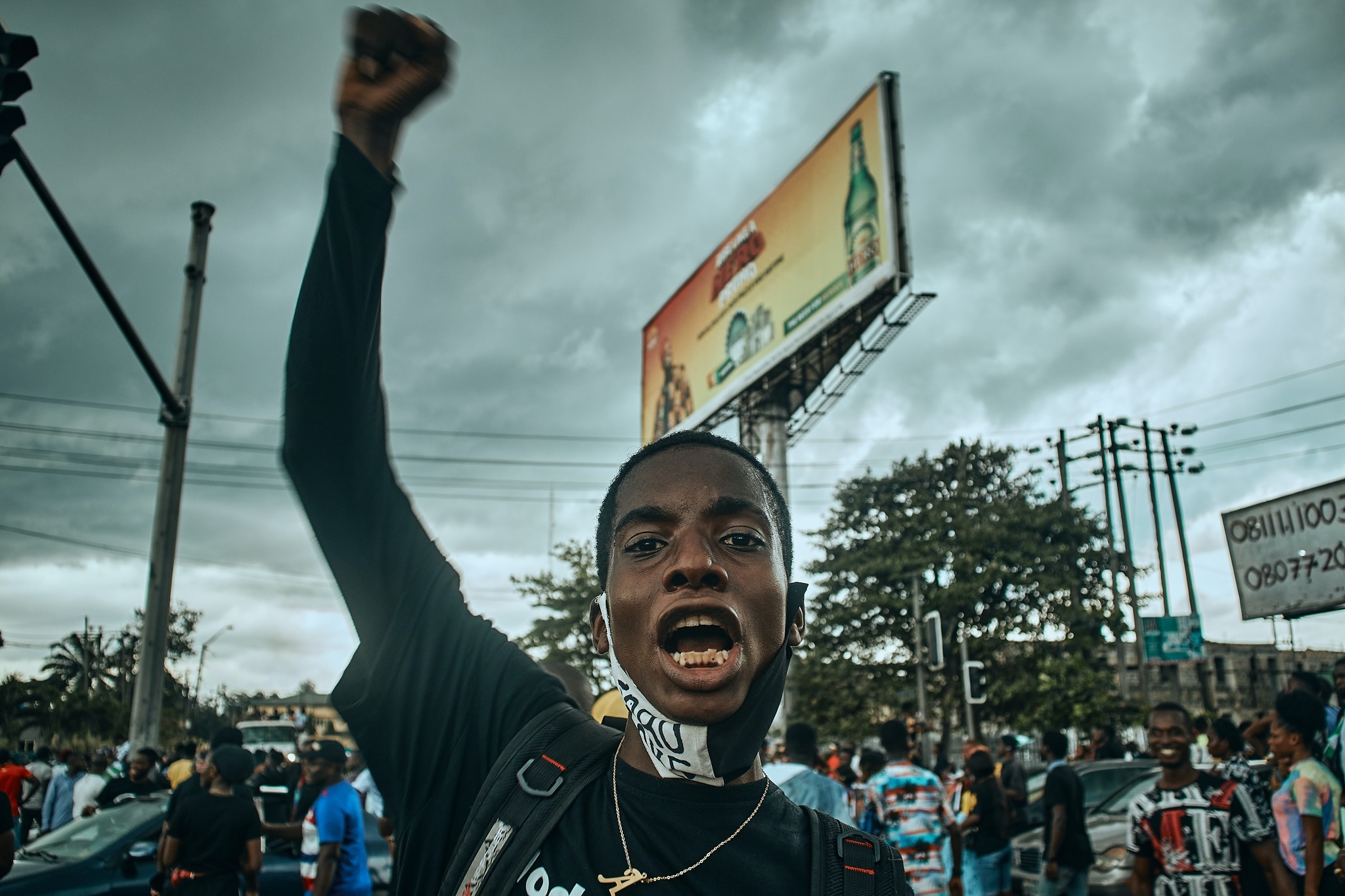
Airplane Mode Till 2025
A reflection on a two-hour internet protest against Cameroonian telecom operators, examining why such social-media-based activism often fails and what organized, strategic community mobilization requires instead.

Francis Kere: Architecture as African Inheritance
Poise celebrates Francis Kere, a Burkinabe architect whose studio creates structures grounded in indigenous knowledge, local materials, and community partnership across West and East Africa. His work demonstrates that contemporary design need not be imported—it can be rooted, functional, and distinctly African.

Breaking the Mold: A Priest-Musician in Service of Both Church and Community
Father Nsaikila Wanyu Elvis Njong, known as Nsay Ki La, is a Roman Catholic priest and accomplished musician who creates liturgical and devotional songs rooted in varied genres—from makossa to afrobeats—and in his native Lamnso language. His work spans sacred music, social witness during armed conflict, and an entrepreneurial approach to gospel that refuses to confine worship to tradition alone.