
Public Administration
Politics & Government
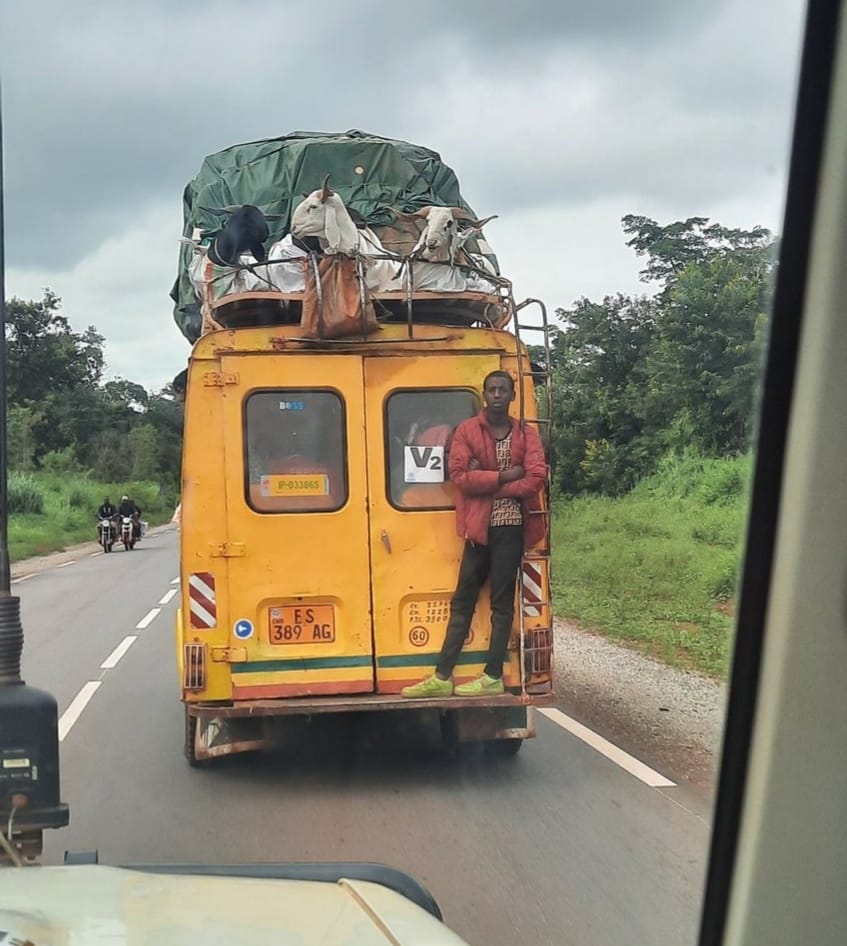
The Government Doesn't Love Us, and Neither Do We
A reflection on structural indifference in Cameroon, tracing a pattern of casual disregard for human dignity—from child bus attendants in Yaoundé to young workers clinging to overloaded vehicles on long-distance routes. The writer asks why economic pressure justifies risking lives when small sacrifices could prevent it.
Unity in Sport, Fracture in Governance: Why Cameroon Cannot Organise Itself
The writer observes that Cameroonians demonstrated rare collective solidarity during AFCON 2022 by supporting Egypt against Côte d'Ivoire, yet argues this unity is impossible to replicate for the country's internal crises. The piece traces this paradox to a system built on protecting institutional façades rather than addressing systemic corruption, tribalism, and the absence of genuine checks and balances.
The Architecture of Cameroon's Judicial System: Roles and Responsibilities
A systematic breakdown of the six categories of actors in Cameroon's judicial apparatus—magistrates, registrars, judicial police, bailiffs, notaries, and lawyers—explaining their distinct functions and relationships within the criminal and civil justice framework.
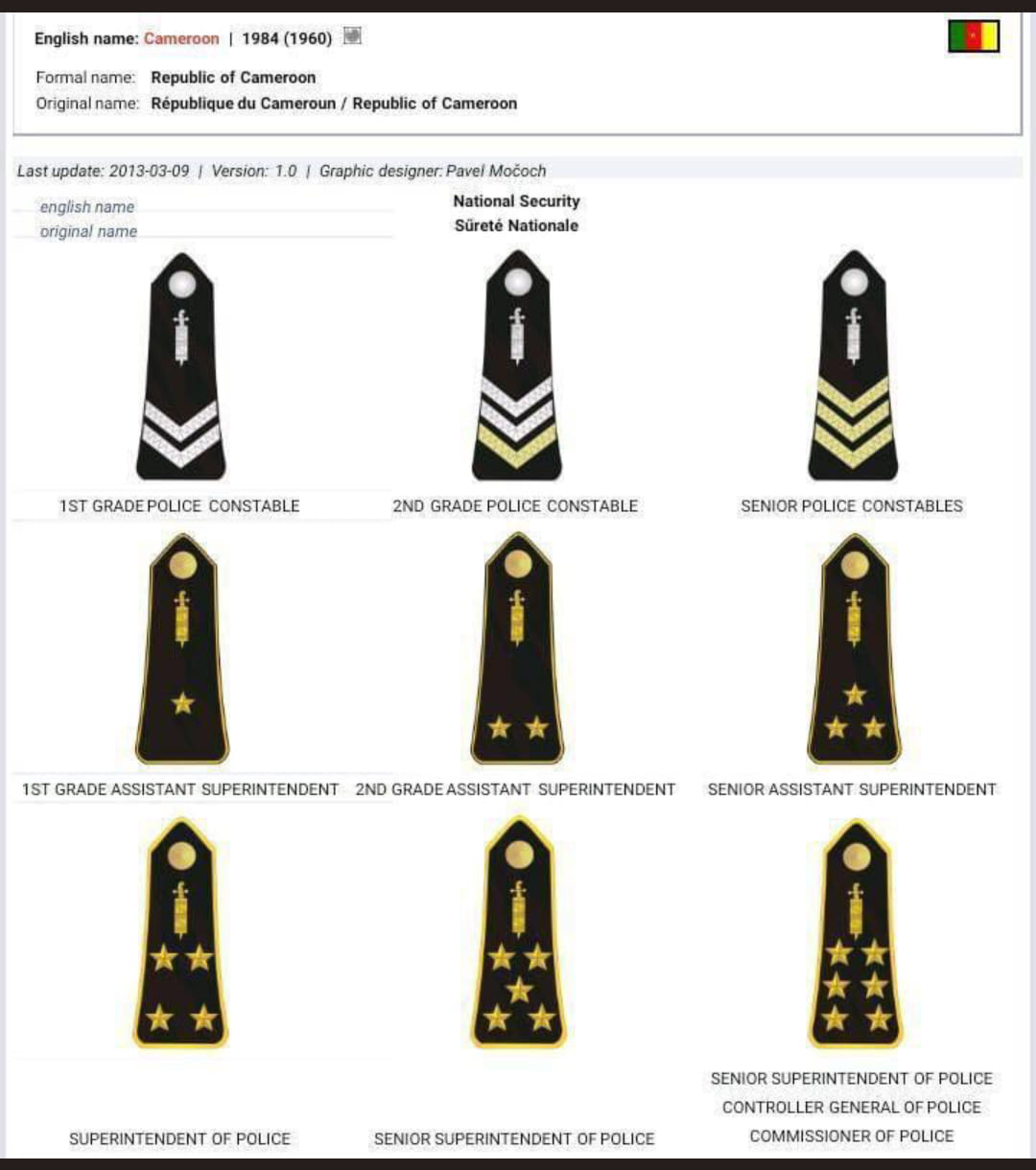
Know Your Police Force: Ranks and Required Qualifications in Cameroon
A straightforward guide to the hierarchical structure of the Cameroonian police force, detailing four main ranks subdivided into twelve total grades, each with corresponding shoulder insignia, and the educational qualifications required for entry at each level.
The World's Greatest Obstacle Course: Infrastructure, Negligence, and Cultural Conditioning in Cameroon
The writer observes that Cameroon's physical landscape—chaotic, unmapped, dangerous—mirrors a deeper cultural tendency to accept obstacles as inevitable rather than solve them. From roads without pavements to infrastructure repeatedly dismantled for ceremonial convenience, the nation has learned to navigate disorder, then celebrates minor accomplishments as progress while real decay accumulates.
On Service and the Uniform: Rethinking Leadership in Cameroon
The writer observes how uniformed officials—police, gendarmes, soldiers—receive deference and queue-jumping privileges in everyday transactions like paying utility bills, and questions whether this reflects a genuine understanding of service. Through personal anecdote and reflection on Desmond Tutu's definition of leadership as serving, suffering, and sacrifice, the piece argues that Cameroon has inverted the relationship between those in authority and those they are meant to serve.
The Cabinet Reshuffle: What It Teaches Us About Ourselves
The writer reflects on Cameroon's habit of turning political crises into memes and viral jokes—from the Bidoung Challenge to cabinet reshuffles—and argues that this laughter, while a coping mechanism, masks deep frustration and may be masking a dangerous pressure cooker of collective disillusion.

Goodbye to AFCON 2019: Governance, Pride, and the Cost of Readiness
Poise reflects on Cameroon's loss of the 2019 Africa Cup of Nations hosting rights to Egypt, tracing the decision back to systemic failures in governance, infrastructure planning, and political culture. The piece argues that the withdrawal—precipitated by CAF President Ahmad's assessment—was neither surprising nor avoidable, and that it reveals deeper patterns of incompetence and misplaced patriotism that will persist.
Service as Subordination: On Leadership and the Deference We Grant Power
The writer observes how Cameroonians grant exemptions and deference to uniformed officials—particularly police—in everyday spaces like utility offices, and argues this reflects a fundamental misunderstanding of what service and leadership mean. Drawing on Desmond Tutu's definition of leadership as sacrifice and suffering for others, the piece critiques a culture where those in authority are treated as above rather than as servants of the public good.
ENAM and the Illusion of Change
The writer examines how Cameroon's elite civil service institution, ENAM, perpetuates a cycle of careerism and self-interest rather than public service. Through a personal debate with a friend who entered ENAM, the piece argues that the institution embodies a deeper cultural problem: the pursuit of stability and status over genuine nation-building.
The 'O' in .cm: A Sign of Carelessness
A photograph of a misspelled URL on the Prime Minister's office signage—where .gov.com was hastily corrected to .gov.cm with white paint rather than properly repaired—becomes an emblem of institutional indifference. The writer reads in this small negligence a larger truth about the quality of governance and work culture in Cameroon.
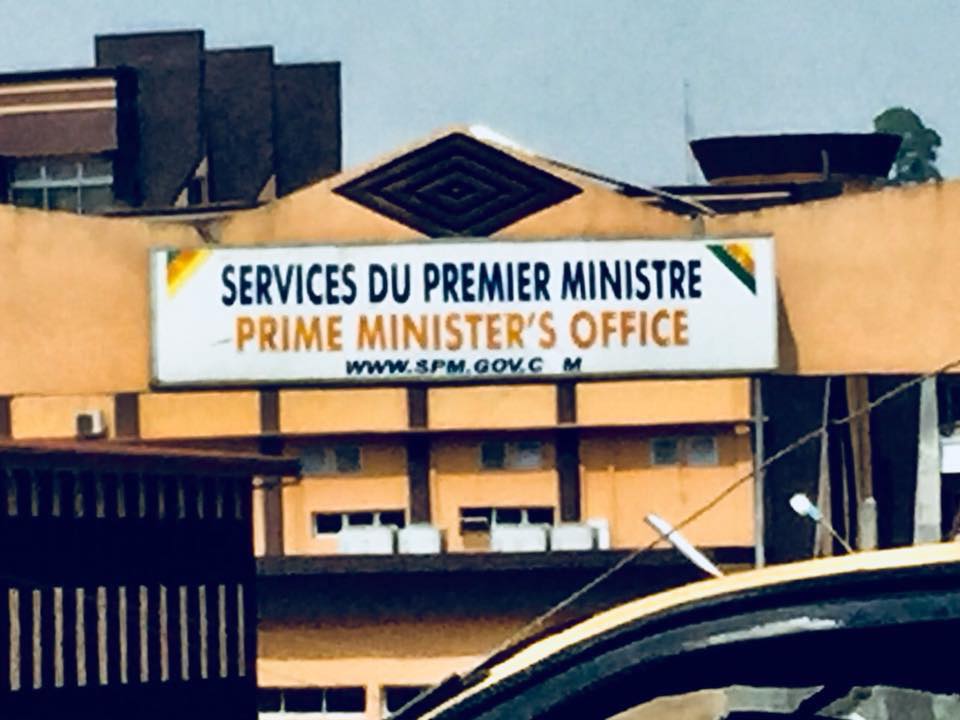
The 'O' in '.cm': A Parable of Institutional Negligence
The writer observes a crude correction on the Prime Minister's office signage—an erased 'o' in a misspelled URL—and reads it as a symptom of systemic carelessness in governance. The piece uses this small detail to interrogate a broader culture of indifference to quality and accountability within the Cameroonian state apparatus.
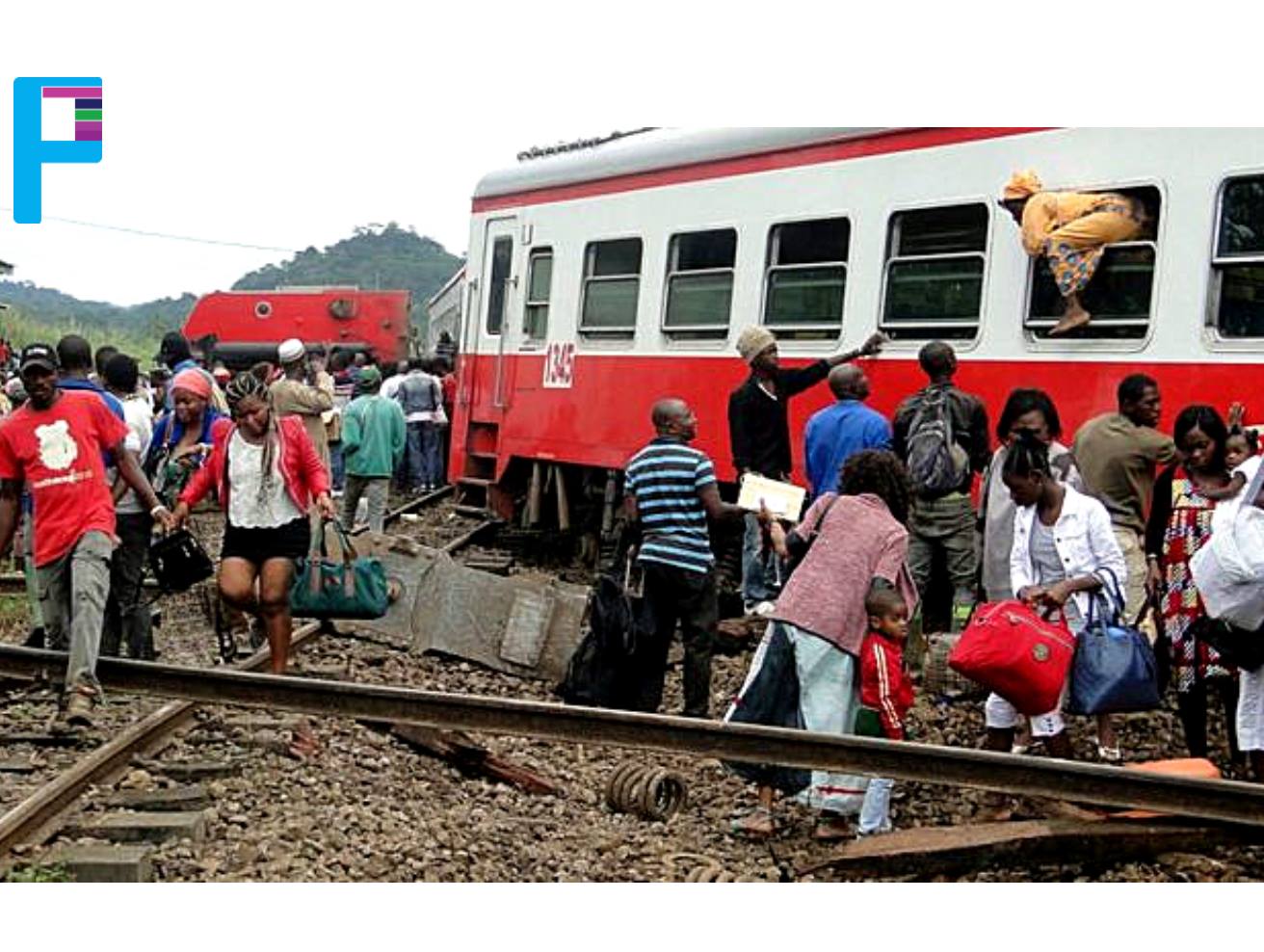
Cameroon's Obstacle Course: Infrastructure, Complacency, and the Cost of Accepting Mediocrity
The writer observes that Cameroon's built environment—chaotic, poorly planned, dangerous—reflects and reinforces a cultural conditioning toward obstacle-thinking rather than solution-finding. New infrastructure is celebrated as transformative despite being poorly executed, while basic safety measures are abandoned or ignored, normalizing preventable harm.