
Branding
Business
The Cameroon Brand Pantheon: A 2023 Snapshot and Call for Update
Poise's curated ranking of Cameroon's twenty most culturally resonant brands—from Total and MTN to Hysacam and Afriland—captures how brands function as social mirrors, embodying national character, aspiration, frustration, and resilience. The piece invites readers to nominate contenders for a 2025 refresh, treating brand ecology as a living archive of collective values.

The Structure and Logic of Record Labels in Cameroon
The writer examines the distinction between major and independent record labels, explaining how multinational majors like UMG, Sony, and Warner differ fundamentally from the independent labels that dominate Cameroon's music industry. Through this framework, the piece diagnoses endemic tensions between Cameroonian labels and artists—poor contract literacy, inadequate planning, and opaque financial management.
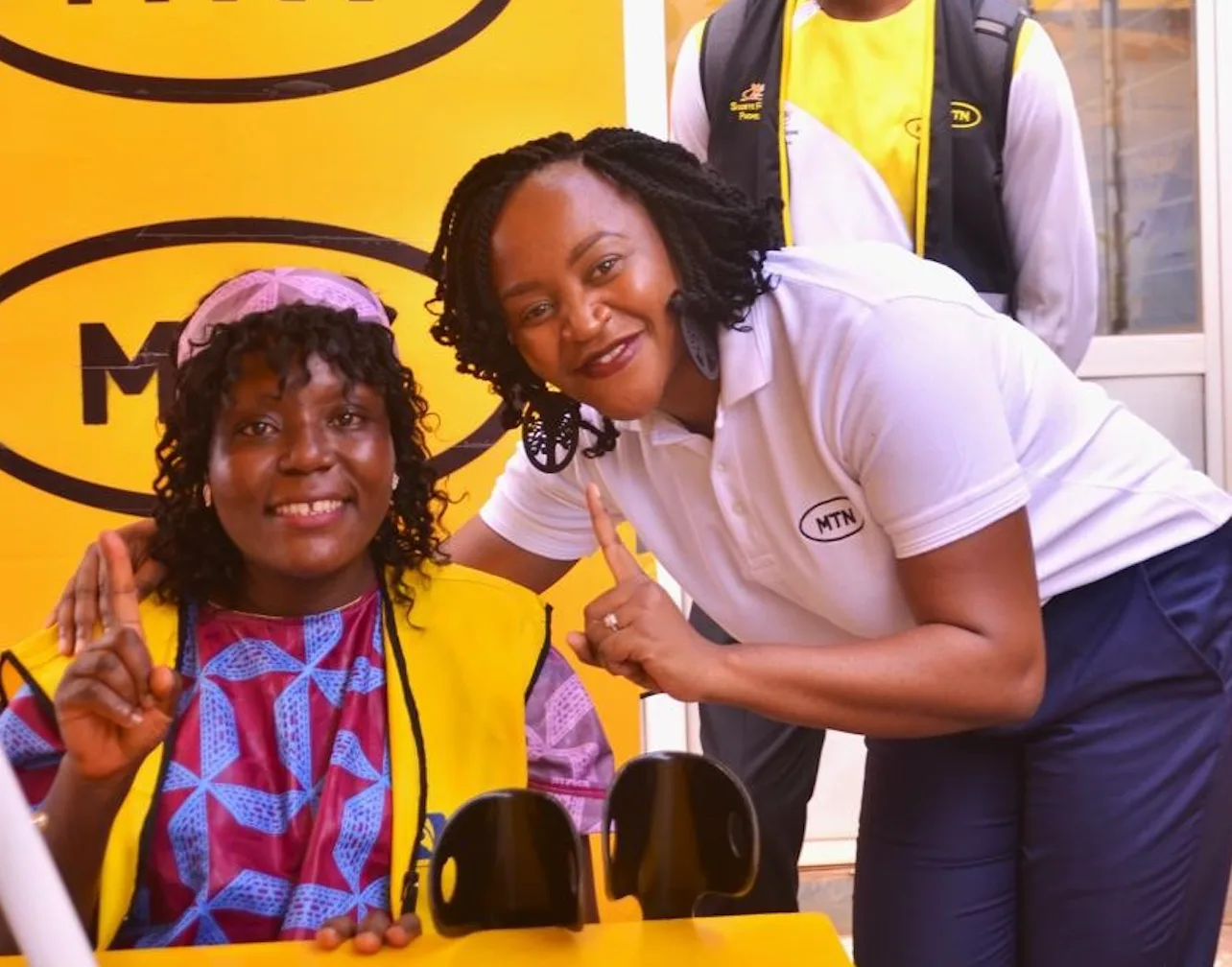
When Good Intentions Backfire: MTN's Data Campaign and the Cost of Hastily Executed Policy
The writer examines MTN Cameroon's customer compensation campaign—offering free data and credit to address network service failures—and shows how the initiative fell short despite good intentions. The failure stemmed not from the gesture itself but from inadequate planning: all customers received gifts simultaneously, creating network congestion; unequal distribution (data versus credit) created perceptions of unfairness; and no staggered approach or clear communication existed to manage expectations.
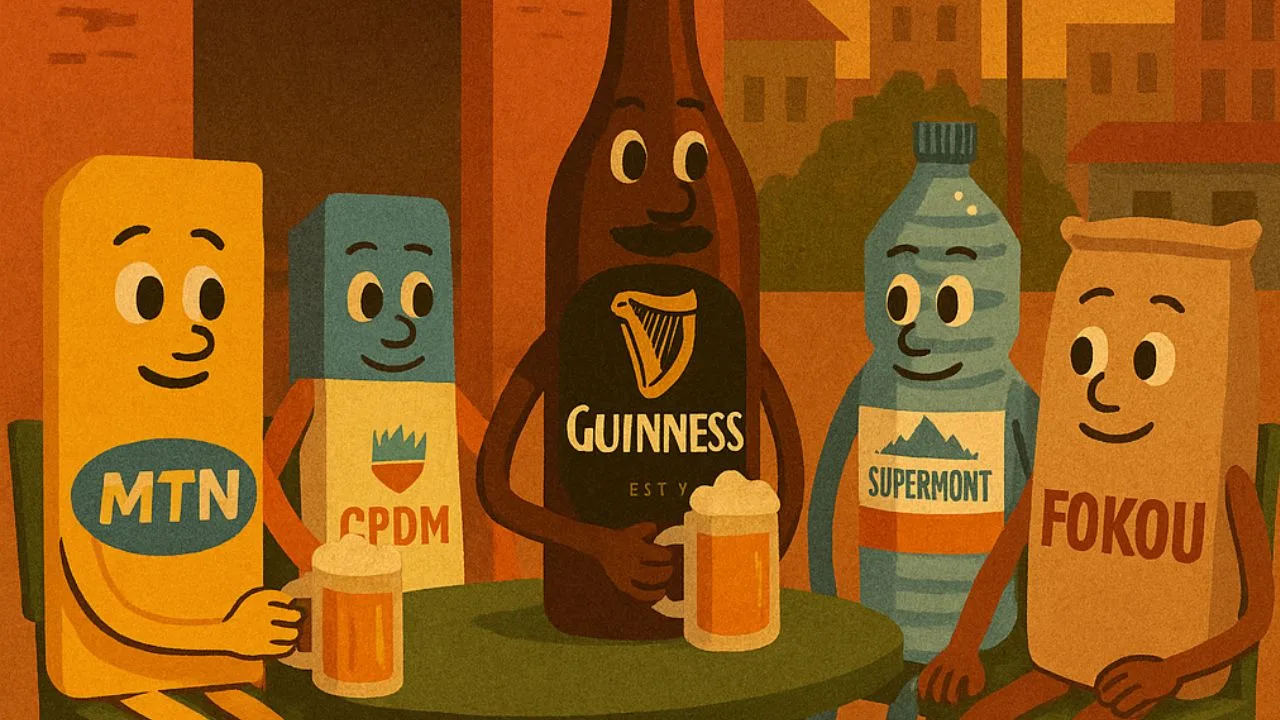
The Twenty Brands That Shape Cameroon: A Social Reading
This essay catalogues twenty major Cameroonian brands—from Total and MTN to Guinness, Hysacam, and Afriland—as mirrors of national character, economic anxiety, and resilience. Each brand carries not just commercial weight but cultural meaning: the way Cameroonians relate to authority, aspiration, everyday hardship, and quiet entrepreneurial pride.
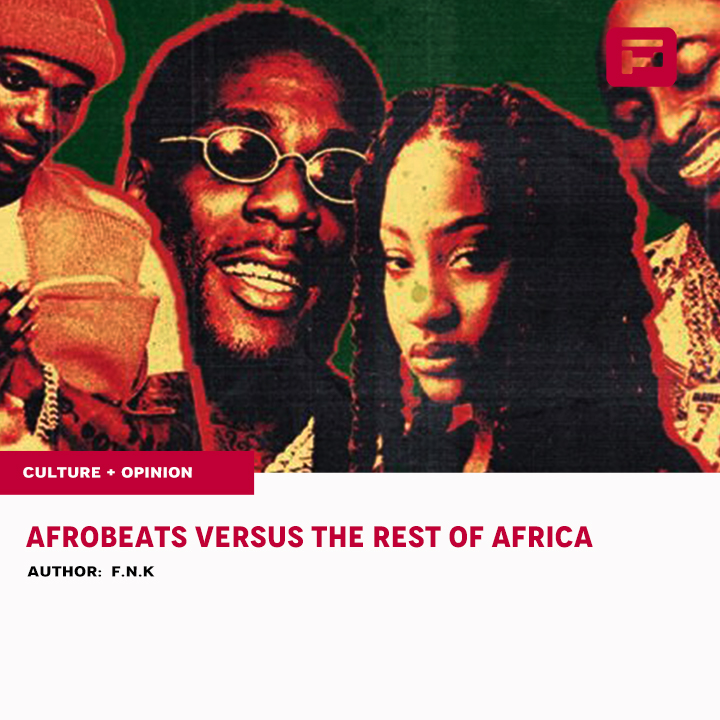
Afrobeats Versus the Rest of Africa: A Question of Branding, Not Quotas
While Afrobeats has become a global phenomenon lifting Nigerian artists to unprecedented heights, the success has cast a shadow over music industries across Africa. The writer argues that legislative efforts to increase local content quotas—whether in Kenya or Cameroon—misdiagnose the problem, which is not access but brand-building and the cultivation of cultural cool.

The Arithmetic of Trust: On Auntie Felicia and the Economics of Influence
A marketer examines the rapid ascent of a major Cameroonian comedy influencer and the pitfall of accepting too many brand deals at once. The piece argues that oversaturation threatens the trust relationship that makes influencers valuable in the first place, and proposes a more deliberate content strategy.
Brand Ambassador Deals in Cameroon: The Adidas Paradigm and Modern Influence
This piece traces the origins of brand ambassador strategy through Run-DMC's iconic partnership with Adidas in the 1980s, then applies that historical model to understanding contemporary endorsement deals in Cameroon. The writer argues that authentic lifestyle alignment—not just paid promotion—creates market movement and cultural legitimacy.

When Brands Become Words: Genericization and Market Power in Cameroon
The writer examines genericization—the process by which brand names become generic terms for product categories—through the lens of Cameroon's bottled water market, particularly the rise of Supermont at the expense of the once-dominant Tangui. The piece argues that while brand genericization can signal market strength, it also carries legal and competitive risks that savvy companies must carefully manage.

Knowledge As Currency: Building Authority Through Answering Questions
The writer argues that professionals across Cameroon—lawyers, accountants, designers, mechanics, and vendors—can build lasting brand authority and generate income by producing content that answers their customers' real, everyday questions rather than simply promoting products or services. This shift from direct sales to indirect monetization through expertise creates trust, positions them as authorities, and opens multiple revenue streams.

The Brand Ambassador Bubble in Cameroon
This essay critiques the hollowing-out of 'brand ambassador' as a concept in Cameroon's creative industries, where the term has become a social-media-amplified status marker divorced from strategic partnership, genuine consumer correlation, or mutual value exchange. The writer traces how bloggers, music industry figures, and young aspirants have glamorized brand deals without understanding or communicating their actual nature.
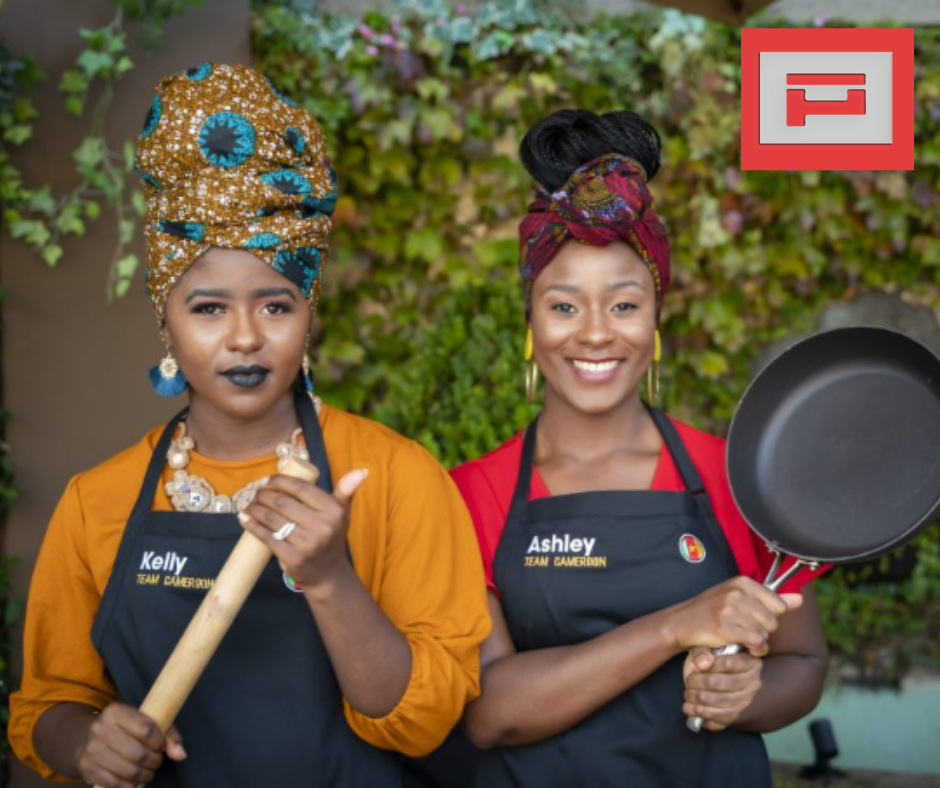
Cameroon's Culinary Moment: The Wasted Chance at Nation Branding
When two Cameroonian sisters won a round on an international cooking competition show, it exposed a broader truth: Cameroonians have long known their cuisine is exceptional and have defended it loudly, yet the state has failed to marshal this asset into coherent nation branding or tourism strategy. The post argues that what should be a flagship competitive advantage—the country's varied, celebrated food culture—remains orphaned from any serious government vision.

The Brand Name Question: On Oluwa, Representation, and African Pride
A Poise contributor examines the controversy around a fashion brand's use of 'Oluwa,' a Yoruba word for God, owned by co-founder Tino Foy. The piece moves from personal distaste for the name to a deeper meditation on why Africans bristle at Nigerian cultural dominance, the power of brand storytelling, and the colonial distortion of African versus European religious narratives.
Finding Your Brand Voice Part II: How Beta Tinz Became a Trusted Hub for Information
This essay examines how Beta Tinz, an Instagram page centered on Pidgin English storytelling, built trust and cultural authority by combining intimate, vernacular voice with rigorous fact-checking. The writer argues that Beta Tinz succeeds not through novelty but through a distinctive tonal quality—the voice of a beloved cousin delivering gossip with both wit and verification.
Finding Your Brand Voice: How Bimstr Built a Platform Through Authentic Language
An analysis of how Bimstr, a Cameroonian music promotional platform, succeeded by speaking directly to its young, urban audience in Franc-Anglais—the colloquial blend of French and English that dominates social media in Cameroon. The writer argues that effective brand communication requires first knowing your ideal customer, then choosing a voice that is both authentic to your brand and genuinely familiar to those behind it.
Cameroon's Artists and Web Analytics: Building Beyond Social Media
A practitioner in Cameroonian digital marketing observes that local musicians, bloggers, and creatives rely almost entirely on social media metrics while neglecting their own websites and the analytics tools that could reveal their actual reach and audience behaviour. The piece argues that understanding web data—not vanity follower counts—is essential for artists to attract industry partners and build sustainable careers.
Building a Personal Brand as a Female Entrepreneur
Personal branding is essential for women entrepreneurs navigating gender-biased career obstacles. By clearly defining and consistently projecting your strengths, values, and unique qualities—especially through digital channels—you create visibility and open professional opportunities.
Do Your Ideas Really Belong to You? On Intellectual Property in Africa's Creative Boom
As Africa's creative industries expand via digital platforms, most young creators—musicians, designers, fashion entrepreneurs—operate without formal intellectual property protection. The writer examines why copyright and trademark registration, though costly and often overlooked, matter as the industry matures and disputes inevitably arise.

Skills, Assets, and the Future of Influence in Cameroon
The writer argues that Cameroonian influencers cannot rely on direct brand sponsorships—a model slow to arrive in the local market—and must instead create economic value through strategic, project-based collaborations that combine creative vision, production capacity, and marketing reach. Drawing on examples from fashion, the piece proposes a practical blueprint for turning social influence into sustainable income.

Numbers Are Not Everything: On Influence, Strategy, and Social Media in Cameroon
The writer argues that follower count alone does not constitute influence, and that successful marketing on social media requires deliberate strategy, varied content, and sustained promotion—not mere posting to a large audience. Using examples from Cameroonian and international contexts, the piece examines why many with large followings fail to convert attention into action or sales.
Brand Safety and the Price of Representation
A reflection on the backlash to a Cameroonian artist's fashion choices at a public event, and what it reveals about how local companies assess risk when selecting brand ambassadors. The writer argues that while integrity and talent should matter most, companies in Cameroon rely on visible markers like appearance because they are easier to evaluate and defend.
The Show by Orange: Marketing Ambition and the Concert Experience Gap in Cameroon
Orange Cameroon's event-based marketing push, exemplified by "The Show," marks a strategic shift in how the telecom competes with MTN. Yet the piece uses the concert itself as a lens to examine a broader problem: Cameroon's event infrastructure remains hampered by poor technical execution, inadequate professionals, and decision-makers who prioritize politics over craft.
The Art of Positioning: Stanley, Puma, and the Logic of Strategic Visibility
The writer analyzes Stanley's apparent strategic placement of the Puma logo throughout his music video for 'Elle est la,' reading it as a deliberate bid for brand attention ahead of Cameroon's hosting of the 2019 African Nations Cup. The piece situates this within a global pattern of influencer marketing, where artists cultivate visibility with brands through consistent, authentic association before formal endorsement deals materialize.

The Manager Plague: On Hustle, Professionalism, and Missed Opportunities in Cameroon's Entertainment Industry
A critical examination of how Cameroon's entertainment sector undermines itself through performative professionalism—artists hiding behind incompetent managers and refusing direct negotiation—while missing obvious economic opportunities. The writer argues this reflects a deeper cultural passivity that contrasts sharply with the entrepreneurial hunger visible in neighboring Nigeria.