
Policy
Politics & Government
The Laws of Power and the Senegalese Reckoning: Sonko, Faye, and the Choice to Govern Subordinate
A meditation on Ousmane Sonko's dismissal as Prime Minister of Senegal through the lens of Robert Greene's 48 Laws of Power. The writer argues that Sonko violated the classical law against outshining one's master—not because he threatened Faye, but because he pursued radical reform across all fronts simultaneously, making himself the singular face of every threatened interest. Yet the piece pivots to consider whether his swift return to Keur Gorgui, his base outside power, might signal a deeper understanding of power itself: the choice to govern from movement rather than from office.
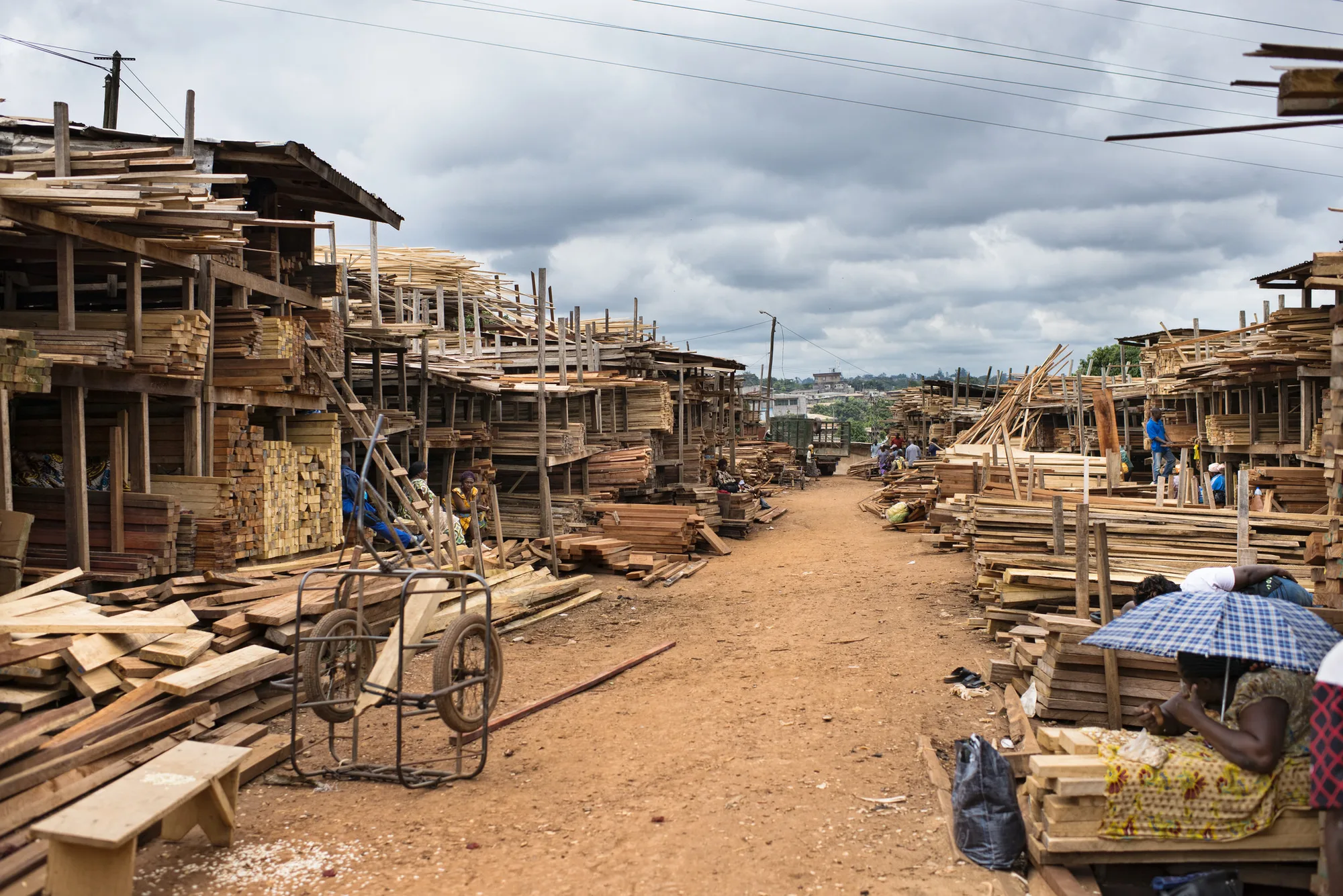
Nine Pillars of Cameroon's Economic Transformation: A Government Development Strategy
This piece outlines Cameroon's nine-sector development strategy for structural economic transformation, detailing government priorities and investment targets across energy, agribusiness, digital technology, forestry, textiles, mining, hydrocarbons, and related fields. It serves as a practical guide for entrepreneurs and public contractors seeking to identify where government support, subsidies, and contracts are likely to flow.
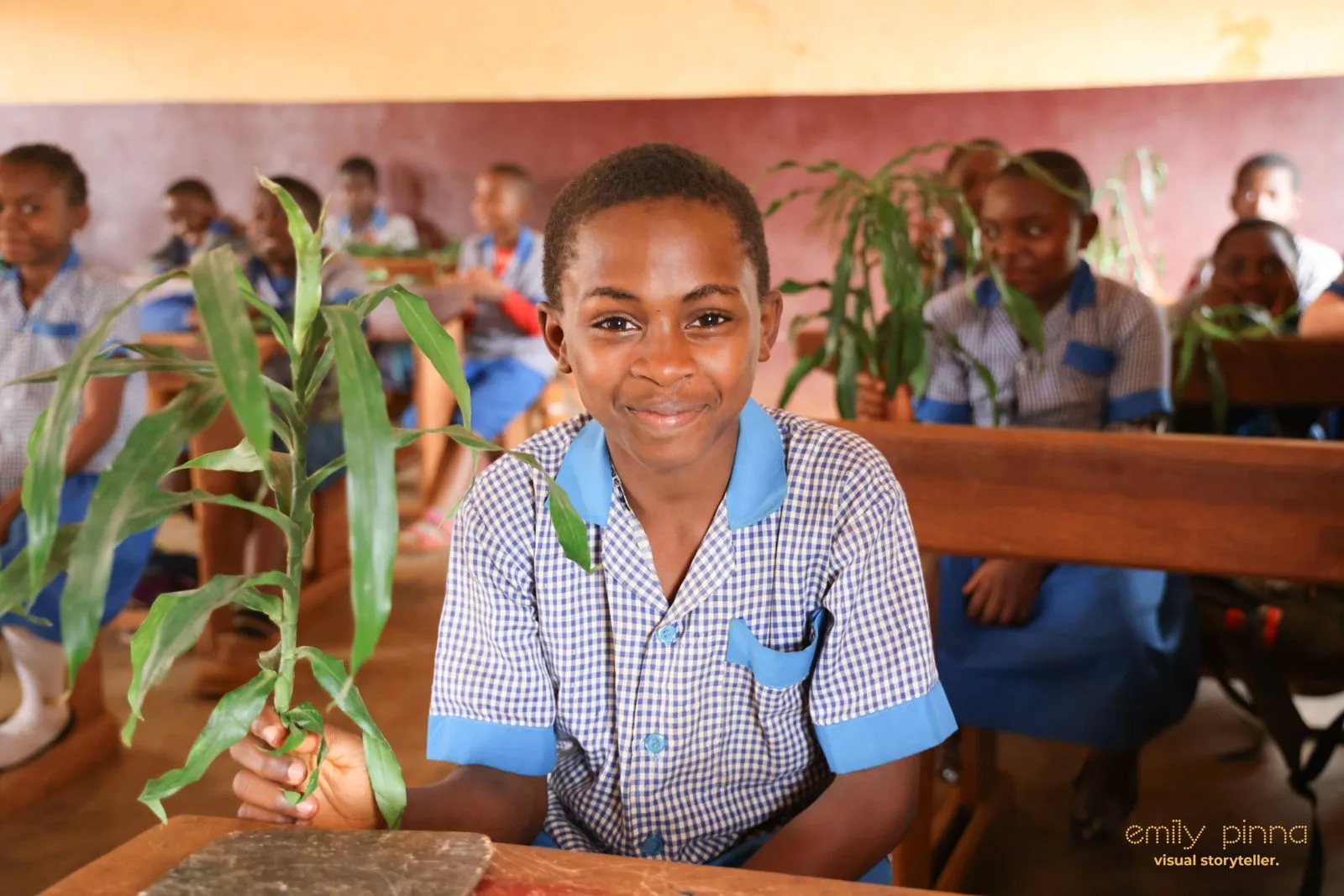
The Courage Tax: Celebrity Influence and the Limits of Hashtag Activism in Cameroon
The writer reflects on a delegation meeting with Cameroon's Minister of Arts and Culture to oppose a controversial bill, witnessing firsthand how performers abandoned their stated principles once in the room with power. The piece uses this incident to examine why Cameroonian celebrities claim influence they do not possess, and why national-scale activism remains performative rather than substantive.

The Ambiguous Embassy: LGBT Rights, Western Pressure, and Cameroon's Reflexes
This piece examines the cancelled visit of a French LGBT ambassador to Cameroon as a mirror of the country's genuine homophobia, Western cultural imposition, and the internal contradictions within global LGBT advocacy itself. The writer resists easy framing, acknowledging both the real violence faced by LGBT persons and the legitimate discomfort with what feels like coercive ideological export.
The Politics of Empty Slogans
The writer examines Cameroon's reliance on hollow symbols and vacuous slogans—from the omnipresent presidential portrait to government catchphrases like 'Emergence 2035' and 'Rigour Integrity & Moralisation'—as a substitute for tangible governance and meaningful policy. These symbols, meant to inspire unity and progress, instead mask systemic corruption, poor service delivery, and a government indifferent to citizen welfare.

The Minister's Promise: Arts Governance and the Weight of Unresolved Conflict
The Minister of Arts and Culture tells parliament that his administration is working to resolve persistent conflicts across Cameroon's arts sector, citing measures to 'clean up the industry.' Yet the same period sees fresh disputes in actors' guilds and ongoing turmoil at SONACAM, the music copyright body, leaving the minister's pledge untested.

The Quota Question: Why Protective Policy Won't Fix Cameroon's Music Crisis
Following a public debate on instituting local music quotas in Cameroonian media, the writer argues that the real constraint is not foreign competition but domestic underproduction—rooted in artists' misplaced priorities, a flawed success archetype, and structural gaps in how emerging talent is discovered.
The Phone Tax: A Study in Governmental Incoherence
In October 2020, Cameroon's government proposed a 33% import tax on mobile phones to be paid directly by consumers—a measure virtually without precedent globally. Poise examines the tax's stated justification, its mechanisms, and the cascading technical, legal, and ethical problems that render it unworkable.
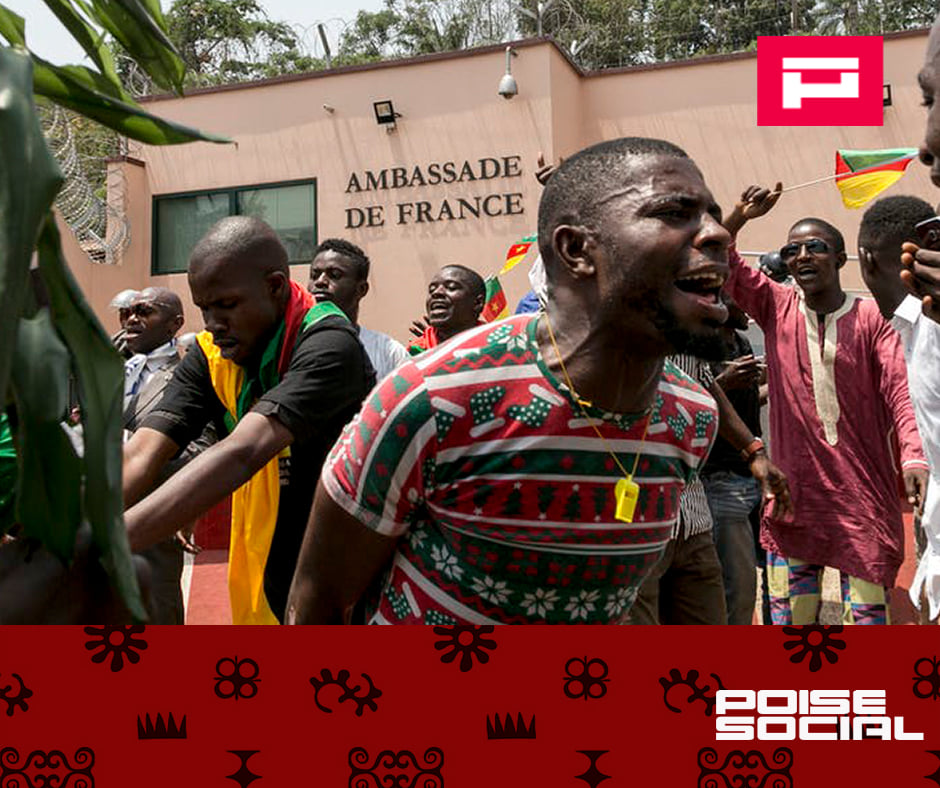
When Hashtags Don't Do the Job
A reflection on the gap between public outcry and meaningful action in Cameroon, examining why celebrities and citizens fail to effect real change despite widespread discontent. The writer recounts a delegation meeting with the Minister of Arts and Culture, exposing how institutional power captures co-opt potential resistance, and argues that hashtag activism and street protests have proven ineffective.
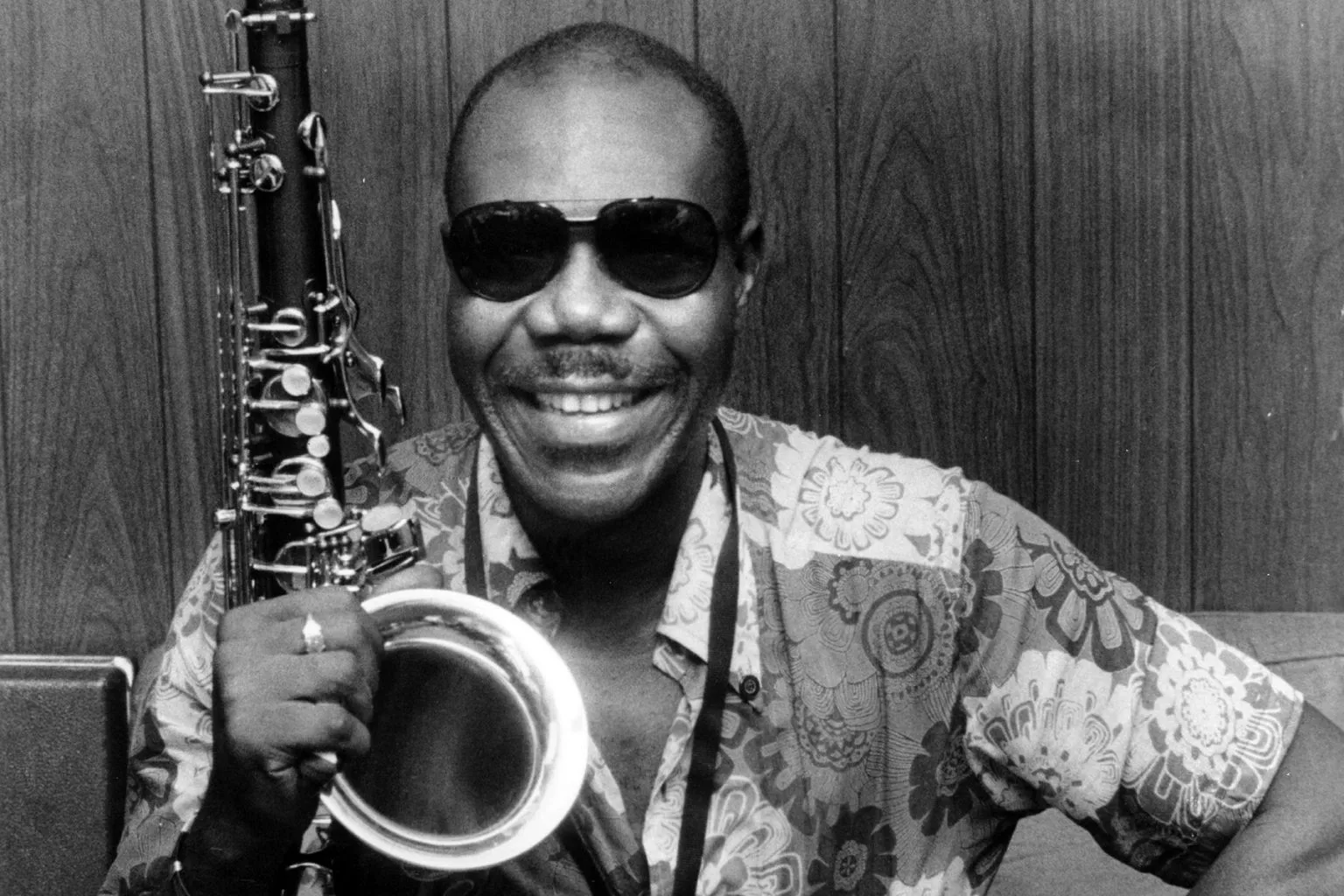
The Gift That Obscures the Legacy
The writer examines how Cameroon's cultural and political systems privilege material gift-giving over substantive contribution, using Manu Dibango's global musical influence as a counterexample to ask what true value—and true remembrance—should mean.
Should the Government Legalize Abortion? A Cameroon Perspective
An analytical overview of the abortion legalization debate in Cameroon, where current law permits pregnancy termination only when the mother's life is at risk. The piece systematically presents both pro-life and pro-choice arguments, acknowledging the real toll of illegal abortion on young lives while resisting easy resolution.
Should the Government Legalize Marijuana Consumption?
This analytical piece weighs the case for marijuana legalization in Cameroon—citing potential economic gains through taxation and job creation, and medical applications in pain management and rare epilepsy treatment—against documented public health risks including cognitive decline, mental illness, and respiratory disease. The writer concludes that legalization presents genuine tradeoffs rather than a clear policy direction.
On Youth and the Persistence of Patronage
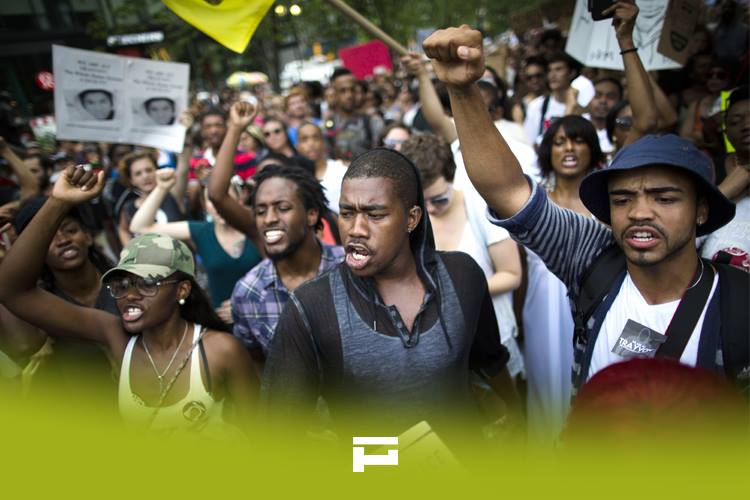
This piece interrogates the assumption that generational change alone will solve Cameroon's structural problems, using a personal anecdote to argue that favoritism and patronage span all ages, not just an older generation. The writer contends that meritocracy cannot take root until the mentality that privileges kinship and loyalty over competence is genuinely abandoned.
The Crisis Sour Fruit
A poet-activist grieves the deaths of Anglophone Cameroonians in military operations—including named individuals—and indicts state violence as incompatible with the national motto of Peace, Work, Fatherland. The piece moves from specific losses to systemic critique: police brutality, economic extraction, suspended freedoms, and a government that has surrendered legitimacy through indifference to its own people's suffering.
The Matter of Here: On Cycle and Complicity in Crisis
Written in Pidgin English during a period of acute civil unrest, this poem indicts the circularity of violence, state indifference, and public resignation in Cameroon. The writer moves from observing peaceful protest to witnessing militarization, religious co-option, and the normalization of fear, before calling for collective reflection rather than perpetual cycle.
Why Design Matters for the Future of Cameroon
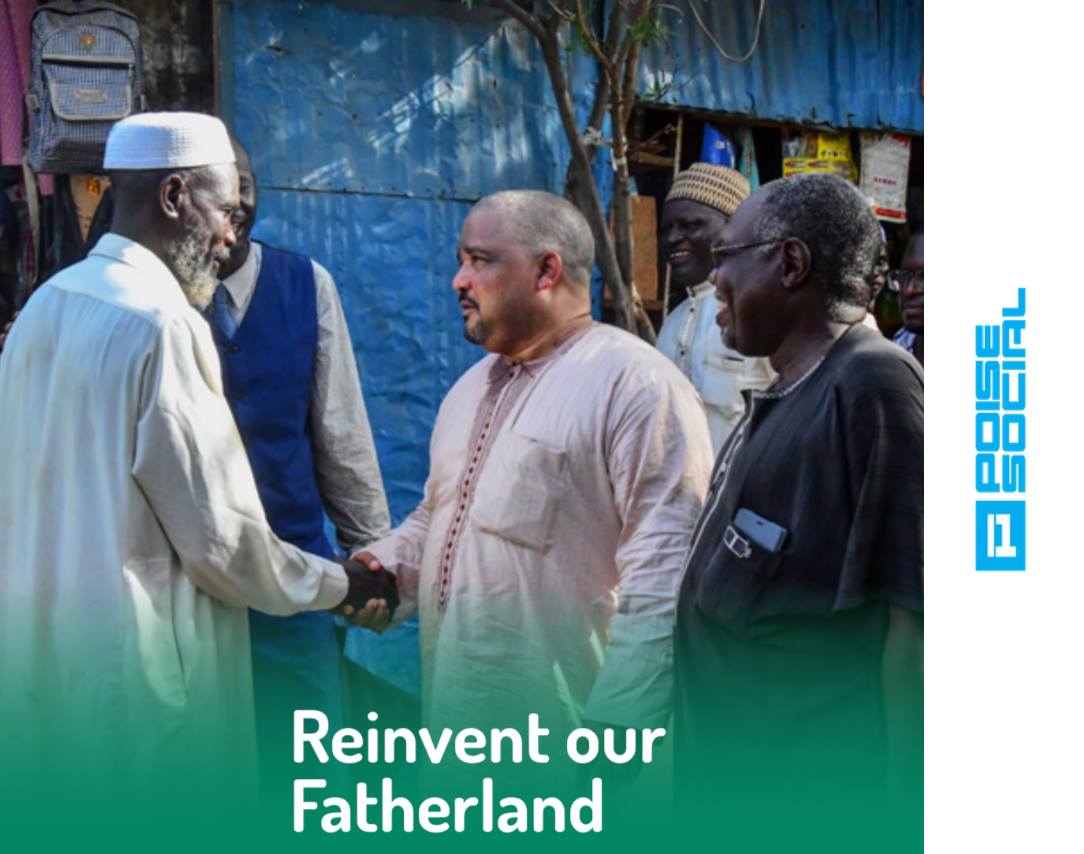
Design is not a luxury but a psychological and civic necessity: the aesthetic quality of our built environment shapes who we become. Drawing on the 2018 presidential race and broader historical examples, the writer argues that Cameroon's future depends on treating design—from campaign materials to urban planning—as a serious act of nation-building.
Football and Politics: The Nations' Cup as Distraction
The writer argues against Cameroon hosting the 2019 Africa Cup of Nations, seeing it not as a sporting honor but as a political tool used by the incumbent government to distract from infrastructural failures and poor governance. The piece traces how the tournament became entangled with ego, sycophancy, and nationalist rhetoric rather than honest assessment of readiness.
Joshua Osih's Governance Programme: A Close Reading
This piece offers a detailed examination of Joshua Osih's 84-page presidential platform, focusing on his substantive proposals across governance, health, education, economic policy, and social reform. The writer presents the programme as notably comprehensive and structured compared to other candidates' offerings, though acknowledges its density and point-form presentation.
The Architecture of Reform: Reading Akere Muna's Governance Vision
This analytical note examines the governance and economic platform articulated by one presidential candidate through available excerpts and documents, focusing on institutional reform, decentralization, anti-corruption mechanisms, and social development commitments. The writer finds the institutional proposals substantive but notes the social guarantees are ambitiously framed and the full program remains partially inaccessible.

Reading Akere T Muna's New Republic Program: Institutions, Decentralization, and the Problem of Guarantees
The writer examines Akere T Muna's platform for presidential candidacy, focusing on his proposed institutional reforms—term limits, constitutional amendments, federalism via referendum, and decentralization of power from the presidency. The analysis also considers his economic plans around anti-corruption, resource management, and SME support, while flagging tensions between ambitious social guarantees and implementability.
A Summary of Cabral's Governance Programme
Poise presents a detailed, neutral summary of a 2018 Cameroonian presidential candidate's 40-page governance platform, covering proposed reforms to the state structure, public infrastructure, health, civil service, and agriculture. The writer deliberately offers outline rather than critical analysis, inviting readers to form their own assessments of the programme's vision and feasibility.
Reading Kamto's 2018 Electoral Program: Substance, Ambition, and Rhetoric
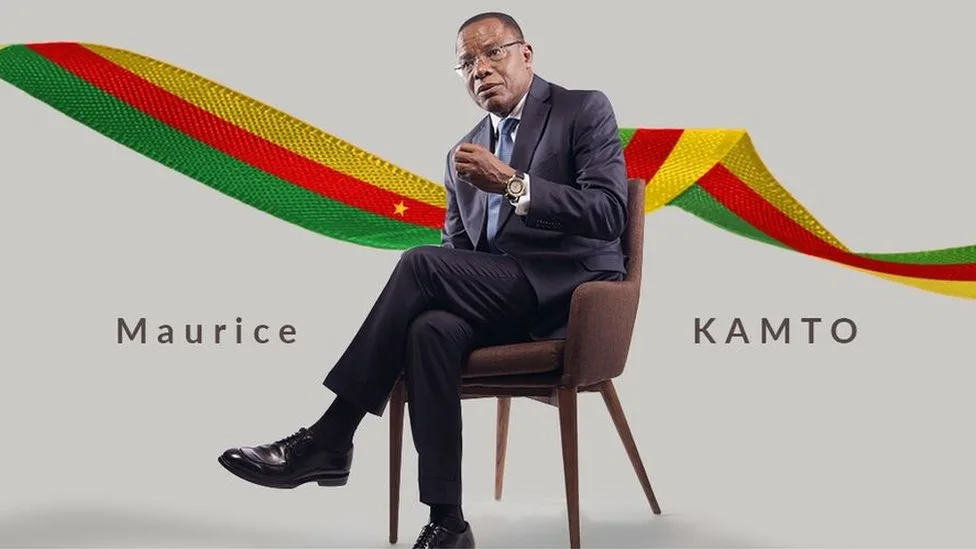
On the eve of Cameroon's October 2018 elections, Poise examines Maurice Kamto's 88-page policy platform across five domains—institutional reform, youth and education, economy, social welfare, and foreign relations—separating concrete proposals from campaign rhetoric and identifying both promise and peril in his vision.
Maurice Kamto's 2018 Governance Program: A Critical Reading
Poise examines the 88-page governance platform Maurice Kamto presented ahead of Cameroon's October 2018 presidential election, breaking down five strategic projects and assessing what appears concrete, ambitious, or rhetorical. The review interrogates promises on institutional independence, the anglophone crisis, language policy, youth education, and digital governance.
The 2018 Election and Akere Muna's Vision: A First Look at Governance
Writing during the 2018 Cameroonian presidential campaign, the author—unusually engaged in domestic politics for the first time—examines opposition candidate Akere Muna's platform as presented on Canal2, focusing on his proposals for anti-corruption, healthcare, diaspora engagement, and constitutional reform.
The Laptop Project: Specifications, Cost, and the Problem of Tied Aid
A technical and financial examination of the government's laptop distribution initiative, assessing the devices themselves against their stated purpose and exposing the structural costs of the tied-loan arrangement that funded them.
Cameroon's Obstacle Course: Infrastructure, Complacency, and the Cost of Accepting Mediocrity
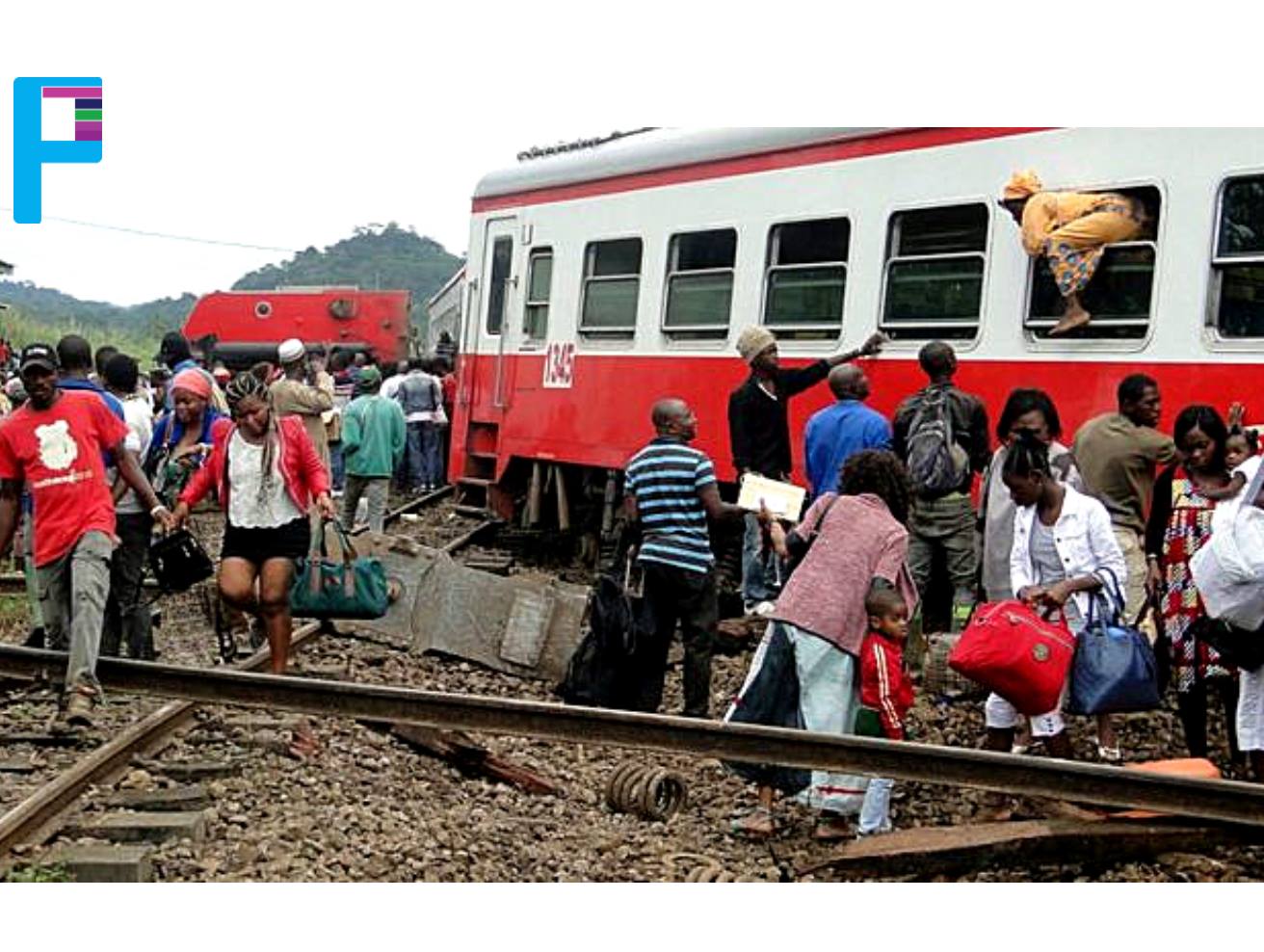
The writer observes that Cameroon's built environment—chaotic, poorly planned, dangerous—reflects and reinforces a cultural conditioning toward obstacle-thinking rather than solution-finding. New infrastructure is celebrated as transformative despite being poorly executed, while basic safety measures are abandoned or ignored, normalizing preventable harm.

Rethinking Capitalism: The Case for Social Markets in Cameroon
The writer questions whether unfettered capitalism, as commonly sold to African societies, truly serves the broad population, and proposes instead a model of social capitalism where government ensures equal access to basic goods and services—from infrastructure to education.

The Mentality That Keeps Africa Behind: On Peter Okoye, Policy, and Personal Interest
When a Nigerian entertainer publicly condemned his government's proposed policy to localize entertainment production—a policy that had once benefited him—the writer saw not principled opposition but a symptom of deeper African dysfunction: the willingness to support collective good only when it serves personal gain.