
Corruption
Politics & Government
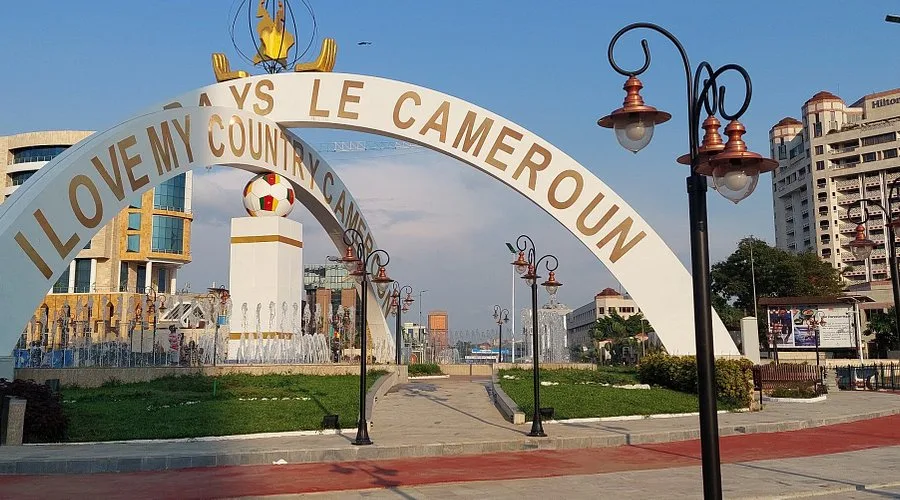
Symbols Without Substance: The Portrait and the Slogans
This essay examines how Cameroon's political culture has come to rely almost entirely on symbolic gestures—a ubiquitous presidential portrait, cycling national slogans, monuments, and rebranded success stories—while the material conditions they purport to represent continue to deteriorate.
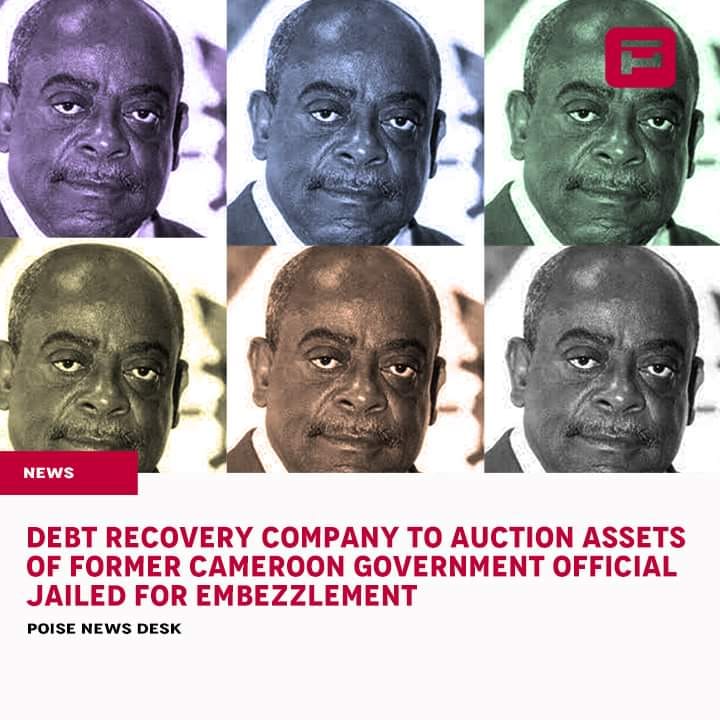
The Lingering Stain: Cataloguing Corruption in Plain Sight
Poise documents the seized assets of Emmanuel Ondo Ndong, former General Manager of FEICOM, convicted of embezzlement over 15 years prior. The inventory—spanning properties across Yaoundé and the South Region, vehicles, and liquid accounts—totals nearly 4.4 billion FCFA, a stark material record of how public office becomes private wealth.

The African Union Headquarters and the Cost of Gifts
The writer reflects on the African Union's headquarters—a $200 million complex built and donated by China—as a symbol of continental shame and self-diminishment. The essay argues that such
Slay Queens and Politics: The Corruption of Access
The writer examines the peculiar alignment between social media celebrities and political power in Cameroon, focusing on a public figure's visible courtship of state ministers and subsequent political endorsement. The piece uses this moment to interrogate a deeper hypocrisy: those granted proximity to power rarely leverage it for the voiceless, yet remain largely unaccountable.

False Enemies and the Me First Mentality
The writer argues that Cameroonians have turned on each other rather than uniting against shared obstacles—corruption, government dysfunction, educational collapse, economic stagnation, and cultural decay. Drawing on the historical example of Samuel Langley's refusal to collaborate after losing the aviation race to the Wright brothers, the piece diagnoses a corrosive zero-sum competitiveness that prioritizes individual credit over collective progress.
The Small Tyrant Within: Power, Pettiness, and Cameroon's Neo-Feudal Culture
A Cameroonian reflects on two encounters with petty officials—a petrol station attendant and a university secretary—to argue that the nation's dysfunction runs deeper than leadership, rooted in how ordinary citizens weaponize small doses of authority. The piece names a cultural pattern: those granted the slightest power often become arbitrary, mood-driven overlords.
ENAM and the Machinery of Complicity
A writer examines how Cameroon's elite civil service school perpetuates a self-serving administrative culture that prioritizes personal security and enrichment over public service. The piece traces how even newly appointed officials adopt the same mindset as their predecessors, ensuring the status quo survives generational turnover.
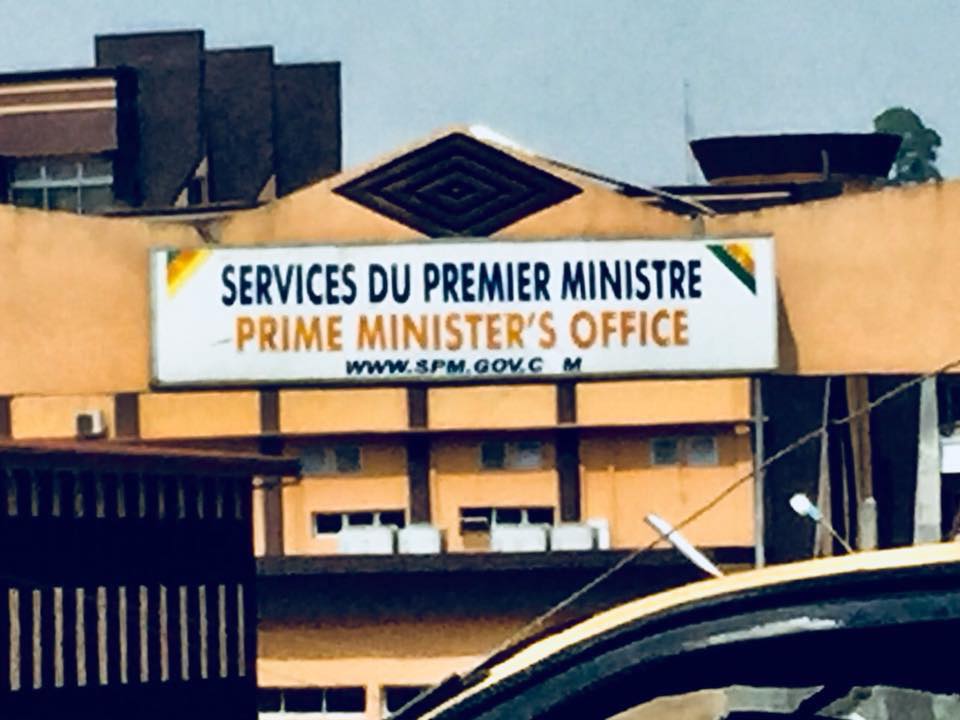
The 'O' in '.cm': A Parable of Institutional Negligence
The writer observes a crude correction on the Prime Minister's office signage—an erased 'o' in a misspelled URL—and reads it as a symptom of systemic carelessness in governance. The piece uses this small detail to interrogate a broader culture of indifference to quality and accountability within the Cameroonian state apparatus.