

Dr. Ndifor Judethaddeus
The Bystander Effect: Why We Hesitate to Help in Emergencies
This analytical piece examines the psychological and social mechanisms that prevent onlookers from offering assistance during emergencies—from diffusion of responsibility and social influence to cultural conditioning and perceived danger. The writer presents six key factors that explain bystander apathy, then offers practical strategies for both victims and witnesses to overcome these paralysing dynamics.
Pepper as Medicine: A User's Guide to Capsaicin and Health
This piece surveys the health benefits of pepper—from pain relief and metabolism boost to safer pregnancy outcomes—grounded in the compound capsaicin and its effects on the body. It also offers practical remedies for the burn itself.
The Physics and Perils of Penile Fracture: A Clinical Note
A straightforward medical explainer on penile fracture—a real urological injury caused by blunt force to an erect penis—covering its anatomy, mechanisms, warning signs, and the sexual positions and acts most likely to precipitate it.
Penis Captivus: Medical Fact and Urban Legend
A humorous exploration of penis captivus—the rare physical phenomenon in which penile engorgement and involuntary vaginal muscle contraction temporarily prevent withdrawal during intercourse—and its cultural standing as a supposed instrument of witchcraft against unfaithful partners.
Virginity and the Hymen: Separating Fact from Cameroon's Cultural Mythology
This essay dismantles the widespread Cameroonian belief that bleeding during first intercourse proves virginity, drawing on anatomical fact to show that the hymen's state reveals nothing reliable about sexual history. The writer argues that subjecting women to virginity tests based on this misconception is both medically unfounded and ethically indefensible.
On the Bodily Consequences of Restraint: Holding In and Letting Go
A medical explainer examines the health effects of holding in urine and flatulence, moving from the serious (urinary tract infections, kidney stones, bladder dysfunction) to the comic (the social mortification of an ill-timed noise). The piece concludes that occasional restraint is harmless, but chronic suppression invites mild to moderate bodily trouble.

On Virginity Testing in Cameroon: Why Bleeding Is Not Proof
This post examines the cultural belief that bleeding during first intercourse proves virginity, establishing through medical fact that the hymen's condition has no reliable connection to sexual history. The writer argues that virginity testing—whether cultural or clinical—is both scientifically baseless and ethically harmful.
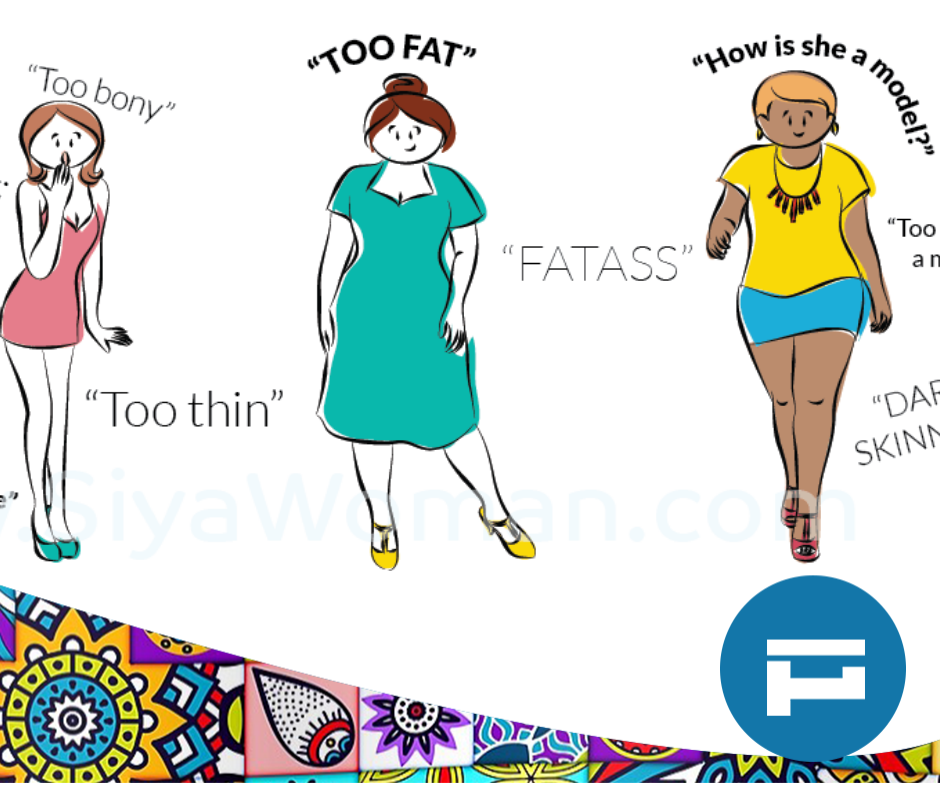
Body Shaming in Cameroon: A Contested Practice
This analytical piece examines body shaming as a social practice in Cameroon, presenting arguments on both sides of whether it is harmful or justified. The writer considers the psychological and social costs of public criticism of bodies alongside claims that such shaming might encourage healthier behaviors.
Should the Government Legalize Abortion? A Cameroon Perspective
An analytical overview of the abortion legalization debate in Cameroon, where current law permits pregnancy termination only when the mother's life is at risk. The piece systematically presents both pro-life and pro-choice arguments, acknowledging the real toll of illegal abortion on young lives while resisting easy resolution.
The Fundamentals of Weight Loss: Exercise, Diet, and Realistic Expectations
A practical guide to weight loss grounded in the caloric deficit principle, outlining cardio and strength training protocols, dietary strategies from hydration to intermittent fasting, and the necessity of sustainable habit change over quick fixes.
Should the Government Legalize Marijuana Consumption?
This analytical piece weighs the case for marijuana legalization in Cameroon—citing potential economic gains through taxation and job creation, and medical applications in pain management and rare epilepsy treatment—against documented public health risks including cognitive decline, mental illness, and respiratory disease. The writer concludes that legalization presents genuine tradeoffs rather than a clear policy direction.
Is Plastic Food Packaging Safe? A Practical Assessment
The post examines the health risks posed by chemicals like phthalates and BPA in plastic food packaging, particularly when heated, and considers what individuals and governments can do to mitigate exposure. It concludes that ceramic and glass alternatives are preferable where feasible.
How to Spot a Weight-Loss Scam
The writer examines the structural deceptions embedded in the weight-loss industry, identifying three hallmarks of fraudulent products: promises that defy basic physiology, emotionally manipulative marketing language, and false claims about spot fat reduction. The piece argues that legitimate weight loss requires sustained effort, and any product suggesting otherwise is designed to exploit desire rather than deliver results.
Bitter Kola and Guinness: A Medical Enquiry Into Popular Belief
Drawing on pharmacology and Cameroonian folk wisdom, the writer examines whether bitter kola and alcohol—particularly Guinness—can delay ejaculation. The piece distinguishes between what science can confirm, what remains unproven, and what rests on anecdote, concluding with measured caution.
Myths About Preventing Unwanted Pregnancies
A medical doctor addresses widespread misconceptions among young Cameroonians about emergency contraception, distinguishing folk remedies and ineffective practices from evidence-based methods. The piece explains the biological requirements for pregnancy prevention and recommends the combination of douching and morning-after pills as a reliable approach.
Tramadol and the Opioid Paradox in Cameroon
A medical perspective on tramadol abuse in Cameroon, situating it within a broader landscape of substance misuse among young adults while arguing for controlled prescription protocols rather than outright prohibition. The writer identifies tramadol as a 'necessary evil'—essential for pain management yet vulnerable to abuse—and proposes a harm-mitigation framework centered on doctor-only dispensation and vendor accountability.