
Design
Arts & Entertainment
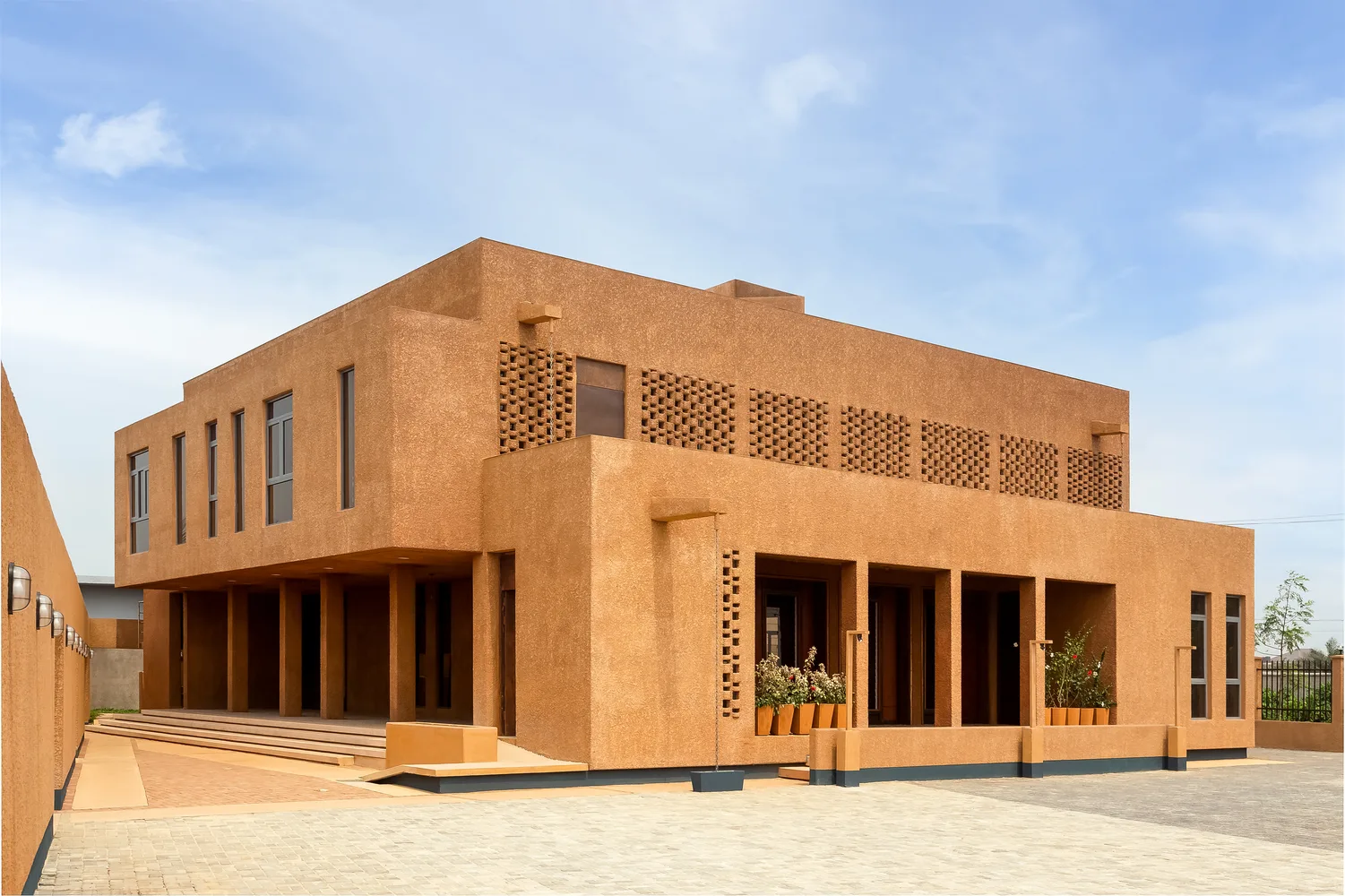
On the Character of African Architecture
The writer reflects on a troubling shift in Yaounde's urban landscape: newer buildings lack the cultural distinctiveness and durability of older structures, while a proliferation of glass towers—elegant at first but quickly weathered—suggests a loss of architectural wisdom. The piece pairs this observation with profiles of contemporary African architects who are recovering that wisdom through sustainable and culturally grounded design.
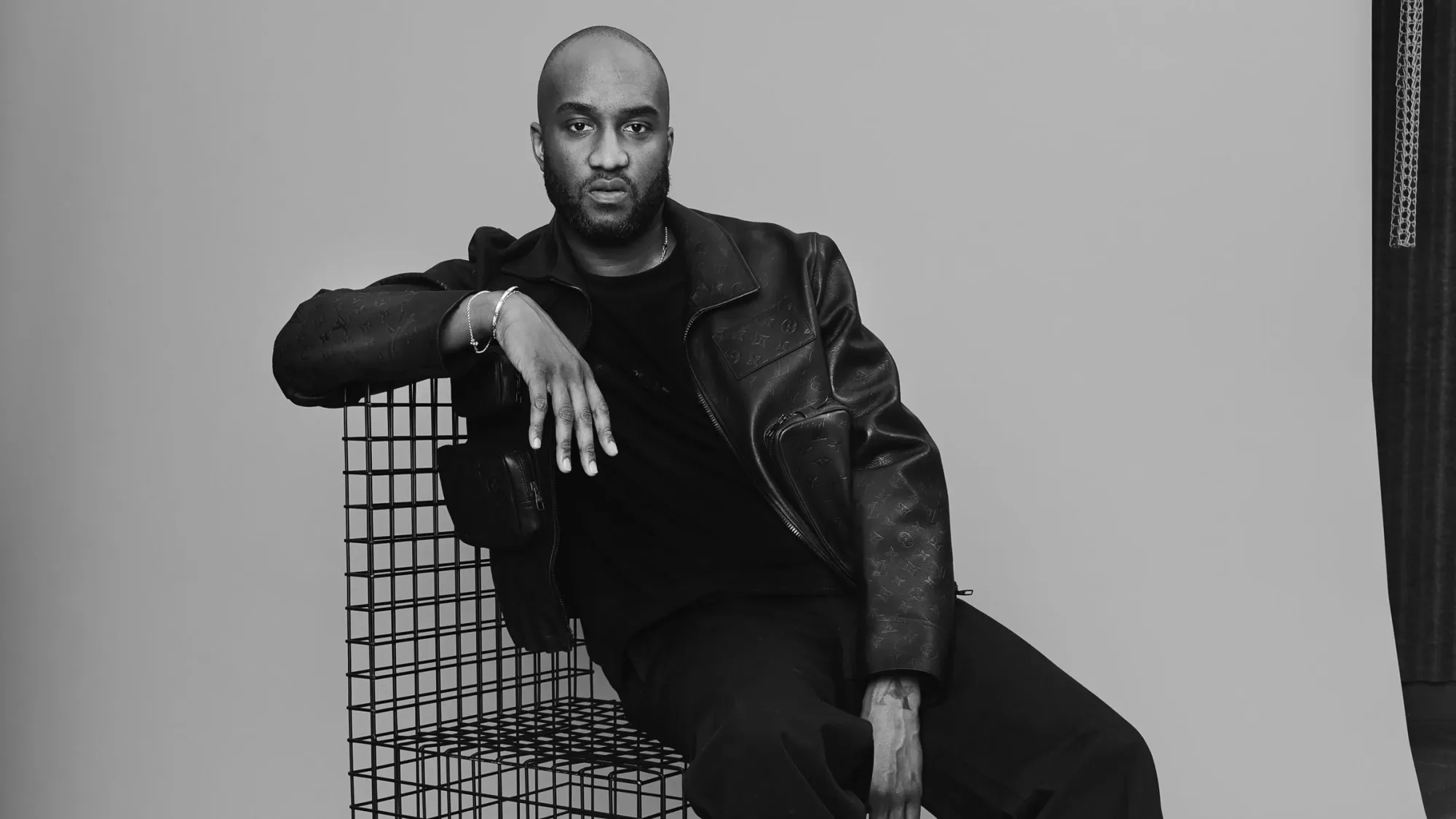
The Polymath's Path: On Creativity Across Boundaries
A reflection on the career of a contemporary polymath designer who moved from streetwear and screen printing to the highest levels of fashion, exploring how formal credentials need not constrain ambition and how creative people navigate the skepticism they face.

Ko-C's Genesis: An Artist Settled Into His Own Blueprint
A review of Ko-C's album Genesis examines how the Cameroonian rapper moved past internal community debates about his commercial direction and pop leanings to deliver a confident, versatile project. The album showcases an artist uncompromising about his creative path while remaining accessible and thematically grounded.
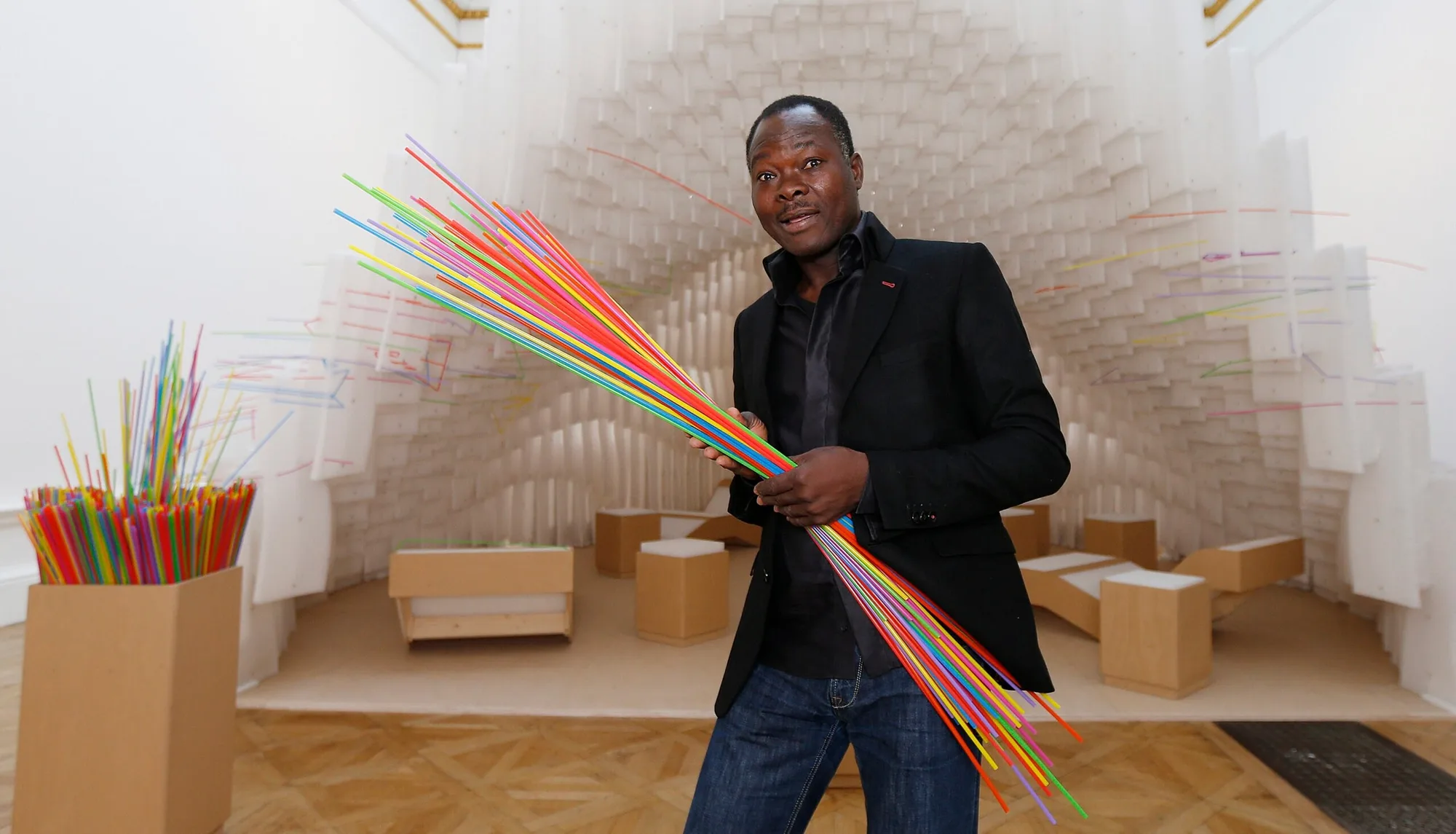
Francis Kere: Architecture as African Inheritance
Poise celebrates Francis Kere, a Burkinabe architect whose studio creates structures grounded in indigenous knowledge, local materials, and community partnership across West and East Africa. His work demonstrates that contemporary design need not be imported—it can be rooted, functional, and distinctly African.
The Overlooked Architecture of Creative Work
The writer argues that artists and creatives in Cameroon fixate on visible, celebrated roles—performing, directing, producing—while missing substantial opportunities in publishing, licensing, film production, and ancillary industries. True economic gain in the arts lies not in mimicking celebrity but in seeing where talent can compound value across untold channels.
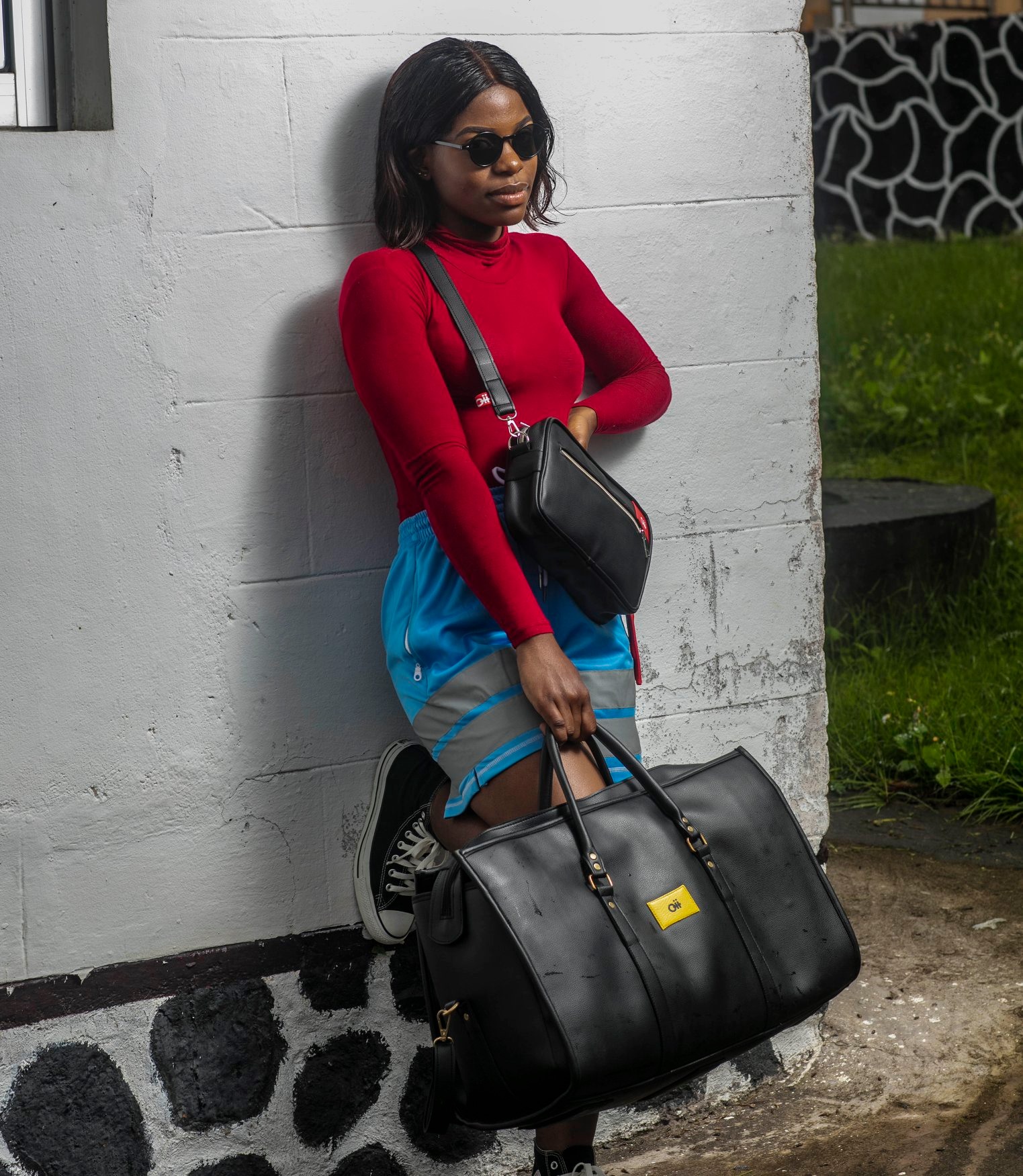
What Is African Fashion? On Definition, Innovation, and Global Participation
The post argues that African fashion has been narrowly defined—as pattern-driven textiles or imitations of European red-carpet designs—a constraint that limits both designers and industry growth. It proposes that real innovation lies instead in rethinking silhouettes, materials, and business models, using OII Company's pre-order approach and reimagined Gandura as a case study.

The Technology Paradox: Why Better Tools Haven't Made Better Art
Reflecting on The Sound of Music's enduring artistry despite its 1965 production constraints, the writer asks why contemporary filmmakers with vastly superior technology often produce inferior work. The essay identifies three systemic obstacles: the death of quiet reflection, the democratization of tools without corresponding craft education, and the prioritization of aesthetic polish over substance.
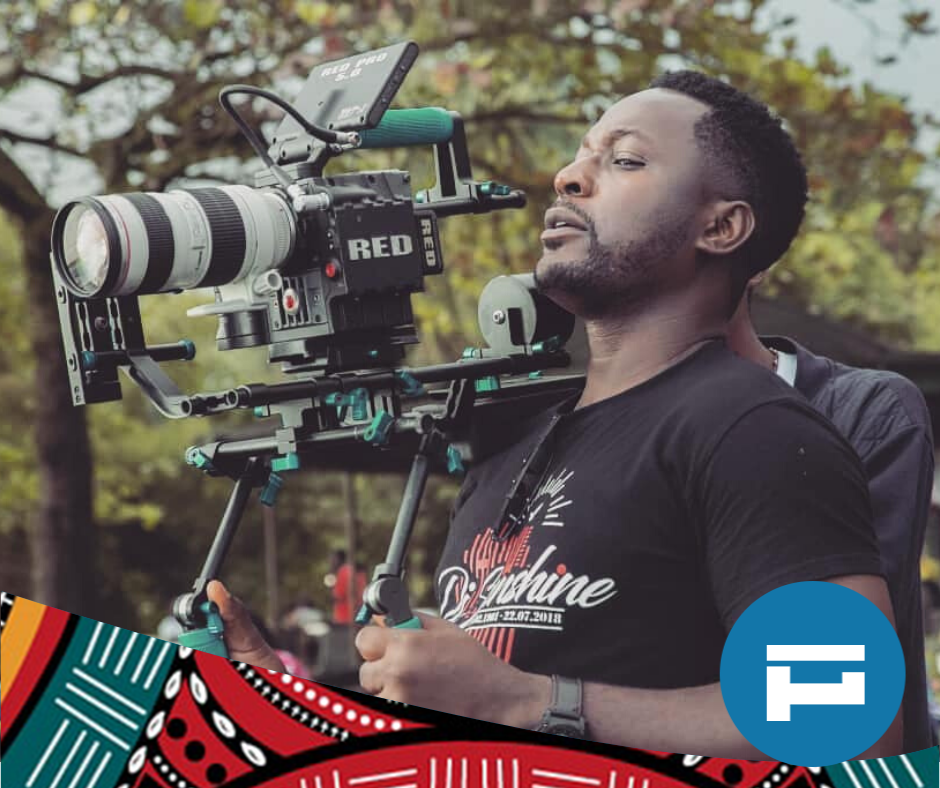
The Artistic Director: A Neglected Role in Cameroon's Entertainment Industry
This piece examines the role of artistic director in music video production, arguing that it remains an undervalued and often-unfilled position in Cameroon's entertainment sector. The writer outlines the core responsibilities—determining visual imagery, collaborating on pre-production, and understanding technical elements like lighting and editing—and sketches the personal qualities and skills required for the work.
The Case for Artistic Directors in Cameroonian Music Video Production
The writer argues that Cameroon's entertainment industry, particularly in music video production, lacks trained artistic directors—professionals responsible for the visual and aesthetic direction of a project. This gap leaves the role often absorbed by video directors or filled inadequately, when it should be a distinct position for creative individuals with formal training or self-directed learning in art, design, and technical production.
The Spirit of Molyko: A Crucible of Cameroonian Creative Energy
The writer traces how Molyko, a university district in Buea, became the incubator for Cameroon's modern entertainment industry through the friction and collaboration of student creators. Names like Dr Nkeng and Daphne emerged from this ecosystem of musicians, graphic designers, and event organizers working in rudimentary studios and competing in student-led award shows.
Lessons from Virgil Abloh: The Polymath's Path Beyond Credentials
A profile of Virgil Abloh's rise from screen-printing to artistic direction at Louis Vuitton, tracing his journey through mentorship with Kanye West and the founding of his Off-White brand. The piece extracts three core lessons: prioritizing passion over formal qualifications, building solidarity with peers who share unconventional ambitions, and maintaining rigorous self-critique.

The Compromise of Craft: Image, Priority, and the Cameroon Arts
The writer examines the case of musician Awu and his apparent shift toward commercial appeal and sexual imagery, reading it as symptomatic of a deeper Cameroonian cultural crisis: the prioritization of image over substance. The piece uses Awu's trajectory as a lens to interrogate why talented artists compromise their core purpose in pursuit of visibility and prestige.
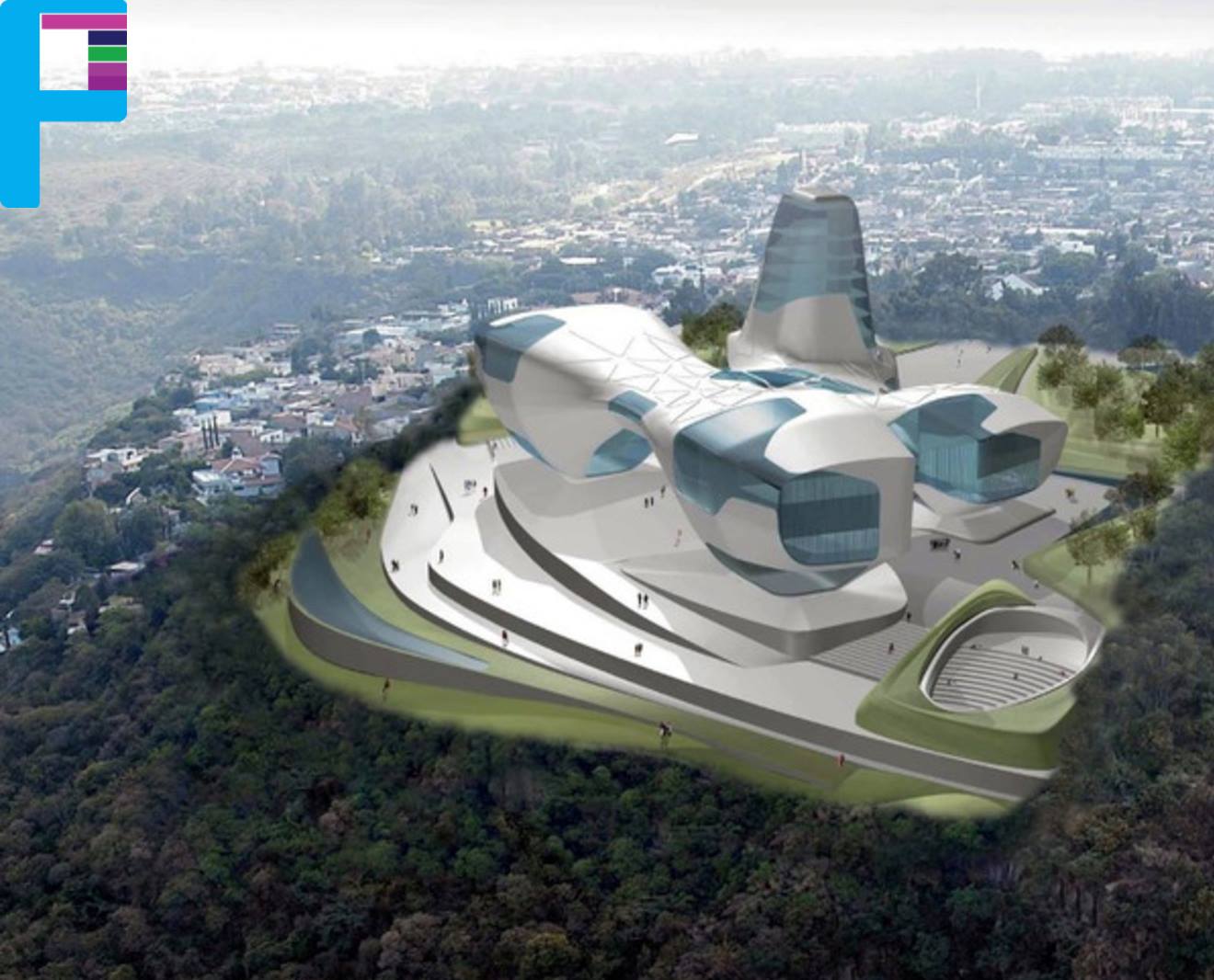
Why Design Matters: Environment, Identity, and the Spirit of Objects
Design is not a luxury but a psychological necessity that shapes who we become. Through historical, theological, and contemporary examples, the writer argues that the quality of our designed environment—from churches to cities—determines whether we feel defeated or confident, alienated or generous, and that Cameroon's prioritization of mere functionality over thoughtful design represents a missed opportunity for collective flourishing.
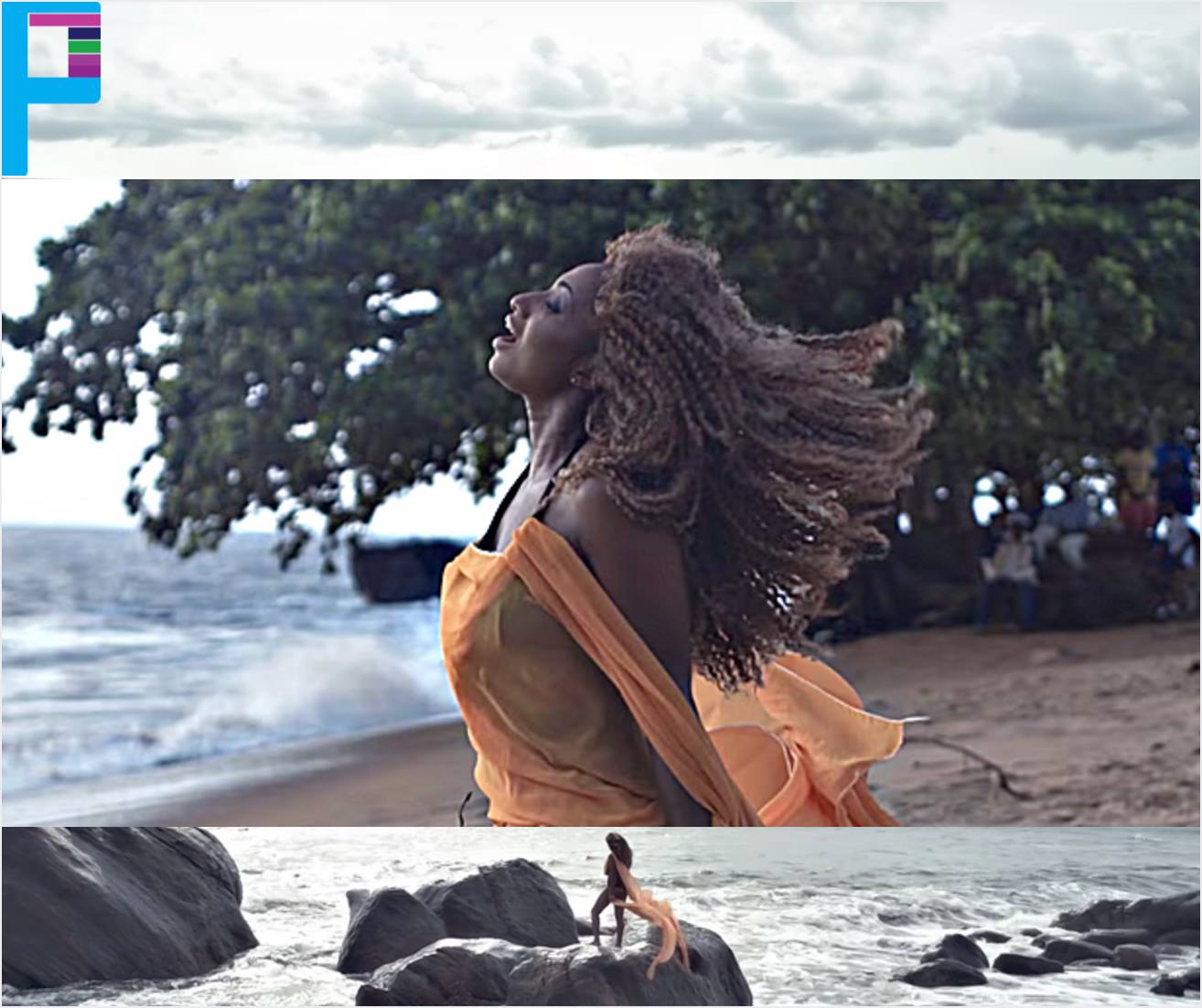
On Ewube's Video Work with Adrenaline: Camera, Craft, and Genre
A critical review of a music video collaboration between vocalist Ewube and cinematographer Adrenaline, examining both the technical execution of the shoot and Ewube's artistic positioning within contemporary reggae-dancehall.