

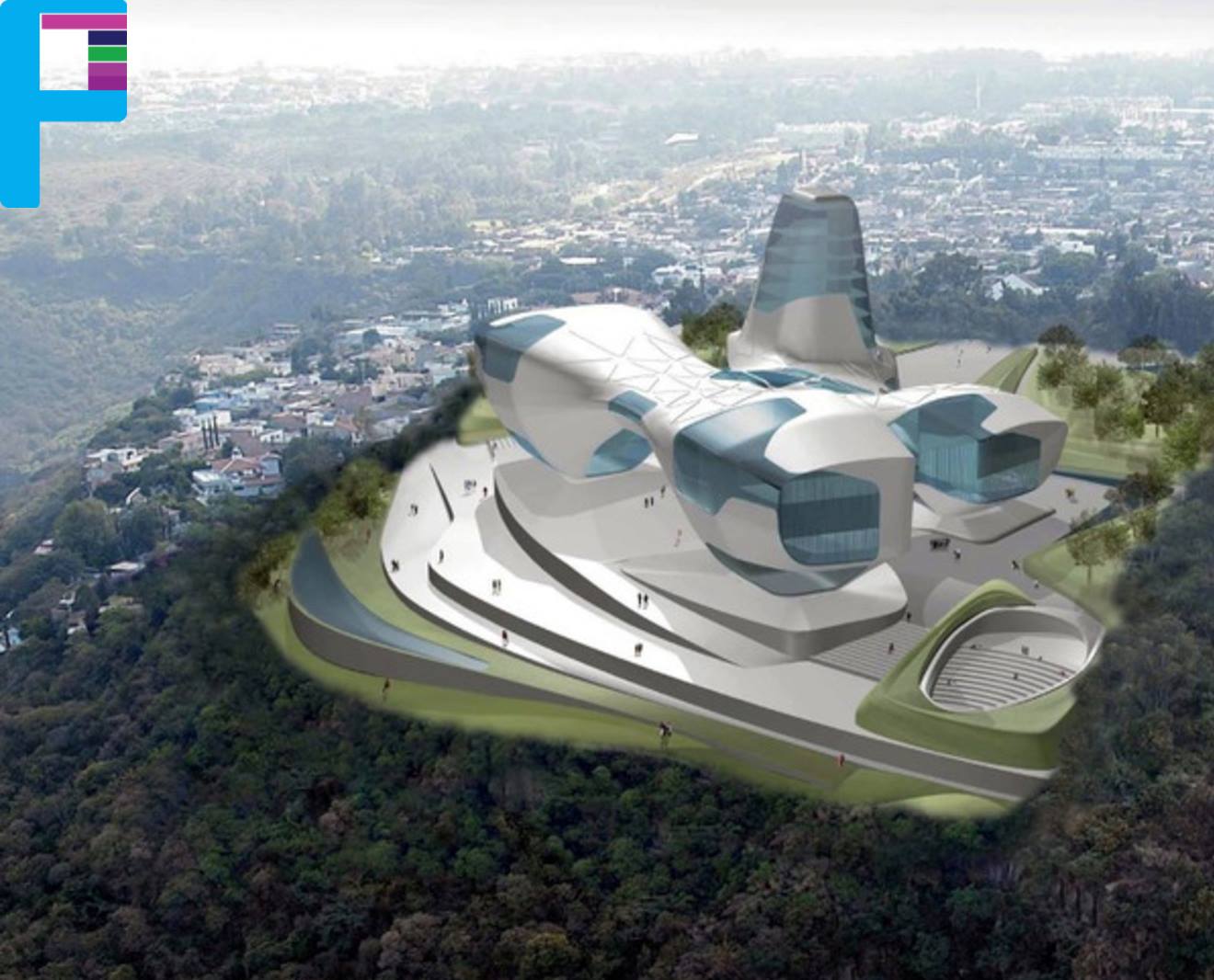
Design is the posh word for thinking a lot about how stuff looks. A designed object is one whose makers worked long and hard to get it just right. Most of the world has sadly not been well designed. It’s full of office towers, door handles, beds, lamps, and plates that have been deeply unloved and were thrown together in a hurry by untalented people.
When people around the world lack the bare necessities, it can be tempting to say that good design can’t really matter that much but it does- desperately so because of a weird quirk of our psychology. We feel like and in a sense are different people depending of what is in front of our eyes. Design matters because our identities and moods are fluid and shifting and it's often the quality of the designed environment that determines whether we’ll feel confident or defeated, at ease or guarded, generous spirited or alienated.
One of the great debates about how much design should matter took place in the 16th and 17th centuries in Europe between the Catholics and the Protestants. Broadly speaking, the Protestants didn’t believe in spending much money on design. They put up simple functional churches, painted them plain white inside with minimal bother. Nowadays, many Protestant churches continue to look extraordinarily cheap and basic, the intellectual thought being that what really matters is certain ideas and those ideas enter your mind through your understanding and not through your senses; you can get close to God by reading the bible in a hayloft, you don’t need a fancy building.
The Catholics begged to differ. They invested heavily in designing stunning stained-glass windows, beautifully carved angels and passionate renditions of the life of christ because they fervently believed that our environments do change who we are. We may be further or nearer to God depending on what’s on the wall or how high the ceiling is.
Governments have always understood and respected the underlying idea that design changes us. Nazi designers paid a huge amount of attention to making sure the designed world will speak of Nazi values like aggression and power much as modern german architects have tried to ensure that contemporary Berlin will protect an image of democracy, peace and openness.
We mould ourselves to the spirit that emanates from the objects around us. We become a little as they are even if we are not always able to say quite how the objects make us feel; we all sense a spirit, better or worse, that emanates from a given set of objects. Design therefore matters because beautiful design encourages our better sides while ugly design stokes our worst ones. We should shoot for good design not out of some superfluous expensive taste but because good design helps us become the best versions of ourselves.
It is for this reason that the greatest inventions come for the more developed countries. Between when you wake up in America to when you settle down in your office desk, you have seen a lot of beautifully designed cars, buildings, etc that keep your mind in a hopeful and high spirited space. In Cameroon, however, functionality seems to be the limit to design and that has to change.
Personally, I can tell if I am attending an event or not based on the design of the flyers. The design tells me the taste level of the organizing committee and usually serves as an accurate predictor of the quality of the experience you can expect.
Design does not rest only on objects: We have to start thinking of the design of our cities, which depending on how they have been established, can determine our general mood and really be a catalyst to a more creative, happy and fulfilling lifestyle.