
World & International Affairs
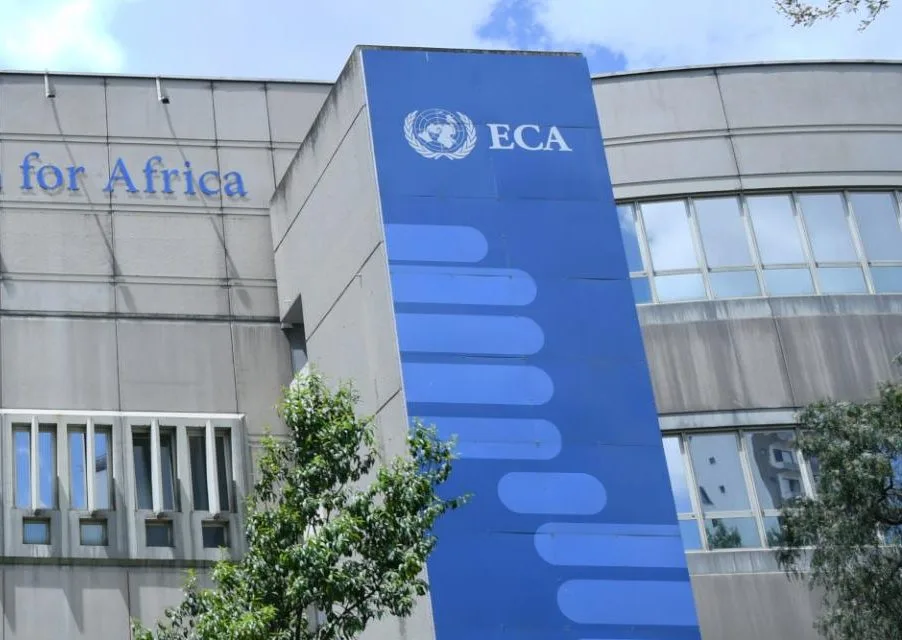
The United States Withdraws From International Institutions: Implications for African Governance and Development
The U.S. government has ordered immediate withdrawal from 35 non-UN organizations and 31 UN entities spanning climate, development, democracy support, and peacebuilding. The decision affects institutions central to African economic policy, electoral reform, climate adaptation, and justice-sector support, raising questions about funding gaps and program continuity across the continent.
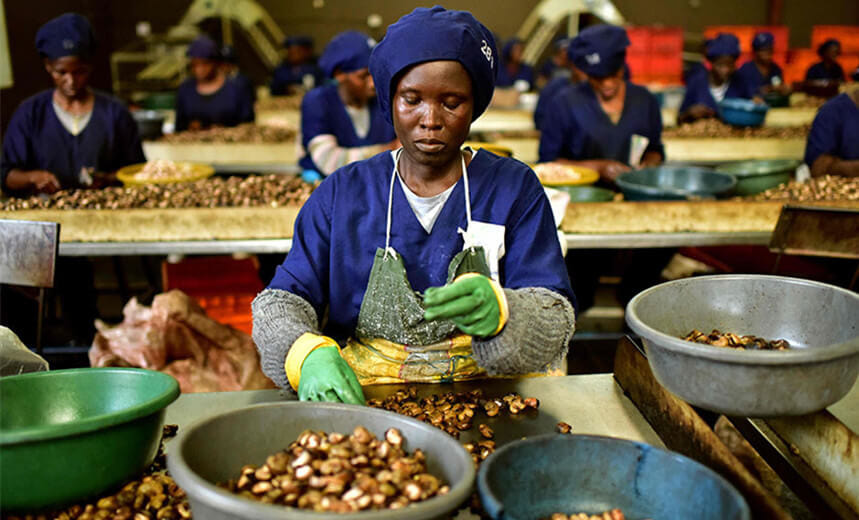
The Tragedy of Côte d'Ivoire's Cashews: Production Without Prosperity
Côte d'Ivoire produces nearly twice as many cashews as Vietnam but captures a fraction of the export value, because Vietnam dominates processing and meets the food safety standards demanded by wealthy markets. The nuts travel 10,500 nautical miles to Vietnam for processing, then another 17,000 to consumers in the US and EU—a supply chain optimized for price, not equity.
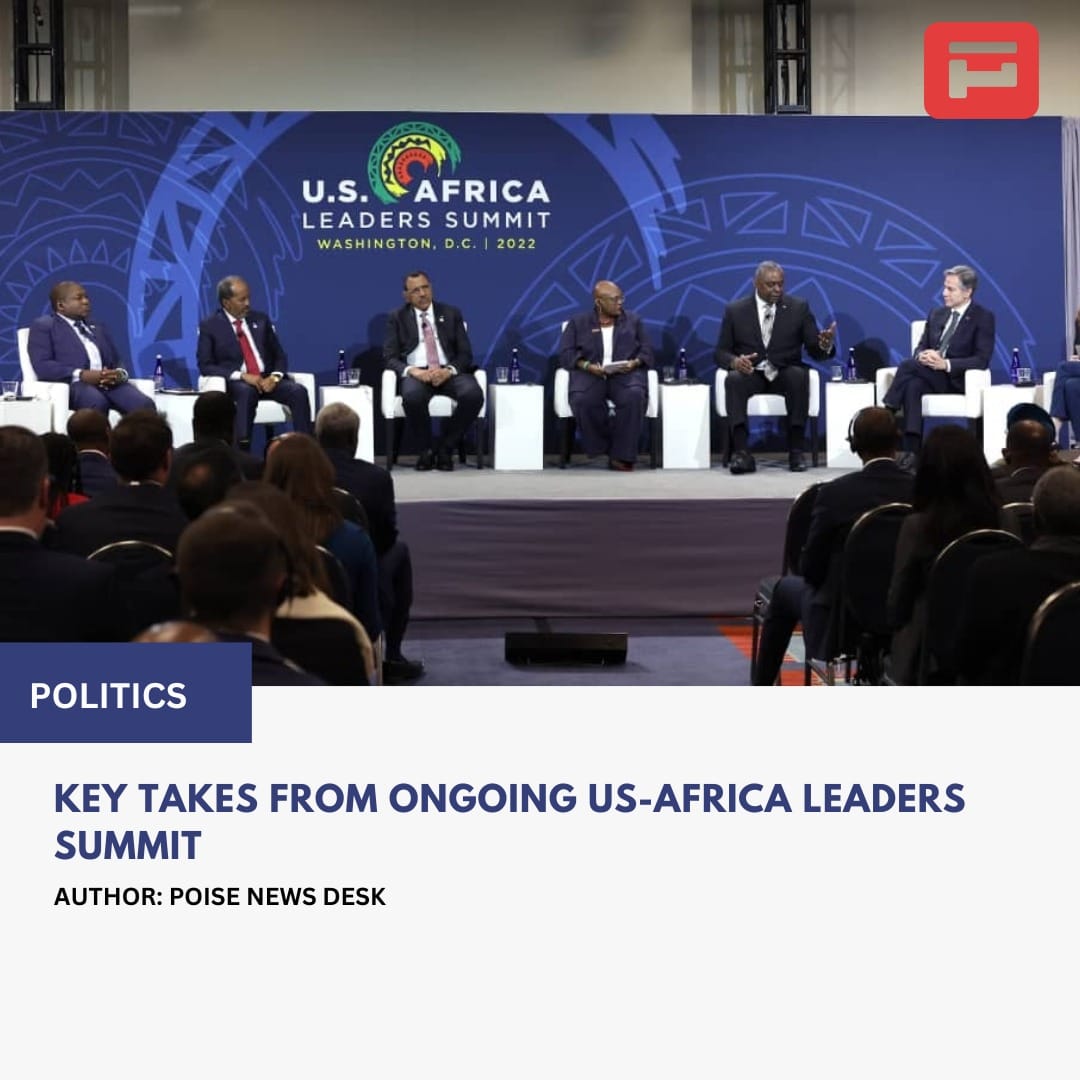
Africa at the Table: Reflections on the 2022 US-Africa Leaders Summit
Poise examines the December 2022 US-Africa Leaders Summit through the lens of key African leaders' statements and commitments. The piece surveys remarks from Presidents Biya, Akufo-Addo, Museveni, and others, marking a moment of diplomatic repositioning and competing visions of African development.
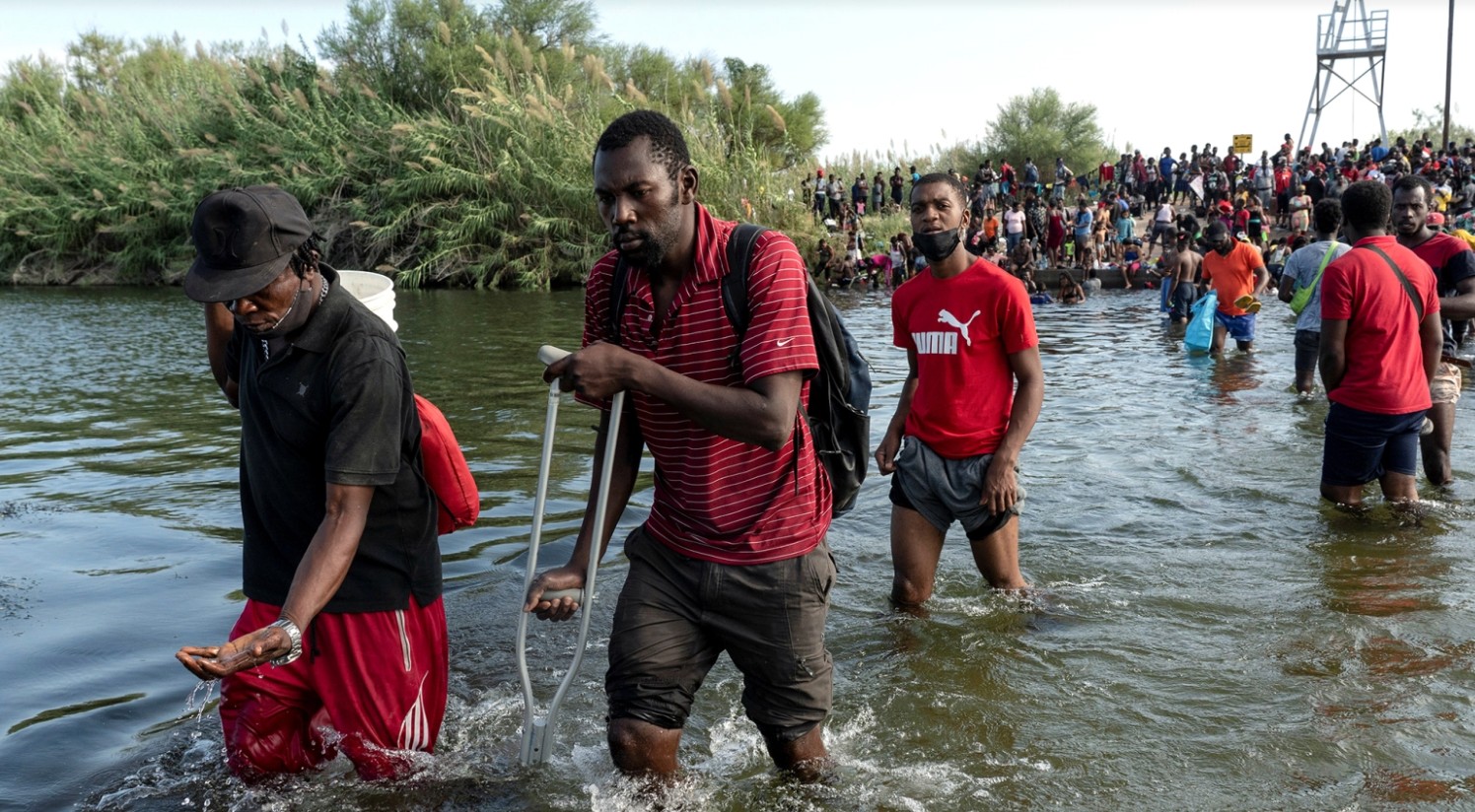
The Movie Nobody Wants to Make: On Migration, Desperation, and Failed States
The writer reflects on the desperate journeys many Africans—including Cameroonians—undertake to reach the United States via Mexico and the Amazon, risking their lives and those of their children. Rather than romance or denial, the piece acknowledges the genuine material advantage of life abroad while assigning moral responsibility to African leaders whose governance failures drive such migrations.
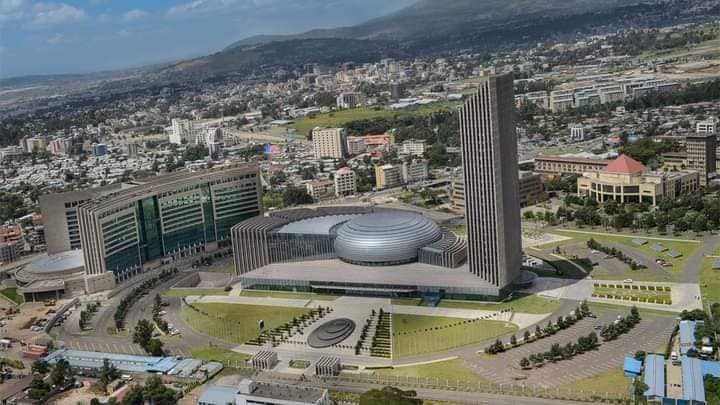
The African Union Headquarters and the Cost of Gifts
The writer reflects on the African Union's headquarters—a $200 million complex built and donated by China—as a symbol of continental shame and self-diminishment. The essay argues that such
Land, Livelihood, and Lessons from History: The Baka and the Weight of Precedent
Poise draws a sharp parallel between the historical dispossession of Native Americans through the reservation system and ongoing threats to the Baka people's ancestral forest lands in Cameroon. The piece argues that assimilation policies, whether imposed in 19th-century America or through industrial development pressure today, carry predictable and devastating consequences for indigenous communities.
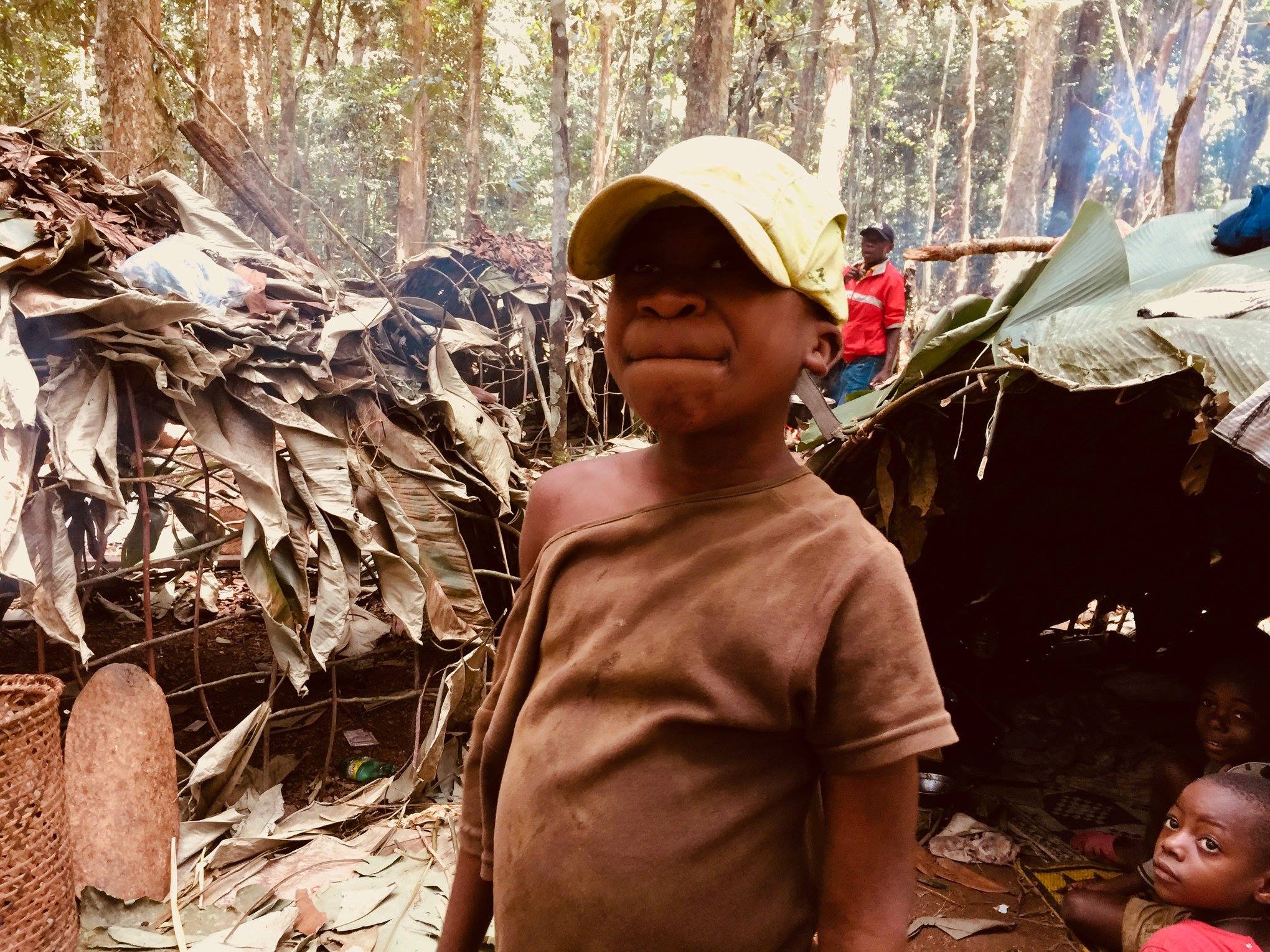
The Baka People and the Cost of Development Without Consent
This piece examines the displacement of the Baka indigenous forest community in southern Cameroon by industrial rubber plantations, specifically the SUDCAM project, which has cleared over 10,000 hectares since 2011. It documents the Baka's dependence on their ancestral forest for livelihood and identity, and their formal requests to the government for land titles to secure their future.
When Global Powers Avert Their Eyes: Rawlings on the Anglophone Crisis
Former Ghanaian president Jerry John Rawlings, speaking at an international peace summit in Seoul, calls out the silence of Western powers and the UN in the face of mass violence against English-speaking Cameroonians, questioning why diplomatic pressure has not materialized despite hundreds dead and hundreds of thousands displaced.
The ABCDs of the Colonial Pact
A 2019 essay examines the Franco-Cameroonian colonial pact signed in 1959, tracing how France secured control over Cameroon's mineral wealth, currency, and economic policy through agreements negotiated by French citizens rather than Cameroonians. The writer catalogs the pact's terms, its renewal, and the fates of African leaders who resisted French economic dominance.

United Nations Volunteer Opportunities: 47 Positions with the World Food Programme in Cameroon
Poise circulated a recruitment notice for 47 volunteer positions with the United Nations World Food Programme across Cameroon, spanning monitoring, logistics, IT, administration, programme support, and communications roles. Applications closed on October 5, 2018, with positions distributed across multiple cities including Yaoundé, Bertoua, Maroua, and others.
The Colonial Pact: On France's Grip Over Former African Colonies
This post examines the economic structures binding former French colonies to France, tracing their origins to post-independence agreements and detailing the mechanisms—currency controls, resource rights, military oversight—that perpetuate French dominance. The writer argues that African leaders who resist these terms face removal or assassination, and that genuine independence remains blocked without deliberate challenge to the arrangement.

The Bwana and the Mtu: A Reckoning at 35,000 Feet
A Zambian writer recounts a confrontational conversation with an American former IMF official on a flight to Boston, in which the American articulates—with deliberate provocation—a thesis about African passivity, Western dominance, and the persistence of superiority hierarchies even in the face of genetic sameness.

Africans and the White Savior Complex
A sharp critique of African dependence on Western validation and media coverage of continental crises, arguing that Africans must take ownership of their own narratives and solutions rather than waiting for external acknowledgment. The post insists that Africa's growing educated class has a responsibility to build sustainable solutions from within, not to seek approval from the West.