
Economy & Finance
Professional Colonization: Why Africa's Industrial Future Depends on Education
The post argues that African ownership of mega-projects like the Dangote refinery means little if foreign expertise operates them. While a
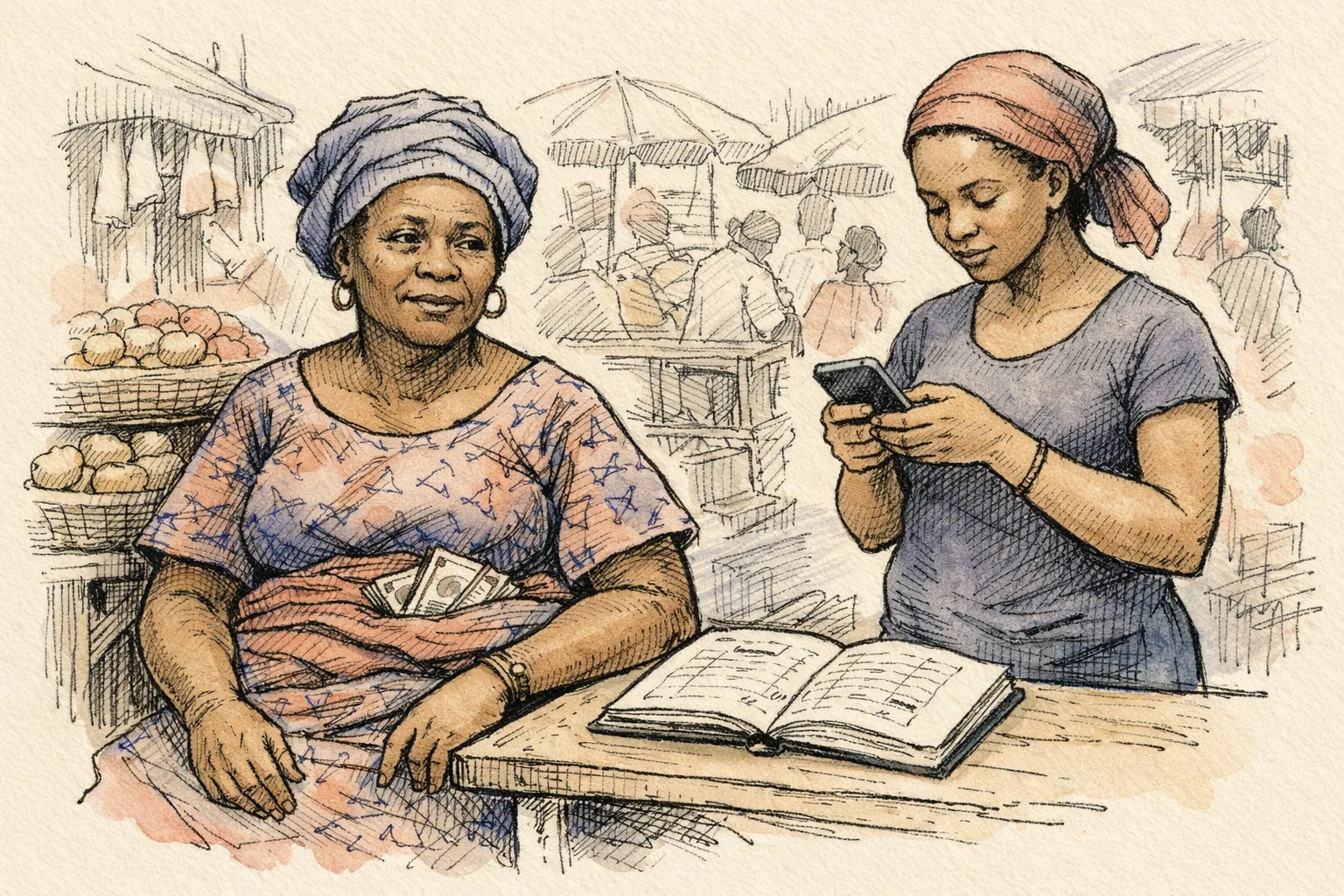
The Wrapper and the Ledger: Money, Accountability, and Wealth in Cameroon's Informal Economy
The writer traces the evolution of personal finance from the informal savings practices of previous generations—epitomized by money kept in a grandmother's wrapper—to the contemporary challenge of managing money in a digitalized, tax-conscious economy. The piece argues that while the tools for financial visibility have improved, the greater threat to wealth accumulation now lies not in sudden loss but in the untracked expense and unmeasured profit that erode resources quietly over time.
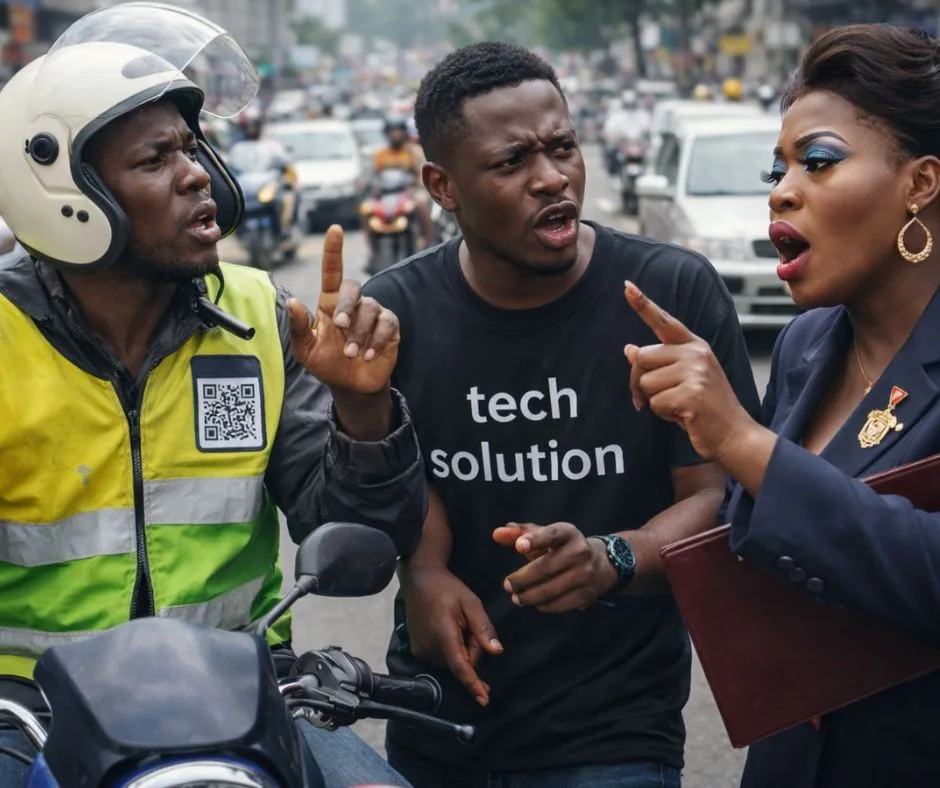
Innovation Without Direction: Why Cameroon's Tech Hubs Miss the Mark
Cameroon's innovation hubs generate abundant ideas but lack strategic coherence, often recycling global tech trends rather than solving local problems. The writer observes that while hubs celebrate startup pitches on digital health and fintech, real economic challenges—like formalizing the informal transport sector—are being solved by imported solutions, suggesting a fundamental misalignment between innovation infrastructure and national needs.
Why Diaspora Capital Succeeds Quietly or Fails Loudly
The writer examines why Cameroonian diaspora investment initiatives—once buoyed by optimism about African entrepreneurship and technological opportunity—have largely stalled or pivoted into safer ventures. Through a debate between two perspectives on root causes, the piece argues that success depends less on individual virtue or cultural fit than on understanding the structural match between business model and local terrain.
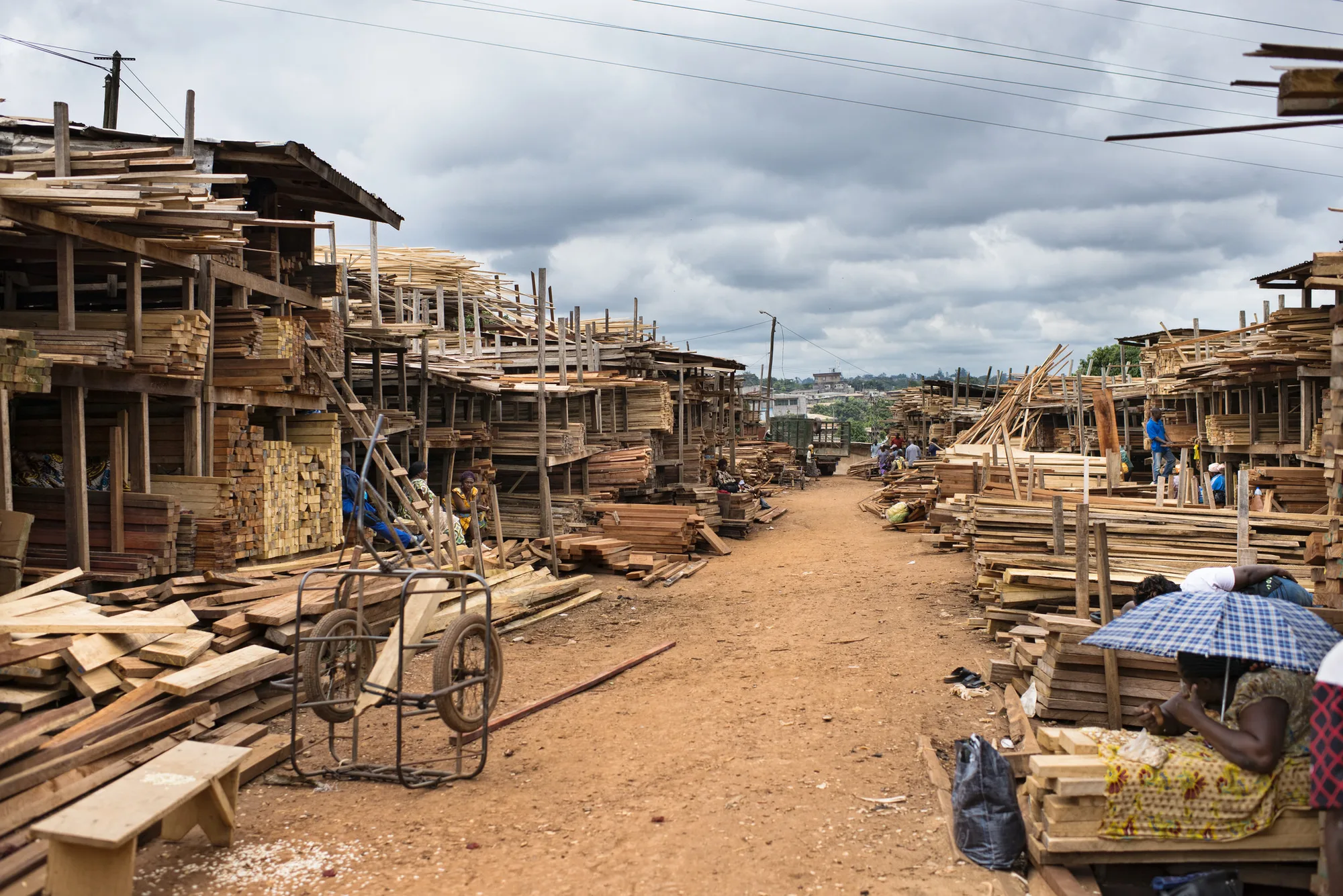
Nine Pillars of Cameroon's Economic Transformation: A Government Development Strategy
This piece outlines Cameroon's nine-sector development strategy for structural economic transformation, detailing government priorities and investment targets across energy, agribusiness, digital technology, forestry, textiles, mining, hydrocarbons, and related fields. It serves as a practical guide for entrepreneurs and public contractors seeking to identify where government support, subsidies, and contracts are likely to flow.
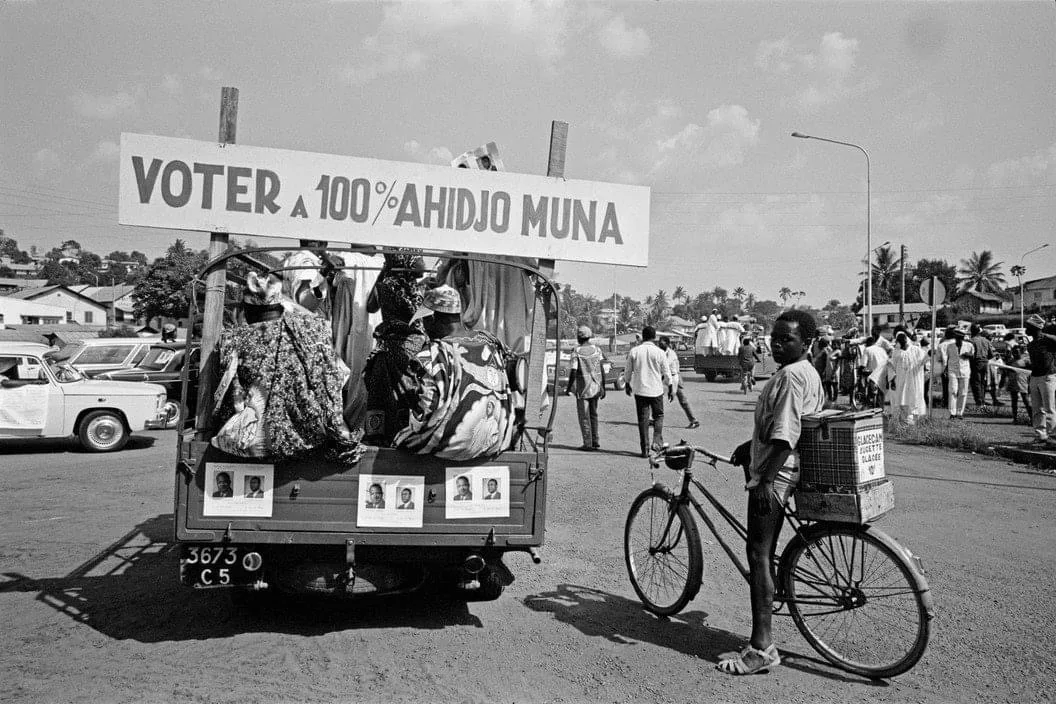
The Case for Social Capitalism: Markets with Guardrails
The writer argues that unfettered capitalism, particularly as practiced in Cameroon, widens inequality and entrenches privilege, and makes the case for a regulated social capitalist model in which government ensures universal access to public goods and competitive opportunity for all.

The Palm Oil Paradox: How Cameroon Lost the Crop It Invented
Cameroon once led the world in oil palm cultivation, with advanced hybrid varieties and the pollinator weevil that Southeast Asia would later adopt. Six decades later, Indonesia and Malaysia command 85 percent of global production while Cameroon produces barely half a million tons—a reversal driven not by agricultural limits but by institutional neglect and missed industrialization.
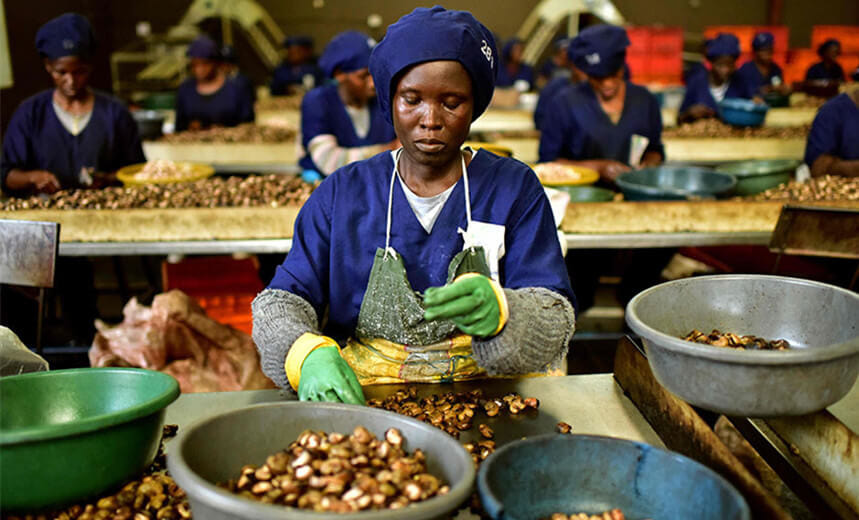
The Tragedy of Côte d'Ivoire's Cashews: Production Without Prosperity
Côte d'Ivoire produces nearly twice as many cashews as Vietnam but captures a fraction of the export value, because Vietnam dominates processing and meets the food safety standards demanded by wealthy markets. The nuts travel 10,500 nautical miles to Vietnam for processing, then another 17,000 to consumers in the US and EU—a supply chain optimized for price, not equity.

The 40,000 FCFA Salary: Value, Growth, and Mutual Obligation
A meditation on low-wage employment in Cameroon that resists easy blame, examining the tension between business sustainability and worker dignity. The writer argues that both employers and employees bear responsibility for understanding the real value being exchanged, and that clarity and environment matter as much as the paycheck itself.
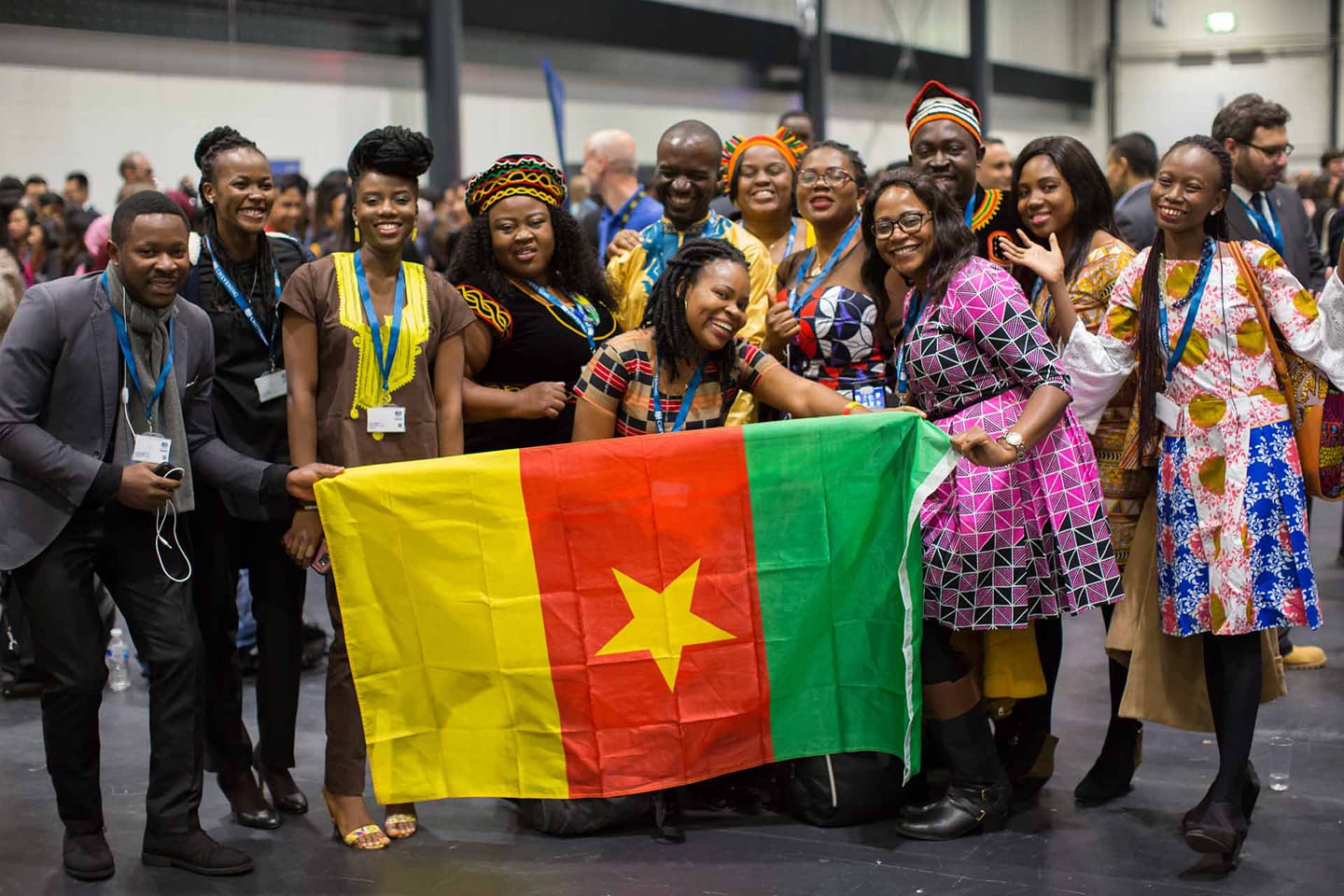
The Youth as Architects of Economic Change in Cameroon
This essay argues that Cameroon's economic stagnation—rooted in a consumer economy, weak industrial capacity, and colonial-era educational systems—can only be reversed through deliberate action by the youth. The writer calls for a shift from job-seeking to job creation, and from raw material extraction to local production and innovation.
Changing the Game in Africa: On Development, Leverage, and the Right Questions
The writer challenges Africa's wholesale adoption of Western development models—tall glass buildings, foreign currencies, imported governance structures—arguing instead that Africa's true assets lie in its people, cultures, and indigenous creativity. The piece calls for a deliberate pivot away from mimicry and toward systems built from African premises.
Four Steps to Financial Responsibility
Financial management is the foundation of all economic stability, built not on income but on discipline. The writer outlines four concrete practices—budgeting, expense tracking, choosing financially aware friends, and documenting decisions—that transform anyone from a passive spender into someone in control of their money.
Seven Skills for Financial Independence in Cameroon
The writer surveys seven technical and creative trades—graphic design, video editing, community management, content creation, web development, photography, and sound engineering—as viable paths to financial self-sufficiency in Cameroon. Each field is assessed for demand, scalability, and earning potential, with frank notes on barriers to entry and market gaps.
The Diaspora's $60 Billion: Why We Must Spend Differently
The writer reflects on his brother's regular $50 remittances and pivots to a larger question: Africa receives $60 billion annually from its diaspora—more than the continent gets in foreign aid—yet much is spent on consumption rather than investment. He argues that both diaspora senders and home-based receivers must rethink how this money flows to create lasting economic change.
The Age of the Side Hustle
The writer examines how generational shifts and digital culture have reframed our relationship to work and passion. Rather than chasing a single passion as an end in itself, the sustainable path forward—especially in Africa—is to maintain a reliable income source (the hustle) while exploring creative expression on one's own terms.
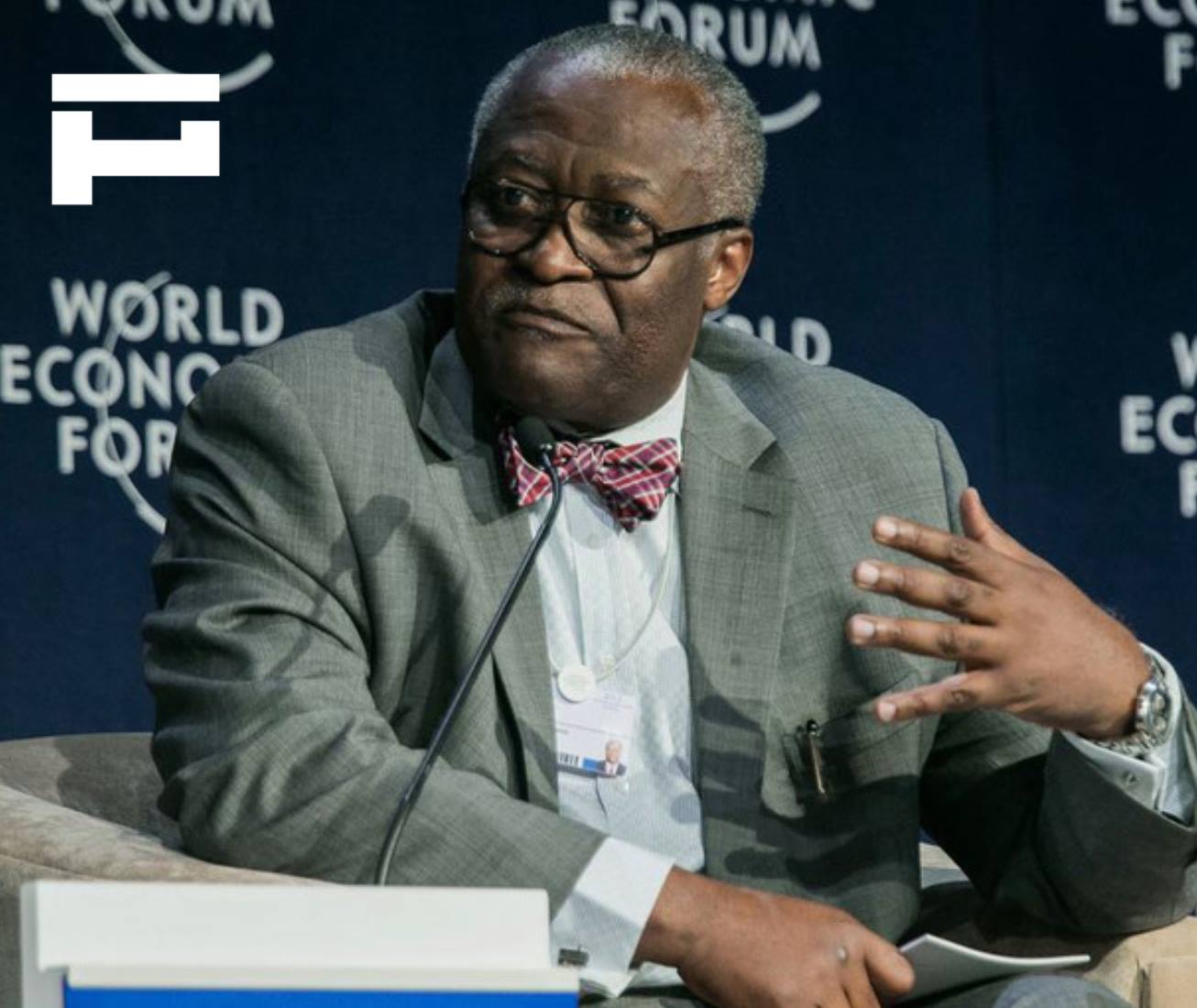
Is Africa's Progress an Illusion? GDP, Debt, and the Myth of Growth
The writer argues that African GDP growth figures, often cited by governments as proof of economic success, mask a deeper structural problem: rising debt and misallocated resources that leave ordinary citizens worse off. GDP measures financial activity, not wellbeing or efficiency, and serves primarily to obscure the neocolonial extraction of wealth through international institutions.
Everything You Need to Know About Bitcoin as an African
A primer on Bitcoin and cryptocurrency for African traders, explaining blockchain technology, how to trade digitally, and the specific barriers and opportunities facing Cameroonians entering the market. The piece acknowledges both the volatility and potential of crypto assets while steering readers toward practical next steps.
The Strategic Reckoning: On Diaspora Money and African Self-Investment
A Cameroonian writer reflects on the $60 billion annually sent by African diaspora to the continent—more than Africa receives in foreign aid—and argues that both senders and receivers must shift from consumption to strategic, sustainable investment.
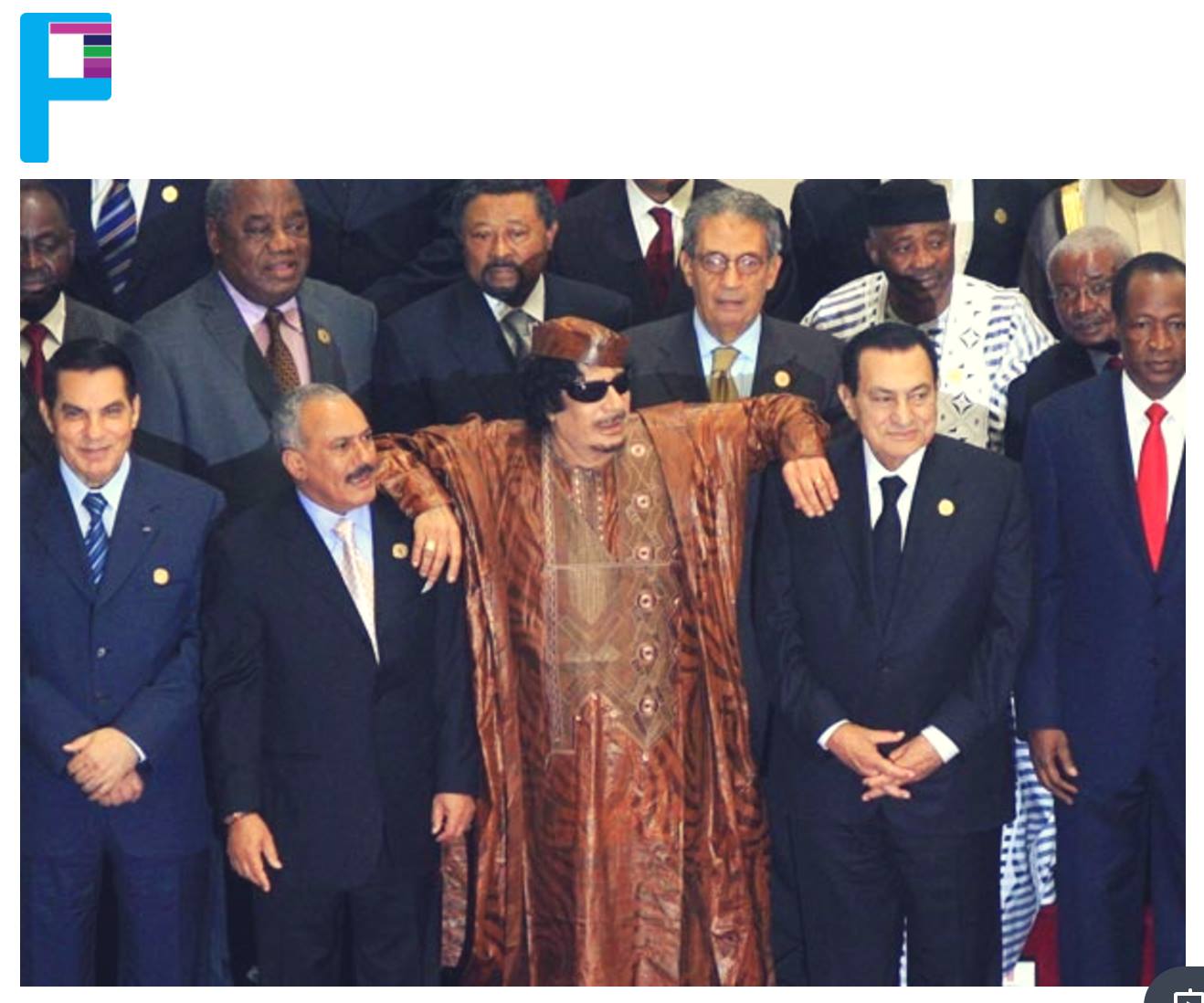
Is Africa's Progress an Illusion? On GDP, Debt, and Economic Sovereignty
This piece interrogates Africa's reported GDP growth as a misleading metric that masks debt accumulation, capital flight, and the persistence of extractive financial systems. The writer argues that governments leverage rising GDP figures to justify policies while citizens experience stagnant or declining quality of life, and traces this vulnerability to the structural dependence of African economies on Western-controlled institutions.