
Geopolitics
Politics & Government
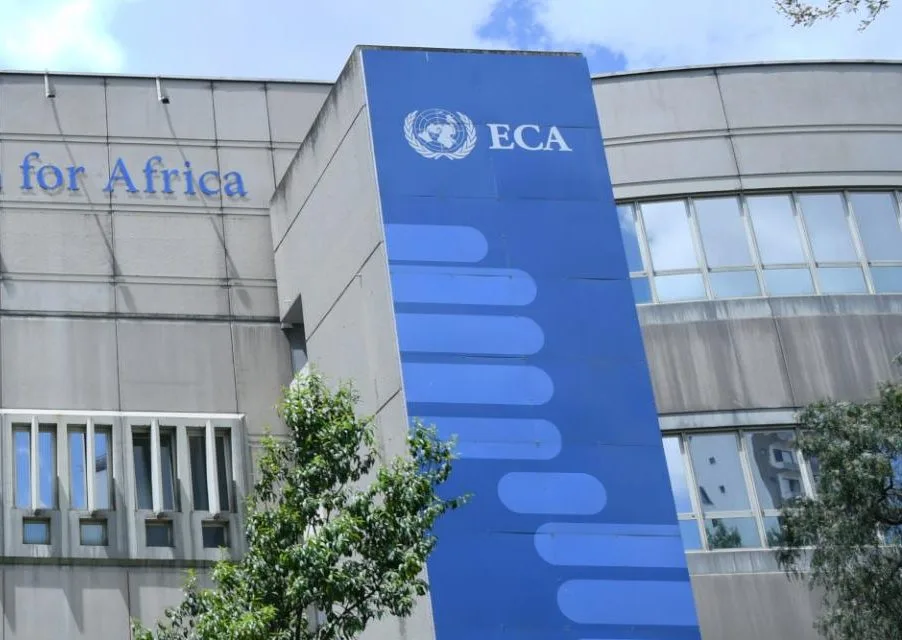
The United States Withdraws From International Institutions: Implications for African Governance and Development
The U.S. government has ordered immediate withdrawal from 35 non-UN organizations and 31 UN entities spanning climate, development, democracy support, and peacebuilding. The decision affects institutions central to African economic policy, electoral reform, climate adaptation, and justice-sector support, raising questions about funding gaps and program continuity across the continent.
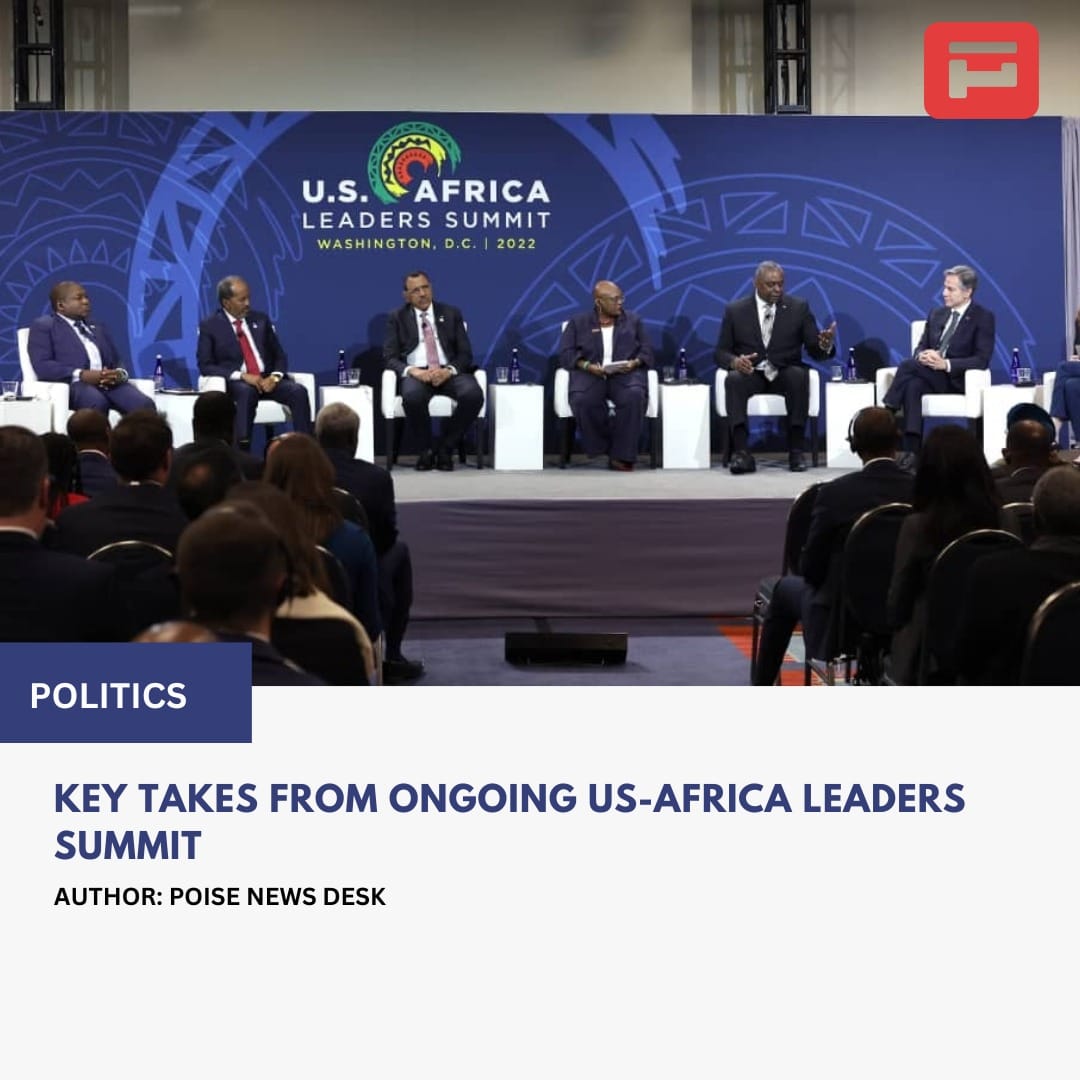
Africa at the Table: Reflections on the 2022 US-Africa Leaders Summit
Poise examines the December 2022 US-Africa Leaders Summit through the lens of key African leaders' statements and commitments. The piece surveys remarks from Presidents Biya, Akufo-Addo, Museveni, and others, marking a moment of diplomatic repositioning and competing visions of African development.

On Pan-Africanism and Cultural Boundaries
The writer defends a Cameroonian brand's adoption of a Nigerian Yoruba term, arguing that cultural exchange strengthens rather than weakens Africa. She positions the controversy as a test of whether continental unity is a genuine aspiration or merely rhetoric obscuring deeper tribalism.

The Gift That Obscures the Legacy
The writer examines how Cameroon's cultural and political systems privilege material gift-giving over substantive contribution, using Manu Dibango's global musical influence as a counterexample to ask what true value—and true remembrance—should mean.
The Road to the Anglophone Crisis
This essay traces the Anglophone crisis—which intensified in late 2016 with strikes by lawyers and teachers—to structural injustices rooted in the 1961 union between Southern Cameroon and La République. The writer argues that the UN plebiscite authorizing the merger was itself illegal, that the subsequent Foumban Conference lacked proper mandate and transparency, and that deliberate marginalization and cultural assimilation have followed ever since.
When Global Powers Avert Their Eyes: Rawlings on the Anglophone Crisis
Former Ghanaian president Jerry John Rawlings, speaking at an international peace summit in Seoul, calls out the silence of Western powers and the UN in the face of mass violence against English-speaking Cameroonians, questioning why diplomatic pressure has not materialized despite hundreds dead and hundreds of thousands displaced.
The Force of Experience vs. the Winds of Change: Reading the 2018 Election
The writer argues that President Biya's campaign strategy in the run-up to Cameroon's October 2018 election was carefully calibrated to exploit regional divisions and voter suppression rather than to ignore the anglophone crisis. Through regional voter analysis and observed patterns of displacement and military presence, the piece suggests that apparent momentum for opposition candidate Kamto may obscure a closer actual result.

How to Survive Seven Years of Transition
The writer argues that Cameroon faces a seven-year period of crisis before entering a transformative third republic, and proposes five practical steps for individual preparation: learning French, acquiring practical skills online, self-directed education, personal accountability, and voting with one's money.
The Generational Impasse: When Young Populations Meet Long-Tenure Leaders
This piece examines the disconnect between Africa's youth-majority demographics and the continent's aging political leadership. Using Cameroon as a case study, it documents how citizens born under single-leader regimes experience political alienation and see little incentive to engage in public service.
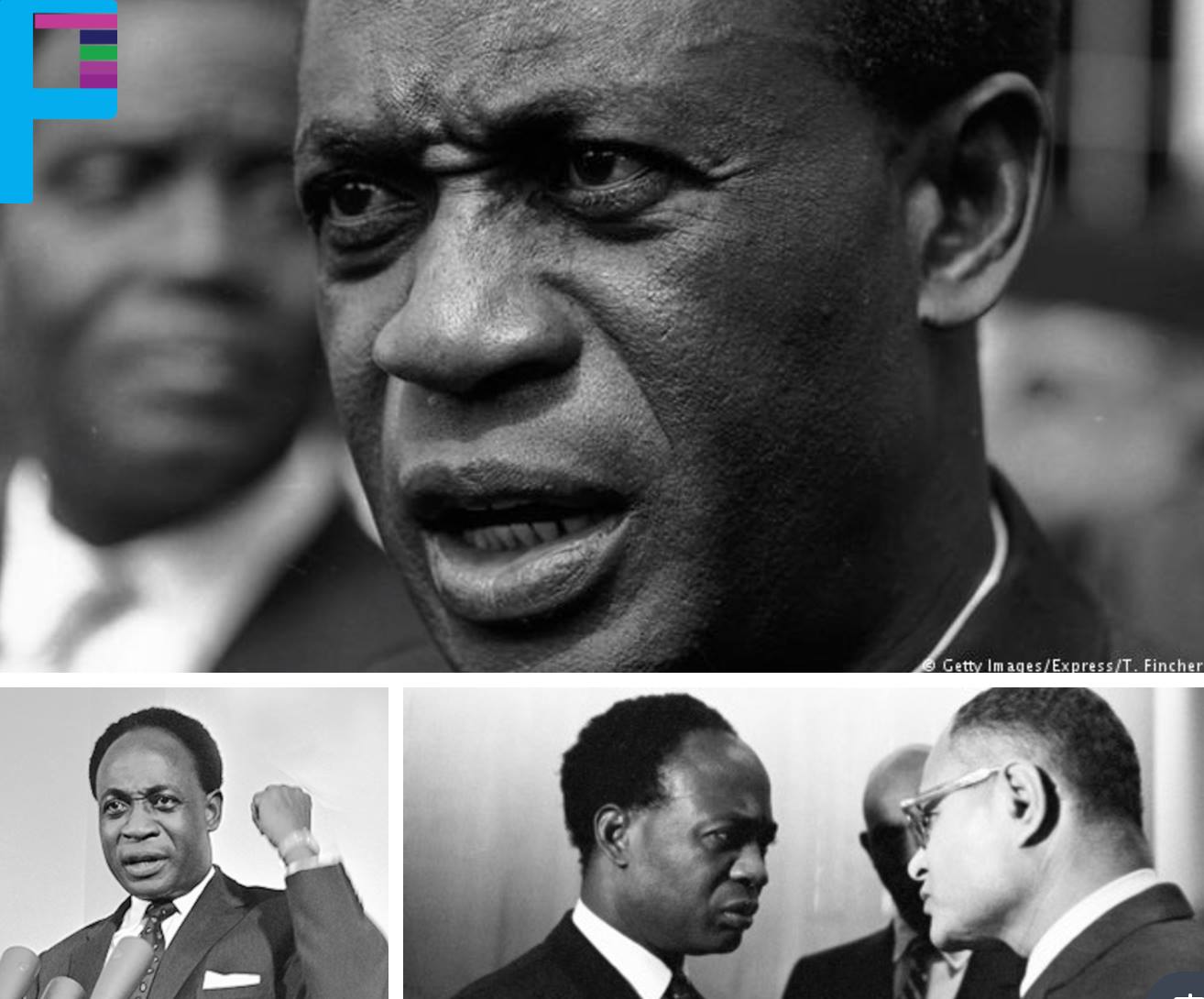
Nkrumah at Addis Ababa: The Political Kingdom and Continental Union
In this 1963 speech from the historic founding of the Organization of African Unity, Ghana's Kwame Nkrumah argues that African political union is not a distant ideal but an urgent necessity—the only framework within which genuine economic independence and social development can occur. He rejects gradualism and neo-colonialism as traps, insisting that a united Africa must seize control of its vast resources and wealth rather than remain a supplier of raw materials to the West.