
Elections
Politics & Government
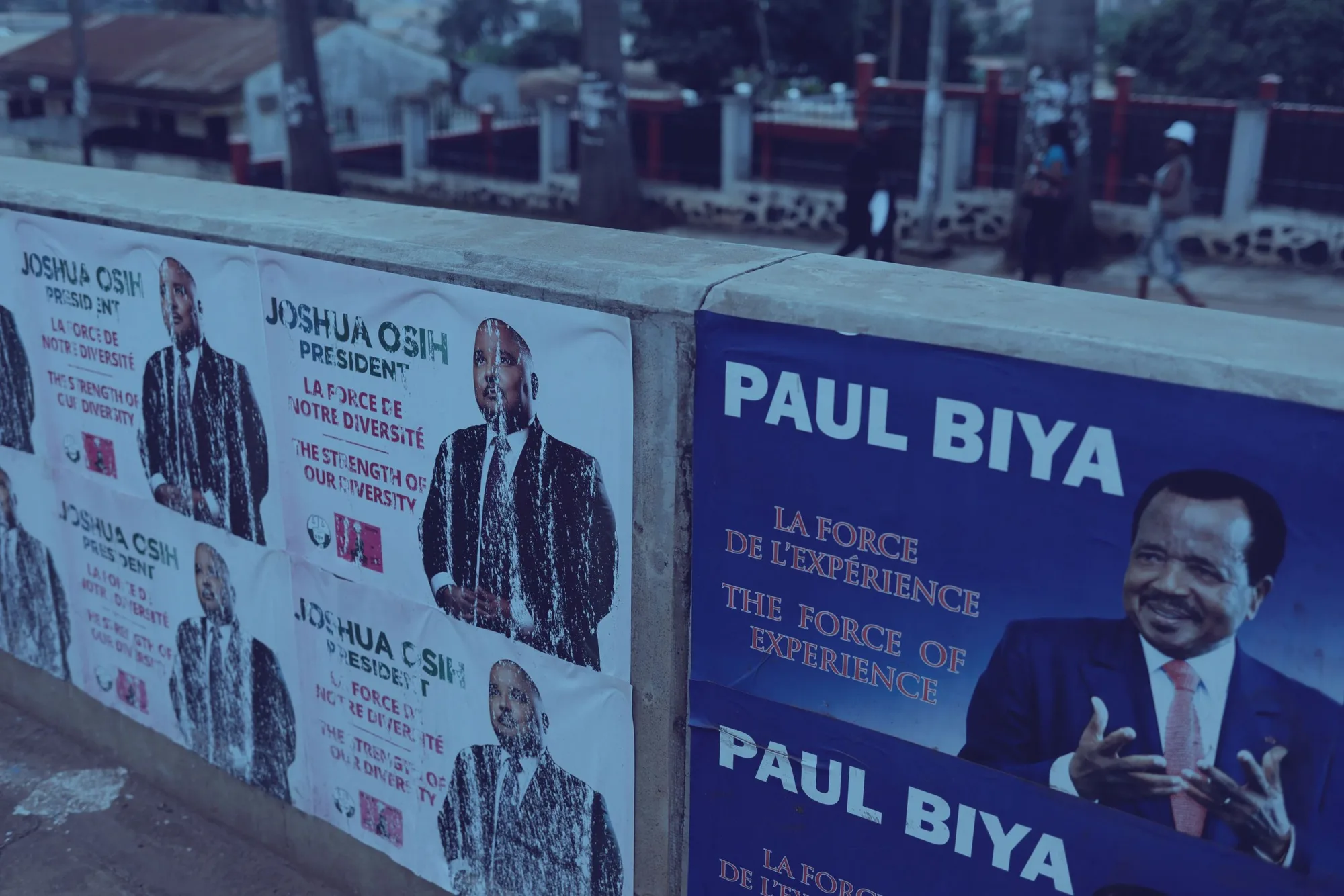
The Arithmetic of Fragmentation: Cameroon's Party System and the Limits of Electoral Choice
With over 180 registered political parties competing for 280 parliamentary seats, Cameroon's electoral landscape has become a study in mathematical impossibility and institutional dysfunction. The post documents how administrative barriers, factional splits, and an oversized party roster have turned recent elections into a cautionary tale about the gap between formal democratic structures and meaningful political participation.

The Eto'o Presidency and the Temptation of the Strongman
Following Samuel Eto'o's election as FECAFOOT president in 2019, Cameroonians rallied around him as proof that fair elections and competent leadership were possible. But within eighteen months, allegations of misconduct emerged, and the writer observes that public support for Eto'o—despite the accusations—reveals a deeper problem: the nation's willingness to tolerate autocratic governance and personality cults so long as results appear.
Post-Elections: On Respect and the Cost of Public Sacrifice
Following the 2018 presidential election, the writer defends Cabral Libii against social-media derision over his appearance and lifestyle, arguing that Cameroonians are undermining their own political actors through petty criticism rather than substantive debate. The piece calls for a culture shift: toward recognizing the sacrifices of those who mobilize youth politically, and away from corrosive cynicism that discourages future leaders.
Is Stanley Enow Fit for President of Cameroon?
This piece examines the prospect of Stanley Enow, a prominent Cameroonian musician, running for president—a question prompted by global celebrity-to-politics movements and local precedent. The writer weighs his artistic reputation, communication skills, and bilingualism against his political silence, selective collaborations, and apparent distance from Cameroon's pressing crises.
The Social Democratic Front at a Crossroads: Reckoning with Electoral Defeat and Democratic Legacy
Following a disappointing electoral performance in 2018, the writer reflects on the SDF's historical contribution to Cameroon's democratic gains and analyzes the specific failures—the Anglophone crisis, internal divisions, refusal to form coalitions, and disconnect from younger voters—that led to its decline. The piece proposes three concrete steps for the party's recovery: backing Maurice Kamto, restructuring its base to engage younger supporters, and maintaining continuous grassroots engagement beyond election cycles.
Slay Queens and Politics: The Unholy Matrimony
The writer examines the tension between social media prominence and political accountability through the case of a Cameroonian influencer whose eyebrow shop opening was attended by a state minister, and who later appeared in CPDM campaign materials. The piece interrogates what it means for those with access to power to remain silent about state violence and injustice.
Why Design Matters for the Future of Cameroon
Design is not a luxury but a psychological and civic necessity: the aesthetic quality of our built environment shapes who we become. Drawing on the 2018 presidential race and broader historical examples, the writer argues that Cameroon's future depends on treating design—from campaign materials to urban planning—as a serious act of nation-building.
Etoudi 2018: Winners and Losers in Cameroon's Presidential Election
An analysis of the 2018 Cameroonian presidential election identifies Maurice Kamto and Akere Muna as victors for forming and joining an opposition coalition, while the Anglophone population, candidate Cabral Libii, and the SDF party emerge as significant losers. The piece examines how political strategy, timing, and the failure to leverage collective movements shaped the election's outcome.
The Opaque in Transparency: Election Observation and Institutional Credibility in Cameroon
This piece scrutinizes the conduct and credibility of international election observers present during Cameroon's October 2018 presidential election, specifically examining a Transparency International observer's public statements and the role of Agence Cameroun Presse in their selection and deployment.
The Force of Experience vs. the Winds of Change: Reading the 2018 Election
The writer argues that President Biya's campaign strategy in the run-up to Cameroon's October 2018 election was carefully calibrated to exploit regional divisions and voter suppression rather than to ignore the anglophone crisis. Through regional voter analysis and observed patterns of displacement and military presence, the piece suggests that apparent momentum for opposition candidate Kamto may obscure a closer actual result.
The Final Hours: Opposition Consolidation and the Cost of Disunity
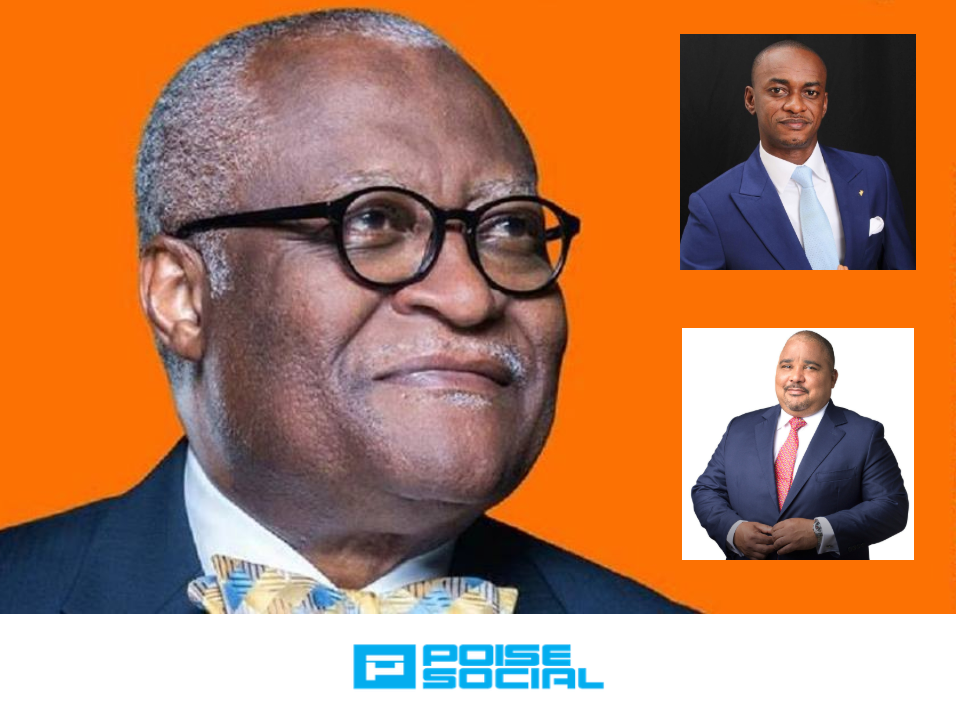
As the 2018 Cameroonian presidential election neared, the writer examines the last-minute strategic calculations facing candidates Osih and Cabral following Akere Muna's withdrawal and endorsement of Maurice Kamto. The piece argues that both candidates face a binary choice: unite behind Kamto or risk permanent political and moral damage.
Joshua Osih's Governance Programme: A Close Reading
This piece offers a detailed examination of Joshua Osih's 84-page presidential platform, focusing on his substantive proposals across governance, health, education, economic policy, and social reform. The writer presents the programme as notably comprehensive and structured compared to other candidates' offerings, though acknowledges its density and point-form presentation.
Three Days Before the Vote: Opposition Unity and the Coalition Question
With the 2018 presidential election imminent, Poise examines whether Cameroon's fragmented opposition can coalesce around a single candidate—and if so, who should lead. The analysis argues that Akere Muna, whose Now Movement was itself born from a multi-party coalition, possesses both the institutional background and the prior advocacy for unity that could make him the natural choice.
The Coalition Question: Who Should Lead Cameroon's United Opposition?
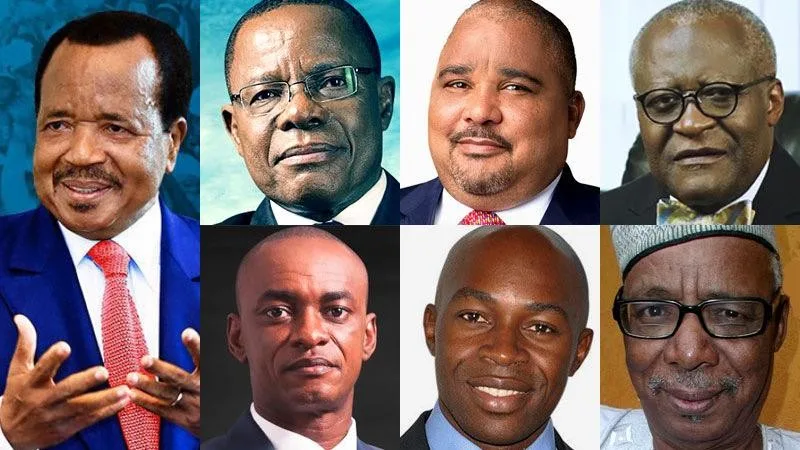
As the 2018 presidential election approached, opposition candidates faced a critical strategic choice: unite behind a single leader or campaign separately. This piece examines the case for Akere Muna as coalition head, tracing his early advocacy for opposition unity and his pre-existing coalition platform, while acknowledging the profound difficulty of consolidating rival candidates around a single figurehead.
Three Days Before the Vote: Can the Opposition Unite, and Who Should Lead?
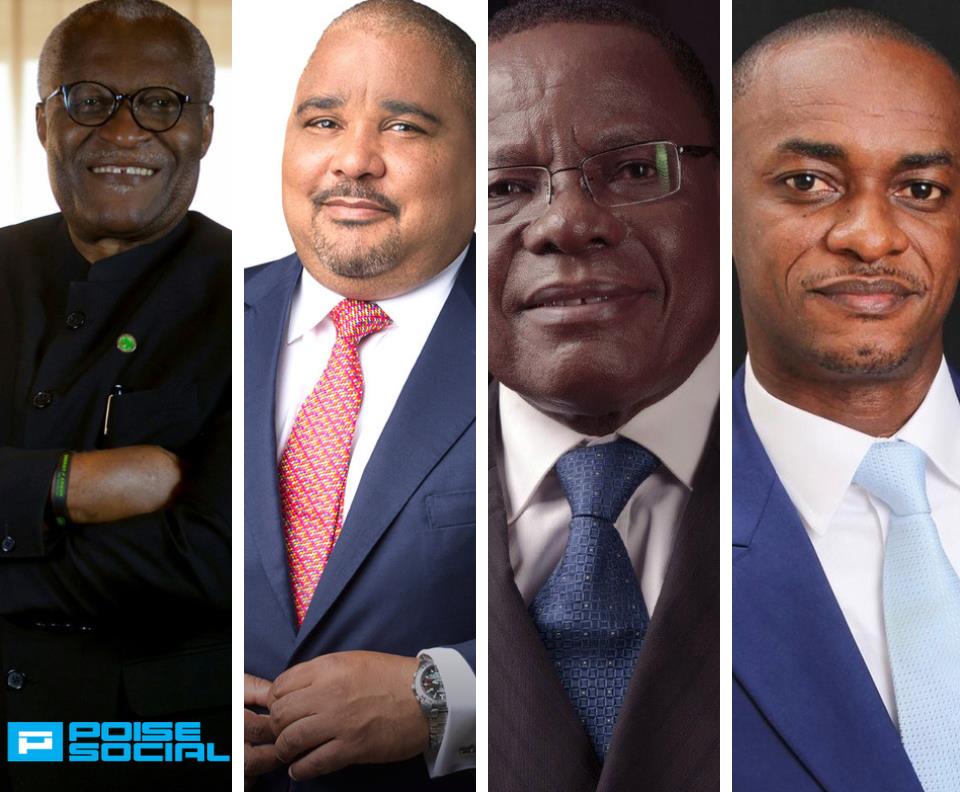
With Cameroon's October 7, 2018 presidential election days away, the writer examines whether opposition candidates might form a coalition to challenge the incumbent, and which candidate is best positioned to lead such an alliance. The analysis finds Akere Muna uniquely qualified—both by institutional expertise and by having already articulated and built coalition structures months before it became a rallying cry.
A Summary of Cabral's Governance Programme
Poise presents a detailed, neutral summary of a 2018 Cameroonian presidential candidate's 40-page governance platform, covering proposed reforms to the state structure, public infrastructure, health, civil service, and agriculture. The writer deliberately offers outline rather than critical analysis, inviting readers to form their own assessments of the programme's vision and feasibility.
Maurice Kamto's 2018 Governance Program: A Critical Reading
Poise examines the 88-page governance platform Maurice Kamto presented ahead of Cameroon's October 2018 presidential election, breaking down five strategic projects and assessing what appears concrete, ambitious, or rhetorical. The review interrogates promises on institutional independence, the anglophone crisis, language policy, youth education, and digital governance.
Reading Kamto's 2018 Electoral Program: Substance, Ambition, and Rhetoric
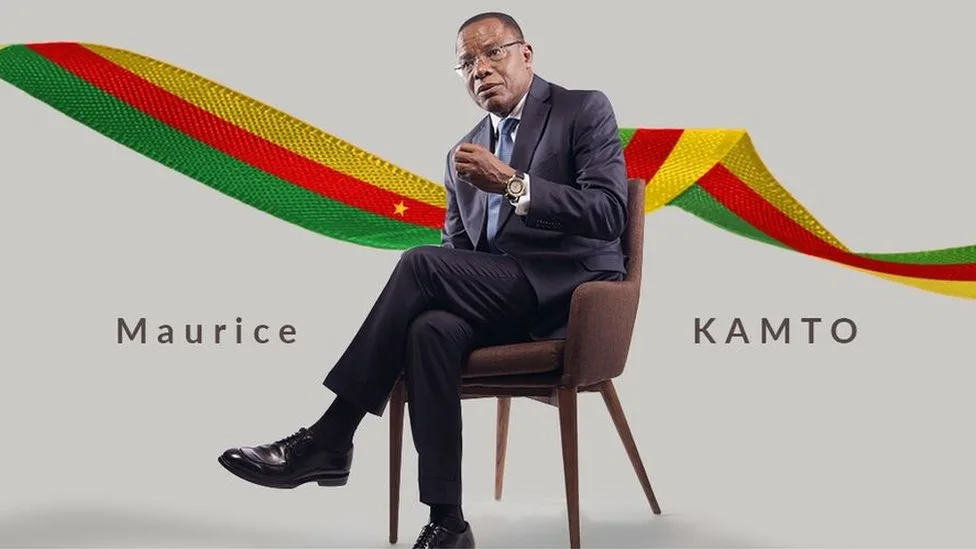
On the eve of Cameroon's October 2018 elections, Poise examines Maurice Kamto's 88-page policy platform across five domains—institutional reform, youth and education, economy, social welfare, and foreign relations—separating concrete proposals from campaign rhetoric and identifying both promise and peril in his vision.
Seven Years of Doom: Youth, Leadership, and the October 2018 Election
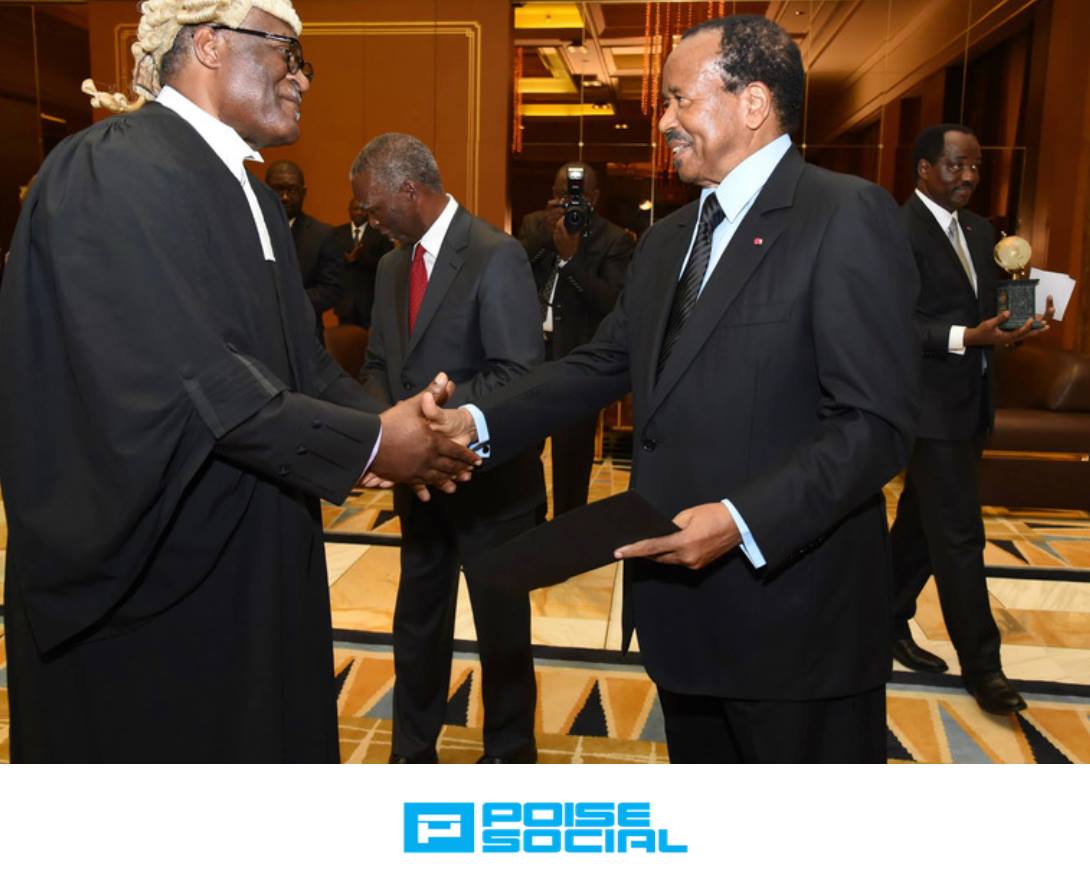
Written on the eve of Cameroon's October 2018 presidential election, this piece indicts the gerontocratic stranglehold on power, arguing that aging leaders are structurally unfit to govern a youth-majority nation. The writer surveys the available candidates with scorn, finds none worthy, and predicts the outcome—another term of incumbent rule—with resigned bitterness.
Elections in Cameroon: The Question of Meaningful Participation
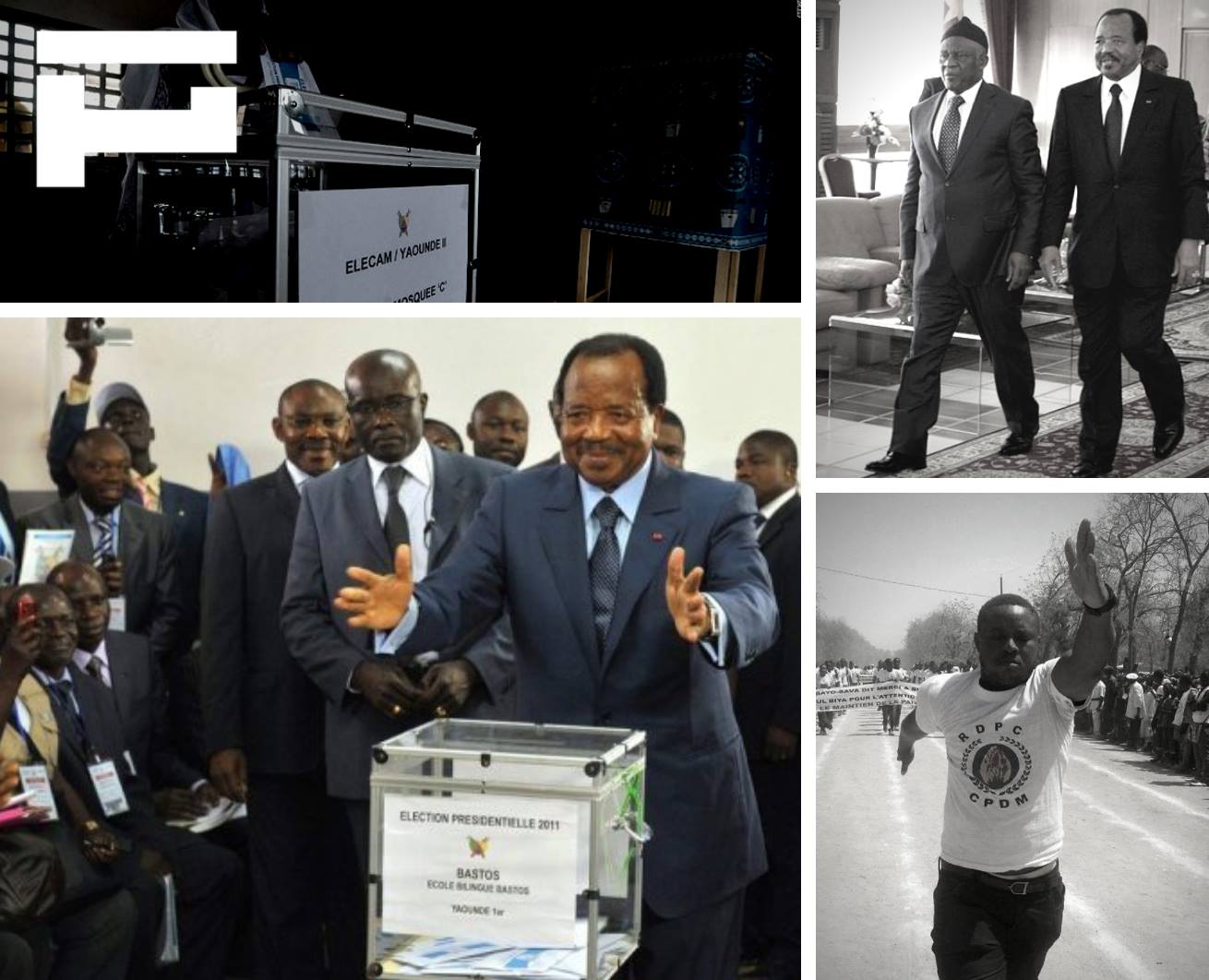
As Cameroon approached its 2018 presidential elections, the writer examines whether calls for voter registration and participation signal genuine democratic hope or merely performative civic duty. Through a critical history of electoral governance, the piece questions whether votes in Cameroon meaningfully reflect the will of the electorate.
Champagne Woes: On Leadership and the Weight of Small Things
A critical reflection on Akere Muna's announcement of a unified opposition coalition ahead of Cameroon's 2018 presidential election, prompted by the writer's discomfort with celebratory champagne at the signing ceremony. The piece uses this moment to question whether the political class grasps the gravity of the moment and the work ahead.
The 2018 Election and Akere Muna's Vision: A First Look at Governance
Writing during the 2018 Cameroonian presidential campaign, the author—unusually engaged in domestic politics for the first time—examines opposition candidate Akere Muna's platform as presented on Canal2, focusing on his proposals for anti-corruption, healthcare, diaspora engagement, and constitutional reform.
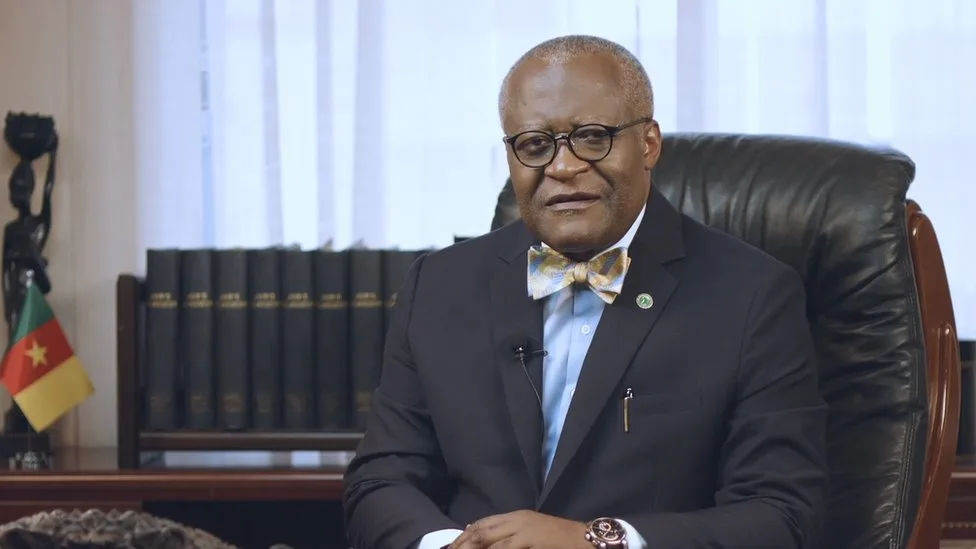
The Imperative Moment: Youth and the 2018 Cameroon Presidential Election
Writing on the eve of Cameroon's 2018 presidential election, Poise reflects on a newfound urgency to engage with politics and calls on the youth—who have known only one president—to participate thoughtfully in electoral discourse. The piece announces a commitment to scrutinize candidates not on tactical promises but on their underlying vision for the nation's future.
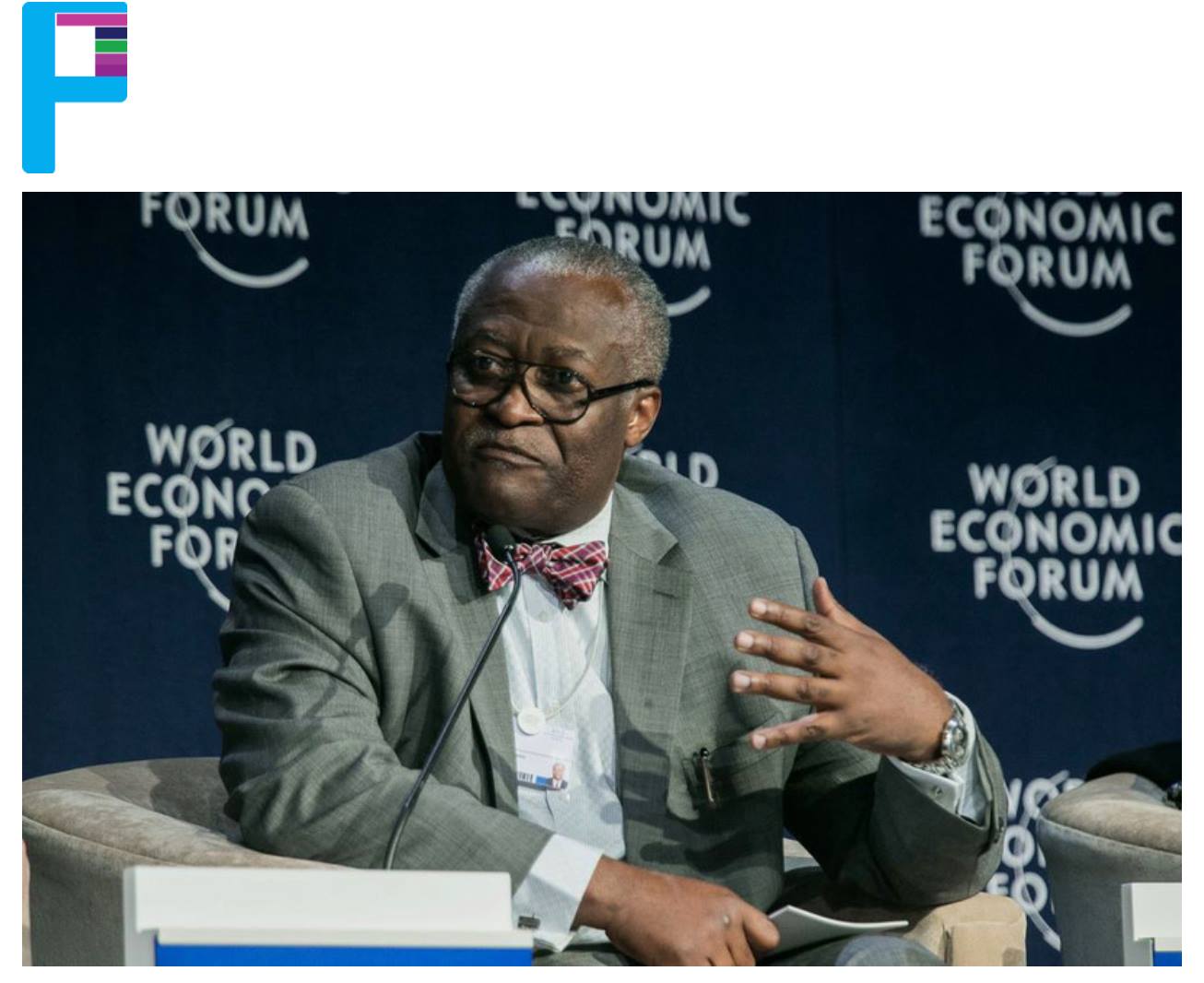
A Call for the New Republic: Barrister Akere Muna's Presidential Candidacy Announcement
In October 2017, amid the escalating Anglophone crisis, a civil society leader announces his candidacy for the Cameroonian presidency, framing the election as an opportunity to rebuild institutions around governance, rule of law, and the voices of youth and women.