
Development Economics
Economy & Finance
Professional Colonization: Why Africa's Industrial Future Depends on Education
The post argues that African ownership of mega-projects like the Dangote refinery means little if foreign expertise operates them. While a

Innovation Without Direction: Why Cameroon's Tech Hubs Miss the Mark
Cameroon's innovation hubs generate abundant ideas but lack strategic coherence, often recycling global tech trends rather than solving local problems. The writer observes that while hubs celebrate startup pitches on digital health and fintech, real economic challenges—like formalizing the informal transport sector—are being solved by imported solutions, suggesting a fundamental misalignment between innovation infrastructure and national needs.
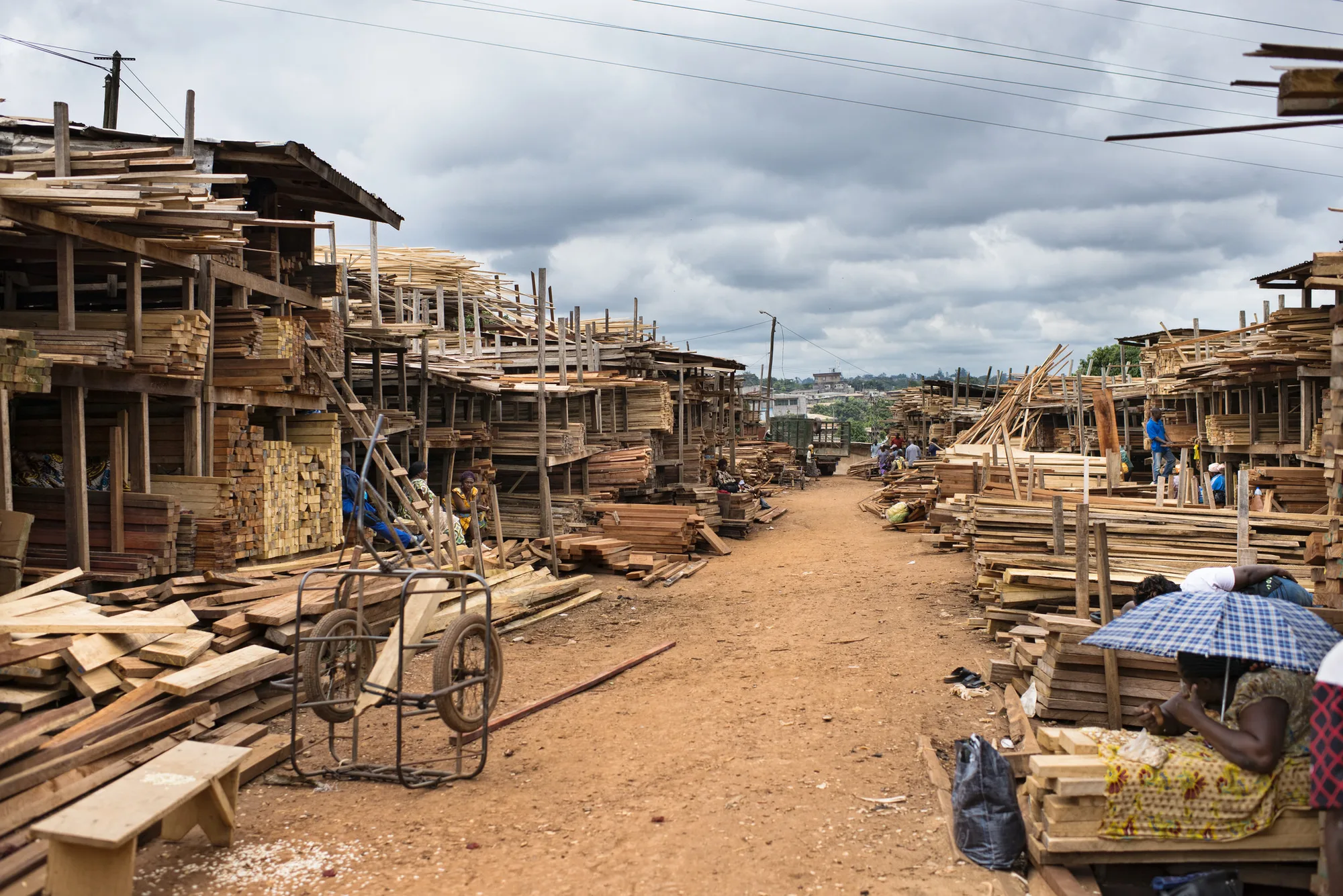
Nine Pillars of Cameroon's Economic Transformation: A Government Development Strategy
This piece outlines Cameroon's nine-sector development strategy for structural economic transformation, detailing government priorities and investment targets across energy, agribusiness, digital technology, forestry, textiles, mining, hydrocarbons, and related fields. It serves as a practical guide for entrepreneurs and public contractors seeking to identify where government support, subsidies, and contracts are likely to flow.
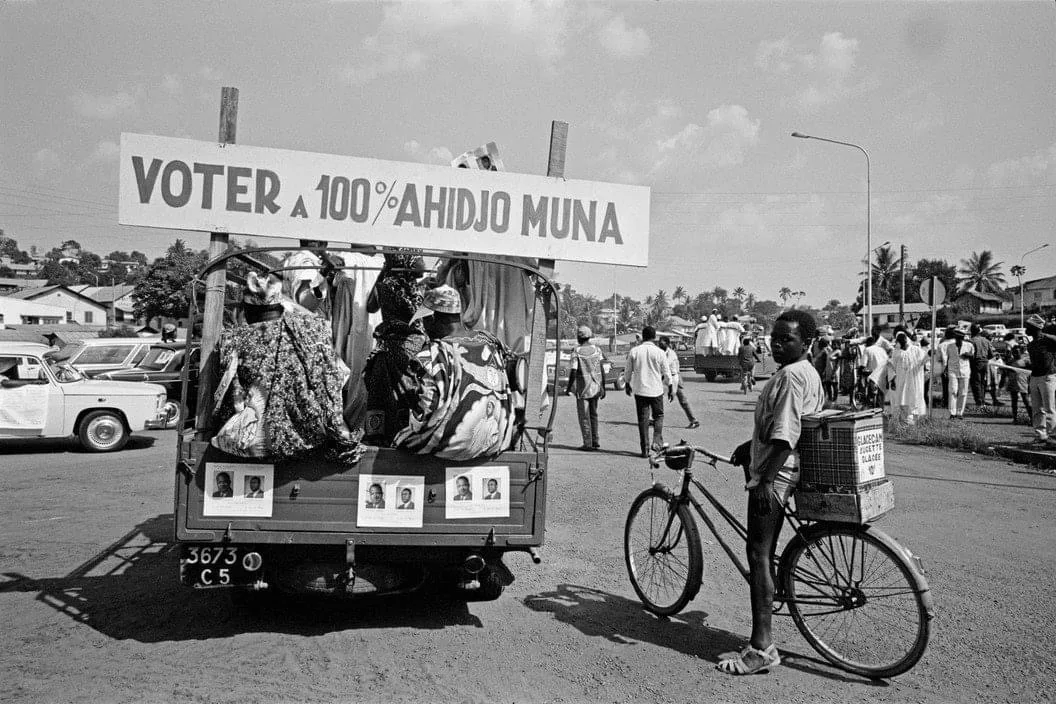
The Case for Social Capitalism: Markets with Guardrails
The writer argues that unfettered capitalism, particularly as practiced in Cameroon, widens inequality and entrenches privilege, and makes the case for a regulated social capitalist model in which government ensures universal access to public goods and competitive opportunity for all.
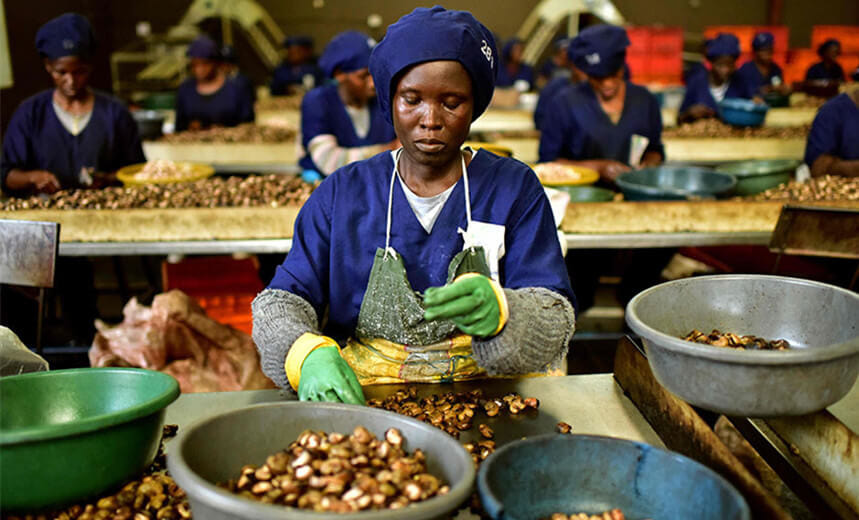
The Tragedy of Côte d'Ivoire's Cashews: Production Without Prosperity
Côte d'Ivoire produces nearly twice as many cashews as Vietnam but captures a fraction of the export value, because Vietnam dominates processing and meets the food safety standards demanded by wealthy markets. The nuts travel 10,500 nautical miles to Vietnam for processing, then another 17,000 to consumers in the US and EU—a supply chain optimized for price, not equity.
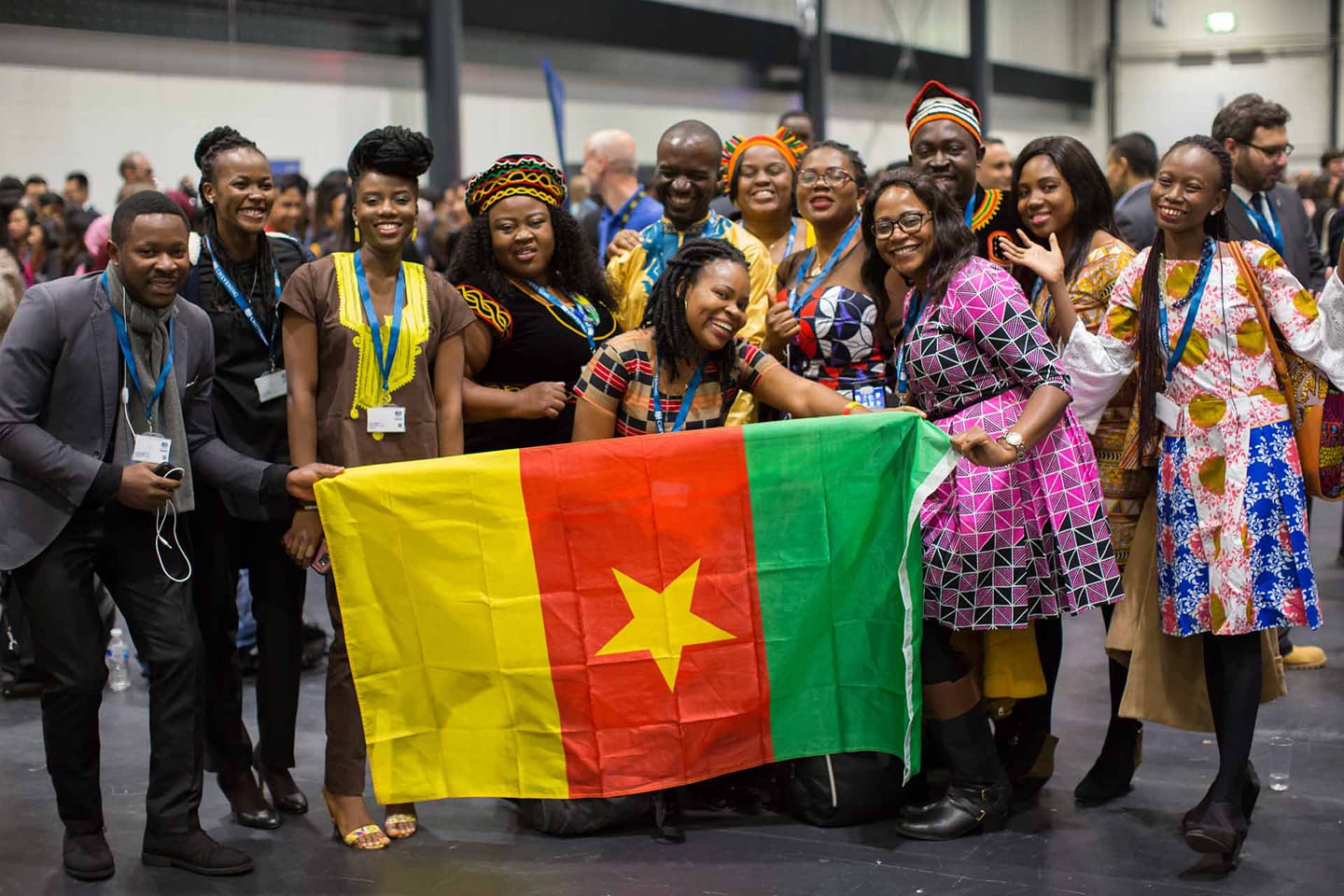
The Youth as Architects of Economic Change in Cameroon
This essay argues that Cameroon's economic stagnation—rooted in a consumer economy, weak industrial capacity, and colonial-era educational systems—can only be reversed through deliberate action by the youth. The writer calls for a shift from job-seeking to job creation, and from raw material extraction to local production and innovation.
Changing the Game in Africa: On Development, Leverage, and the Right Questions
The writer challenges Africa's wholesale adoption of Western development models—tall glass buildings, foreign currencies, imported governance structures—arguing instead that Africa's true assets lie in its people, cultures, and indigenous creativity. The piece calls for a deliberate pivot away from mimicry and toward systems built from African premises.
The Baka People and the Cost of Development Without Consent
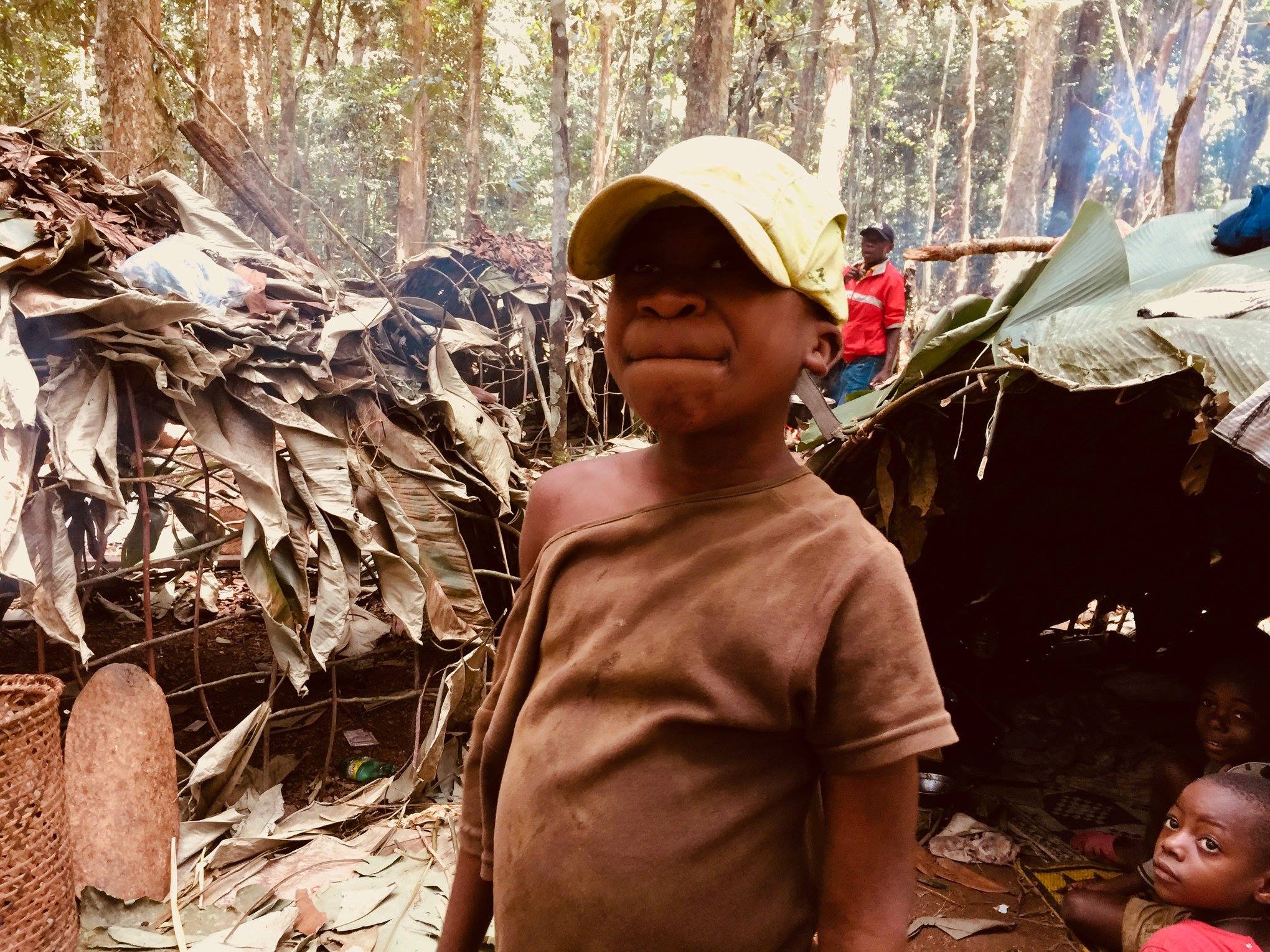
This piece examines the displacement of the Baka indigenous forest community in southern Cameroon by industrial rubber plantations, specifically the SUDCAM project, which has cleared over 10,000 hectares since 2011. It documents the Baka's dependence on their ancestral forest for livelihood and identity, and their formal requests to the government for land titles to secure their future.
Is Africa's Progress an Illusion? GDP, Debt, and the Myth of Growth
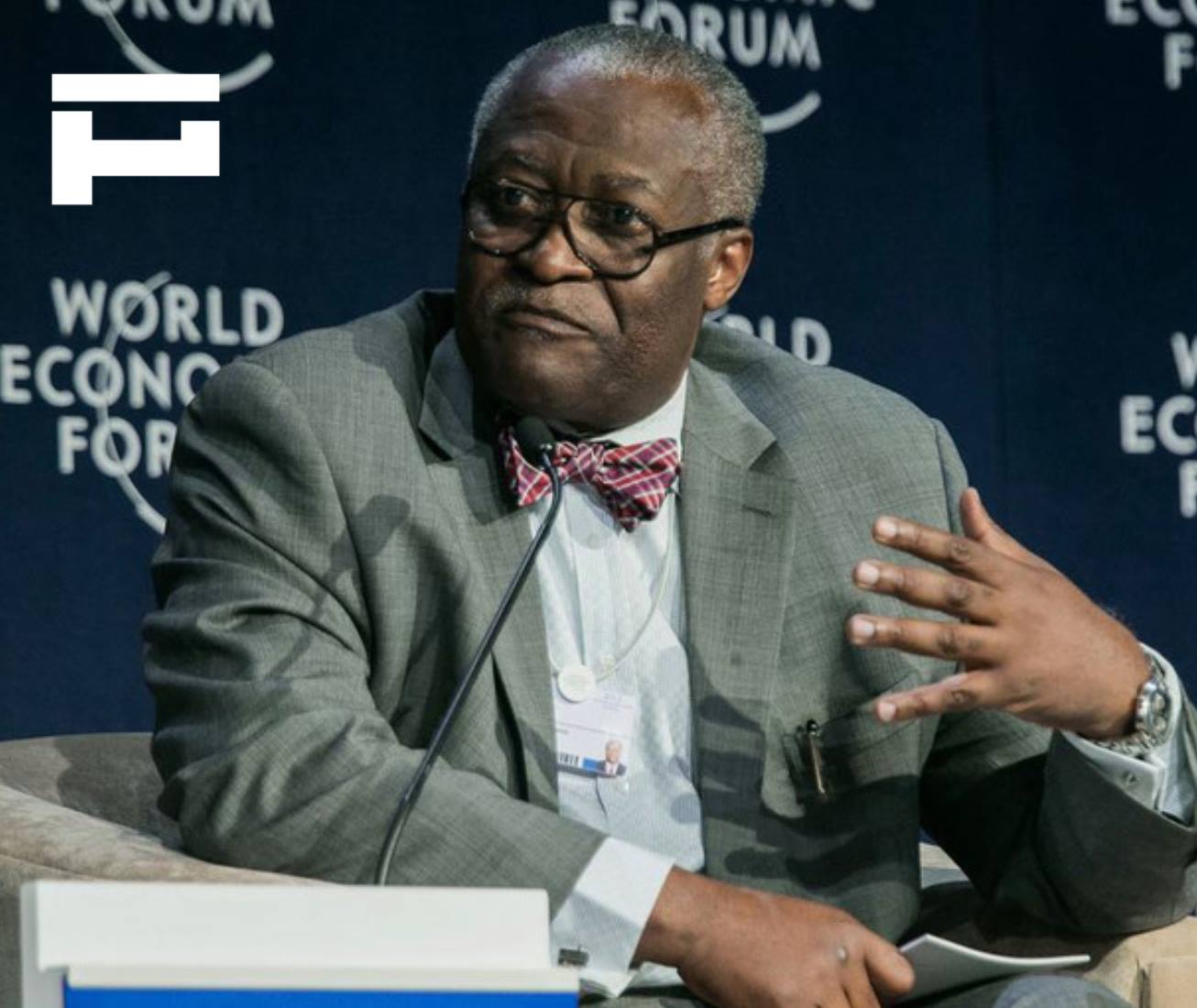
The writer argues that African GDP growth figures, often cited by governments as proof of economic success, mask a deeper structural problem: rising debt and misallocated resources that leave ordinary citizens worse off. GDP measures financial activity, not wellbeing or efficiency, and serves primarily to obscure the neocolonial extraction of wealth through international institutions.
Is Africa's Progress an Illusion? On GDP, Debt, and Economic Sovereignty
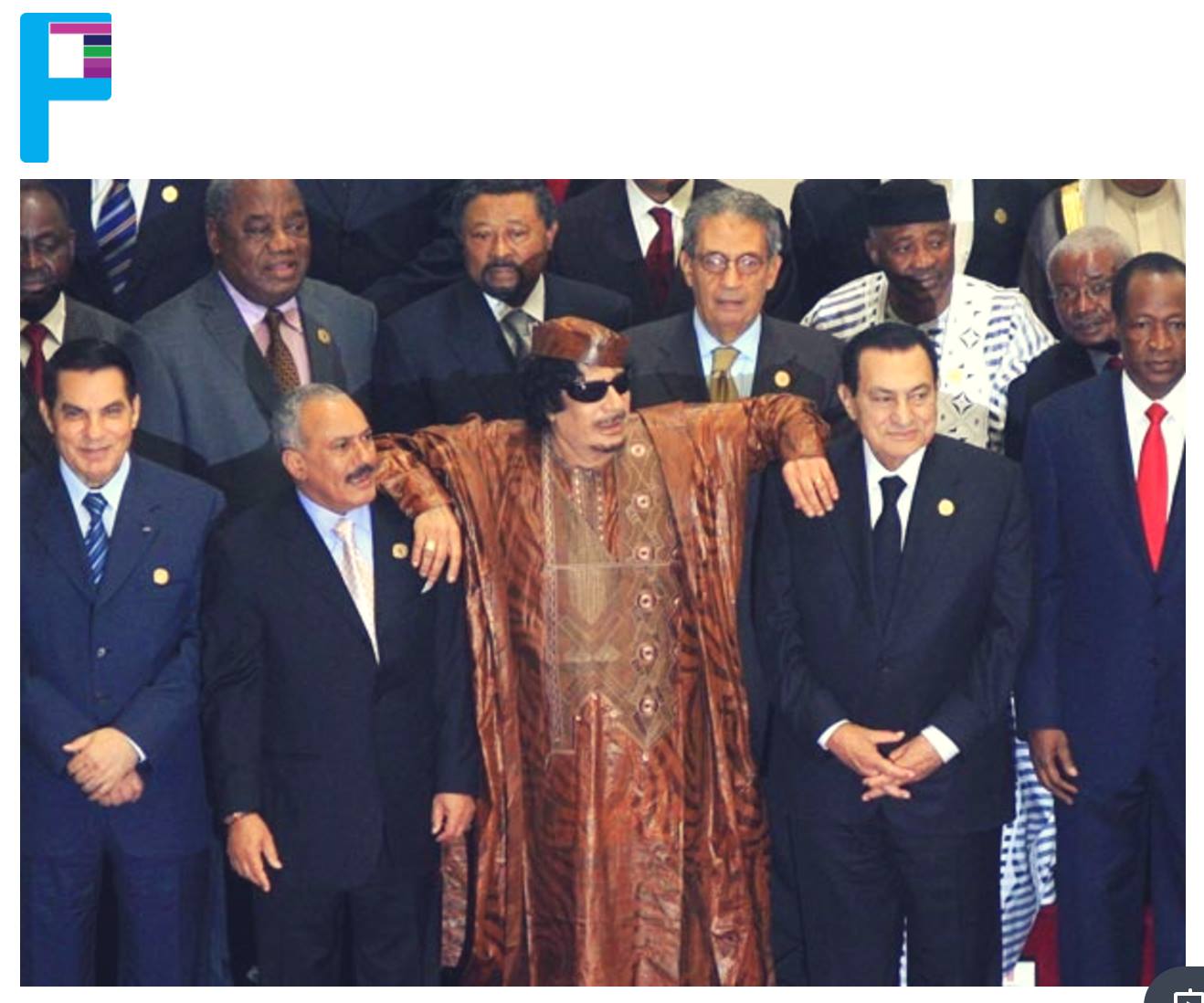
This piece interrogates Africa's reported GDP growth as a misleading metric that masks debt accumulation, capital flight, and the persistence of extractive financial systems. The writer argues that governments leverage rising GDP figures to justify policies while citizens experience stagnant or declining quality of life, and traces this vulnerability to the structural dependence of African economies on Western-controlled institutions.