
Content Creation
Media & Communication
The Courage to Pause: On Standards, Noise, and the Future of Digital Media in Cameroon
The founder reflects on taking PoiseSocial offline at its peak, not as failure but as a deliberate act of integrity. Faced with an internet increasingly populated by unchecked reporting and clickbait, the writer chose to step back rather than compromise the standards that earned their audience's trust.

The Gray Area: Influencers and the Rot of Attention in Cameroon
Poise examines the Cameroonian influencer ecosystem—a sprawling, undisciplined terrain where the term means almost nothing. From beauty merchants to gossip-peddlers, scandal-chasers to TikTok dancers, the writer argues that these figures are either victims of systemic decay or chronic seekers of visibility by any means; either way, they serve a regime's interest in keeping young people numb and distracted.

The Decline of Blogging as Cultural Curation
This piece traces how Cameroonian entertainment blogging evolved from a practice of cultural discovery and curation into a fragmented creator economy driven by sponsored content and transactional relationships with artists. The writer argues that the shift from website-based editorial platforms to Facebook-dependent content, combined with the rise of influencer culture and pay-to-play dynamics, hollowed out the industry's foundation and prevented it from maturing.
The Rules of Digital Creation: Starting from Fun and Finding Your Why
A practical guide to content creation in the age of smartphones and social media, drawing on nine years of writing experience. The author argues that sustainable, meaningful content comes from fun and clear purpose rather than trend-chasing or pursuit of aesthetics alone.
The Media Question: On Ownership, Heroes, and Political Fear in Cameroon
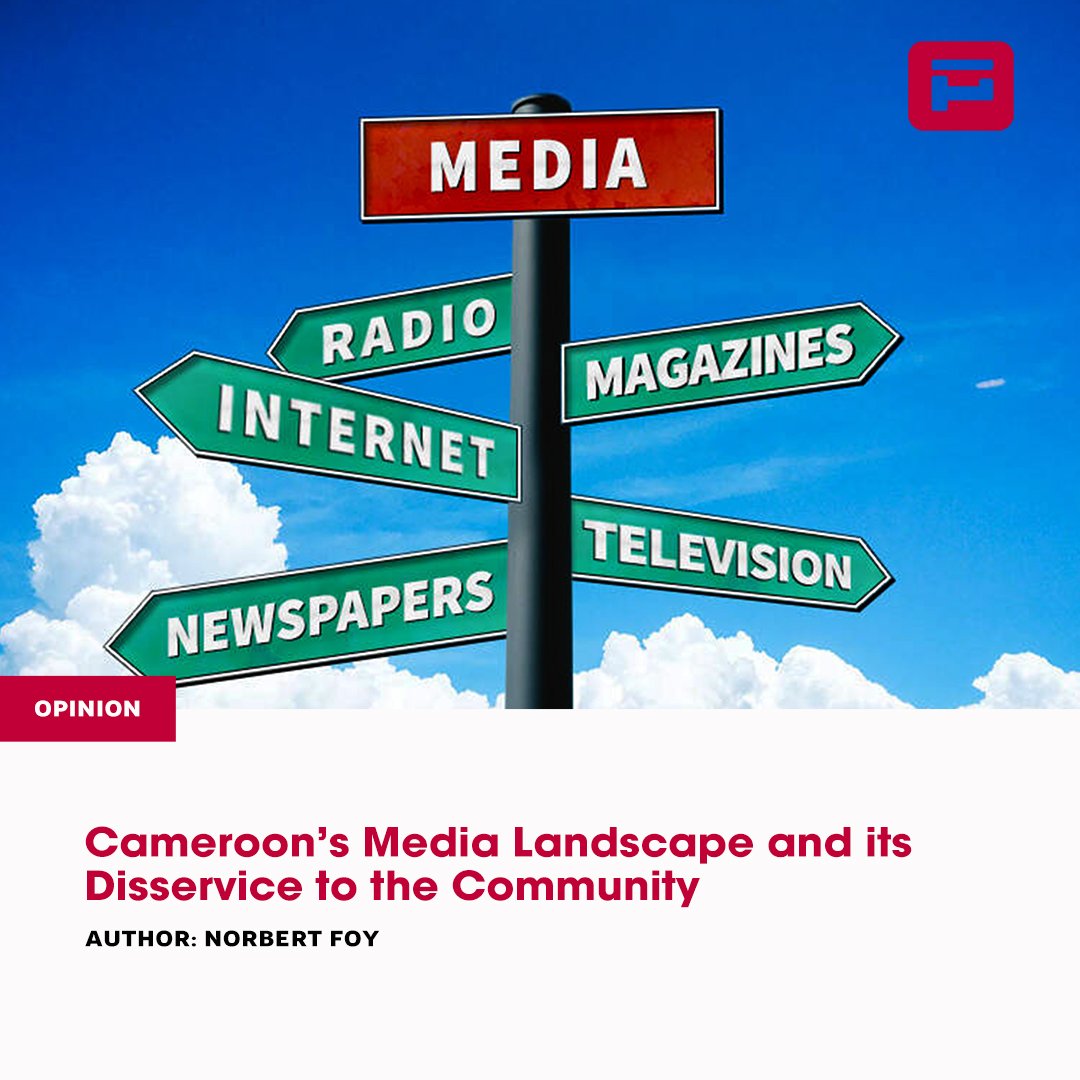
The writer examines how Cameroon's media landscape systematically marginalizes local independent creators while amplifying mediocre, politically neutered talent—a pattern rooted in state fear of homegrown figures who might pose a political threat. The essay argues that true remedy lies not in appealing to existing platforms but in building independent institutions, drawing parallels to Black ownership responses elsewhere.

On the Ridiculous Need to Exploit Virality
The writer critiques the impulse to manufacture permanent internet fame from fleeting viral moments, examining how social media culture in Cameroon pursues and monetizes ordinary people who experience sudden online attention. The piece questions what drives this cycle of commodification and where it leads.

Stop Fooling Yourself: Why Writing and Reading Still Matter More Than Viral Fame
The writer argues that despite the allure of TikTok success, Cameroonians—particularly young people—must prioritize foundational literacy, writing, and communication skills. The piece challenges the assumption that digital platforms can replace the hard work of learning to read, write, and think critically.

The Cost of Inflated Credentials: On Platform Responsibility and How We Are Named
The writer examines the gap between the titles platforms assign to their moderators and the qualifications they actually possess, using the case of a prominent relationship advice figure whose followers have died by suicide. The piece argues that this inflation of expertise—endemic to social media culture—carries real consequences for vulnerable people seeking help.

The Danger of Being Right for the Wrong Reasons: How Viral Stories Distort Social Truth
The writer examines how unverified or fabricated stories circulating on social media—particularly those depicting extreme cases of gender-based violence and social ills—have become the primary fuel for activism and public opinion, despite lacking factual grounding. Through analysis of source accounts and patterns of virality, the piece argues that activist movements risk undermining their own credibility and effectiveness when they amplify emotional narratives over accurate descriptions of social problems.
A Platform Transition: Moving Beyond Social Media Constraints
In June 2021, Poise announced a significant shift from relying on Facebook distribution to building its own owned platform, introducing a paid subscription model. The move was motivated by Facebook's algorithmic suppression of organic reach, which limited access to Poise's long-form content to roughly 25% of its 17,000 followers despite their deliberate choice to follow the brand.
Paola Audrey: Building a Niche Audience on the Internet and Scaling It
A reflection on Paola Audrey Ndengue's trajectory as a multidisciplinary content creator and curator across entertainment, politics, and culture. The writer examines how Paola has maintained editorial integrity and niche focus while becoming a trusted reference point in African discourse, resisting pressure to dilute her work for broader reach.

The Discussion That Should Have Happened: On Criticism, Sarcasm, and Cameroon's Comedy Discourse
A critical examination of a public dispute between comedian Cyril Inter and critic Kwoh Elonge over the merit of Cameroonian comedy. The writer argues that while Elonge's initial critique—delivered with sarcasm—may have stung, Inter's vitriolic response and subsequent refusal to engage in structured dialogue represented a missed opportunity for genuine industry reflection.
The Music Business Has Become a Content Business
The digital transformation of music consumption—from streaming to social media—has fundamentally altered how the industry operates. Musicians can no longer rely solely on releasing albums and touring; they must now function as content creators, building anticipation and audience loyalty through consistent output across platforms.
The Attention Economy and the Collapse of Genuine Discourse
The writer examines how accusations of
Finding Your Brand Voice Part II: How Beta Tinz Became a Trusted Hub for Information
This essay examines how Beta Tinz, an Instagram page centered on Pidgin English storytelling, built trust and cultural authority by combining intimate, vernacular voice with rigorous fact-checking. The writer argues that Beta Tinz succeeds not through novelty but through a distinctive tonal quality—the voice of a beloved cousin delivering gossip with both wit and verification.
A Short History of Slogans
This piece traces the etymology and cultural function of slogans from their Gaelic-Irish origins through their evolution into modern marketing and religious communication. It examines how slogans work—through simplicity, emotional resonance, and memorability—and why they remain a foundational tool for businesses and organizations seeking to establish identity and influence.
The Social Resume: Building Your Personal Brand Online
The writer reflects on how a consistent, public body of work on social media—a
Reach Without Influence: Why Social Media Metrics Mask the Absence of Purpose
The writer argues that the pursuit of likes, follows, and engagement metrics has become decoupled from any meaningful intention or value creation on social media. Without a clear editorial direction and mission, accumulating attention becomes an end in itself rather than a tool for building genuine influence.

Building Credibility in the Digital Age: The Social Resume
The writer reflects on how consistent, public work on social media—specifically through PoiseSocial—transformed professional opportunities that had previously been closed. A story of rejection from a magazine publisher becomes acceptance years later, not because the writer asked again, but because a visible body of work now spoke for itself.
The Illusion of Influence: Why Follower Count Doesn't Equal Market Power in Cameroon
This piece examines the gap between social media followings and actual influence, arguing that true influencers must create sustained value rather than simply accumulate followers. Using examples from Marques Brownlee to local Cameroonian personalities, the writer demonstrates why influencer marketing remains largely ineffective in Cameroon's limited digital ecosystem.
The Bonteh Digital Media Awards: Building Legitimacy in a Young Industry
A reflection on the Bonteh Digital Media Awards (BDMA), Cameroon's third-annual recognition platform for media and digital entrepreneurs, examining its value as a networking space while critiquing its structural gaps and suggesting paths toward greater industry credibility.
Two Years of Poise: A Founding Reflection
On PoiseSocial's second anniversary, the founder reflects on the platform's journey from a single post about makossa music to a sustained practice of cultural criticism and personal philosophy. The piece traces the shift from writing as love to writing as accountability, and announces the opening of the platform to additional voices.
Two Years of Thought: A Letter on Writing, Anonymity, and Community
On PoiseSocial's second anniversary, the writer Wandji Wilfred reflects on producing over 109 articles in that span, driven by a conviction that rigorous social commentary should endure and document culture for future reference. He acknowledges the reader community that has shaped the platform, defends his choice of anonymity as essential to clarity, and signals that deeper expansions are coming when the moment is right.
Consistency Alone Is No Longer Enough: Why Attention Has Become the Real Currency
This essay argues that the widely held belief that consistent content creation is the path to online success is now outdated, particularly on mature social media platforms. Instead, the writer contends that what matters now is the ability to capture and sustain audience attention through narrative intrigue, surprise, and strategic positioning—not volume.
Why You Should Listen to Podcasts
A guide to discovering and accessing podcasts as a democratic tool for learning. The writer argues that podcasts—serialized audio programmes distributed via subscription—offer young Cameroonians access to world-class mentorship on business, technology, and entrepreneurship, and provides a curated list of platforms and shows across multiple disciplines.

The Candy Standard: On the Collapse of Intellectual Rigor in Media
The writer reflects on a local reference (Nyangono Du Sud) as a symptom of a broader cultural shift: the normalization of intellectual decline in media. Drawing on Seth Godin's essay on the economics of dumbed-down content, the piece warns against mistaking entertainment for substance and traces how algorithms have accelerated the race to the bottom.

Reach Without Influence: On Purpose in the Attention Economy
The writer examines the hollow pursuit of likes, follows, and attention on social media, arguing that most users—including aspiring influencers—chase metrics without defining why they are online or what they hope to build. Real influence, the argument goes, comes from deliberate mission, consistent value-creation, and editorial clarity; reach without it is a vulnerable position that often breeds insecurity and professional decay.
On Building PoiseSocial: Naming, Collaboration, and Purpose
The founder reflects on the deliberate choices behind PoiseSocial's name and editorial mission, the organic partnership that shaped the platform, and its evolving role as a gathering space for thoughtful writing in Cameroon. The piece offers candid insight into how intention—rather than formula—guided the platform's early growth.
Why You Should Listen to Podcasts
The internet has democratized access to learning and made once-inaccessible people and knowledge available to all. Podcasts represent a natural extension of this opportunity—a free, accessible medium through which listeners can learn from business leaders, scientists, and thinkers across dozens of disciplines. The writer offers a primer on what podcasts are, recommends five free listening apps, and curates a substantial list of shows across business, technology, health, philosophy, and other fields.
For Self or for the Cause: On Ethics, Attention, and Editorial Principle
The writer reflects on a lapse in judgment—reviewing a film obtained improperly before its official release—and uses it as a platform to examine how early success and public attention can erode the ethical foundations of a project. Drawing on Ryan Holiday, the piece insists that PoiseSocial exists to serve the cause of honest cultural conversation, not to serve the founder's ambition.