
Community
Society & Culture

On Support and What We Mistake for It
The piece examines the recurring complaint that Cameroonians do not support each other, particularly in creative industries, by sorting the complaint into three groups and arguing that the real problem is a mutual misunderstanding of what support actually means. It contends that support requires both generous reception of early effort and realistic self-assessment from creators, and that much of the perceived lack of support stems from looking for validation in the wrong places.

The Power of Small Acts: Tunde Onakoya and the Chess in Slums Movement
The writer celebrates Tunde Onakoya's Chess in Slums initiative in Lagos, which has transformed over 500 children from informal settlements through chess instruction and mentorship. The piece uses Onakoya's journey—from a single chessboard under Oshodi Underbridge to international recognition and measurable life outcomes—to argue that meaningful social change begins with small, persistent actions rather than grand gestures.
Auntie Felicia Gets the Last Laugh: Kwoh Elonge and the Comedy Reckoning
Poise celebrates Kwoh Elonge's pivot from critic of Cameroonian comedy to practitioner, framing his success as vindication of principled criticism and a turning point for the local entertainment sector. The piece reflects on the community's defensive response to outside scrutiny and the rare figure willing to back words with action.
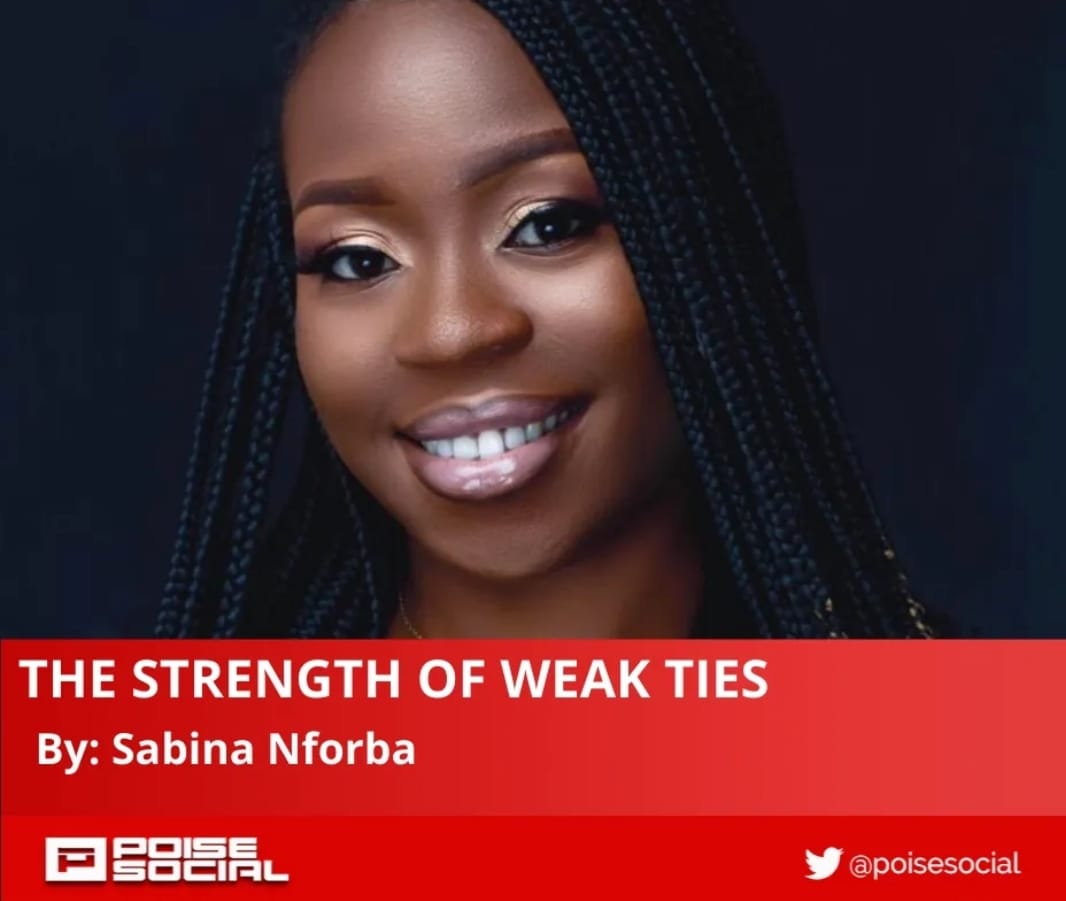
The Strength of Weak Ties: Why Acquaintances Matter More Than We Admit
This essay challenges the popular cultural tendency to cultivate only a tight circle of close friends, arguing instead that weak ties—acquaintances, distant former colleagues, and casual connections—are far more valuable for personal growth and opportunity. Drawing on sociological observation and lived experience, the writer shows how weak ties serve as bridges to new information, networks, and ideas that strong ties cannot provide.

Patriotism as Distraction: The Mimi Fawaz Incident and Cameroon's Defensive Culture
A writer examines the swift, vitriolic public response to a Nigerian journalist's casual tweet about a mosquito in her hotel room during AFCON, arguing that the outrage reveals a deeper pattern of performative patriotism that shields bad governance from accountability.

The Stories We Tell: Why Cameroon Needs Its Own Heroes
The writer argues that identity and aspiration are shaped not by events themselves but by the narratives we construct around them. Cameroon's youth, lacking locally rooted stories of excellence—teachers, doctors, engineers, entrepreneurs, and public servants—default to distant Western role models or absorb narratives of corruption and failure.
Facebook Programming and the Future of Our Society
The writer examines how social media, particularly Facebook, shapes public discourse in Cameroon by amplifying shock value over nuance, and how marketing logic—designed to capture engagement through virality—has colonised our collective sense of reality. The result is a society operating on misinformation and outrage rather than informed deliberation.

The Danger of Unasked-For Help: Public Intervention and What People Really Need
Poise examines the gap between what we assume people need and what they actually want, using two Cameroonian cases—a girl publicly gifted material items after a public humiliation, and Brown Popsy, a reality-TV contestant offered life-changing opportunities he never asked for. The piece argues that well-intentioned public rescue can create pressure, dependence, and deeper confusion rather than genuine aid.
On Celebrity Events and the Illusion of Networking
The writer examines the June 2021 visit of Cameroonian celebrity Dencia and guest Blac Chyna, questioning whether the high-ticket event truly offers networking value to ordinary Cameroonians. Through sharp analysis of celebrity gatherings, the piece argues that meaningful professional exchange rarely happens at such functions, and that real opportunity lies elsewhere.
The Strength of Weak Ties: Why Acquaintances Often Matter More Than Close Friends
This essay challenges the cultural valorization of tight-knit friend groups by examining the sociological concept of weak ties—casual relationships with acquaintances, former colleagues, and distant connections—and argues that these overlooked relationships are often more valuable for career advancement, opportunity access, and personal growth than the strong ties we tend to prioritize.
The Six Cantons of Douala: A Guide to Tribal Stratification and Urban Geography
This post maps the internal administrative and territorial organization of the Douala people, cataloguing the six cantons and their constituent villages that now form neighbourhoods within the modern city. It serves as a factual reference for understanding how historical clan and village structures persist within urban space.
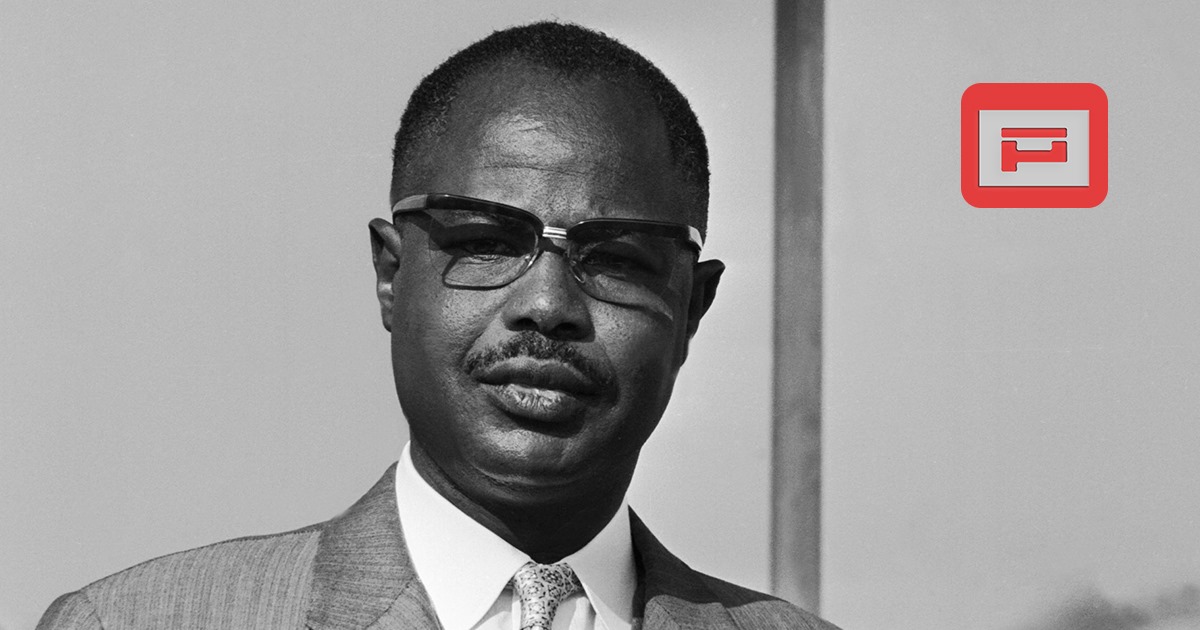
The Present as the Measure: Why Cameroonians Must Stop Living in Yesterday
The writer argues that Cameroonians—and Africans broadly—are chronically oriented toward either a mythologized past (independence-era prosperity, Makossa's continental reach) or an idealized future (Wakanda-inflected visions of return to glory). Real change, the writer contends, happens in the present moment, through daily decisions and accountability that cannot be deferred to political upheaval or generational redemption.
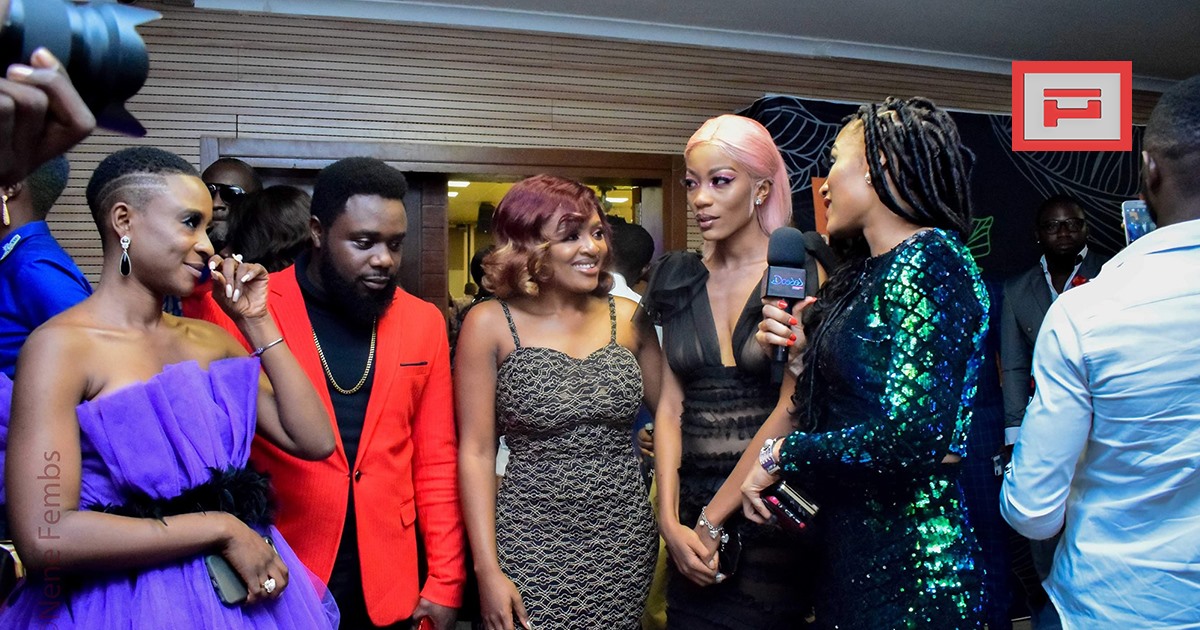
Nobody Wants You to Be Like Nigerians
The writer reflects on why Cameroonians often look to Nigeria as a model while resisting accountability at home. Drawing on examples from events, commerce, and professional partnerships, the piece argues that Cameroon's real obstacle is not comparison to other nations but the reluctance to apply basic standards of professionalism and diligence to one's own work.
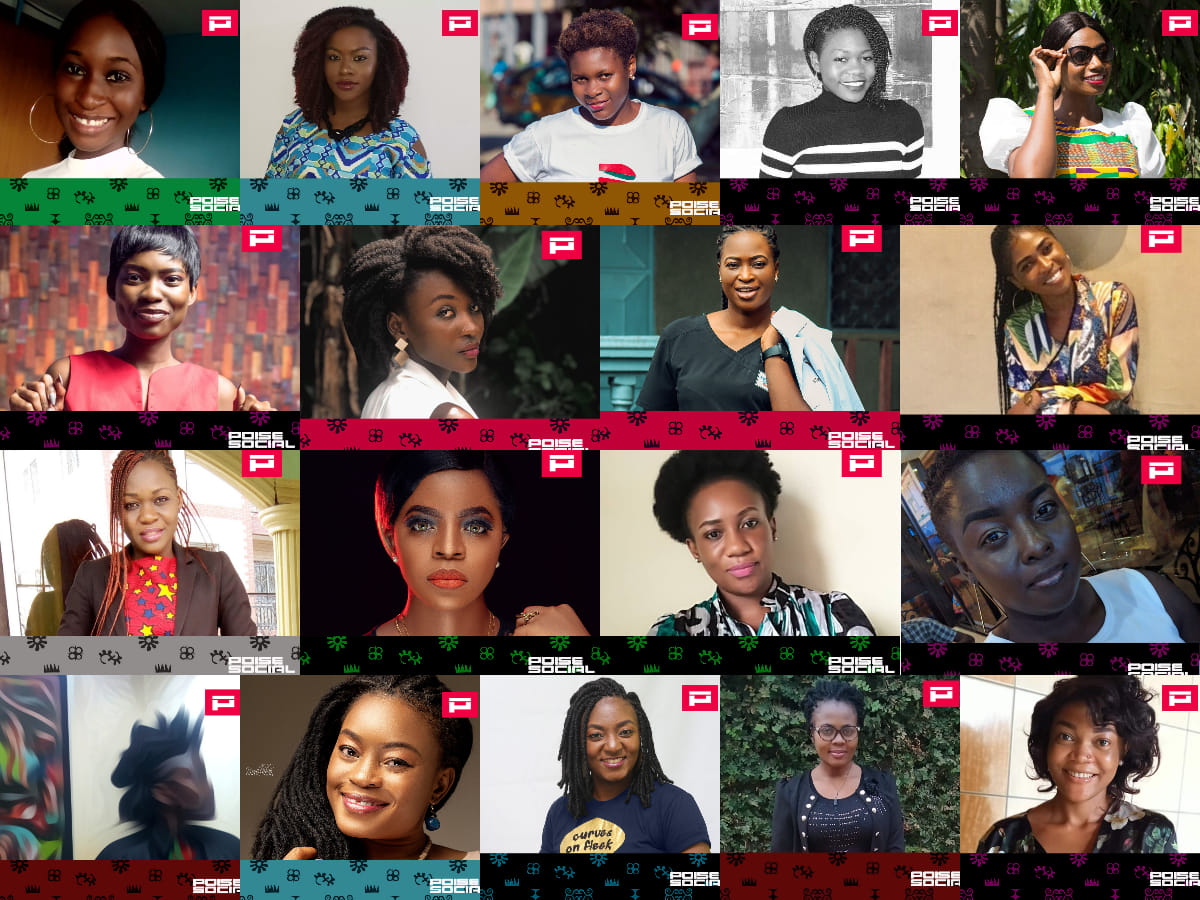
Thank You to All the Poise Ladies
In March 2020, Poise celebrated its female contributors in a special themed month, and the response exceeded expectations—nearly daily publications showcasing writing on diverse topics from relationships and business to research and personal reflection. The founders reflect on what this outpouring of trust and participation reveals about the platform they have spent three years building.
The Bystander Effect: Why We Hesitate to Help in Emergencies
This analytical piece examines the psychological and social mechanisms that prevent onlookers from offering assistance during emergencies—from diffusion of responsibility and social influence to cultural conditioning and perceived danger. The writer presents six key factors that explain bystander apathy, then offers practical strategies for both victims and witnesses to overcome these paralysing dynamics.
Cameroonians and the Subtle Art of Not Reading
The writer argues that Cameroon's cultural resistance to reading—rationalized as preference for brevity or entertainment—amounts to self-imposed marginalization that blocks access to the knowledge that drives individual and collective progress. Drawing on examples from billionaire entrepreneurs and historical figures, the piece insists that reading is not optional but foundational to human development.
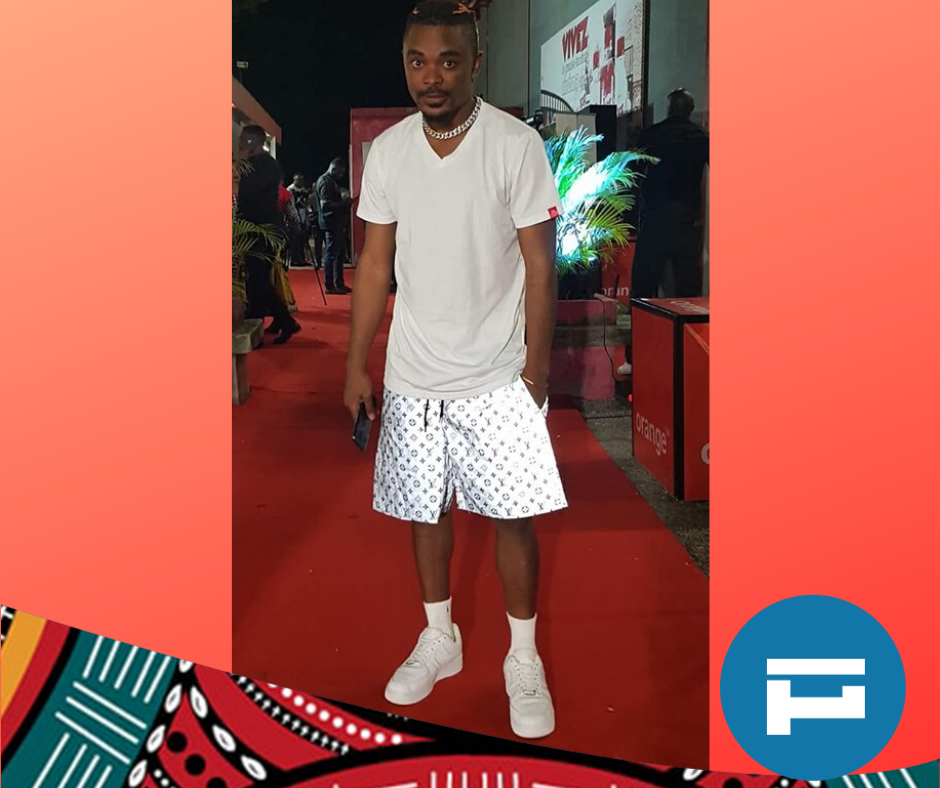
Blaise B and the Case of the Dress Code
A writer observes the Saving Mbango film premiere—a carefully produced event with a stated dress code of 'native chic'—and critiques musician Blaise B for arriving in casual sportswear while other guests honored the request. The piece uses this moment to reflect on a broader pattern of rule-disregard in Cameroonian culture.
Mama Nguea and the Uncharted Path: What We Owe to Reflection
The writer reflects on the spectacle of aging Cameroonian musicians, particularly Mama Nguea, reduced to public appeals for medical aid—a cycle that raises questions not about charity itself, but about the systems, choices, and structural forces that leave cultural icons impoverished. Rather than assign blame, the piece asks what patterns emerge across generations and what lessons the present moment might extract.
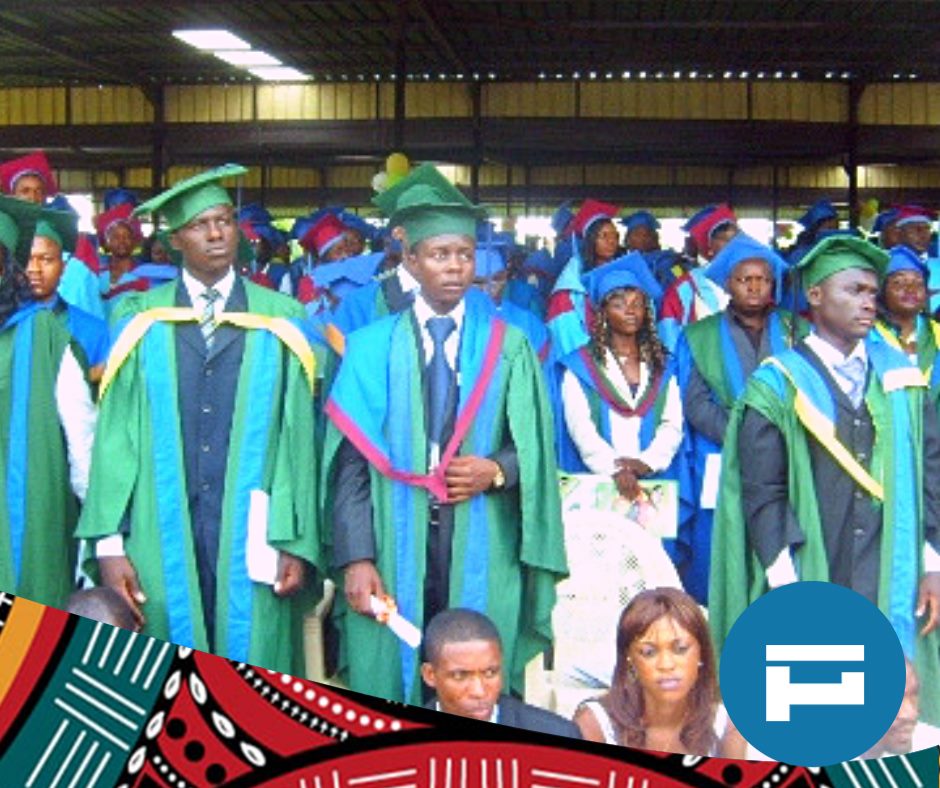
The University of Buea and the Absent Brand
A reflective essay questioning whether the University of Buea possesses an institutional identity or aspiration that extends beyond credential delivery. The writer contrasts their experience at UB—four years lived more outside than inside its walls—with the intentional brand-building and alumni pride cultivated by institutions like Montclair State and their own secondary school.
On Honest Support and the False Doctrine of Obligation
The writer examines the hollowness of "support your own" rhetoric in Cameroon's music industry, arguing it functions chiefly as emotional manipulation and masks a deeper, largely unspoken obsession with Nigerian market validation. True support, he contends, must be rooted in genuine artistic merit, not in obligation or nationality.

I Am a Tontinard: On Social Cohesion and Economic Power
The writer reclaims the term "Tontinard"—originally deployed as an ethnic slur against Bamileke people and political opponents—as a badge of pride rooted in the njangi (tontine) tradition of mutual aid and social cohesion. The essay argues that what critics dismiss as tribalism or clannishness is in fact a proven mechanism for generational wealth-building and community resilience that other successful diaspora communities have long understood.
The Mboko Question: Movement or Mirage?
The writer examines the claim that 'Mboko' constitutes a coherent cultural movement, finding instead a set of aesthetics and behaviors untethered to substantive ideology or historical grounding. Through comparison to Hip Hop's documented origins and structure, the piece interrogates what Mboko actually stands for—and concludes it stands for little beyond consumption and online performance.
The Paradox of Nyangono Du Sud: Why We Need Our Jesters
A reflection on the sudden viral celebrity of Nyangono Du Sud, a Cameroonian musician whose work the writer dismisses as musically poor, yet whose presence in public life raises deeper questions about collective catharsis, social media's role in fame-making, and what our appetite for his art reveals about ourselves.
White Worship at the Airport Gate: On Courage and Collective Silence
A traveler at Douala International Airport confronts a customs officer who places white foreign passengers ahead of waiting Cameroonians, and reflects on why the act of speaking up—against both the officer and the passengers themselves—revealed the complicity of silent witnesses and the deeper problem of deference based on race.
We Have No Cameroonian Identity
A Cameroonian writer reflects on her experience of linguistic and ethnic divisiveness in daily life and contemporary politics, arguing that Cameroonians have failed to build a shared national identity beyond ethnic and language-based allegiances. She contends that only by transcending tribal and colonial-linguistic boundaries can the nation address its deeper problems of governance and collective wellbeing.
A Toast to Cameroonian Youth: Culture, Creativity, and the Work Ahead
The writer celebrates the emergence of a youth-led cultural renaissance in Cameroon—from music to fashion to digital media—while issuing a call for this generation to move beyond individual success toward collective nation-building. The piece names both the achievements and the work of unlearning that lies ahead.
The Curious Case of Mr. Leo's Dressing
A reflection on public criticism of a prominent Cameroonian musician's fashion choices, prompted by a media personality's remarks and an inflammatory PR response. The piece uses this incident to examine three broader cultural issues: the equation of success with money, the inability to receive constructive criticism, and the proliferation of unqualified professionals in creative industries.
On Being Called a Tontinard: Pride, Social Cohesion, and Economic Self-Determination
The writer responds to being labeled 'Tontinard' as a casual insult by reframing it as a badge of honor, celebrating the njangi (tontine) system not as mere financial instrument but as a model of social cohesion that has generated measurable economic prosperity. The piece argues that what outsiders dismiss or fear—organized mutual aid and community reinvestment—is precisely what has enabled certain groups in Cameroon to build generational wealth and institutional power.
After Colonization: The Question of Unity Over Return
A reflection on colonialism's lasting structural effects in Cameroon and Africa, questioning whether nostalgic appeals to precolonial identity serve contemporary political interests. The writer argues that forward-looking continental unity is more strategically sound than fragmentation into ethnic or regional micro-states.
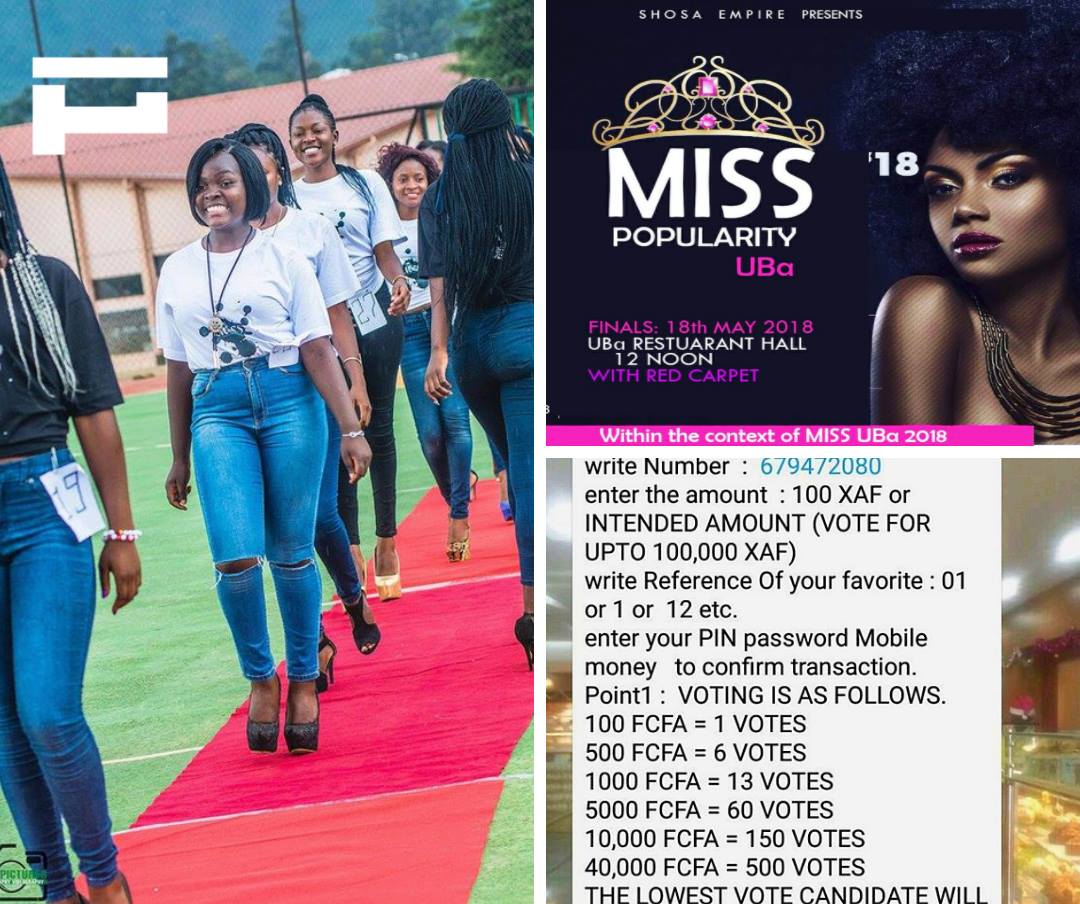
On Miss UBa 2018 and the Pageant as Fundraising Mechanism
A critical examination of the Miss UBa 2018 'popularity contest,' which allowed direct vote-buying, prompting reflection on whether monetized participation could actually improve beauty pageants by forcing them toward transparent fundraising rather than hollow merit claims.

Last Words for 2017: A Year of Hard Lessons
The writer reflects on 2017's major events—the Anglophone crisis, infrastructure projects, and government inaction—as teachings about collective responsibility, self-reliance, and the distance still to travel. Rather than despair, the reflection distills gratitude for the year's struggles as catalysts for clarity.
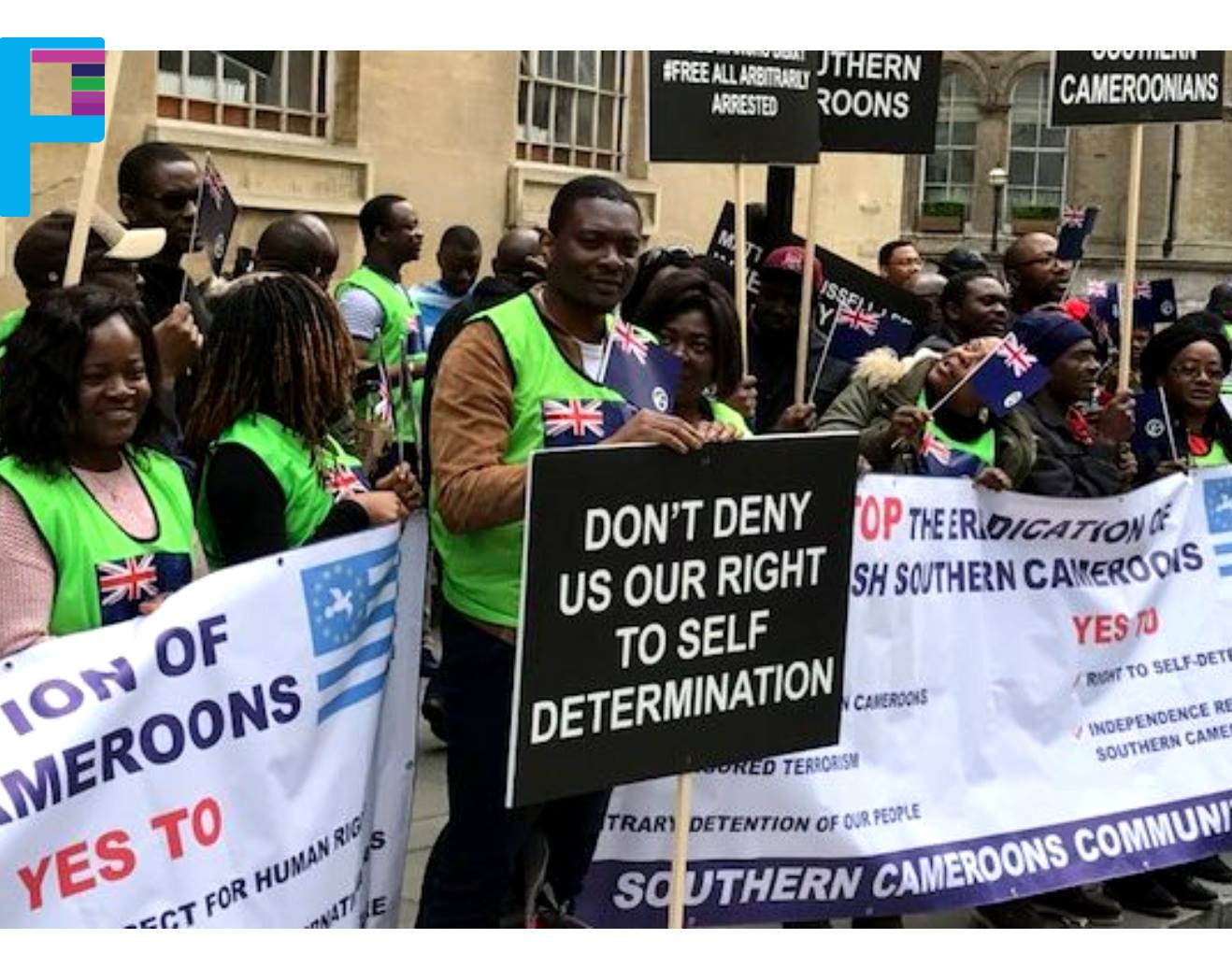
Personalities of the Struggle: Social Taxonomies of a Moment in Crisis
Poise examines the variety of voices that emerged online during an acute phase of the Anglophone crisis, categorizing them by their logic and rhetoric—from those invoking traditional or religious frameworks to those offering military fantasies or dismissive skepticism. The piece treats these categories not as moral judgment but as a sociological map of how a fractured population under stress expresses itself.
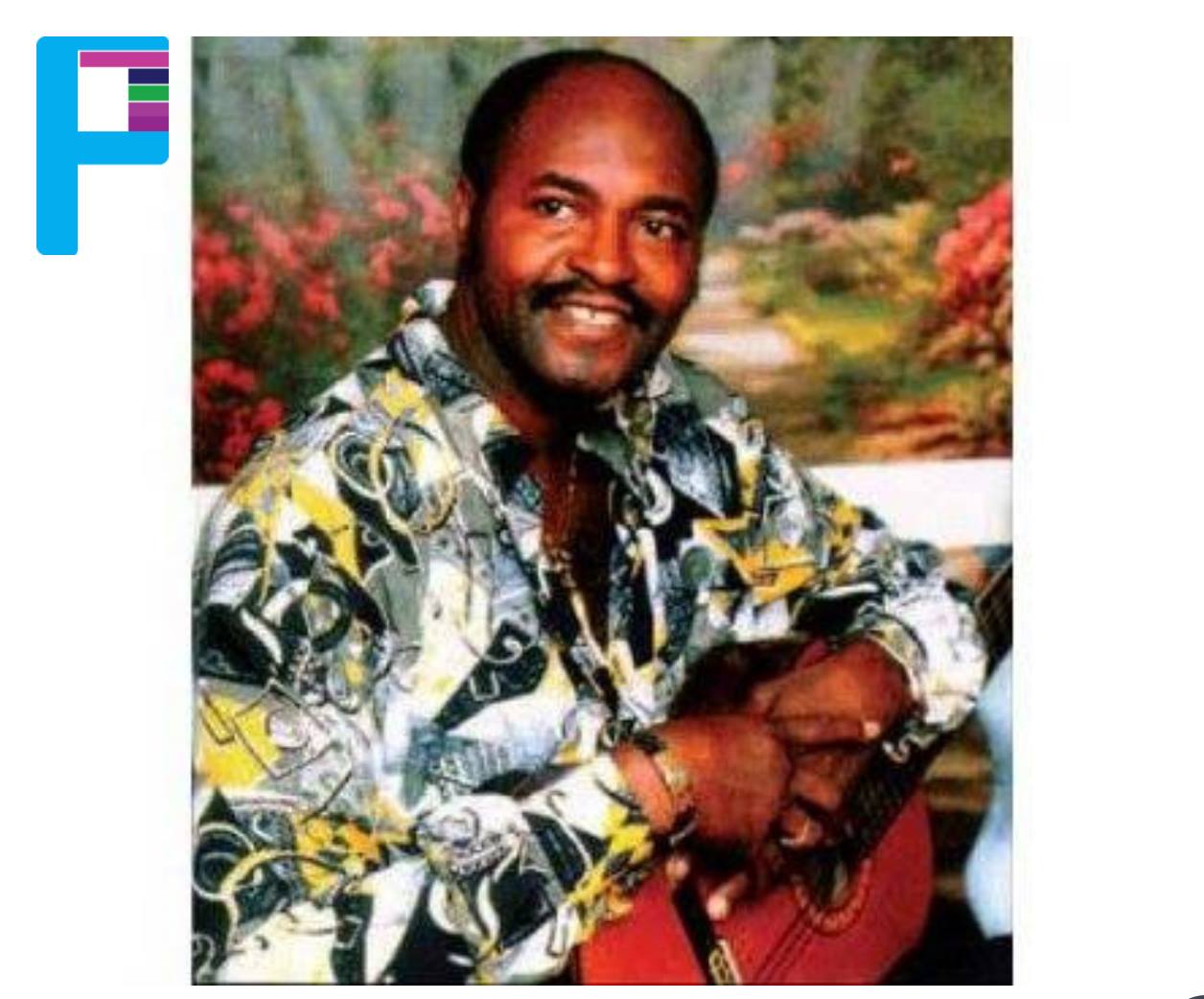
Our Generation is Killing Eboa Lotin's Heritage
A reflection on Cameroonian music's loss of cultural identity as a new generation gravitates toward Nigerian and pan-African influences at the expense of the country's distinct musical DNA. The writer argues that while some contemporary artists have successfully blended tradition with modernity, the trend is unsustainable and risks erasing a legacy built by giants like Manu Dibango, Richard Bona, and Eboa Lotin.
The Story We Tell About Africa: Beyond Branding
Following the Youth Connekt Africa Summit in Kigali, the writer examines Akon's keynote on African nations controlling their own narratives, arguing that branding is deeper than marketing optics. The piece contends that Africa's story must be one of authentic growth and dignity, not imitation of Western self-mythologizing.