
Activism
Politics & Government
The Courage Tax: Celebrity Influence and the Limits of Hashtag Activism in Cameroon
The writer reflects on a delegation meeting with Cameroon's Minister of Arts and Culture to oppose a controversial bill, witnessing firsthand how performers abandoned their stated principles once in the room with power. The piece uses this incident to examine why Cameroonian celebrities claim influence they do not possess, and why national-scale activism remains performative rather than substantive.

The Peril of Performance: Youth, Social Media, and the Erosion of Serious Political Engagement in Africa
The writer examines how social media's amplification of charisma and visibility threatens to corrupt genuine youth-led political movements across Africa. In Cameroon specifically, the 2025 presidential race is attracting both sincere reformers and opportunists seeking influence rather than power, a dynamic that risks fracturing the very generational energy needed for meaningful change.
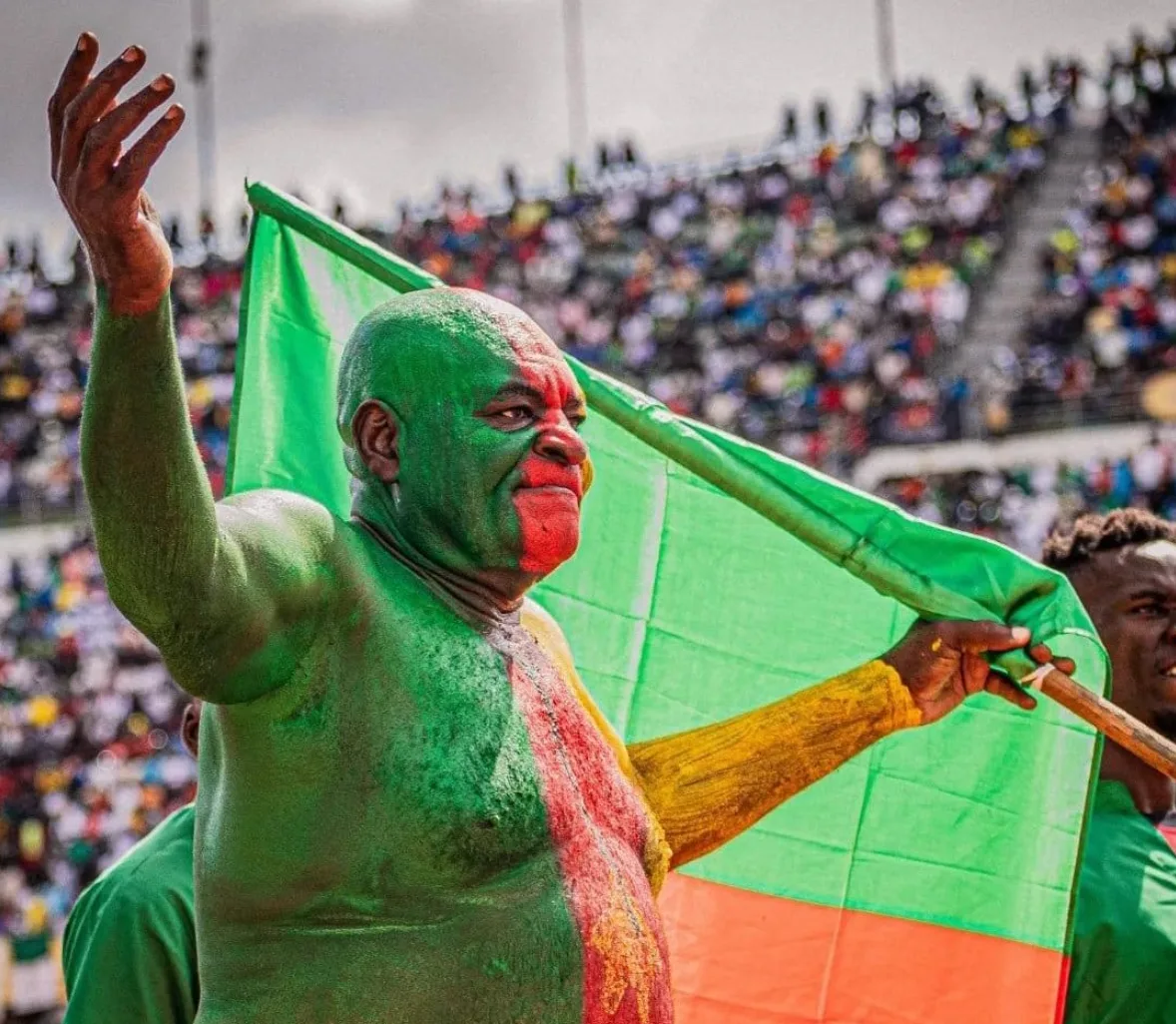
The Unofficial Ambassador: Governance, Reputation, and Cameroonian Football
A writer examines the decades-long relationship between a devoted but increasingly problematic football supporter and Cameroon's national team, tracing how an unofficial ambassador whose image became inseparable from the Lions evolved from hero to liability—raising questions about institutional responsibility and national reputation.
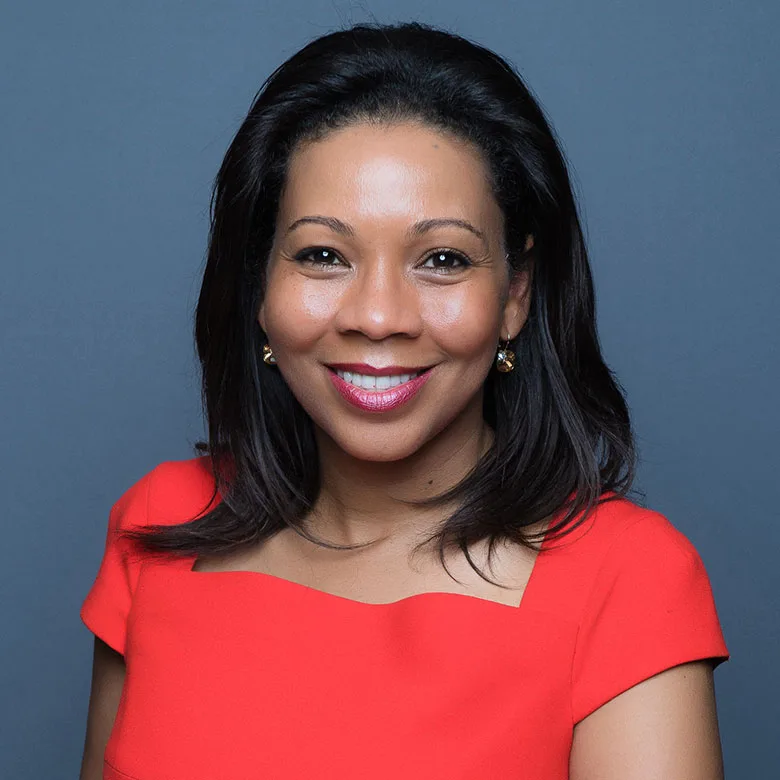
The Price of Change: On Sacrifice, Institutions, and Why Good People Stay Silent
The writer reflects on Rebecca's public refusal of a presidential candidacy, using it as a lens to examine a deeper paradox in Cameroonian civic life: citizens simultaneously demand change while scorning those willing to pay its cost. The piece interrogates how we defend the very institutions that harm us, and whether collective refusal to sacrifice ultimately empower those in power.
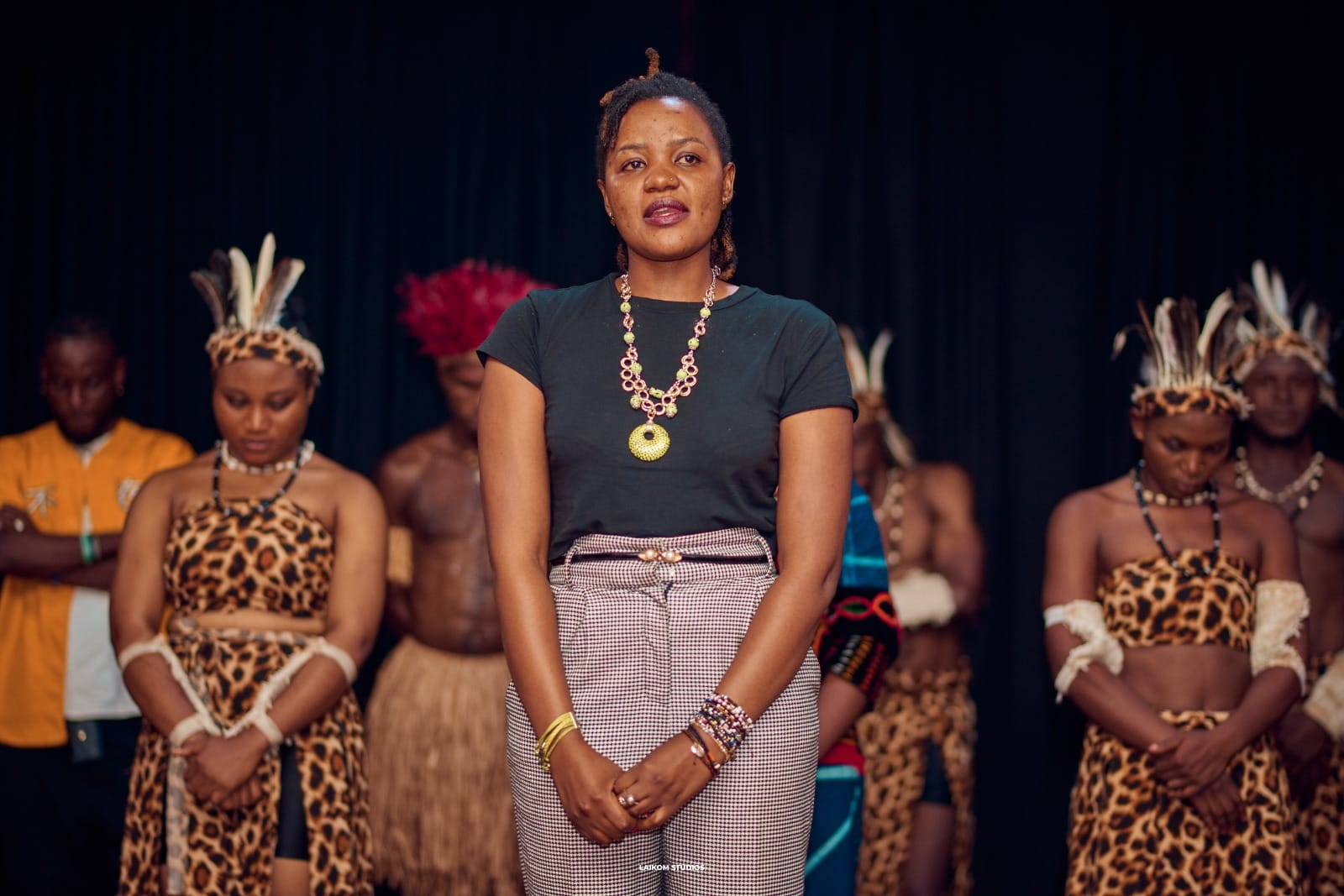
The Unfinished Reckoning: Colonial Debt and African Self-Reckoning
A reflection on a staged play about the Nso people's heritage held in German custody, this essay argues that restitution of colonized artifacts is not a distraction from 'real' problems but foundational to addressing them. The writer contends that colonial extraction persists in every contemporary crisis facing Cameroon and the continent.
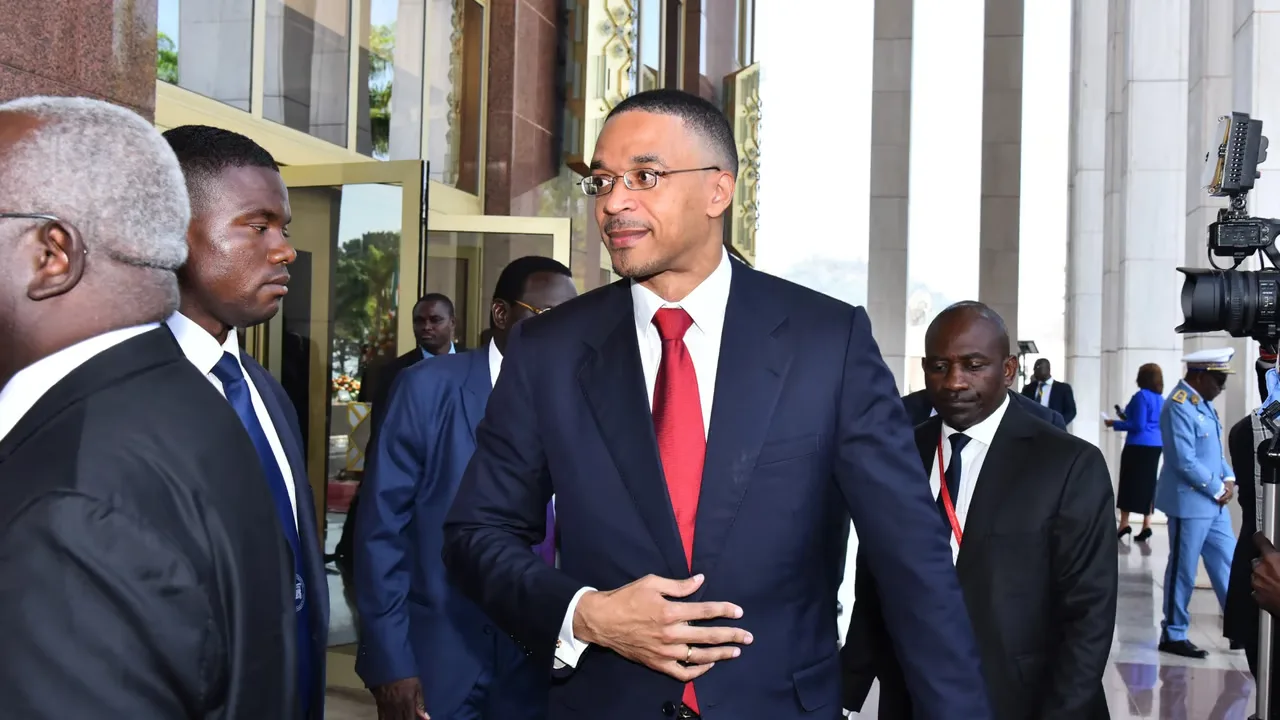
The Politics of the Picture: Celebrity, Complicity, and Cameroon's Defeated Imagination
The writer argues that high-profile Cameroonians—particularly those with global platforms—cannot escape political responsibility through silence or selective visibility. A photograph with state figures is itself a political act, and the absence of critical distance amounts to a form of consent that reinforces the regime's legitimacy.
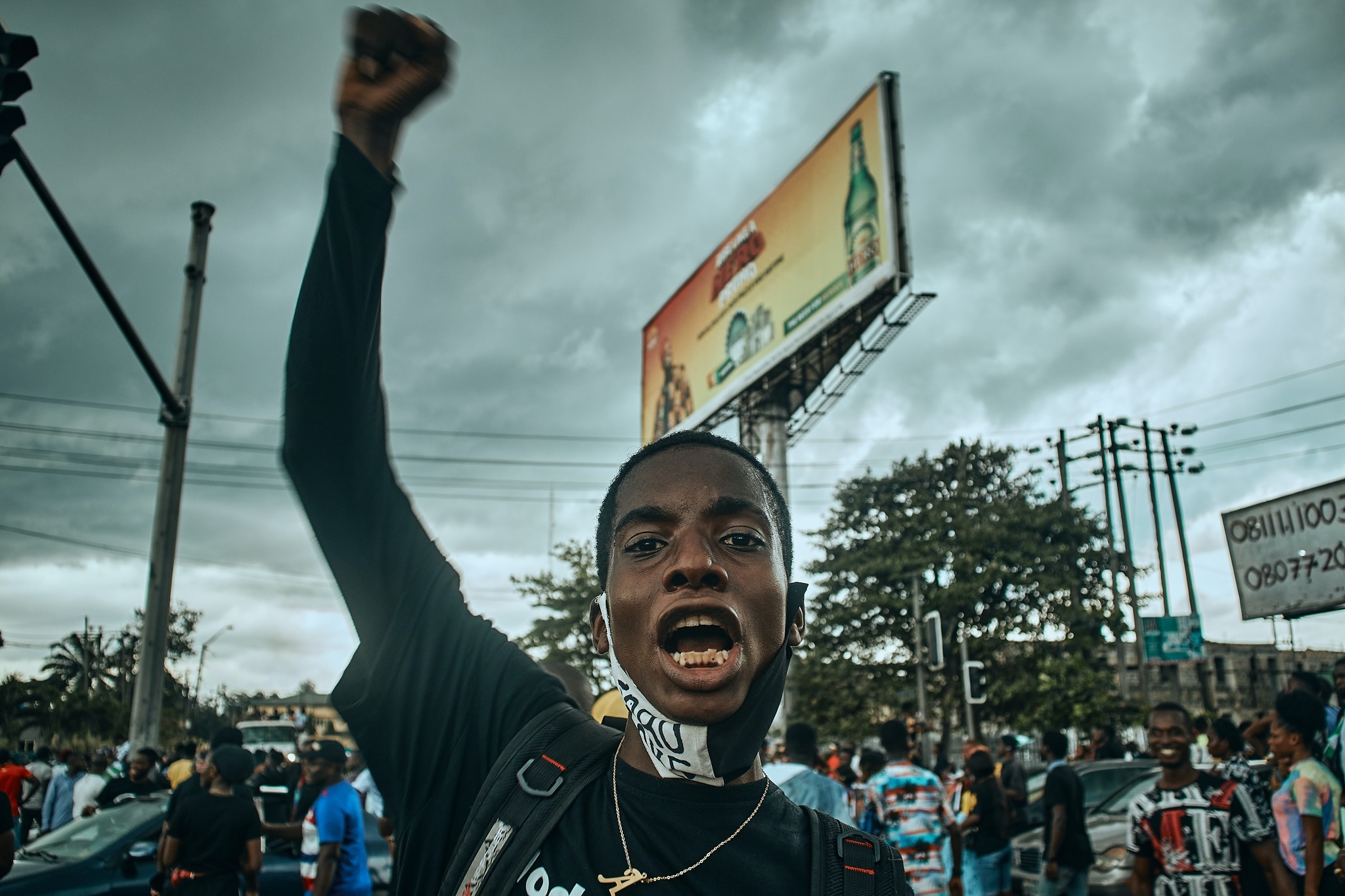
Airplane Mode Till 2025
A reflection on a two-hour internet protest against Cameroonian telecom operators, examining why such social-media-based activism often fails and what organized, strategic community mobilization requires instead.
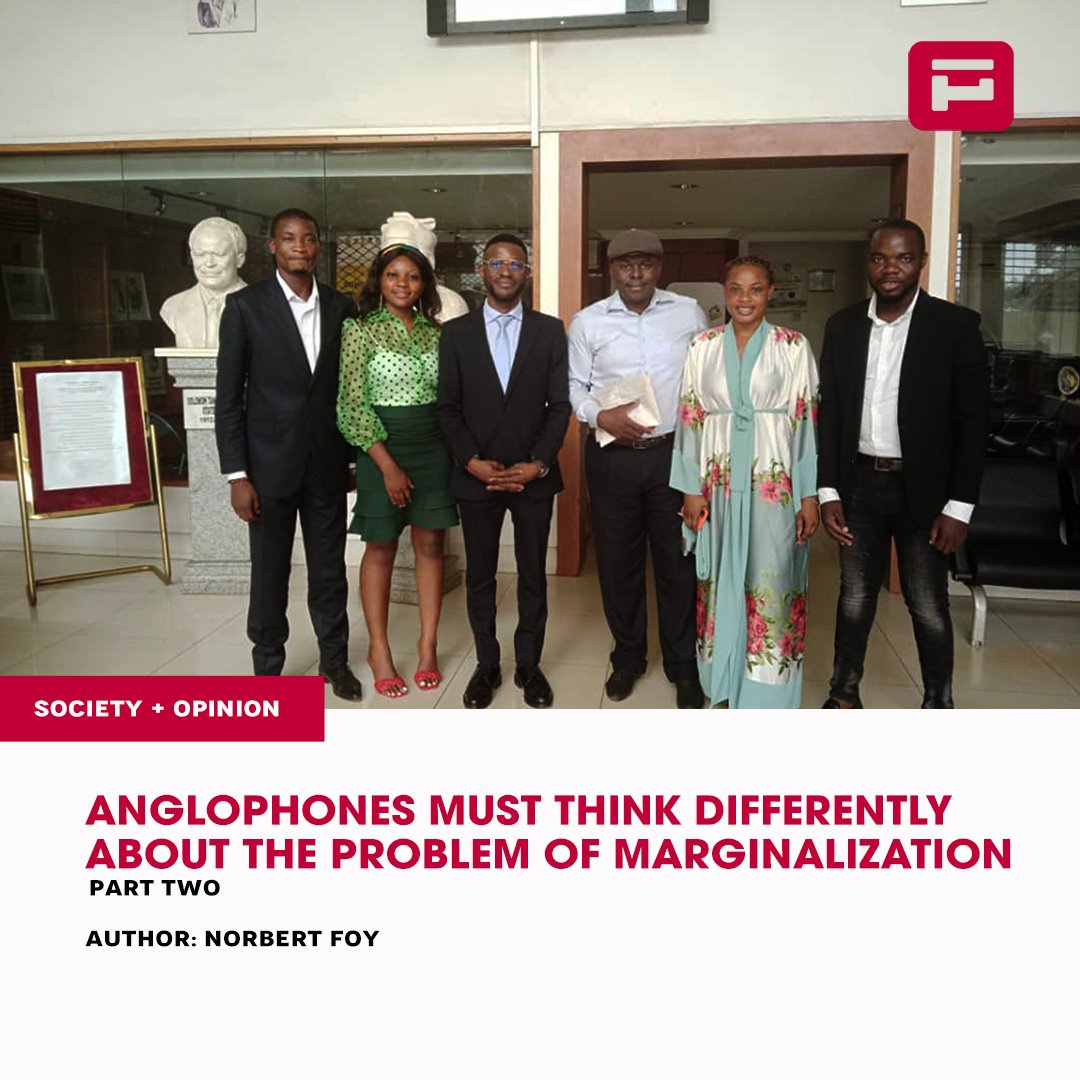
Anglophones Must Think Differently About Marginalization (Part Two)
The writer responds to reader commentary on language acquisition, resource constraints, and elite responsibility in addressing the Anglophone crisis. Through a point-by-point rebuttal, they argue that learning French is a practical survival tool—not assimilation—and that the educated minority has both capacity and obligation to lead solutions rather than wait for mass consensus.

The Danger of Unasked-For Help: Public Intervention and What People Really Need
Poise examines the gap between what we assume people need and what they actually want, using two Cameroonian cases—a girl publicly gifted material items after a public humiliation, and Brown Popsy, a reality-TV contestant offered life-changing opportunities he never asked for. The piece argues that well-intentioned public rescue can create pressure, dependence, and deeper confusion rather than genuine aid.
On Women's Complicity: A Call to Reckoning
The writer argues that women bear significant responsibility for their own social circumstances, not only men, pointing to how mothers have historically enforced violence, silenced victims, and perpetuated cycles of harm within families. The piece calls for women to move beyond victimhood narratives, acknowledge their agency in these systems, and rebuild through self-reflection, integrity, and mutual support.
The Anglophone Crisis: A Nation Finally Reckoning
Written in late October 2020, following the Kumba massacre, this piece traces how social media mobilization around the Anglophone crisis shifted from marginal to mainstream, marking the first moment when Francophones and Anglophones seemed to unite against the conflict. The writer argues that prior campaigns like #EndPhoneTax created the conditions for sustained civic pressure, and calls for that momentum to be preserved.
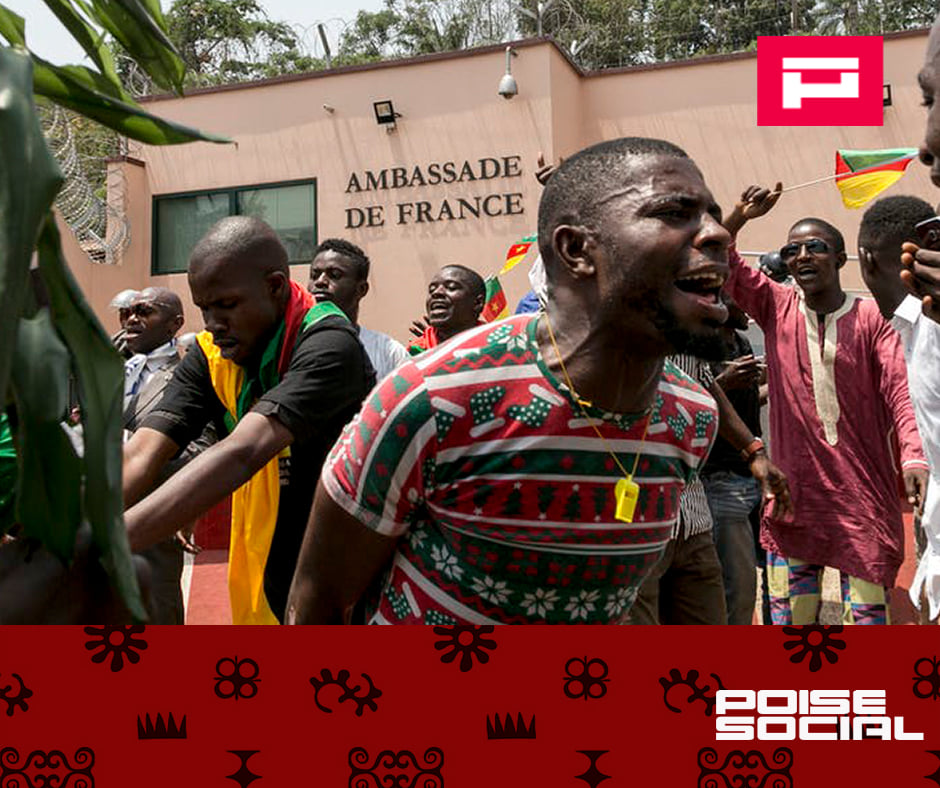
When Hashtags Don't Do the Job
A reflection on the gap between public outcry and meaningful action in Cameroon, examining why celebrities and citizens fail to effect real change despite widespread discontent. The writer recounts a delegation meeting with the Minister of Arts and Culture, exposing how institutional power captures co-opt potential resistance, and argues that hashtag activism and street protests have proven ineffective.
A Black Man Between Victim and Perpetrator
The writer reflects on the contradictory position of being a Black man in a world that casts him simultaneously as vulnerable to systemic violence and capable of inflicting it. Drawing on two news events from May 2020, he traces how childhood conditioning toward white superiority, adult disillusionment, and accumulated historical anger have left him without a clear path forward.
Play Your Music and Say Nothing: On Dissent, Artists, and Political Voice in Cameroon
The writer examines the cultural pressure placed on Cameroonian artists—exemplified by Charlotte Dipanda's recent political statements—to remain silent on governance and regime change. The piece argues that this silencing reflects deeper pathologies: Stockholm Syndrome acceptance of dysfunction, a particular form of crab mentality that polices intellectual ambition, and deliberate attempts to frame artists as intellectually unqualified to engage politics.
Driving Change: Youth, Legitimacy, and the Work of Collective Movement
The writer argues that sustained human progress typically originates with young people willing to defy convention, and that modern democracy—even its imperfect versions—creates unprecedented tools for collective action. The real work, however, lies in learning to listen across difference and translating online community into offline power.
How Professional Are Our Professionals?
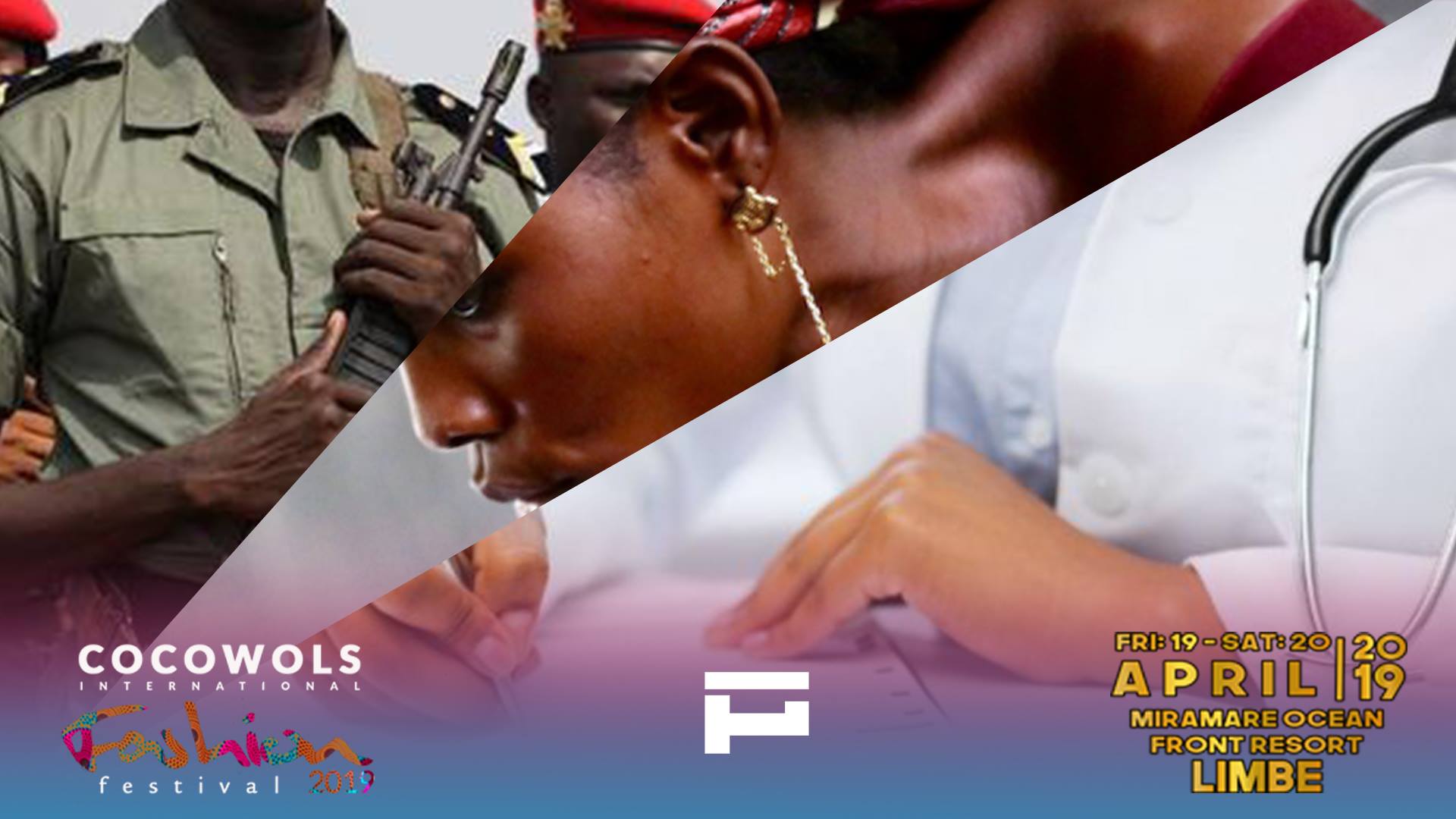
Following the death of a teenager in a Cameroonian hospital and its documentation and broadcast on social media, the writer reflects on the erosion of professional ethics and human dignity among doctors, journalists, police, and soldiers—all enabled by the reflexive reach for smartphones and a deeper failure of institutional accountability.
Feminism Is Not a Quest for Payback
The writer argues that feminist critique of gender discrimination often mischaracterizes historical customs as deliberately malicious rather than pragmatic responses to the realities of their time. By examining inheritance practices, physical capability differences, and cross-cultural examples, the writer proposes that meaningful change requires understanding tradition's logic before dismissing it—not framing progress as payback against men.
On Youth and the Persistence of Patronage
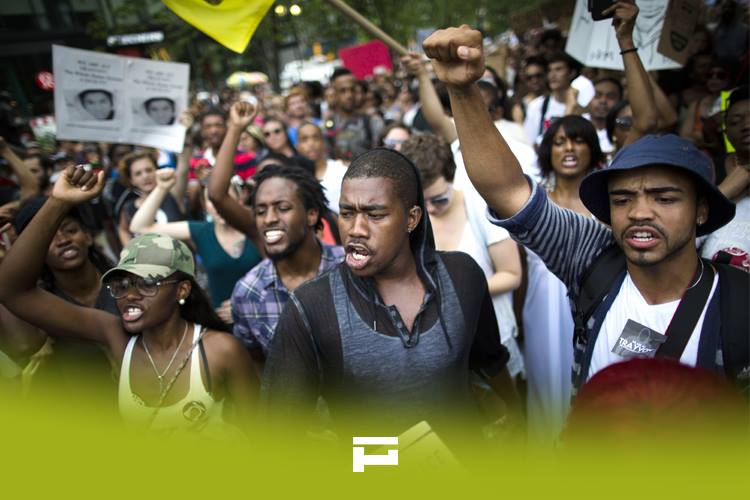
This piece interrogates the assumption that generational change alone will solve Cameroon's structural problems, using a personal anecdote to argue that favoritism and patronage span all ages, not just an older generation. The writer contends that meritocracy cannot take root until the mentality that privileges kinship and loyalty over competence is genuinely abandoned.

False Enemies and the Me First Mentality
The writer argues that Cameroonians have turned on each other rather than uniting against shared obstacles—corruption, government dysfunction, educational collapse, economic stagnation, and cultural decay. Drawing on the historical example of Samuel Langley's refusal to collaborate after losing the aviation race to the Wright brothers, the piece diagnoses a corrosive zero-sum competitiveness that prioritizes individual credit over collective progress.
The Crisis Sour Fruit
A poet-activist grieves the deaths of Anglophone Cameroonians in military operations—including named individuals—and indicts state violence as incompatible with the national motto of Peace, Work, Fatherland. The piece moves from specific losses to systemic critique: police brutality, economic extraction, suspended freedoms, and a government that has surrendered legitimacy through indifference to its own people's suffering.
En Esprit Républicain
A fierce, code-mixed poem that channels anger at Cameroon's political dysfunction through bitter irony and layered metaphor. The writer moves between colonial history, present-day authoritarianism, and personal resignation—asking whether the nation's elites will ever stop treating citizens as prey.
Celebrity Silence and the Politics of a Peace Song
This piece critiques Cameroonian celebrity culture for moral evasion during a moment of national crisis, specifically targeting the 2018 song 'We Need Peace' as a case study of how artists use vague, apolitical messaging to avoid risk while appearing engaged.
A Year in Service: One Campaign Worker's Testament to Political Integrity
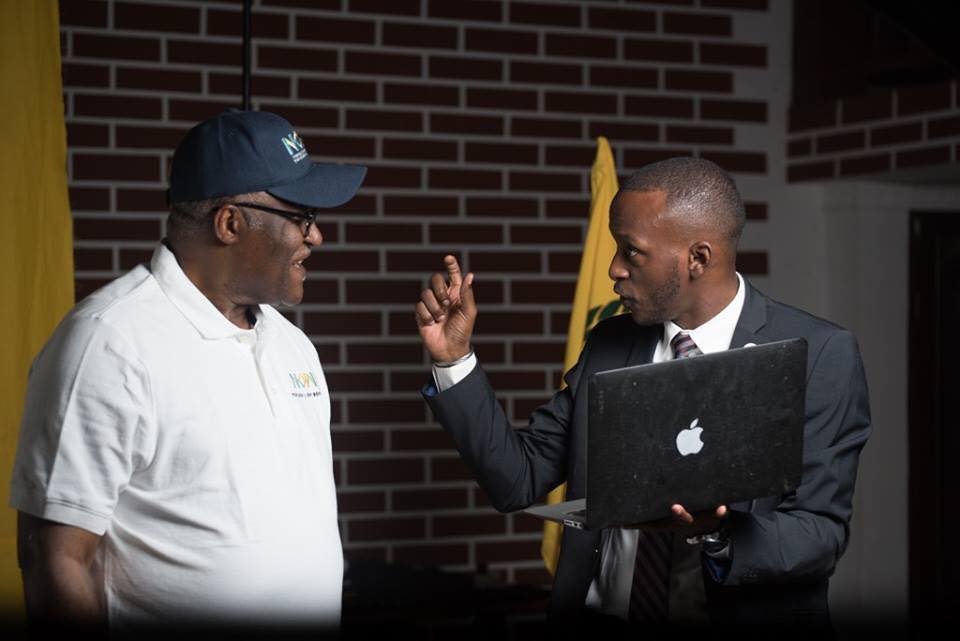
A young Cameroonian professional recounts his decision to leave a secure, well-paid position to work unpaid on Akere Muna's presidential campaign, framing it as a redemptive turn from political apathy toward civic engagement rooted in historical conscience.
The Audacity of Stupidity: When Icons Endorse the Indefensible
A sharp critique of two celebrated Cameroonian footballers—Samuel Eto'o and Rigobert Song—for publicly endorsing the incumbent president in the lead-up to elections, examining the disconnect between their stated reasons (national unity, personal gratitude) and the institutional realities that shaped their own careers and departures.
The Musicians' Betrayal: On Conscience, Complicity, and the Cost of Silence
The writer condemns Cameroonian urban musicians—particularly those under 35—for performing at a presidential concert designed to bolster an incumbent leader's electoral standing. The piece argues that their participation represents a failure of moral responsibility and a capitulation to a system that has systematically impoverished the arts sector.

How to Survive Seven Years of Transition
The writer argues that Cameroon faces a seven-year period of crisis before entering a transformative third republic, and proposes five practical steps for individual preparation: learning French, acquiring practical skills online, self-directed education, personal accountability, and voting with one's money.
Should Our Celebrities Speak Up or Remain Silent?
A sharp critique of Cameroonian celebrity silence on national crises, particularly the Anglophone conflict. The writer argues that most celebrities lack the substance, courage, and genuine commitment to speak meaningfully—and that shallow, self-serving commentary may be worse than silence.
The Imperative Moment: Youth and the 2018 Cameroon Presidential Election
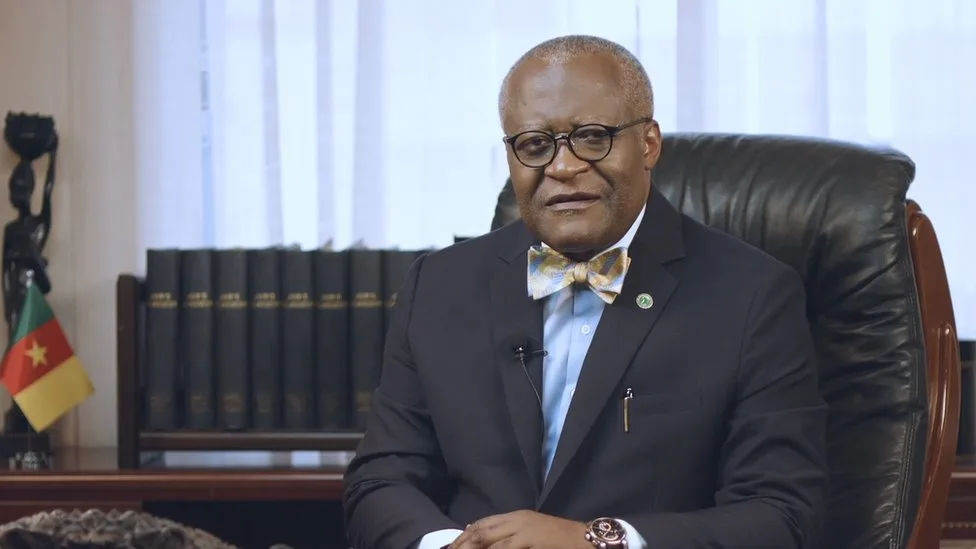
Writing on the eve of Cameroon's 2018 presidential election, Poise reflects on a newfound urgency to engage with politics and calls on the youth—who have known only one president—to participate thoughtfully in electoral discourse. The piece announces a commitment to scrutinize candidates not on tactical promises but on their underlying vision for the nation's future.
The Excuse of 'C'est le Cameroun': On Hopelessness and Complicity
The writer challenges the defeatist refrain 'c'est le Cameroun' (that's just how Cameroon is) as a mask for inaction rather than an honest reckoning with circumstance. Drawing on historical examples of ordinary people reshaping reality, the piece argues that Cameroonians have chosen learned helplessness as cover for the very practices that perpetuate dysfunction.