
Education
Beyond the Ten Careers: A Taxonomy of Work in Contemporary Africa
The post maps five economic sectors—primary (extraction), secondary (manufacturing), tertiary (services), quaternary (knowledge), and quinary (leadership)—as a framework for understanding the breadth of professional possibility available to African millennials and Gen Z. It grounds each sector in African realities and current global demand, offering concrete career pathways where the traditional gatekeeping of visibility and vocabulary no longer applies.
Professional Colonization: Why Africa's Industrial Future Depends on Education
The post argues that African ownership of mega-projects like the Dangote refinery means little if foreign expertise operates them. While a
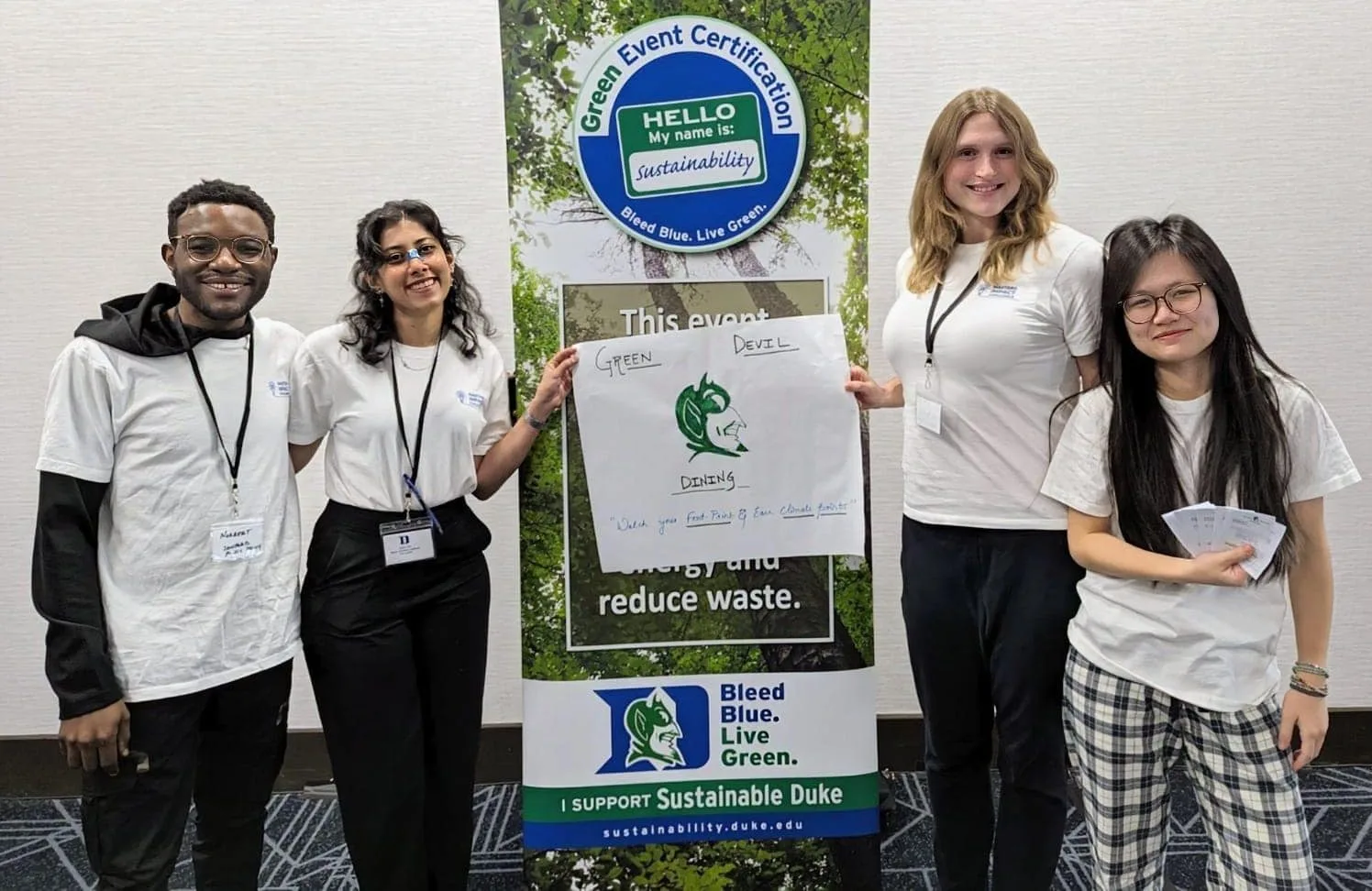
The Carbon Foodprint: How a Duke Team Made Sustainability Visible in the Dining Hall
Norbert Foy and his interdisciplinary team won Duke University's inaugural Masters Impact Challenge by designing a system to display the carbon emissions of each meal sold on campus. The proposal emerged from research showing that most students would choose climate-friendly food if given better information, and aims to turn daily dining into a moment of climate awareness.

Increasing Your Surface Area of Luck: Nine Practices for Emerging African Professionals
The writer reflects on how she accumulated over $250,000 in grants, scholarships, and international opportunities as a young Cameroonian woman without family wealth or political connections—and attributes this not to talent alone but to deliberately expanding her exposure to opportunities and people. She offers nine practical strategies for other young Africans to do the same.
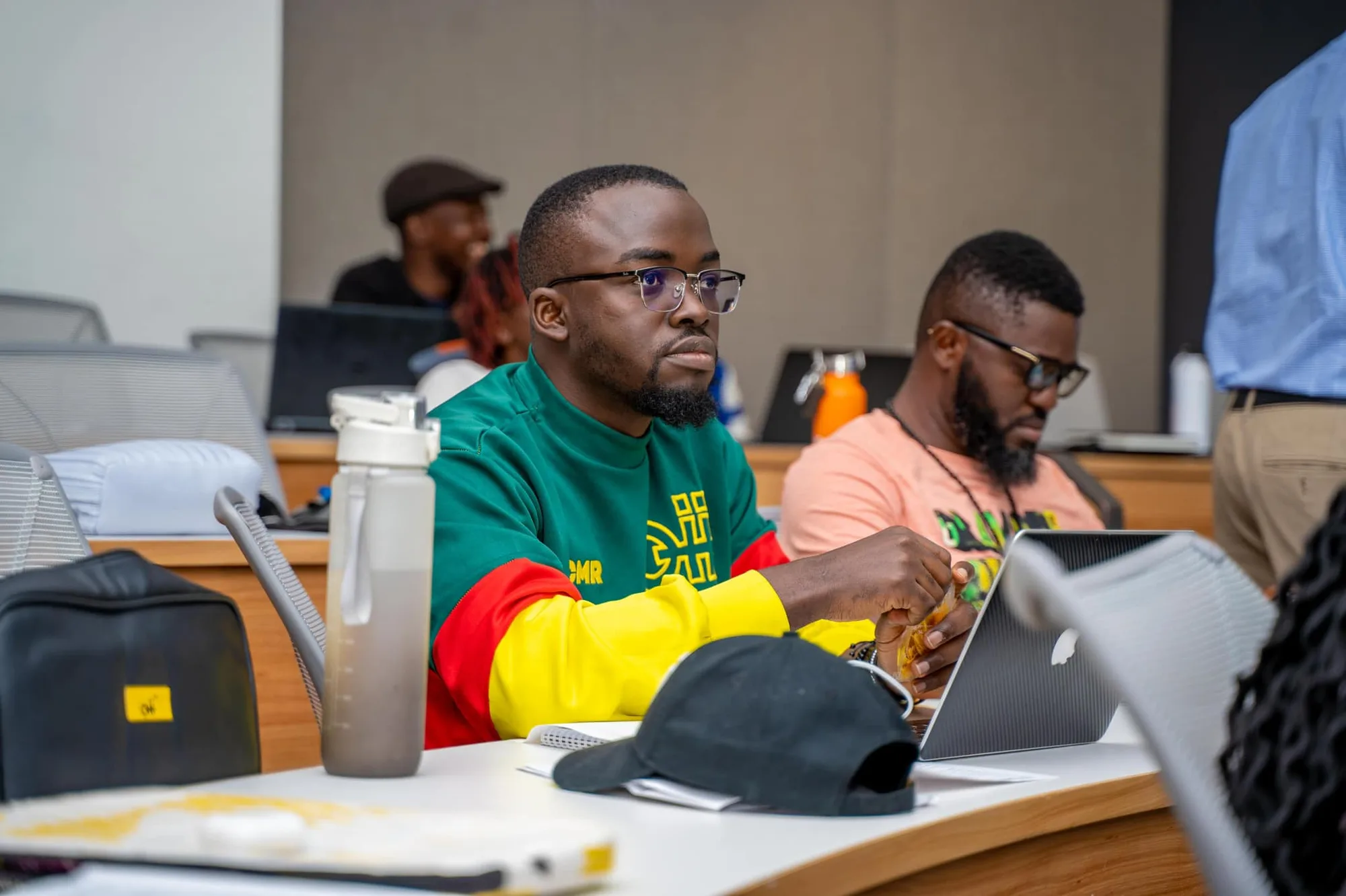
The Certificate Trap: Why Digital Marketing Workshops Rarely Deliver What They Promise
A critique of the booming digital marketing course industry in Cameroon, arguing that certificates from unaccredited academies create a false sense of competence and employability. The writer contends that digital marketing is a reputation-driven skill built through sustained practice, not workshop attendance, and that the real work—content creation—begins only after graduation.
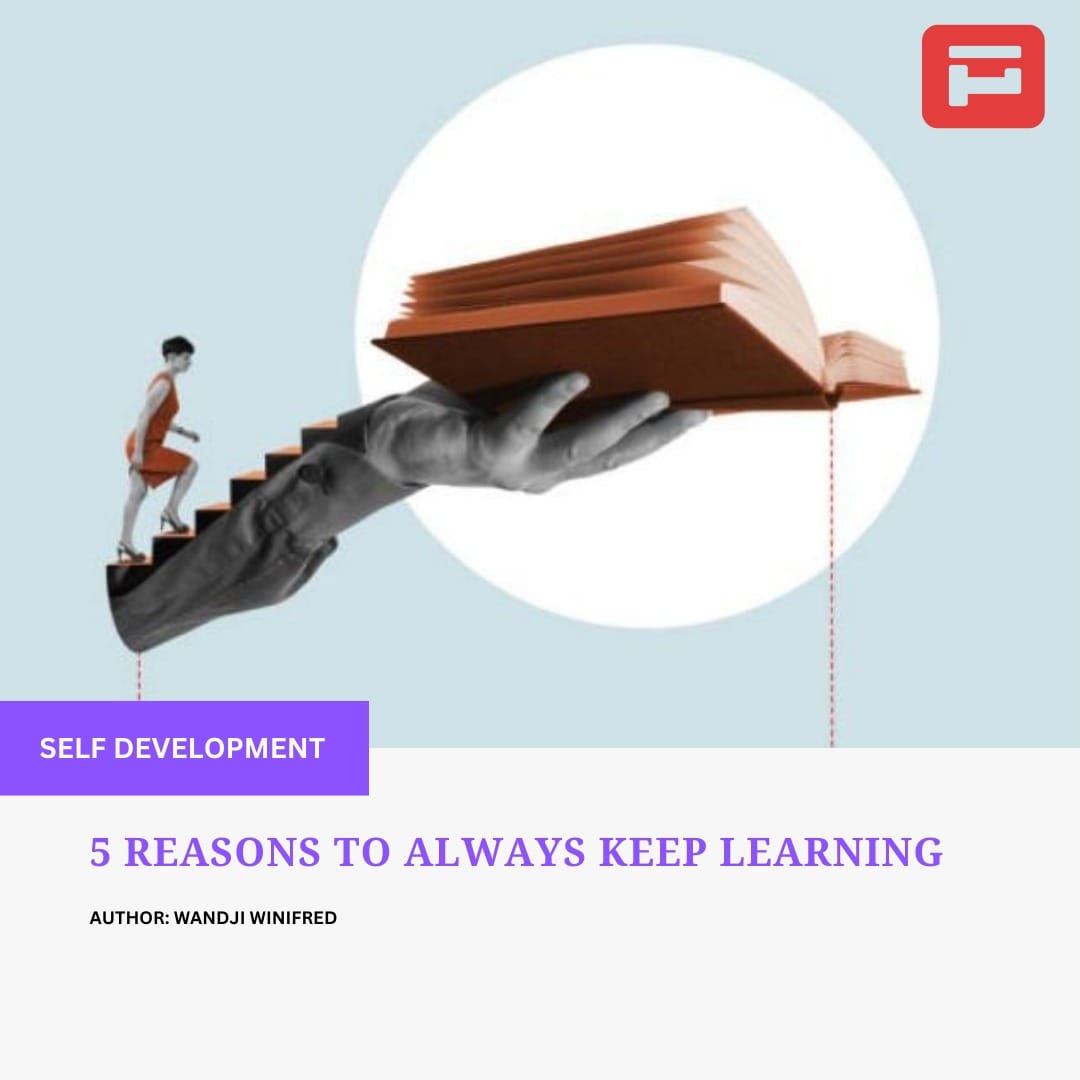
Five Reasons to Always Keep Learning
Learning is not passive reception but active, conscious choice. This reflection outlines five dimensions—accuracy, self-reliance, leverage, relevance, and distinction—that compound when we commit to continuous learning as a deliberate habit.

Ten YouTube Channels That Rival Formal Business Education
A curated list of ten YouTube creators and channels offering substantive instruction in entrepreneurship, business strategy, and scaling—framed as an alternative or supplement to traditional graduate business programs. The post argues that free, accessible video content from practitioners and institutions delivers comparable or superior learning to expensive formal credentials.

The Discipline Behind the Craft: Mr Leo's Three-Year Education
The writer reflects on Mr Leo's disciplined practice of writing at least two songs daily over three years—not necessarily as literal fact, but as a case study in how deliberate, sustained effort shapes mastery. The piece traces this regimen to Mr Leo's later success as a songwriter and ghostwriter for several Cameroonian artists, and uses it to argue for the unglamorous work that precedes visible achievement.

The Camera at Secondary School: Money, Aspiration, and the Entrepreneurial Awakening
A writer recalls purchasing a camera on credit during secondary school and building a photography business to bridge the gap between his limited pocket allowance and the material aspirations of his peers. The venture became his first lesson in accounting, customer service, and the economics of scarcity—and eventually contributed to his expulsion from the institution.
On Credentials and Capability: Why the Resume Fails to Measure What Matters
A reflection on the gap between formal credentials—degrees, badges, resume markers—and actual competence in creative work. The writer argues that the machinery of credentialing (universities, skills quizzes, LinkedIn assessments) measures trivia and test performance, not the practical judgment that clients and colleagues actually value.
Twenty-Two Uncomfortable Truths About Life and Work
A stripped-down checklist of practical wisdom on college, entrepreneurship, money, and decision-making. The writer argues against several widely circulated myths—that passion should guide your career, that wealth comes quickly, that hard work alone ensures success—and urges instead a pragmatic focus on opportunity, momentum, and effective communication.

The Employability Gap: What Cameroon's Graduates Reveal About Its Education System
A sharp critique of a structural mismatch between Cameroonian university graduates and workplace readiness, spotlighted through the writer's encounters with poorly written CVs, cover letters, and business proposals. The piece argues that while systemic failures in higher education bear responsibility, individual graduates must also take ownership of basic professional literacy through self-directed learning.
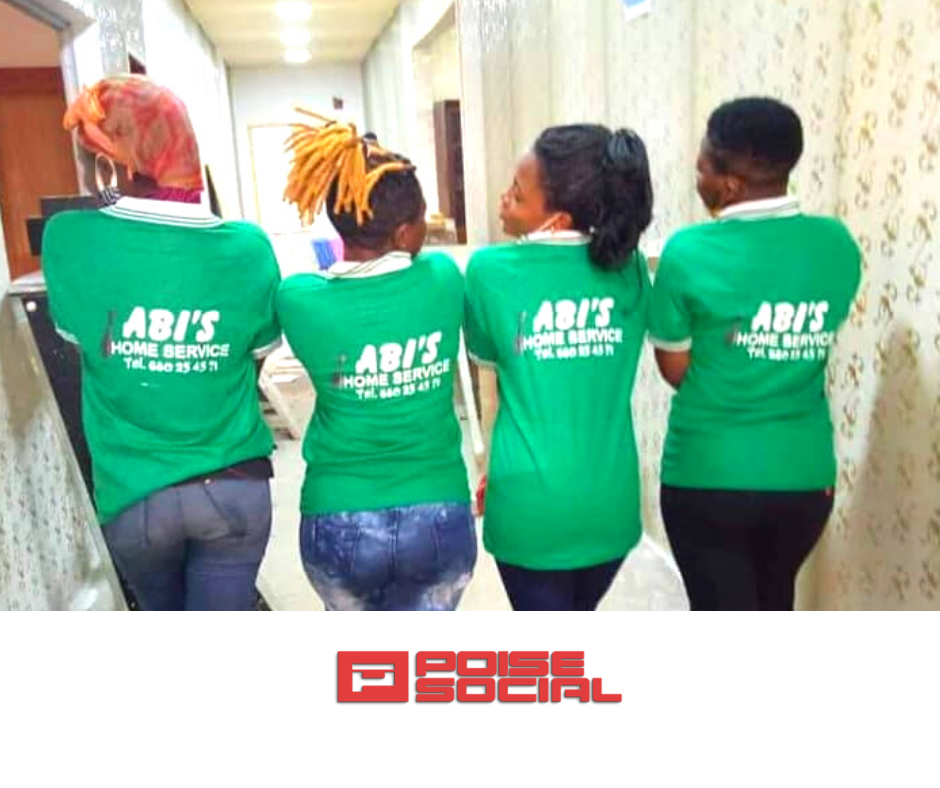
The Skills Gap, The Entrepreneurship Mirage, and Why Young Cameroonians Struggle to Work
Poise examines the shortage of skilled labor in Cameroon and the mismatch between employer expectations and job-seeker capabilities. Drawing on firsthand hiring experience, the writer argues that while job scarcity is real, the deeper problem is a widespread lack of foundational skills—from professional communication to self-directed initiative—that leaves both employers and workers in a costly, frustrating cycle.
The World Belongs to Problem Solvers
A practical call to Cameroonians to identify unmet local needs—from waste management to agricultural processing—and build businesses around solving them. The writer argues that entrepreneurial problem-solving, not formal credentials, is the path to meaningful economic contribution and personal wealth.
C'est Dieu Qui Donne L'Anglais: English Teaching in Cameroon's Bilingual Crisis
This essay examines the chronic dysfunction of English-language education in Cameroon's francophone schools, tracing the phenomenon beyond discipline or resources to a deeper cultural and sociopolitical disregard for English itself. The writer documents the everyday contempt students and families show toward English, the toll this takes on teachers, and the uncomfortable question of whether systemic attitudes—not individual failure—have made language acquisition feel like a matter of divine grace rather than effort.
Education as a Contested Space: The Back-to-School Campaign and the Crisis of Safe Learning in Cameroon's Anglophone Regions
In 2019, as armed conflict in Cameroon's Northwest and Southwest regions kept schools shuttered for years, civil society organizations including WaraSon Music launched a #Back2school campaign, using music and media to appeal for the creation of safe spaces for children to resume education—a demand that cut across the political divide.
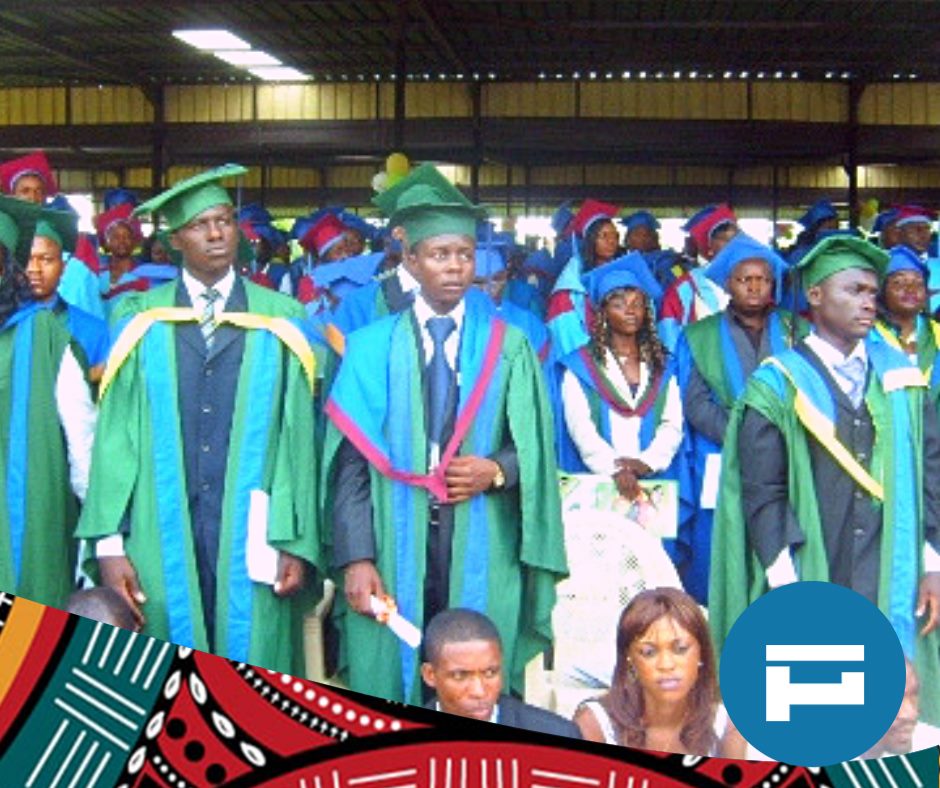
The University of Buea and the Absent Brand
A reflective essay questioning whether the University of Buea possesses an institutional identity or aspiration that extends beyond credential delivery. The writer contrasts their experience at UB—four years lived more outside than inside its walls—with the intentional brand-building and alumni pride cultivated by institutions like Montclair State and their own secondary school.
Why You Should Listen to Podcasts
A guide to discovering and accessing podcasts as a democratic tool for learning. The writer argues that podcasts—serialized audio programmes distributed via subscription—offer young Cameroonians access to world-class mentorship on business, technology, and entrepreneurship, and provides a curated list of platforms and shows across multiple disciplines.
Cameroonian Universities Absent from Africa's Top 200
In 2018, no Cameroonian university appeared on uniRank's list of Africa's top 200 institutions, a reversal from the previous year when three Cameroonian universities ranked in the list. The writer frames this as both a disappointment and an opportunity to explore higher education alternatives across the continent.
On Reading With an Open Mind
The writer reflects on how reading shaped their thinking and writing, then argues that many people lack genuine reading comprehension—not because they cannot decode words, but because they approach texts defensively, seeking points of disagreement rather than understanding. True reading requires setting aside personal bias to absorb ideas fully, even when imperfect.
The God Complex Approach to Reading
Poise examines why Cameroonians resist deep reading and intellectual engagement, arguing that this aversion to sustained learning—not external oppression—is the primary barrier to personal and collective progress. The writer frames reading as a competitive advantage and moral responsibility, contrasting the discipline of billionaire investors with the social media culture of quick consumption and public ignorance.
Evaluating ICT University in Cameroon: Credentials, Capacity, and Pragmatic Choice
The writer undertakes a skeptical institutional audit of ICT University, a Louisiana-registered institution operating in Cameroon, and finds significant gaps in its research infrastructure, website professionalism, and academic depth. Despite these shortcomings, the writer recommends attendance as a practical choice—not for the institution's education itself, but as a base from which students can pursue self-directed learning through online platforms while gaining language and professional exposure.
Sexual Harassment at UB: Institutional Failure and the Work Ahead
The writer recounts a near-rape incident involving a friend and a lecturer at the University of Buea, using it as a lens to examine how institutional power, gendered vulnerability, and victim-blaming enable sexual violence in Cameroonian universities. The piece argues that while feminist activism has brought necessary scrutiny to patriarchy and sexual assault, the systemic failures that allow predators to operate with impunity remain largely unaddressed.
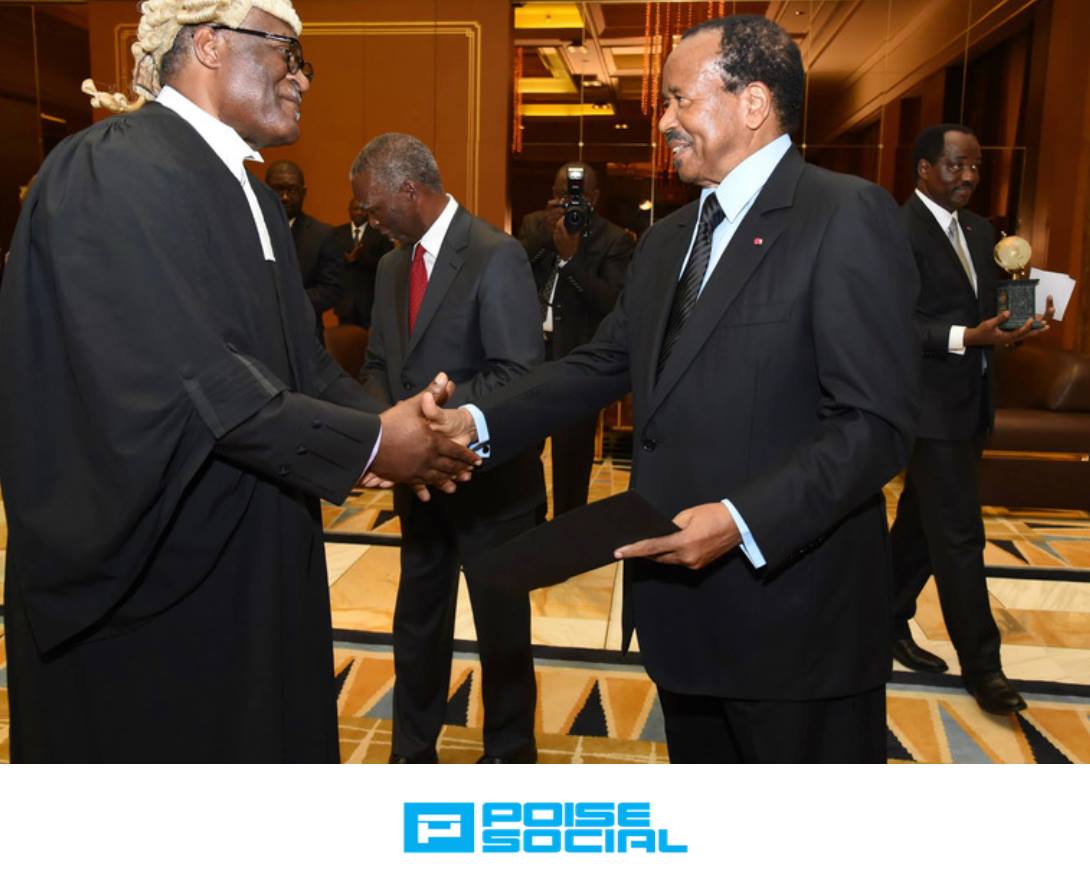
Seven Years of Doom: Youth, Leadership, and the October 2018 Election
Written on the eve of Cameroon's October 2018 presidential election, this piece indicts the gerontocratic stranglehold on power, arguing that aging leaders are structurally unfit to govern a youth-majority nation. The writer surveys the available candidates with scorn, finds none worthy, and predicts the outcome—another term of incumbent rule—with resigned bitterness.
The University of Buea and the Erosion of Institutional Purpose
The writer reflects on a visit to the University of Buea and asks whether the institution has cultivated a coherent identity or aspirational purpose. Through comparison with an American university's compelling brand promise, the piece exposes a deeper crisis in Cameroon's education system: one oriented toward credential-extraction rather than character formation and lasting institutional belonging.

Undereducated, Underemployed, Disoriented, and Under Control: The Plight of Cameroonian Youth
The writer argues that Cameroon's education system, despite proliferating in physical presence, has fundamentally failed its young people. Schools prioritize examination rankings over genuine learning, churning out graduates who are either programmed for failure or burdened with credentials disconnected from real-world capability or personal aptitude.
The Laptop Project: Specifications, Cost, and the Problem of Tied Aid
A technical and financial examination of the government's laptop distribution initiative, assessing the devices themselves against their stated purpose and exposing the structural costs of the tied-loan arrangement that funded them.

A Programmer's Gift: Building Access to Technology for Young Women in Cameroon
An engineer reflects on founding a computer programming club at her former secondary school, motivated by her own lack of early exposure to the field. She argues that technology is an equalizer and that early exposure—particularly for girls—can reshape educational and career possibilities.

The Depreciation of Education: When Schooling Replaces Learning
The writer examines Cameroon's paradox: rapid expansion of schools alongside a collapsing education system that prioritizes exam performance over genuine learning, producing disoriented graduates unprepared for real-world challenges. The piece argues that parental pressure, corrupt institutions, and a curriculum divorced from practical reality have hollowed out the value of formal education.
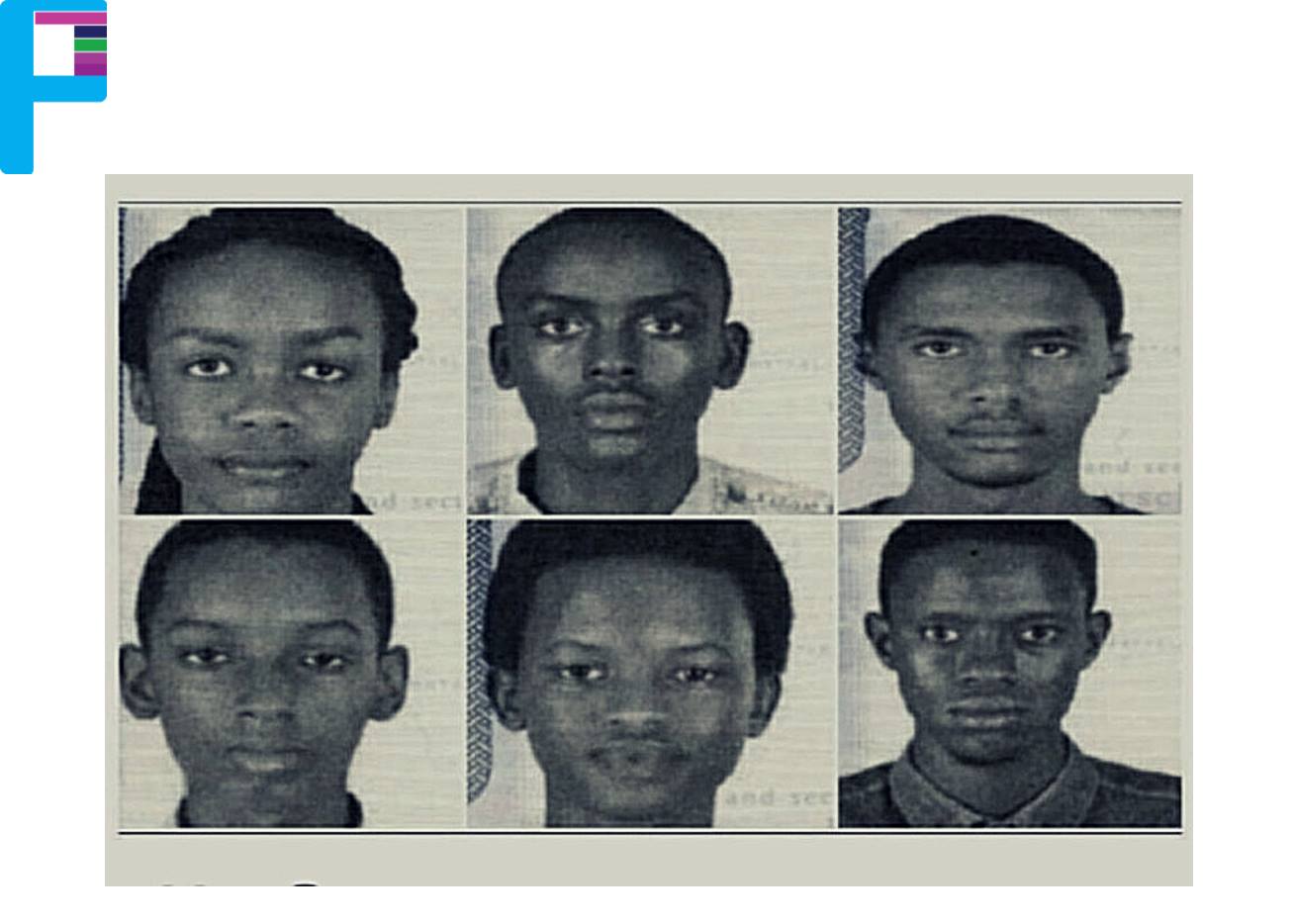
Brain Drain or Brain Waste: On Leaving and Returning
The post reflects on six Burundian robotics students who disappeared in the US during a competition, using their choice as a lens to examine the continent's talent migration. The writer argues that while leaving Africa to develop one's potential may be understandable, the deeper obligation is to eventually return and apply that knowledge at home.