

Gi Yo Ndzi
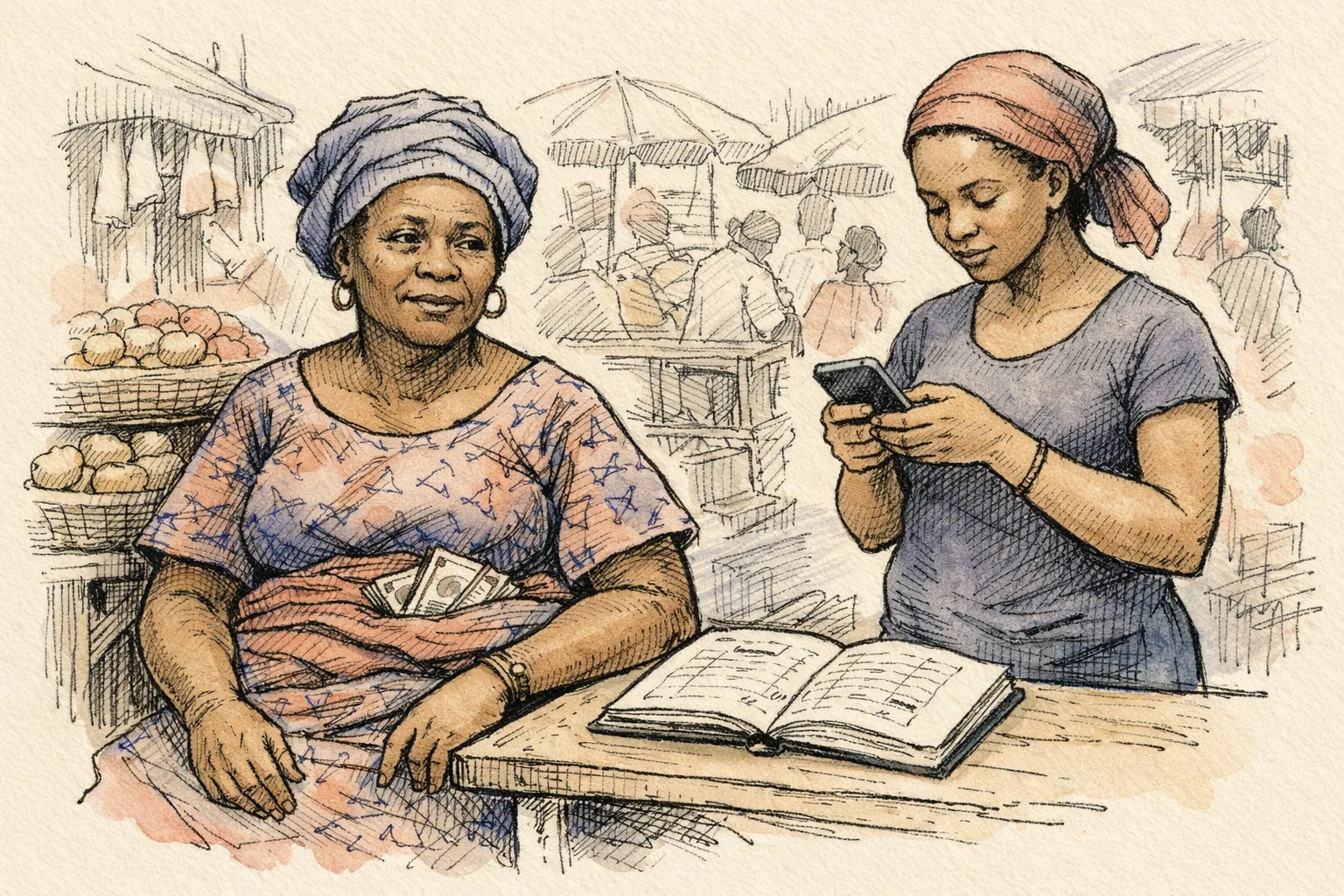
The Wrapper and the Ledger: Money, Accountability, and Wealth in Cameroon's Informal Economy
The writer traces the evolution of personal finance from the informal savings practices of previous generations—epitomized by money kept in a grandmother's wrapper—to the contemporary challenge of managing money in a digitalized, tax-conscious economy. The piece argues that while the tools for financial visibility have improved, the greater threat to wealth accumulation now lies not in sudden loss but in the untracked expense and unmeasured profit that erode resources quietly over time.

The Moment We Missed: Cameroon's Tourism Paradox in the Age of Viral Attention
Reflecting on the IShowSpeed continental tour across Africa in late 2025, this essay examines why Cameroon—despite nearly 930 registered tourist sites and world-class geography and culture—remains marginal in global tourism narratives. The writer argues that the country possesses assets but lacks the systems, infrastructure, and coordinated storytelling required to convert potential into sustained economic performance.

Five Cameroonian Laws Worth Understanding
The writer surveys five significant but underutilized laws in Cameroon's legal framework—covering abortion, underage marriage, arrest procedure, asset declaration, and tax exemption—explaining their actual scope and how citizens can invoke them. The piece treats law not as mere punishment but as a tool that civilians can deploy to protect their rights and interests.
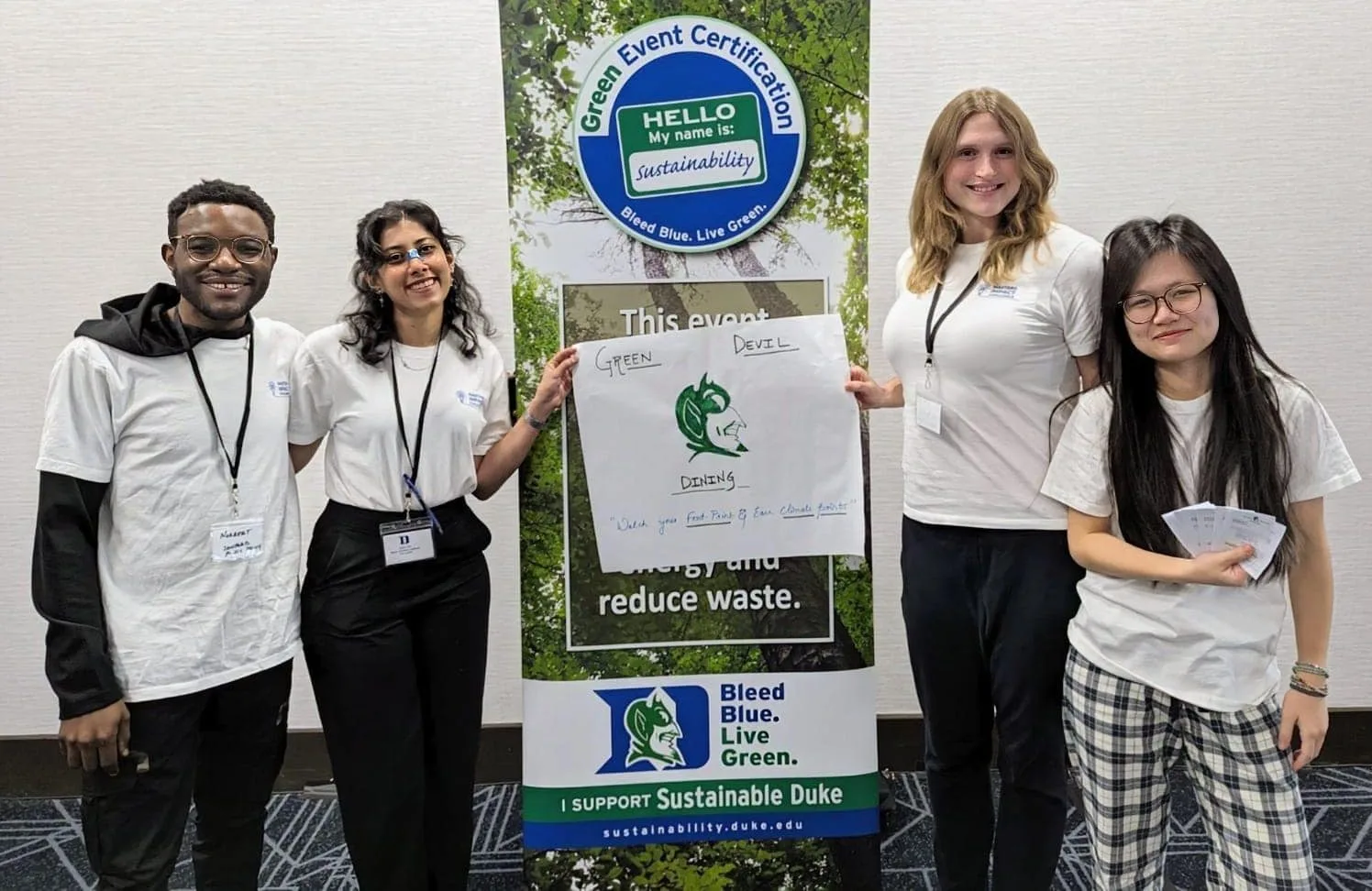
The Carbon Foodprint: How a Duke Team Made Sustainability Visible in the Dining Hall
Norbert Foy and his interdisciplinary team won Duke University's inaugural Masters Impact Challenge by designing a system to display the carbon emissions of each meal sold on campus. The proposal emerged from research showing that most students would choose climate-friendly food if given better information, and aims to turn daily dining into a moment of climate awareness.

The Unfinished Reckoning: Colonial Debt and African Self-Reckoning
A reflection on a staged play about the Nso people's heritage held in German custody, this essay argues that restitution of colonized artifacts is not a distraction from 'real' problems but foundational to addressing them. The writer contends that colonial extraction persists in every contemporary crisis facing Cameroon and the continent.

Breaking the Mold: A Priest-Musician in Service of Both Church and Community
Father Nsaikila Wanyu Elvis Njong, known as Nsay Ki La, is a Roman Catholic priest and accomplished musician who creates liturgical and devotional songs rooted in varied genres—from makossa to afrobeats—and in his native Lamnso language. His work spans sacred music, social witness during armed conflict, and an entrepreneurial approach to gospel that refuses to confine worship to tradition alone.

The Power of Cultural Reference in Cameroonian Hip-Hop
This piece examines how Cameroonian rappers use cultural references—to local history, entertainment figures, political events, and international touchstones—to encode meaning and preserve memory within their work. By tracking references across Tino Foy's EP 'About Time,' the writer shows how such allusions deepen lyrical impact and create a shared archive of lived experience.

The Minister's Promise: Arts Governance and the Weight of Unresolved Conflict
The Minister of Arts and Culture tells parliament that his administration is working to resolve persistent conflicts across Cameroon's arts sector, citing measures to 'clean up the industry.' Yet the same period sees fresh disputes in actors' guilds and ongoing turmoil at SONACAM, the music copyright body, leaving the minister's pledge untested.