
Sports Business
Sports
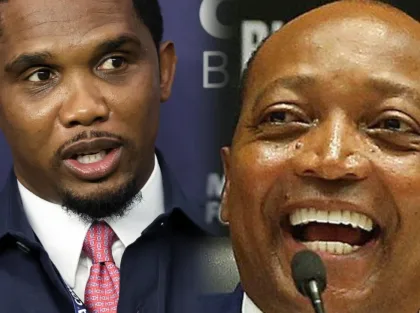
When Speed and Silence Collide: FECAFOOT's Challenge to CAF Procedure
Following a disciplinary sanction against its President Samuel Eto'o, Cameroon's Football Federation raised procedural objections—notably, that CAF issued a four-match suspension and fine without written justification. The dispute illuminates a gap between decisional speed and explanatory transparency in continental football governance.
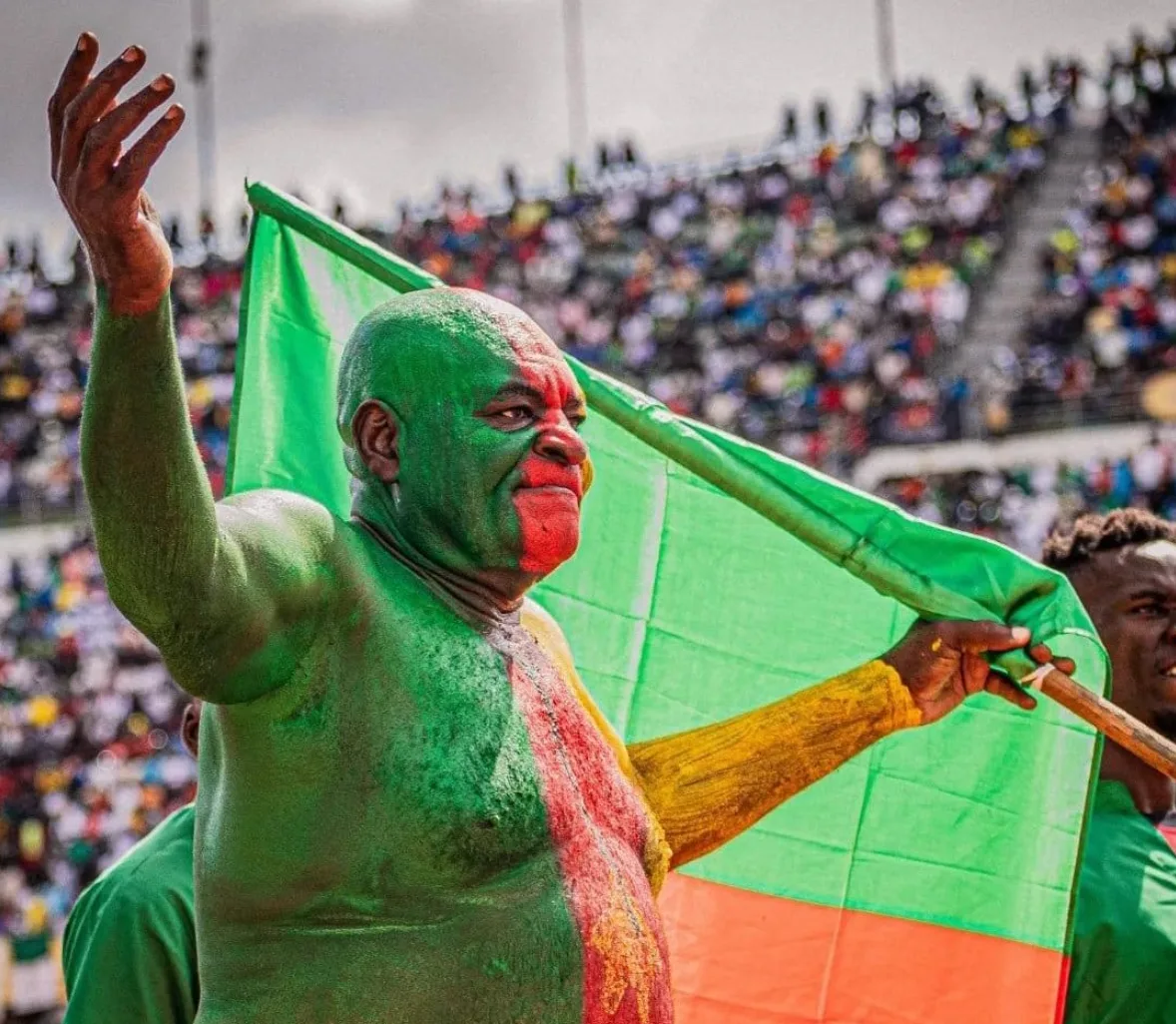
The Unofficial Ambassador: Reputation, Boundaries, and Ngando's Place in Cameroonian Football
A critical reflection on Ngando, a long-standing supporter of Cameroon's national football team, examining the gap between his public image as an informal ambassador and his increasingly problematic behavior seeking financial compensation from players and officials. The writer argues that while Ngando's decades of personal sacrifice merit respect, FECAFOOT must formally end its ambiguous relationship with him to protect Cameroon's reputation.
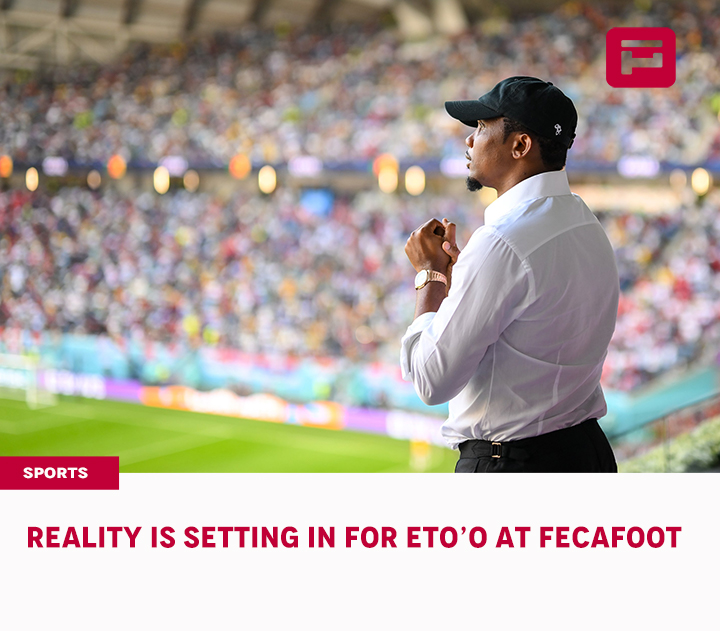
Reality Setting In for Eto'o at FECAFOOT
A year into Samuel Eto'o's presidency of Cameroon's football federation, the initial euphoria has given way to a harder reckoning. The writer examines how his celebrated wage reforms for players—particularly women footballers—have begun to unravel, revealing the gap between administrative ambition and fiscal reality.
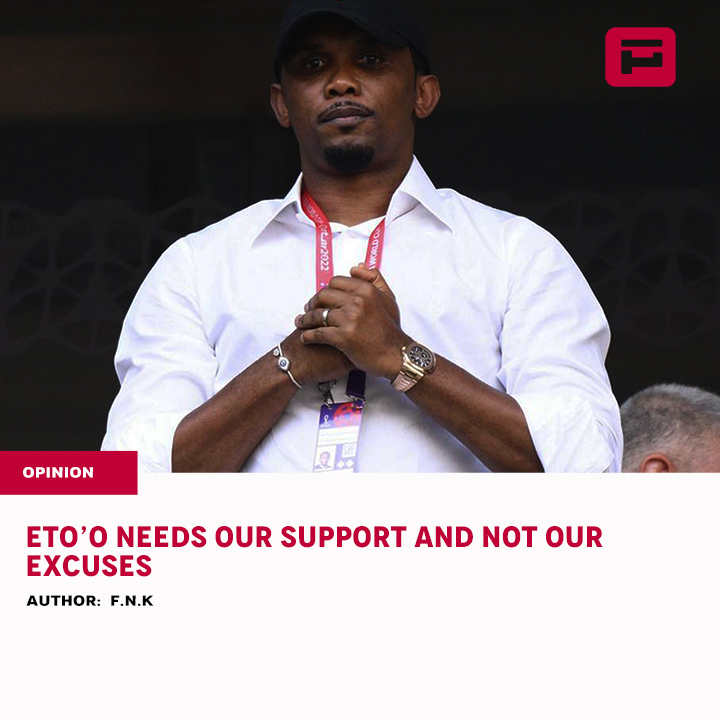
Samuel Eto'o's Violence and the Cameroon We Choose to Become
A critical examination of public reaction to Eto'o's physical assault on an Algerian YouTuber, and the excuses Cameroonians have offered in his defence. The writer argues that as a public figure and government official, Eto'o had a civic duty he failed to uphold, and that normalizing his violence sets a dangerous precedent.
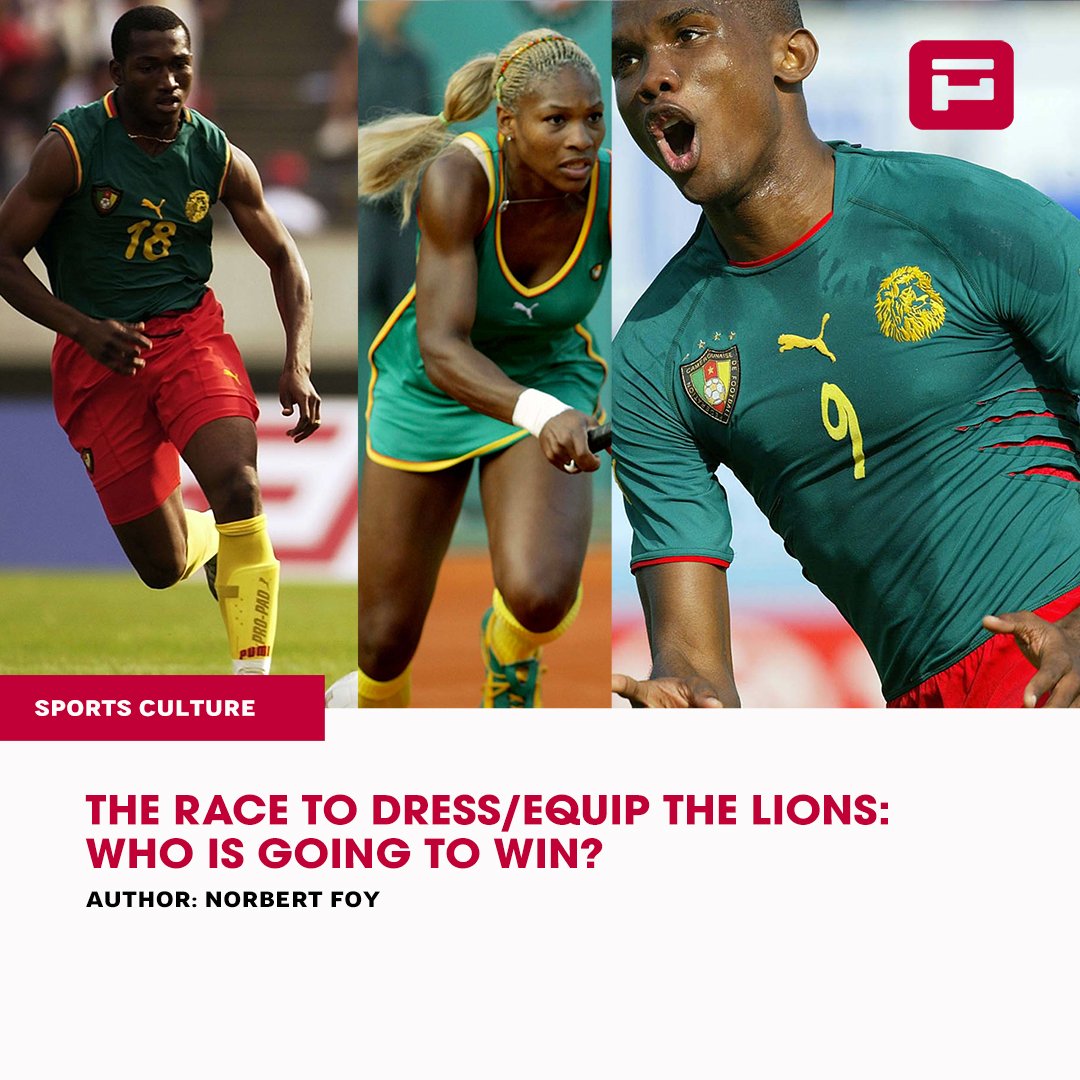
The Lions' Uniform: Pride, Protocol, and Power in Cameroon's Football Identity
This essay traces Cameroon's contentious relationship with FIFA over controversial kit designs—first a sleeveless jersey in 2002, then a one-piece suit in 2004—both banned but worn in defiance. It reads these moments as expressions of Cameroonian pride and explores the symbolic weight of kit partnerships, from PUMA's two-decade alignment with the national team to recent leadership changes that have reshaped who dresses the Lions.
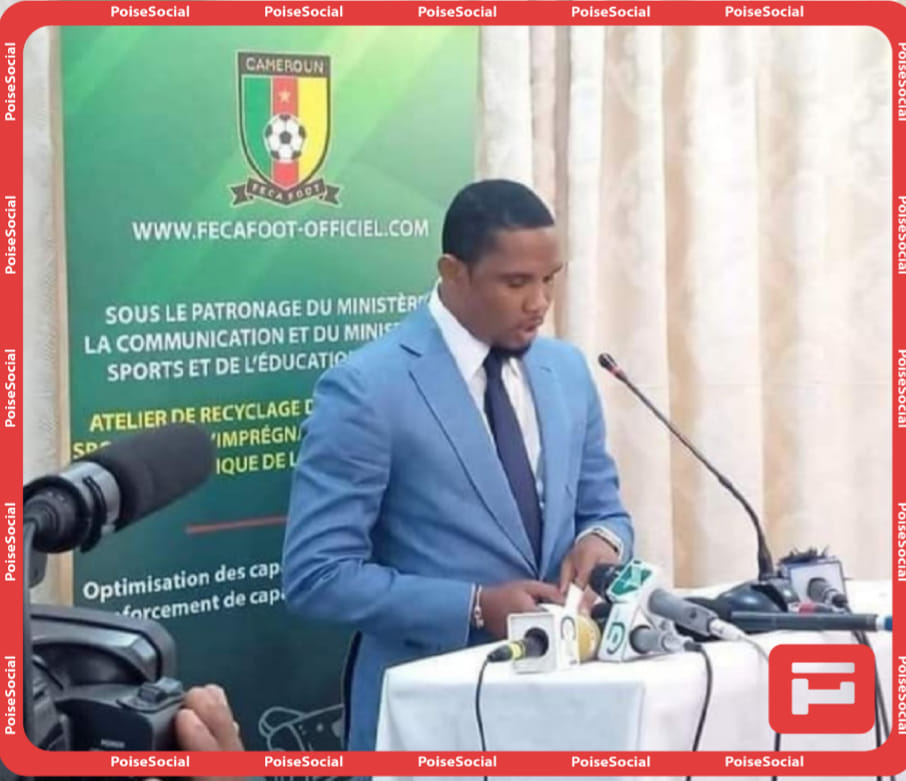
Samuel Eto'o and the Power of Leverage
This essay examines Samuel Eto'o's ascent to the presidency of Cameroon's football federation and argues that his ability to resolve bureaucratic obstruction—notably the recovery of 560 million FCFA in 24 hours—stems from leverage built through his own effort and achievement rather than political patronage. The writer uses Eto'o's example to reflect on how young Cameroonians might construct similar forms of independence and negotiating power.
Athletics as Economic Leverage: Sport's Unfinished Role in Cameroon's Development
The writer argues that Cameroon possesses exceptional athletic talent—evidenced by figures like Samuel Eto'o and NBA stars Joel Embiid and Pascal Siakam—and that systematic investment in sports could become a major economic engine, generating foreign currency and employment. The piece examines how individual excellence has emerged despite systemic constraints, and calls for institutional support to cultivate the next generation of world-class athletes.
The Magasco-Niska Scheduling Clash: A Case Study in Market Perception vs. Market Reality
When Cameroon-based afropop artist Magasco's December concert was scheduled just one day before French rapper Niska's show at the same venue, many assumed deliberate sabotage by the organizing companies. The writer argues instead that in a city of 2.5 million people, both shows can succeed—and that the real issue is local artists' perceived market value compared to foreign performers.
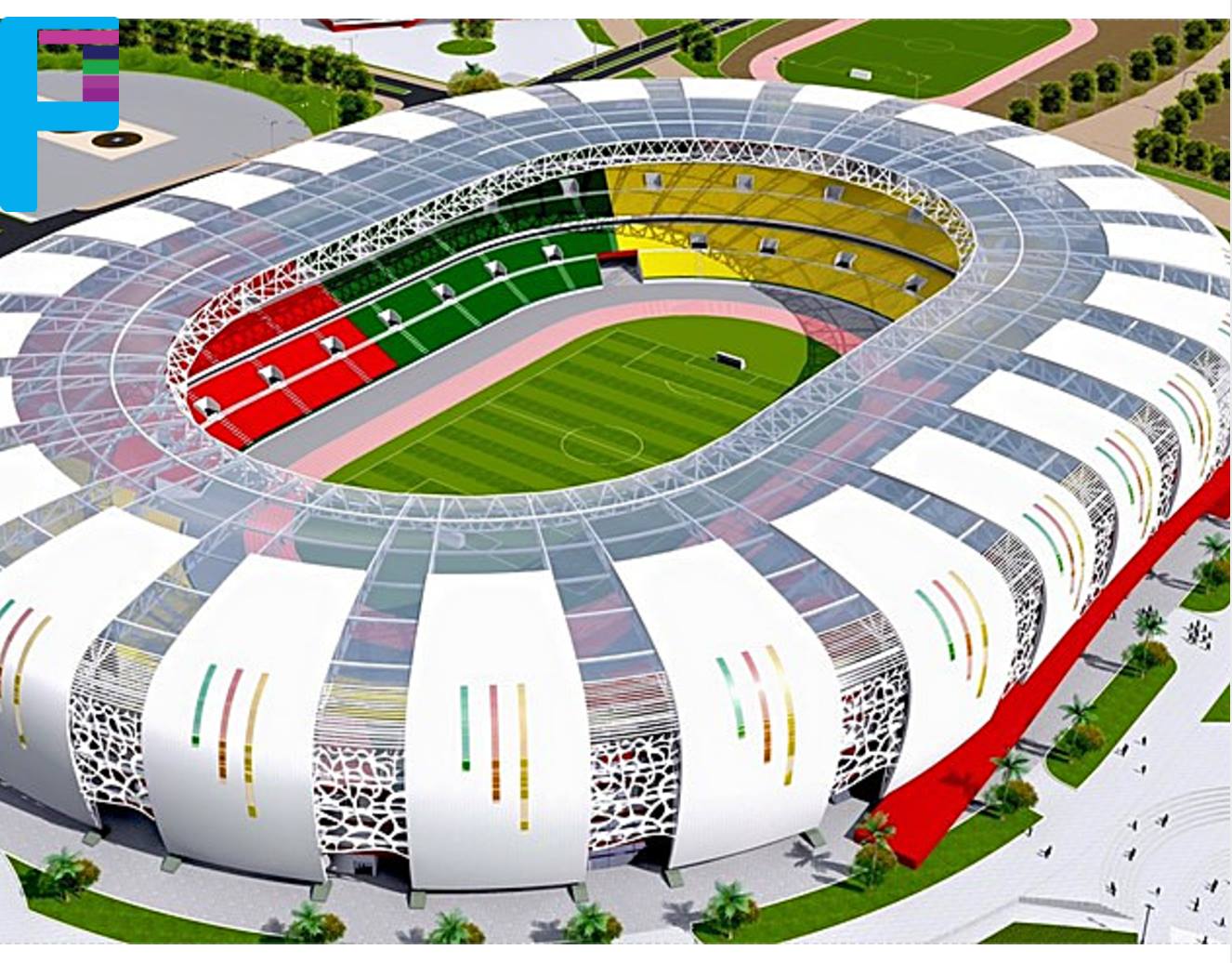
The Empty Stadiums of Africa
The writer argues against Cameroon's bid to host the 2019 African Cup of Nations, contending that the tournament infrastructure perpetuates wasteful spending and serves political theatre rather than genuine development. The piece insists that African nations should build stadiums to serve their own domestic leagues first, not retrofit massive facilities for continental tournaments they cannot afford to maintain.