
Social Media
Technology

When Creator Reach Becomes Infrastructure: The Khaby Lame Deal and What It Signals for Cameroon
A major creator-economy acquisition—the sale of Khaby Lame's company for $900 million in equity rather than cash—marks a quiet shift: influencers are no longer merely marketing channels but infrastructure assets that can be capitalized and embedded in public companies. The deal also reveals a second frontier: the licensing of AI digital twins, which decouples human presence from commercial reach.
When Creator Reach Becomes Infrastructure: The Khaby Lame Deal and the Financialization of Attention
A TikTok star's company sale for $900 million has been widely misread as a cash windfall, but the real story is structural: the deal is equity-settled, and it marks a watershed moment in which creator audiences have become capitalized assets folded into public company valuations. This signals a fundamental shift from influencers as marketing channels to influencers as infrastructure.
Ambition in National Dress: On Influencers, AFCON, and the Language of Marginalization
The writer examines a controversy over Anglophone content creators allegedly excluded from FECAFOOT's AFCON promotional campaign, arguing that the ensuing debate conflates personal ambition with national duty and mistakes popularity for leverage. Rather than address systemic exclusion, the discourse reduces itself to questions of individual selection and visibility.

The Gray Area: Influencers and the Rot of Attention in Cameroon
Poise examines the Cameroonian influencer ecosystem—a sprawling, undisciplined terrain where the term means almost nothing. From beauty merchants to gossip-peddlers, scandal-chasers to TikTok dancers, the writer argues that these figures are either victims of systemic decay or chronic seekers of visibility by any means; either way, they serve a regime's interest in keeping young people numb and distracted.
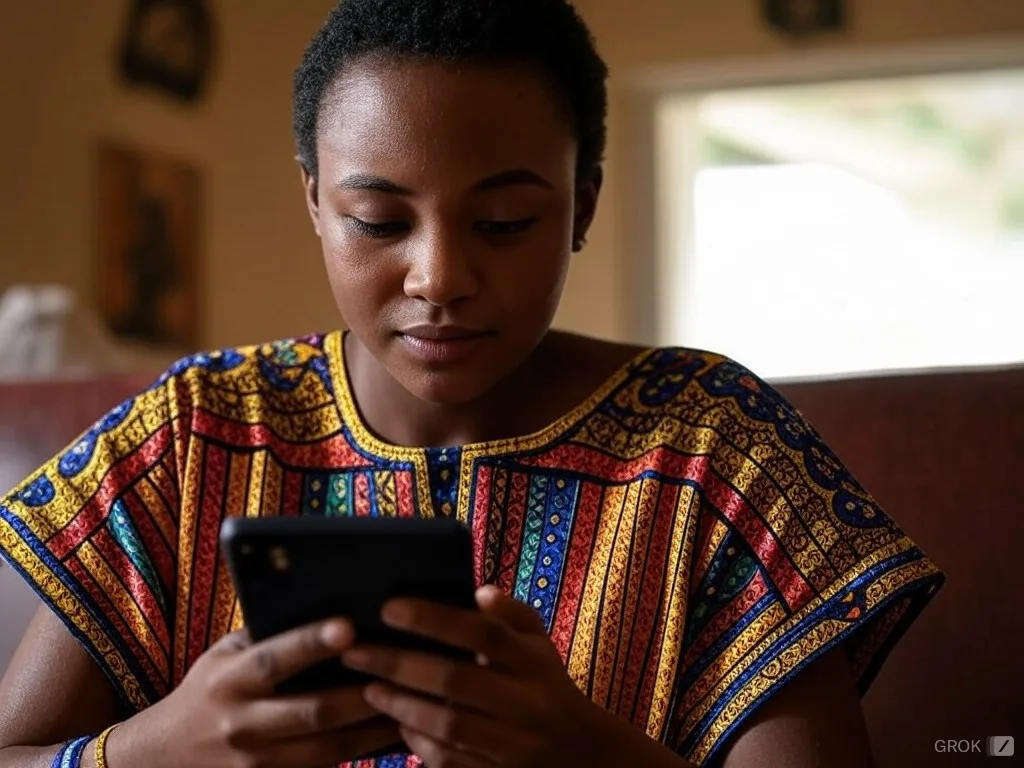
Hide My I.D.: When Confession Becomes Entertainment
This essay examines the transformation of anonymous advice platforms—spaces initially meant for vulnerable people to seek help without shame—into vehicles for public spectacle and trolling. The writer argues that what began as a genuine support mechanism has devolved into a form of social entertainment, where audiences consume others' suffering rather than genuinely engage with solutions.
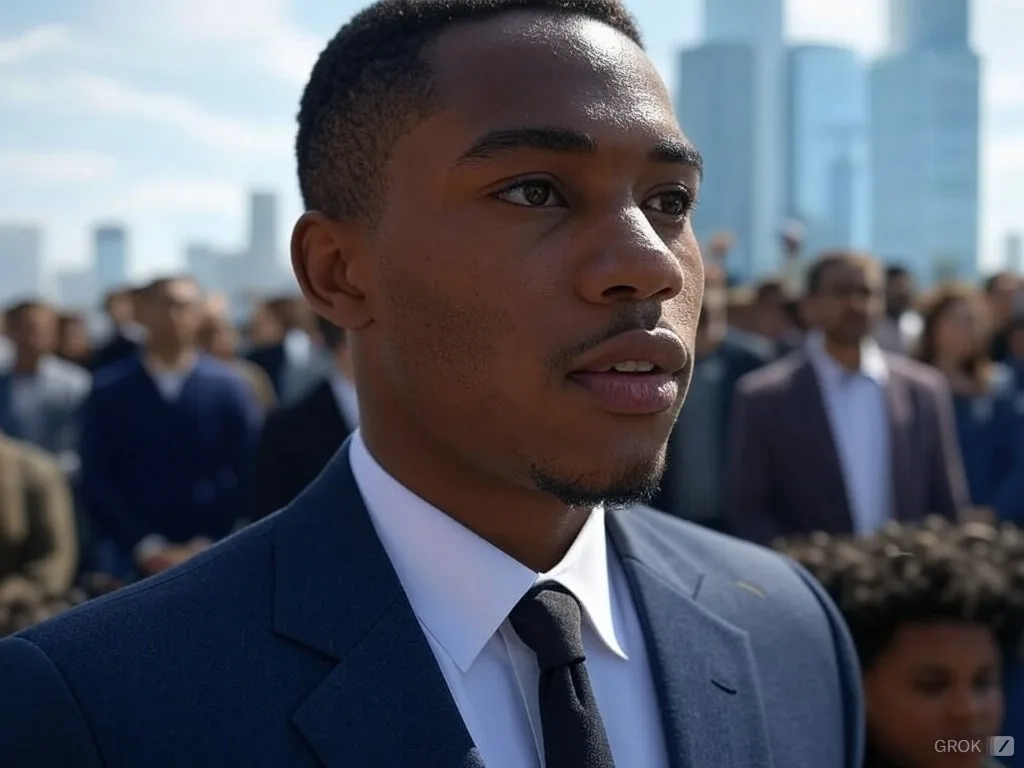
The Peril of Performance: Youth, Social Media, and the Erosion of Serious Political Engagement in Africa
The writer examines how social media's amplification of charisma and visibility threatens to corrupt genuine youth-led political movements across Africa. In Cameroon specifically, the 2025 presidential race is attracting both sincere reformers and opportunists seeking influence rather than power, a dynamic that risks fracturing the very generational energy needed for meaningful change.
We Have an Influencer Problem
The writer examines the degraded state of influence and celebrity in Cameroon, where the term 'influencer' has been stretched to encompass everyone from scammers and gossip-peddlers to those trading in leaked intimate content. The essay argues that this hollowed-out ecosystem serves a regime's interest in pacifying youth while obscuring whether its participants are victims of systemic failure or willing perpetrators of emptiness.
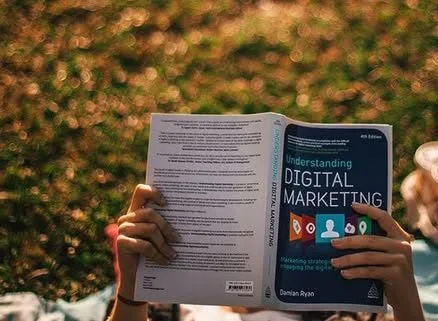
The Rules of Digital Creation: Starting from Fun and Finding Your Why
A practical guide to content creation in the age of smartphones and social media, drawing on nine years of writing experience. The author argues that sustainable, meaningful content comes from fun and clear purpose rather than trend-chasing or pursuit of aesthetics alone.

On the Ridiculous Need to Exploit Virality
The writer critiques the impulse to manufacture permanent internet fame from fleeting viral moments, examining how social media culture in Cameroon pursues and monetizes ordinary people who experience sudden online attention. The piece questions what drives this cycle of commodification and where it leads.

You Are in Control of How Social Media Makes You Feel
The writer examines Lil Nas X's use of provocative imagery—a pregnant belly prosthetic—to promote his album, and the swift social media backlash it provoked. Rather than adjudicate the offense, Poise argues that constant outrage performance on digital platforms has become habitual and exhausting, and that readers retain agency in choosing what deserves their emotional energy.

The Cost of Inflated Credentials: On Platform Responsibility and How We Are Named
The writer examines the gap between the titles platforms assign to their moderators and the qualifications they actually possess, using the case of a prominent relationship advice figure whose followers have died by suicide. The piece argues that this inflation of expertise—endemic to social media culture—carries real consequences for vulnerable people seeking help.
The Case for Creative Hubs in Cameroon
The writer examines the Hype House model—a physical creative collective in Los Angeles where young content creators live and collaborate—and argues that Cameroon's creative industries would benefit from similar intentional spaces for cross-disciplinary collaboration beyond music.
Strategy in the Content Age: When the Music Business Becomes About More Than Noise
The writer argues that while social media has made music into a content business, most Cameroonian artists create noise rather than strategy. True content work—exemplified by Beyoncé's constellation of documentaries, tours, and collaborative projects around a single album—requires intentional positioning and coherent narrative, not merely viral moments.
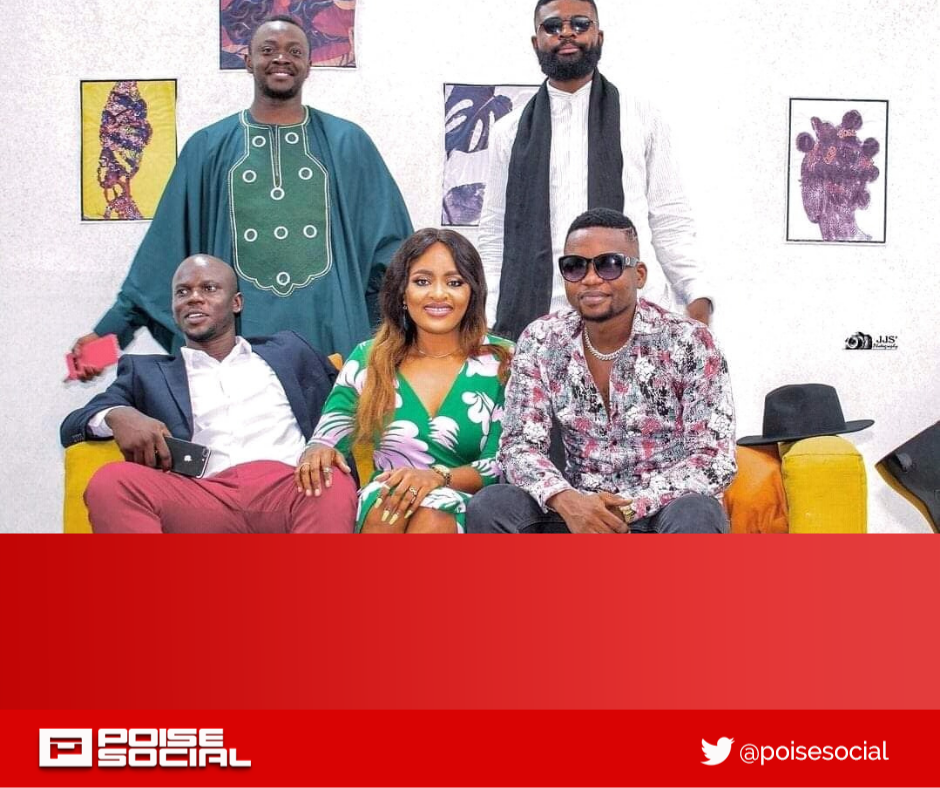
The Republic of Facebook, and Why We Need to Lose Our Citizenship
The writer argues that young Cameroonians, particularly urban musicians and cultural workers, have retreated into a parallel economy and advocacy ecosystem built on social media, crowdfunding, and international networks—while ceding formal political and bureaucratic channels to less capable actors. This abdication, born from justified distrust of a gerontocratic state apparatus, paradoxically ensures their own marginalization from the laws and resources that shape their industries.
Paola Audrey: Building a Niche Audience on the Internet and Scaling It
A reflection on Paola Audrey Ndengue's trajectory as a multidisciplinary content creator and curator across entertainment, politics, and culture. The writer examines how Paola has maintained editorial integrity and niche focus while becoming a trusted reference point in African discourse, resisting pressure to dilute her work for broader reach.
The Social Resume: Building Your Personal Brand Online
The writer reflects on how a consistent, public body of work on social media—a

Building Credibility in the Digital Age: The Social Resume
The writer reflects on how consistent, public work on social media—specifically through PoiseSocial—transformed professional opportunities that had previously been closed. A story of rejection from a magazine publisher becomes acceptance years later, not because the writer asked again, but because a visible body of work now spoke for itself.
Reach Without Influence: Why Social Media Metrics Mask the Absence of Purpose
The writer argues that the pursuit of likes, follows, and engagement metrics has become decoupled from any meaningful intention or value creation on social media. Without a clear editorial direction and mission, accumulating attention becomes an end in itself rather than a tool for building genuine influence.
The Illusion of Influence: Why Follower Count Doesn't Equal Market Power in Cameroon
This piece examines the gap between social media followings and actual influence, arguing that true influencers must create sustained value rather than simply accumulate followers. Using examples from Marques Brownlee to local Cameroonian personalities, the writer demonstrates why influencer marketing remains largely ineffective in Cameroon's limited digital ecosystem.
The Mboko Question: Movement or Mirage?
The writer examines the claim that 'Mboko' constitutes a coherent cultural movement, finding instead a set of aesthetics and behaviors untethered to substantive ideology or historical grounding. Through comparison to Hip Hop's documented origins and structure, the piece interrogates what Mboko actually stands for—and concludes it stands for little beyond consumption and online performance.
Reach Without Influence: On Purpose in the Attention Economy
The writer examines the hollow pursuit of likes, follows, and attention on social media, arguing that most users—including aspiring influencers—chase metrics without defining why they are online or what they hope to build. Real influence, the argument goes, comes from deliberate mission, consistent value-creation, and editorial clarity; reach without it is a vulnerable position that often breeds insecurity and professional decay.
Celebrity, Craft, and the Confusion of Packaging: A Cameroonian Reckoning
On the occasion of the editor's first year, Poise examines how Cameroonian youth confuse celebrity with image—mistaking fashion, scarcity, and aesthetic performance for the work ethic, integrity, and genuine audience-building that produce real fame. The piece argues that social media's democratization of fame has paradoxically made young talent chase a manufactured ideal, often to the detriment of their actual craft.
Brand Safety and the Price of Representation
A reflection on the backlash to a Cameroonian artist's fashion choices at a public event, and what it reveals about how local companies assess risk when selecting brand ambassadors. The writer argues that while integrity and talent should matter most, companies in Cameroon rely on visible markers like appearance because they are easier to evaluate and defend.

Social Media as a Tool for Accountability: Beyond Distraction
The writer argues that social media, despite its capacity to spread misinformation, remains the only accessible platform where ordinary Cameroonians can voice grievances about systemic failures—health, education, corruption—that traditional media deliberately ignores or downplays. Where state broadcasting is captured by government pressure and commercial interests, social platforms offer an unmediated channel; their suppression reflects those in power fearing organized public discourse.
Social Media and the Dopamine Trap: Life Behind the Filter
The writer examines how social media platforms—Facebook, Instagram, Snapchat—have become engines of approval-seeking behavior, driven by dopamine hits from likes and comments. Beneath the curated highlight reels of others' lives, users experience rising anxiety, low self-esteem, and a compulsive need for external validation that masks deeper personal struggles.
The Fragility of Free Platforms: Music Distribution in Cameroon at a Crossroads
The writer examines the precarious position of Cameroonian artists and fans following SoundCloud's financial crisis and rumored closures, alongside anticipated changes to YouTube. The piece considers whether the collapse of these free global platforms might create space for African-owned alternatives to serve local creators.