
Macroeconomics
Economy & Finance
Professional Colonization: Why Africa's Industrial Future Depends on Education
The post argues that African ownership of mega-projects like the Dangote refinery means little if foreign expertise operates them. While a
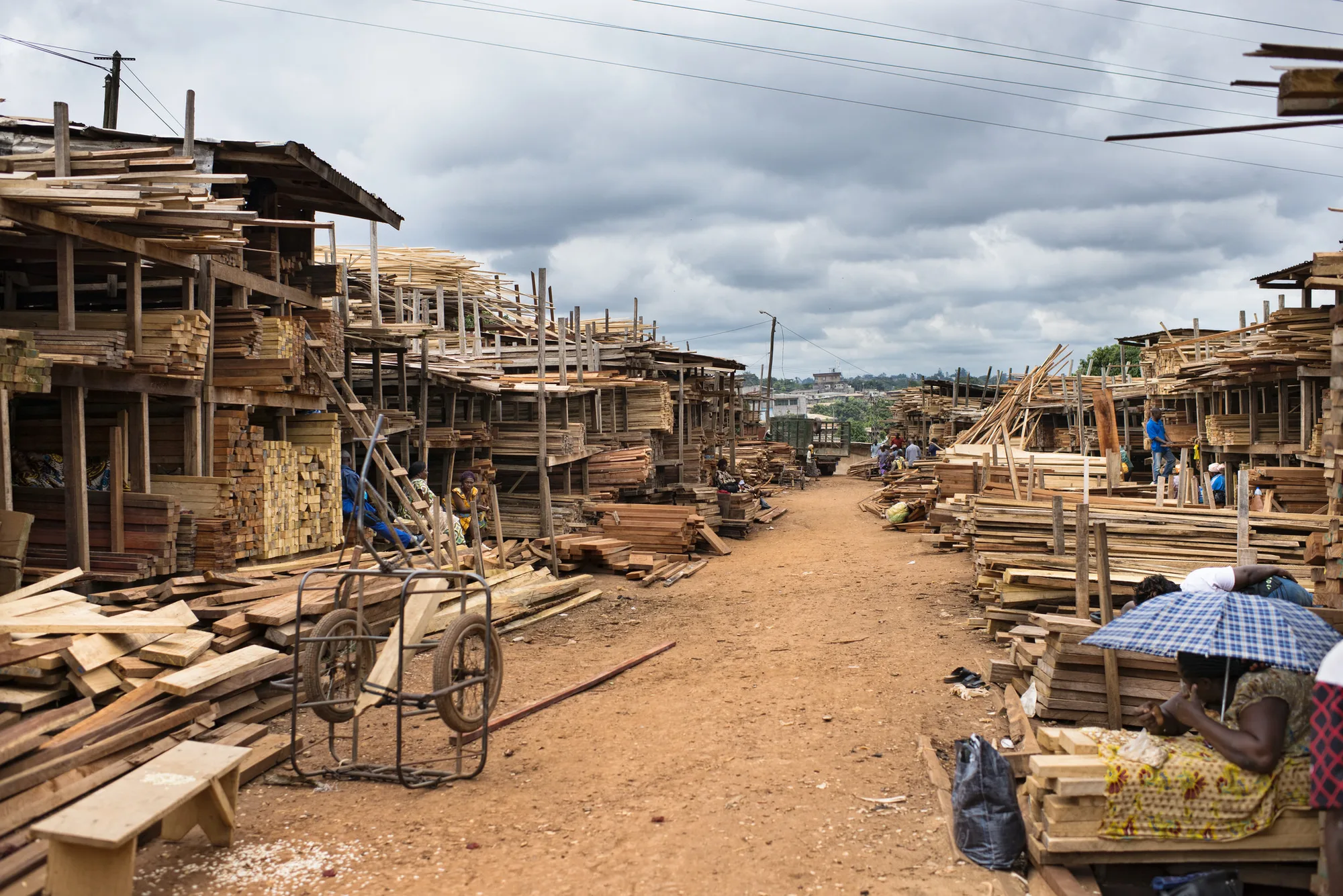
Nine Pillars of Cameroon's Economic Transformation: A Government Development Strategy
This piece outlines Cameroon's nine-sector development strategy for structural economic transformation, detailing government priorities and investment targets across energy, agribusiness, digital technology, forestry, textiles, mining, hydrocarbons, and related fields. It serves as a practical guide for entrepreneurs and public contractors seeking to identify where government support, subsidies, and contracts are likely to flow.

The Case for Social Capitalism: Markets with Guardrails
The writer argues that unfettered capitalism, particularly as practiced in Cameroon, widens inequality and entrenches privilege, and makes the case for a regulated social capitalist model in which government ensures universal access to public goods and competitive opportunity for all.
Changing the Game in Africa: On Development, Leverage, and the Right Questions
The writer challenges Africa's wholesale adoption of Western development models—tall glass buildings, foreign currencies, imported governance structures—arguing instead that Africa's true assets lie in its people, cultures, and indigenous creativity. The piece calls for a deliberate pivot away from mimicry and toward systems built from African premises.
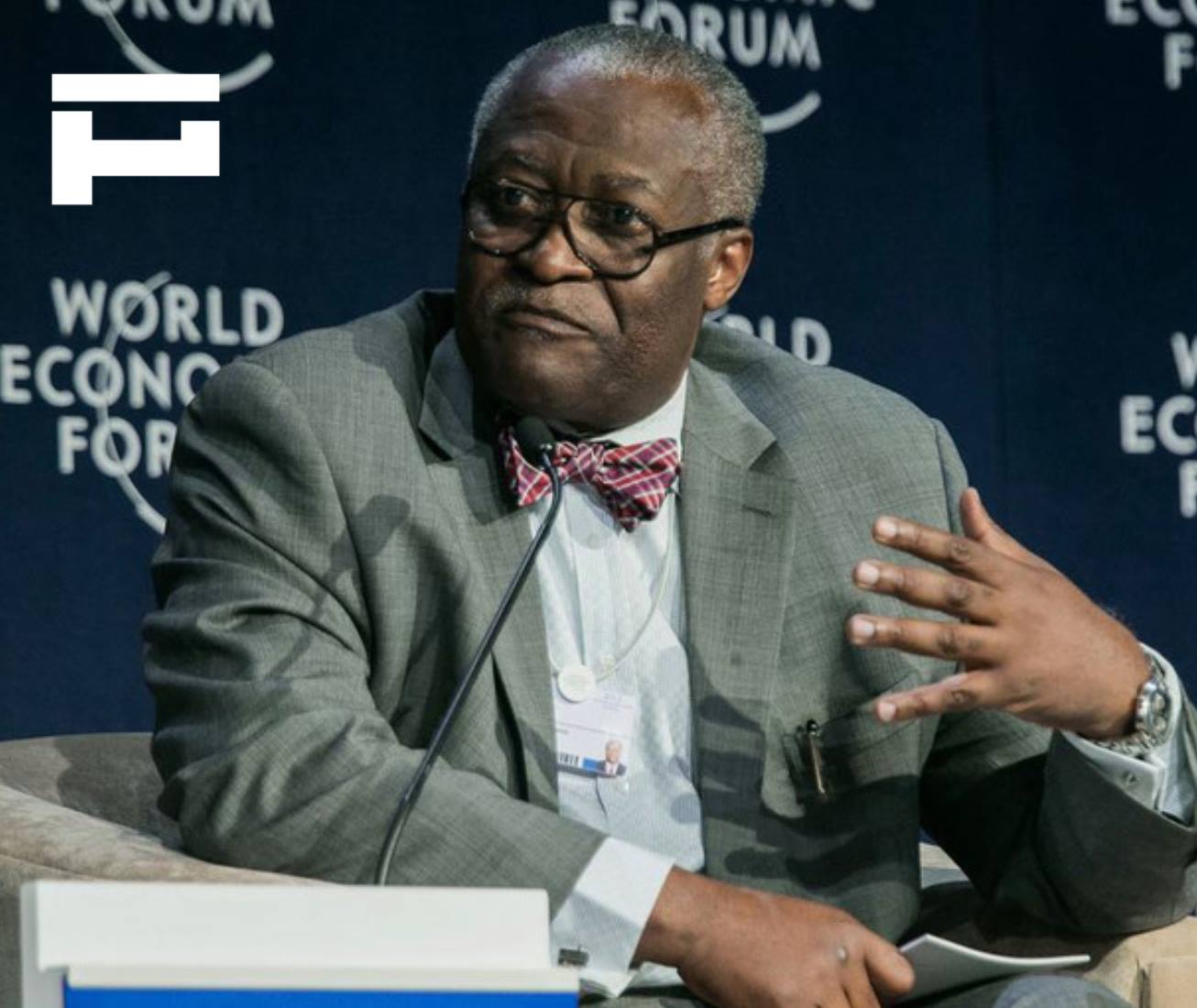
Is Africa's Progress an Illusion? GDP, Debt, and the Myth of Growth
The writer argues that African GDP growth figures, often cited by governments as proof of economic success, mask a deeper structural problem: rising debt and misallocated resources that leave ordinary citizens worse off. GDP measures financial activity, not wellbeing or efficiency, and serves primarily to obscure the neocolonial extraction of wealth through international institutions.
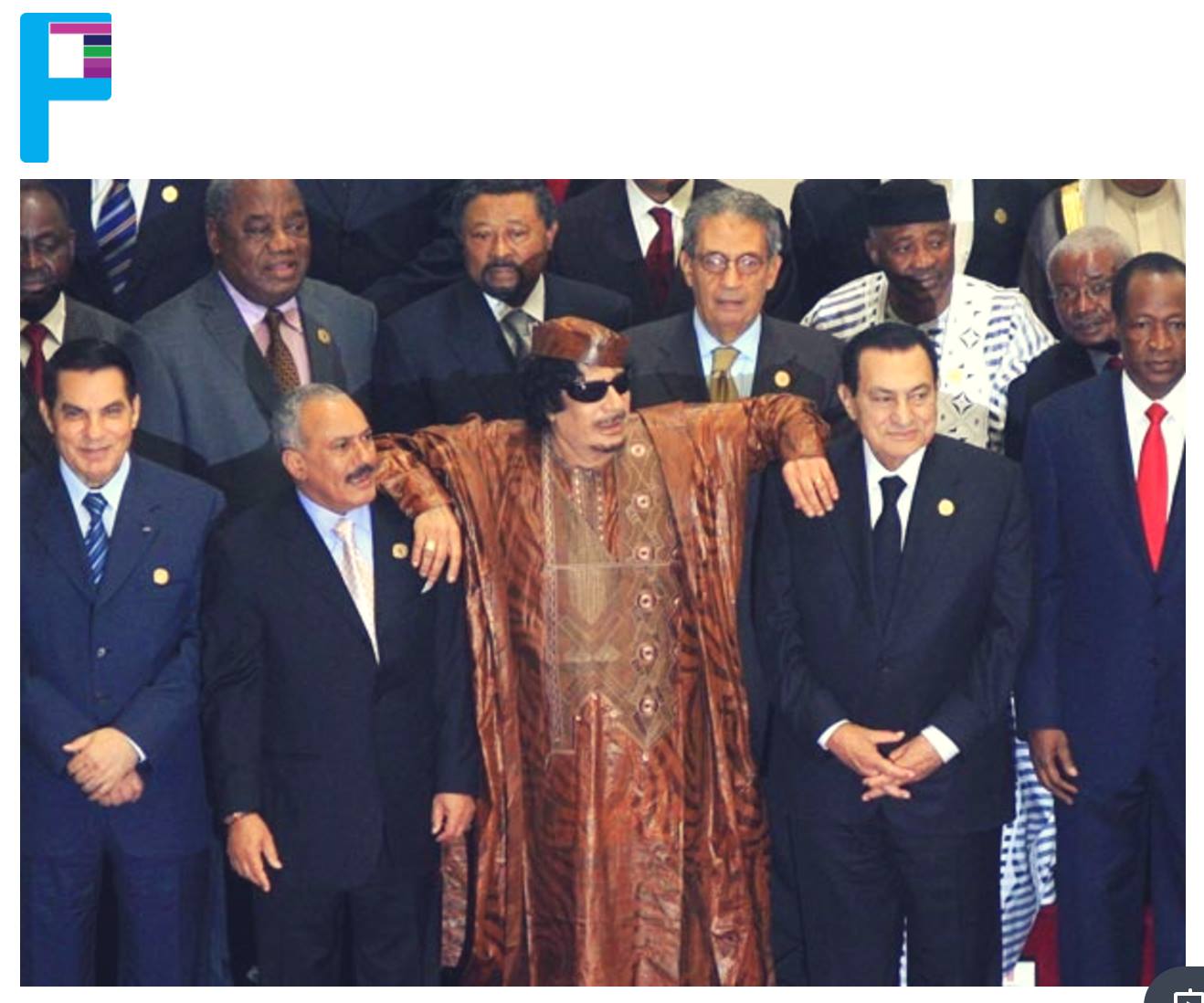
Is Africa's Progress an Illusion? On GDP, Debt, and Economic Sovereignty
This piece interrogates Africa's reported GDP growth as a misleading metric that masks debt accumulation, capital flight, and the persistence of extractive financial systems. The writer argues that governments leverage rising GDP figures to justify policies while citizens experience stagnant or declining quality of life, and traces this vulnerability to the structural dependence of African economies on Western-controlled institutions.