
Inequality
Society & Culture
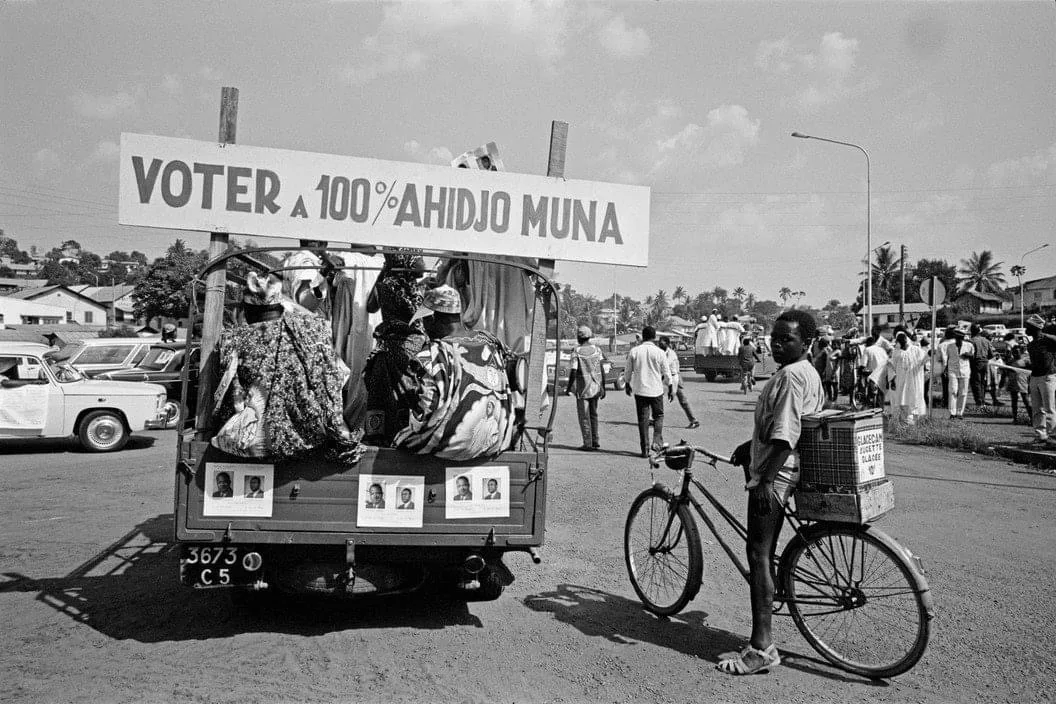
The Case for Social Capitalism: Markets with Guardrails
The writer argues that unfettered capitalism, particularly as practiced in Cameroon, widens inequality and entrenches privilege, and makes the case for a regulated social capitalist model in which government ensures universal access to public goods and competitive opportunity for all.
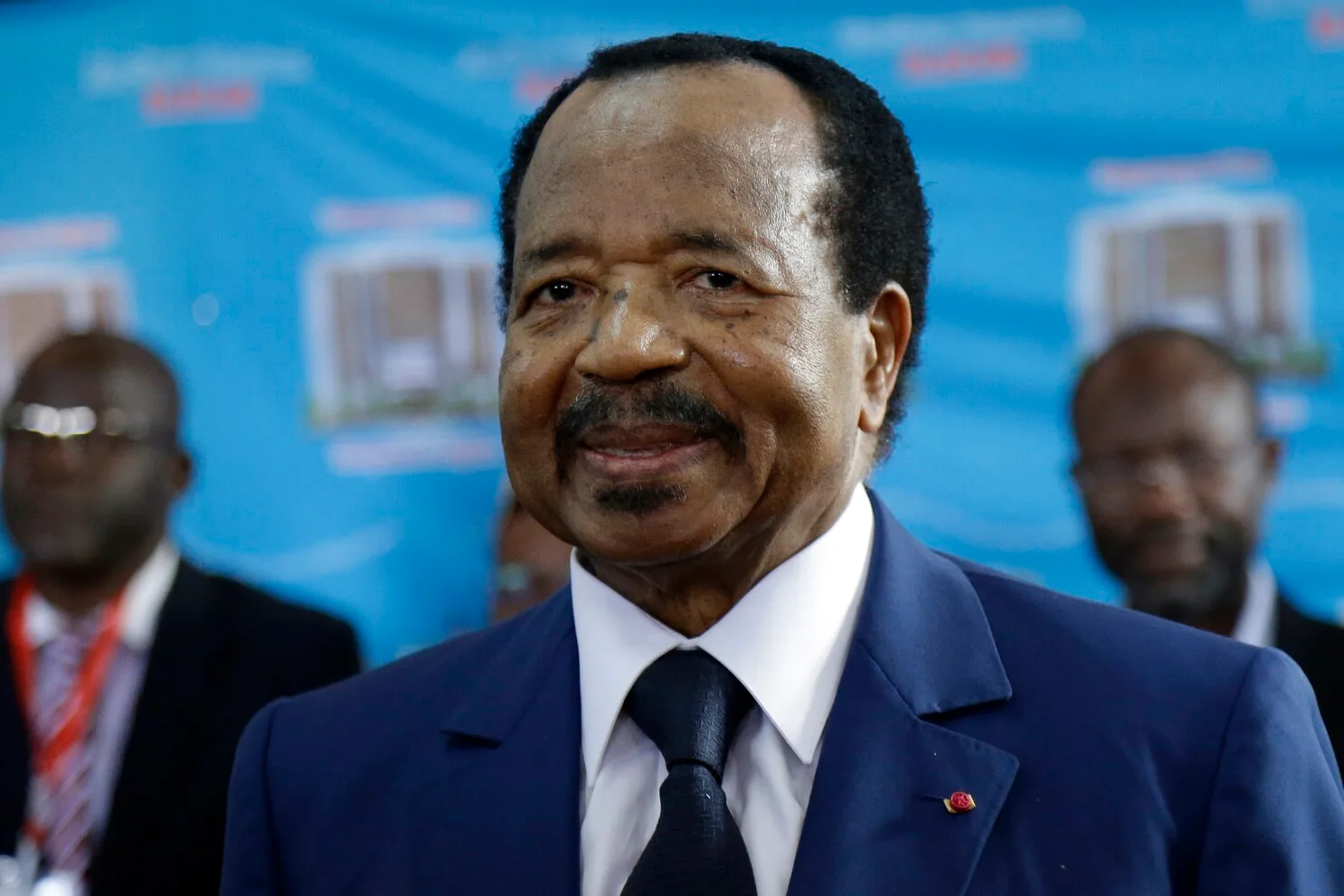
Six Cameroon Types: A Taxonomy of Power, Aspiration, and Survival
The writer sketches six distinct social archetypes within Cameroon—from the privileged beneficiaries of state patronage to the disenfranchised survivors—each with a different relationship to power, money, mobility, and hope. The framework maps not individuals but patterns of thinking and behavior that emerge from systemic inequality and limited mobility.
Poverty Porn and Urban Music in Cameroon
The writer examines the prevalence of manufactured hardship narratives in contemporary urban music across West Africa and Cameroon—artists from privileged backgrounds invoking poverty, struggle, and 'ghetto' credentials as a genre convention borrowed uncritically from hip-hop's authentic roots.
Beyond Money: The Architecture of Cultural Capital
The writer examines Pierre Bourdieu's theory of capital—economic, social, cultural, and symbolic—to argue that cultural capital (valued knowledge, credentials, and embodied style) may matter more than money for long-term advantage. The internet, by lowering institutional gatekeeping, is democratizing access to cultural capital and rewarding work and creativity more directly than legacy systems ever did.
Internalized Patriarchy: Women as Its Custodians
This piece examines how patriarchy persists not through male coercion alone, but through women who have internalized sexist norms and pass them to others—mothers who enforce shame around menstruation and sexuality, aunts who blame female victims, and communities that subordinate women's ambitions to marriage prospects. The writer argues that these internalized beliefs, absorbed from childhood, have become so normalized that women mistake compulsion for choice.
Body Shaming and the Work of Self-Knowledge
A personal account of being body-shamed from childhood through adulthood in Cameroon, and the slow, deliberate work of recovering confidence in one's own body. The writer argues that society's narrow beauty standards—enforced by media, advertising, and casual cruelty—damage mental health and self-worth, and calls for a shift toward celebrating bodily diversity and fitness over weight loss.
Cameroon and the Curse of Elitism
The writer traces Cameroon's pervasive culture of elitism—visible in everyday assertions of rank and privilege—to a foundational inferiority complex among the post-colonial elite, who internalized French assimilationist values and now maintain power through deliberate social and economic stratification.

The Broken Arm and the Burying Ground: A Cry Against Collapse
Written in vigorous Pidgin English and Cameroon street vernacular, this poem is a raw indictment of political failure, state violence, and the everyday sufferings of ordinary people. The speaker moves from personal grief to systemic brutality—extrajudicial killings, electoral theft, the silencing of dissent—painting a portrait of a state that has abandoned its citizens.
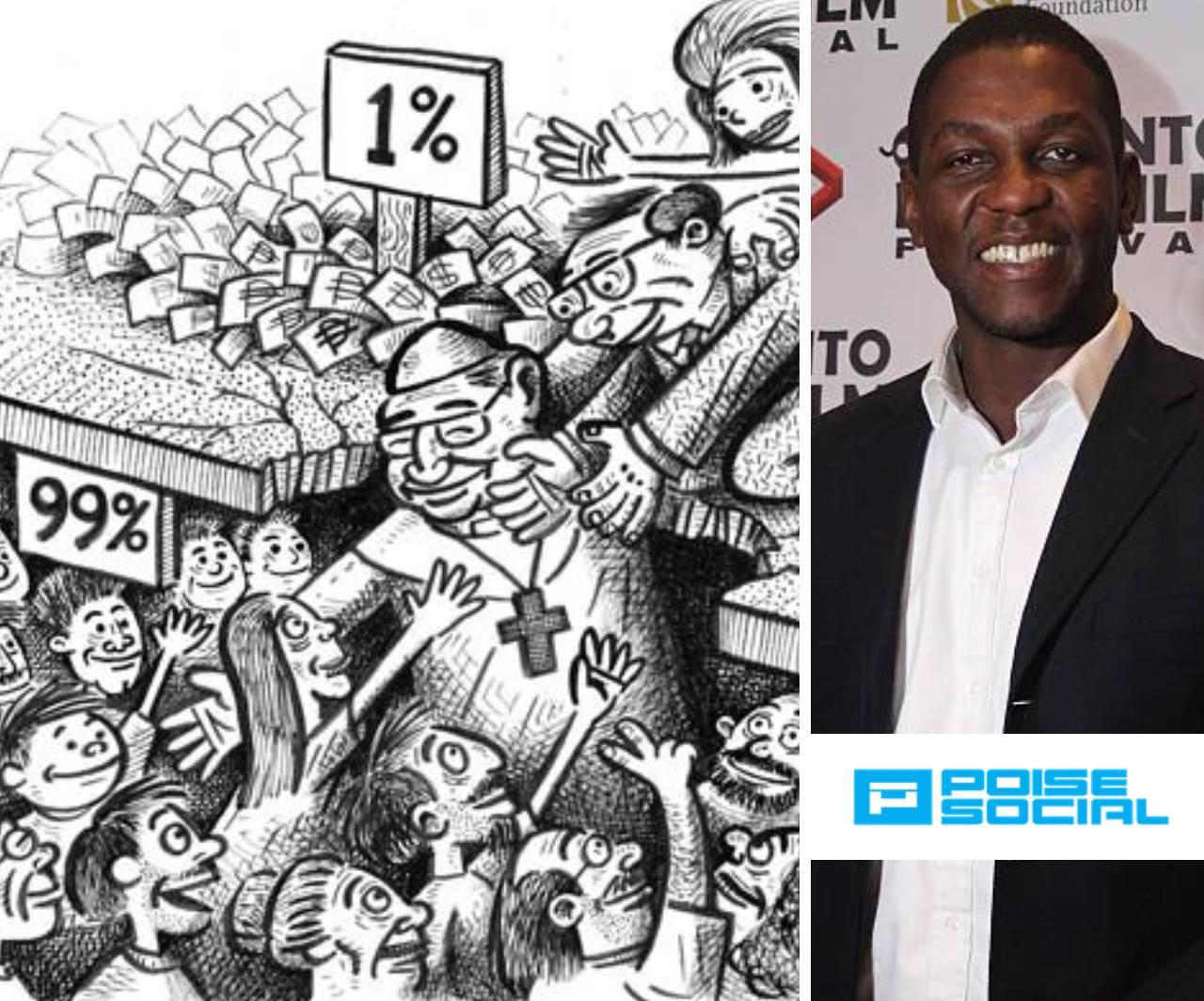
Why Rich People Don't Have Poor Friends
A meditation on the fracture of friendship across economic lines, told through the story of two colleagues whose bond survives career loss but fractures upon recovery. The piece examines how proximity to wealth reshapes loyalty, and how the friend who offered shelter during hardship becomes invisible once circumstances improve.
Cameroon and the Curse of Elitism
A minor traffic accident becomes a window into a deeper pathology: the hierarchical stratification of Cameroonian society, in which those with access to power and prestige use the phrase 'Do you know who I am?' as both shield and sword. The writer traces this behaviour to post-colonial inferiority complexes among the educated elite, who internalized French assimilation policies and now maintain their sense of superiority through deliberate economic and social dysfunction.
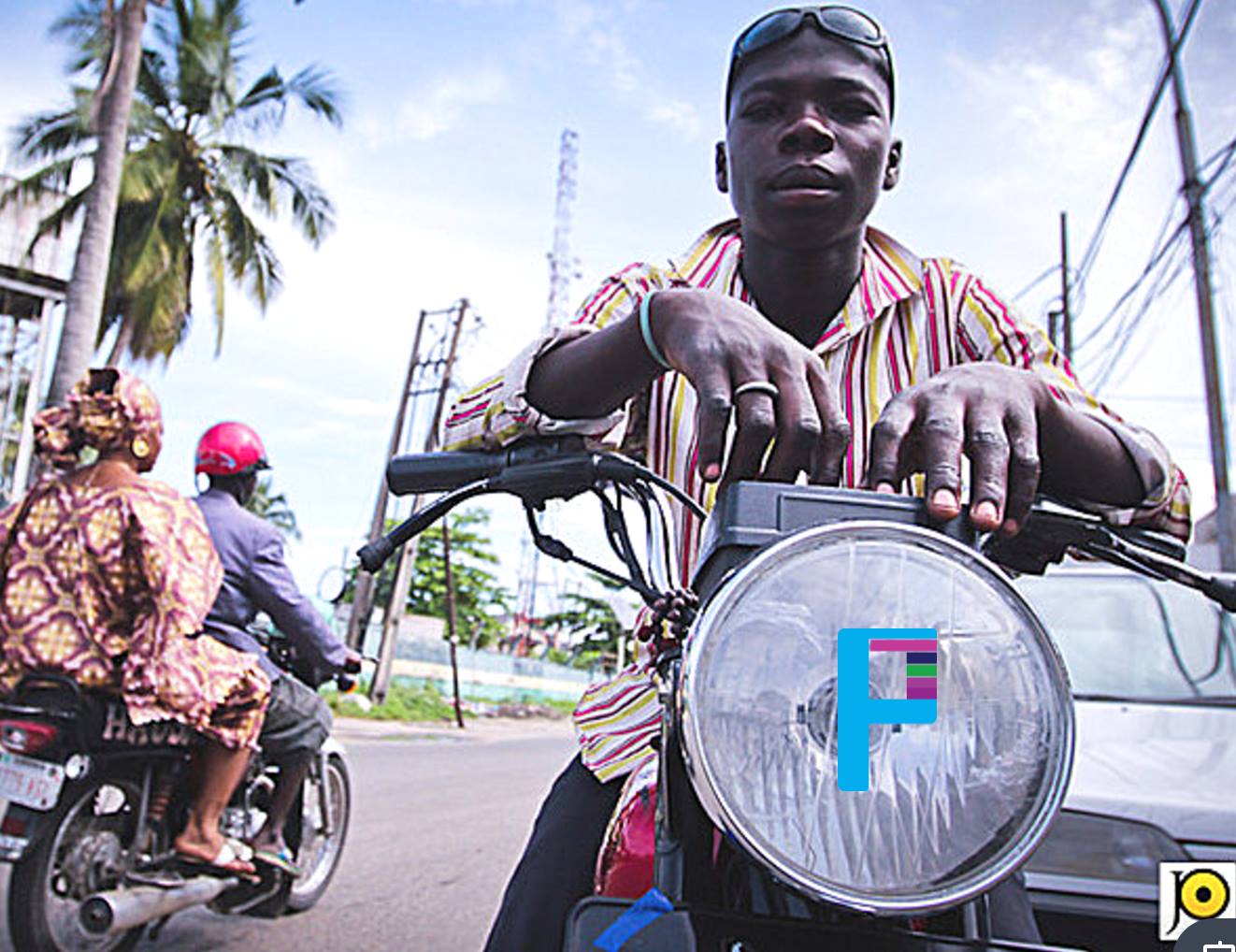
The Okada Man and the Cost of Credentials
A reflection on the okada (motorcycle taxi) driver as economic actor and social mirror in Cameroon, examining how educational prestige and cultural stigma trap graduates in false scarcity while ordinary riders build capital through honest work. The writer questions whether formal education, despite its cost and promise, has actually narrowed rather than widened the range of viable lives.