
Football/Soccer
Sports
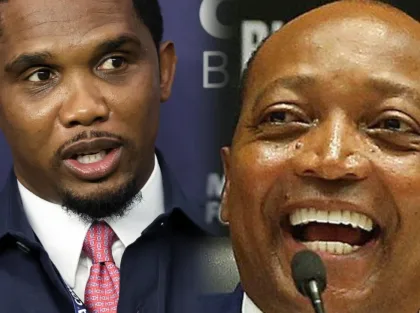
When Speed and Silence Collide: FECAFOOT's Challenge to CAF Procedure
Following a disciplinary sanction against its President Samuel Eto'o, Cameroon's Football Federation raised procedural objections—notably, that CAF issued a four-match suspension and fine without written justification. The dispute illuminates a gap between decisional speed and explanatory transparency in continental football governance.
Côte d'Ivoire: From Elimination to Detention
In 2000, days after the Côte d'Ivoire national football team was eliminated from the Africa Cup of Nations, the country's military regime detained the players and staff at a training camp for what officials called a "civic lesson." The episode revealed how a fragile government weaponized national sport to project strength and discipline during a period of acute political instability.
Zambia's Chipolopolo: Tragedy, Resurrection, and the 2012 AFCON Victory
This essay traces Zambia's national football team from the devastating 1993 plane crash that killed 18 players and staff to their unlikely triumph at the 2012 Africa Cup of Nations. It chronicles how a nation rebuilt its squad in the aftermath and, nearly two decades later, won continental glory in the very city where their heroes perished.
Ambition in National Dress: On Influencers, AFCON, and the Language of Marginalization
The writer examines a controversy over Anglophone content creators allegedly excluded from FECAFOOT's AFCON promotional campaign, arguing that the ensuing debate conflates personal ambition with national duty and mistakes popularity for leverage. Rather than address systemic exclusion, the discourse reduces itself to questions of individual selection and visibility.
The Machinery Behind Celebrity Betting Spectacle
When Francis Ngannou appears to stake millions on a Cameroon match, the post reveals this is not personal gambling but contractual brand marketing. Celebrity betting promotions operate through promotional credit allocations embedded in endorsement deals, creating the illusion of personal financial risk where none exists.
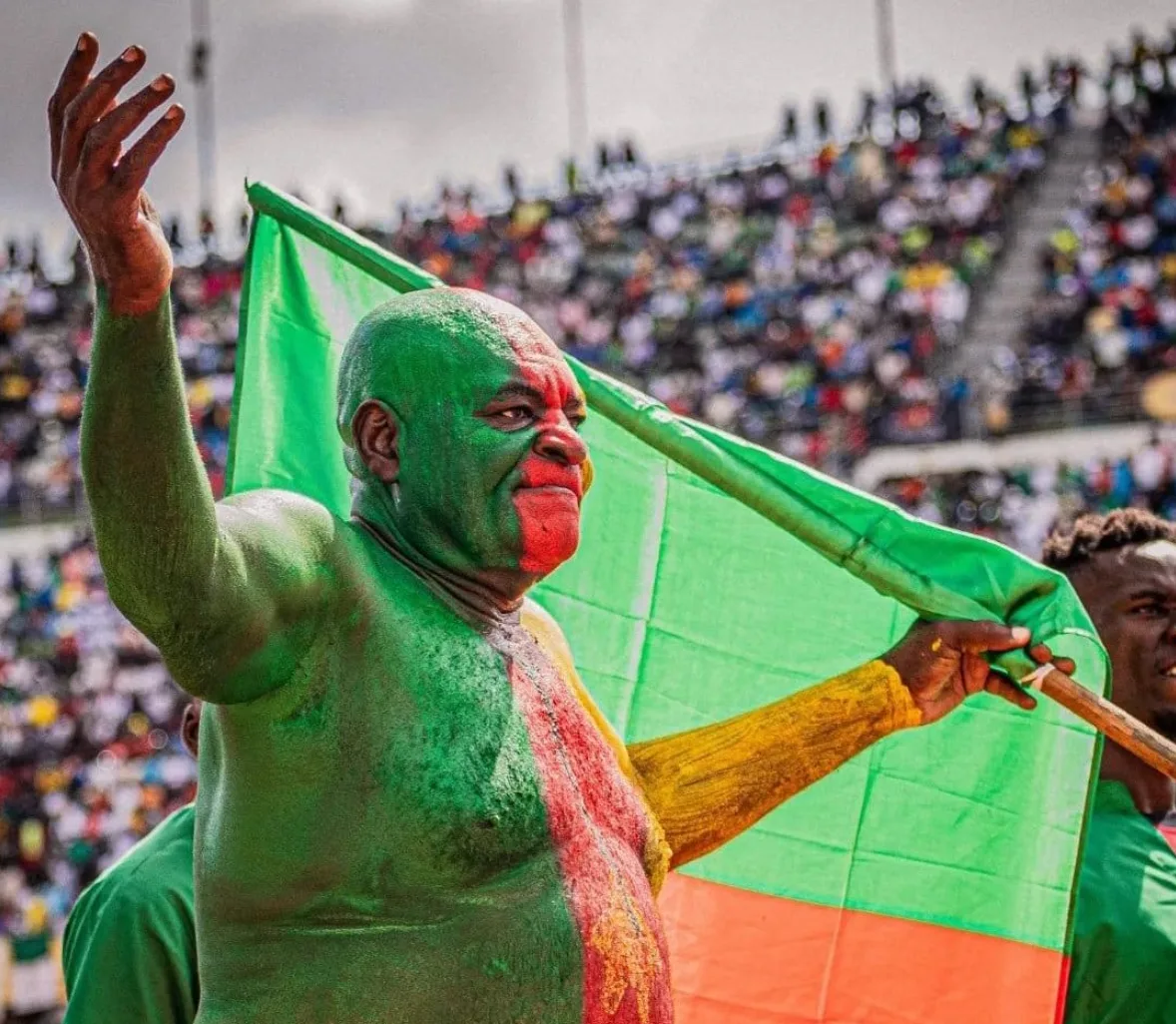
The Unofficial Ambassador: Reputation, Boundaries, and Ngando's Place in Cameroonian Football
A critical reflection on Ngando, a long-standing supporter of Cameroon's national football team, examining the gap between his public image as an informal ambassador and his increasingly problematic behavior seeking financial compensation from players and officials. The writer argues that while Ngando's decades of personal sacrifice merit respect, FECAFOOT must formally end its ambiguous relationship with him to protect Cameroon's reputation.
The Unofficial Ambassador: Governance, Reputation, and Cameroonian Football
A writer examines the decades-long relationship between a devoted but increasingly problematic football supporter and Cameroon's national team, tracing how an unofficial ambassador whose image became inseparable from the Lions evolved from hero to liability—raising questions about institutional responsibility and national reputation.
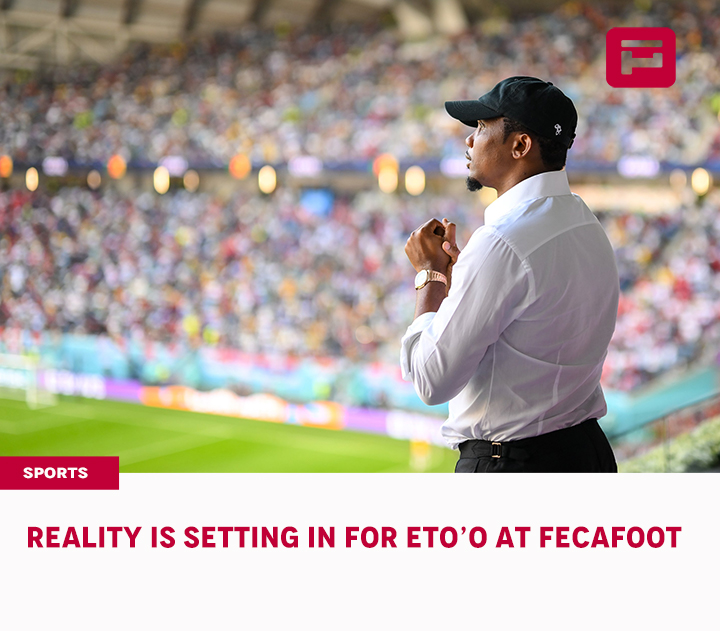
Reality Setting In for Eto'o at FECAFOOT
A year into Samuel Eto'o's presidency of Cameroon's football federation, the initial euphoria has given way to a harder reckoning. The writer examines how his celebrated wage reforms for players—particularly women footballers—have begun to unravel, revealing the gap between administrative ambition and fiscal reality.
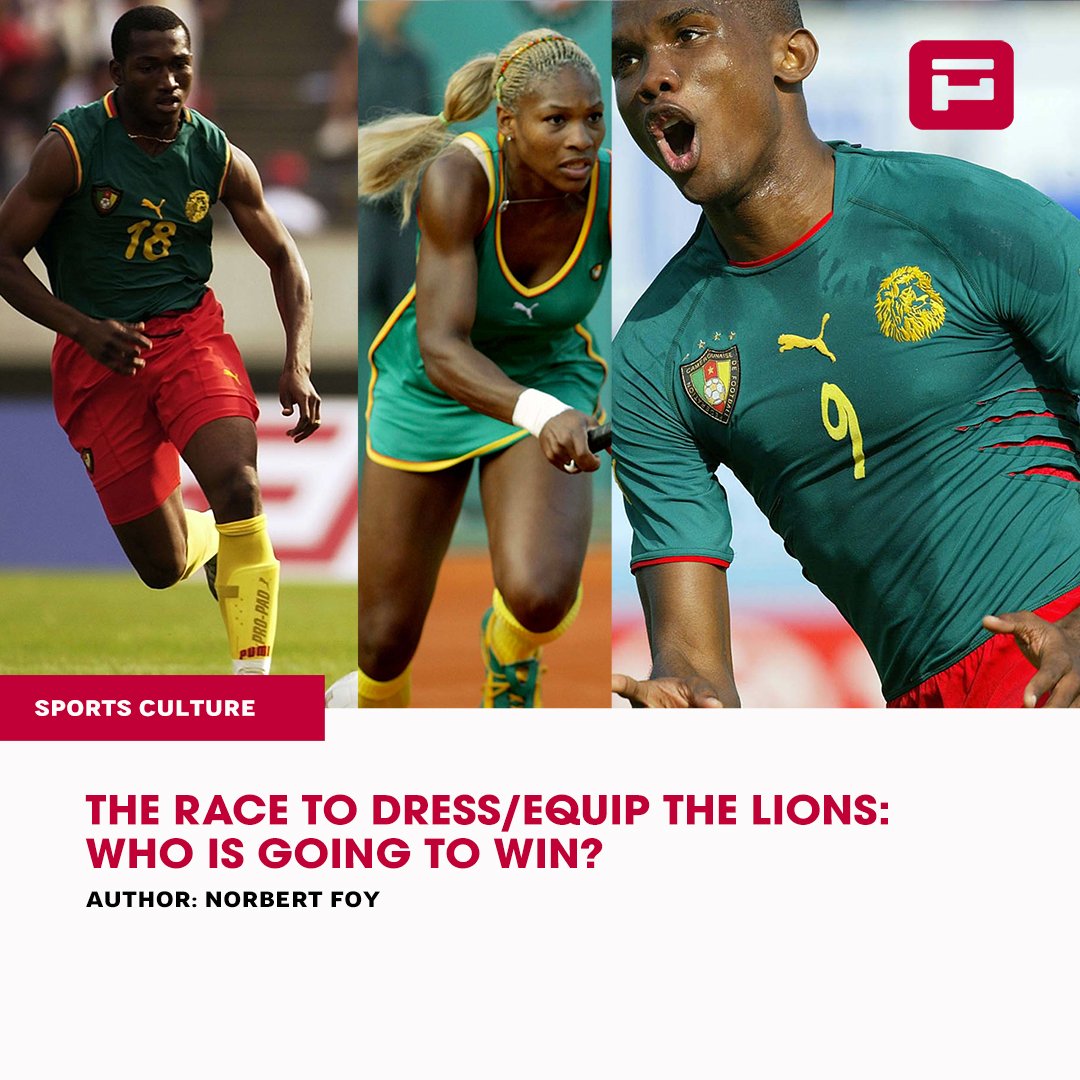
The Lions' Uniform: Pride, Protocol, and Power in Cameroon's Football Identity
This essay traces Cameroon's contentious relationship with FIFA over controversial kit designs—first a sleeveless jersey in 2002, then a one-piece suit in 2004—both banned but worn in defiance. It reads these moments as expressions of Cameroonian pride and explores the symbolic weight of kit partnerships, from PUMA's two-decade alignment with the national team to recent leadership changes that have reshaped who dresses the Lions.
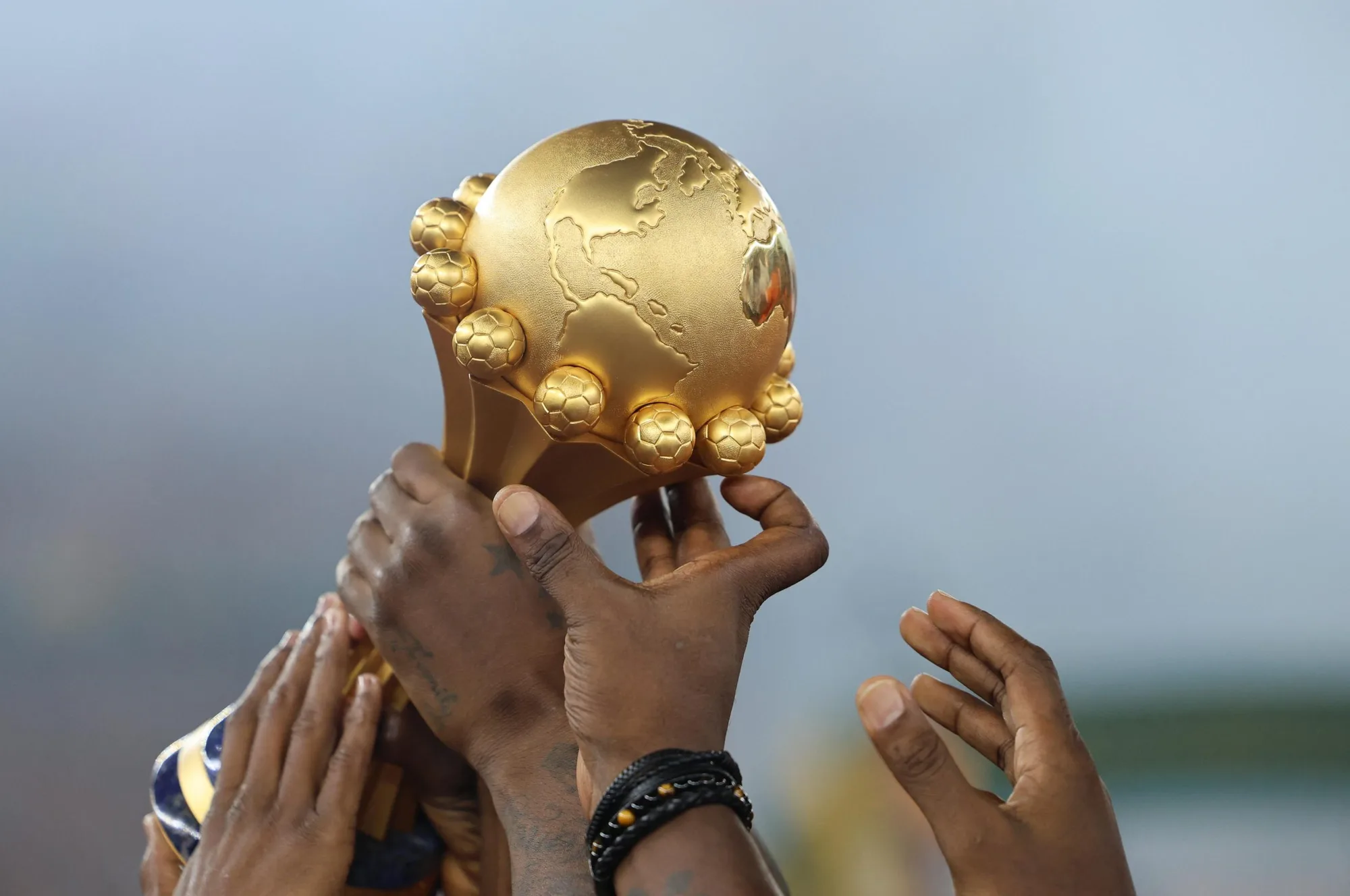
The African Cup of Nations: A Continent's Game in Numbers
A factual survey of the African Cup of Nations from its founding in 1957 through the 2010s, tracing records and milestones across tournaments. The piece highlights Cameroon's Samuel Eto'o as the competition's all-time leading scorer, alongside broader benchmarks in goalkeeping, discipline, and defensive excellence.
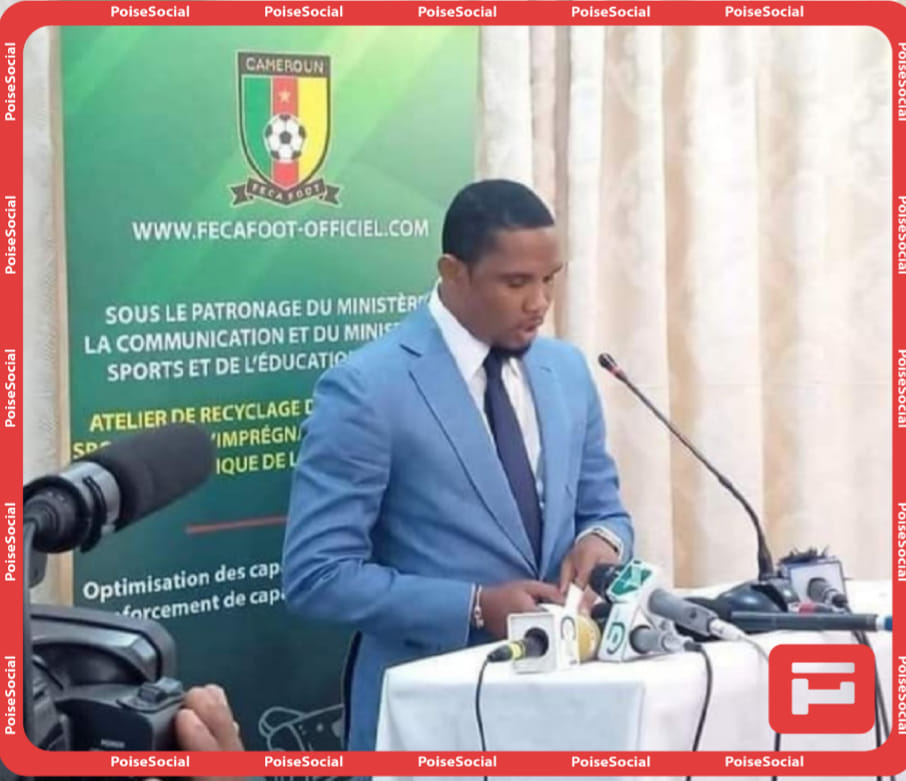
Samuel Eto'o and the Power of Leverage
This essay examines Samuel Eto'o's ascent to the presidency of Cameroon's football federation and argues that his ability to resolve bureaucratic obstruction—notably the recovery of 560 million FCFA in 24 hours—stems from leverage built through his own effort and achievement rather than political patronage. The writer uses Eto'o's example to reflect on how young Cameroonians might construct similar forms of independence and negotiating power.
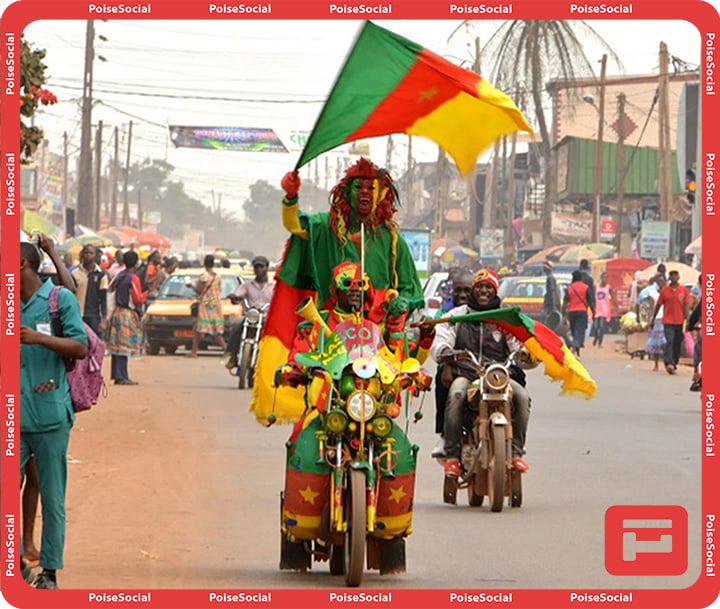
Cameroon's Unexpected Grace: Hosting AFCON Amid Uncertainty
Cameroon successfully hosted the 2022 African Cup of Nations despite widespread doubts about its readiness, previous loss of hosting rights in 2018, and ongoing political challenges. The writer reflects on how football's unifying power and Cameroon's deep footballing culture enabled the nation to overcome logistical, pandemic-related, and security obstacles.
The Eto'o Question: Celebrity, Patronage, and National Dignity
Samuel Eto'o's announcement of star-studded charity events ahead of Cameroon's hosting of the African Nations Cup sparked public backlash when he revealed meetings with government officials. The writer examines how Eto'o's visible alignment with the Biya administration transformed him, in public perception, from national hero to perceived collaborator, and asks whether Cameroonians will prioritize principle over spectacle.
Football and Politics: The Nations' Cup as Distraction
The writer argues against Cameroon hosting the 2019 Africa Cup of Nations, seeing it not as a sporting honor but as a political tool used by the incumbent government to distract from infrastructural failures and poor governance. The piece traces how the tournament became entangled with ego, sycophancy, and nationalist rhetoric rather than honest assessment of readiness.
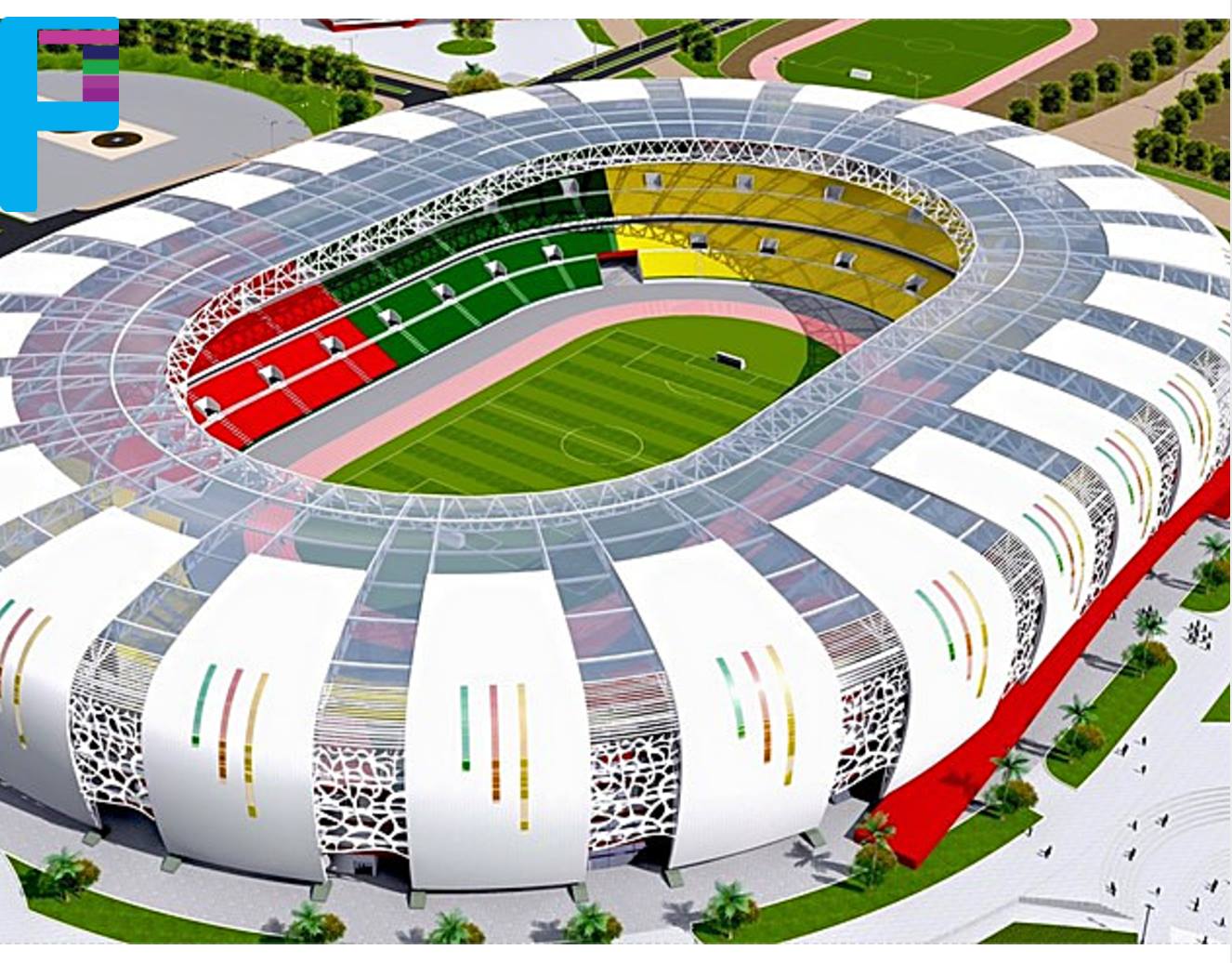
The Empty Stadiums of Africa
The writer argues against Cameroon's bid to host the 2019 African Cup of Nations, contending that the tournament infrastructure perpetuates wasteful spending and serves political theatre rather than genuine development. The piece insists that African nations should build stadiums to serve their own domestic leagues first, not retrofit massive facilities for continental tournaments they cannot afford to maintain.