
Cultural Travel
Travel

The Power of Cultural Reference in Cameroonian Hip-Hop
This piece examines how Cameroonian rappers use cultural references—to local history, entertainment figures, political events, and international touchstones—to encode meaning and preserve memory within their work. By tracking references across Tino Foy's EP 'About Time,' the writer shows how such allusions deepen lyrical impact and create a shared archive of lived experience.
Jean Miche Kankan and the Shadow He Cast on Cameroonian Comedy
This reflective essay examines the towering cultural dominance of Jean Miche Kankan in Cameroonian comedy during the 1980s and early 1990s, and asks whether his outsized popularity may have constrained rather than nurtured the growth of the broader standup comedy landscape. The writer traces Kankan's influence through childhood memory and cultural ubiquity, setting up a serious question about artistic monopoly and generational impact.
On Pan-Africanism and Cultural Boundaries
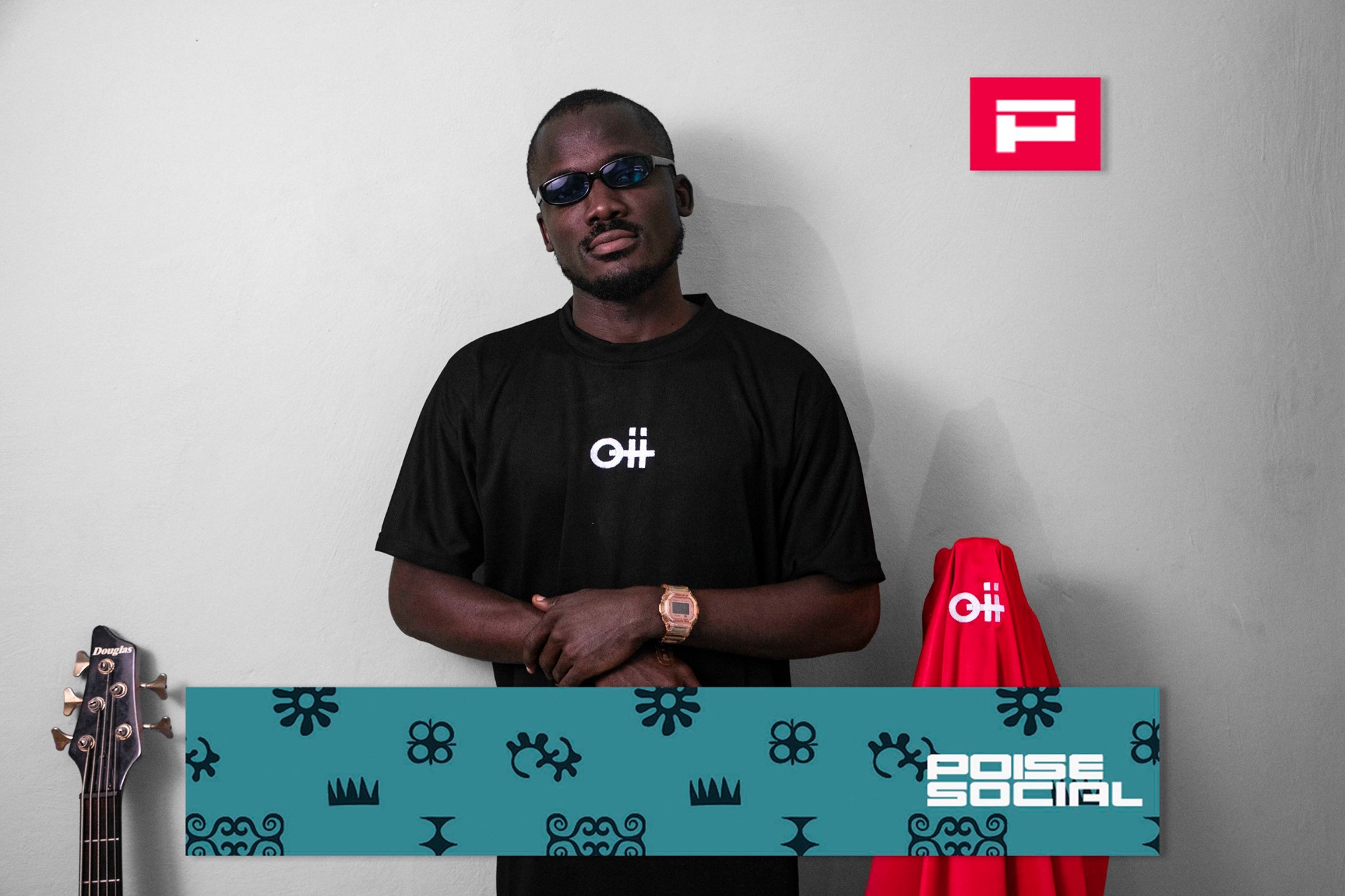
The writer defends a Cameroonian brand's adoption of a Nigerian Yoruba term, arguing that cultural exchange strengthens rather than weakens Africa. She positions the controversy as a test of whether continental unity is a genuine aspiration or merely rhetoric obscuring deeper tribalism.

Makossa at the Crossroads: A Meditation on Cultural Inheritance
Written on the occasion of Nguea Laroute's death, this reflection traces the decline of makossa music—once Cameroon's cultural ambassador to Africa—and asks what will become of the genre as its elder custodians pass away. The writer argues that while contemporary Cameroonian music absorbs traditional elements, the purity and intentionality of classic makossa risks being lost to generational and technological shifts.

The Intellectual Inheritance of Rap: Why Cameroon's Rappers Must Remember Their Movement
The writer argues that rap music has drifted from its origins as a pedagogical and political force into a culture of empty materialism and surface-level entertainment. Using examples from hip-hop history—Afrika Bambaataa's Zulu Nation, Jay-Z's invocation of Iran-Contra, Jovi's Kadji beer reference—the piece calls for Cameroonian rappers to embed intellectual rigor and cultural knowledge into their work.
Is the Spirit of Makossa Slowly Dying Away?
Written in the wake of the deaths of two prominent makossa musicians, this reflection asks whether the genre that opened Cameroon to Africa is fading into historical archive rather than living practice. The writer grieves not the absence of makossa itself, but its displacement by a newer Afropop that, while distinctly Cameroonian, feels to him less rooted in the authenticity and craftsmanship of the 1970s and 80s.
Koppo: The Unsung Hero of a Musical Revolution
A retrospective on how Koppo's early-2000s decision to rap in Camfranglais—a language mixing French, English, and Pidgin—fundamentally altered Cameroonian hip-hop, shifting it from American imitation toward authentic local expression. The piece traces how one album opened a door that subsequent generations of rappers and Afropop artists have walked through, transforming the continent's sound.
Do Cameroonian Rappers Teach Us Anything?
The writer examines whether Cameroonian rappers fulfill the educative and intellectual mission that defined hip-hop at its origins in 1970s New York. Drawing on examples from foundational figures like Afrika Bambaataa and lyricists like Jay-Z, the piece argues that rap's power lies in its capacity to make listeners think, research, and engage with complex social and political realities—a challenge the writer finds largely absent in the local scene.

A Toast to Cameroonian Youth: On Culture, Agency, and the Work Ahead
A celebration of Cameroonian youth who have seized creative and entrepreneurial agency—from music and fashion to digital media—despite systemic neglect and intergenerational dismissal. The writer calls this a watershed moment, while insisting that lasting change requires moving beyond individual ambition toward collective purpose and national transformation.