
Biography
History
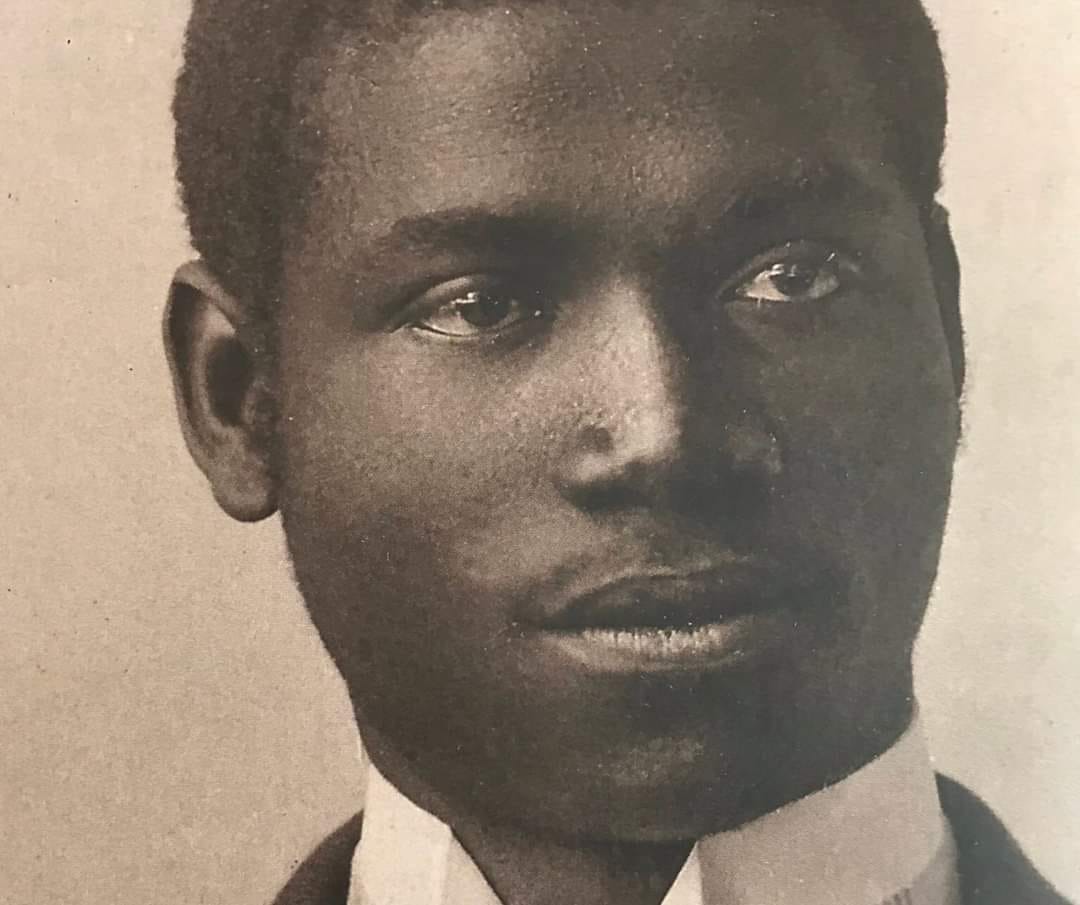
The Execution of Rudolf Douala Manga Bell: A King's Stand Against Expropriation
On August 8, 1914, Rudolf Douala Manga Bell, the Paramount King of the Duala people, was executed by German colonial authorities after leading resistance to the expropriation of Duala lands. Working with the incorruptible patriot Ngoso Din, he mounted a legal and diplomatic campaign that briefly succeeded in suspending colonial funding—only to be condemned on fabricated charges of treason.
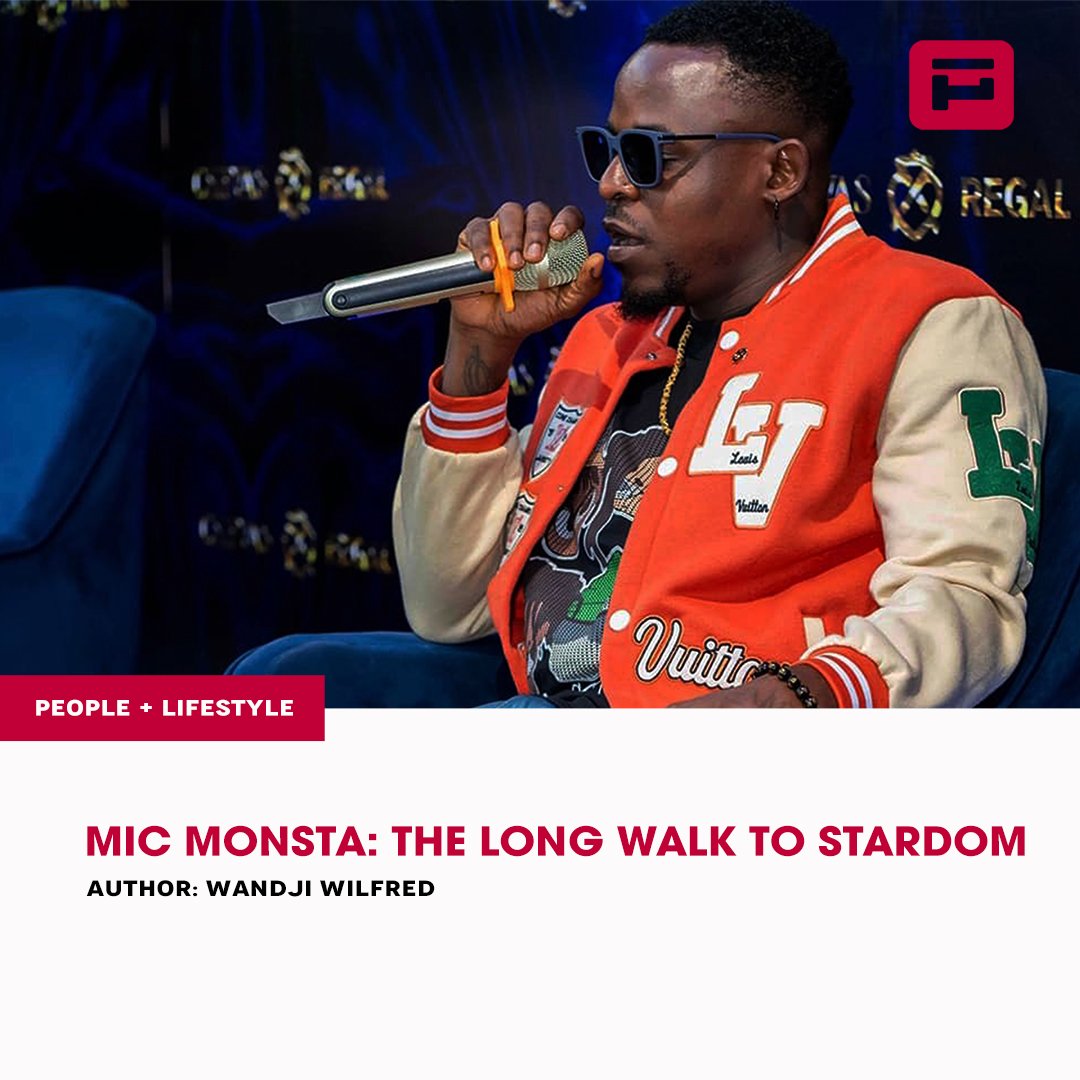
Mic Monsta: The Structure of Ascent
A portrait of the Anglophone Cameroonian rapper Mic Monsta's journey from early promise through industry collapse to deliberate reinvention, anchored in the founding of Kwata Music—a label that has become both his creative home and a platform for emerging artists around him.
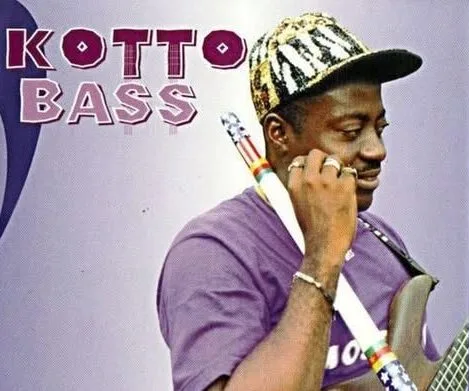
Kotto Bass and the Art of Rooted Fusion
A reflection on Kotto Bass, the Cameroonian bassist and vocalist who, despite a public career of only two years and two albums, became a musical legend by fusing Congolese Soukous with Makossa traditions. The piece traces his trajectory from studio musician to innovator, arguing that his genius lay not in mere imitation but in deep mastery of his own musical heritage.
Jean Miche Kankan and the Shadow He Cast on Cameroonian Comedy
This reflective essay examines the towering cultural dominance of Jean Miche Kankan in Cameroonian comedy during the 1980s and early 1990s, and asks whether his outsized popularity may have constrained rather than nurtured the growth of the broader standup comedy landscape. The writer traces Kankan's influence through childhood memory and cultural ubiquity, setting up a serious question about artistic monopoly and generational impact.
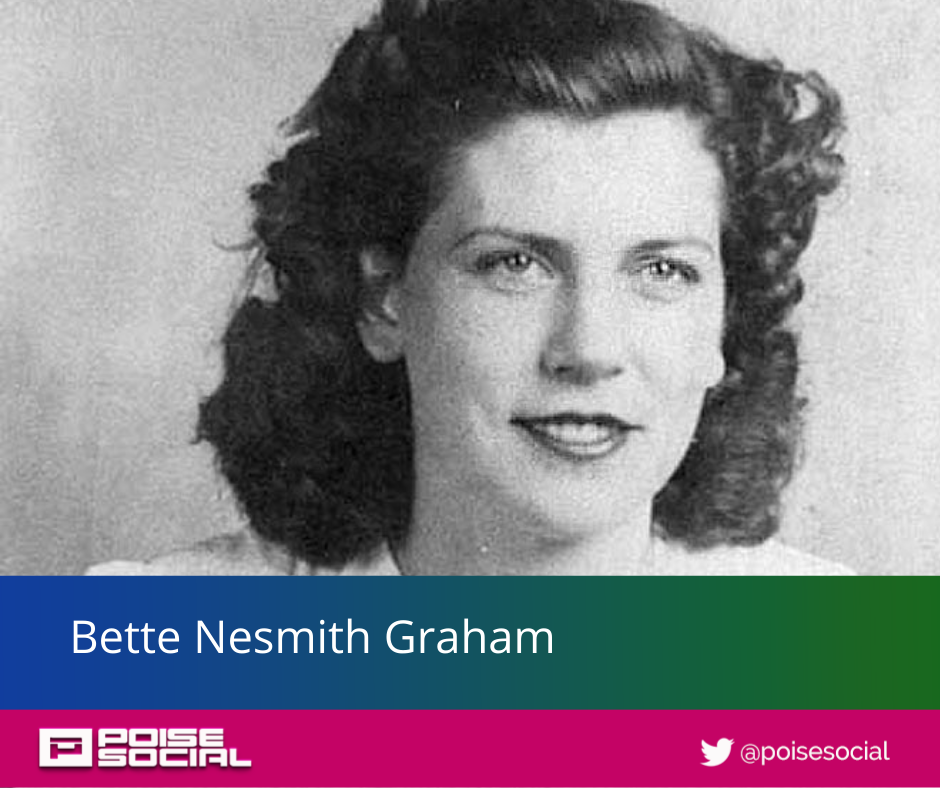
Women Inventors You Likely Did Not Know About
A celebratory catalogue of transformative inventions created by women—from the dishwasher to Kevlar to Monopoly—many of whom were denied patents, proper credit, or financial reward for their work. The post honors both the named innovators and the countless unnamed women whose contributions were erased by discriminatory laws and systems.
Rise Up, Authentic Woman
A reflection on authentic womanhood as modeled by Joyce Meyer and biblical figures, arguing that Christian women today must shed the masks of social media performance, embrace vulnerability, and live out genuine purpose rooted in faith, sacrifice, and service to others.
The Three Marthes: Women in the UPC's Anti-Colonial Struggle
This essay recovers the story of three women—Marthe Nyobe, Marthe Moumie, and Marthe Ouandie—the wives of the UPC's legendary male leaders, situating them as independent political actors rather than supporting figures. It argues that the UPC's commitment to women's participation through organizations like UDEFEC represented an exceptional and deliberate feminist politics within Cameroon's independence movement.
Ernest Ouandie: Fifty Years Since His Execution
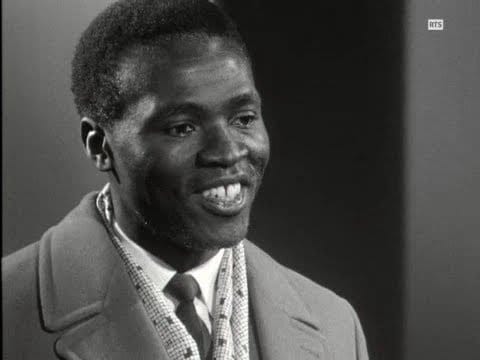
On 15 January 1971, Ernest Ouandie, a founding vice-president of the UPC and leader of its armed resistance against the Ahidjo government, was executed by firing squad in Bafoussam. Having refused a presidential pardon, he faced death with deliberate composure, his life spanning the struggle for Cameroonian independence and the violent suppression that followed.
Kotto Bass and the Art of Rooted Fusion
A reflection on the brief but consequential career of bassist and vocalist Kotto Bass, who in just two years (1994–1996) created a distinct sound by layering Makossa grooves onto Congolese Soukous standards. The piece uses his example to argue for a deeper principle: that meaningful cross-cultural innovation requires mastery of one's own tradition first.
Rudolph Douala Manga Bell: A King's Last Stand
On August 8, 1914, Rudolph Douala Manga Bell, King of the Duala people, was executed by German colonial authorities for his legal resistance to the expropriation of Douala lands. Trained as a lawyer in Germany, he had petitioned the German parliament through his trusted adviser Ngoso Din, nearly succeeding in halting the colonial seizure before being arrested on fabricated charges of treason.
Blueprint Hakeem: The Textbook Rapper
A profile of Cameroonian rapper Tse Nebangu (Blueprint Hakeem), celebrated for his consistency, honesty, and craft-focused approach to hip-hop over a six-year career spanning three albums and over twenty singles. The piece positions him as a model of grounded artistry—prolific without pretense, rooted in the tradition of rap as a means of making sense of daily lived experience.
Ruben Um Nyobe: The Cost of Refusing Compromise
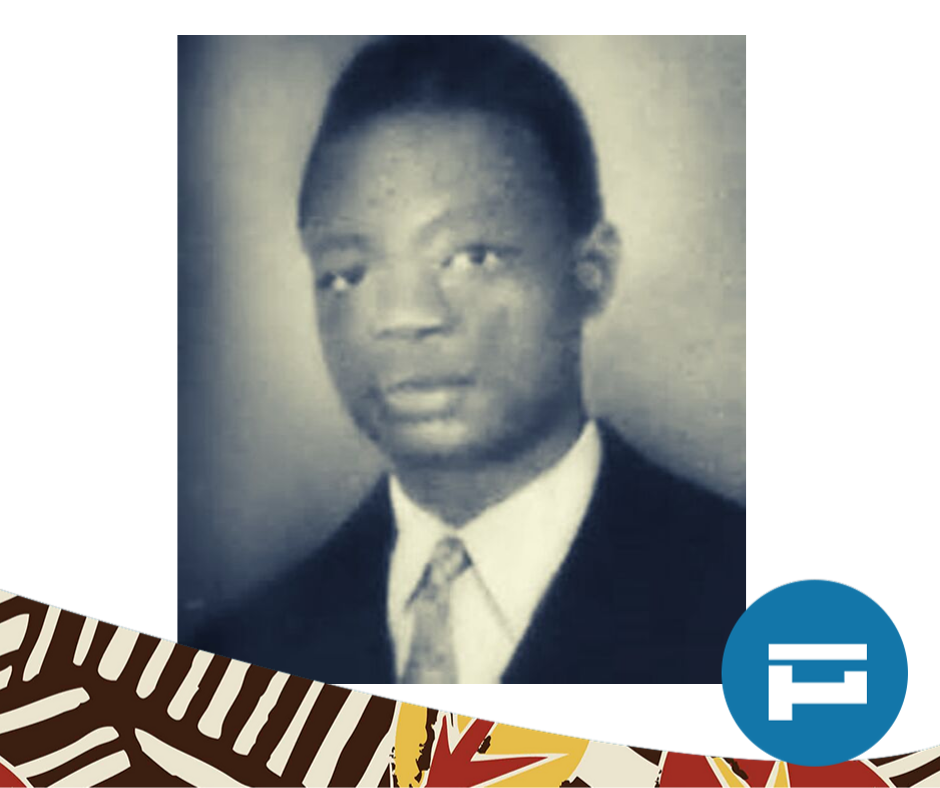
On September 13, 1958, Ruben Um Nyobe, founder of Cameroon's UPC independence party, was killed by French forces in a forest near Boumnyebel. The post traces his political trajectory from French-sponsored youth organizer to underground resistance leader, and the deliberate erasure of his memory that followed.
Miriam Makeba in Cameroon: A Witness to the Queen of African Music
The writer recalls two encounters with Miriam Makeba during her visits to Cameroon in the 1970s—first at a Red Cross ball in 1974, and later in an exclusive interview at Radio Cameroon in Yaounde. The piece preserves her address to journalism students, in which she called on African communicators to see their work as a weapon of cultural liberation and political consciousness.
We Need Our Own Heroes: Reading Albert Acha as Cameroonian Myth
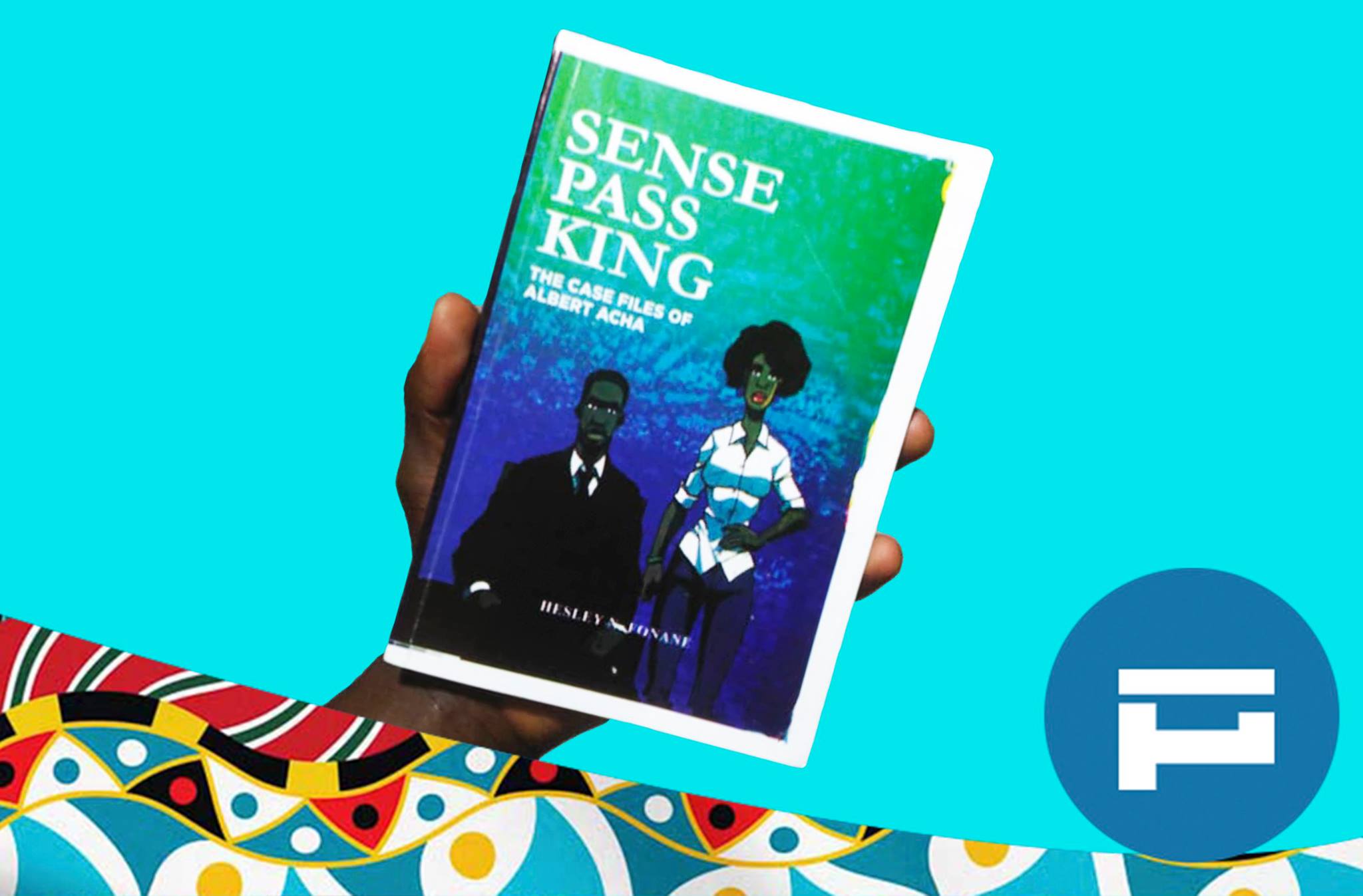
The writer reflects on the absence of African fictional heroes in his own imagination, shaped by Western comic pantheons, and discovers in Hesley Fonane's detective novel *Sense Pass King: The Case Files of Albert Acha* a Cameroonian character worthy of that mythic weight—one who reads the signs of his own landscape and mind with precision.
The Execution of Rudolf Douala Manga Bell: A Forgotten Reckoning
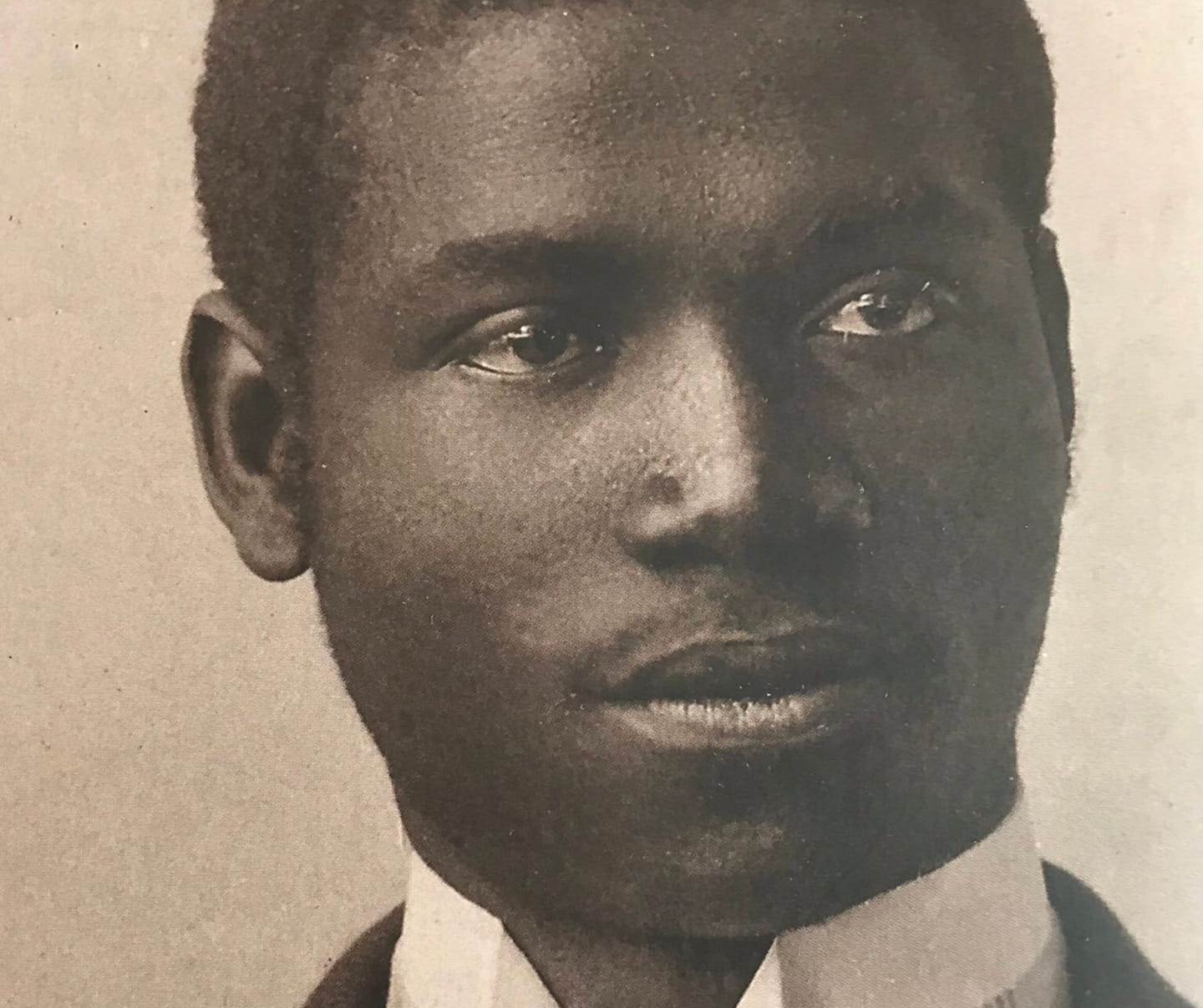
On August 8, 1914, the Paramount King of the Duala people and his collaborator were hanged by German colonial authorities for opposing the expropriation of Douala lands. The writer documents their legal resistance, the manufactured charges of treason, and the absence of any national commemoration of these deaths.
African Queens #5: Dihya
Kahina Dihya was a Berber warrior queen who led indigenous resistance to the Arab Islamic conquest of the Maghreb in the late seventh century. She achieved a stunning military victory against General Hassan Nu'Man in 698, but ultimately fell to his returning forces after a scorched-earth strategy fractured her coalition.
African Queens #4: Ndate Yalla Mbodj
A portrait of the last Lingeer (queen) of Waalo in 19th-century Senegal, who inherited power through a matriarchal system where royal women held legitimate authority, and spent her reign resisting French colonial incursion until her defeat and exile.
African Queens #3: Pokou Awura
This essay traces the legendary journey of Queen Pokou, an 18th-century Asante noblewoman who refused to join her uncle Osei Tutu I's confederacy and led her people westward into what is now Ivory Coast. According to oral tradition, she sacrificed her own son at the Komoe River to secure safe passage, an act that gave rise to the Baoule people, who remain the largest ethnic group in modern Ivory Coast.
African Queens #2: Yaa Asantewaa
A portrait of Yaa Asantewaa, the Asante queen mother who in 1900 publicly called her people to armed resistance against British colonial demands—including the seizure of the sacred Golden Stool. Her defiant speech galvanized the Asante Kingdom into a rebellion that, though ultimately quelled by superior British force, preserved Asante sovereignty and cultural independence in ways that outlasted formal colonialism itself.
African Queens #1: Queen Nzinga
The writer profiles Queen Nzinga Mbande (c. 1583–1663), ruler of the Angolan kingdoms of Matamba and Ndongo, tracing her diplomatic missions, military campaigns against Portuguese colonizers, and eventual peace treaty. The piece centres her as a figure of statecraft and resistance whose legacy has been overshadowed in popular African historical discourse.
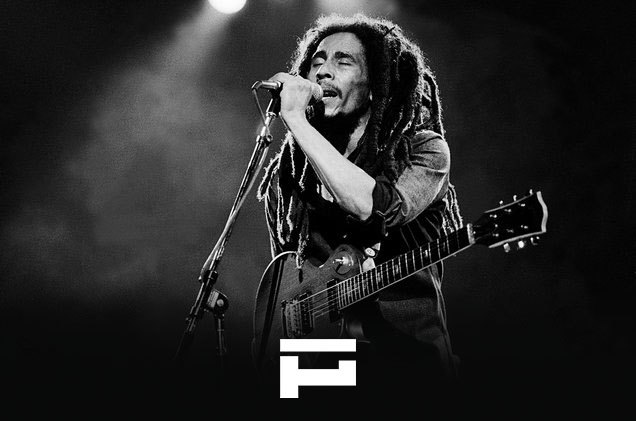
The Timelessness of a Brief Life: What Bob Marley Teaches Us About Legacy
The writer reflects on attending a Bob Marley commemoration festival in Douala and considers why a musician dead for nearly four decades remains so vital to people across continents. Through Marley's music, spiritual practice, and philosophy of mental emancipation, the piece argues that meaningful impact transcends the length of a life.
Koppo: The Unsung Hero of a Musical Revolution
A retrospective on how Koppo's early-2000s decision to rap in Camfranglais—a language mixing French, English, and Pidgin—fundamentally altered Cameroonian hip-hop, shifting it from American imitation toward authentic local expression. The piece traces how one album opened a door that subsequent generations of rappers and Afropop artists have walked through, transforming the continent's sound.
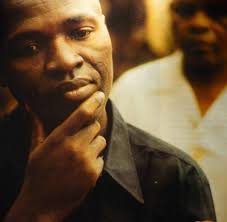
Ernest Ouandie and the Ghosts of the UPC: A Life in Resistance
The writer chronicles the life and execution of Ernest Ouandie, UPC vice-president and armed resistance leader against Ahmadou Ahidjo's government, from his birth in 1924 through his public execution on 15 January 1971. The account traces the UPC's suppression, the flight and exile of its leaders, and Ouandie's clandestine return to wage guerrilla war—ending with his capture through exhaustion and chance encounter near Loum.
Marthe Moumie: A Life in the Struggle
This post honours Marthe Moumie, a founding editor of Femme Camerounaise and militant for Cameroonian independence alongside her husband Felix. Arrested, exiled, imprisoned, and ultimately killed under disputed circumstances, she embodied the often-invisible sacrifice of women in anti-colonial movements.
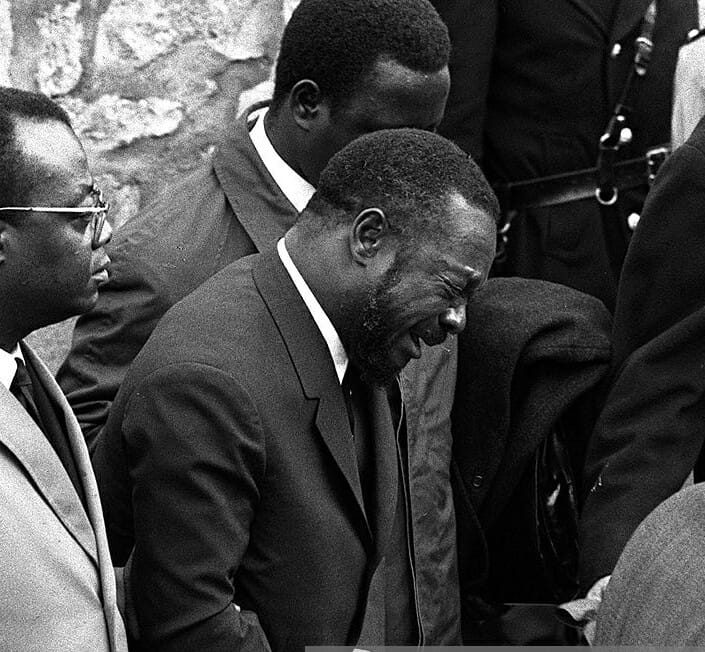
The Emperor of Excess: Bokassa, France, and the Machinery of Impunity
This post chronicles the rise and fall of Jean-Bédel Bokassa, the self-proclaimed emperor of the Central African Empire whose fourteen-year reign combined spectacular brutality with dependent relationships to French power. Through the arc of his rule—from coup to coronation to exile to amnesty—the writer traces how authoritarian pathology and great-power complicity reinforce each other.
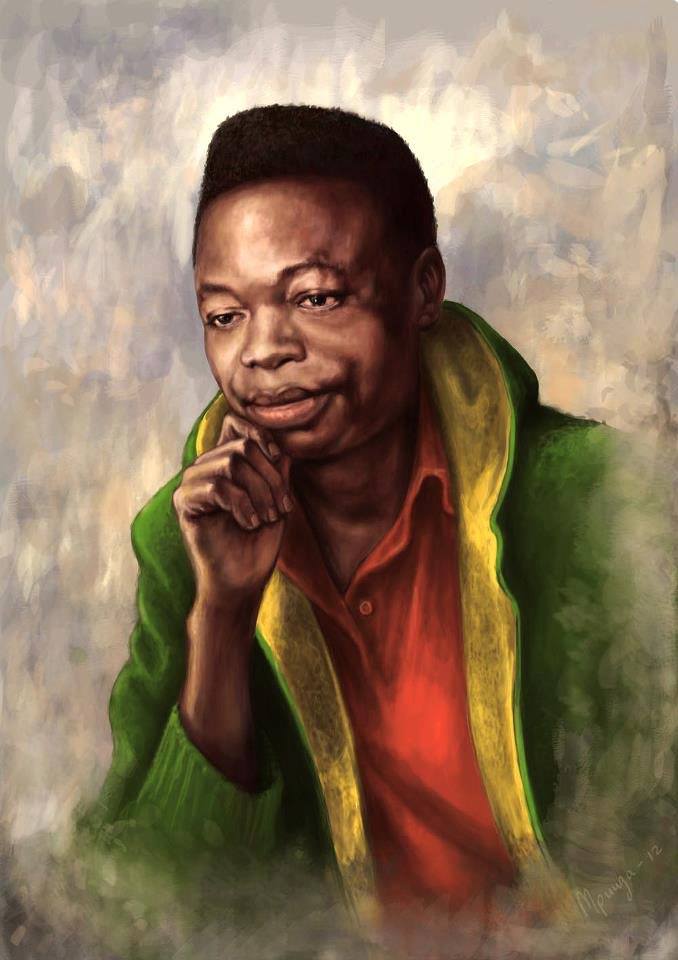
Ruben Um Nyobe: Sixty Years After
On the anniversary of Ruben Um Nyobe's assassination by French forces in 1958, Poise reflects on the life and legacy of the UPC founder—a charismatic trade unionist whose birth name meant 'speaker of the nation' and whose death by violence marked a turning point in Cameroon's colonial struggle.
African Queens #5: Dihya
This essay traces the life and legacy of Kahina Dihya, a seventh-century Berber warrior queen who led indigenous resistance against Arab Islamic conquest in North Africa. From her celebrated victory at the Battle of the Camels in 698 to her death five years later, Dihya commanded the Berber tribes and challenged one of history's great imperial expansions.
African Queens #4: Ndate Yalla Mbodj
A portrait of the last Lingeer (queen) of Waalo in 19th-century Senegal, Ndate Yalla Mbodj led resistance against French colonial incursion from her ascension in 1846 until her exile and death in 1860. The piece situates her within a matriarchal Wolof tradition where women of royal blood held political legitimacy and military command, tracing her lineage to her mother Fatim Yammar and her son's eventual turn toward anti-colonial struggle.
African Queens #3: Pokou Awura of the Asante and the Founding of the Baoule
This essay traces the life and legacy of Queen Pokou Awura, an Asante noblewoman who, refusing integration into the Asante Confederacy, led her people westward into what is now Ivory Coast. According to legend, at the Komoe River she sacrificed her own son to secure safe passage, an act from which the Baoule people—now Ivory Coast's largest ethnic group—take their name and identity.
African Queens #2: Yaa Asantewaa
Yaa Asantewaa, Queen Mother of Ejisu in the Asante Empire, led armed resistance against British colonial demands in 1900, most notably when Governor Hodgson demanded the sacred Golden Stool. Her defiant speech galvanized the Asante people to wage a months-long siege that, though ultimately unsuccessful militarily, demonstrated the empire's refusal to submit to colonial rule.
African Queens #1: Queen Nzinga
This essay introduces Queen Nzinga Mbande, the 17th-century ruler of the Kingdoms of Matamba and Ndongo (present-day Angola), who resisted Portuguese colonial conquest through diplomacy and decades of military struggle. It traces her rise to power, her strategic alliances, and her reputation as a fierce military leader who continued fighting into her sixties.
Lessons from Virgil Abloh: The Polymath's Path Beyond Credentials
A profile of Virgil Abloh's rise from screen-printing to artistic direction at Louis Vuitton, tracing his journey through mentorship with Kanye West and the founding of his Off-White brand. The piece extracts three core lessons: prioritizing passion over formal qualifications, building solidarity with peers who share unconventional ambitions, and maintaining rigorous self-critique.
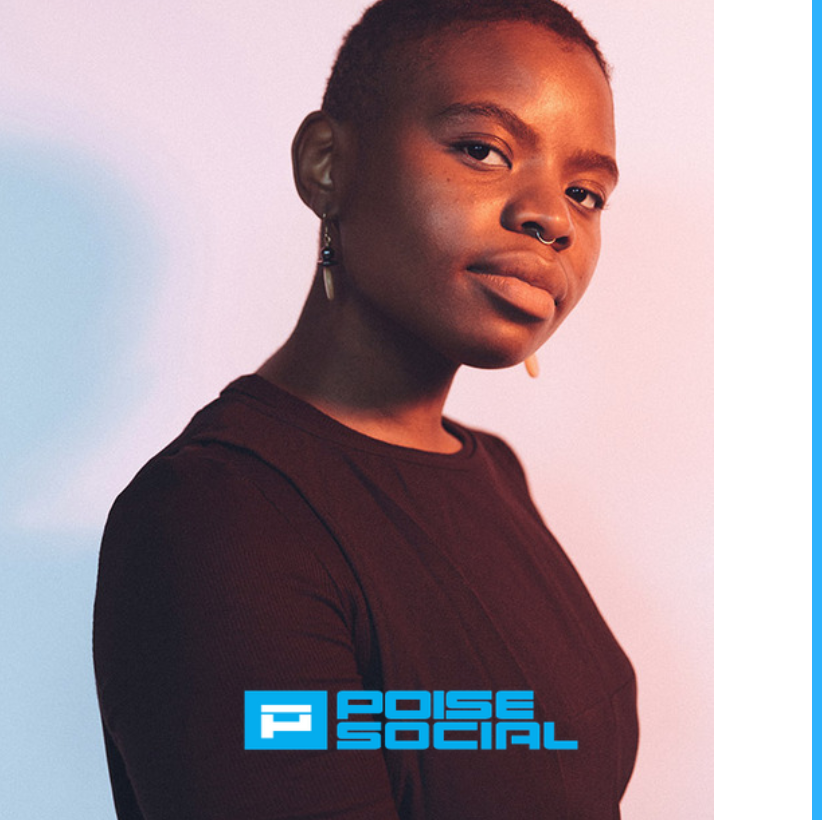
Meet Vagabon: Cameroon's First Indie Rock Musician
A profile of Laetitia Tamka, a Yaoundé-born musician performing under the name Vagabon, who taught herself guitar and moved between engineering studies in New York and an emerging career in indie rock. Her 2017 debut album Infinite Worlds, recorded in friends' apartments, represents a rare presence of a Cameroonian woman in the indie rock scene.
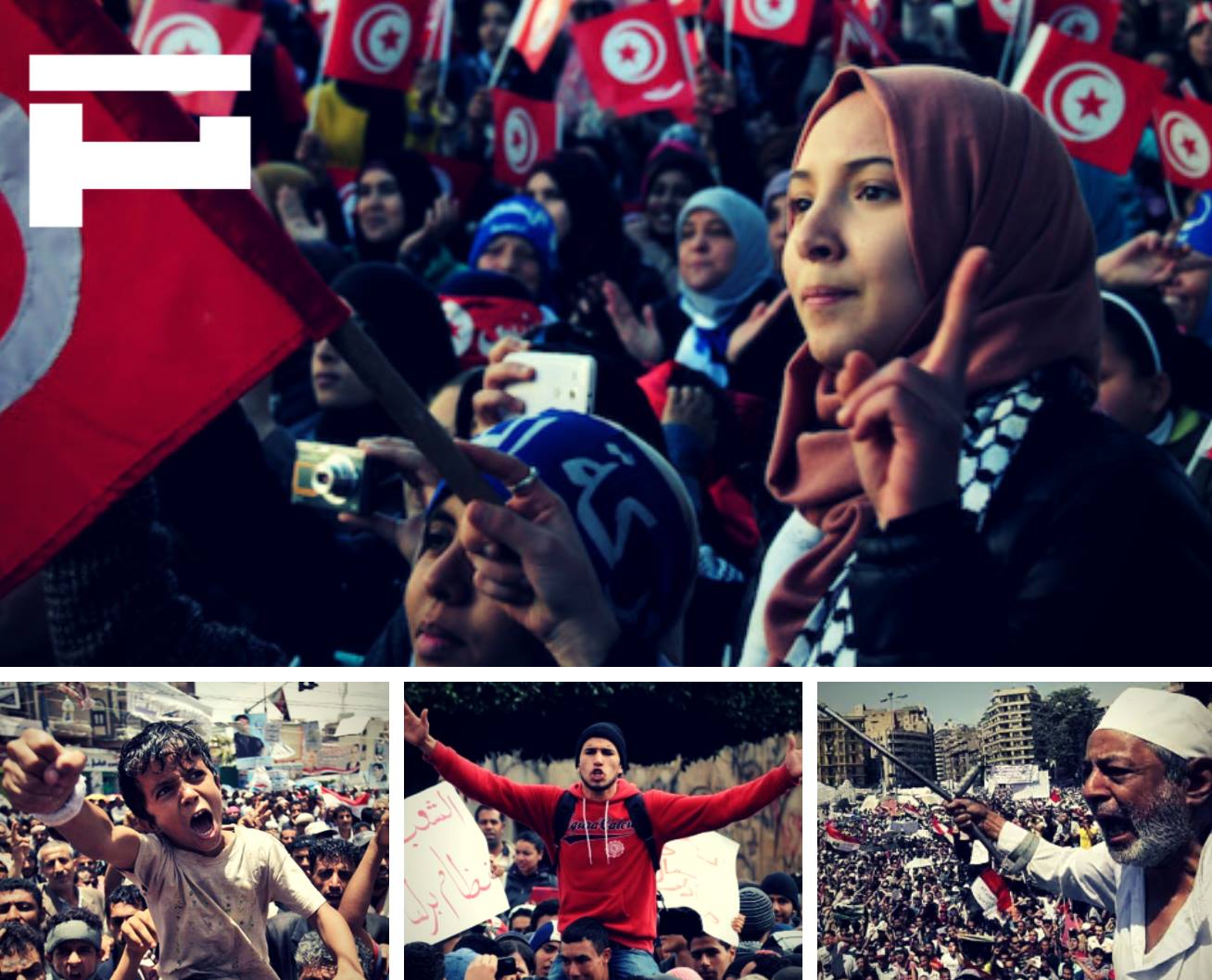
The Butterfly Effect: One Man's Humiliation and History's Turn
A reflective retelling of a single December morning in 2010 Tunisia, when a street vendor named Basboosa was harassed and assaulted by police, leading him to a petrol station in an act of desperation. The post uses this vivid, granular narrative to illustrate how personal indignity, institutional contempt, and the absence of recourse can crystallize into consequential action.
Five Lessons From Dr. Martin Luther King
This reflective essay draws five practical lessons from Dr. King's life and leadership: the courage to ask "why not," the wisdom to adapt to changing circumstances, the power of indirect resistance over confrontation, the resilience to move forward through setbacks, and the moral clarity to distinguish just from unjust laws. Each lesson is grounded in a specific moment from King's struggle for civil rights.