
Theater
Arts & Entertainment
Auntie Felicia Gets the Last Laugh: Kwoh Elonge and the Comedy Reckoning
Poise celebrates Kwoh Elonge's pivot from critic of Cameroonian comedy to practitioner, framing his success as vindication of principled criticism and a turning point for the local entertainment sector. The piece reflects on the community's defensive response to outside scrutiny and the rare figure willing to back words with action.
Jean Miche Kankan and the Shadow He Cast on Cameroonian Comedy
This reflective essay examines the towering cultural dominance of Jean Miche Kankan in Cameroonian comedy during the 1980s and early 1990s, and asks whether his outsized popularity may have constrained rather than nurtured the growth of the broader standup comedy landscape. The writer traces Kankan's influence through childhood memory and cultural ubiquity, setting up a serious question about artistic monopoly and generational impact.

Beyond the Stage: Reimagining Creative Work in Cameroon's Entertainment Economy
The writer argues that Cameroon's creative professionals—musicians, filmmakers, and artists—remain trapped by consumer-era thinking, pursuing only the visible celebrity roles while overlooking diverse, lucrative career paths within the arts. The real economic opportunity lies not in live performance but in publishing, film, and storytelling that commands international attention.
Aaron Sorkin: A Master Class in Dialogue for Cameroonian Screenwriters
The writer introduces Aaron Sorkin's body of work—particularly The West Wing, The Newsroom, and films like The Social Network and Moneyball—as essential study for anyone working in Cameroonian film and television. Through close attention to Sorkin's signature techniques of rapid-fire dialogue and the 'walk and talk' cinematographic style, the piece frames Sorkin's craft as a masterclass in screenwriting that transcends American cinema.
On Quotation and the Wilde Wit
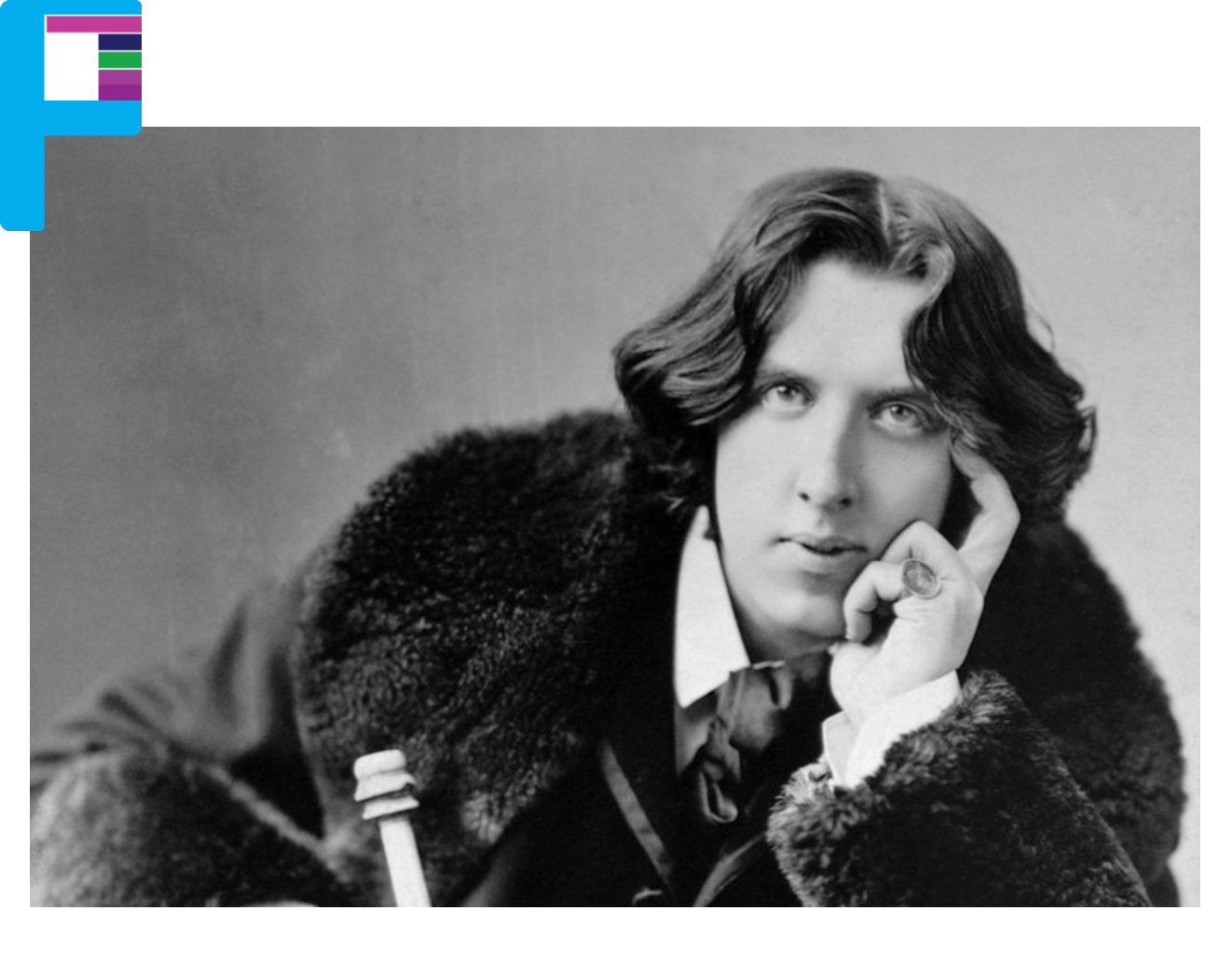
Poise presents a curated selection of Oscar Wilde's most memorable aphorisms—sharp observations on human nature, morality, and social pretense—alongside a reminder that wit itself is often borrowed, a point Wilde himself understood.