
Political Parties
Politics & Government
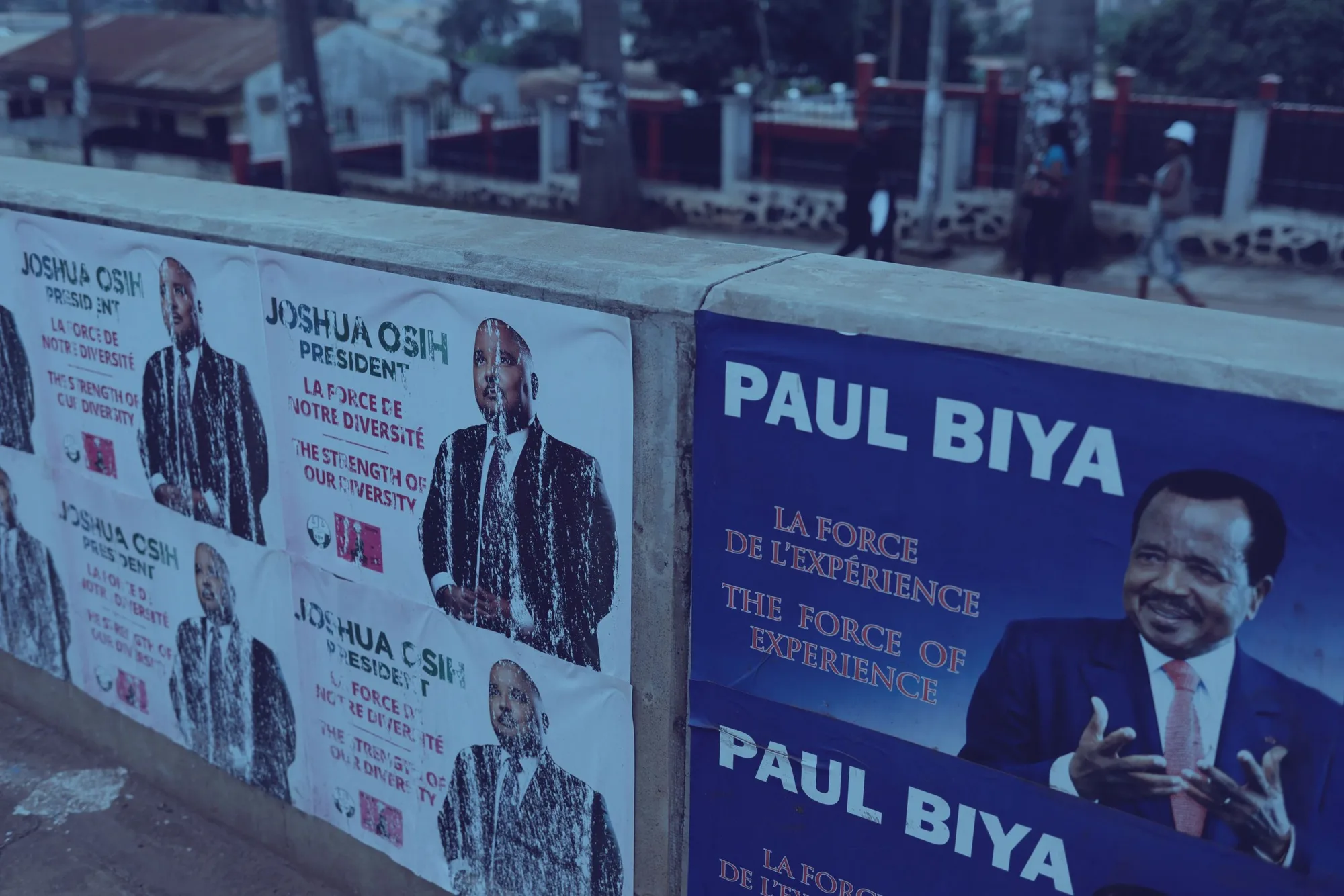
The Arithmetic of Fragmentation: Cameroon's Party System and the Limits of Electoral Choice
With over 180 registered political parties competing for 280 parliamentary seats, Cameroon's electoral landscape has become a study in mathematical impossibility and institutional dysfunction. The post documents how administrative barriers, factional splits, and an oversized party roster have turned recent elections into a cautionary tale about the gap between formal democratic structures and meaningful political participation.
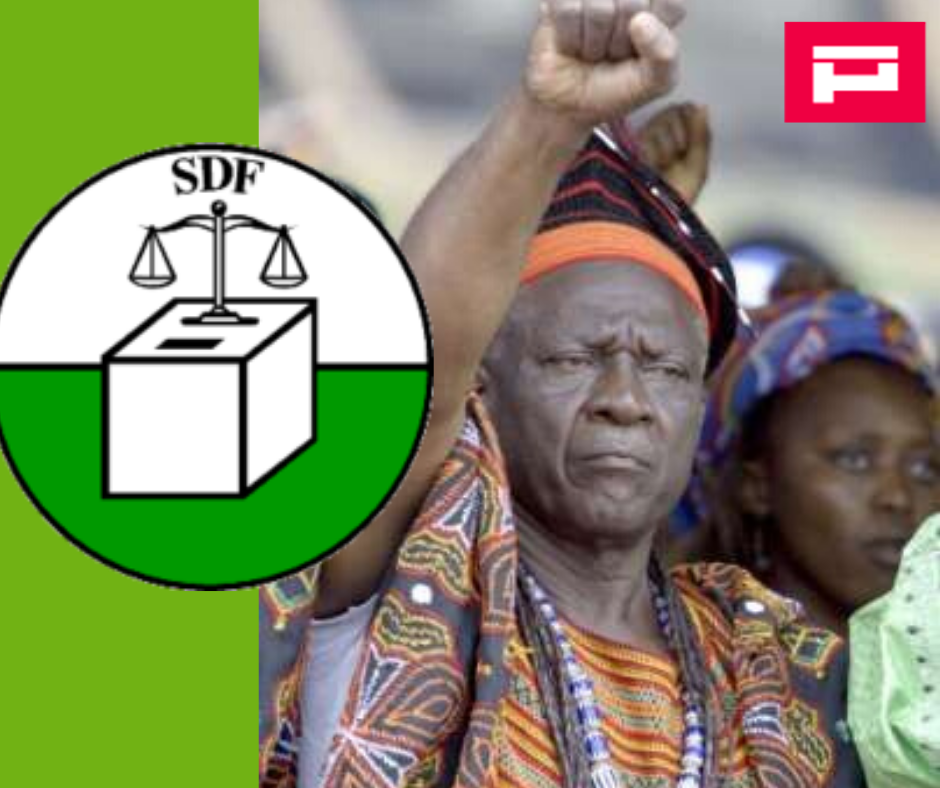
The SDF at Thirty: A Party's Dimming Flame
On the thirtieth anniversary of the Social Democratic Front's founding in 1990—marked by a deadly march for multi-partism in Bamenda—Poise reflects on the party's arc from revolutionary hope to diminished present. The piece traces how John Fru Ndi, once embodying Cameroon's democratic aspirations and appearing to win the 1992 presidential election, has become a contested figure, accused of betrayal and clinging to power rather than nurturing renewal.
The Social Democratic Front at a Crossroads: Reckoning with Electoral Defeat and Democratic Legacy
Following a disappointing electoral performance in 2018, the writer reflects on the SDF's historical contribution to Cameroon's democratic gains and analyzes the specific failures—the Anglophone crisis, internal divisions, refusal to form coalitions, and disconnect from younger voters—that led to its decline. The piece proposes three concrete steps for the party's recovery: backing Maurice Kamto, restructuring its base to engage younger supporters, and maintaining continuous grassroots engagement beyond election cycles.
Etoudi 2018: Winners and Losers in Cameroon's Presidential Election
An analysis of the 2018 Cameroonian presidential election identifies Maurice Kamto and Akere Muna as victors for forming and joining an opposition coalition, while the Anglophone population, candidate Cabral Libii, and the SDF party emerge as significant losers. The piece examines how political strategy, timing, and the failure to leverage collective movements shaped the election's outcome.
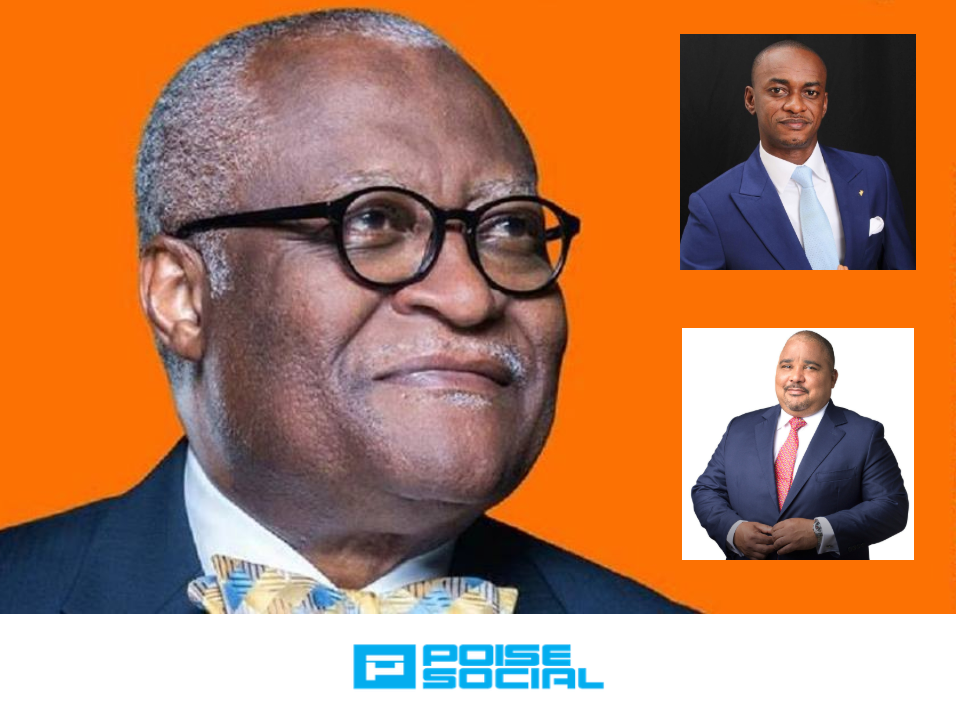
The Final Hours: Opposition Consolidation and the Cost of Disunity
As the 2018 Cameroonian presidential election neared, the writer examines the last-minute strategic calculations facing candidates Osih and Cabral following Akere Muna's withdrawal and endorsement of Maurice Kamto. The piece argues that both candidates face a binary choice: unite behind Kamto or risk permanent political and moral damage.
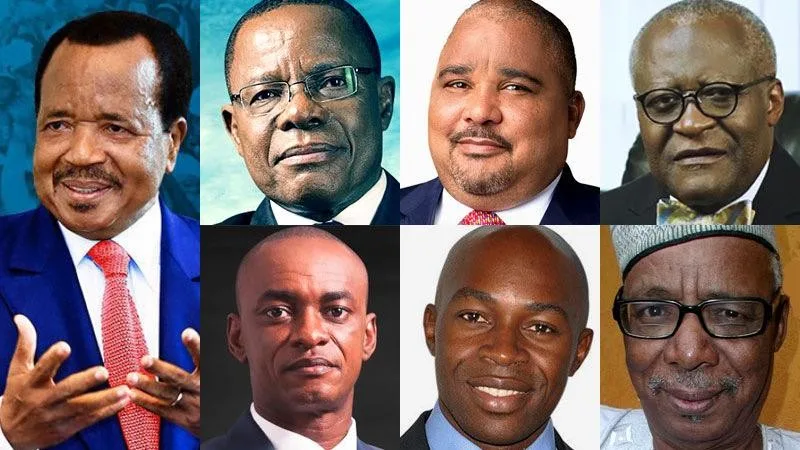
The Coalition Question: Who Should Lead Cameroon's United Opposition?
As the 2018 presidential election approached, opposition candidates faced a critical strategic choice: unite behind a single leader or campaign separately. This piece examines the case for Akere Muna as coalition head, tracing his early advocacy for opposition unity and his pre-existing coalition platform, while acknowledging the profound difficulty of consolidating rival candidates around a single figurehead.
Three Days Before the Vote: Opposition Unity and the Coalition Question
With the 2018 presidential election imminent, Poise examines whether Cameroon's fragmented opposition can coalesce around a single candidate—and if so, who should lead. The analysis argues that Akere Muna, whose Now Movement was itself born from a multi-party coalition, possesses both the institutional background and the prior advocacy for unity that could make him the natural choice.
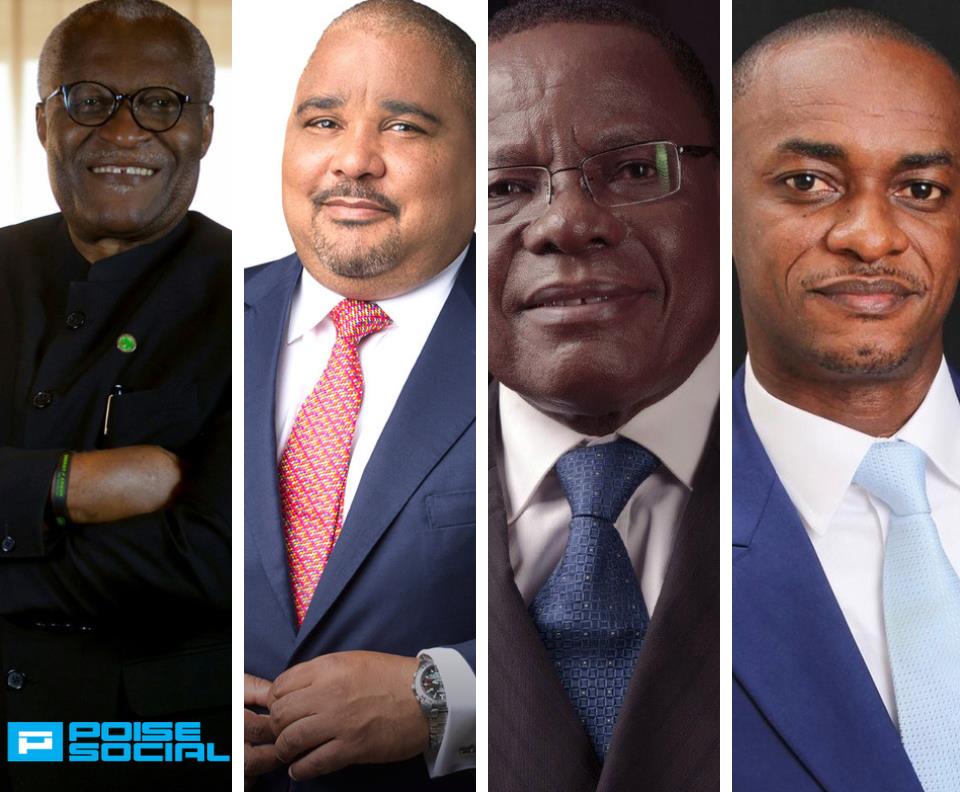
Three Days Before the Vote: Can the Opposition Unite, and Who Should Lead?
With Cameroon's October 7, 2018 presidential election days away, the writer examines whether opposition candidates might form a coalition to challenge the incumbent, and which candidate is best positioned to lead such an alliance. The analysis finds Akere Muna uniquely qualified—both by institutional expertise and by having already articulated and built coalition structures months before it became a rallying cry.
Champagne Woes: On Leadership and the Weight of Small Things
A critical reflection on Akere Muna's announcement of a unified opposition coalition ahead of Cameroon's 2018 presidential election, prompted by the writer's discomfort with celebratory champagne at the signing ceremony. The piece uses this moment to question whether the political class grasps the gravity of the moment and the work ahead.