
Mobile & Apps
Technology
When Creator Reach Becomes Infrastructure: The Khaby Lame Deal and the Financialization of Attention
A TikTok star's company sale for $900 million has been widely misread as a cash windfall, but the real story is structural: the deal is equity-settled, and it marks a watershed moment in which creator audiences have become capitalized assets folded into public company valuations. This signals a fundamental shift from influencers as marketing channels to influencers as infrastructure.

When Creator Reach Becomes Infrastructure: The Khaby Lame Deal and What It Signals for Cameroon
A major creator-economy acquisition—the sale of Khaby Lame's company for $900 million in equity rather than cash—marks a quiet shift: influencers are no longer merely marketing channels but infrastructure assets that can be capitalized and embedded in public companies. The deal also reveals a second frontier: the licensing of AI digital twins, which decouples human presence from commercial reach.
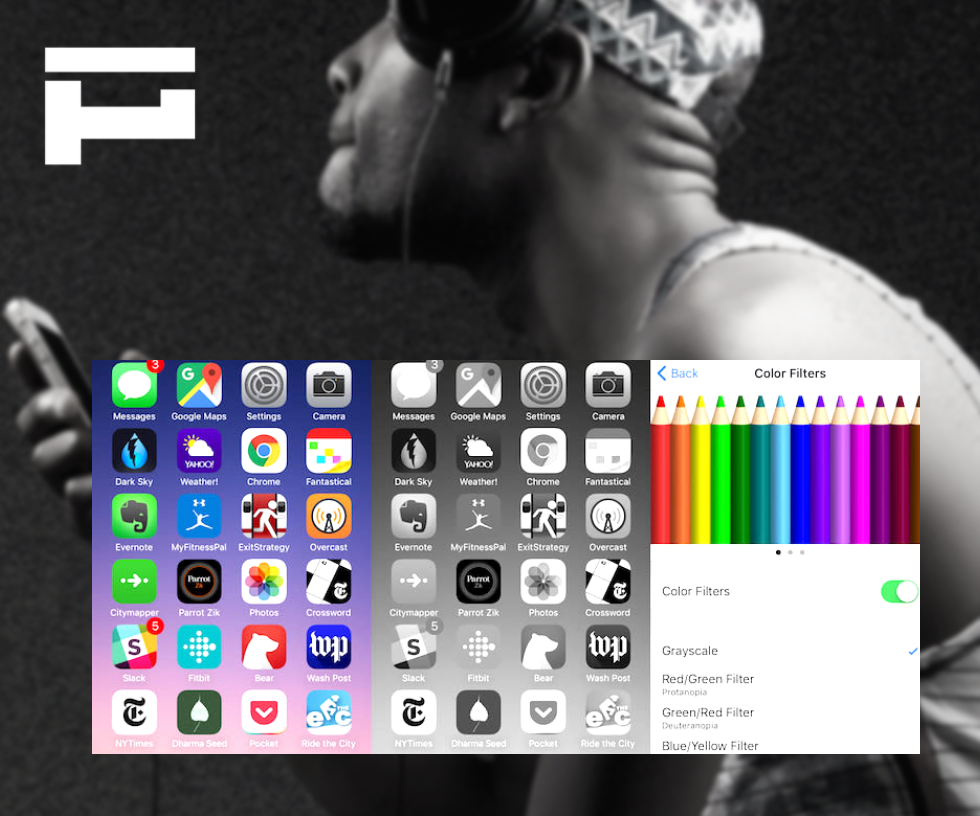
The Grayscale Remedy: A Simple Tool Against Smartphone Addiction
Smartphone addiction, now recognized by some psychologists as a genuine behavioral disorder tied to FOMO, stems partly from the deliberately colorful design of apps that exploit our psychological reward systems. The writer proposes a straightforward intervention: switching your phone to grayscale mode to strip away the visual triggers that keep us compulsively engaged.
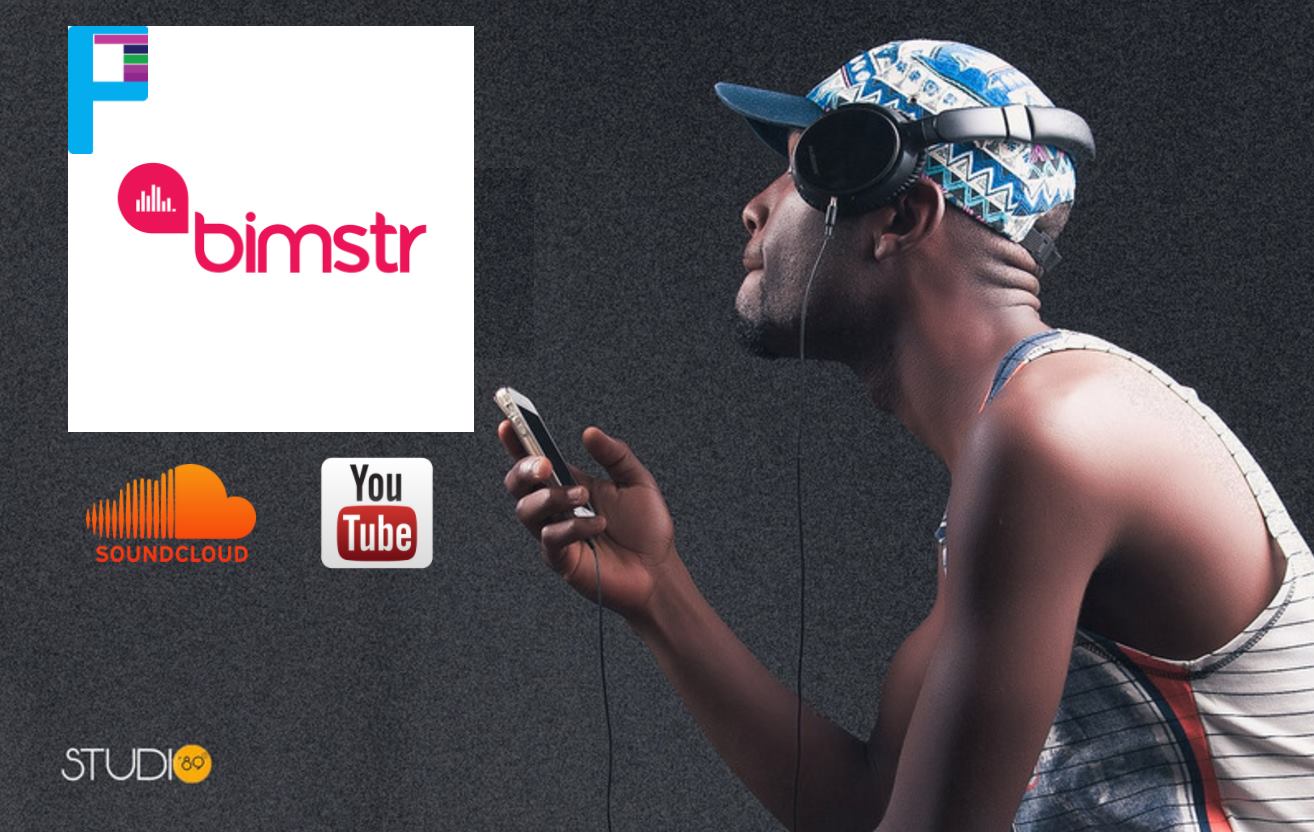
The Fragility of Free Platforms: Music Distribution in Cameroon at a Crossroads
The writer examines the precarious position of Cameroonian artists and fans following SoundCloud's financial crisis and rumored closures, alongside anticipated changes to YouTube. The piece considers whether the collapse of these free global platforms might create space for African-owned alternatives to serve local creators.

The Evolution of Music Videos: From Free Content to Streaming Strategy
The writer observes a shift in how major artists are releasing music video content, moving away from full songs on YouTube toward shorter, documentary-style clips designed to drive subscriptions to streaming platforms. This reflects the collapse of traditional revenue streams—YouTube payouts and album sales—and the dominance of services like Tidal and Spotify in the music economy.
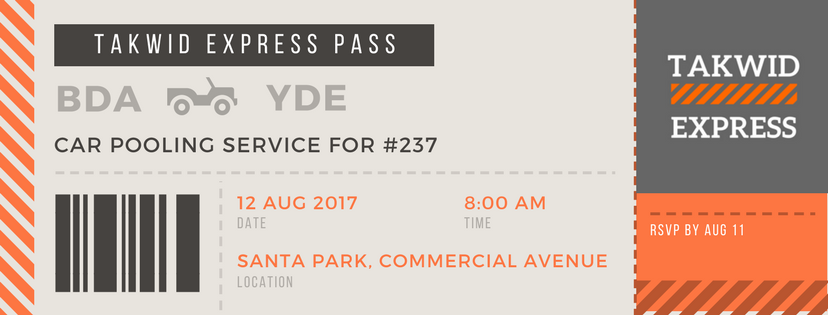
Ridesharing and the Friction of Digital Commerce in Cameroon
The post surveys the state of internet-based entrepreneurship in Cameroon, tracking the barriers that young founders face—chiefly gatekeeping around payment APIs and regulatory ambiguity—before introducing Takwid Express, a ridesharing platform attempting to formalize the existing informal practice of ride-sharing on intercity routes.