
Media Industry
Media & Communication
The Courage to Pause: On Standards, Noise, and the Future of Digital Media in Cameroon
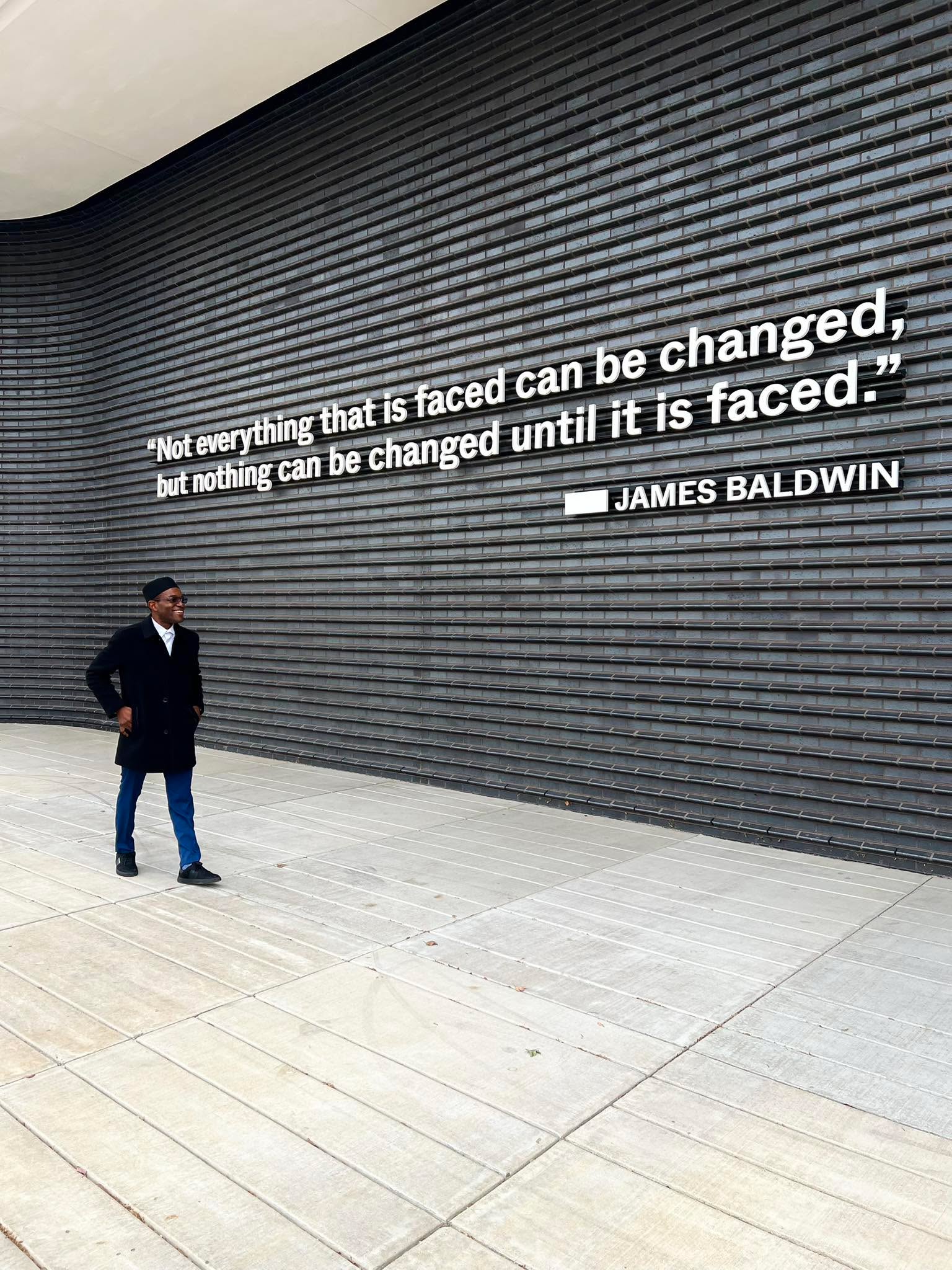
The founder reflects on taking PoiseSocial offline at its peak, not as failure but as a deliberate act of integrity. Faced with an internet increasingly populated by unchecked reporting and clickbait, the writer chose to step back rather than compromise the standards that earned their audience's trust.

The Decline of Blogging as Cultural Curation
This piece traces how Cameroonian entertainment blogging evolved from a practice of cultural discovery and curation into a fragmented creator economy driven by sponsored content and transactional relationships with artists. The writer argues that the shift from website-based editorial platforms to Facebook-dependent content, combined with the rise of influencer culture and pay-to-play dynamics, hollowed out the industry's foundation and prevented it from maturing.
The Media Question: On Ownership, Heroes, and Political Fear in Cameroon
The writer examines how Cameroon's media landscape systematically marginalizes local independent creators while amplifying mediocre, politically neutered talent—a pattern rooted in state fear of homegrown figures who might pose a political threat. The essay argues that true remedy lies not in appealing to existing platforms but in building independent institutions, drawing parallels to Black ownership responses elsewhere.
Introducing Anyoh Fombad & Her Africa-Centric Podcast
A writer celebrates the launch of *Living African*, a podcast by Cameroonian diaspora figure Anyoh Fombad that addresses taboo subjects—domestic violence, rape culture, queerness, family communication—through intimate conversations with guests. The piece argues that such platforms democratize media and give voice to conversations long suppressed in African homes.
The Bonteh Digital Media Awards: Building Legitimacy in a Young Industry
A reflection on the Bonteh Digital Media Awards (BDMA), Cameroon's third-annual recognition platform for media and digital entrepreneurs, examining its value as a networking space while critiquing its structural gaps and suggesting paths toward greater industry credibility.
Pakgne: The Imperative of Focus
A reflection on the rise and creative decline of a Cameroonian webseries, examining how loss of focus—through celebrity collaboration, lifestyle distraction, and mishandled fan relations—can undermine even promising creative work. The writer uses this case to articulate a broader philosophy of sustained, intentional growth.

The Candy Standard: On the Collapse of Intellectual Rigor in Media
The writer reflects on a local reference (Nyangono Du Sud) as a symptom of a broader cultural shift: the normalization of intellectual decline in media. Drawing on Seth Godin's essay on the economics of dumbed-down content, the piece warns against mistaking entertainment for substance and traces how algorithms have accelerated the race to the bottom.
Mobilisation as Civic Power: Lessons from the Orange Cameroon Crisis
A 2018 analysis of the #OrangeIsTheNewMafia campaign, in which Orange Cameroon customers successfully pressured the telecom provider to withdraw a controversial 'reserve credit' service. The writer uses this moment of coordinated public action to reflect on mobilisation, coalition-building, and the untapped potential of unified civic movements.
On Building PoiseSocial: Naming, Collaboration, and Purpose
The founder reflects on the deliberate choices behind PoiseSocial's name and editorial mission, the organic partnership that shaped the platform, and its evolving role as a gathering space for thoughtful writing in Cameroon. The piece offers candid insight into how intention—rather than formula—guided the platform's early growth.
The Candy Diet: On Media Decline and the Collapse of Intellectual Standards
The writer traces the shift from serious, complex media—novels, documentary programming, investigative journalism—to algorithmically-driven clickbait and lowest-common-denominator content. The piece argues that this is not merely about profit-seeking gatekeepers, but a cultural choice to abandon curiosity itself in favor of simplicity, comfort, and easy stimulation.
For Self or for the Cause: On Ethics, Attention, and Editorial Principle
The writer reflects on a lapse in judgment—reviewing a film obtained improperly before its official release—and uses it as a platform to examine how early success and public attention can erode the ethical foundations of a project. Drawing on Ryan Holiday, the piece insists that PoiseSocial exists to serve the cause of honest cultural conversation, not to serve the founder's ambition.