
Humanitarian Crises
World & International Affairs
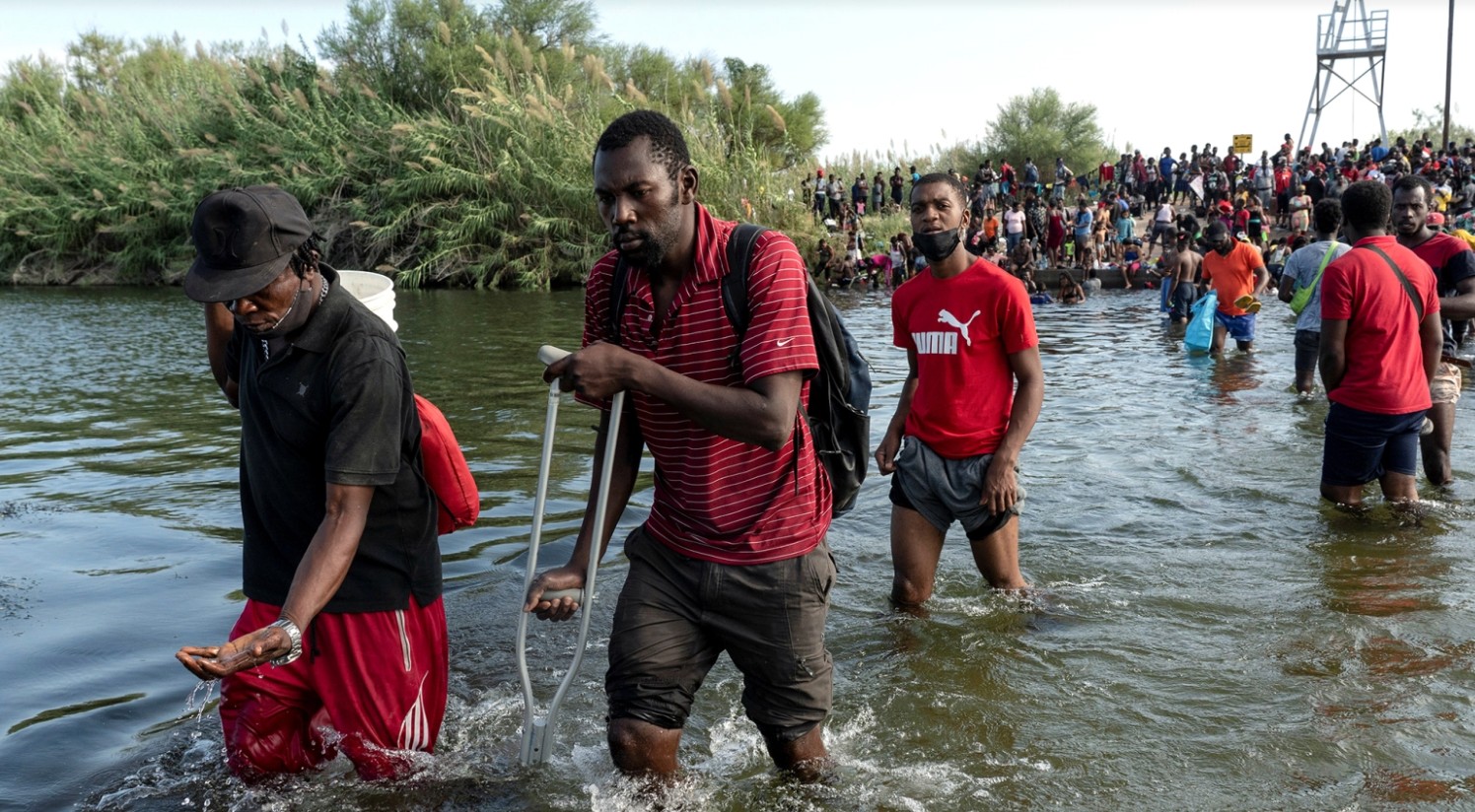
The Movie Nobody Wants to Make: On Migration, Desperation, and Failed States
The writer reflects on the desperate journeys many Africans—including Cameroonians—undertake to reach the United States via Mexico and the Amazon, risking their lives and those of their children. Rather than romance or denial, the piece acknowledges the genuine material advantage of life abroad while assigning moral responsibility to African leaders whose governance failures drive such migrations.
Land, Livelihood, and Lessons from History: The Baka and the Weight of Precedent
Poise draws a sharp parallel between the historical dispossession of Native Americans through the reservation system and ongoing threats to the Baka people's ancestral forest lands in Cameroon. The piece argues that assimilation policies, whether imposed in 19th-century America or through industrial development pressure today, carry predictable and devastating consequences for indigenous communities.
When Global Powers Avert Their Eyes: Rawlings on the Anglophone Crisis
Former Ghanaian president Jerry John Rawlings, speaking at an international peace summit in Seoul, calls out the silence of Western powers and the UN in the face of mass violence against English-speaking Cameroonians, questioning why diplomatic pressure has not materialized despite hundreds dead and hundreds of thousands displaced.
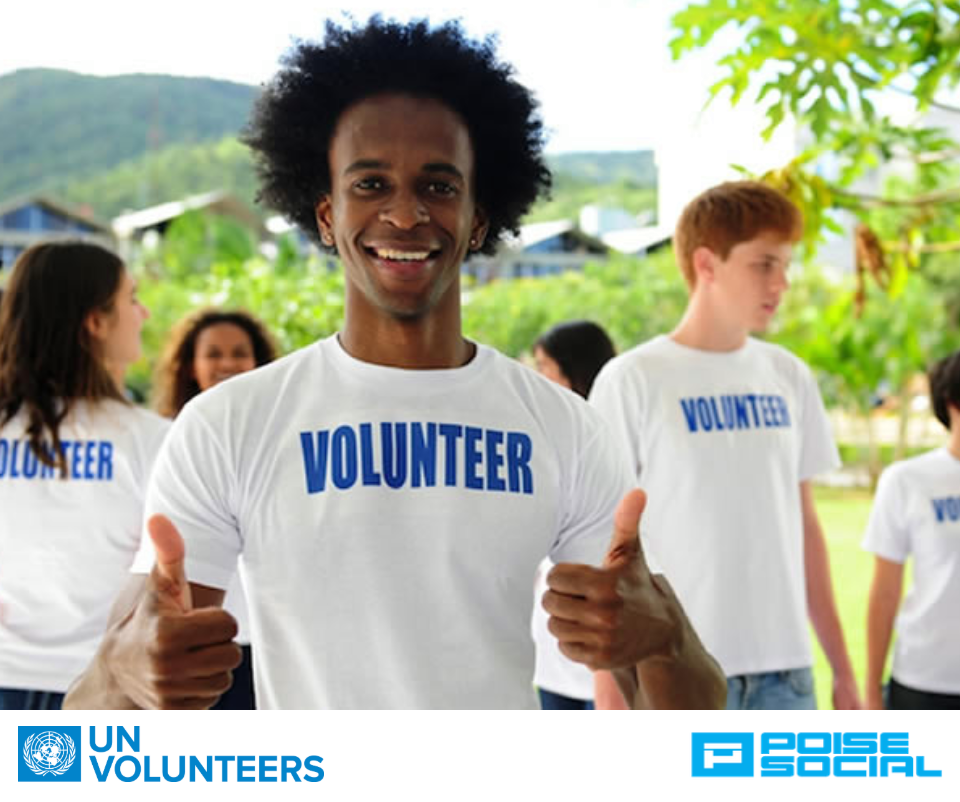
United Nations Volunteer Opportunities: 47 Positions with the World Food Programme in Cameroon
Poise circulated a recruitment notice for 47 volunteer positions with the United Nations World Food Programme across Cameroon, spanning monitoring, logistics, IT, administration, programme support, and communications roles. Applications closed on October 5, 2018, with positions distributed across multiple cities including Yaoundé, Bertoua, Maroua, and others.
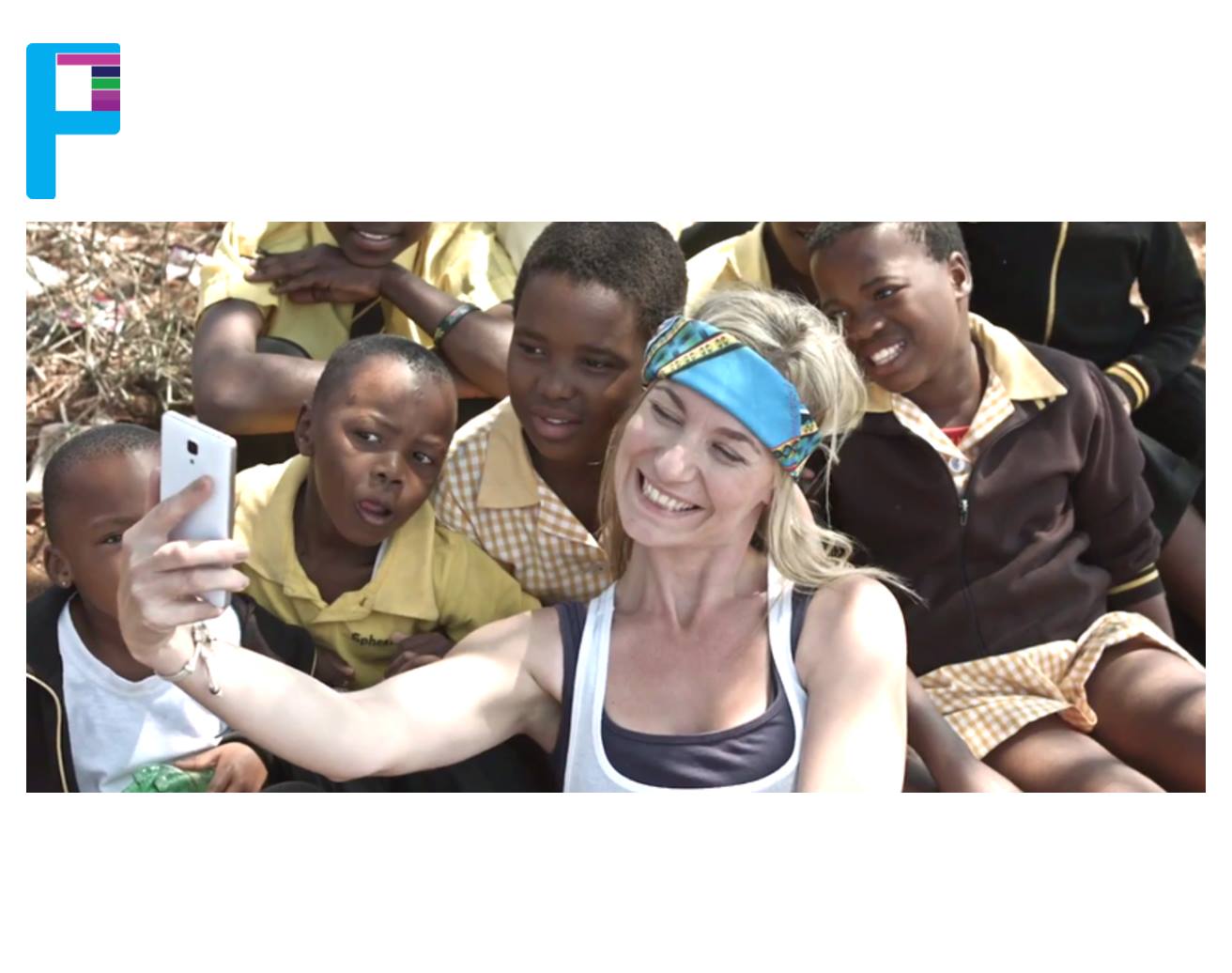
Africans and the White Savior Complex
A sharp critique of African dependence on Western validation and media coverage of continental crises, arguing that Africans must take ownership of their own narratives and solutions rather than waiting for external acknowledgment. The post insists that Africa's growing educated class has a responsibility to build sustainable solutions from within, not to seek approval from the West.