
Faith
Religion & Philosophy
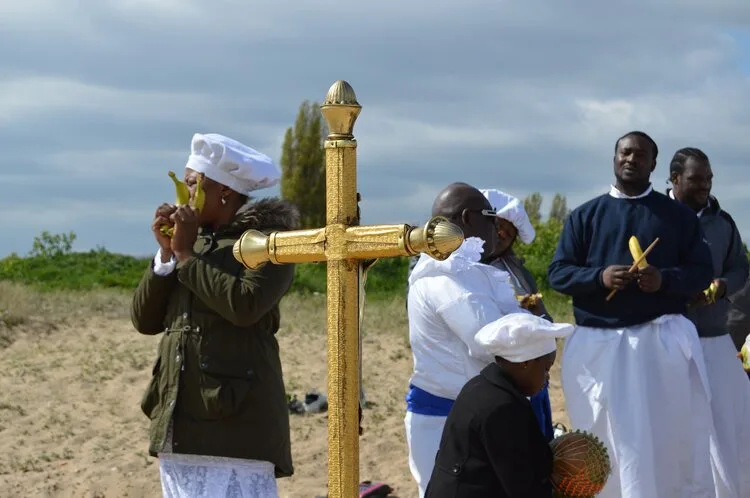
The Burden of Borrowed Faith: Religion and Development in Africa
The writer examines the paradox of African religiosity—the zeal with which imported faiths are practiced—and questions whether religion, especially as a colonial inheritance, has become an obstacle to critical thinking and material progress. The piece argues that dogmatic belief systems discourage the questioning and analysis necessary for genuine development.
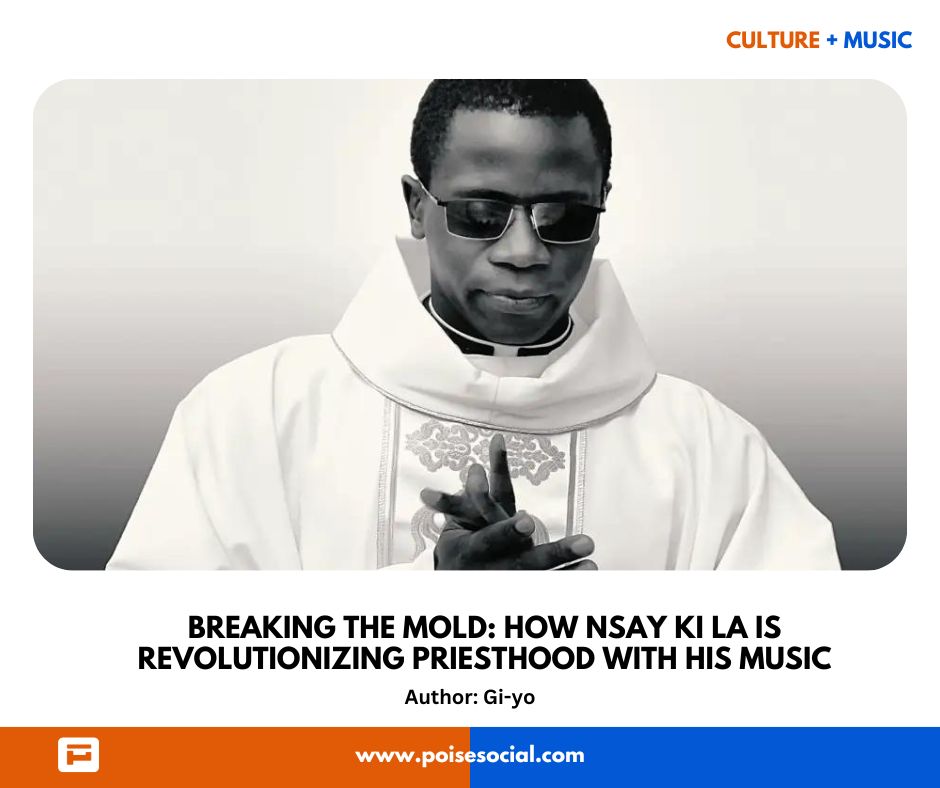
Breaking the Mold: A Priest-Musician in Service of Both Church and Community
Father Nsaikila Wanyu Elvis Njong, known as Nsay Ki La, is a Roman Catholic priest and accomplished musician who creates liturgical and devotional songs rooted in varied genres—from makossa to afrobeats—and in his native Lamnso language. His work spans sacred music, social witness during armed conflict, and an entrepreneurial approach to gospel that refuses to confine worship to tradition alone.
Slay Queens, Urban Acts, and the Spirituality of Success
The writer examines how invocations of divine blessing have become ubiquitous in Afropop and social media culture—from rappers crediting God for their success to 'slay queens' quoting scripture while engaged in morally ambiguous commerce. The piece traces a cultural pattern in which faith serves as explanation for rapid social mobility, mirroring both religious conviction and strategic performance.
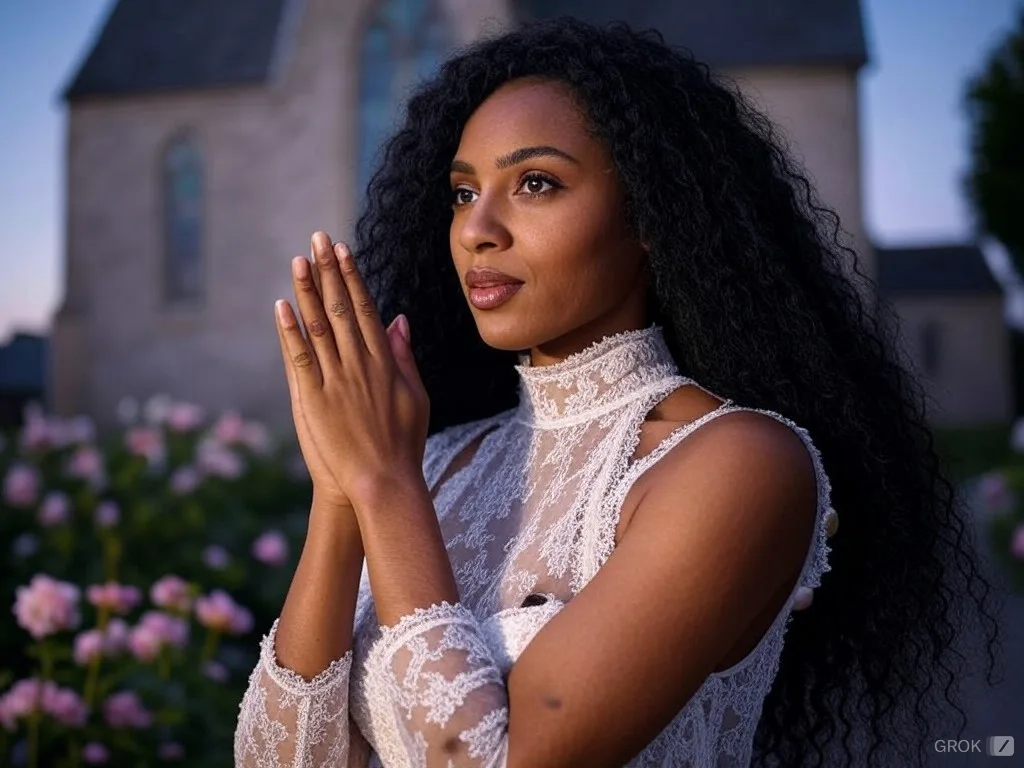
The Sacred and the Secular: Faith, Hustle, and Contradiction in Afropop
The writer traces the curious blending of sacred invocation and secular living across Cameroonian and broader African pop culture—from church singers embracing secular hits to scammers cloaking schemes in scripture to Afropop artists who call on God between songs celebrating earthly excess. The piece examines how this paradox reflects deeper African spiritual pragmatism rather than hypocrisy.
The Mboko Question: Movement or Mirage?
The writer examines the claim that 'Mboko' constitutes a coherent cultural movement, finding instead a set of aesthetics and behaviors untethered to substantive ideology or historical grounding. Through comparison to Hip Hop's documented origins and structure, the piece interrogates what Mboko actually stands for—and concludes it stands for little beyond consumption and online performance.
Keep Holy the Sabbath
A sharp-eyed, comedic monologue set inside a Cameroonian church during Sunday mass, narrated by a congregant whose attention drifts freely from the liturgy to the habits, appearances, and rumored transgressions of everyone around her. The piece captures the gap between the sacred and the social, the sermon and the scandal, with affectionate irreverence.