
Civil Rights
Politics & Government
Côte d'Ivoire: From Elimination to Detention
In 2000, days after the Côte d'Ivoire national football team was eliminated from the Africa Cup of Nations, the country's military regime detained the players and staff at a training camp for what officials called a "civic lesson." The episode revealed how a fragile government weaponized national sport to project strength and discipline during a period of acute political instability.
The Courage Tax: Celebrity Influence and the Limits of Hashtag Activism in Cameroon
The writer reflects on a delegation meeting with Cameroon's Minister of Arts and Culture to oppose a controversial bill, witnessing firsthand how performers abandoned their stated principles once in the room with power. The piece uses this incident to examine why Cameroonian celebrities claim influence they do not possess, and why national-scale activism remains performative rather than substantive.
The Price of Change: On Sacrifice, Institutions, and Why Good People Stay Silent
The writer reflects on Rebecca's public refusal of a presidential candidacy, using it as a lens to examine a deeper paradox in Cameroonian civic life: citizens simultaneously demand change while scorning those willing to pay its cost. The piece interrogates how we defend the very institutions that harm us, and whether collective refusal to sacrifice ultimately empower those in power.
The Ambiguous Embassy: LGBT Rights, Western Pressure, and Cameroon's Reflexes
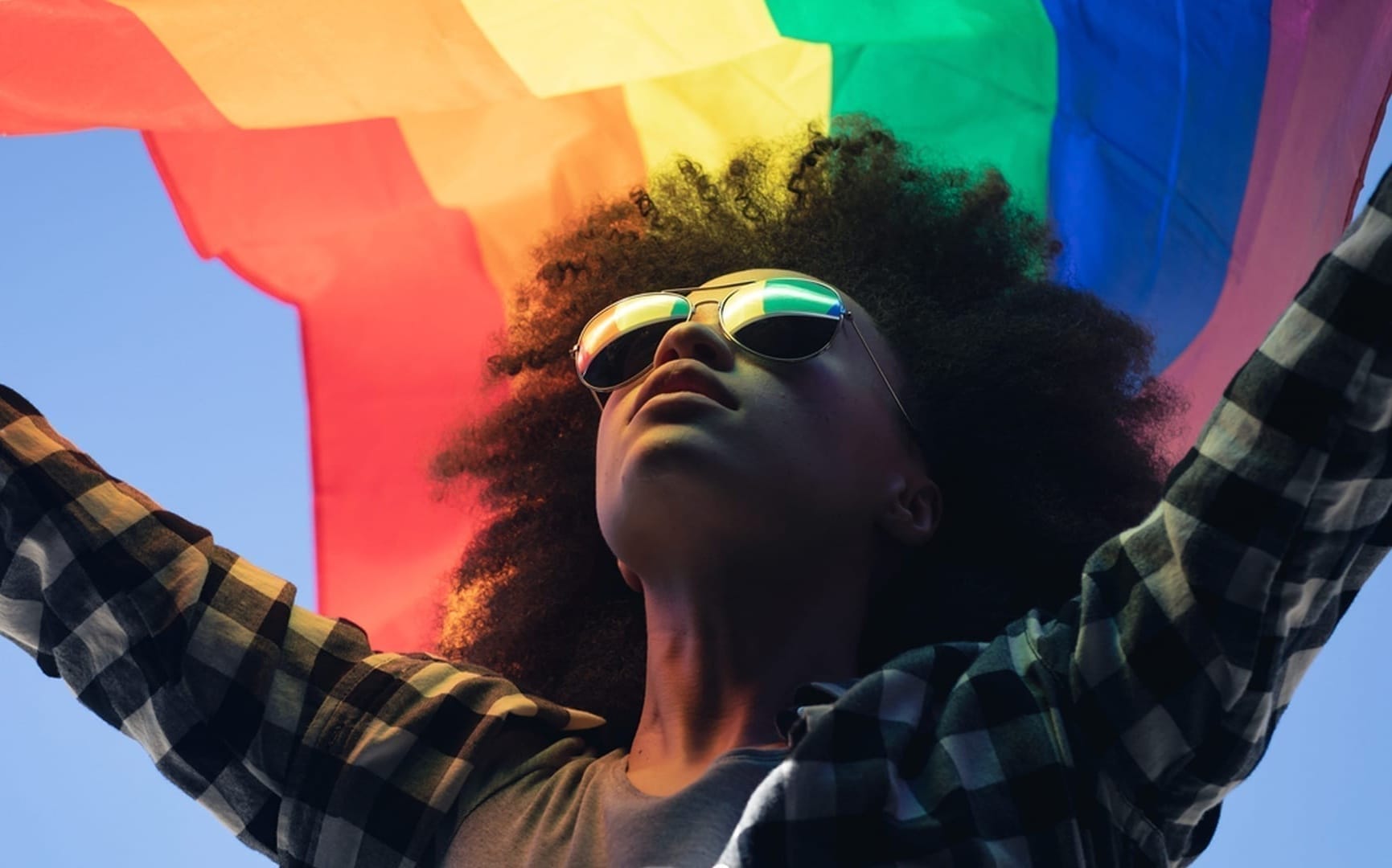
This piece examines the cancelled visit of a French LGBT ambassador to Cameroon as a mirror of the country's genuine homophobia, Western cultural imposition, and the internal contradictions within global LGBT advocacy itself. The writer resists easy framing, acknowledging both the real violence faced by LGBT persons and the legitimate discomfort with what feels like coercive ideological export.
The Anglophone Crisis: A Nation Finally Reckoning
Written in late October 2020, following the Kumba massacre, this piece traces how social media mobilization around the Anglophone crisis shifted from marginal to mainstream, marking the first moment when Francophones and Anglophones seemed to unite against the conflict. The writer argues that prior campaigns like #EndPhoneTax created the conditions for sustained civic pressure, and calls for that momentum to be preserved.
A Black Man Between Victim and Perpetrator
The writer reflects on the contradictory position of being a Black man in a world that casts him simultaneously as vulnerable to systemic violence and capable of inflicting it. Drawing on two news events from May 2020, he traces how childhood conditioning toward white superiority, adult disillusionment, and accumulated historical anger have left him without a clear path forward.
The Road to the Anglophone Crisis
This essay traces the Anglophone crisis—which intensified in late 2016 with strikes by lawyers and teachers—to structural injustices rooted in the 1961 union between Southern Cameroon and La République. The writer argues that the UN plebiscite authorizing the merger was itself illegal, that the subsequent Foumban Conference lacked proper mandate and transparency, and that deliberate marginalization and cultural assimilation have followed ever since.
How Professional Are Our Professionals?
Following the death of a teenager in a Cameroonian hospital and its documentation and broadcast on social media, the writer reflects on the erosion of professional ethics and human dignity among doctors, journalists, police, and soldiers—all enabled by the reflexive reach for smartphones and a deeper failure of institutional accountability.
Feminism Is Not a Quest for Payback
The writer argues that feminist critique of gender discrimination often mischaracterizes historical customs as deliberately malicious rather than pragmatic responses to the realities of their time. By examining inheritance practices, physical capability differences, and cross-cultural examples, the writer proposes that meaningful change requires understanding tradition's logic before dismissing it—not framing progress as payback against men.
The Crisis Sour Fruit
A poet-activist grieves the deaths of Anglophone Cameroonians in military operations—including named individuals—and indicts state violence as incompatible with the national motto of Peace, Work, Fatherland. The piece moves from specific losses to systemic critique: police brutality, economic extraction, suspended freedoms, and a government that has surrendered legitimacy through indifference to its own people's suffering.
Celebrity Silence and the Politics of a Peace Song
This piece critiques Cameroonian celebrity culture for moral evasion during a moment of national crisis, specifically targeting the 2018 song 'We Need Peace' as a case study of how artists use vague, apolitical messaging to avoid risk while appearing engaged.
Sexual Harassment at UB: Institutional Failure and the Work Ahead
The writer recounts a near-rape incident involving a friend and a lecturer at the University of Buea, using it as a lens to examine how institutional power, gendered vulnerability, and victim-blaming enable sexual violence in Cameroonian universities. The piece argues that while feminist activism has brought necessary scrutiny to patriarchy and sexual assault, the systemic failures that allow predators to operate with impunity remain largely unaddressed.