
Religion & Philosophy
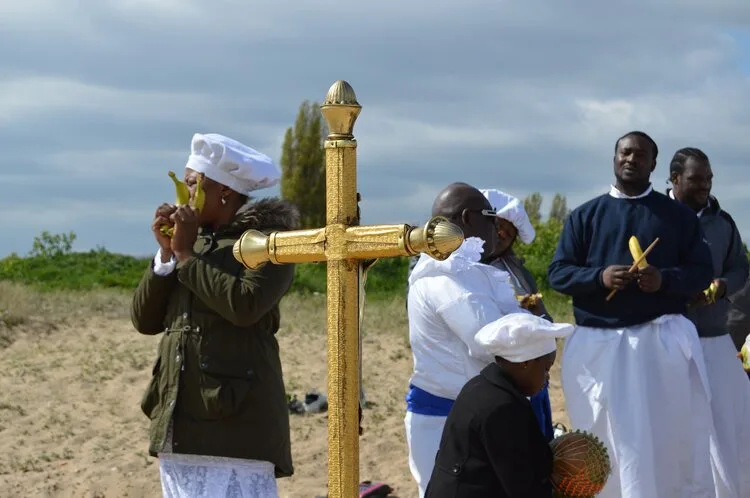
The Burden of Borrowed Faith: Religion and Development in Africa
The writer examines the paradox of African religiosity—the zeal with which imported faiths are practiced—and questions whether religion, especially as a colonial inheritance, has become an obstacle to critical thinking and material progress. The piece argues that dogmatic belief systems discourage the questioning and analysis necessary for genuine development.
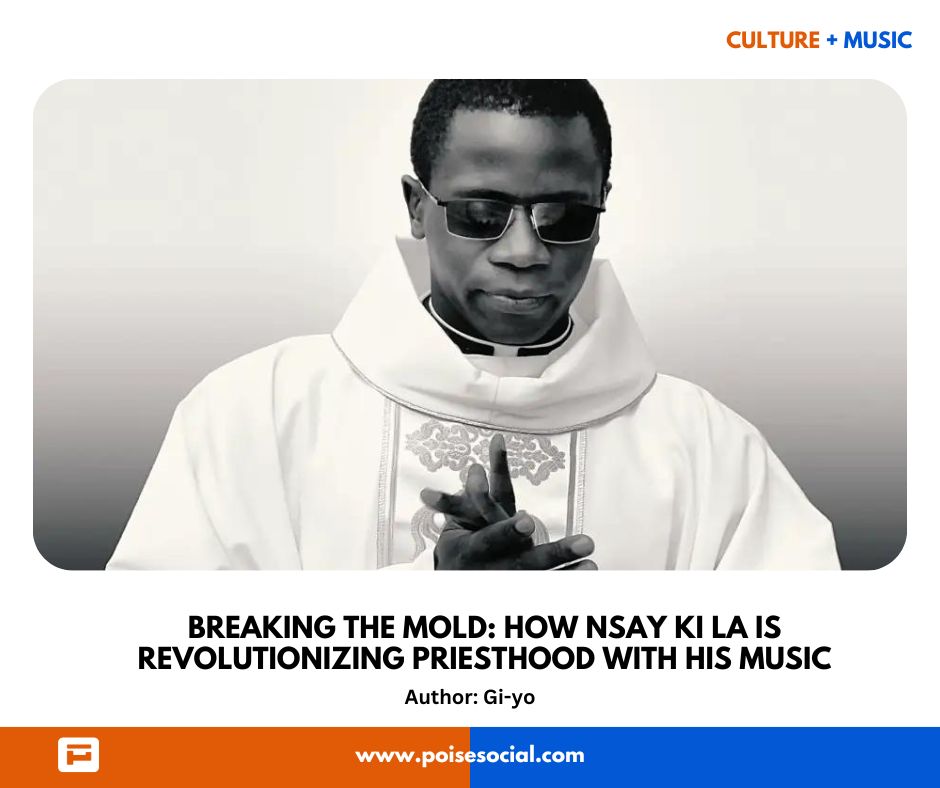
Breaking the Mold: A Priest-Musician in Service of Both Church and Community
Father Nsaikila Wanyu Elvis Njong, known as Nsay Ki La, is a Roman Catholic priest and accomplished musician who creates liturgical and devotional songs rooted in varied genres—from makossa to afrobeats—and in his native Lamnso language. His work spans sacred music, social witness during armed conflict, and an entrepreneurial approach to gospel that refuses to confine worship to tradition alone.
Six Tendencies That Undermine Our Claim to Logical Reasoning
This essay interrogates the gap between humanity's self-perception as rational beings and the widespread behaviors—information consumption patterns, susceptibility to financial schemes, resistance to learning, and emotional defensiveness—that contradict that claim. The writer argues that these tendencies are particularly visible in contemporary Cameroonian society, where logical consistency is honored in theory but abandoned in practice.

The Gift We Don't Use: On Reason, Instinct, and Our Collective Choices
The writer examines a paradox at the heart of contemporary life in Cameroon: humans pride themselves on logical reasoning, yet consistently make choices—from media consumption to financial schemes to learning habits—that contradict rational self-interest. The piece argues that reasoning is available to us, but using it remains a choice we frequently decline.
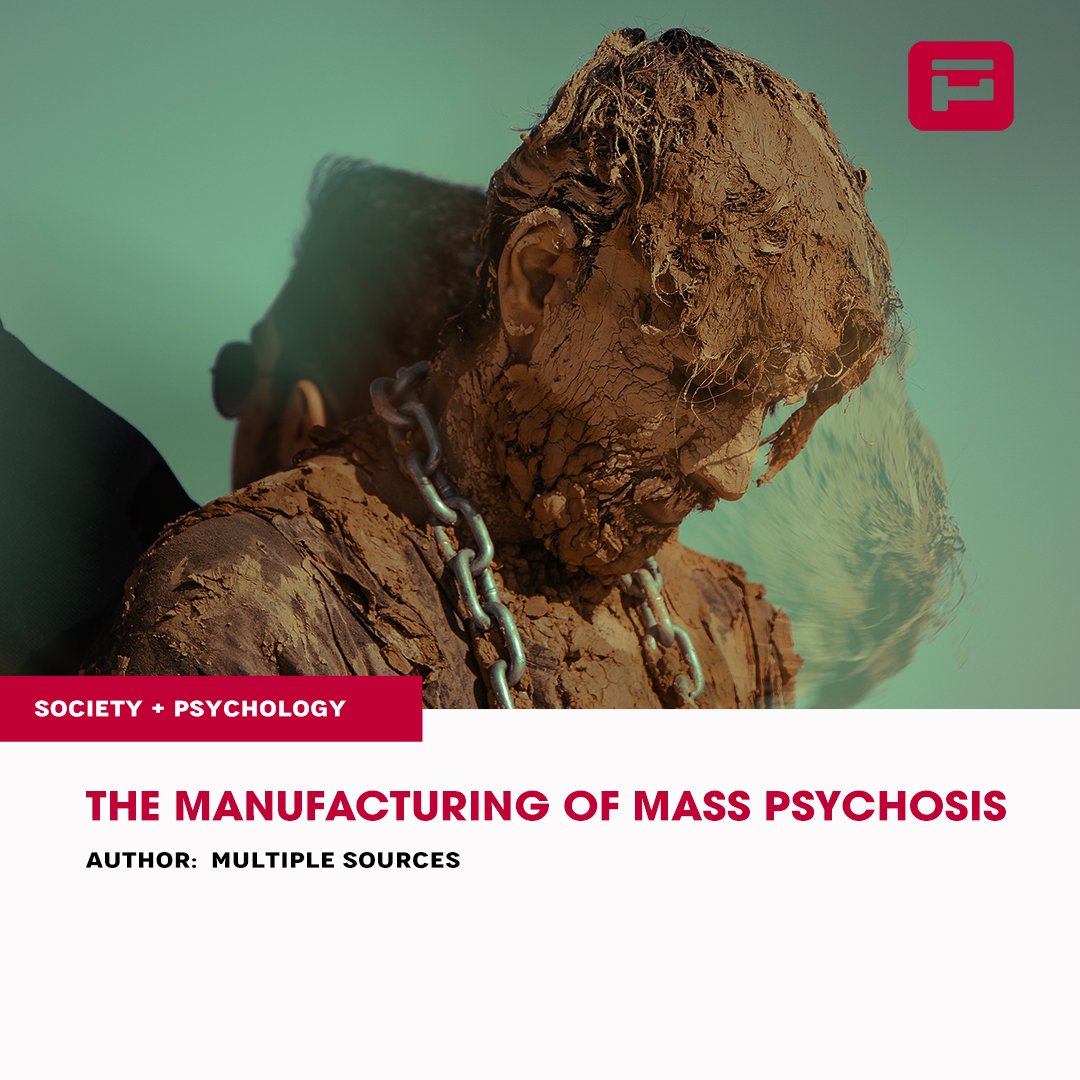
The Manufacturing of Mass Psychosis
The writer examines how totalitarian regimes employ psychological manipulation—fear, propaganda, and what Joost Meerloo called 'menticide'—to transform populations into compliant subjects. Drawing on historical scholarship, the piece traces the mechanism by which ruling elites induce mass delusion as a tool of control.
Useful Concepts You Should Know (Part 3)
A curated collection of cognitive biases, logical fallacies, and intellectual tools—from Taleb's insight on overcoming prejudice to Popper's falsifiability principle—designed to sharpen critical thinking and guard against self-deception.
Useful Concepts You Should Know (Part Two)
A survey of twenty cognitive biases and reasoning fallacies—from the babble hypothesis to ad hoc rescue—that shape how we lead, categorize, judge, and defend ideas. The writer presents each concept as a clear-eyed observation of where human judgment routinely fails us.
Useful Concepts You Should Know (Part One)
Poise curates ten psychological and behavioural concepts—from the Gruen Effect to Permission Structures—drawn from social observation and cognitive research. The piece treats these ideas as tools for understanding everyday human behaviour and navigating one's own mind.
Rise Up, Authentic Woman
A reflection on authentic womanhood as modeled by Joyce Meyer and biblical figures, arguing that Christian women today must shed the masks of social media performance, embrace vulnerability, and live out genuine purpose rooted in faith, sacrifice, and service to others.
Is It Wrong If No One Gets Harmed?
The writer examines a common modern moral principle—that an action is wrong only if it causes harm—and questions whether this framework is adequate. Drawing on Malcolm Gladwell's recollection of childhood trespass, the piece traces a cultural shift from rule-based morality to consequence-based ethics, then argues that we have become blind to the inner harms of unchecked thought and desire.
Should a Gospel Artist Perform at Nightclubs?
The writer examines a persistent ethical question in Christian circles by moving beyond simple yes-or-no answers. Through biblical reasoning and practical consideration, they argue that while unlikely in practice, a gospel artist might justifiably accept a nightclub performance opportunity if motivated by genuine mission rather than personal gain or spiritual compromise.
Slay Queens, Urban Acts, and the Spirituality of Success
The writer examines how invocations of divine blessing have become ubiquitous in Afropop and social media culture—from rappers crediting God for their success to 'slay queens' quoting scripture while engaged in morally ambiguous commerce. The piece traces a cultural pattern in which faith serves as explanation for rapid social mobility, mirroring both religious conviction and strategic performance.
The Sacred and the Secular: Faith, Hustle, and Contradiction in Afropop
The writer traces the curious blending of sacred invocation and secular living across Cameroonian and broader African pop culture—from church singers embracing secular hits to scammers cloaking schemes in scripture to Afropop artists who call on God between songs celebrating earthly excess. The piece examines how this paradox reflects deeper African spiritual pragmatism rather than hypocrisy.
The Mboko Question: Movement or Mirage?
The writer examines the claim that 'Mboko' constitutes a coherent cultural movement, finding instead a set of aesthetics and behaviors untethered to substantive ideology or historical grounding. Through comparison to Hip Hop's documented origins and structure, the piece interrogates what Mboko actually stands for—and concludes it stands for little beyond consumption and online performance.
Keep Holy the Sabbath
A sharp-eyed, comedic monologue set inside a Cameroonian church during Sunday mass, narrated by a congregant whose attention drifts freely from the liturgy to the habits, appearances, and rumored transgressions of everyone around her. The piece captures the gap between the sacred and the social, the sermon and the scandal, with affectionate irreverence.
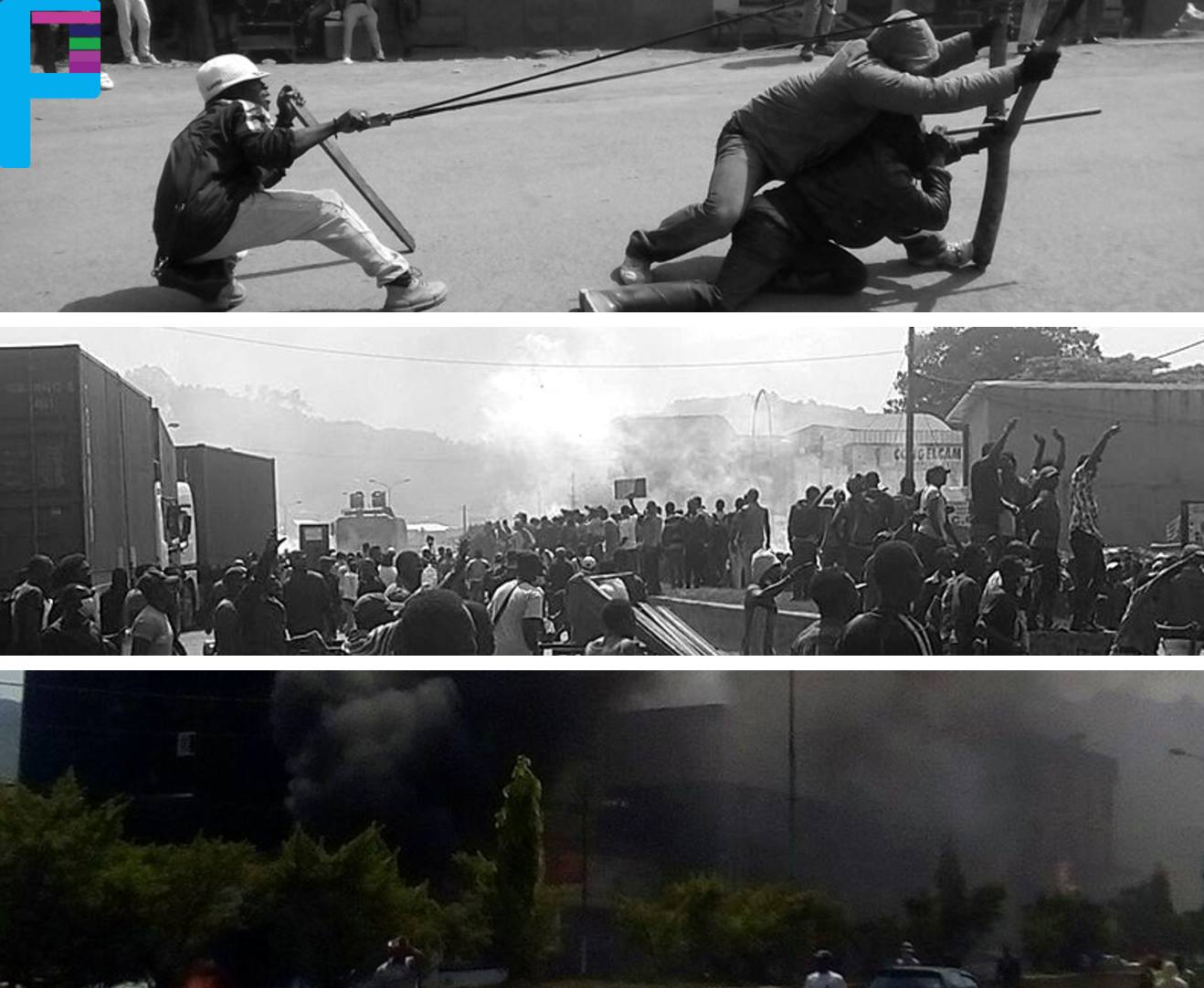
Must Change Occur with Violence?
The writer argues against the prevalent narrative that systemic change requires violence, contending instead that history's greatest transformations—the Renaissance, the Industrial Revolution—occurred through shifts in thought and capability. Drawing on the Cameroonian context of recent political turmoil, the piece proposes that meaningful change begins at the individual level, through skill-building and the stories we tell ourselves, rather than through confrontation.