

Ngwashi Christabel
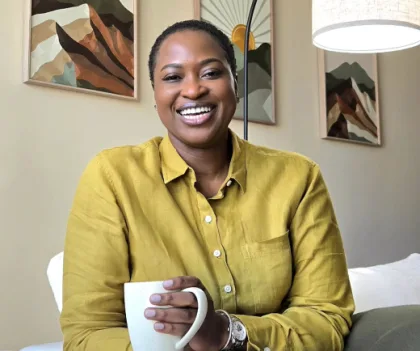
Increasing Your Surface Area of Luck: Nine Practices for Emerging African Professionals
The writer reflects on how she accumulated over $250,000 in grants, scholarships, and international opportunities as a young Cameroonian woman without family wealth or political connections—and attributes this not to talent alone but to deliberately expanding her exposure to opportunities and people. She offers nine practical strategies for other young Africans to do the same.

Knowledge As Currency: Building Authority Through Answering Questions
The writer argues that professionals across Cameroon—lawyers, accountants, designers, mechanics, and vendors—can build lasting brand authority and generate income by producing content that answers their customers' real, everyday questions rather than simply promoting products or services. This shift from direct sales to indirect monetization through expertise creates trust, positions them as authorities, and opens multiple revenue streams.
Feminising Healthcare: Four Reasons Why It Serves Universal Health Coverage
A physician argues that centering women's health, leadership, economic power, and decision-making authority is not ideological but pragmatic—a necessary framework for achieving universal health coverage across Africa. The writer draws on personal experience and systemic observation to show how gender equity in healthcare directly improves outcomes and health system resilience.

Why Feminism Matters for Universal Healthcare in Africa
A Cameroonian physician argues that achieving universal health coverage across Africa requires centering women's health, leadership, economic power, and decision-making authority—not as a peripheral concern, but as a structural necessity rooted in feminist principles of equality and rights.
Four Good Reasons Why Feminising Healthcare Can Help Achieve Universal Health Coverage
The writer, a practising physician in Cameroon, argues that gender equality and women's empowerment are essential tools for achieving universal health coverage in Africa. Drawing on personal experience—from societal pressure against a medical career to clinical moments where women's decision-making authority is overridden—she identifies four intersecting domains: women's health outcomes, women's leadership in healthcare systems, economic justice, and equitable decision-making power.